Kuriyama Park & Nakayoshi Zoo
Posted on
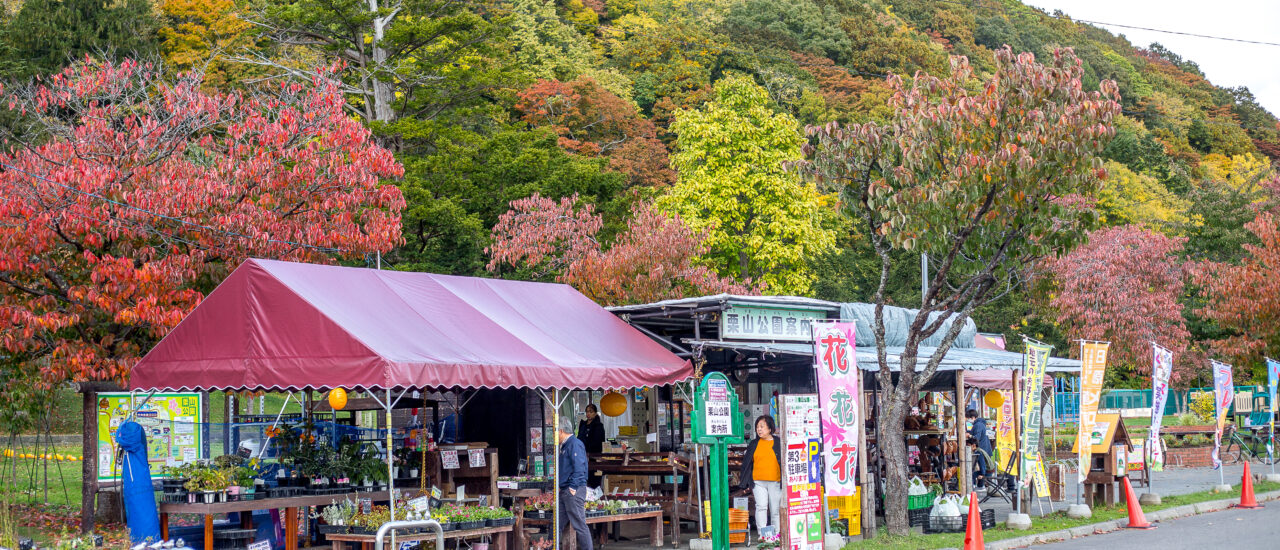
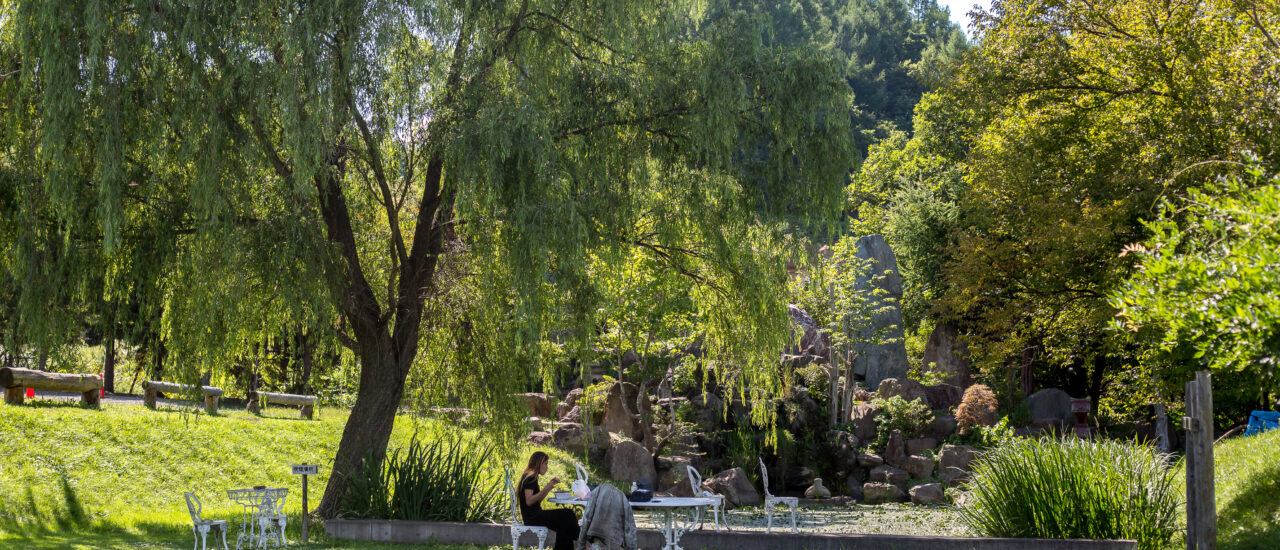
Kuriyama Park is a peaceful recreational park in Hokkaido known for its seasonal beauty, open green spaces, and family-friendly atmosphere. The park is especially popular during spring when cherry blossoms bloom throughout the grounds, attracting visitors from nearby Sapporo and surrounding towns. Read More ....


 The
The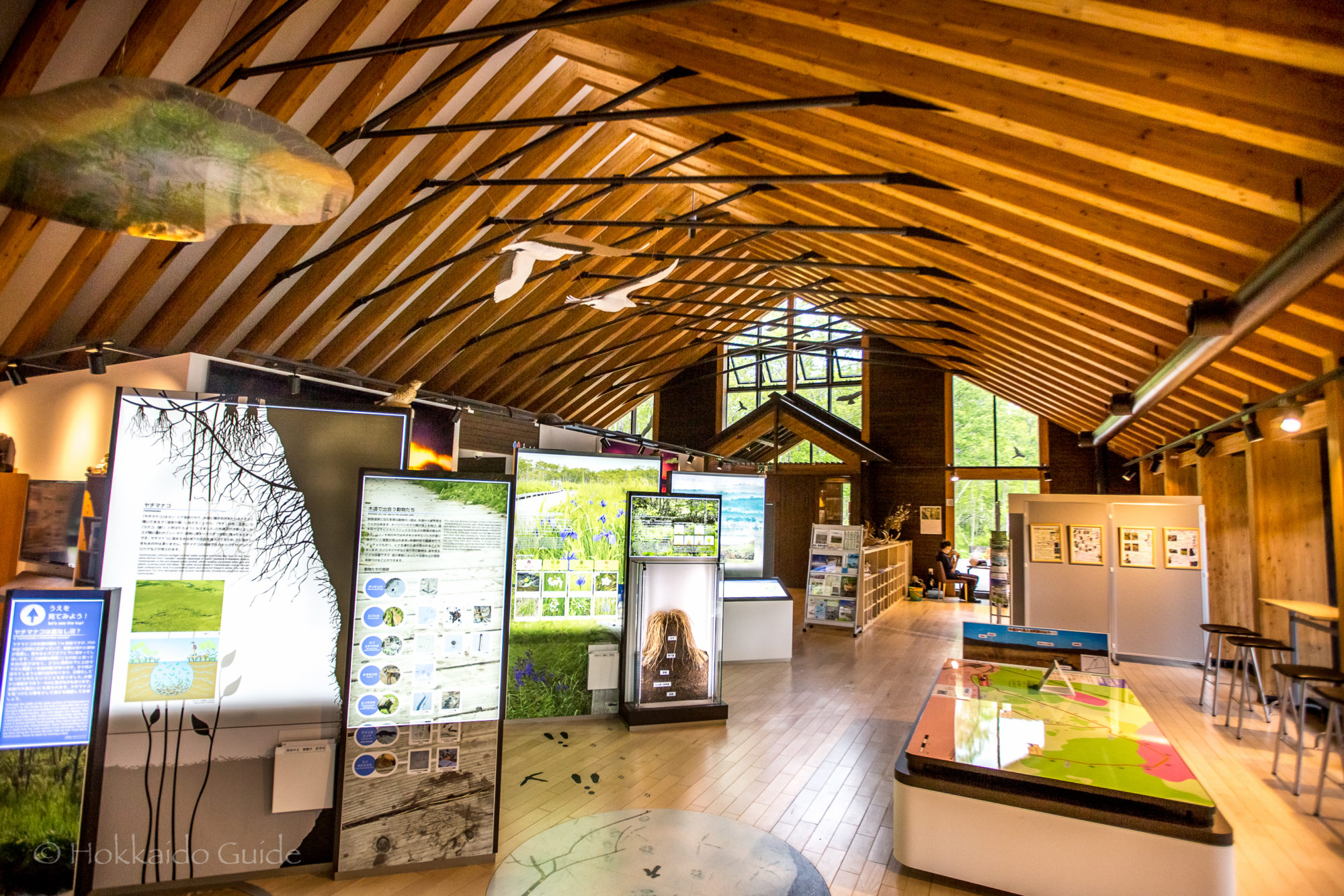
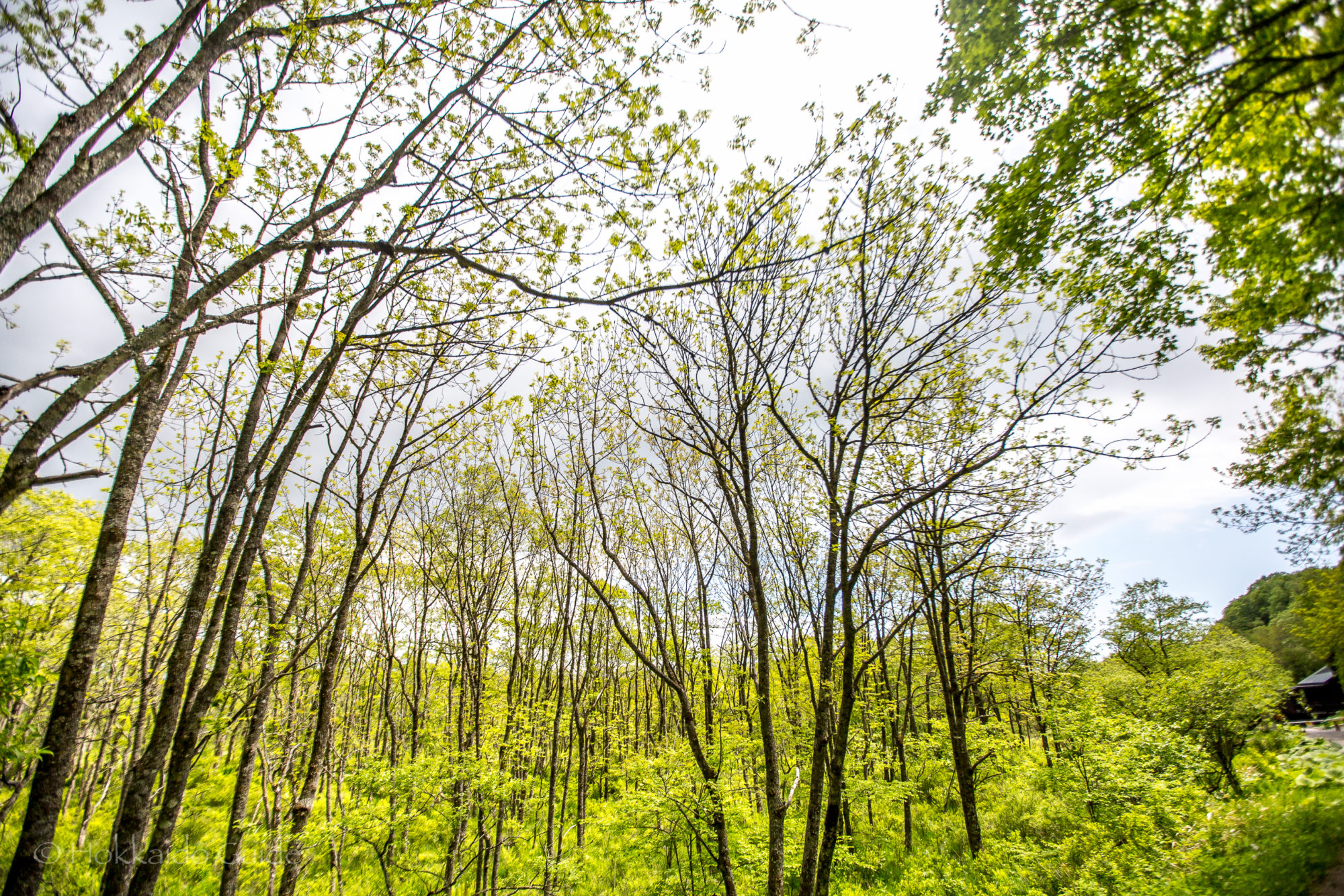
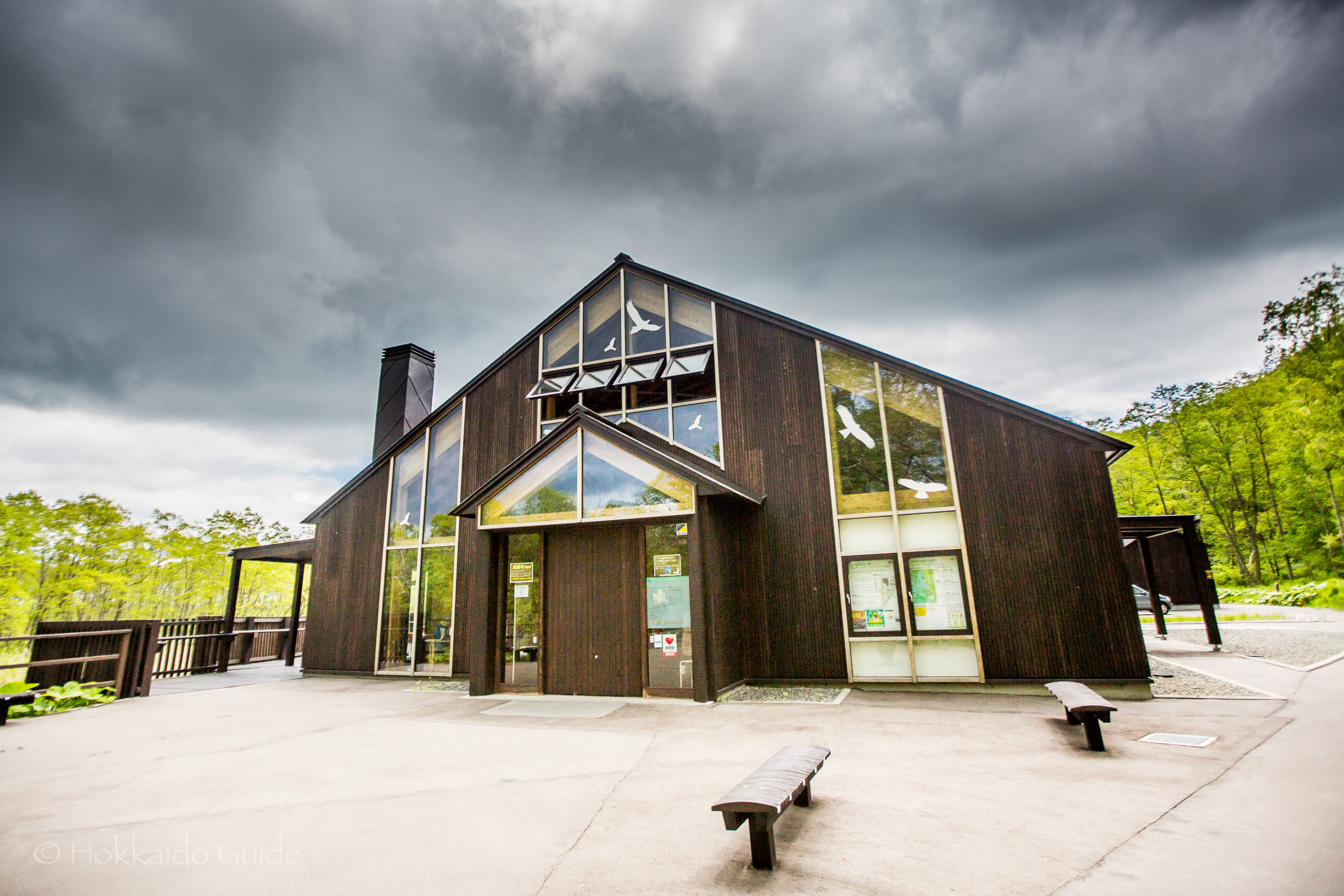
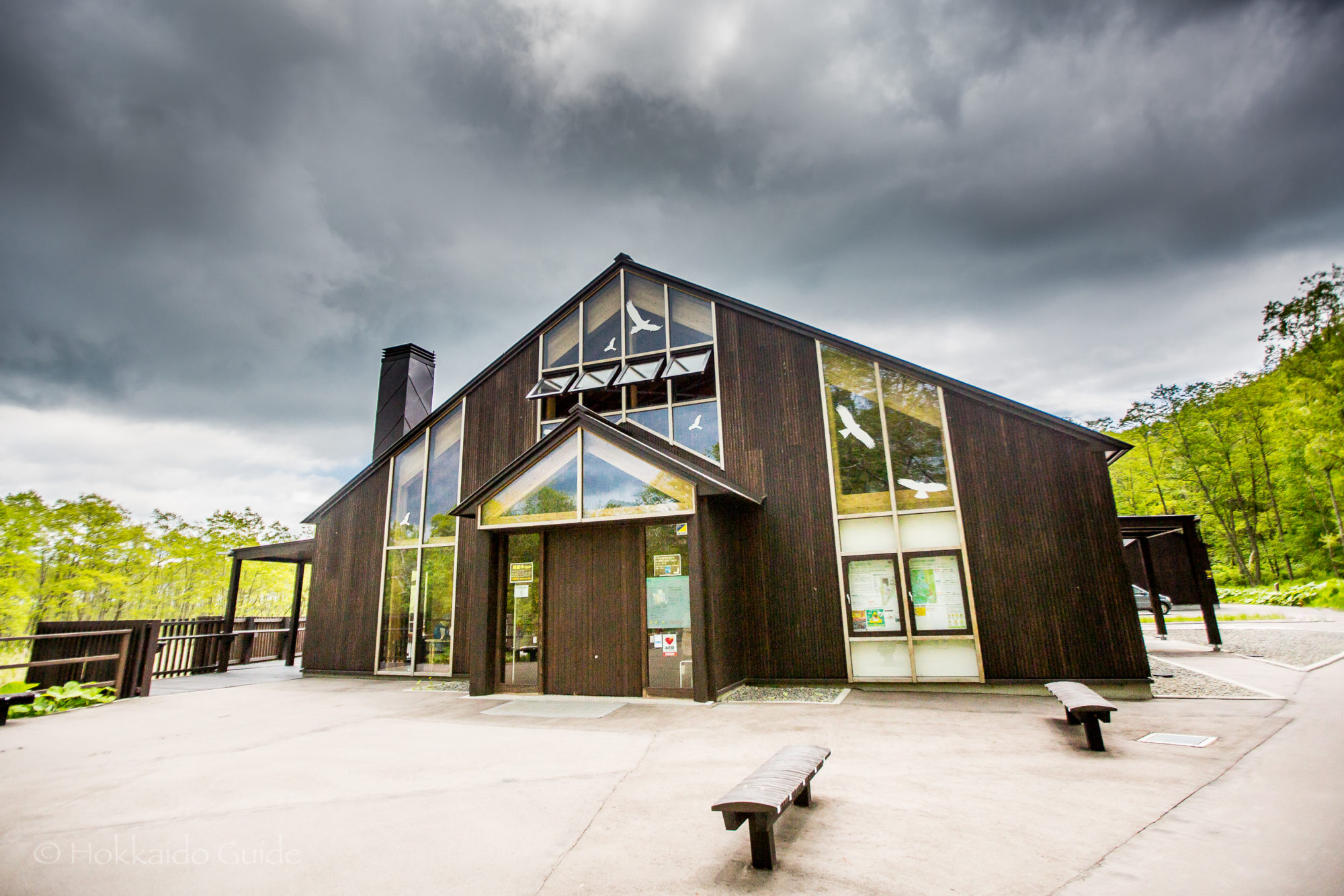
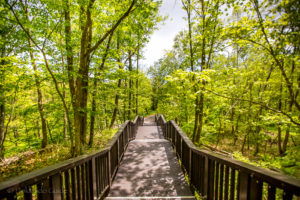
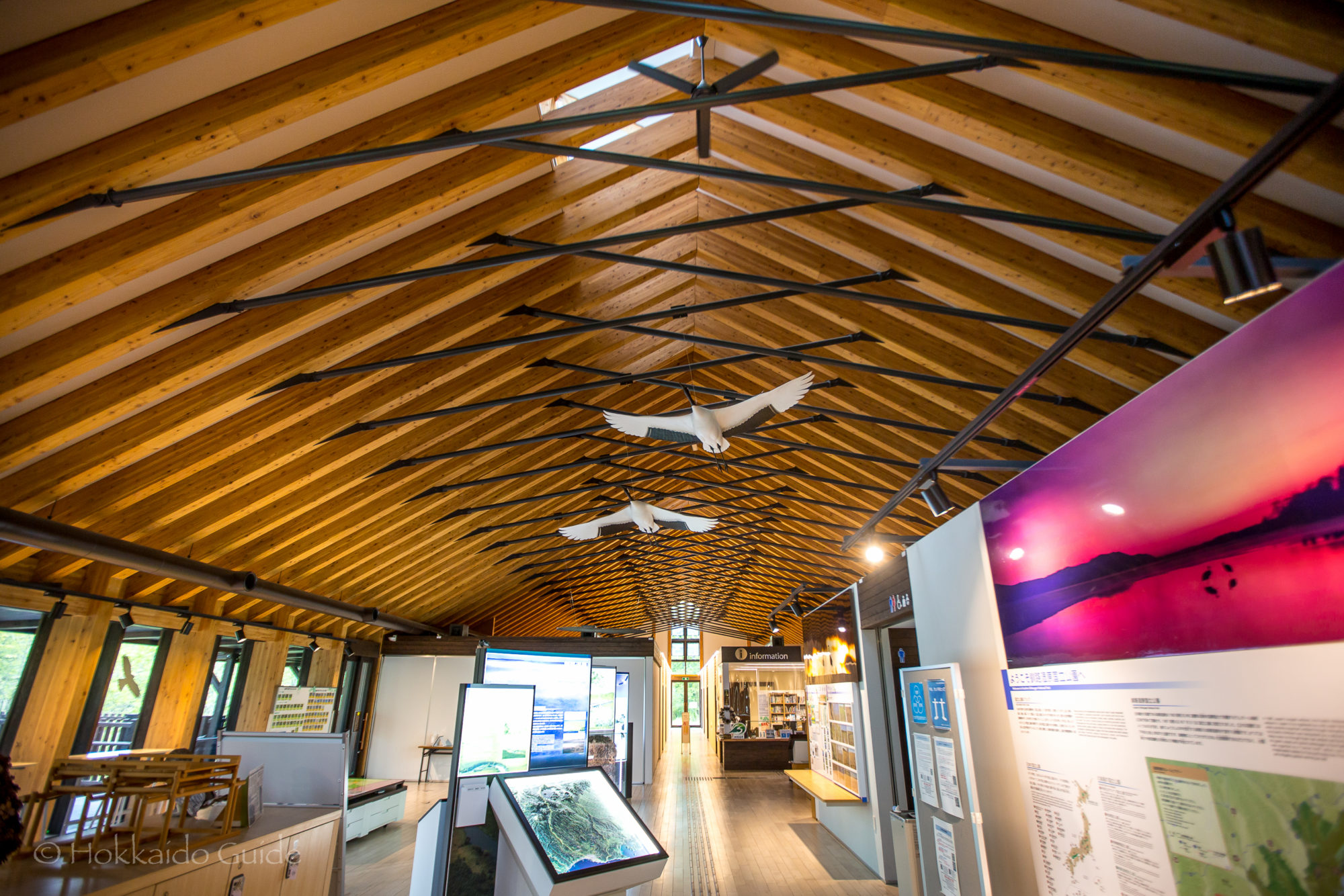
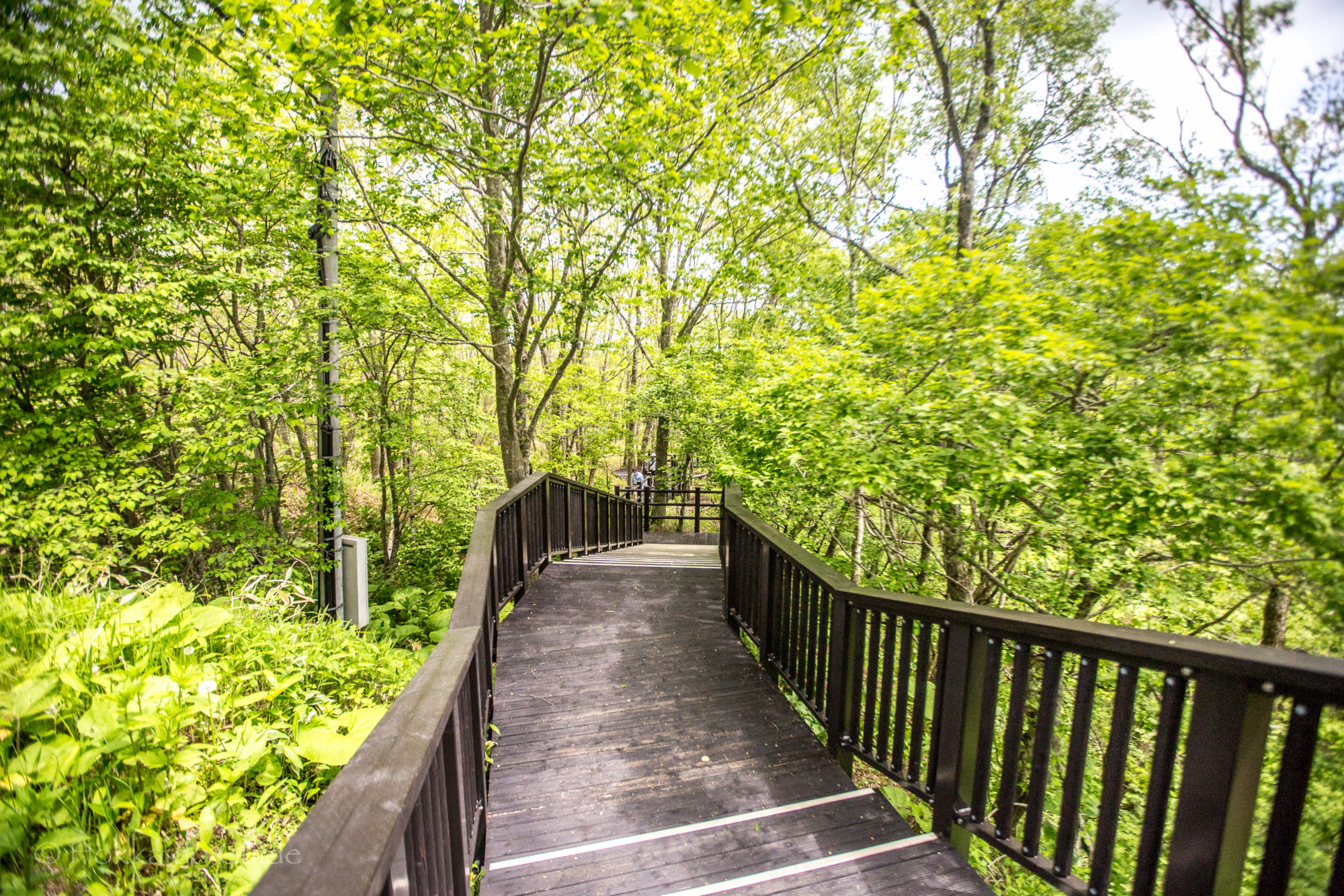
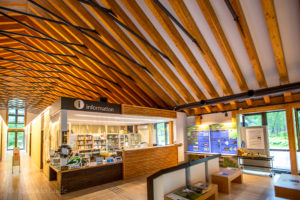 At the center, via video panels, you can learn about the plants and animals that live in the national park. This area can be visited in any season. The lush greenery in spring, the golden leaves in autumn, the winter snow, and during the summer months of July and August, you can see the marsh lit by the glow of fireflies. Cross-country skiing is possible in the winter, and you can rent skis and snowshoes free of charge from the facility. There are three separate walking courses from the center. The shortest being a short ten minute course. the middle course is 2 kilometers, and the longest course is around 3.1 kilometers. Free and paid guided nature walks are available. Cross-country skiing is possible in the winter, and you can rent skis and snowshoes free of charge from the facility.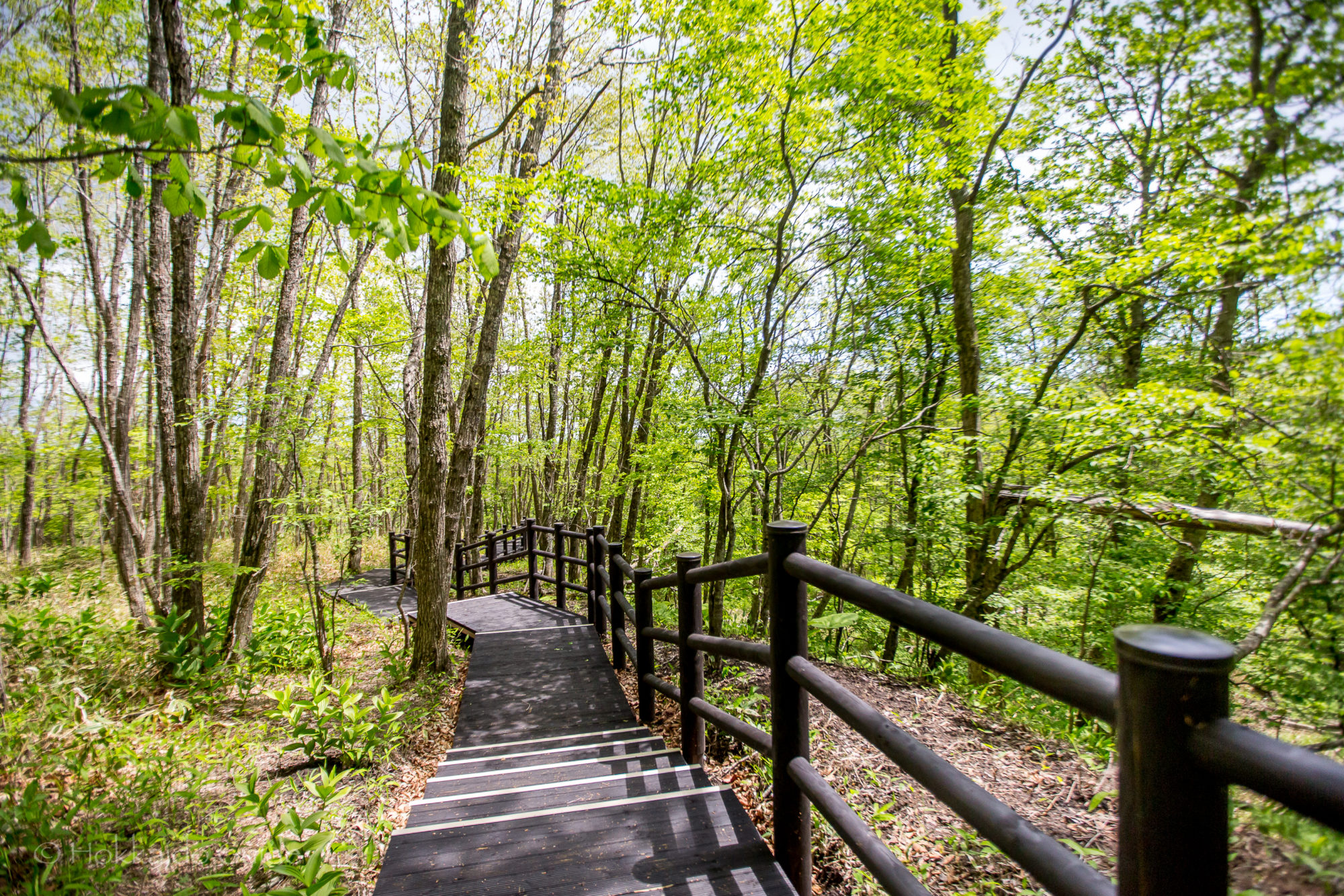
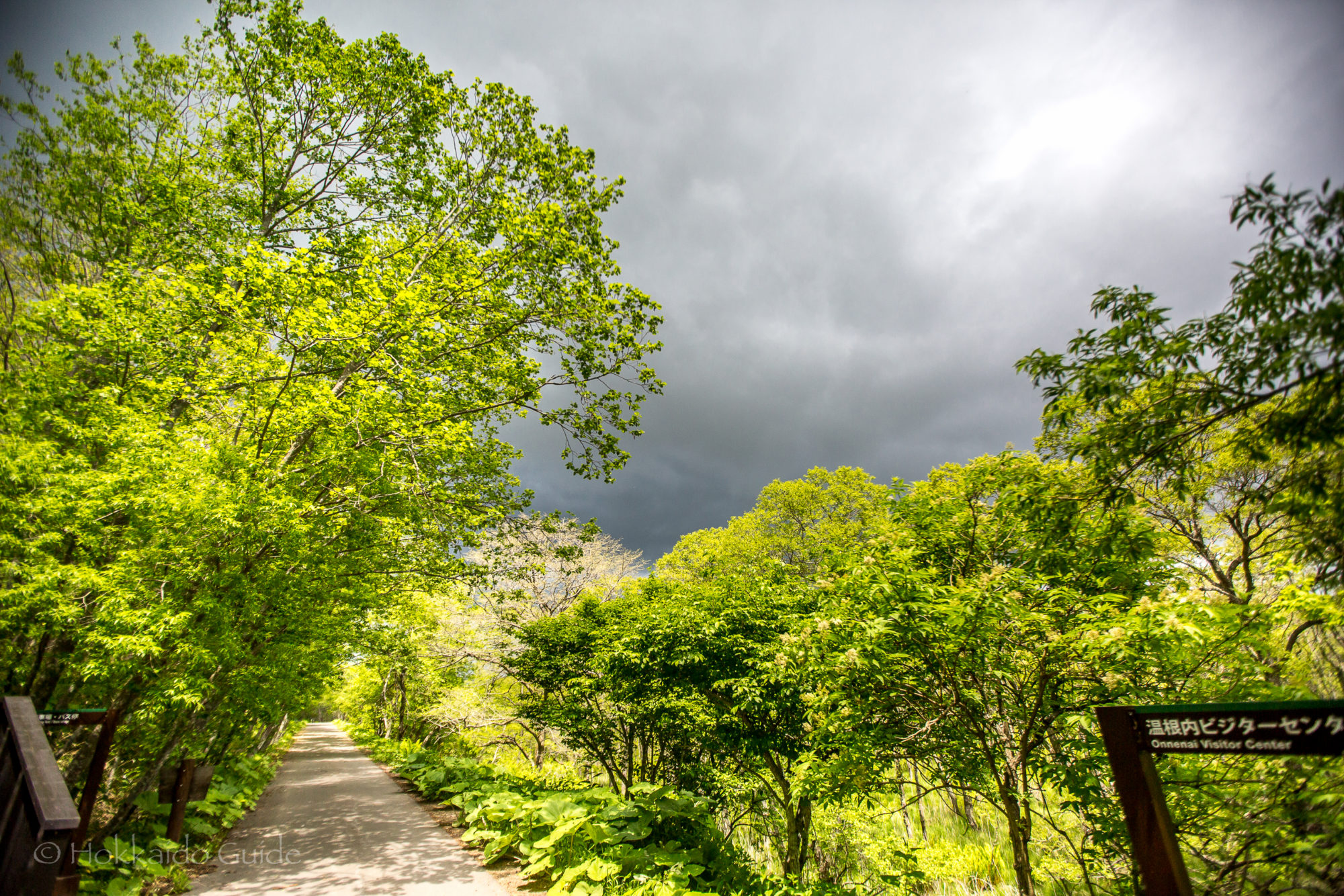
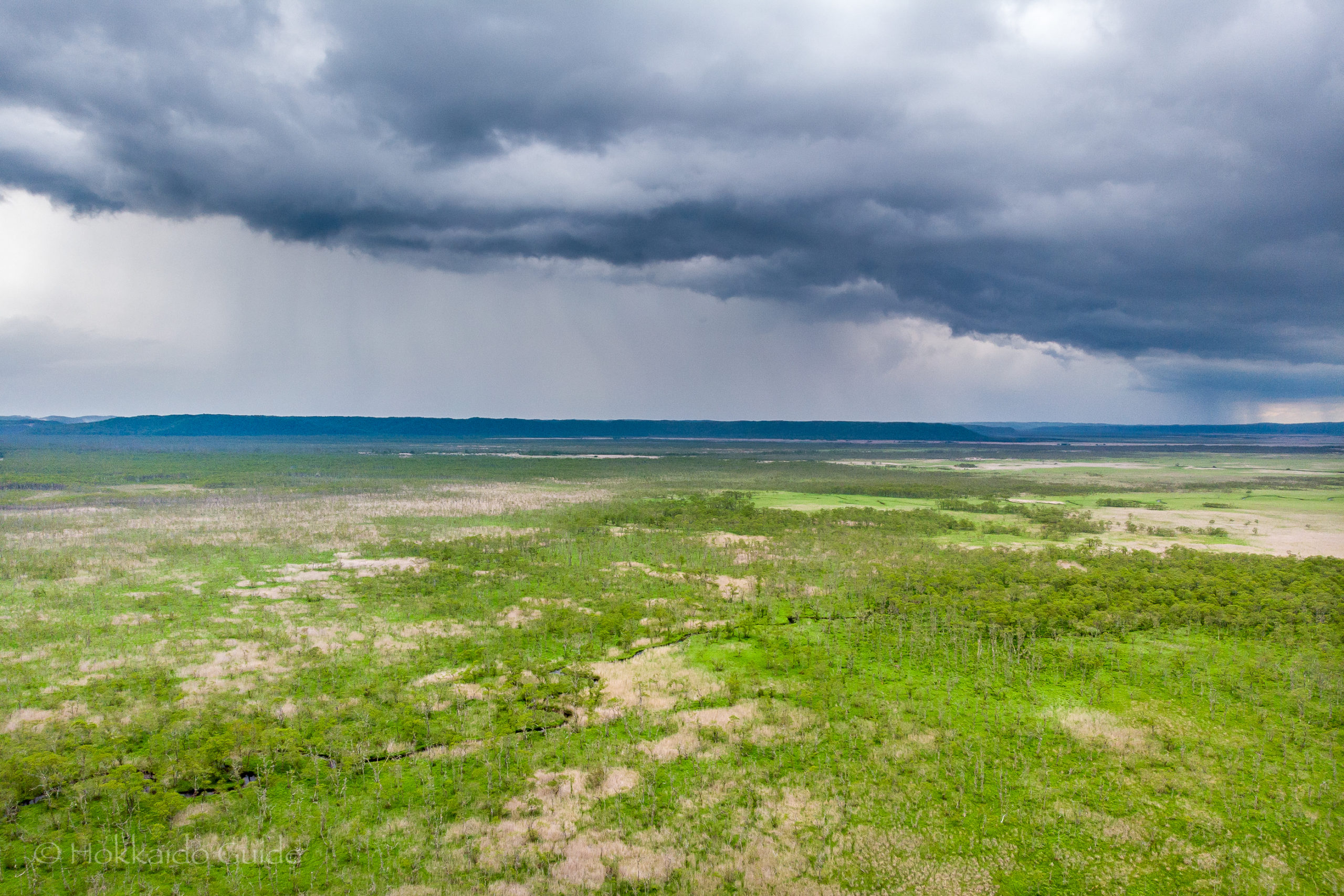
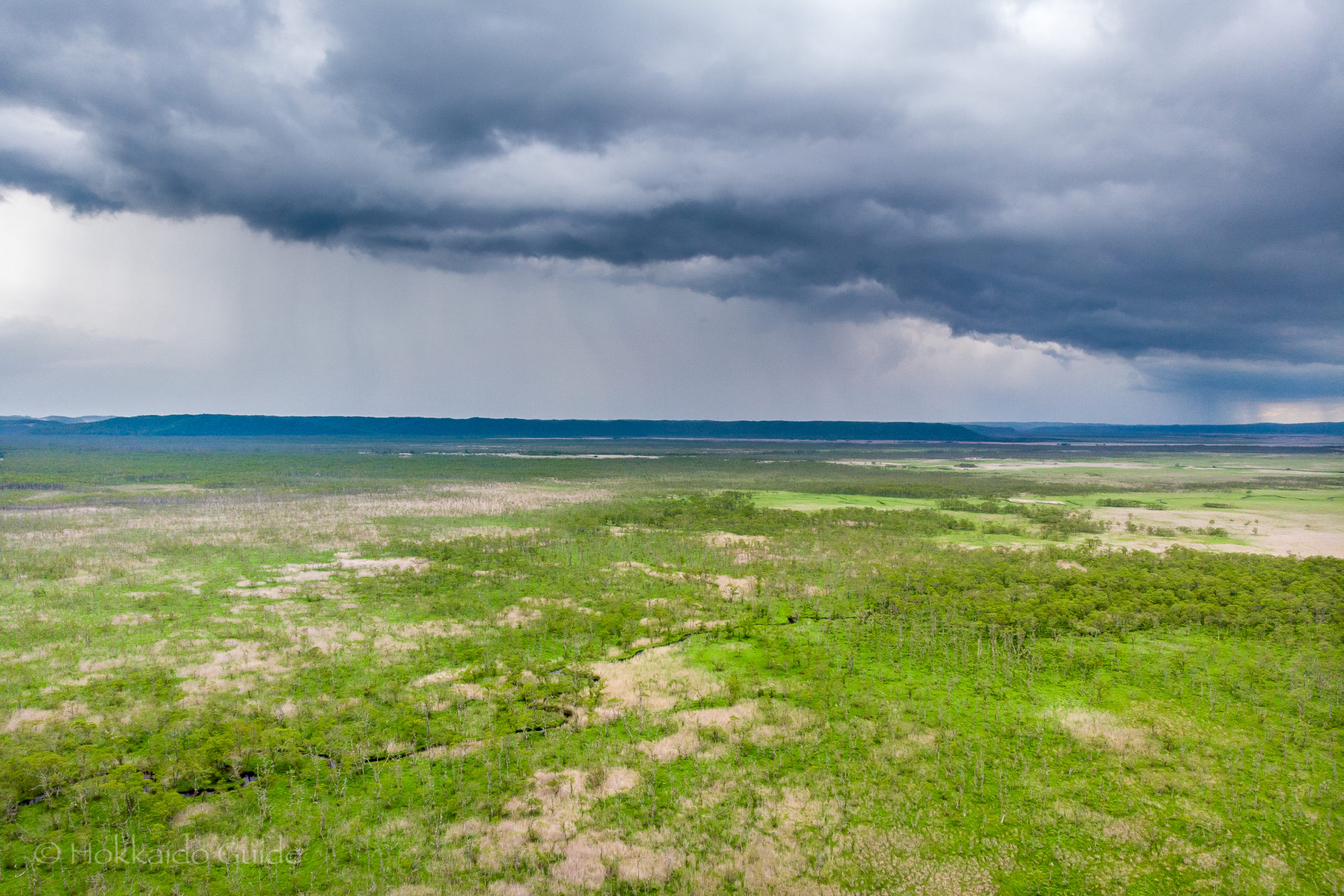
 The Kushiro Shitsugen National park (better known as the Kushiro Marshland) is a national park, located to the north of Kushiro on the eastern side of Hokkaido. The park is known for its wetlands ecosystems. ‘Shitsugen’ translates to wetlands in English. It was designated as a national park on 31 July 1987. The massive park covers an area of 268.61 square kilometres on the Kushiro plain and is well known for its wildlife and vegetation. The park also contains the largest tracts of reed beds in Japan! The Kushiro river, which originates from Lake Kussharo, winds its way through much of the park and ends in the harbor of Kushiro City.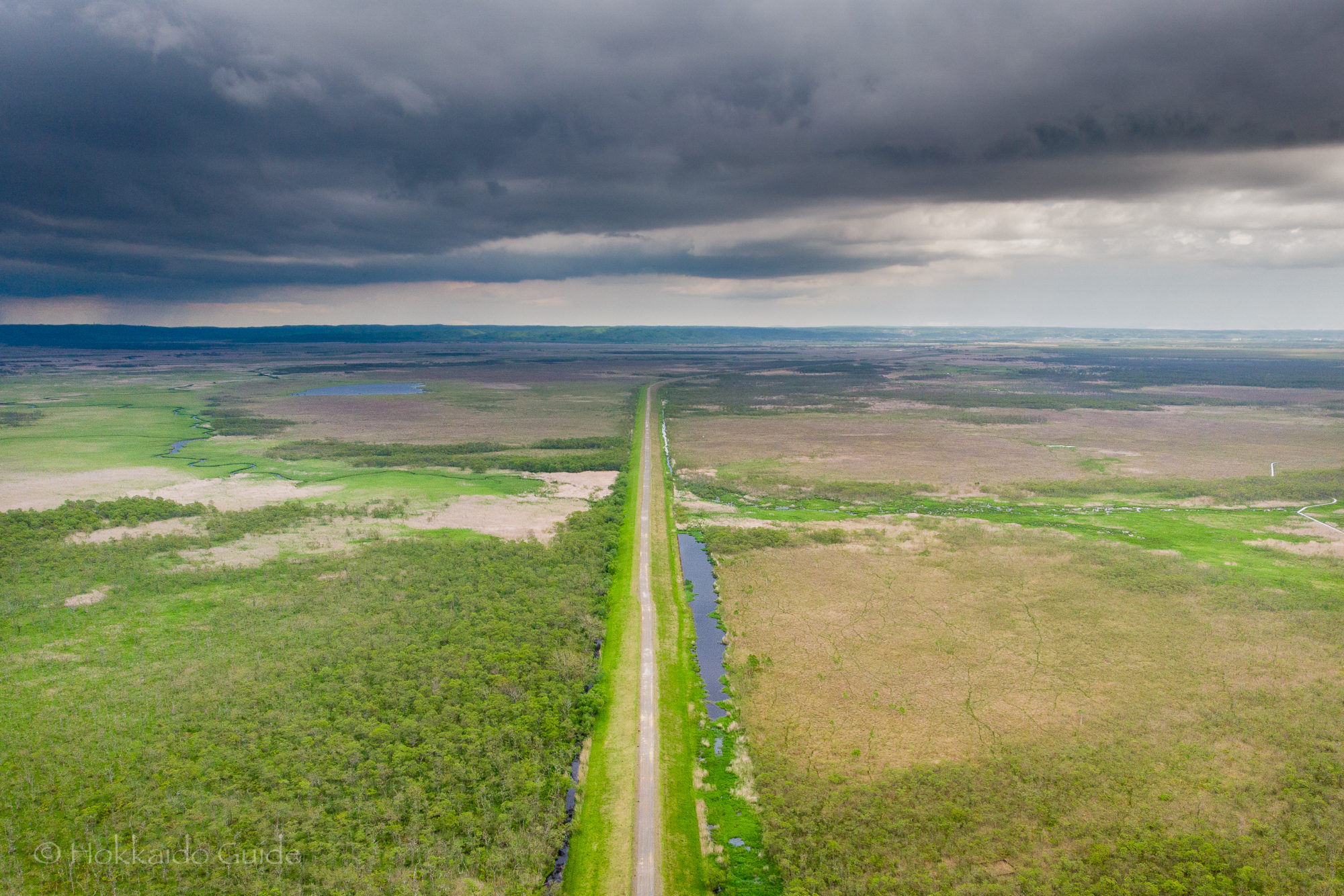
 In 1967, the wetlands were designated as a national natural monument. For this reason, access to the park is limited to keep the preservation of the area. There observation points to view the marshlands. These being the Toro Sarurun Observatory, the Yumegaoka Observatory, the Kushiro Marsh Observatory, and the Tenbo Terrace. From these vantage points you can enjoy the marshlands. There are a couple of small walking trails near these observatories. The vegetation of the park consists reeds, peat moss wetlands, and black alder thickets. The wild species that can be seen here include the red crowned crane, huchen salmon, siberian salamander, and dragonflies.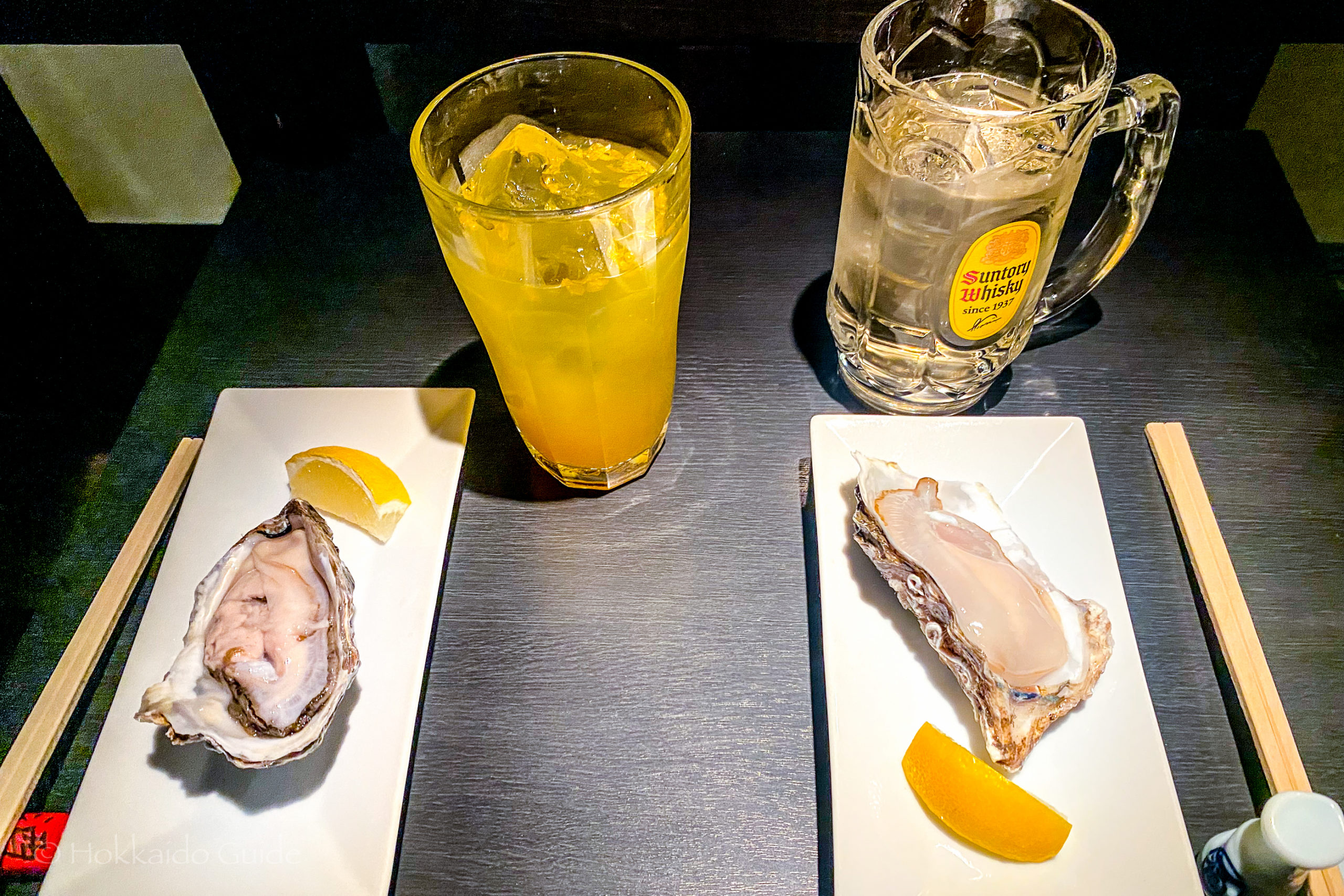
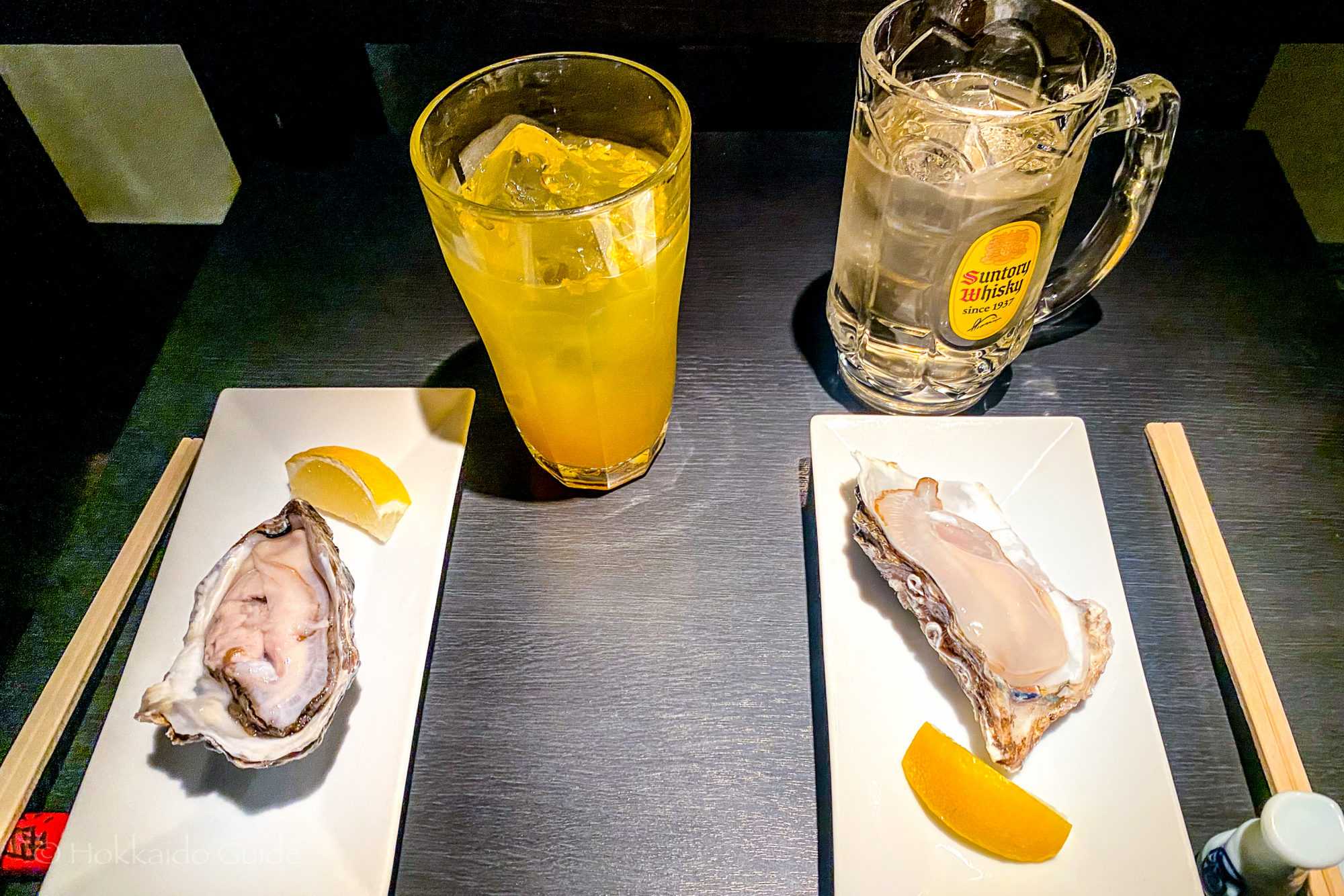
 The Iruka Bar is a great little place in Susukino, Sapporo. The name ‘Iruka’ means dolphin in Japanese. This bar has that cool, dark, laid back, smokey feel to it. The staff and the owner are very friendly and welcoming. This place seems to be a hidden popular go to place for the locals, especially for those who want to unwind after a day at work. The background jazz music really adds to the atmosphere. It is a small place, and it is a smoking establishment, so be warned for those who don’t want to be in a smoky bar.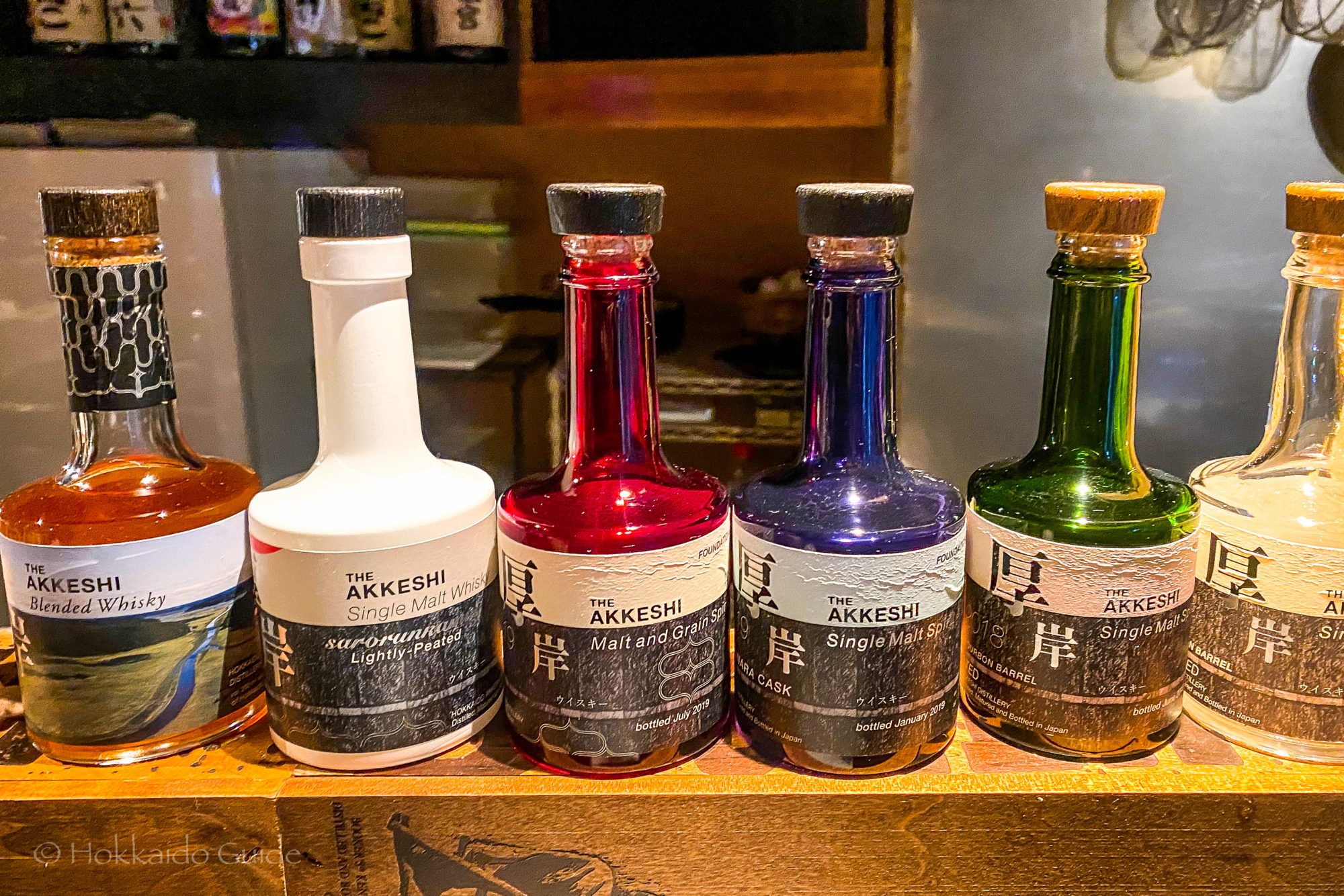
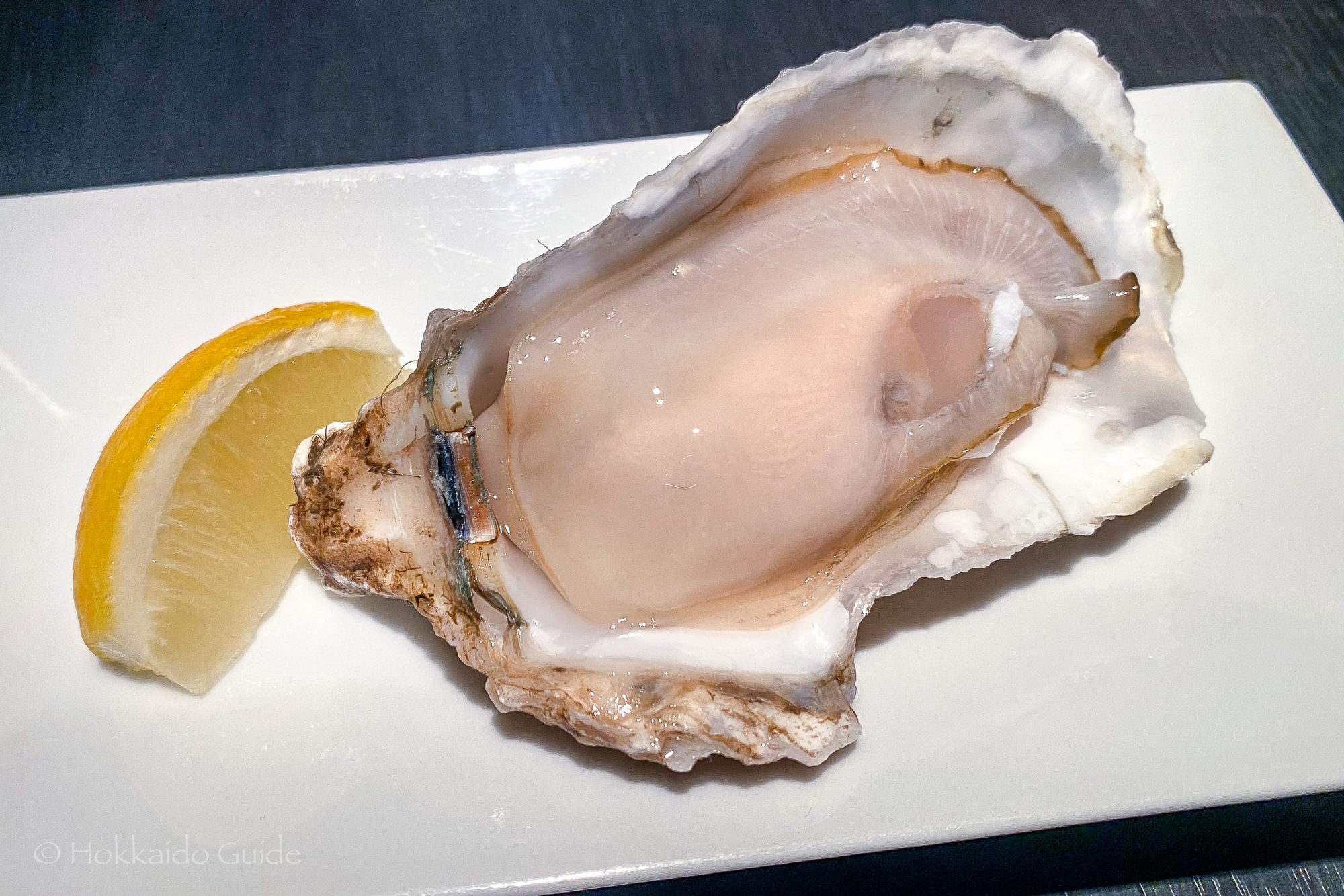
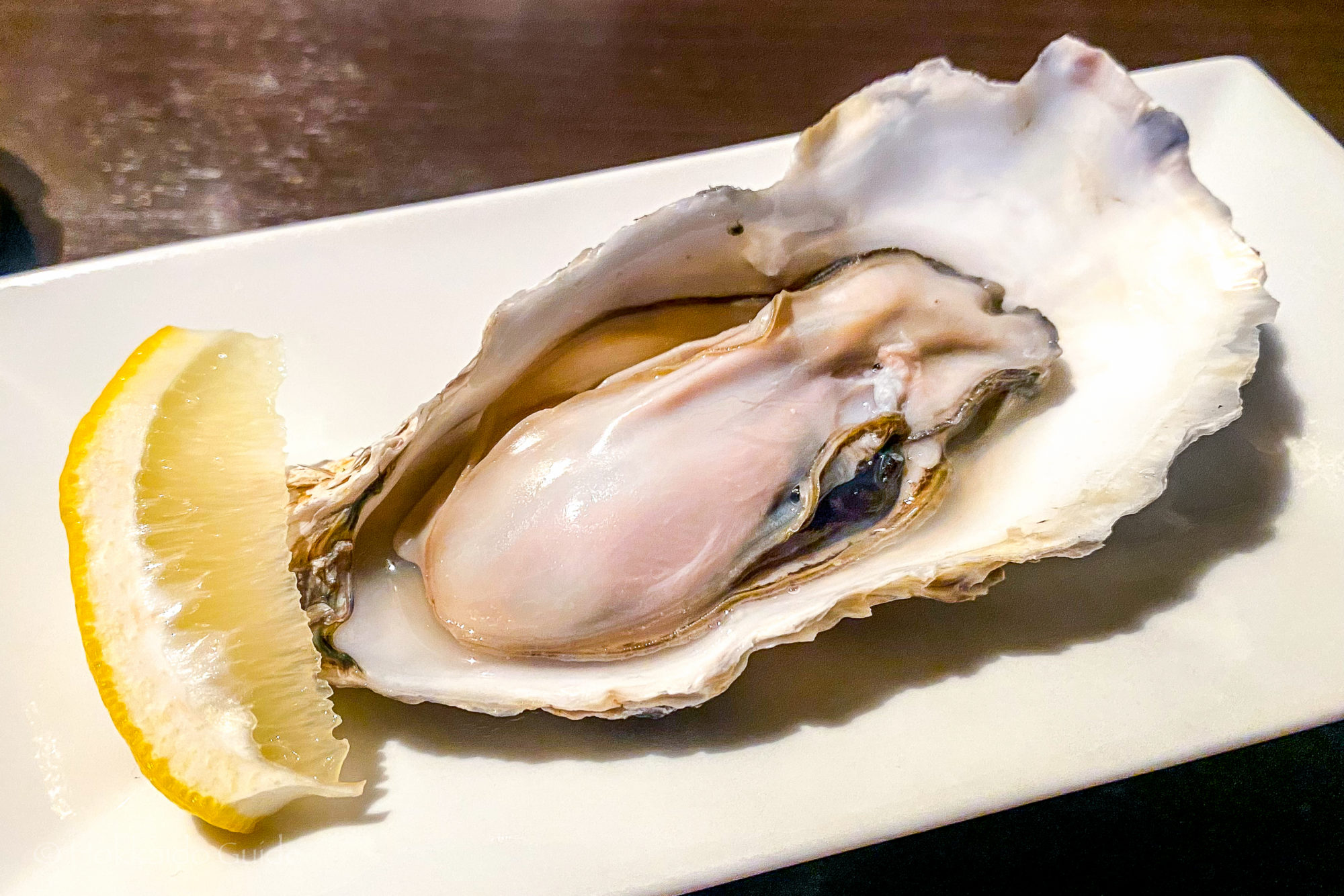
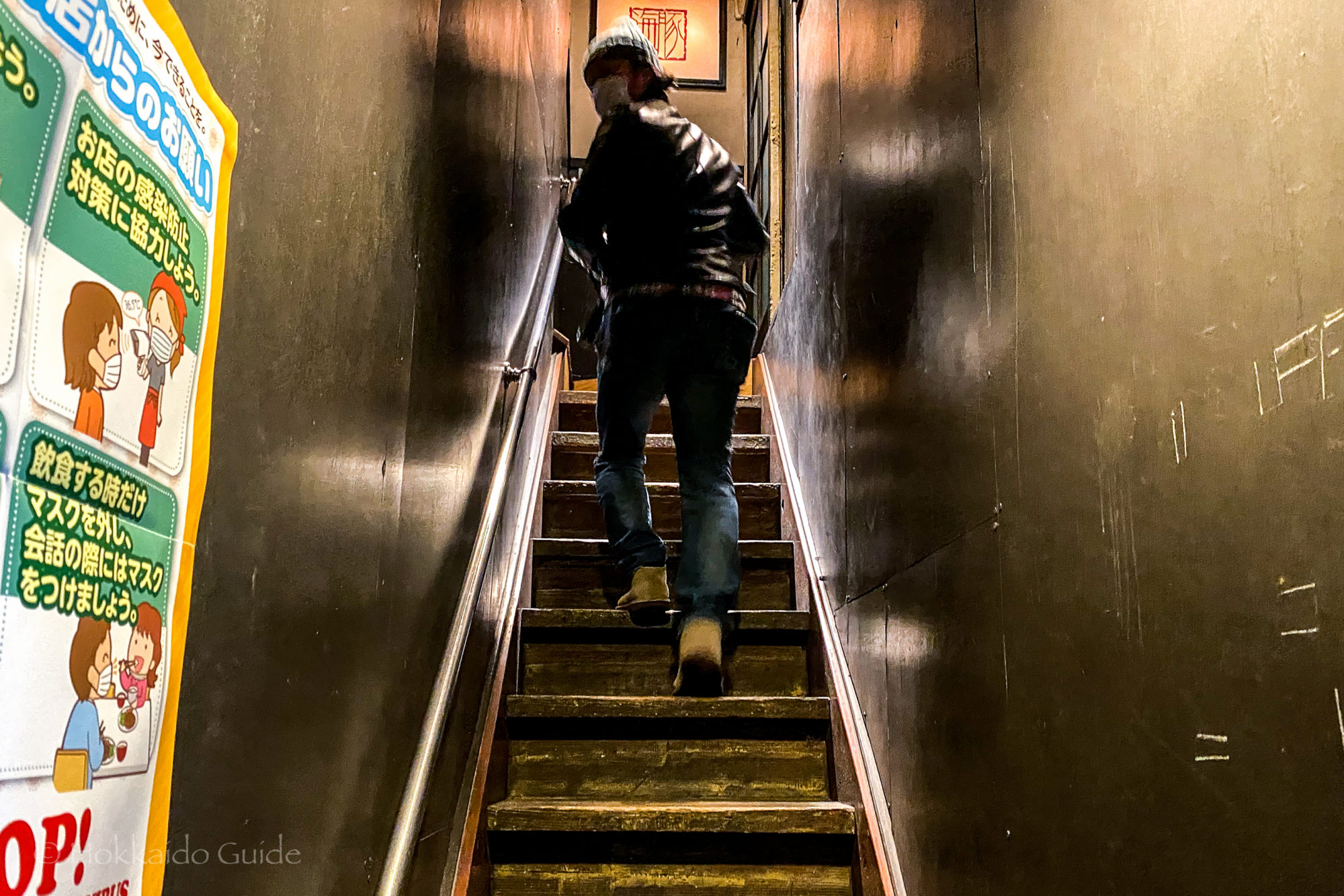
 The bar is best for drinking alone, couples, and only small groups as there are only a couple of small tables and a counter. The menu, is only in Japanese. This bar is popular for its extensive sake list. There are many different kinds of shochu here as well to enjoy. And what goes well with sake? Seafood. If you love oysters, Iruka has some large oysters that can be had raw, or cooked. Both are delicious! For around ¥500, you can also enjoy other seafood dishes, plus pickled dishes, chicken, and noodles. They have a take out option as well! This is a great bar to check out. It’s down a small alleyway, and up a narrow flight of stairs.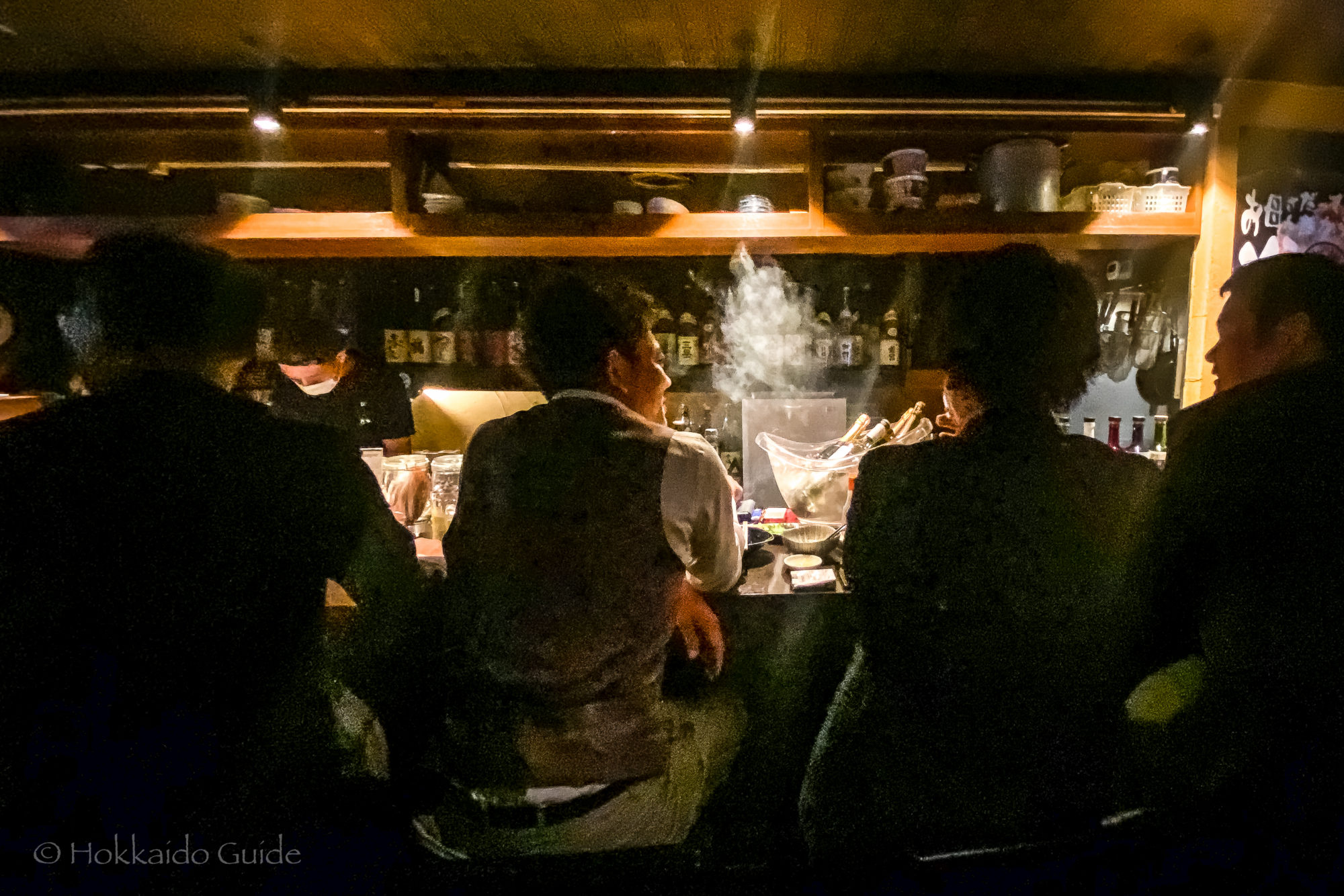
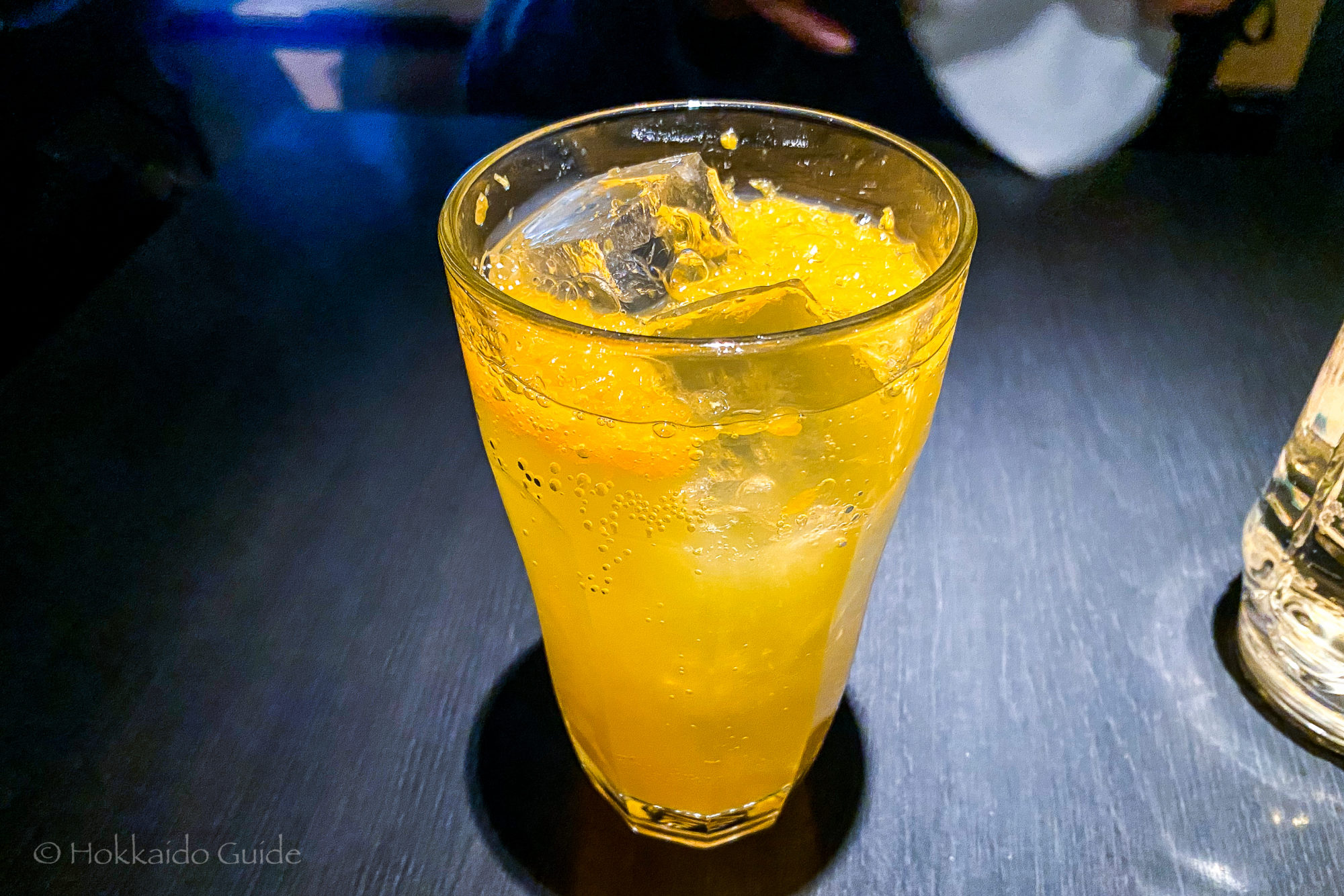
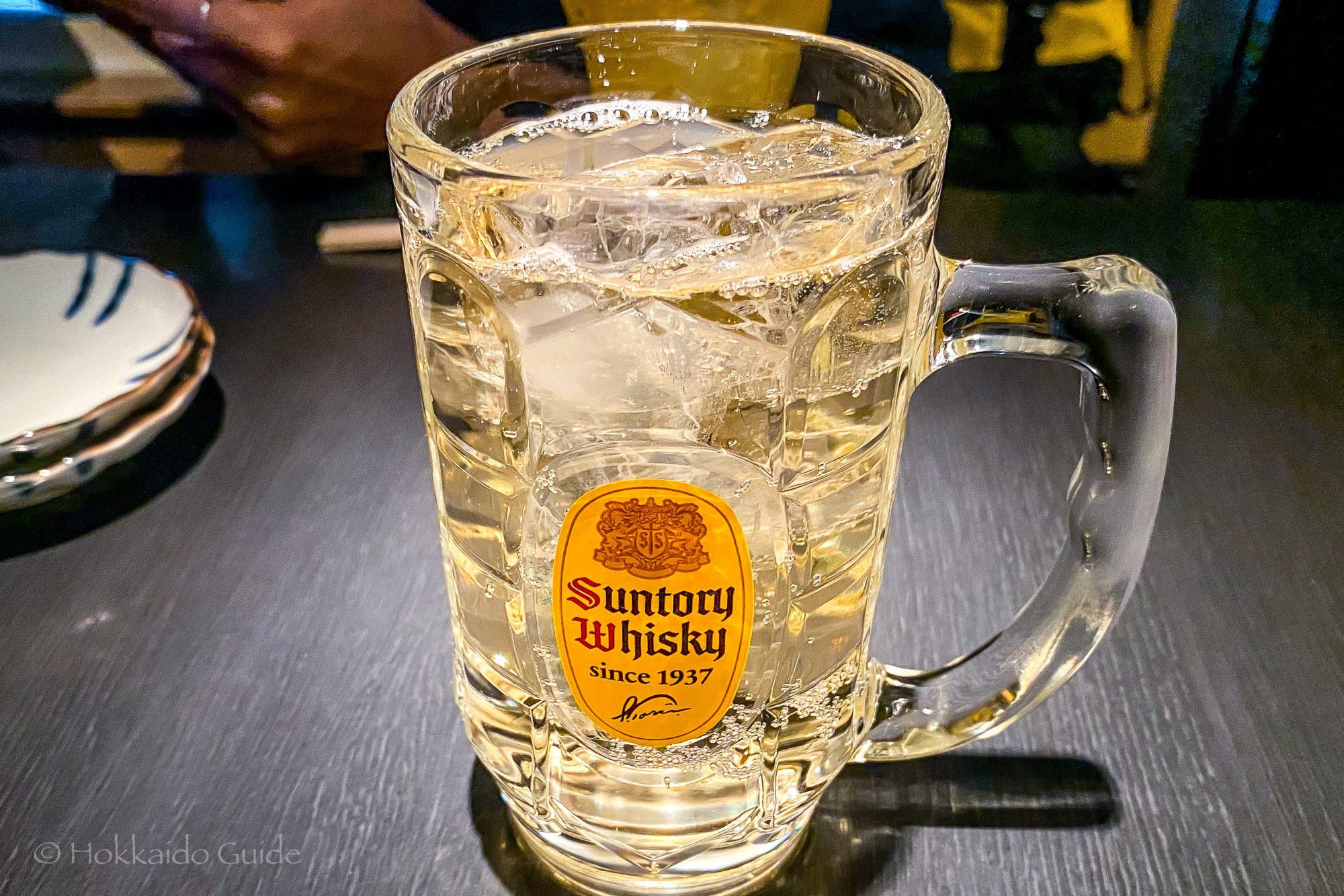
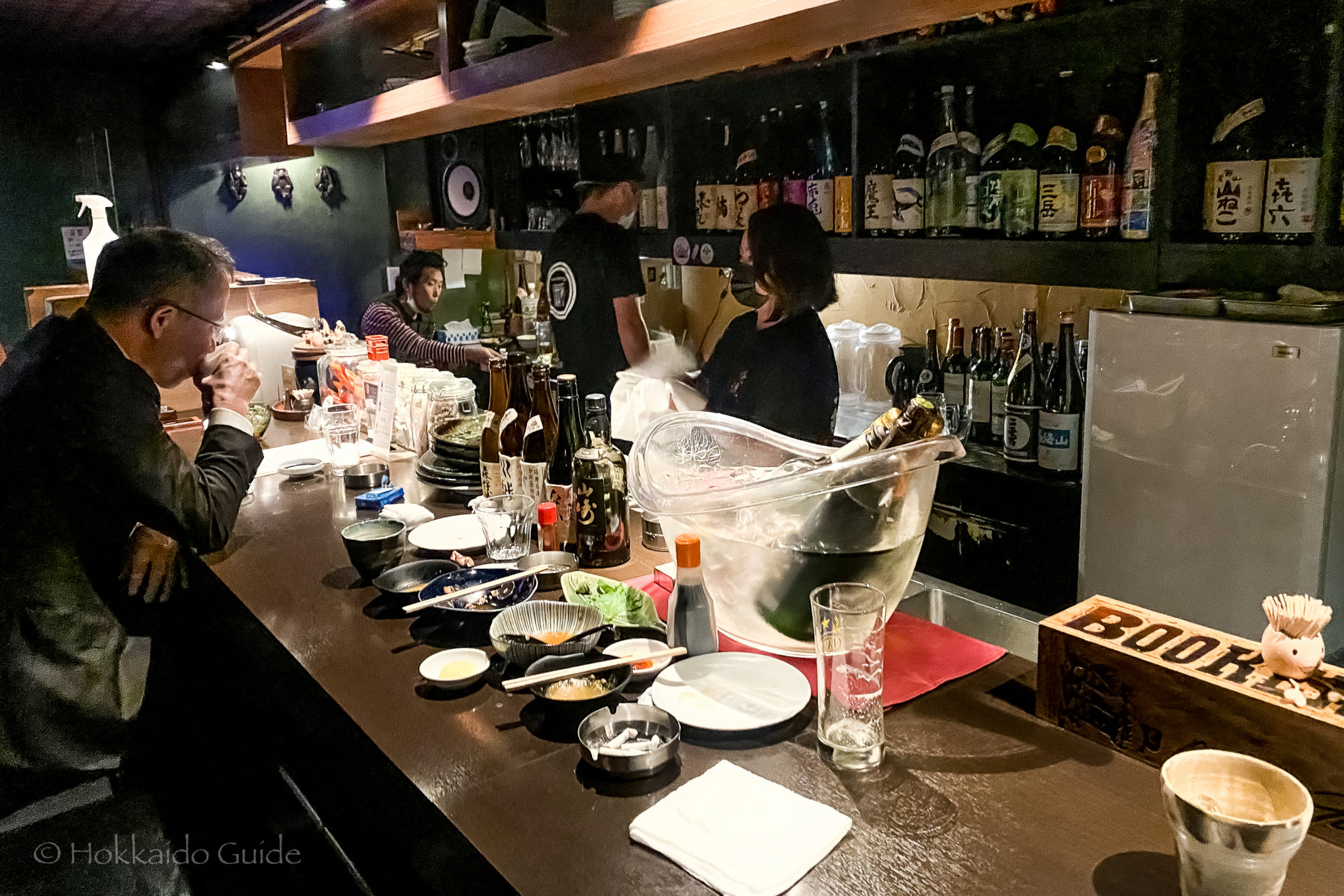
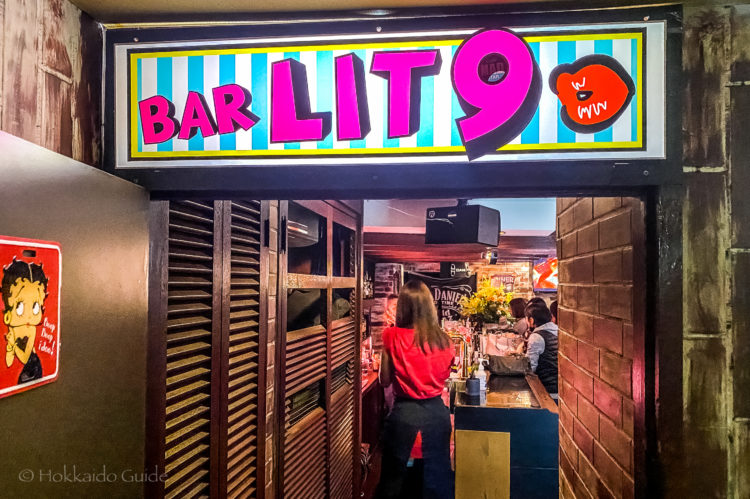
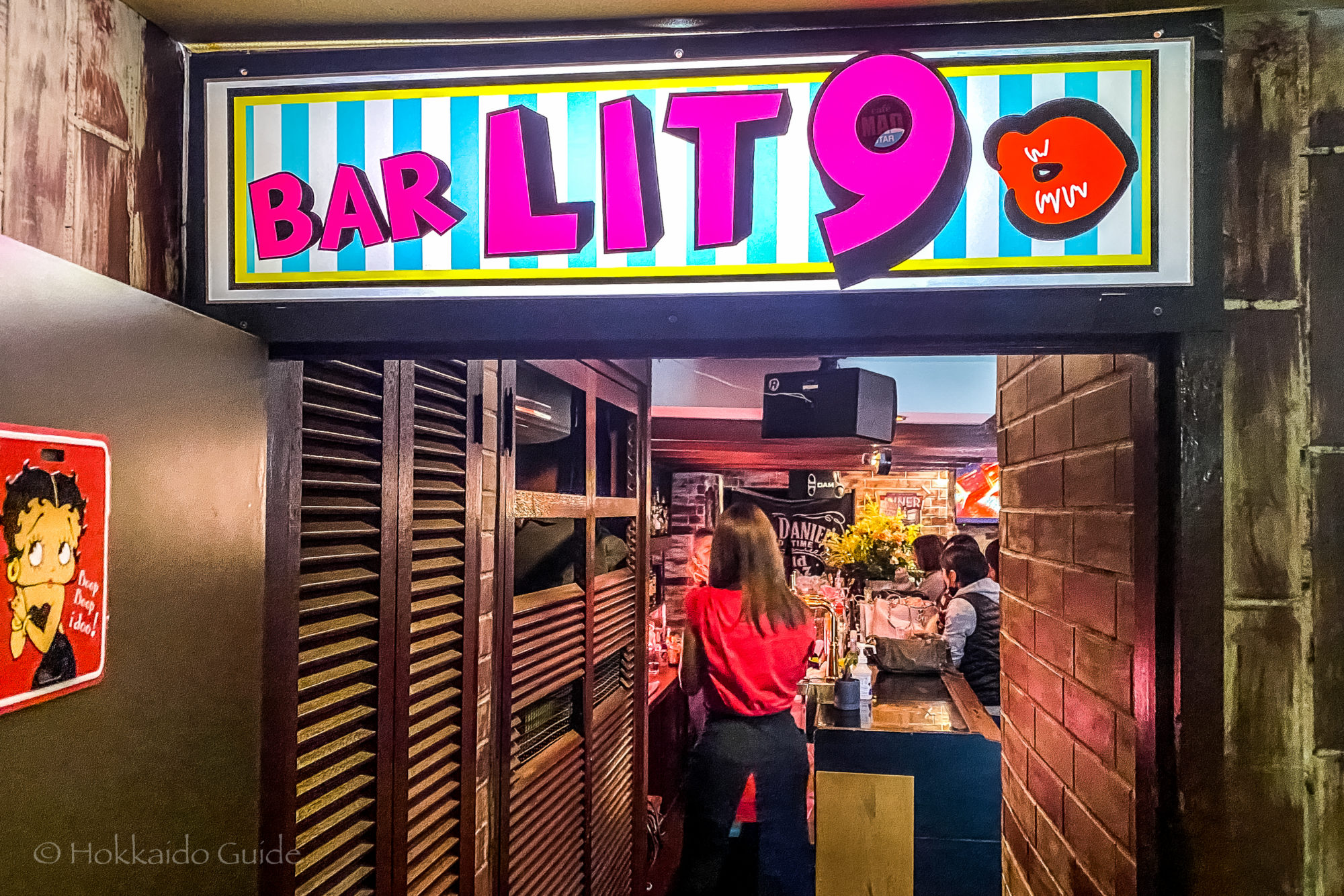
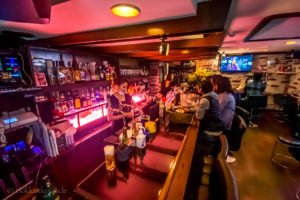 Bar Lit 9 is a cool little bar located in downtown Susukino, Sapporo. It is in the New Olympia building, on the 9th floor. It is run by the super friendly owner, Kaori. She is always happy to have a chat and to keep the good times flowing. There is a large counter area as well as a few tables that can fit up to four people. This bar opened in 2021 and due to the popularity of the owner, it has its regulars who come in to enjoy the atmosphere. At the bar you can find an array of cocktails plus beer on tap.
  As with most establishments in the area, there is a sit down charge of ¥500. This place is good for any situation, whether you are on your own, on a date, or with a group of friends. There is an all you can drink option which is great for parties. The bar is quite easy to find. On the main street that runs down the center of Susukino, look for a bar called Bar España. There is an entrance to the elevator next to this bar. Take the elevator to the 9th floor and Bar Lit 9 is around the corner. Their door is always open which is a plus when deciding on a bar to go. Pop your head in and have a drink. It’s a fun place!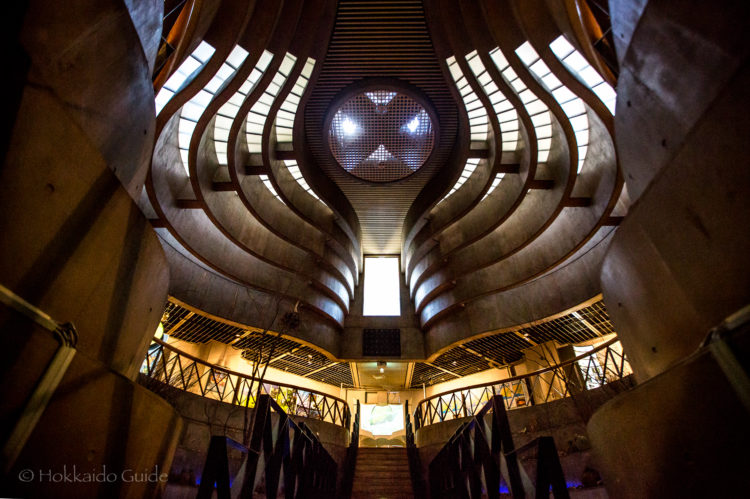
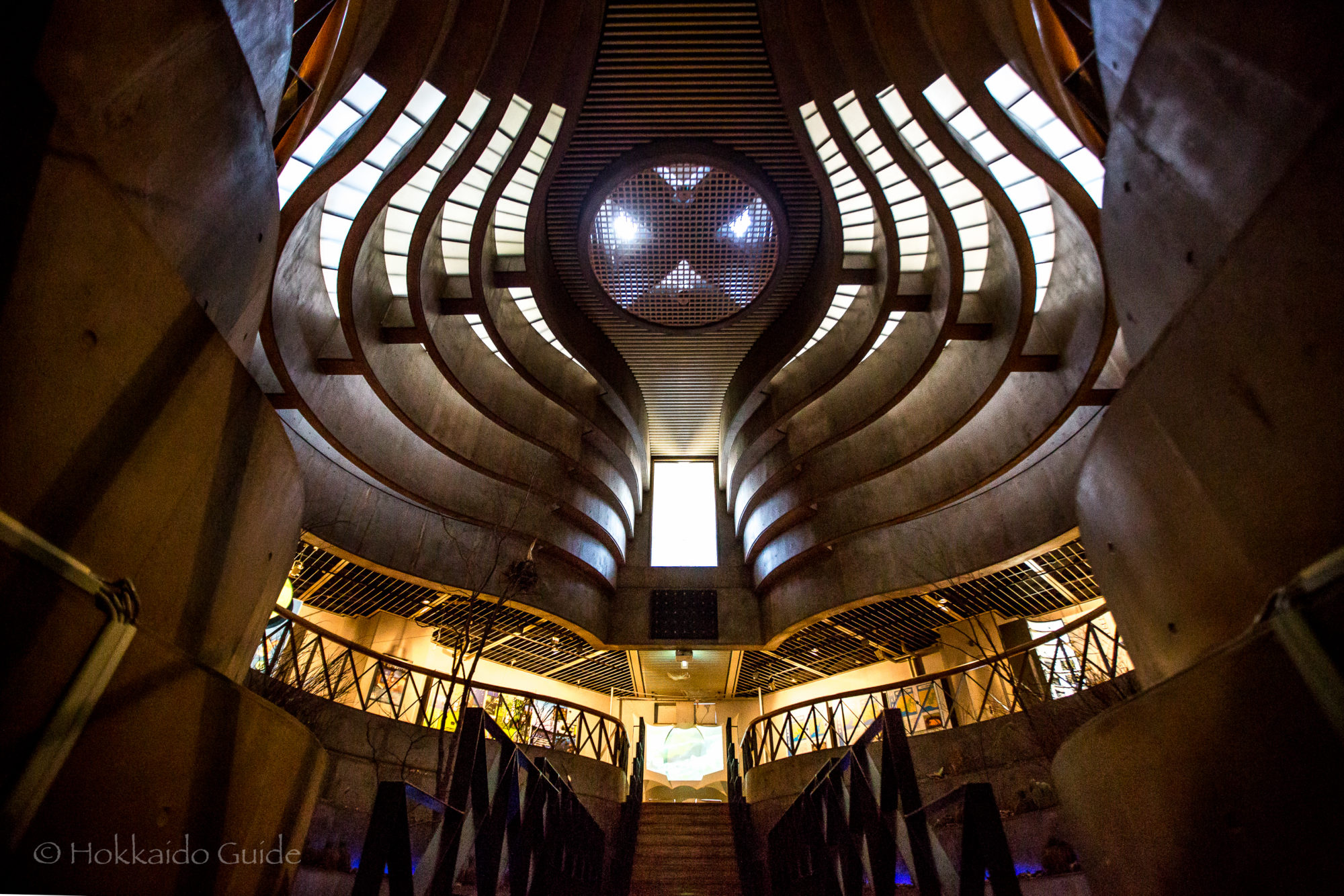
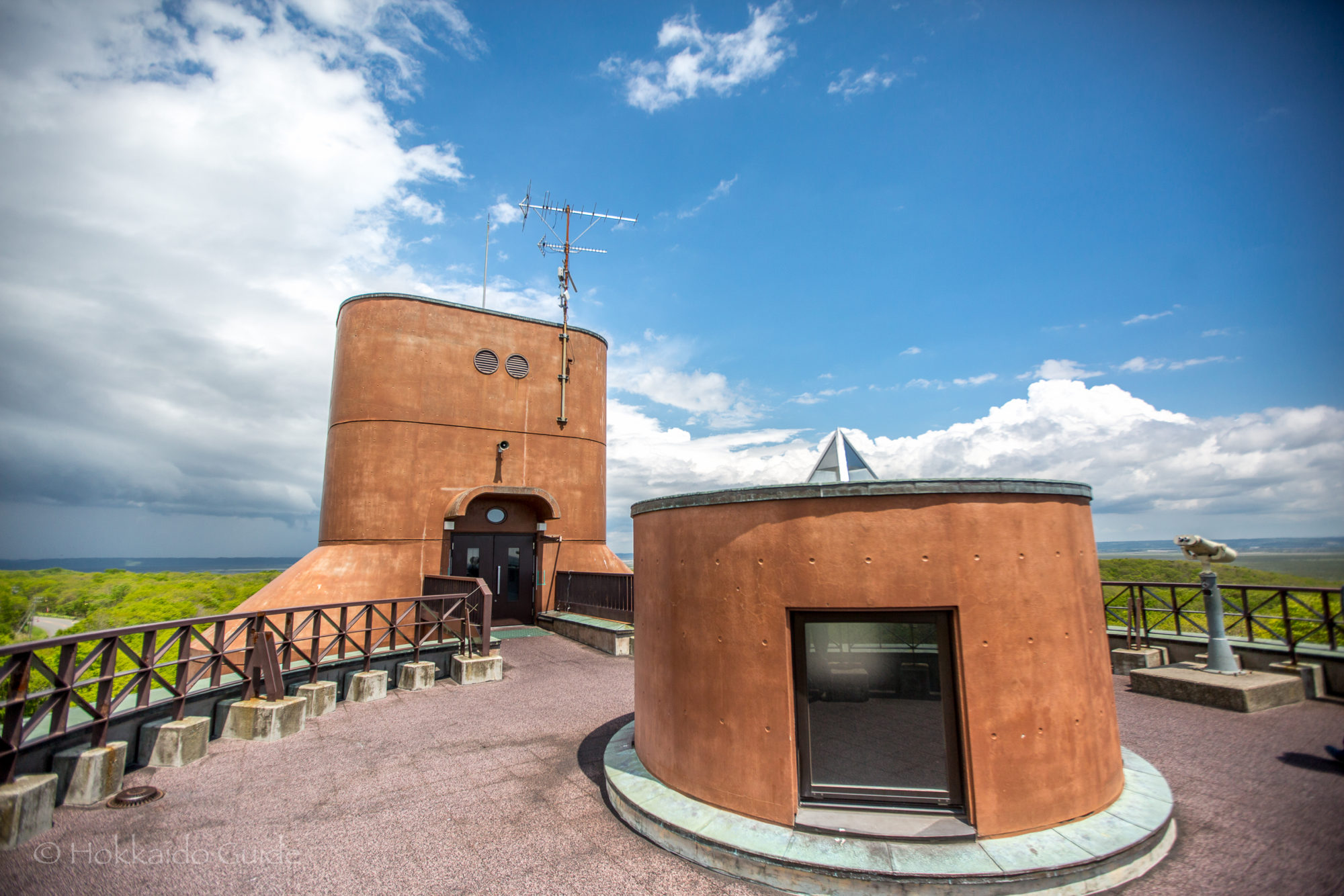
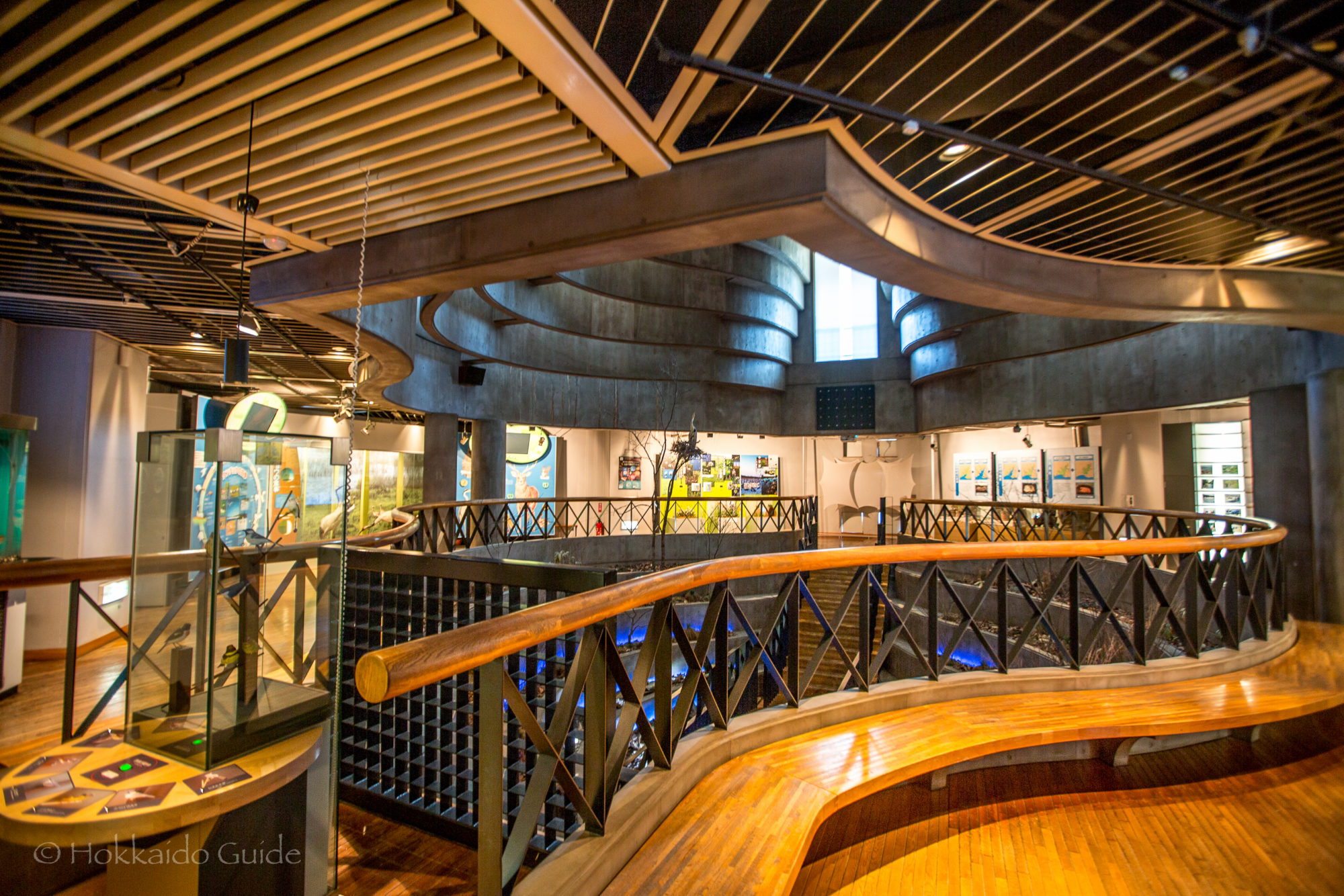
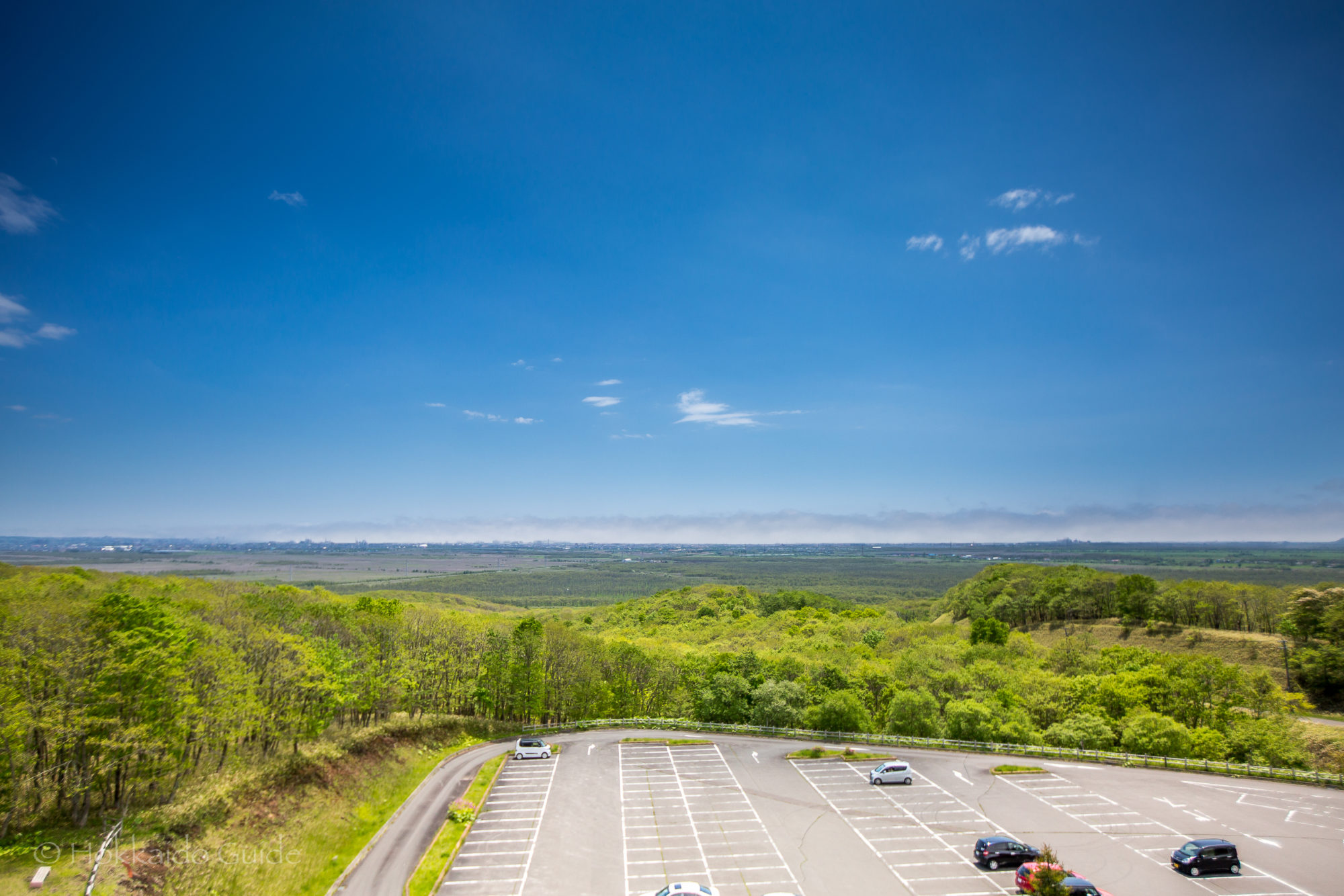
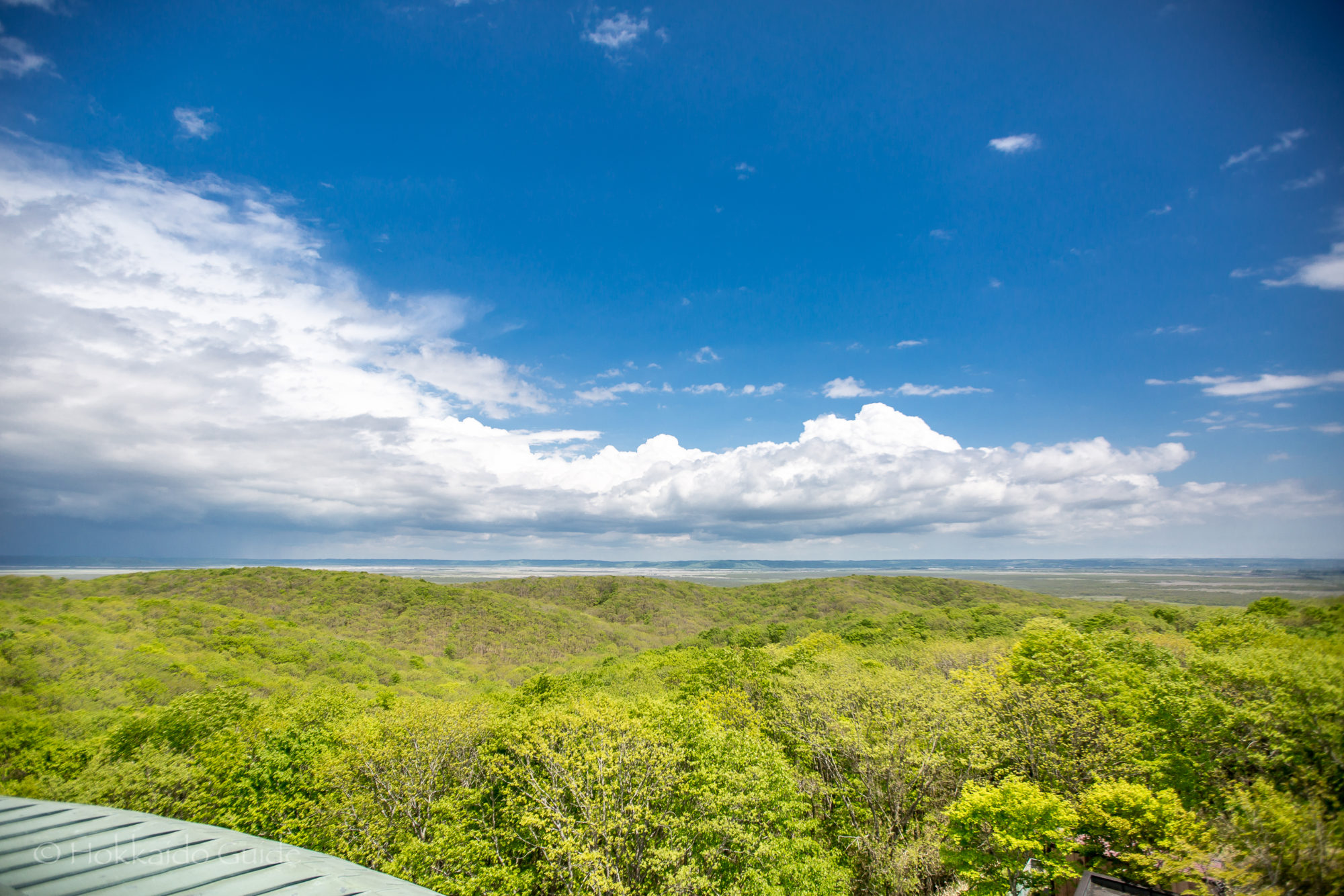
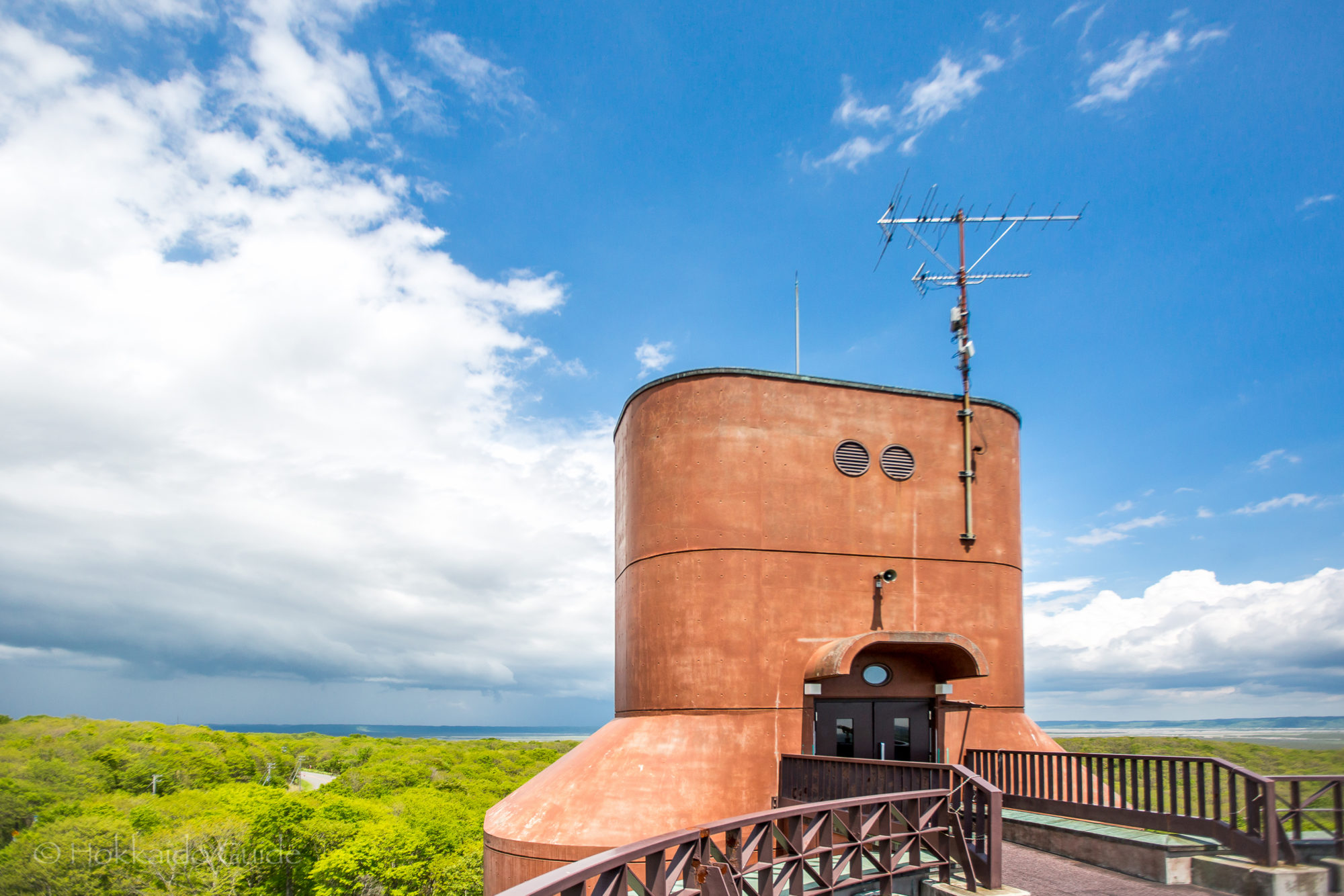
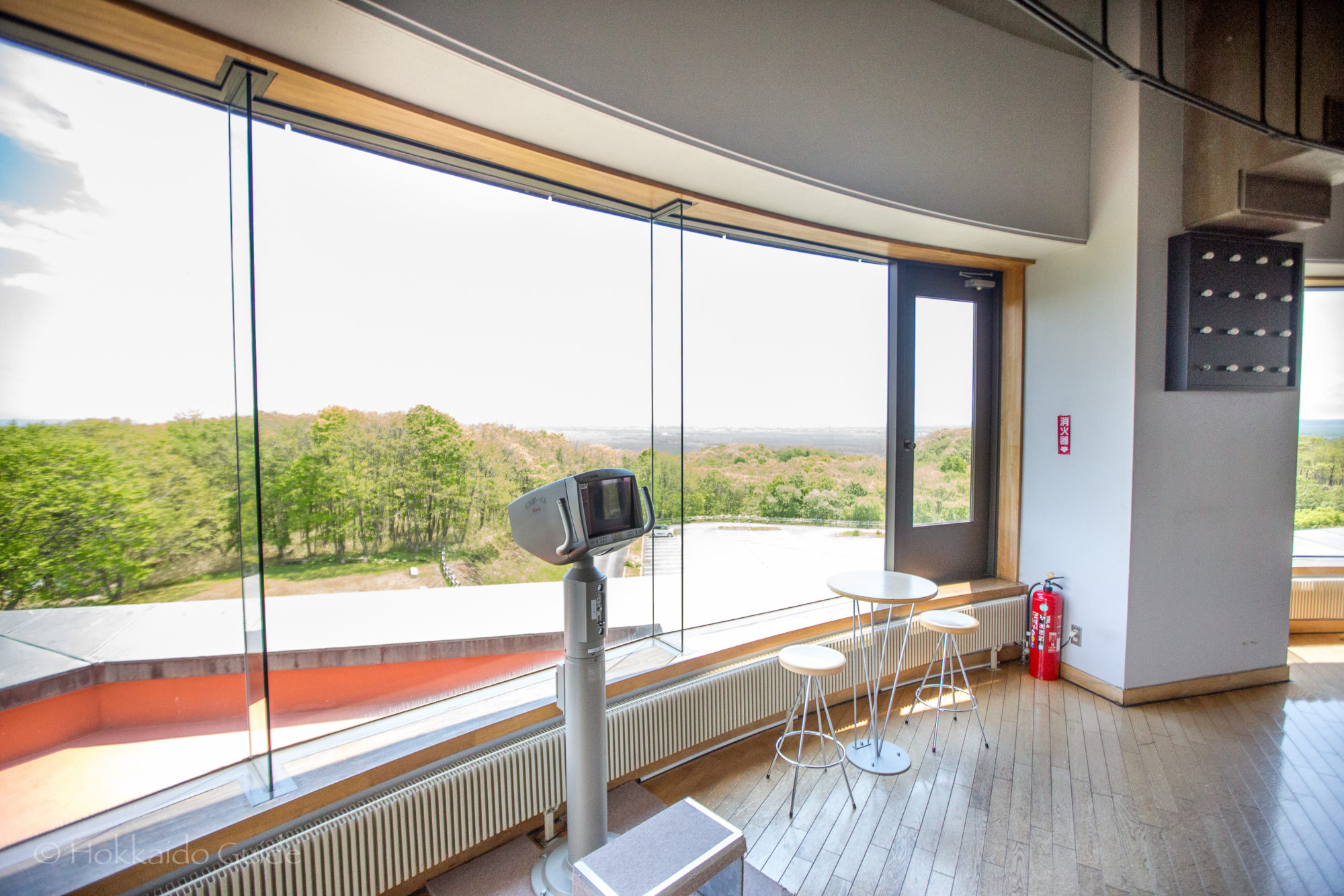
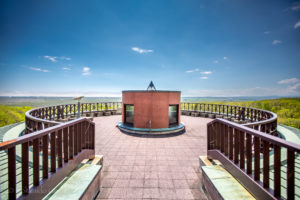 Perched at the top of a large hill, overlooking Kushiro Marsh, you can find the Kushiro Marsh Observatory. This is one of the most interesting buildings in Hokkaido. The exterior, and especially the interior, has a strange and unique design and is reminiscent of a cool sci-fi movie. The central hall of the museum is definitely a place to get some photos. This museum is a good spot to appreciate the surrounding wetlands, known as Kushiro Wetland. On the rooftop of the building, there is an observation deck where you can enjoy a panoramic view of the marshland, the city of Kushiro, and the mountains of Akan.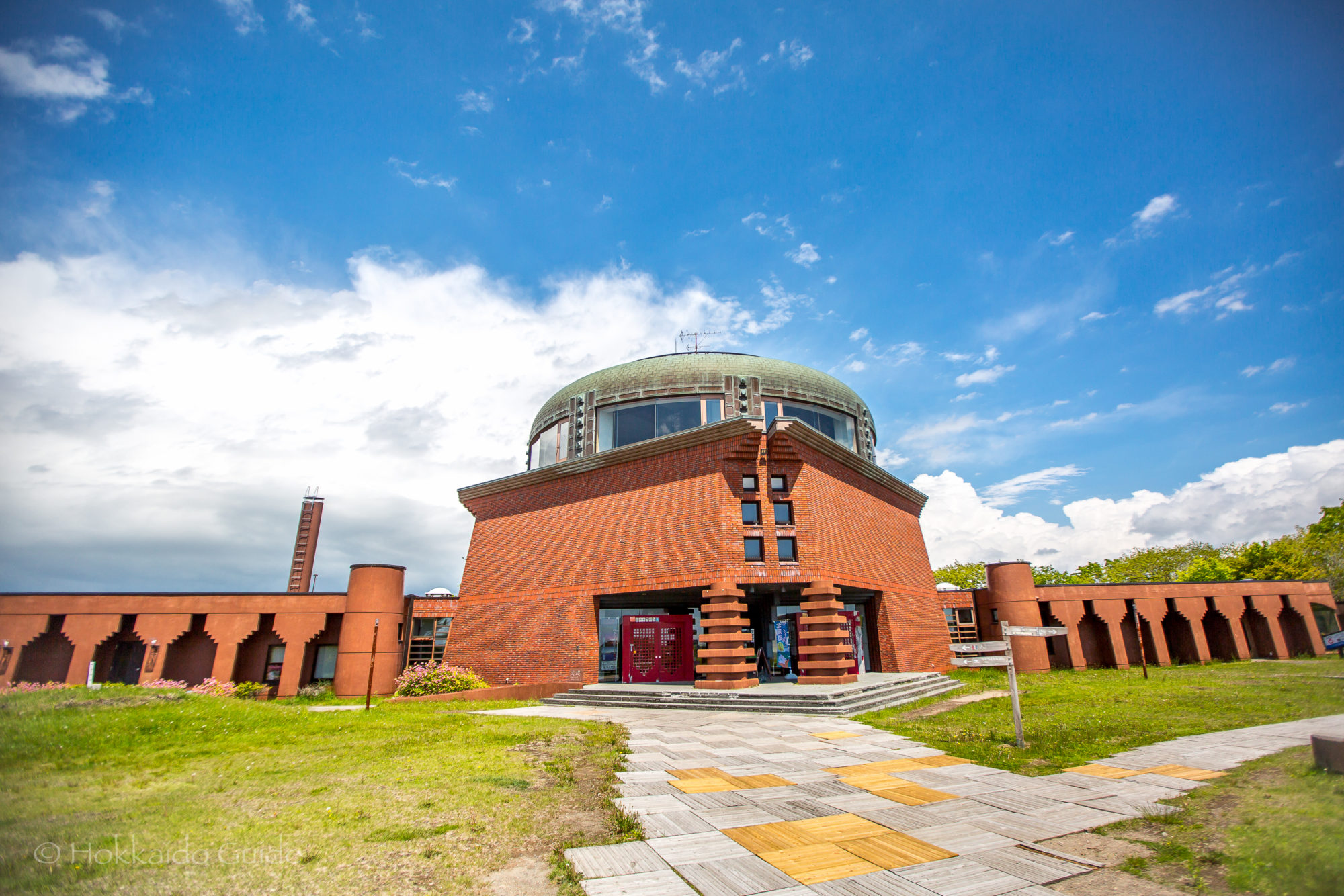
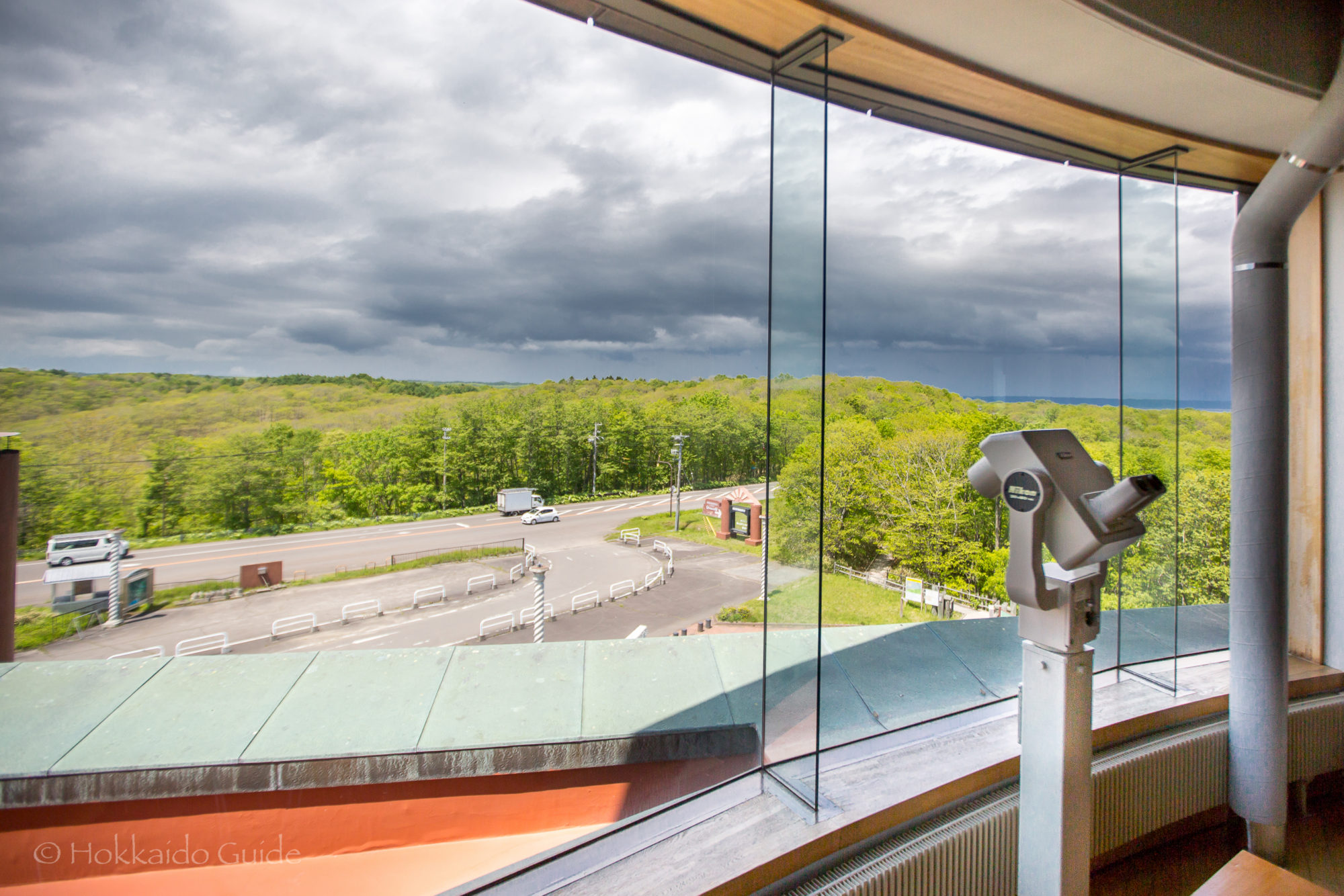
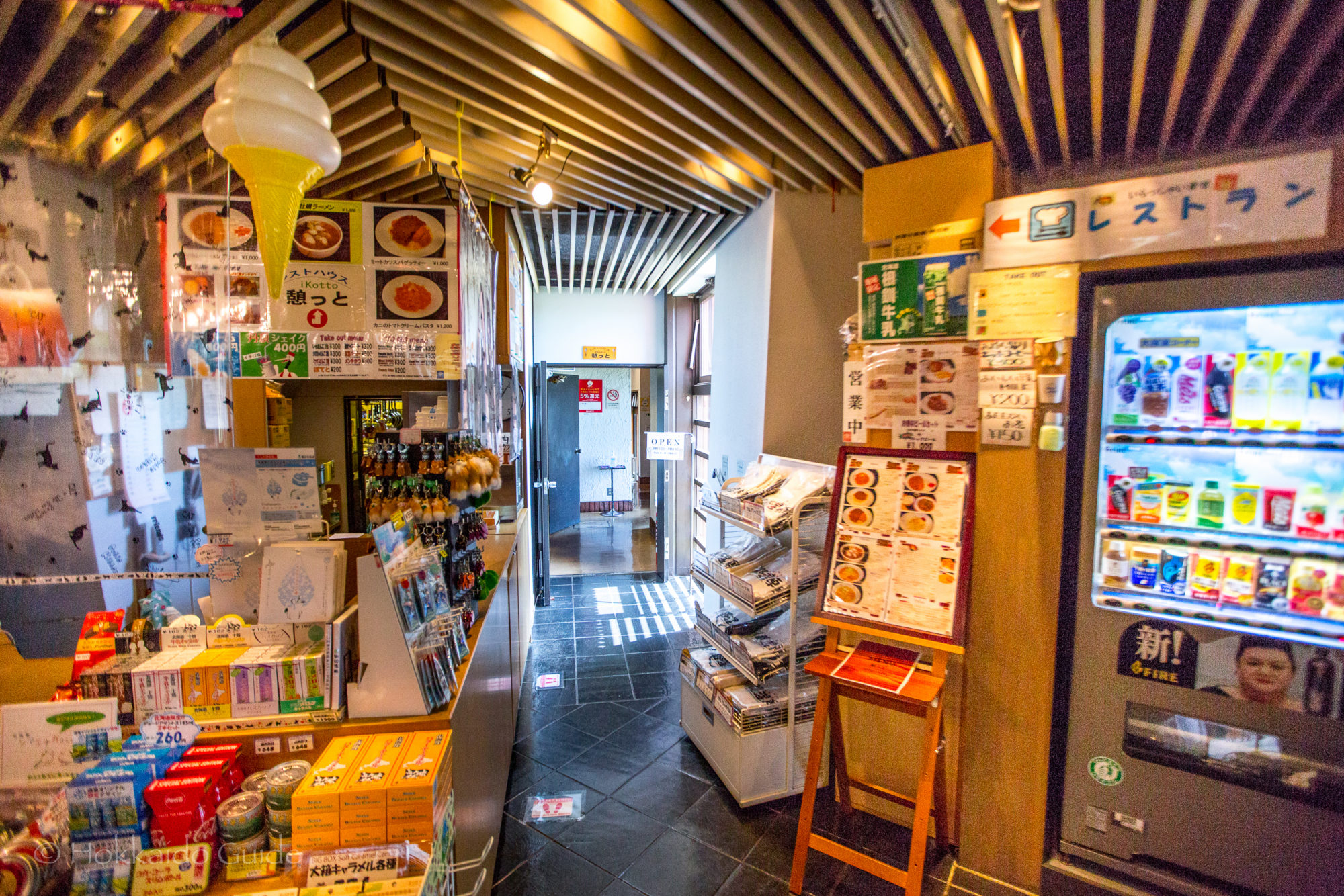
 Inside the museum there are various exhibits of the surrounding landscape and the local animals of the wetlands. There aren’t a lot of these exhibits but they have some interesting information of the local area. Admission is free for the first floor. It is here you can find a souvenir shop and a restaurant. The second floor has an exhibition area and from this stage on, you have to pay to enter. There is an elevator that reaches the rooftop. Around the museum, there are walking paths that lead into the marshlands of Kushiro. The Marsh Observatory is definitely worth a stop in if you are in the area.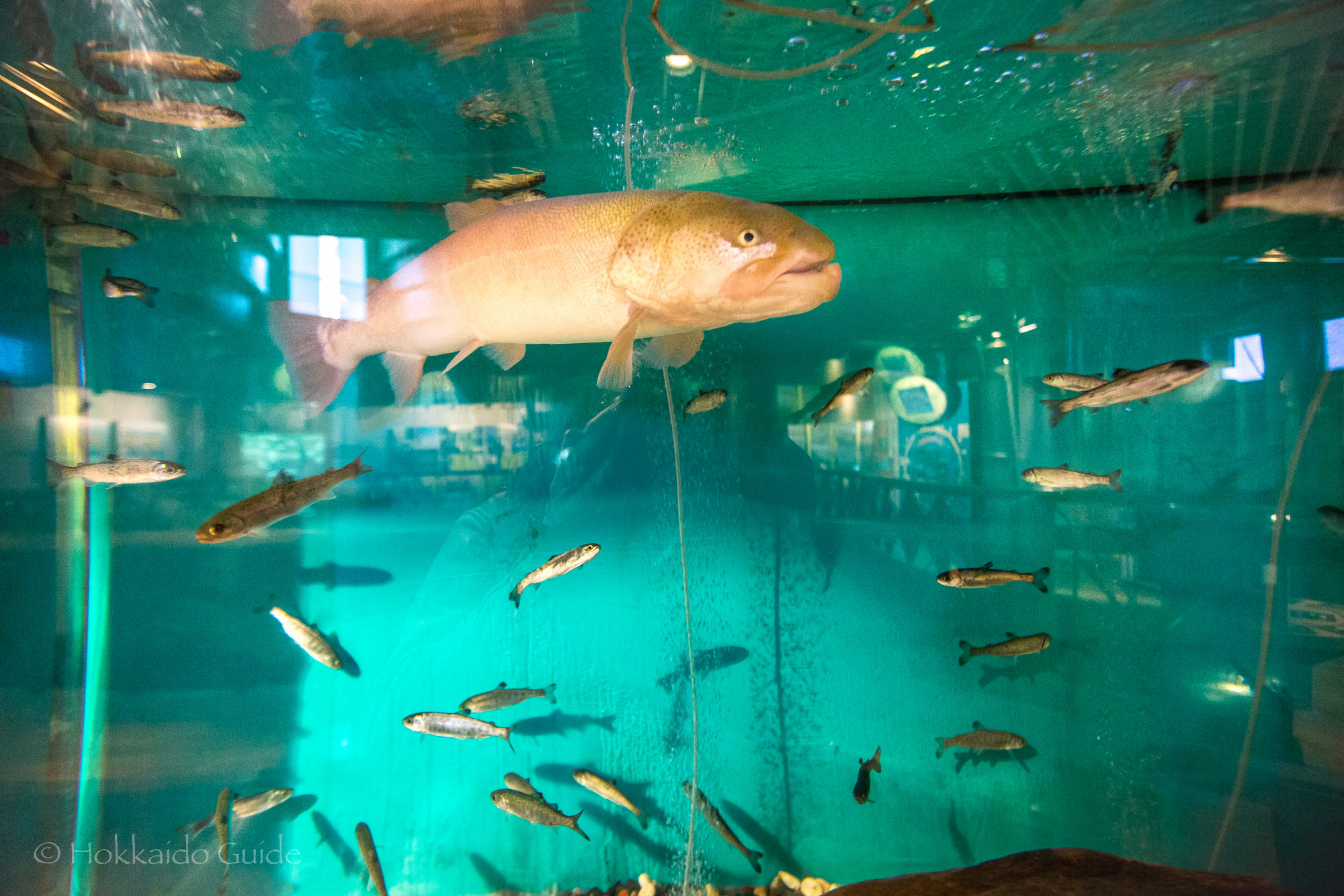
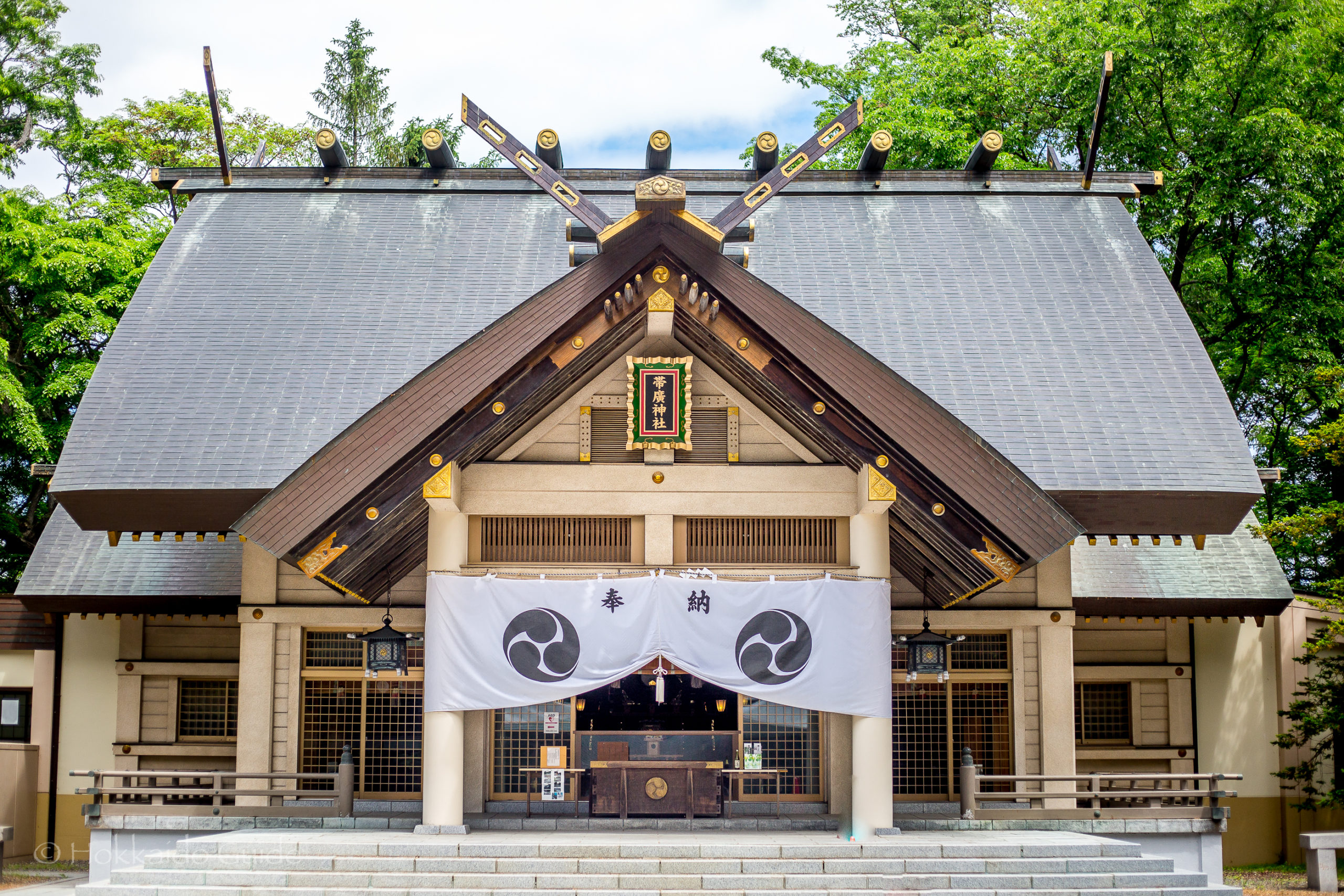
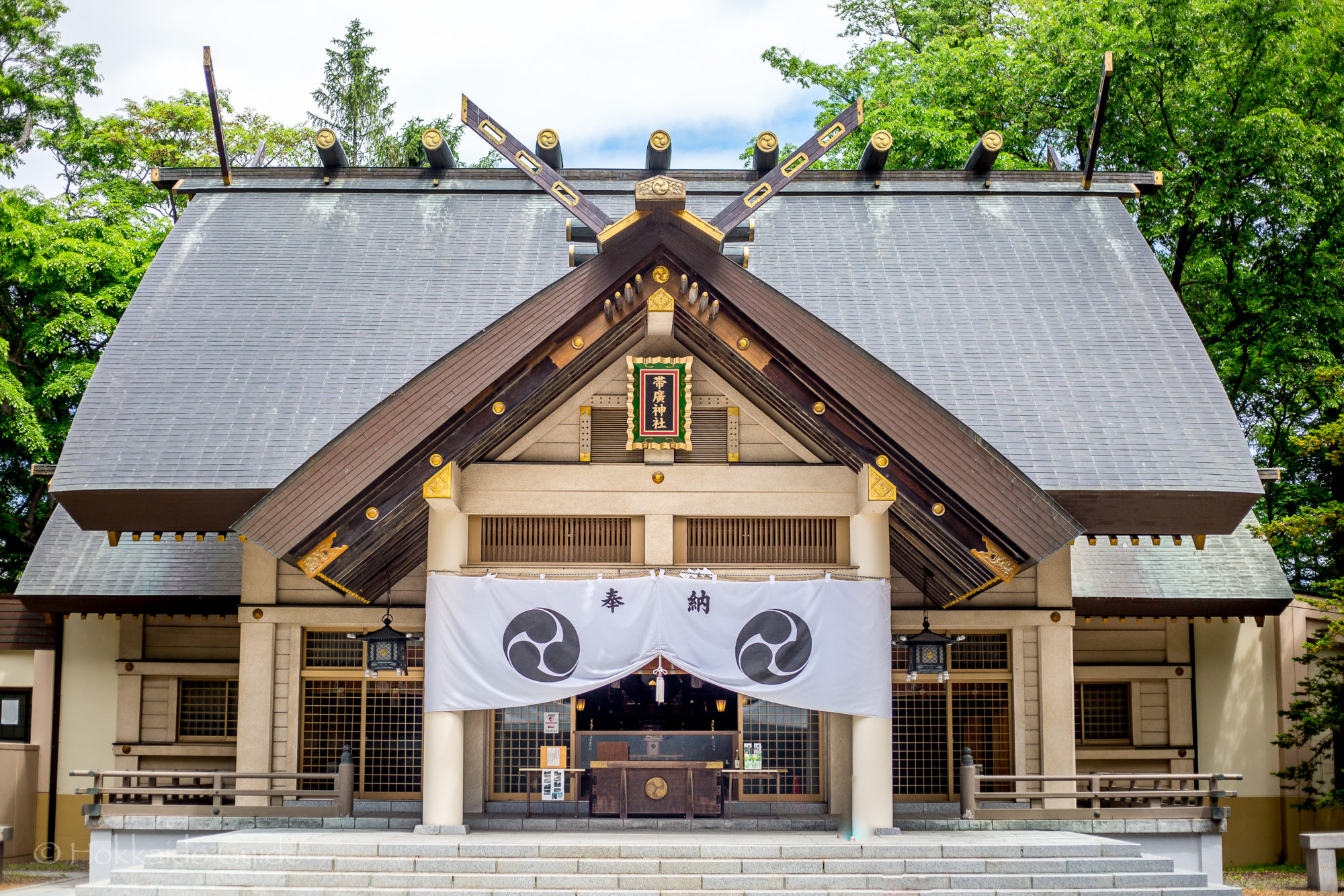
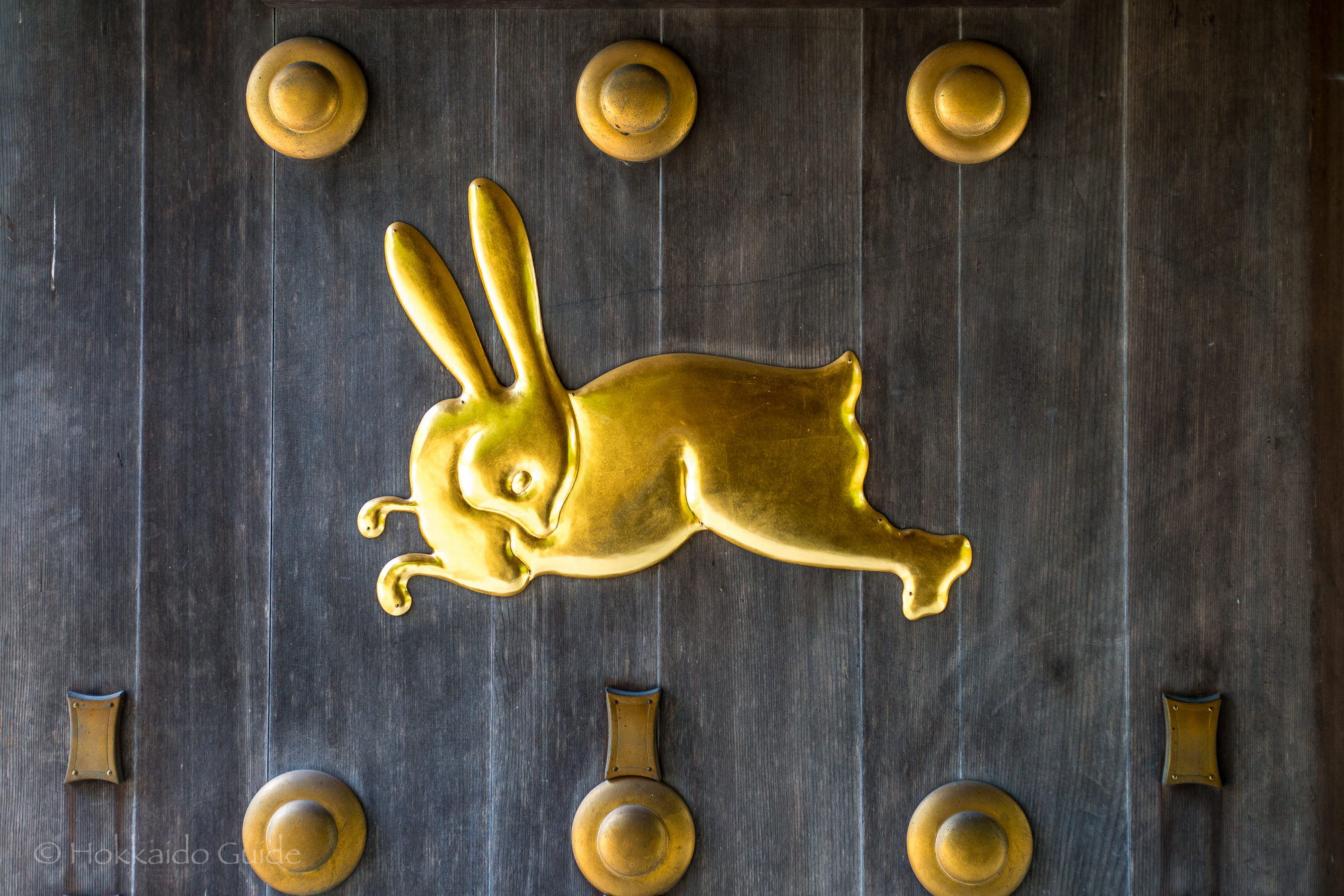
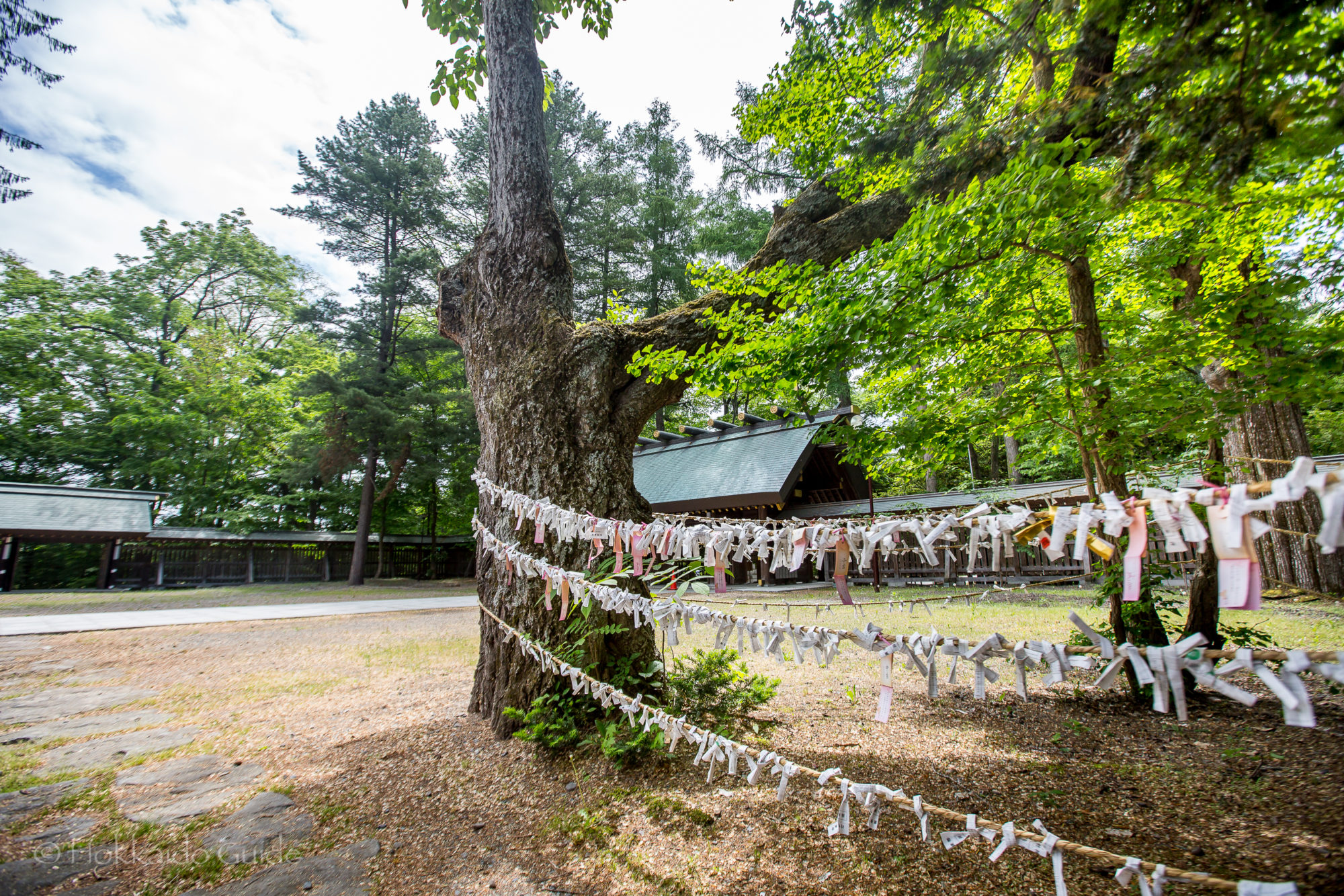
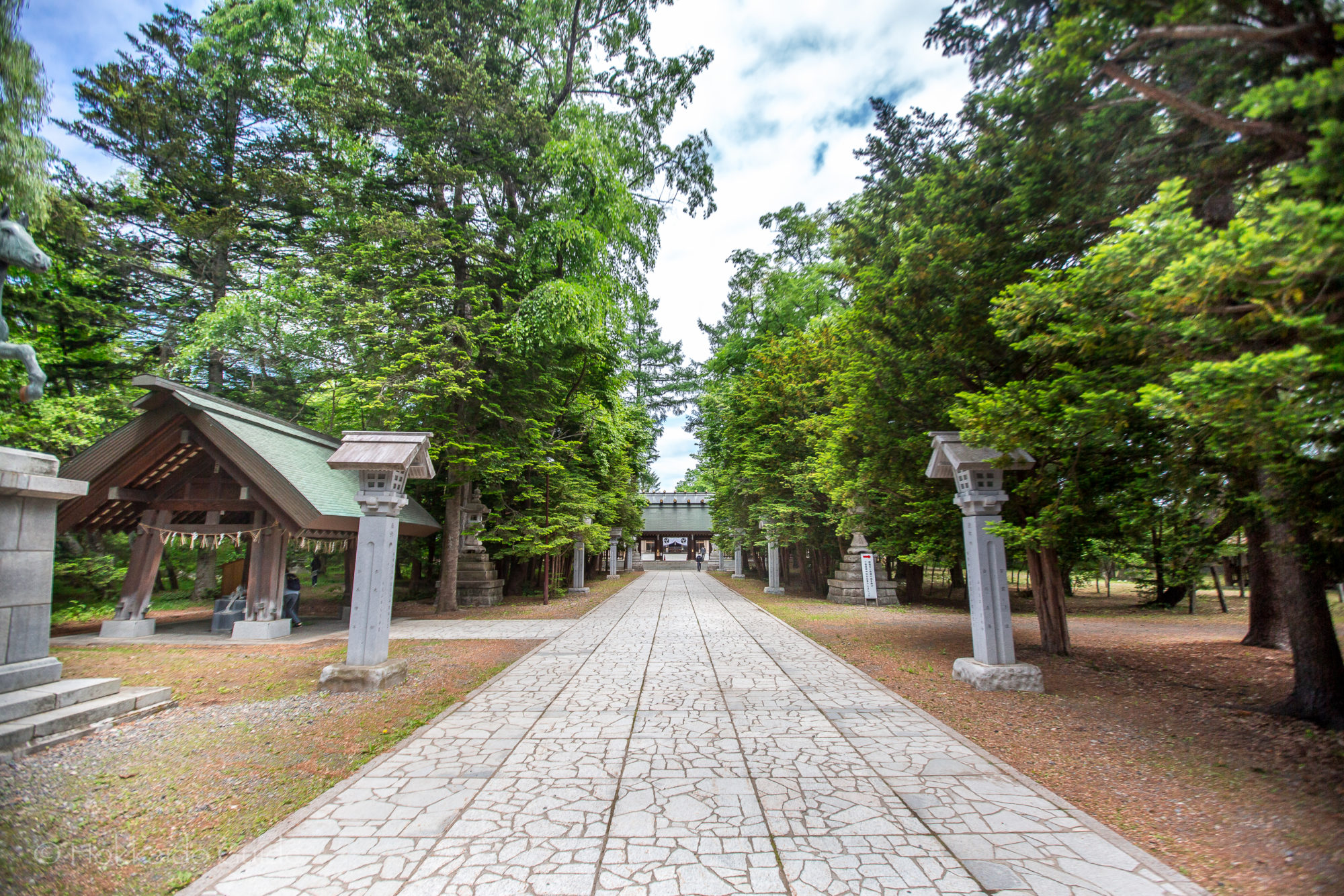
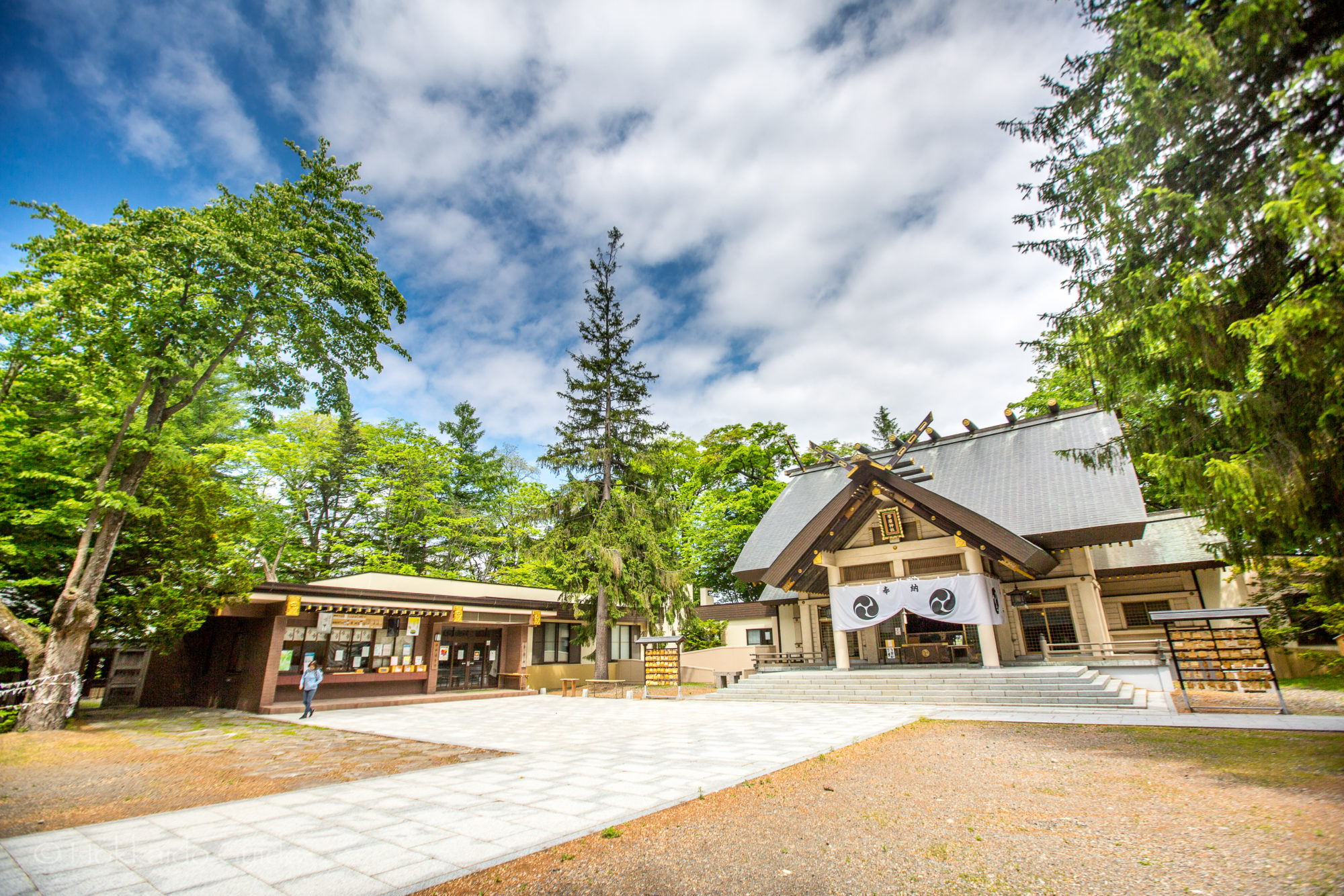
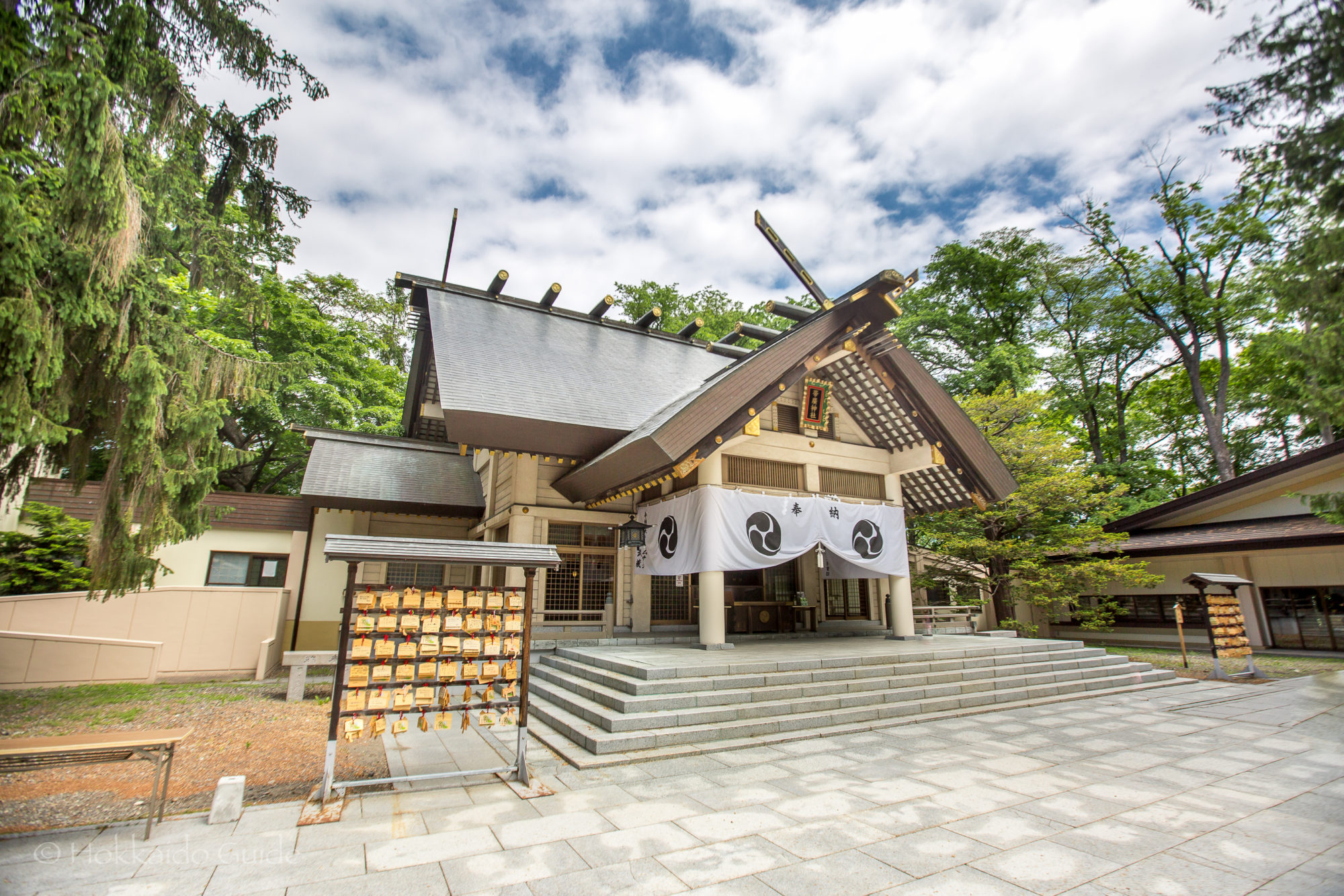
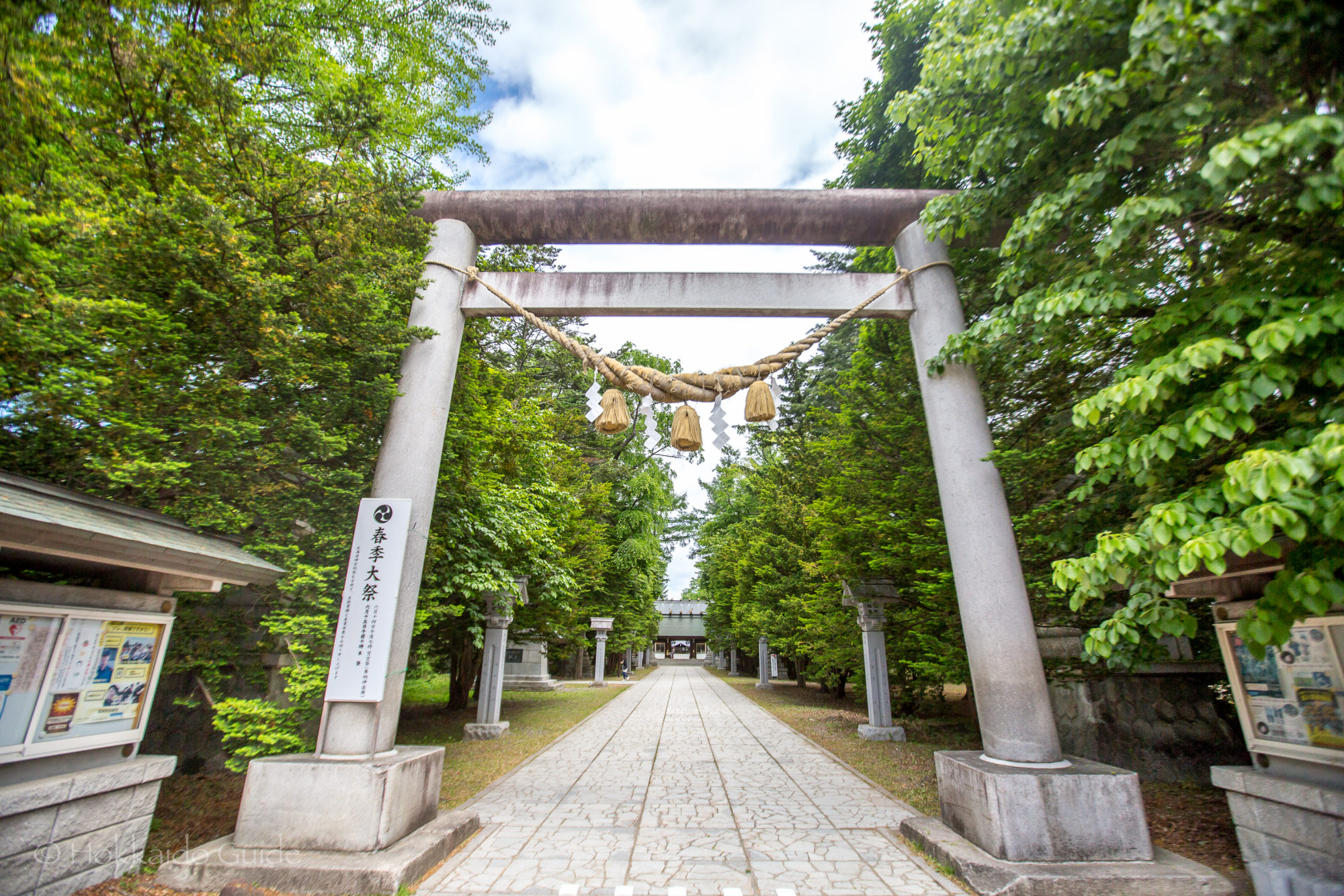
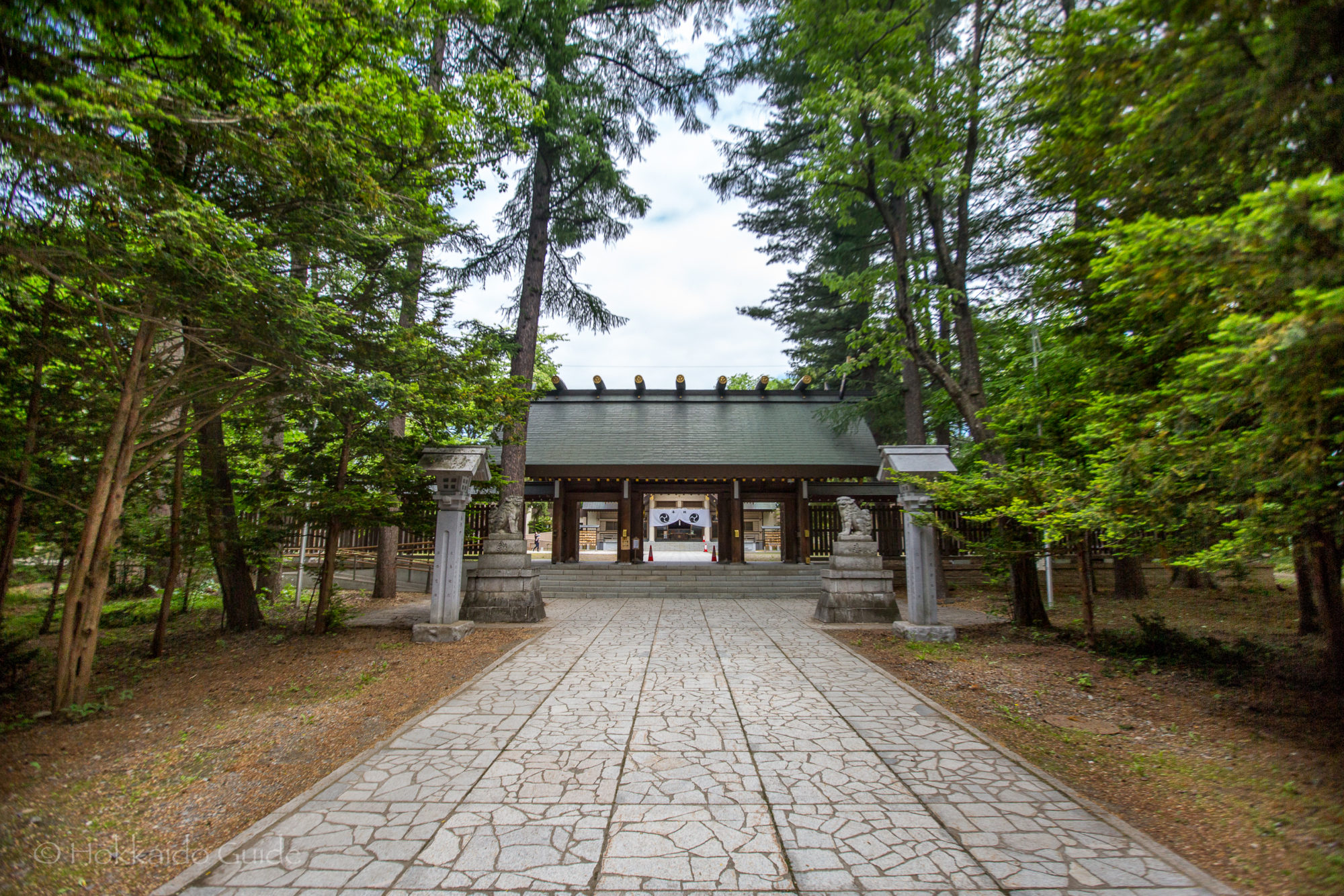
 In 1881, a man named Benzo Yoda and others from Shizuoka Prefecture organized a pioneer group called the “Bansei-sha”. This group and settled inShimo-Obihiro Village and started pioneering. During this time, they started holding festivals and later built a small shrine, though the connection with the current Obihiro Shrine is still not well known. In March 1909, a town meeting was held and five members decided to relocate and build the Obihiro Shrine. Over the past hundred years, this shrine has developed, been renovated and welcomed thousands of worshippers.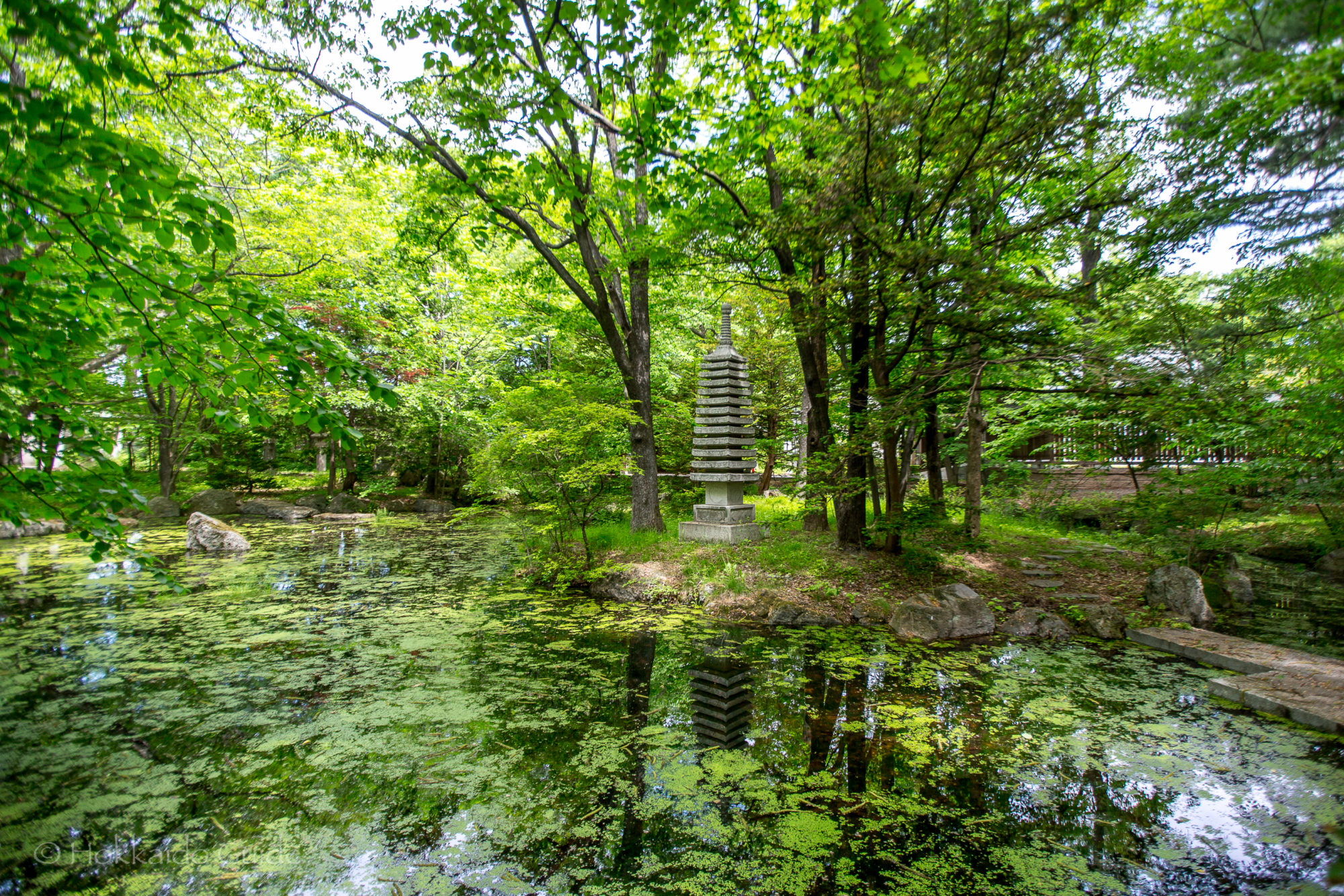
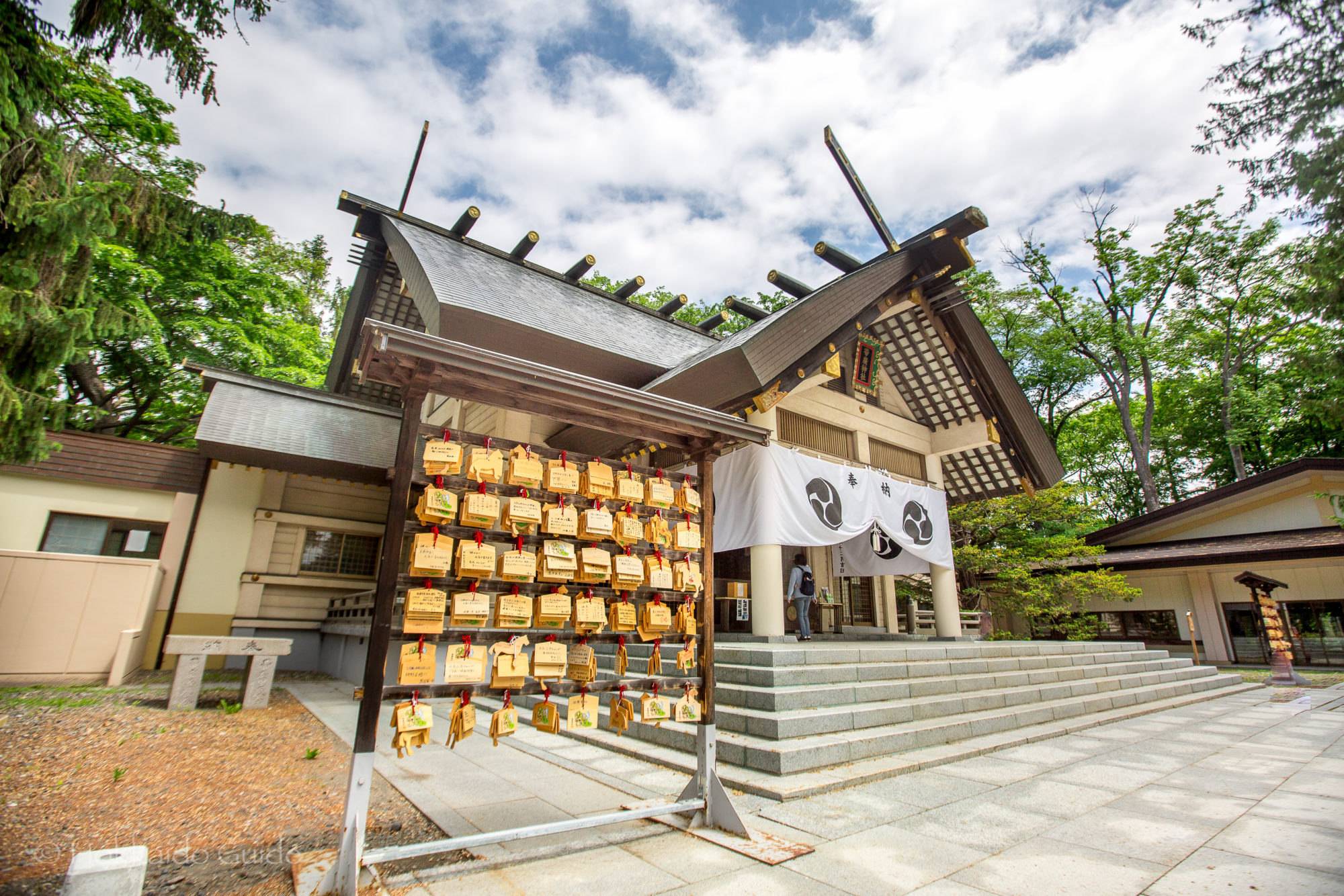
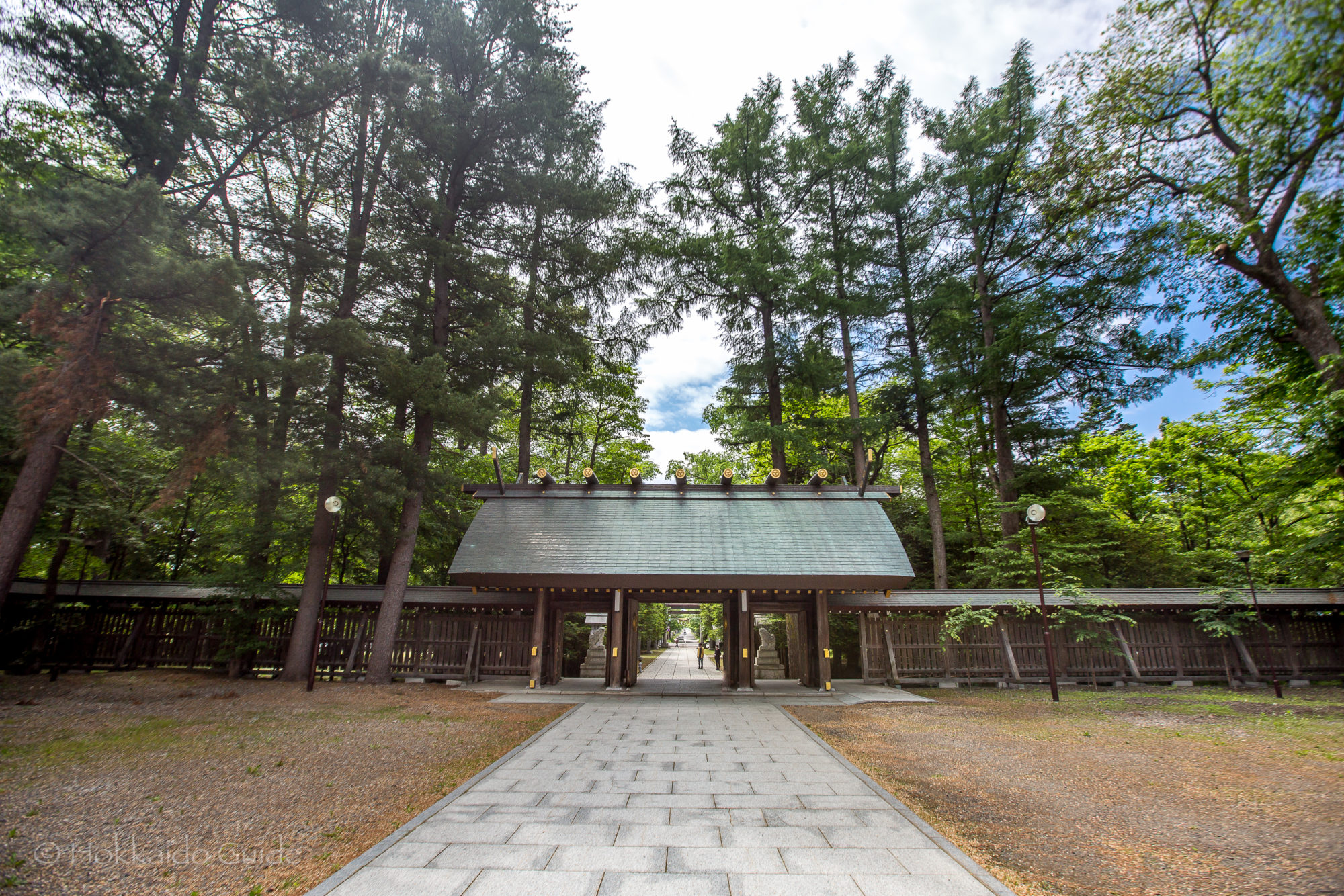
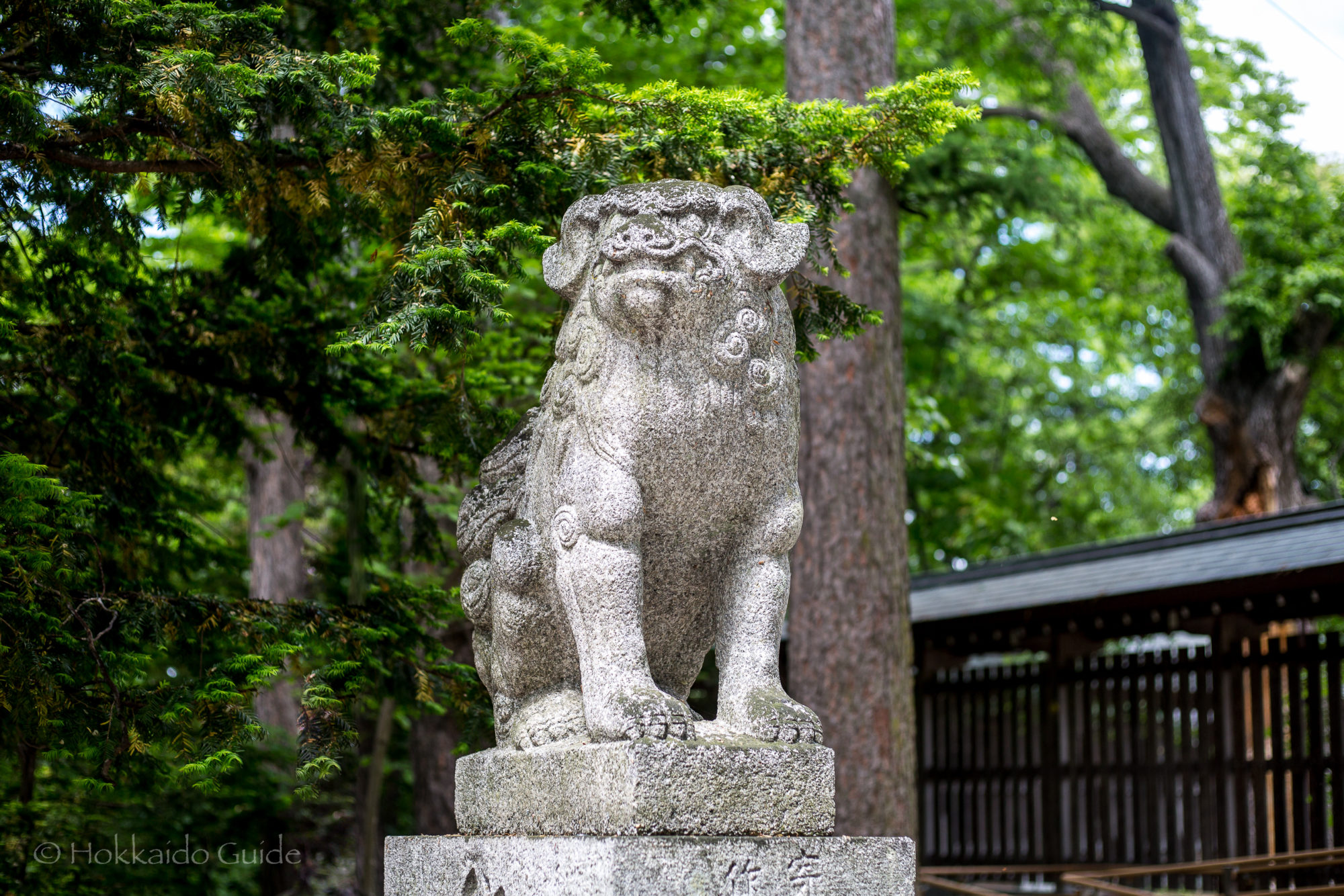
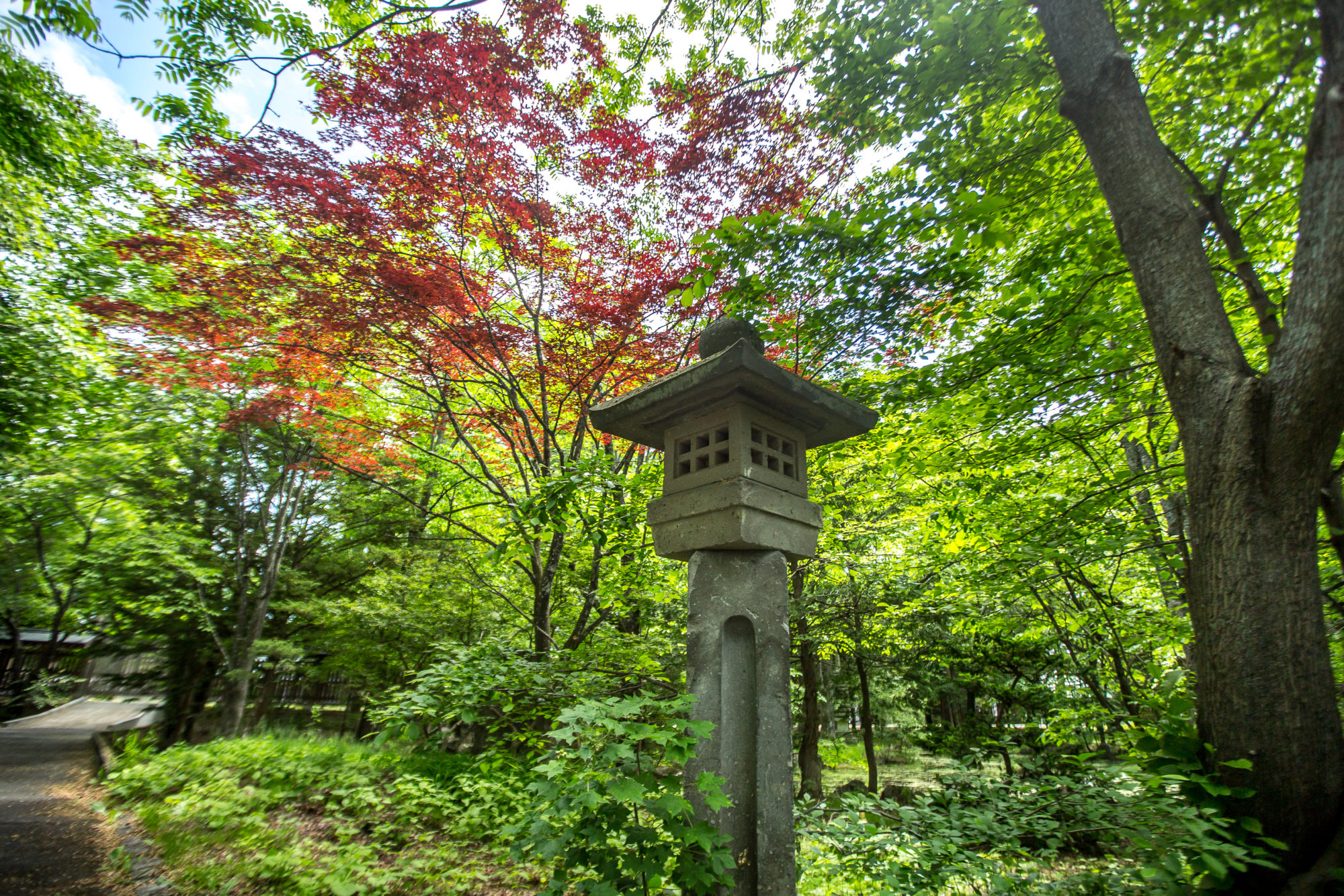
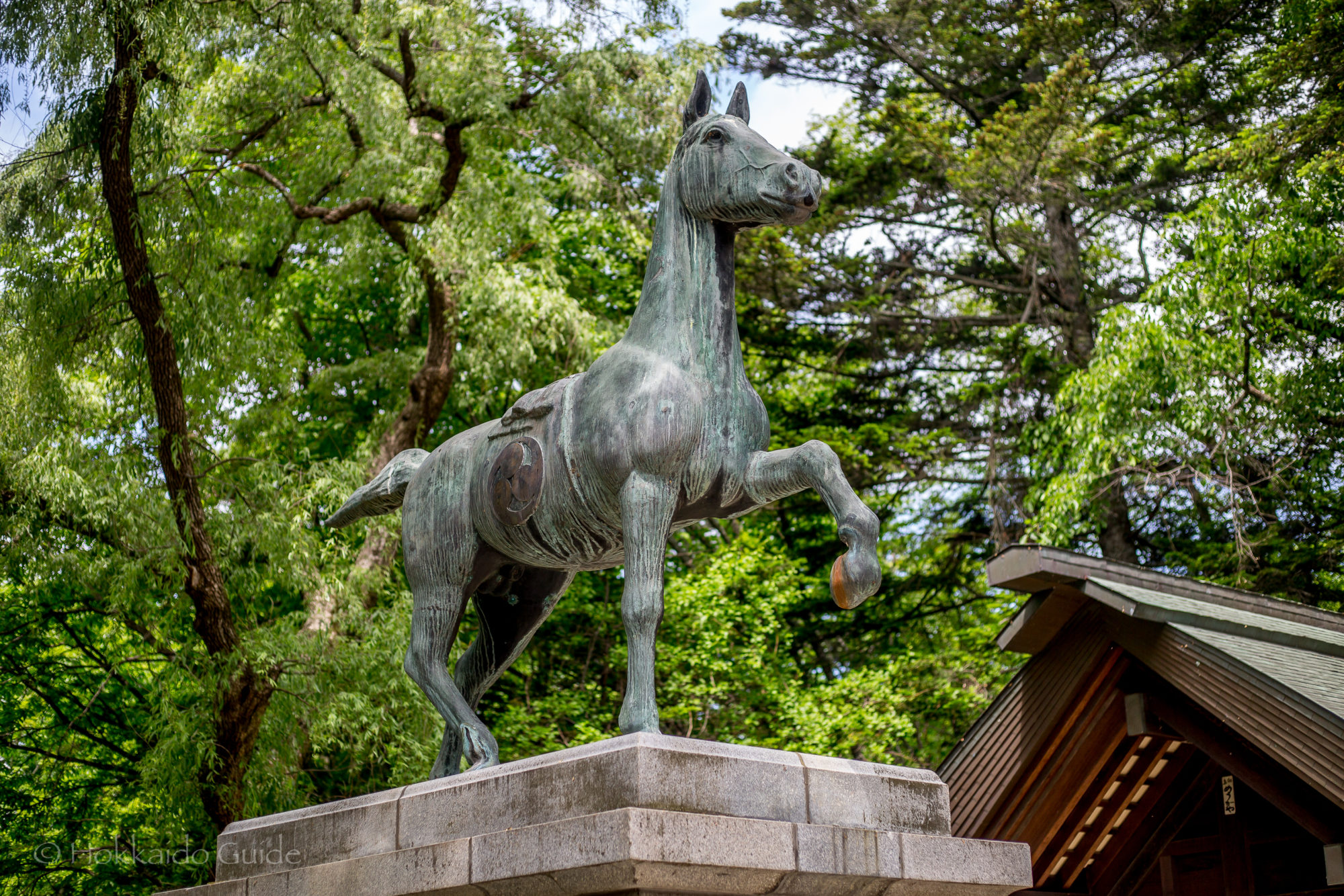
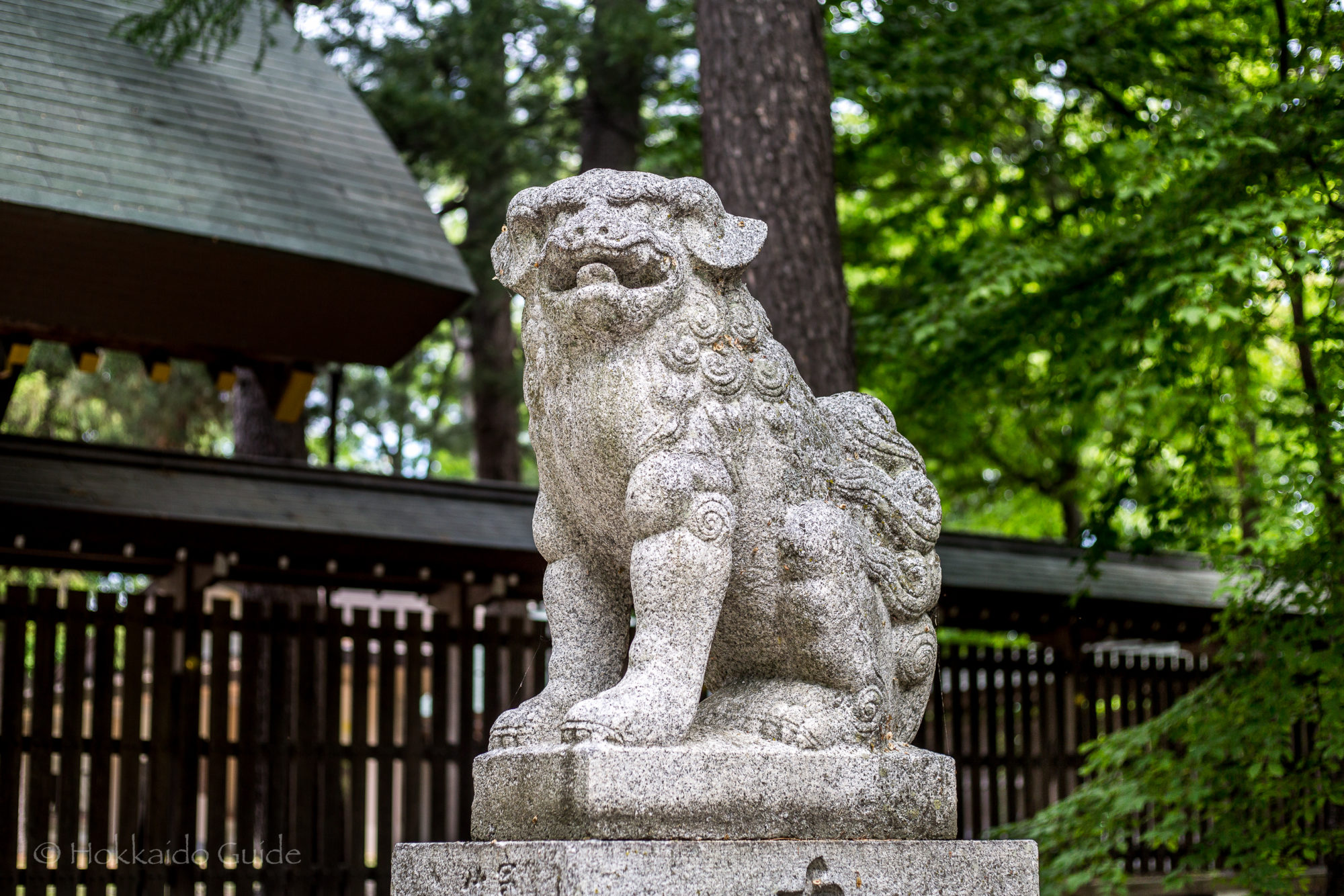
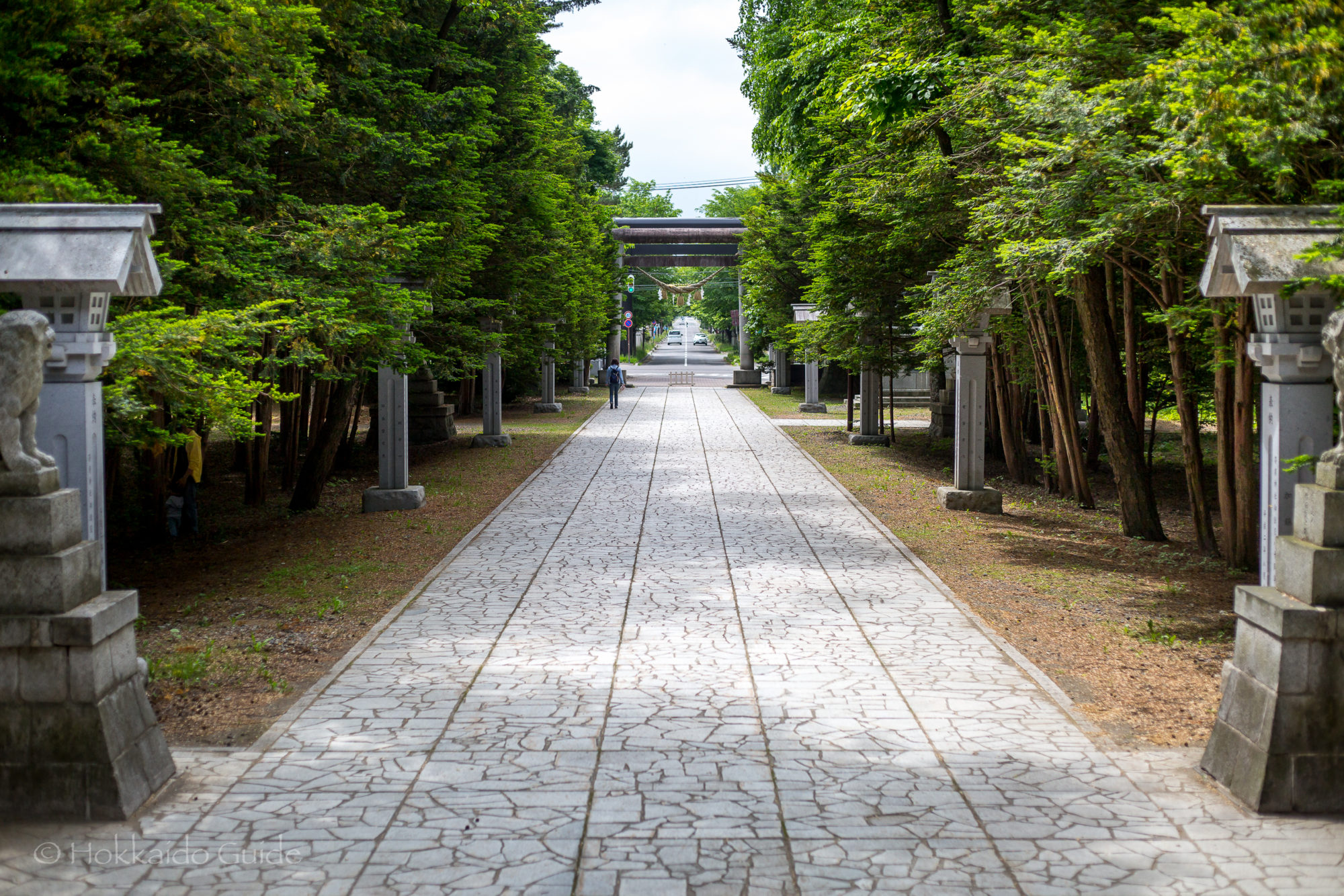
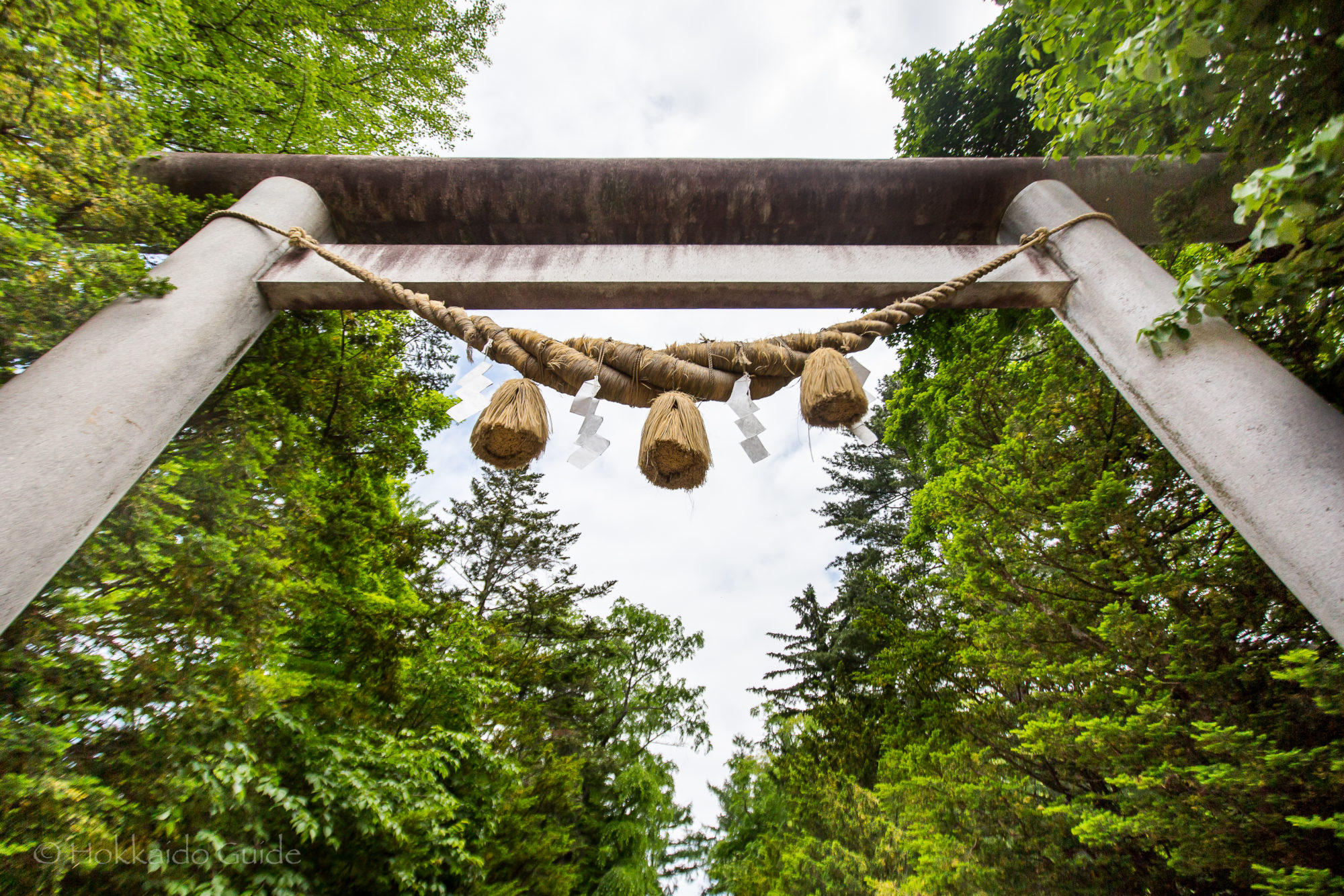
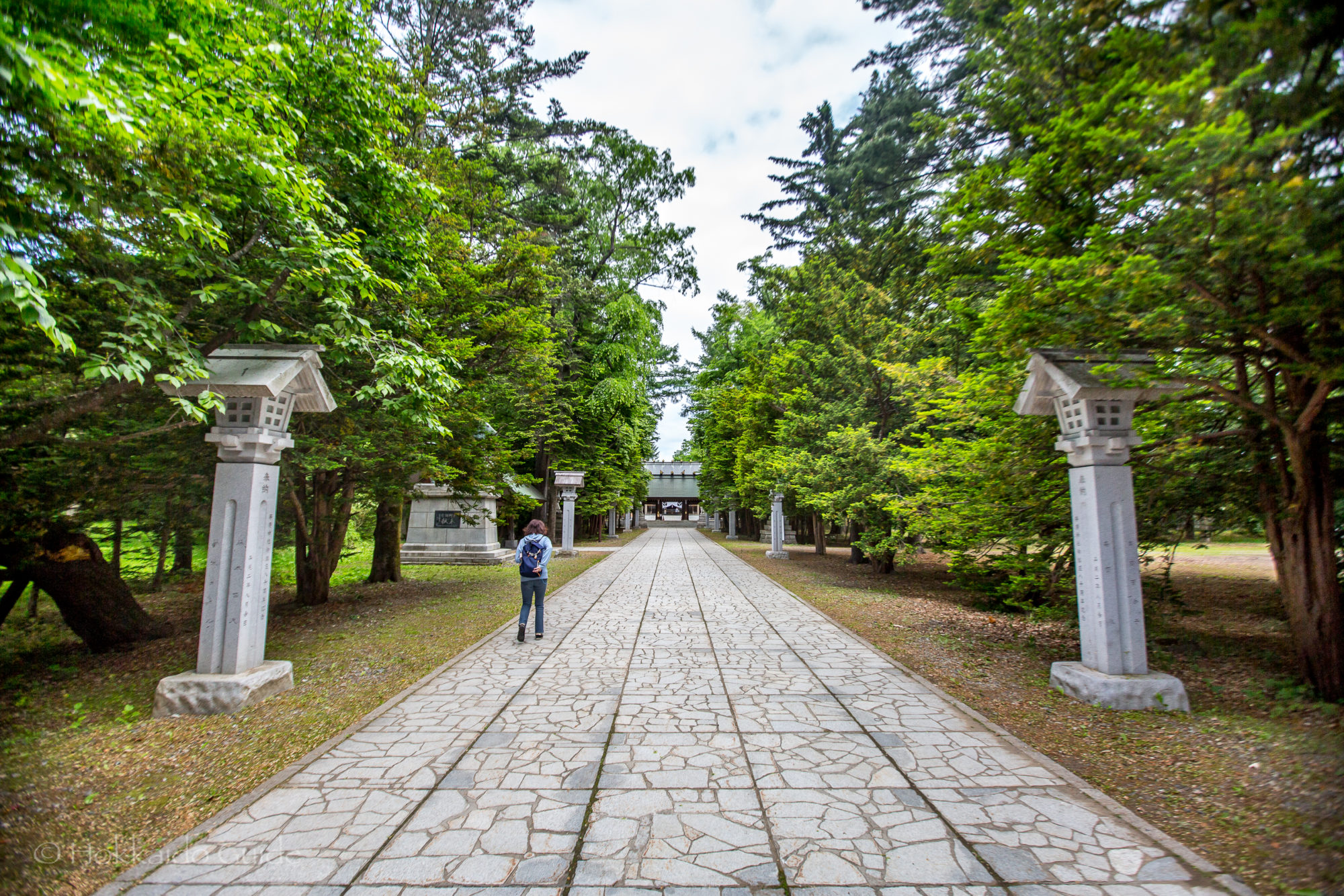
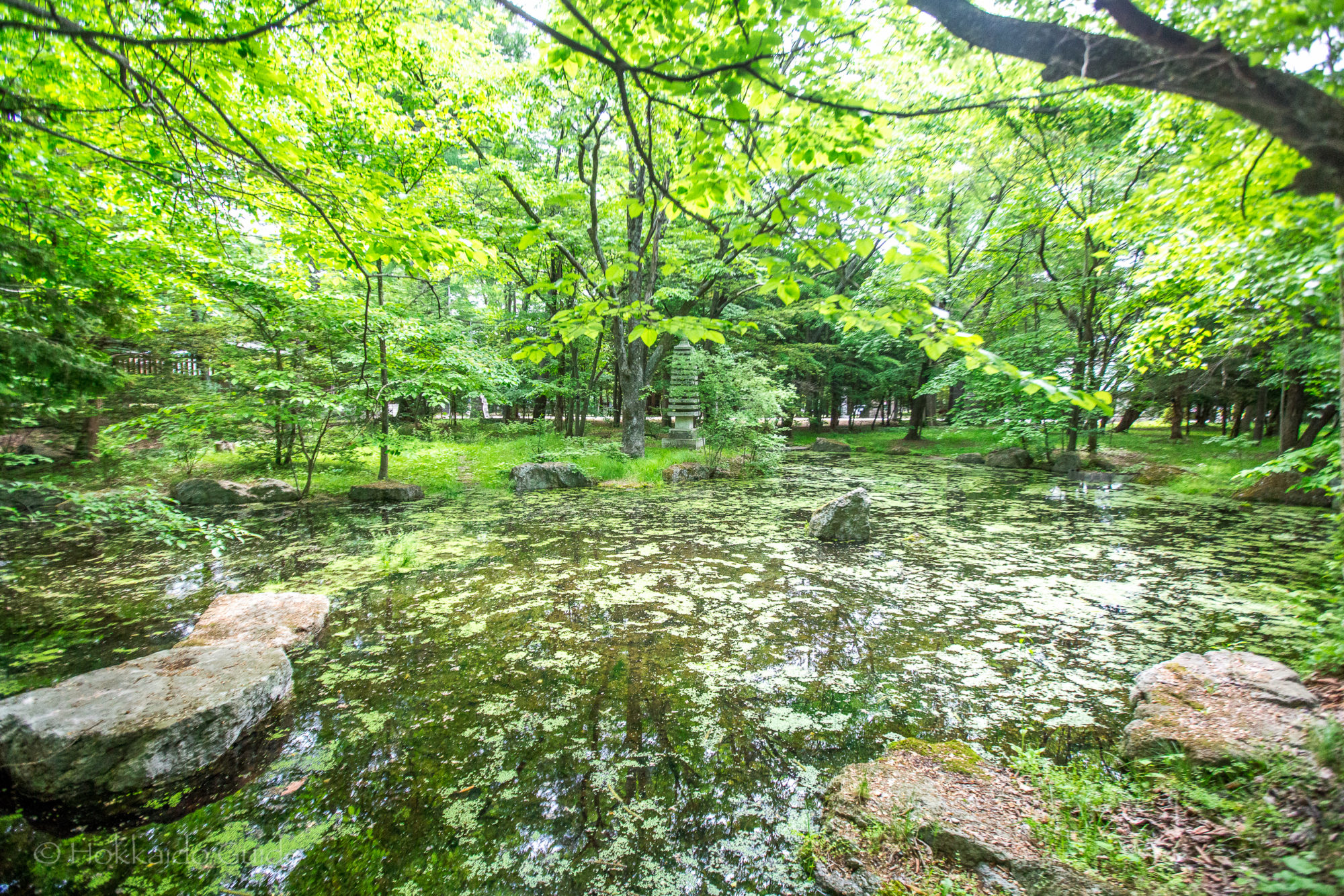
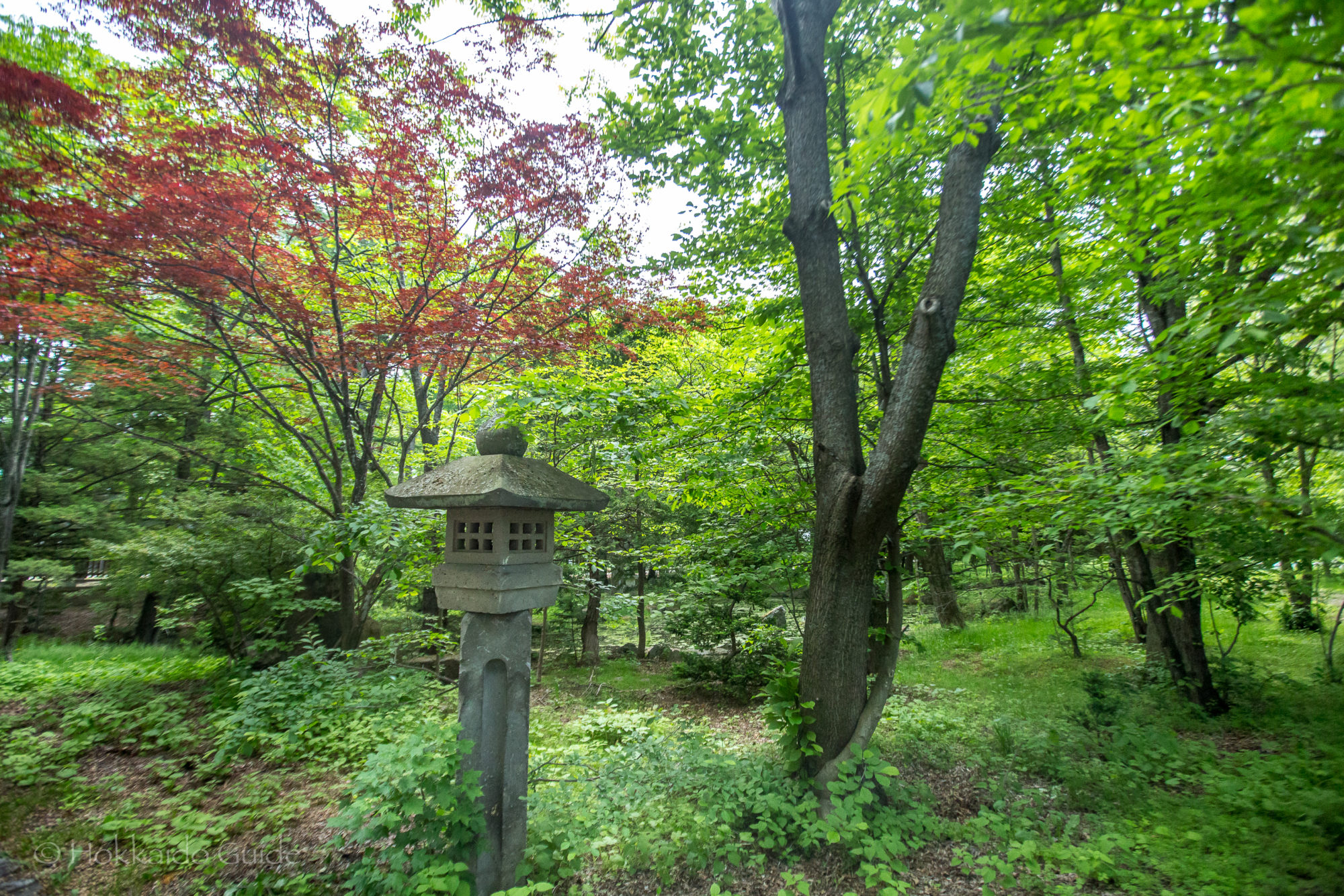
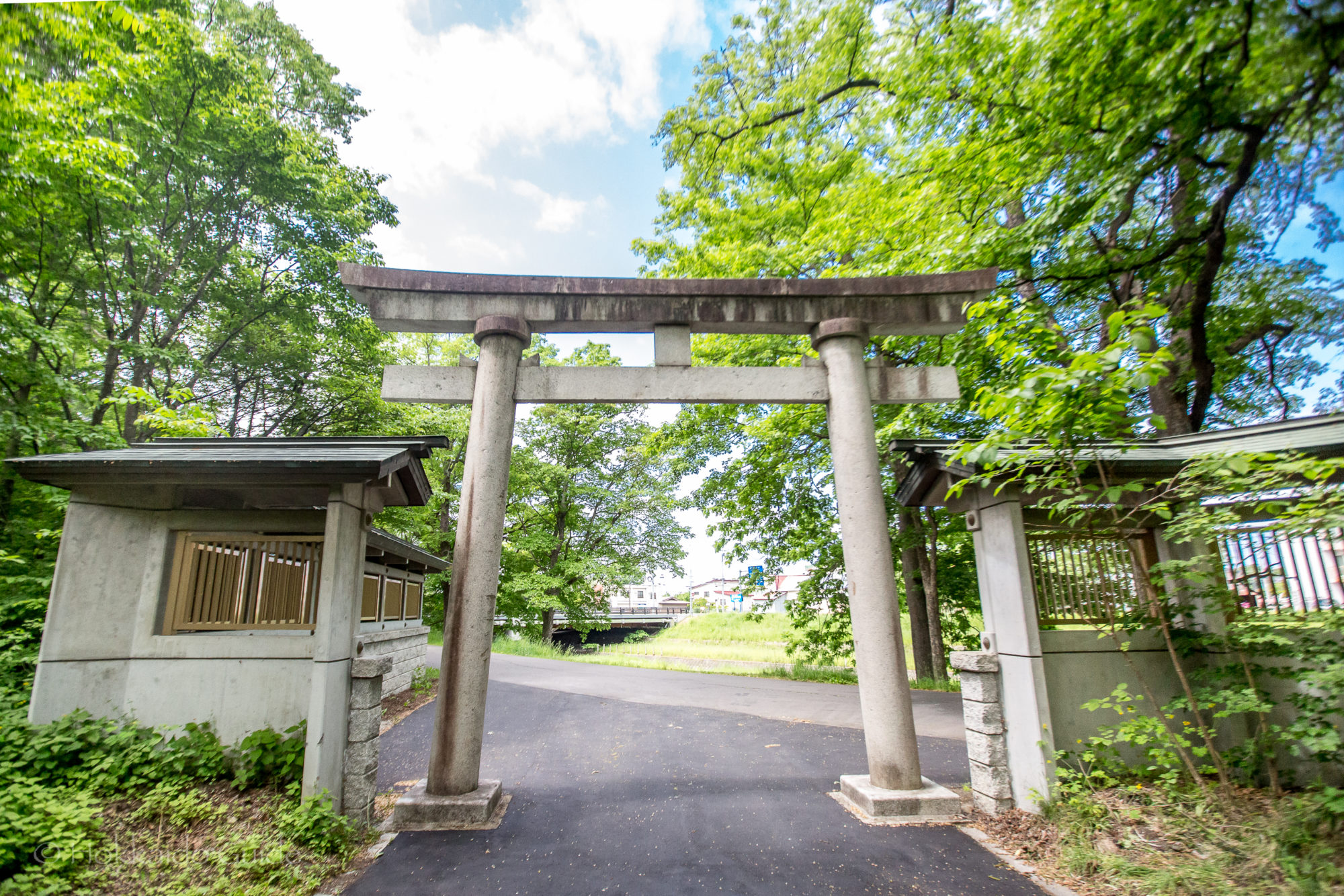
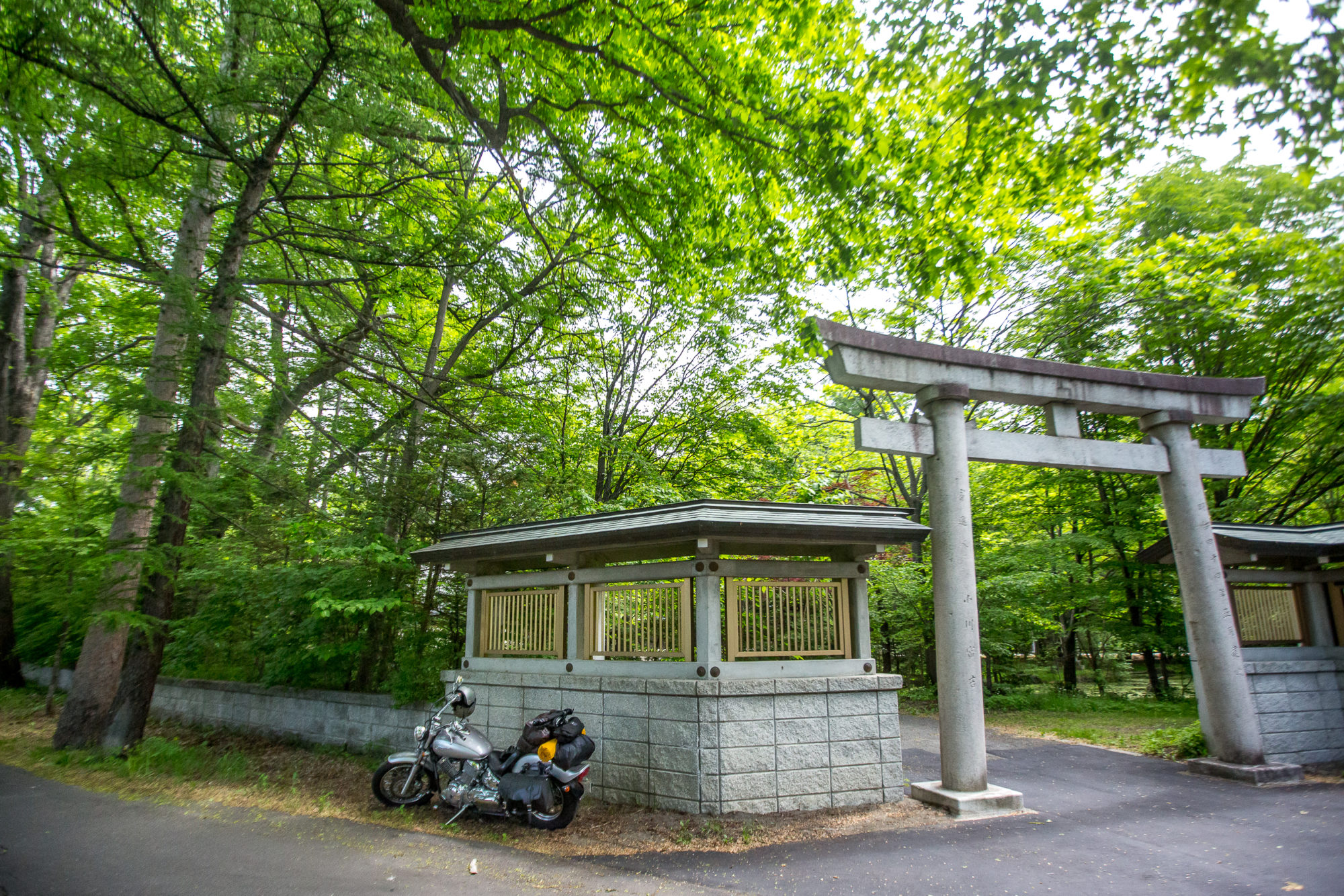
 The shrine is located by the Obihiro River and although the buses don’t run that often, it is in a walkable distance. Once inside the grounds, there are many things to see besides the main shrine. There are numerous shrines and buildings. The area is also rich in greenery and the land was designated as an environmental green space protection area in Hokkaido in 1974. The grounds are also home to many small animals and wild birds such as Ezo squirrels, chipmunks, red-cockaded woodpeckers, and starlings to name a few. This area has some statues and is a good spot for photos. At the shrine, you can buy souvenirs and charms to take home. Throughout the year there are many festivals held. For more detail see below.