Tag: Photography Spot
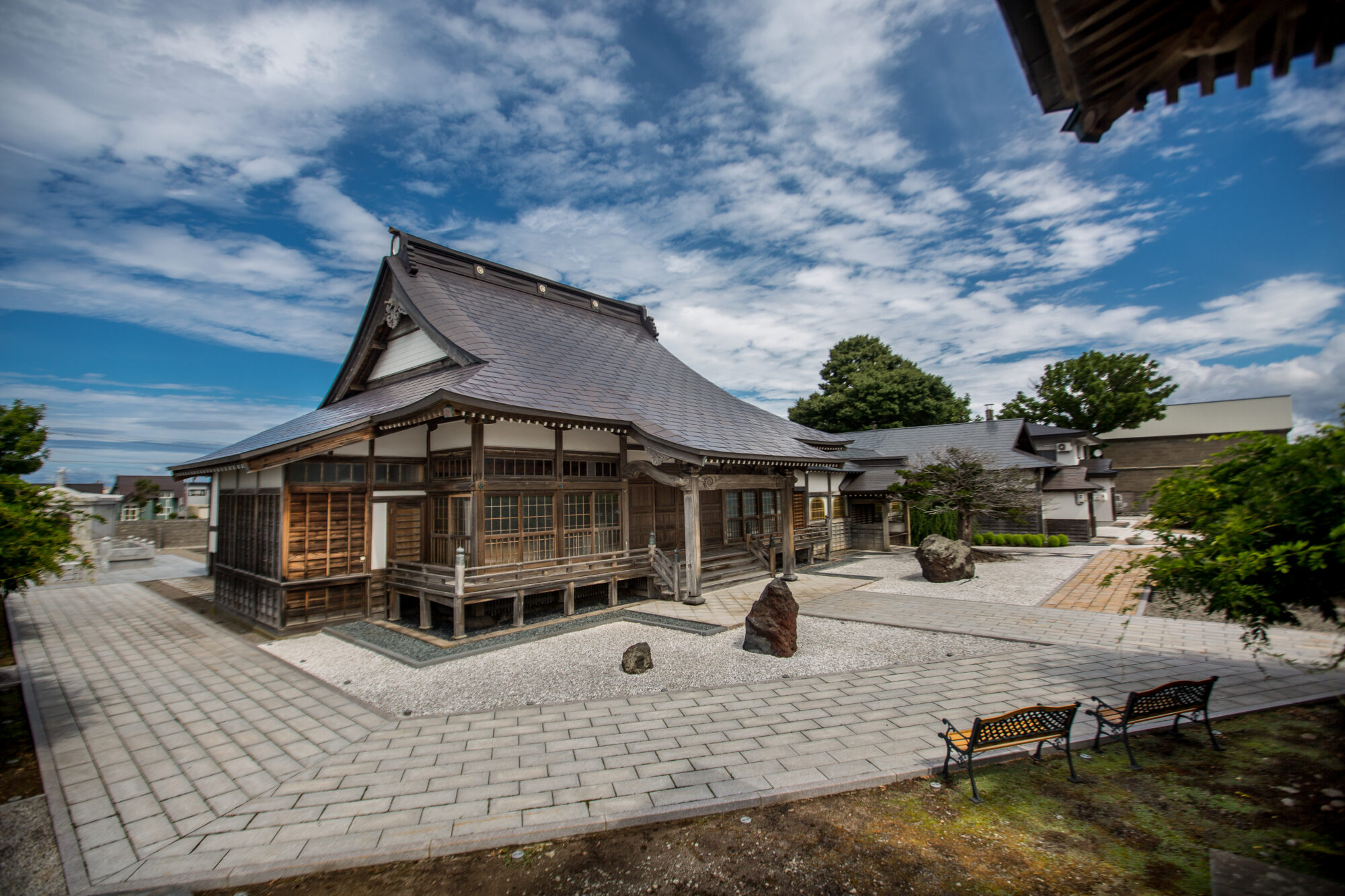
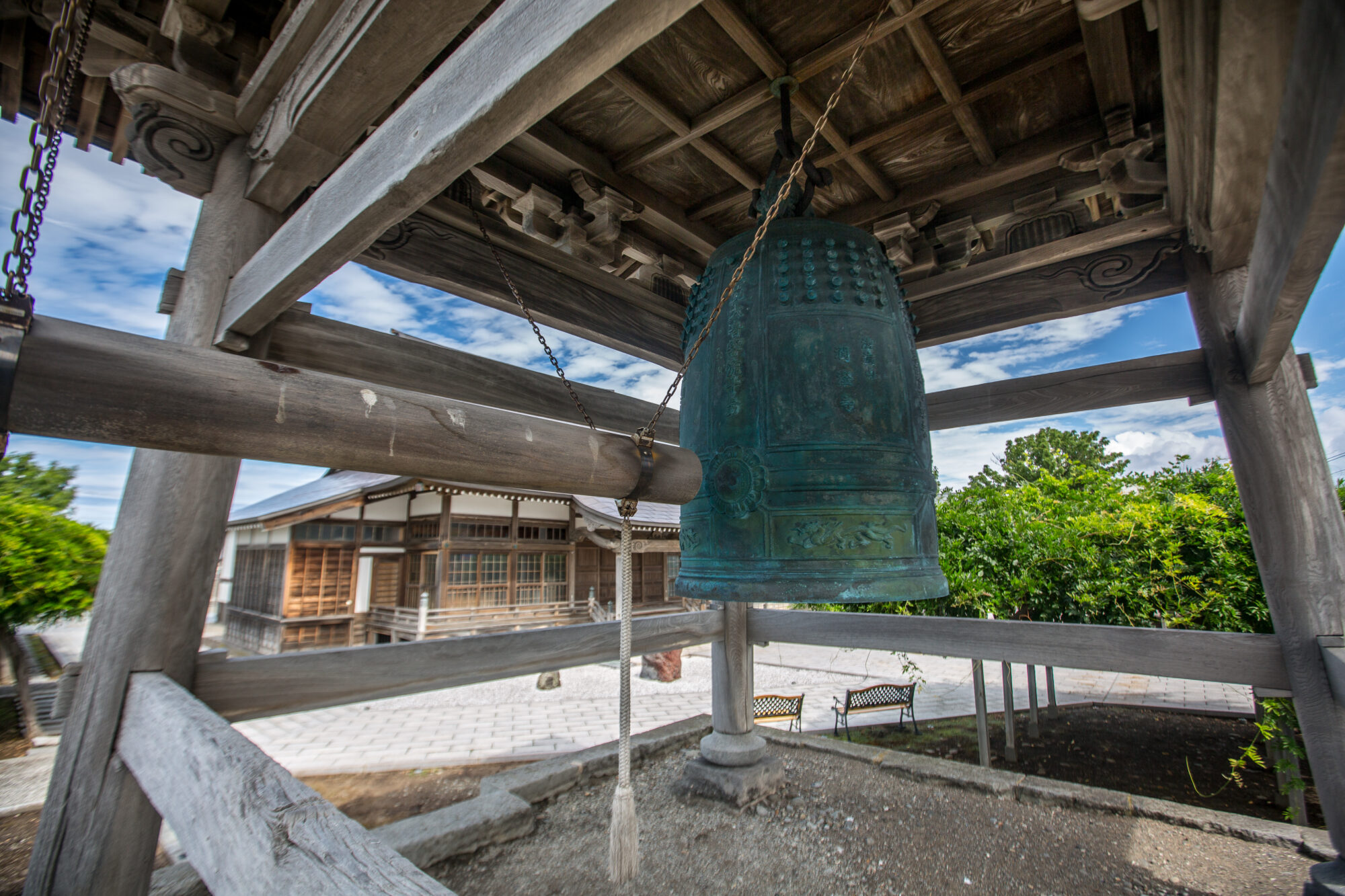
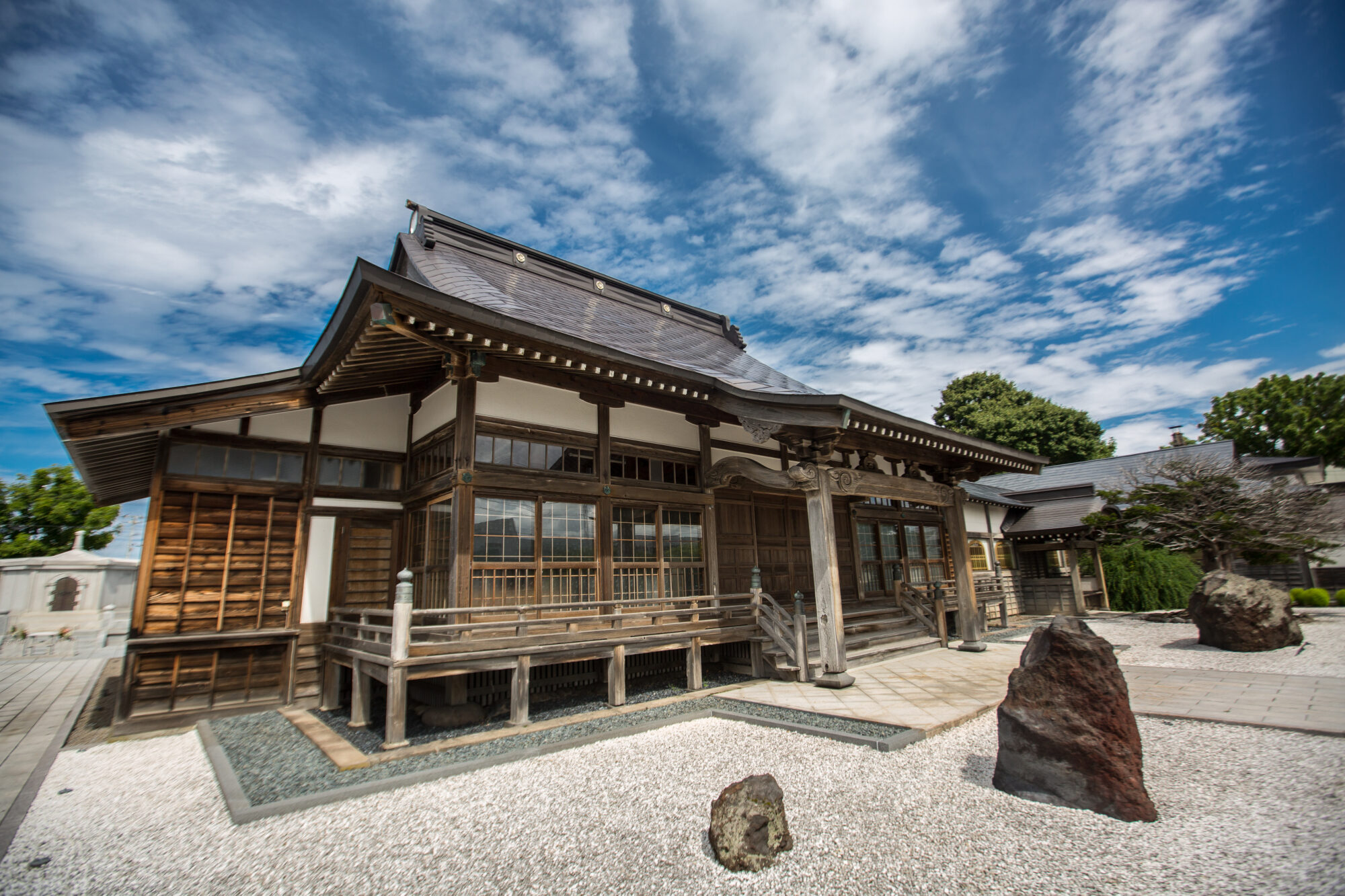
Junsumi Temple

| Admission | - |
| Opening Hours | - |
| Closed | - |
| Contact | 011-6453-3192 |
| Notes | Shinto shrine |
| Location / Getting There | "By car from Sapporo : A 2.5 to 3 hour drive along route 231 along the Sea of Japan coast. By bus to Mashike from Sapporo : Take a highway bus from Sapporo to Rumoi 札幌~増毛・留萌線 (Sapporo–Mashike/Rumoi line) Then a local bus or taxi to Mashike. 3.5–4 hours 3 Chome-106 Hatanakacho, Mashike, Mashike District, Hokkaido 077-0214, Japan" |
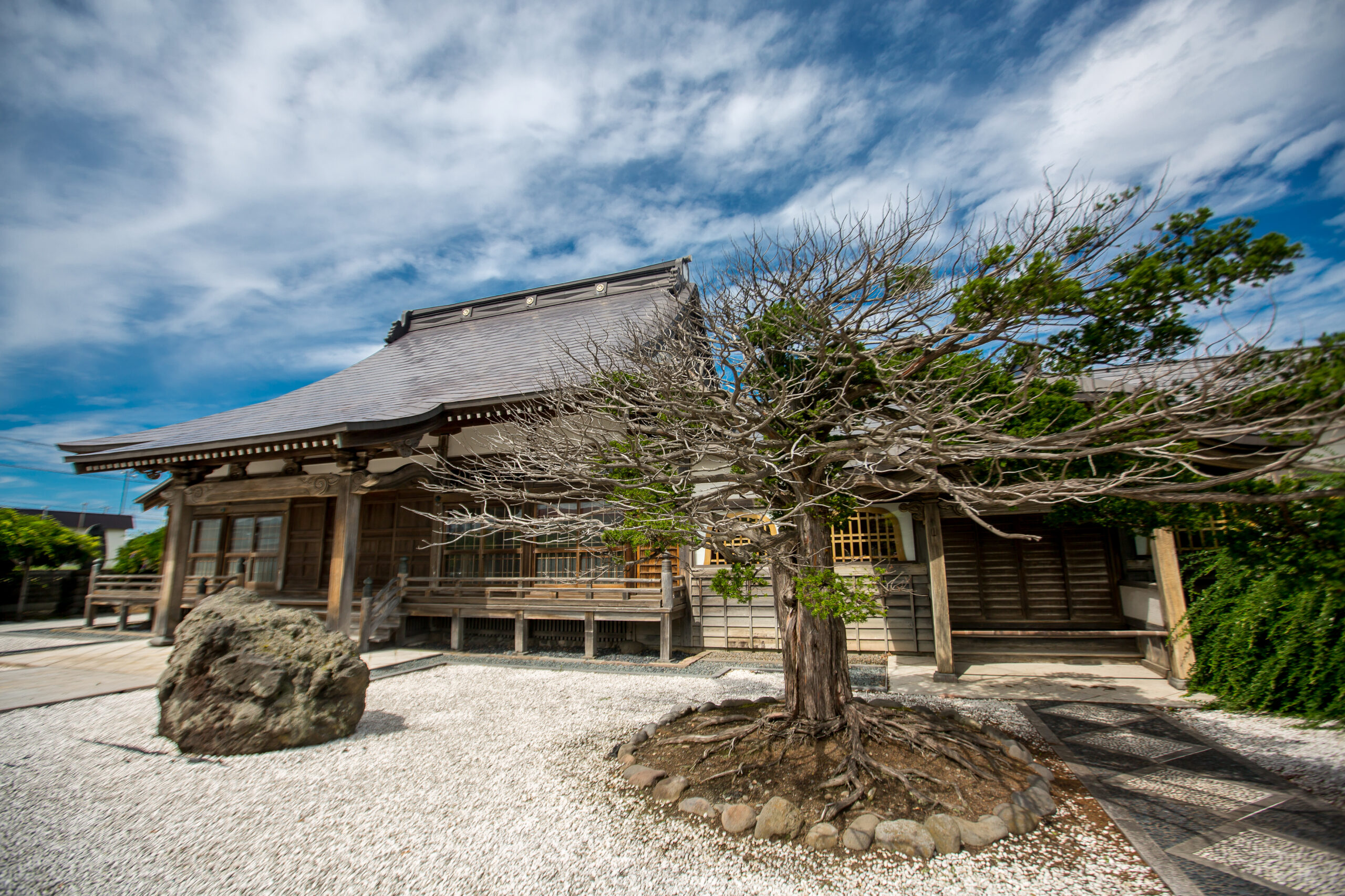
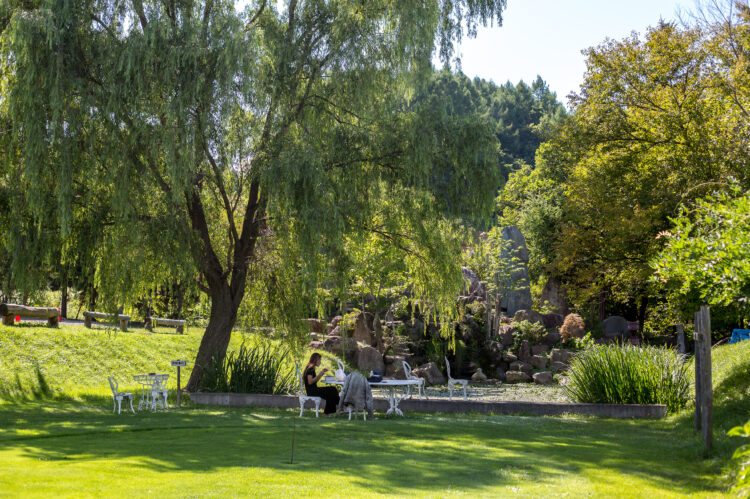
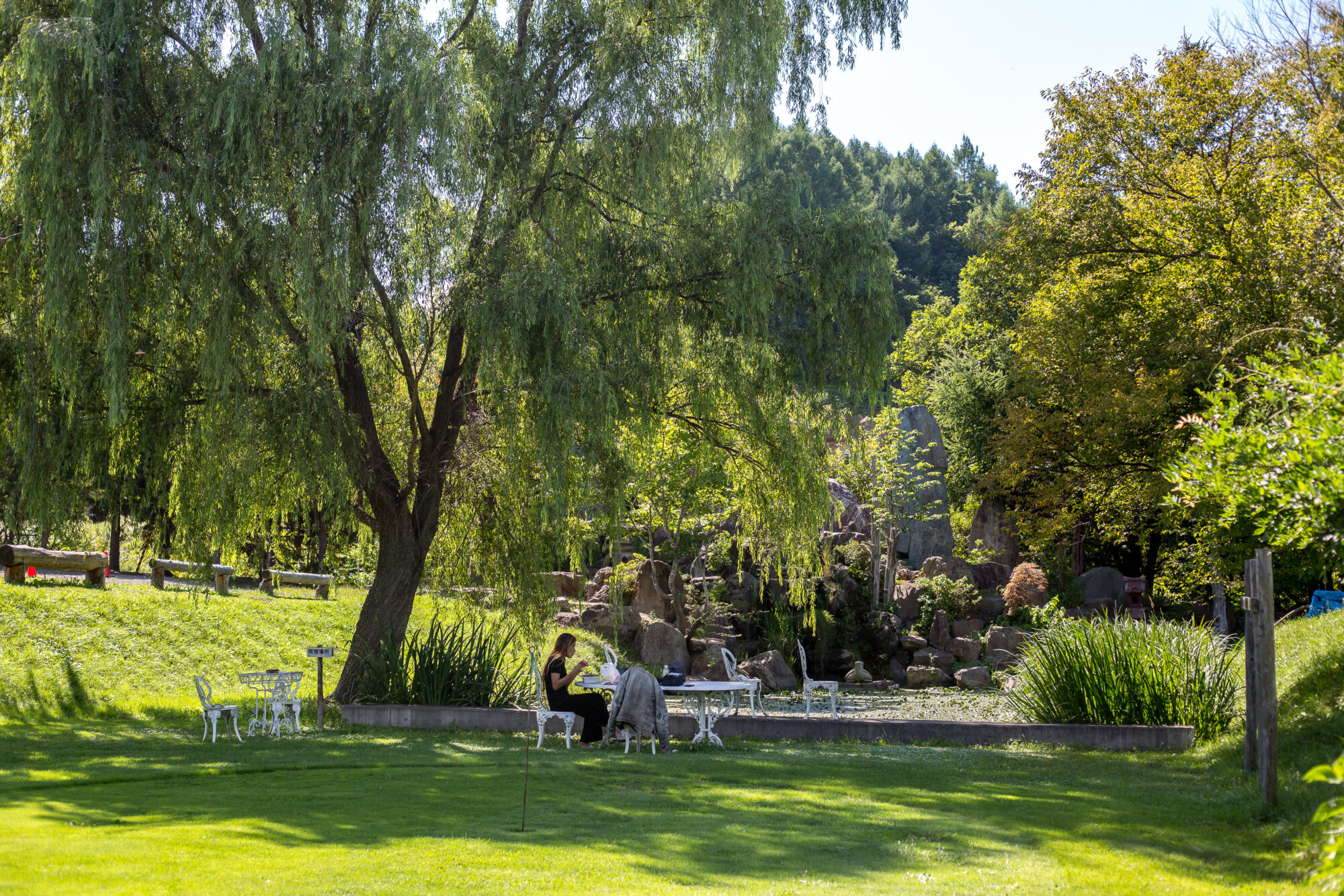
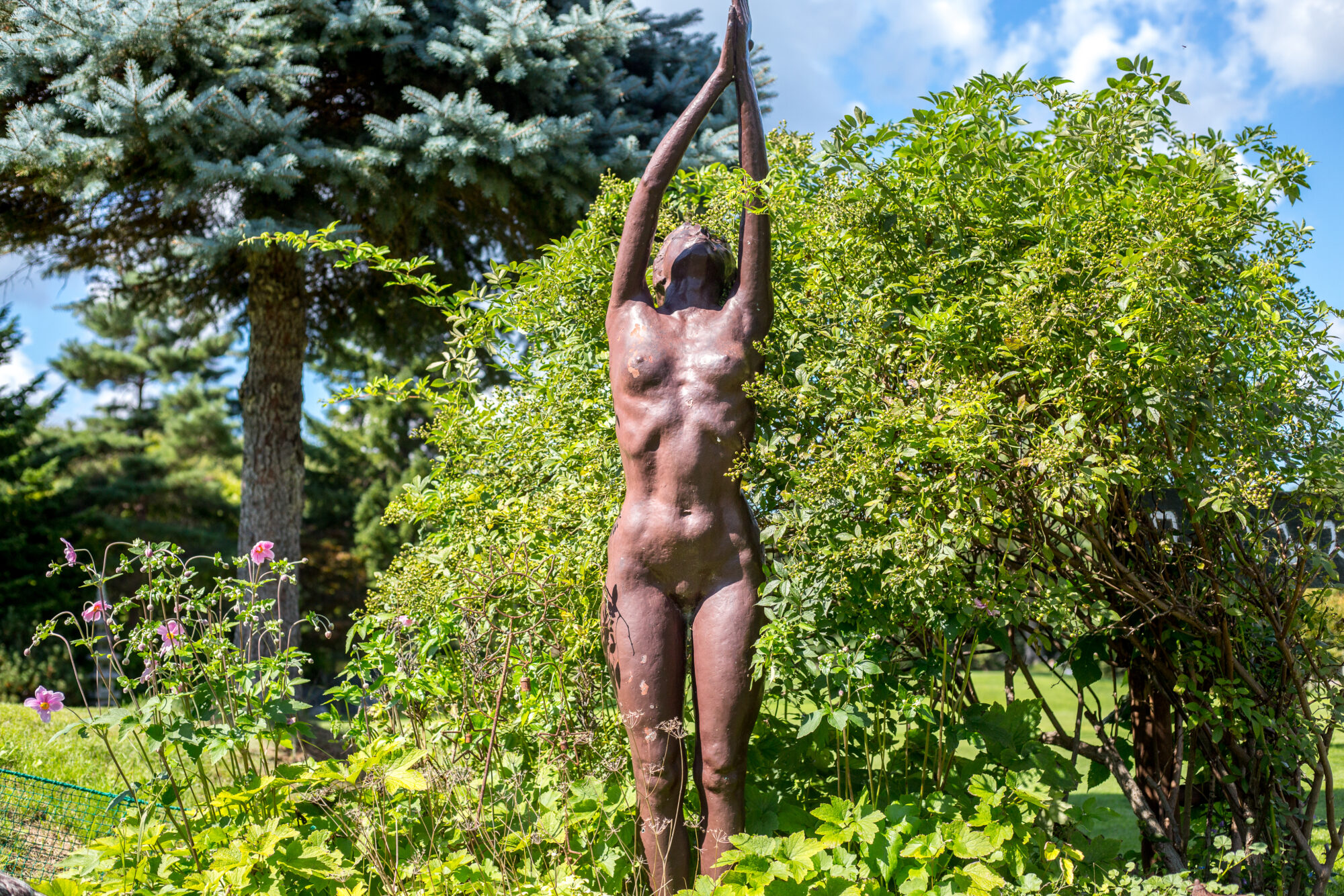
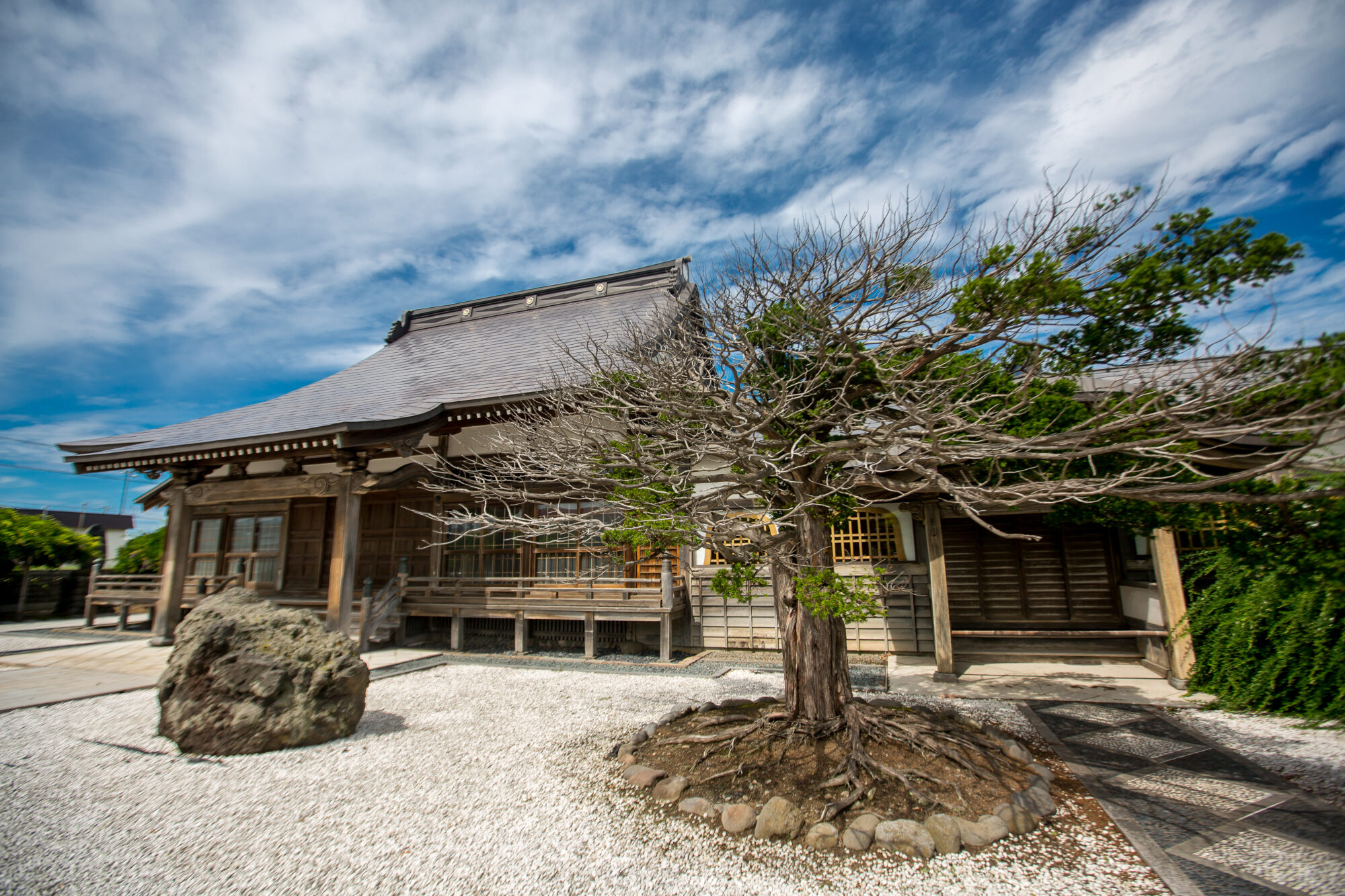
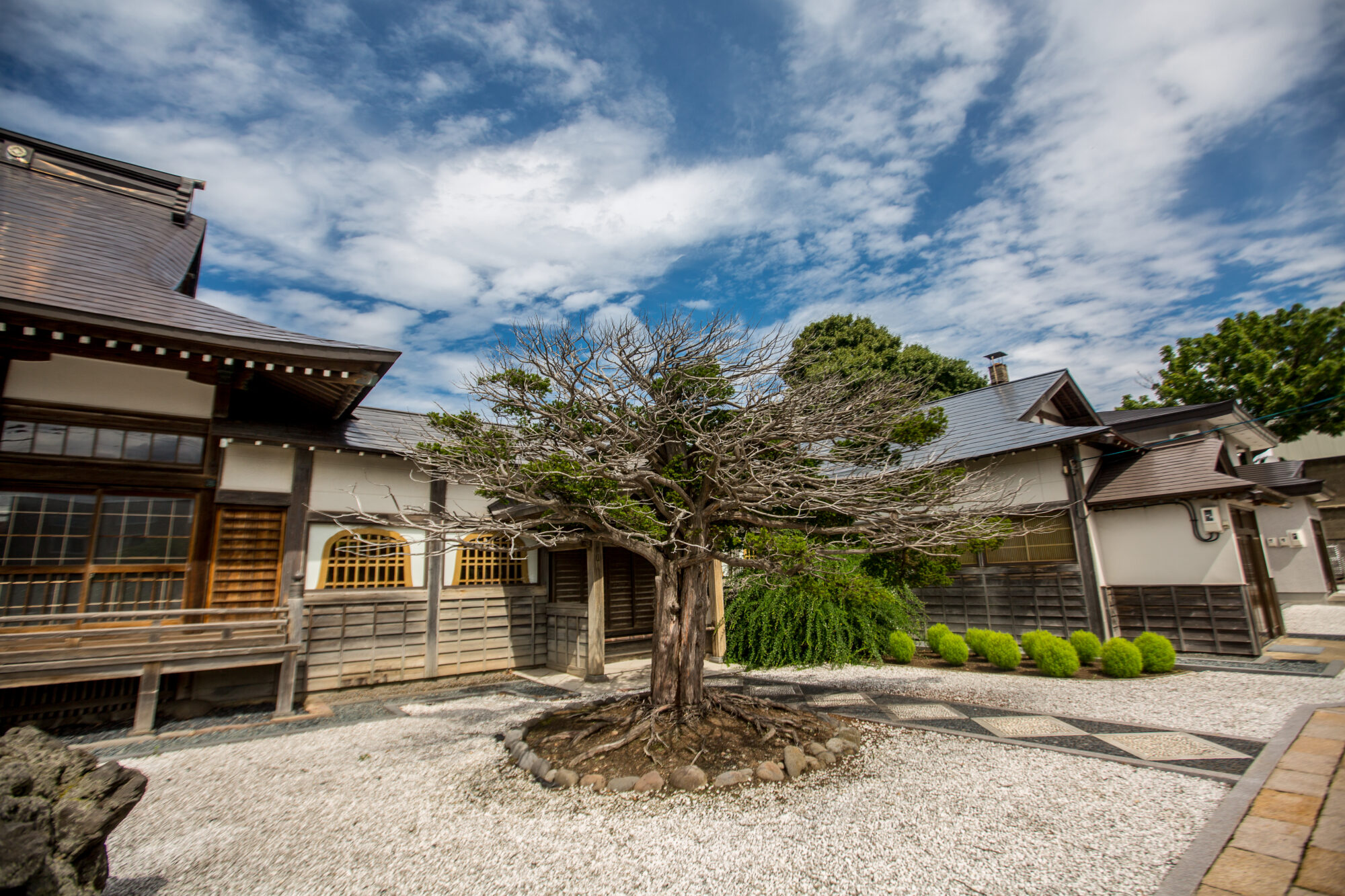
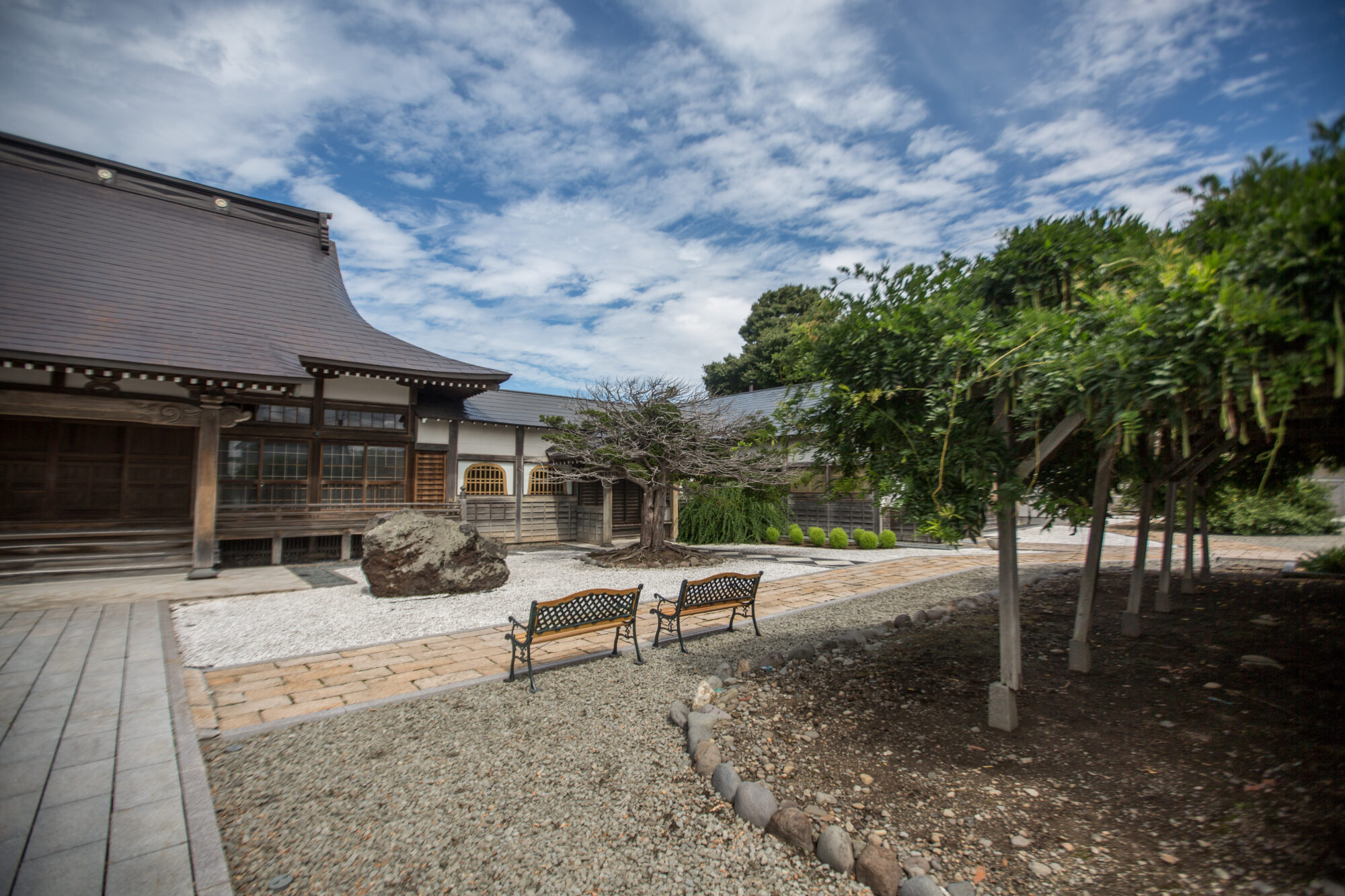
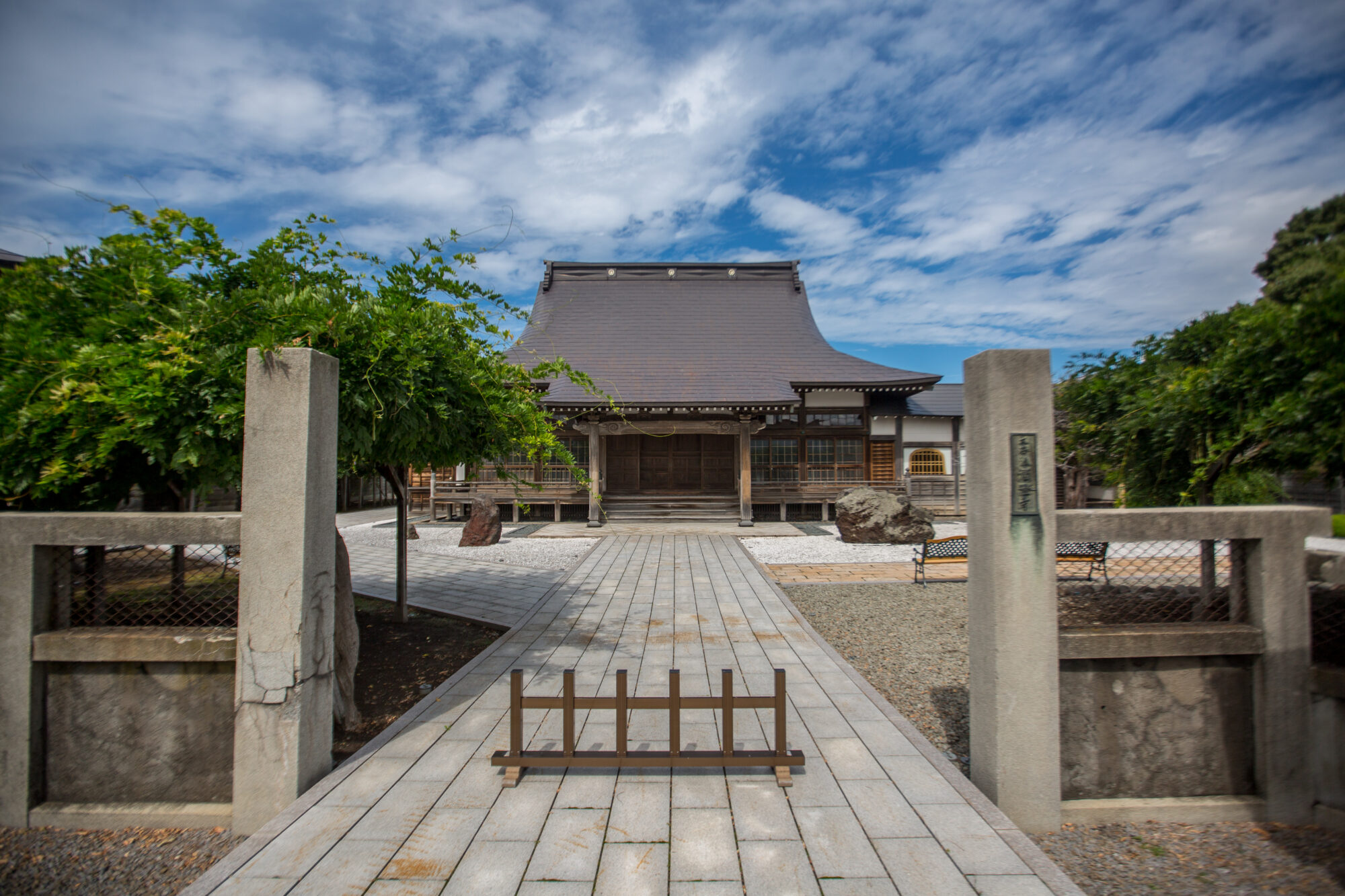
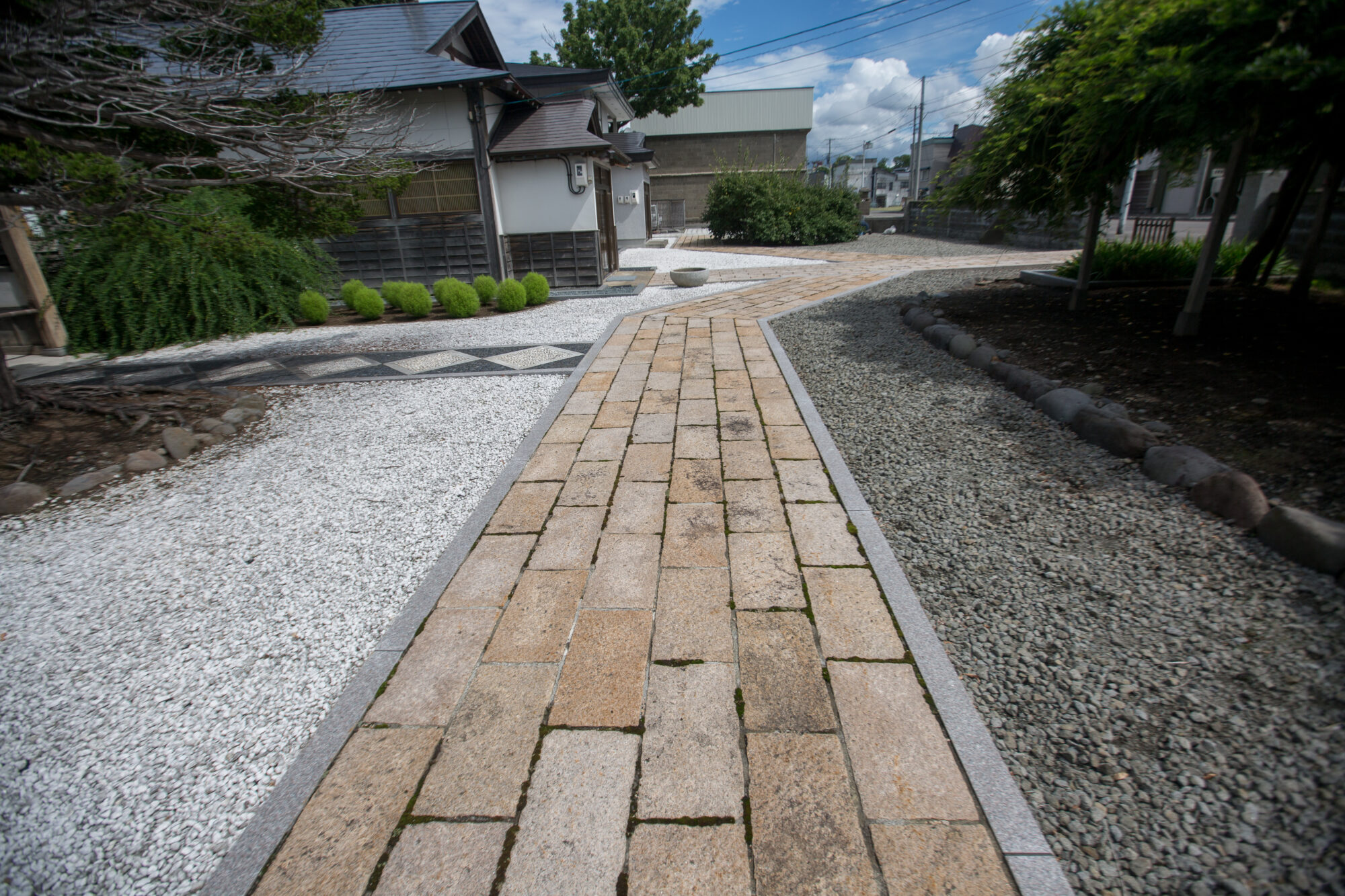
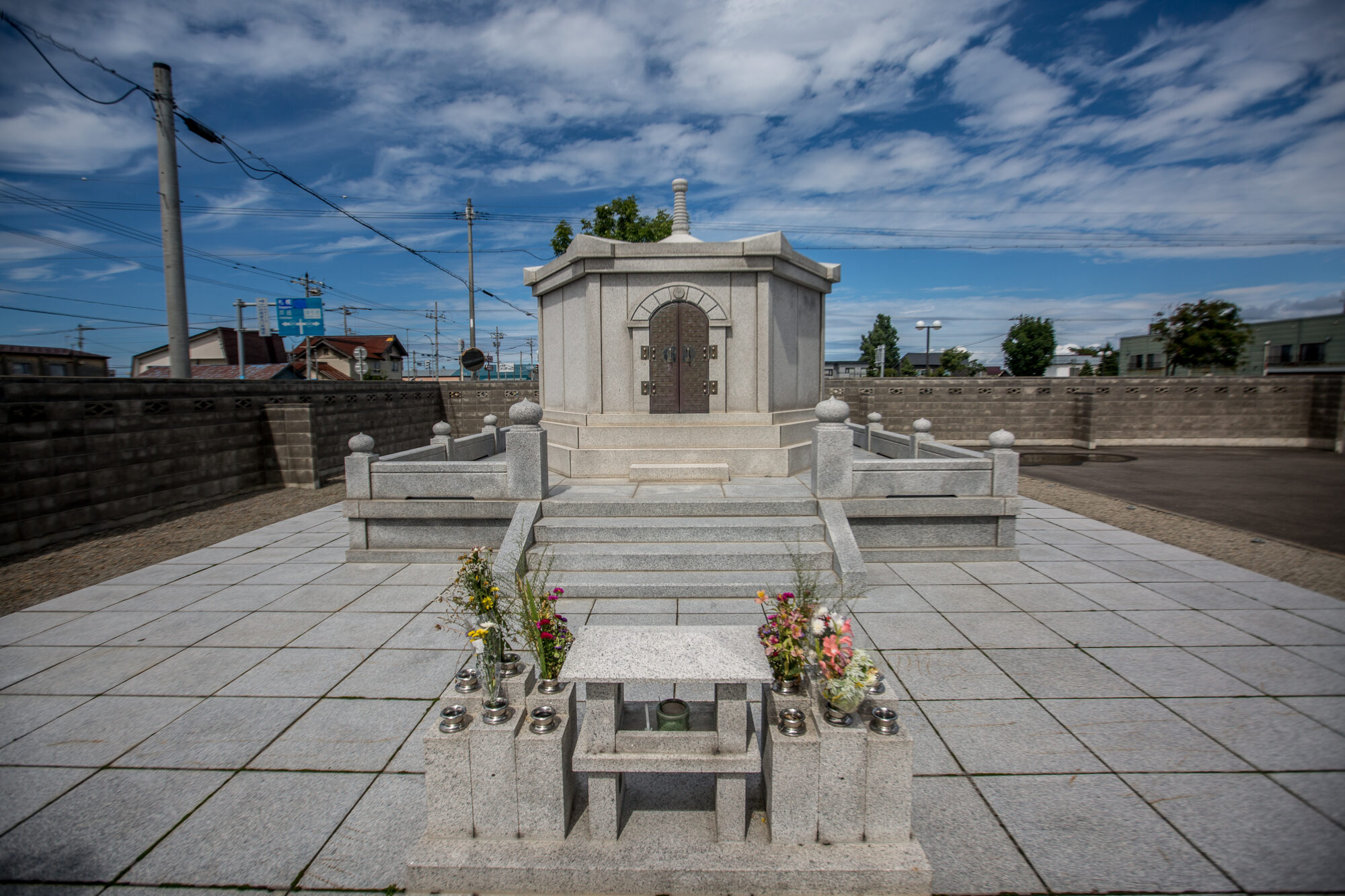
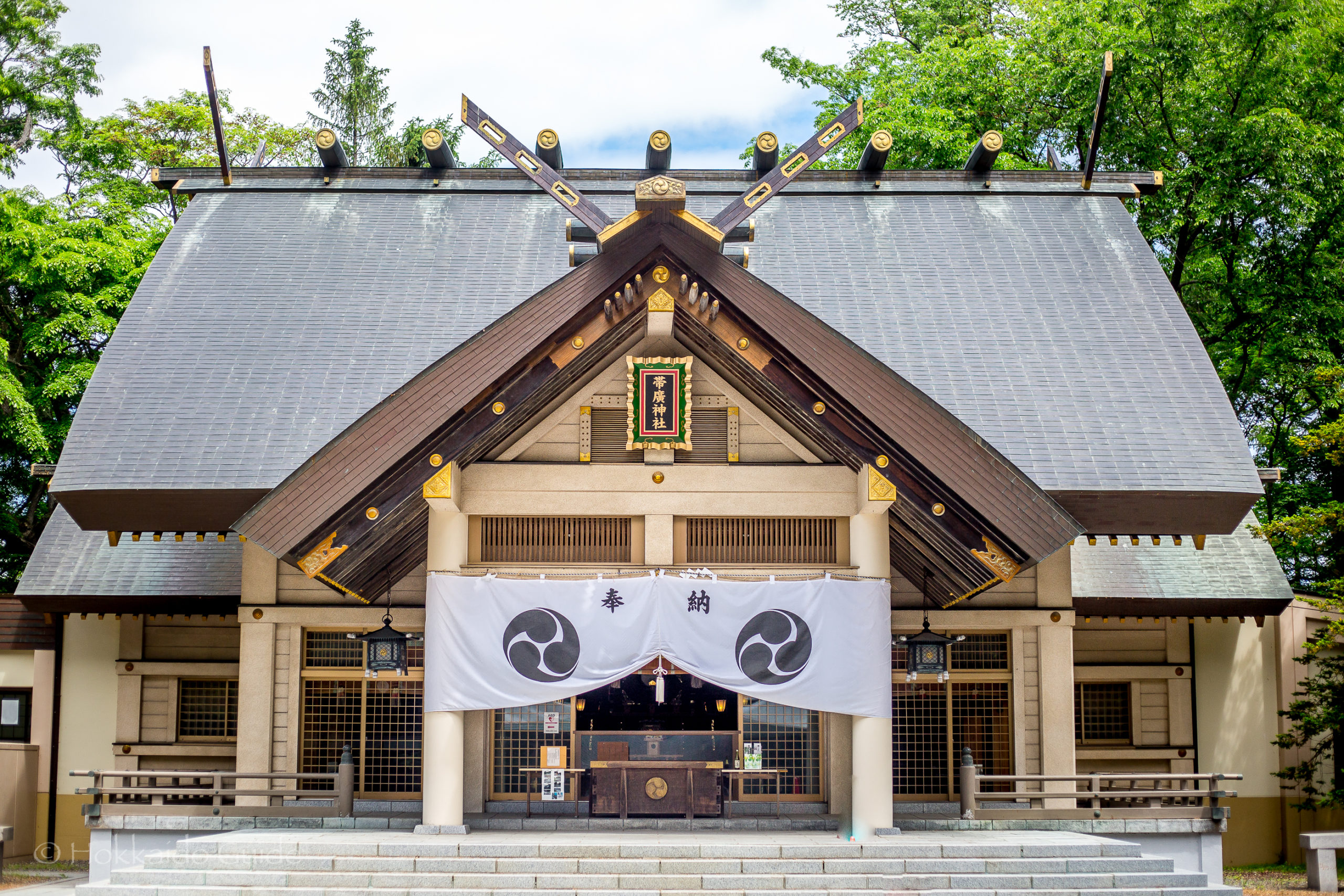
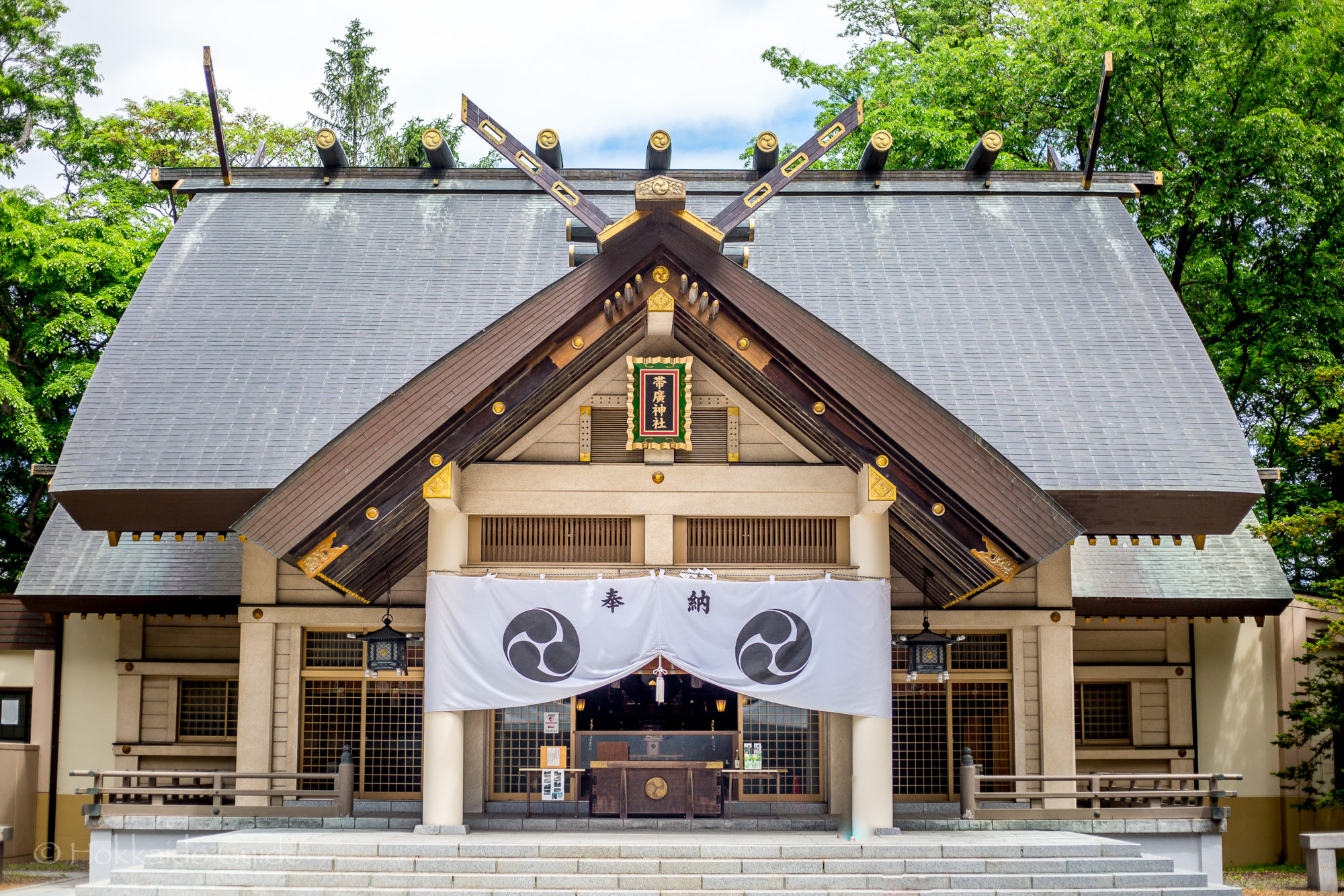
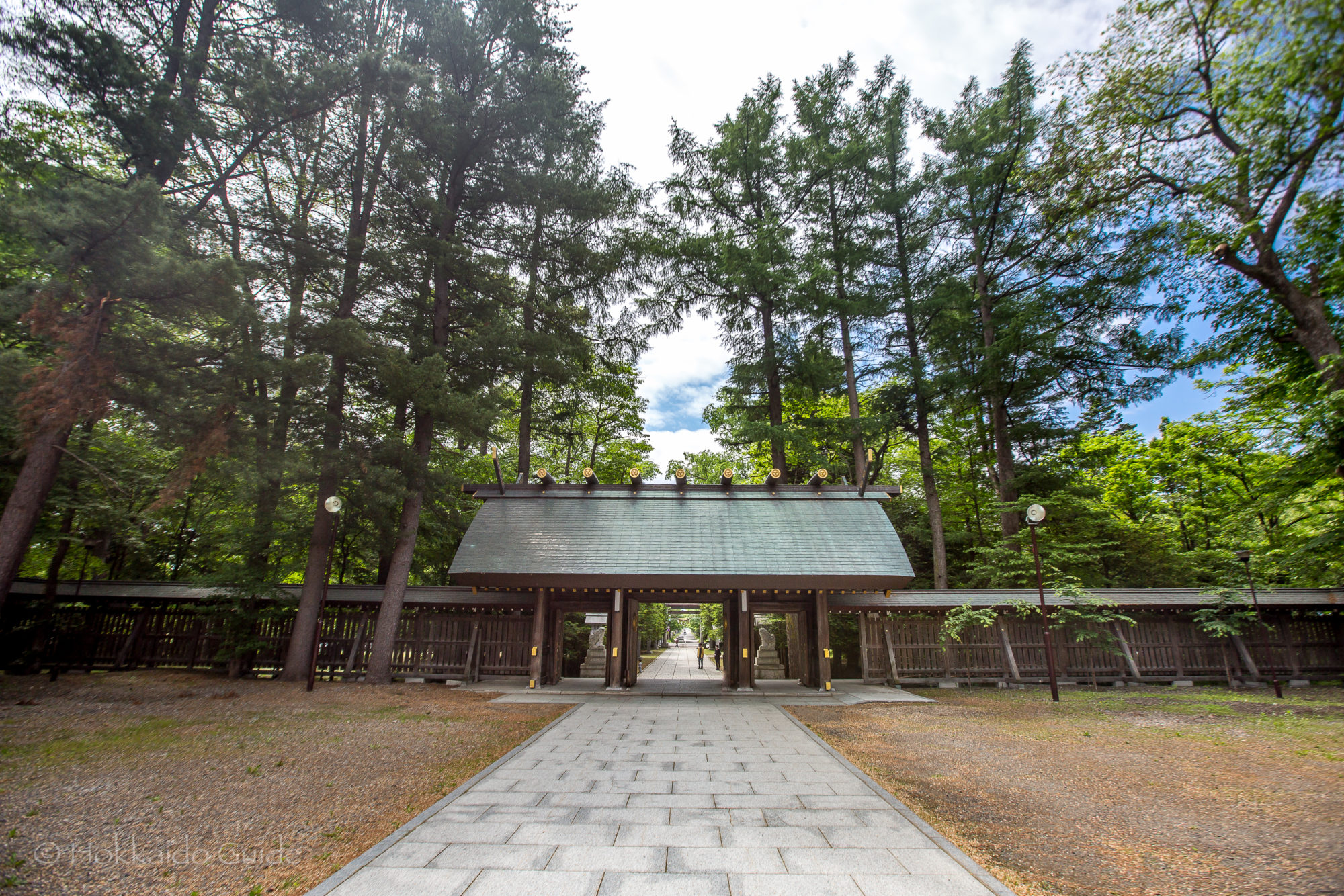
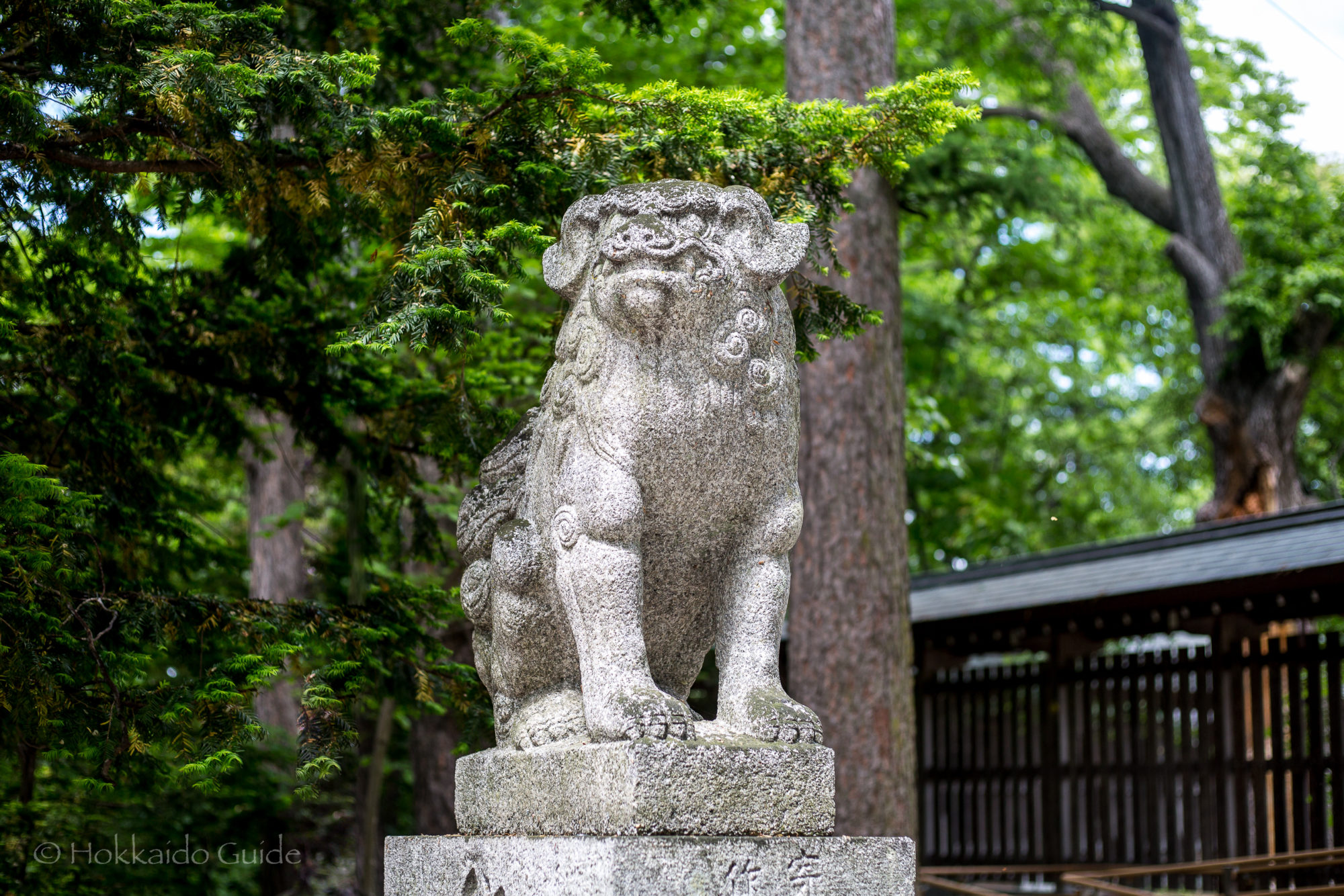
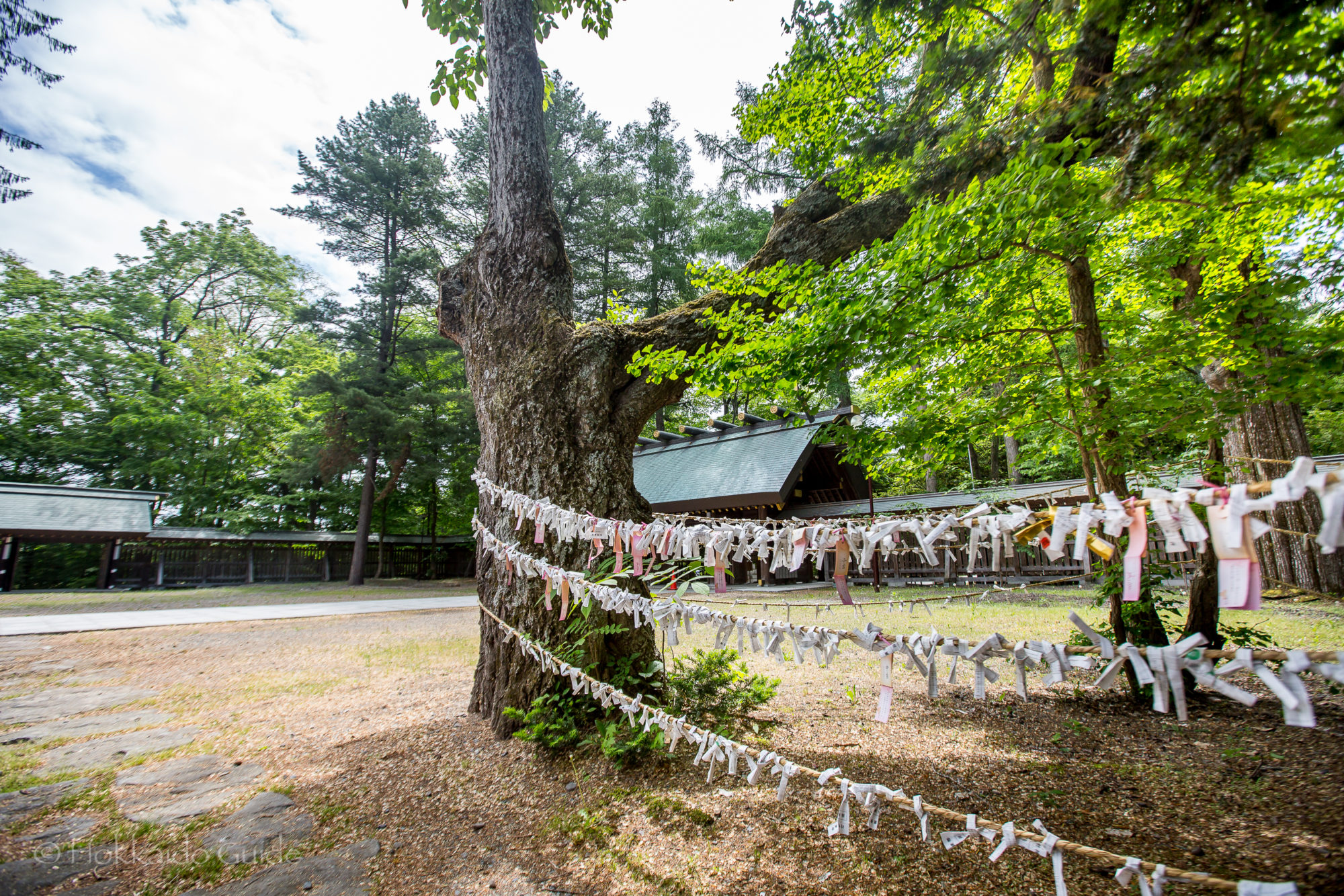
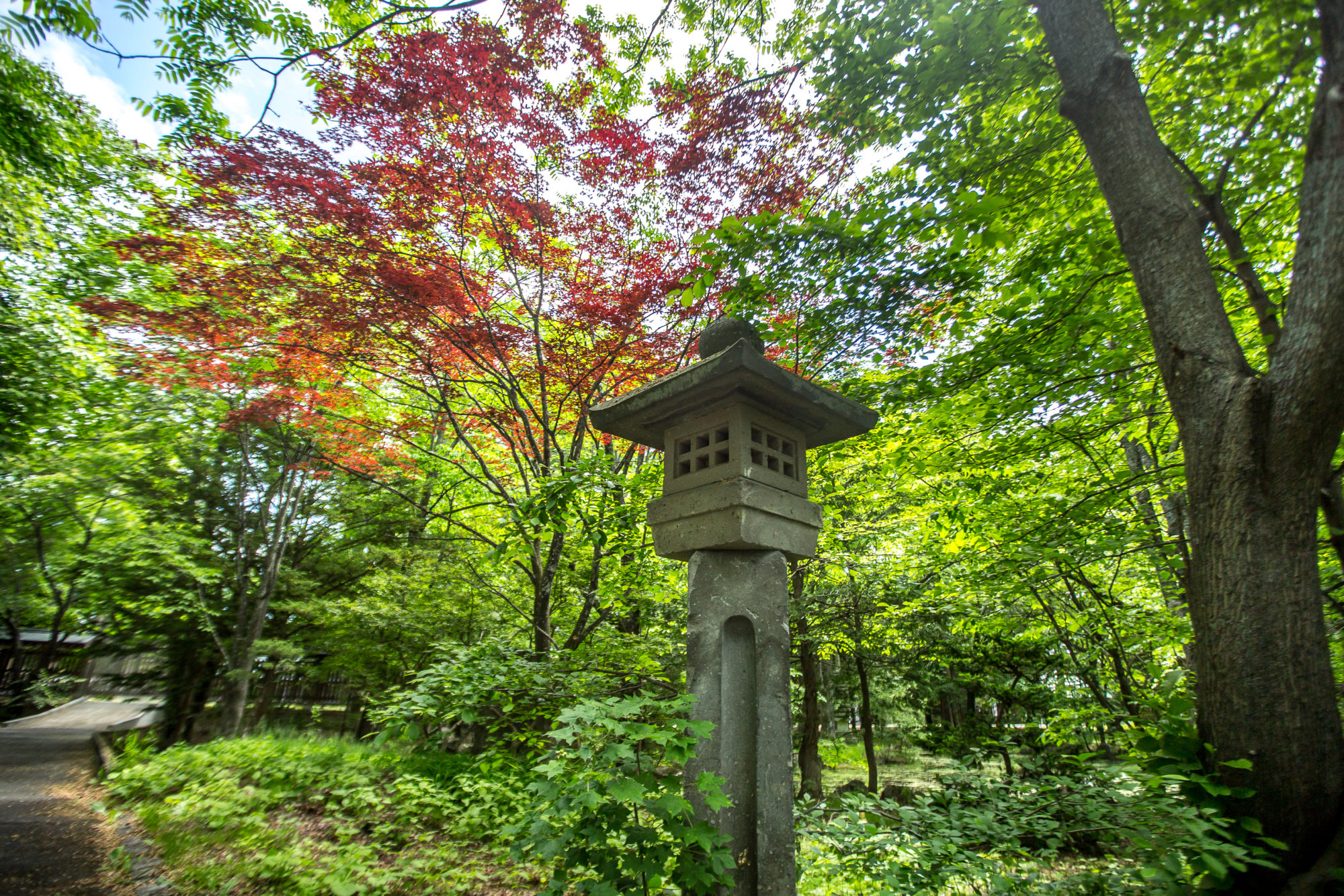
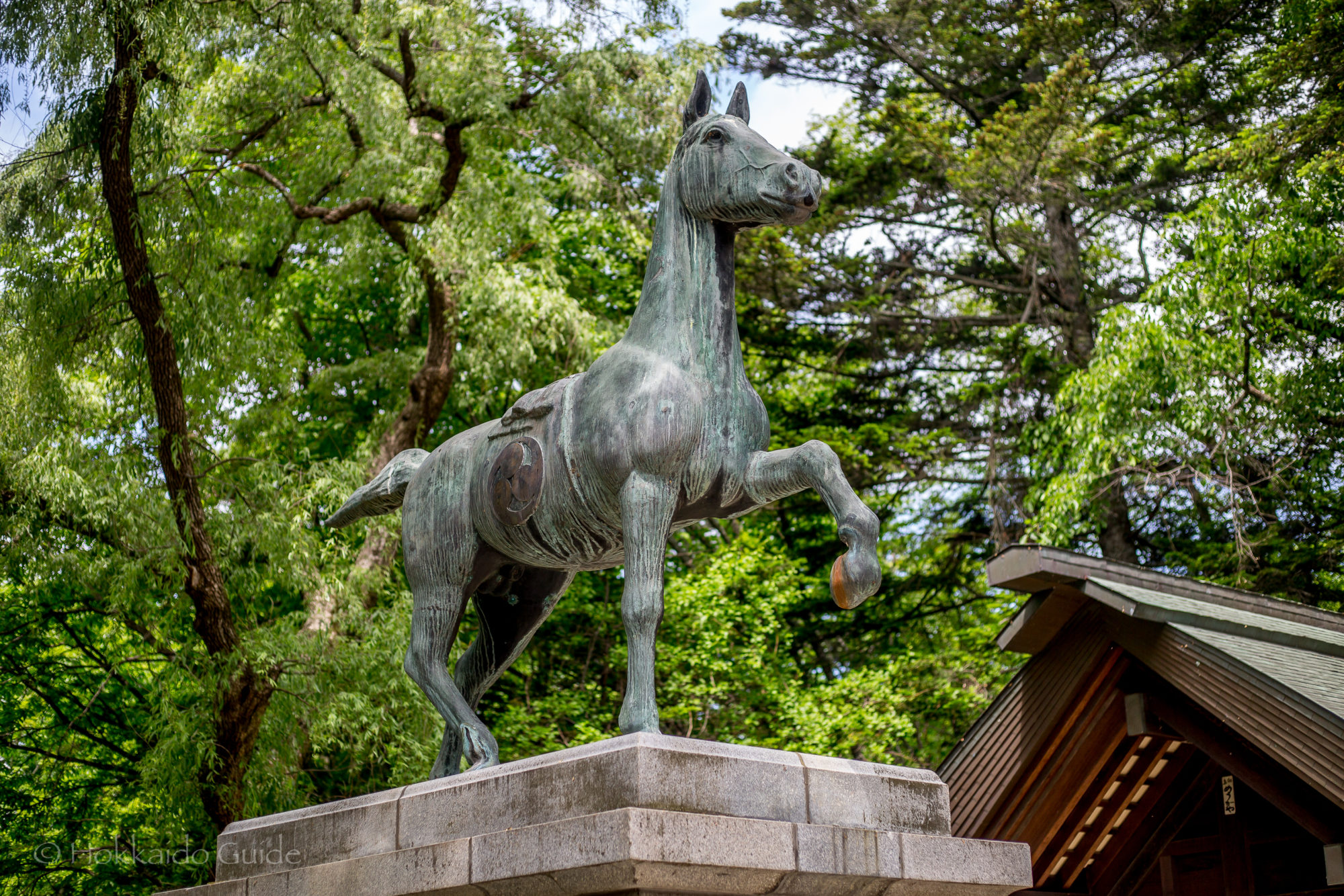
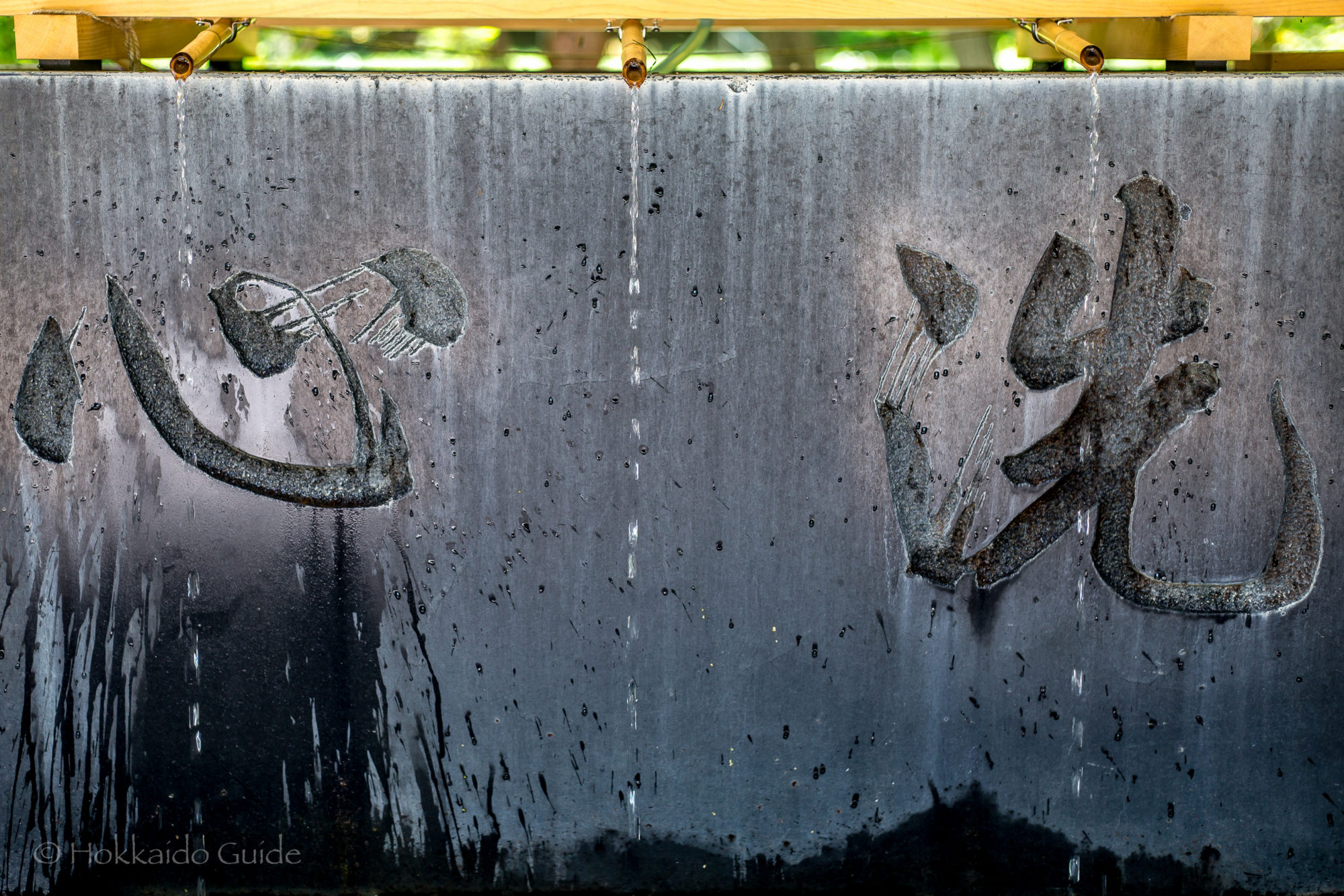
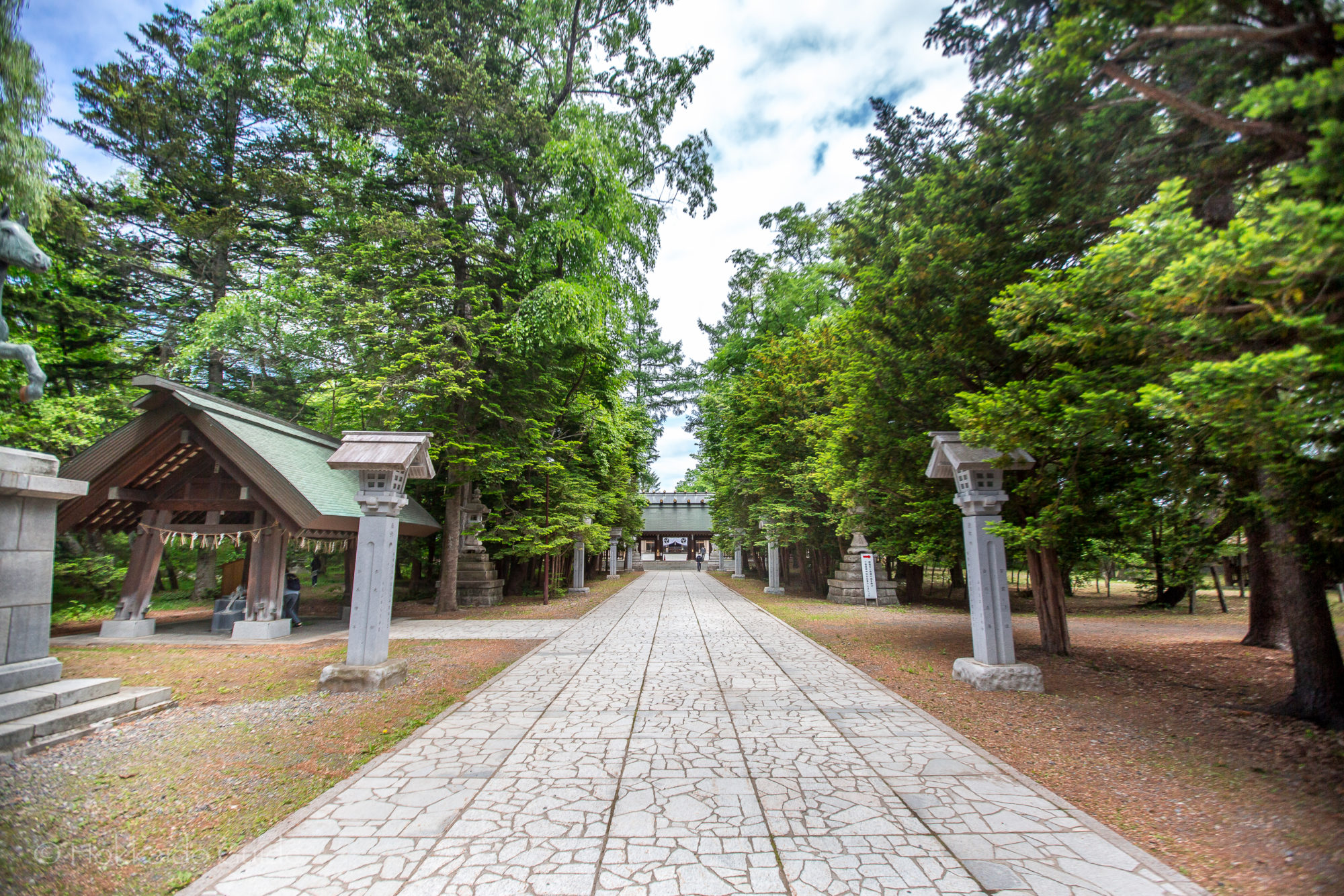
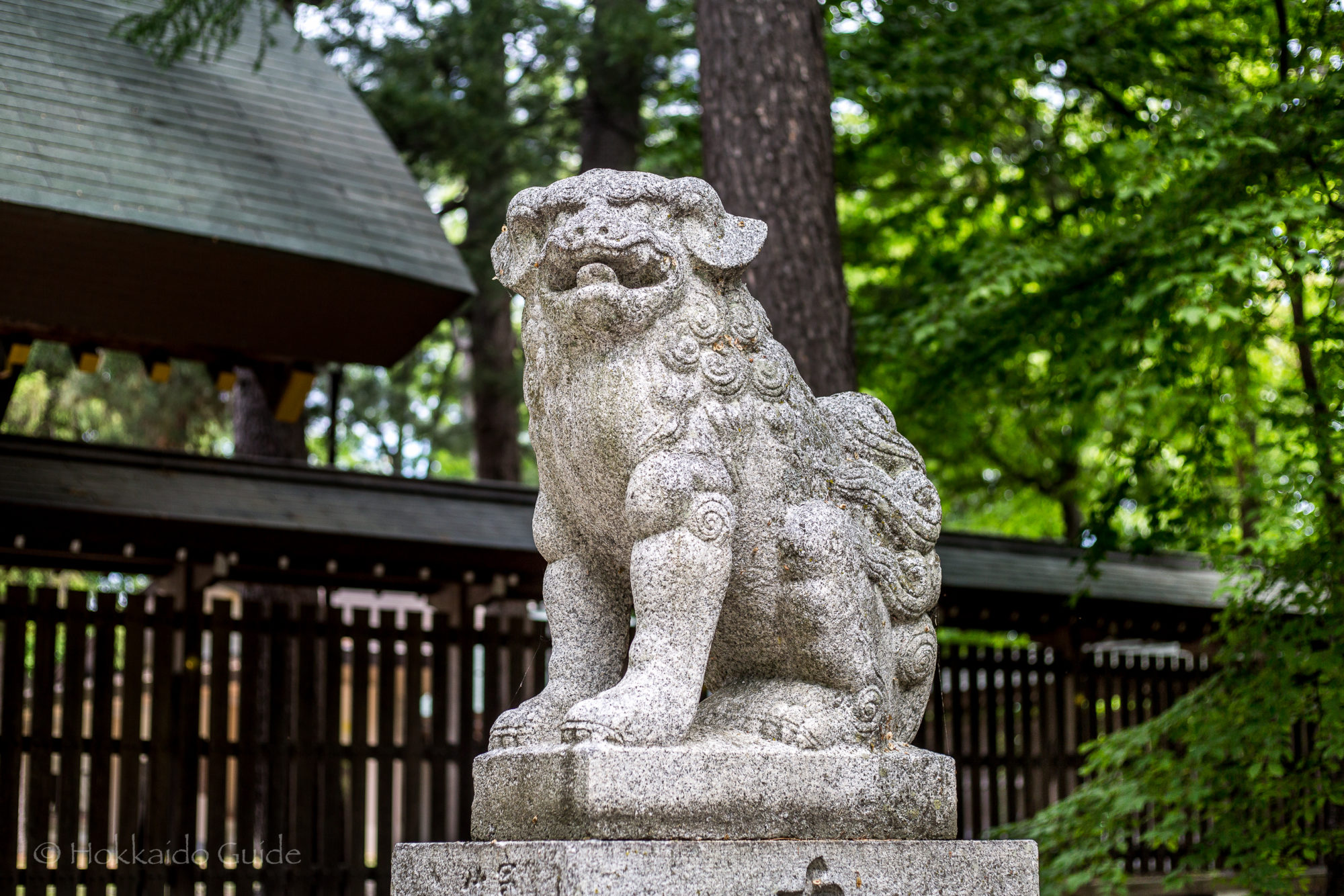
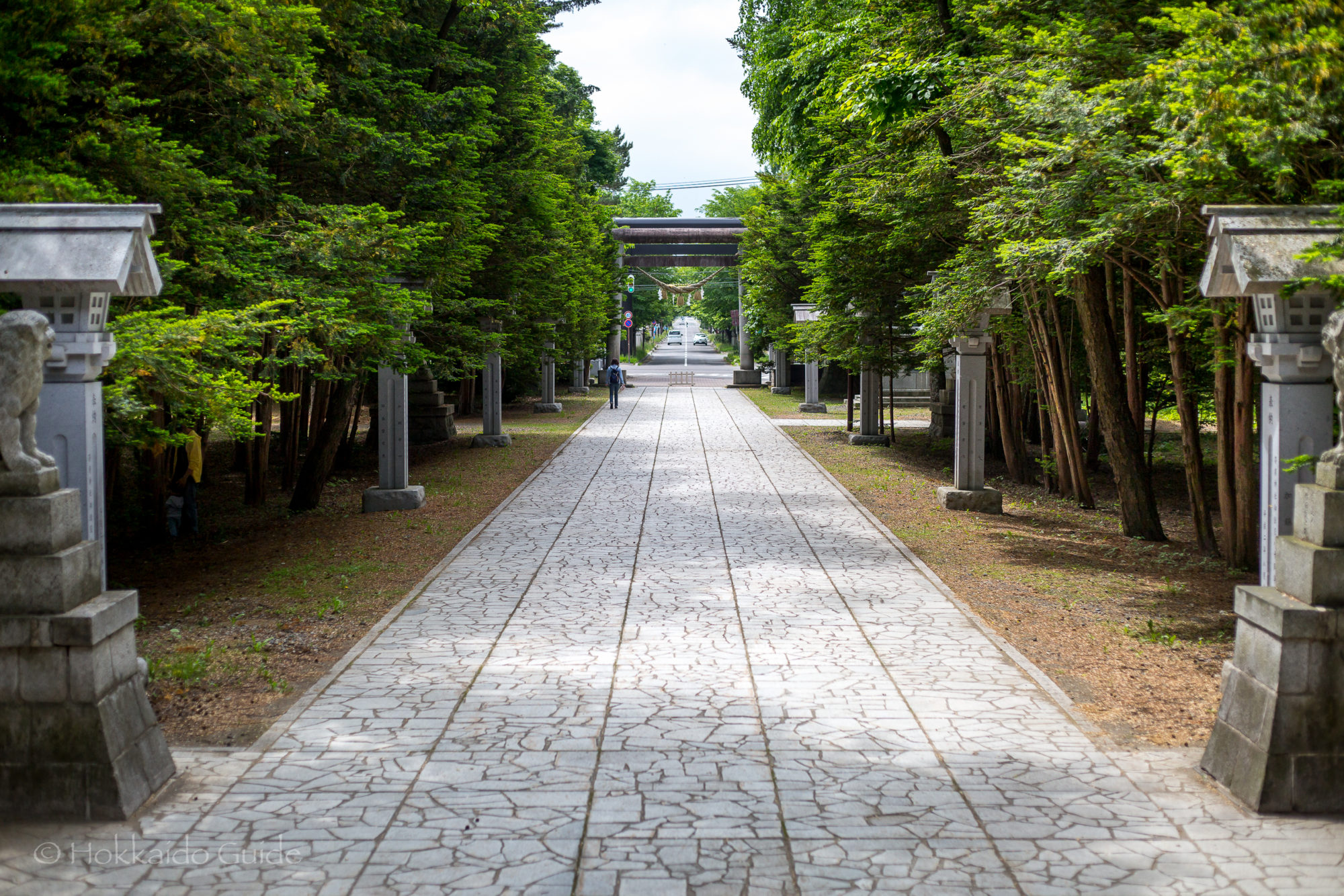
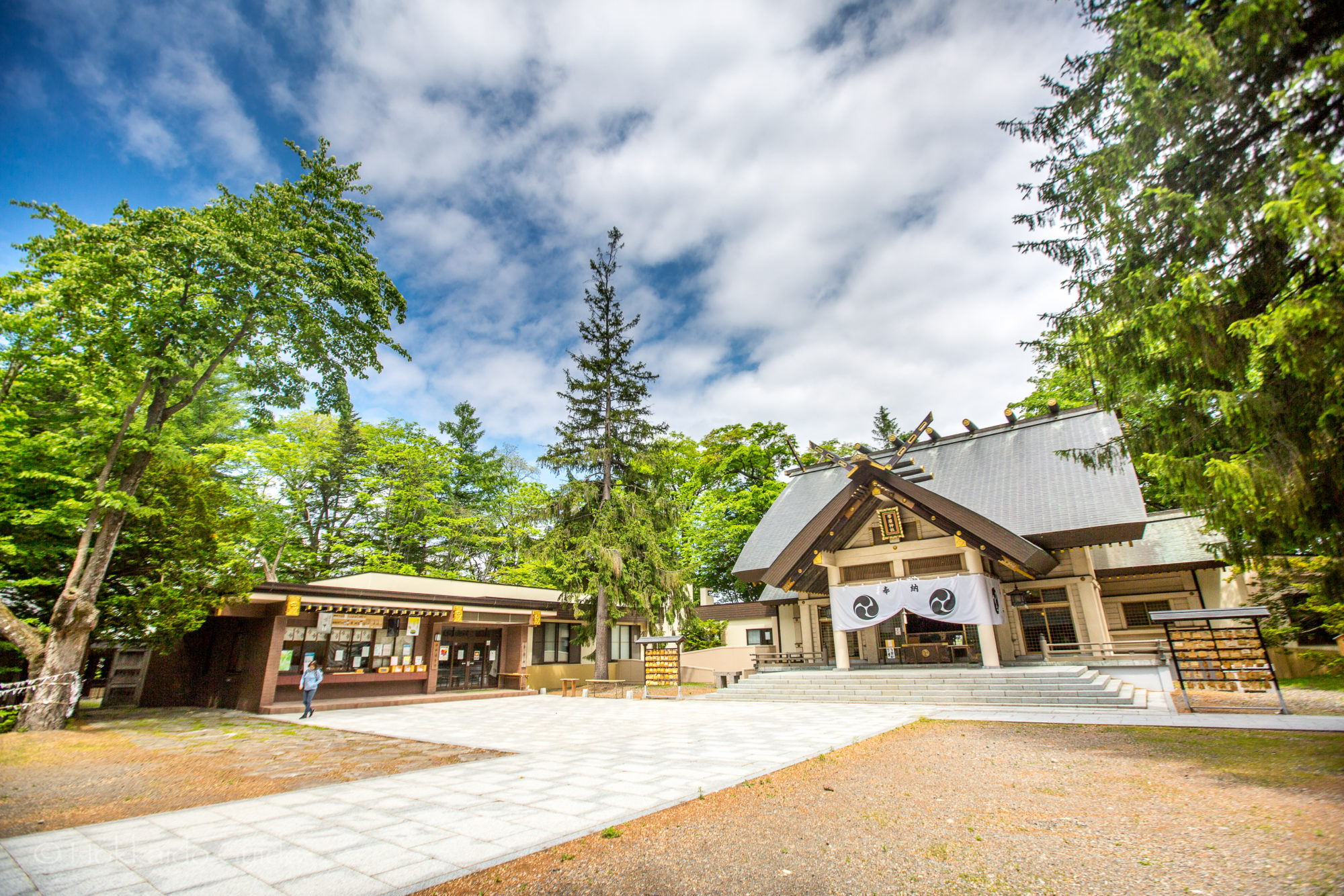
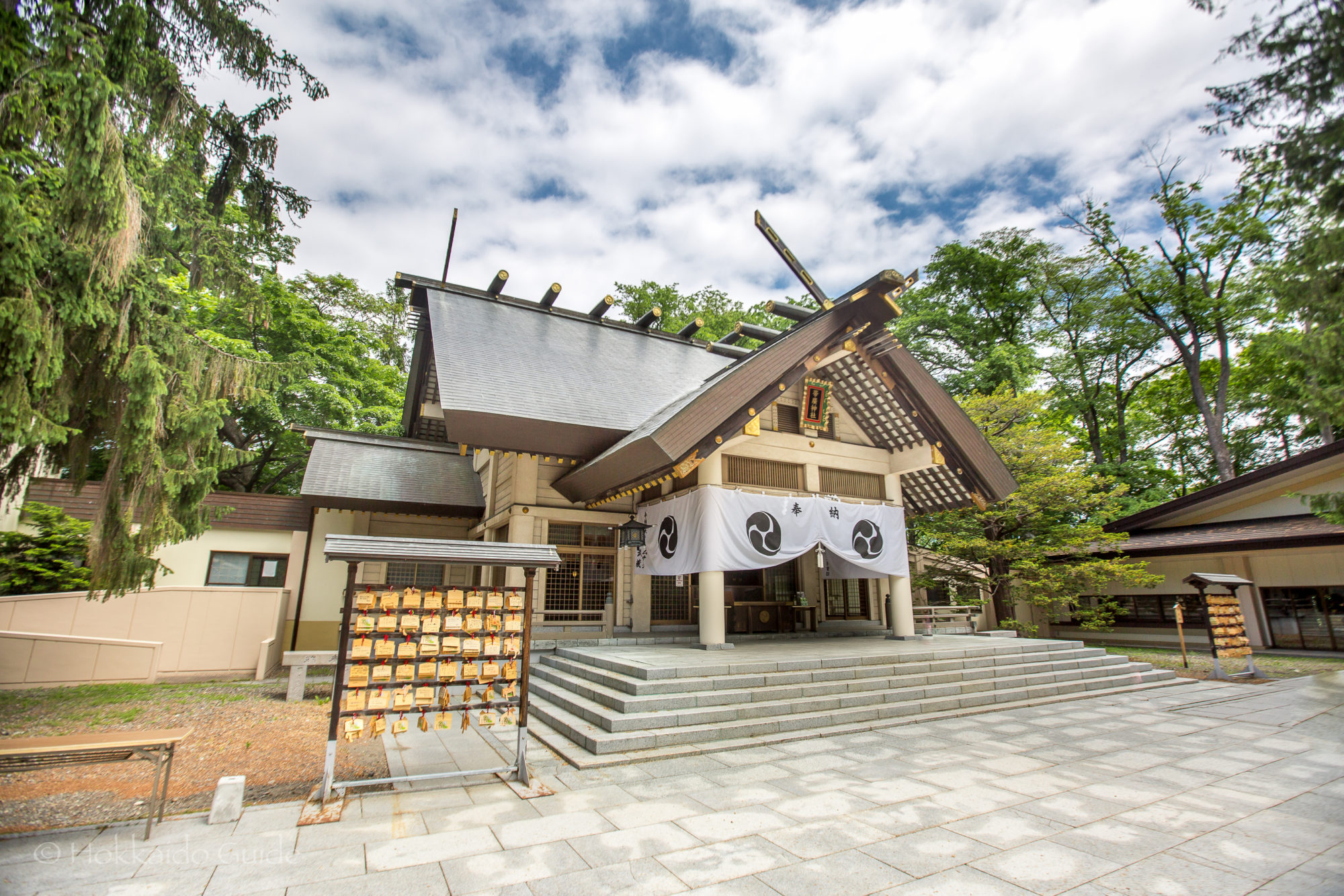
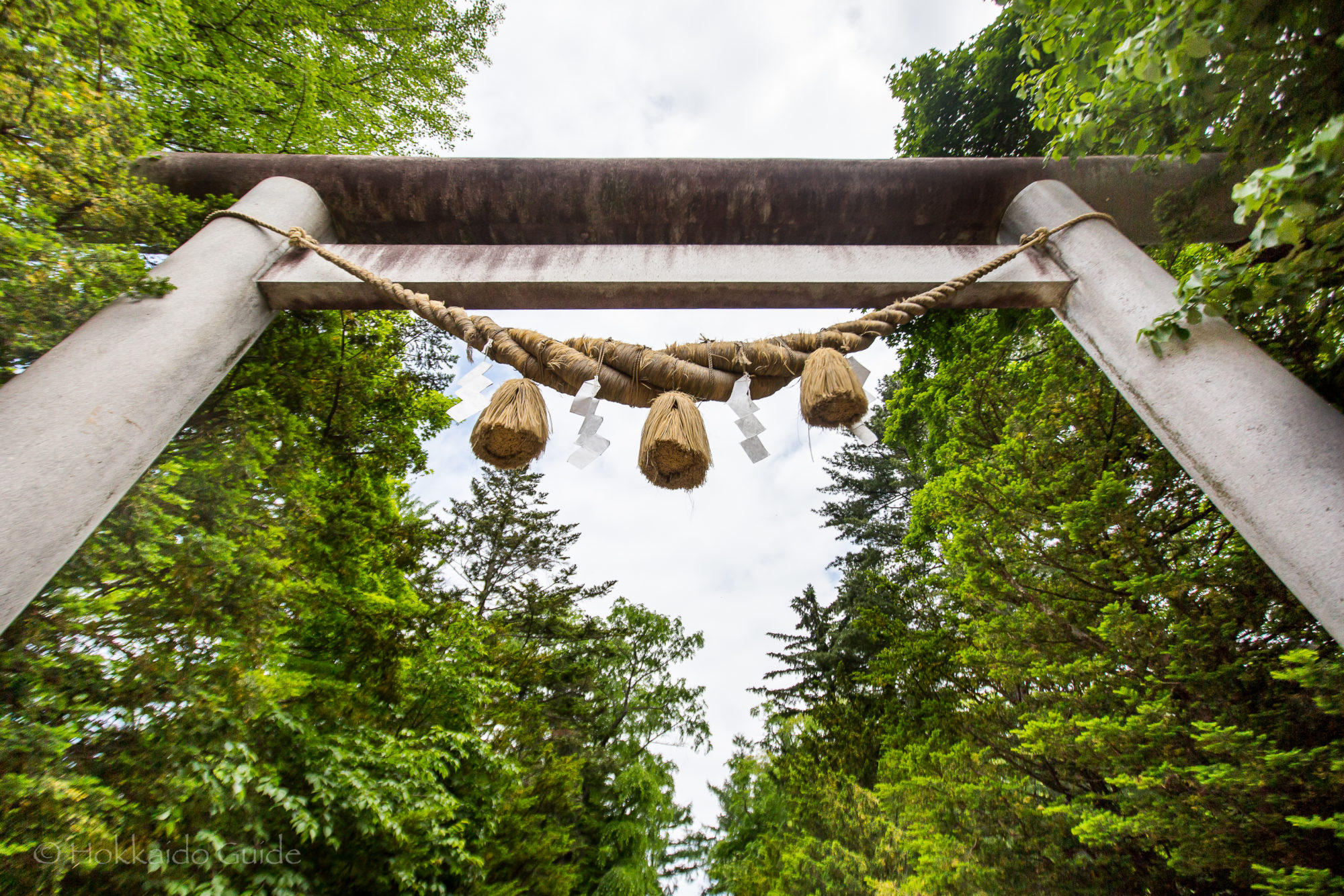
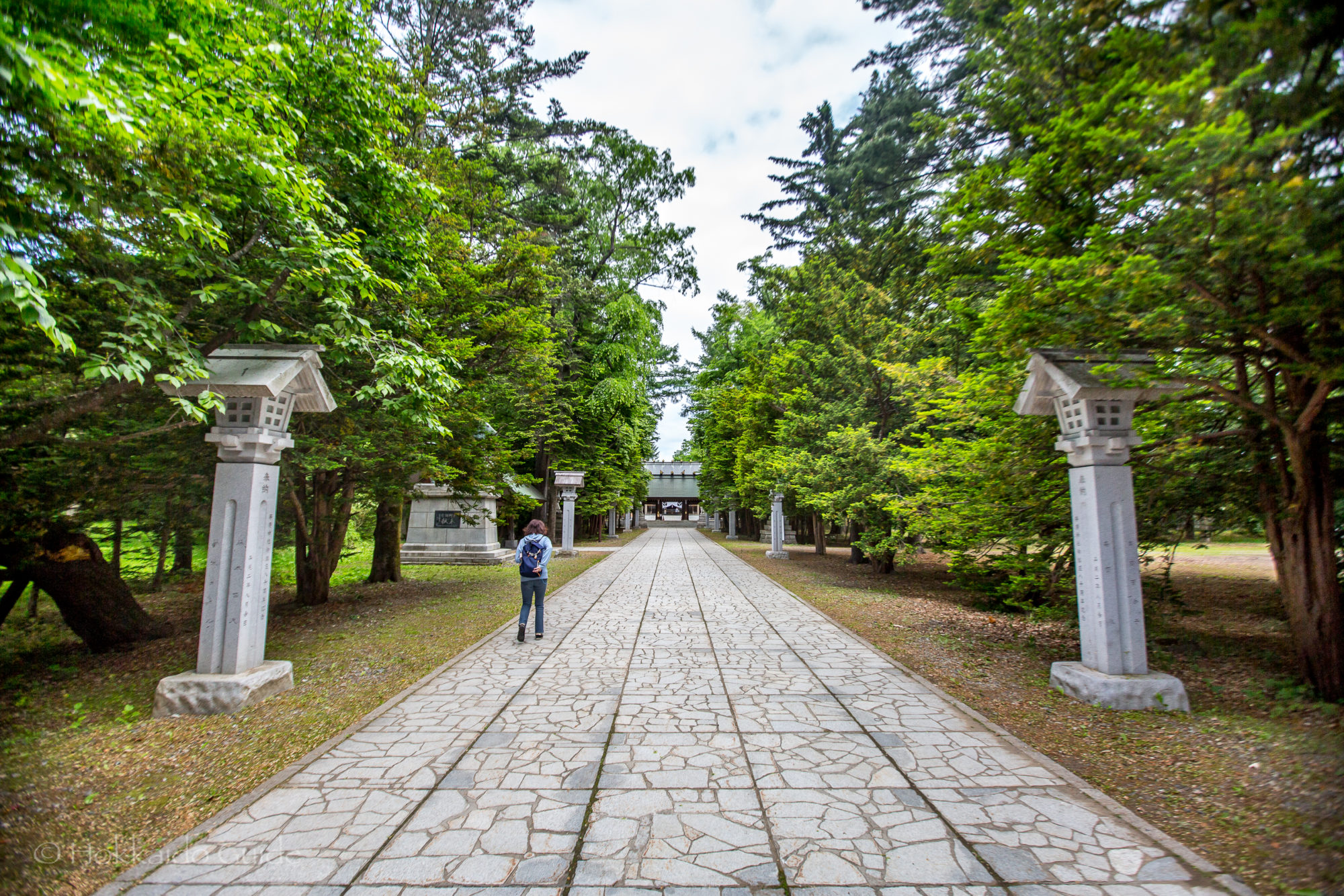
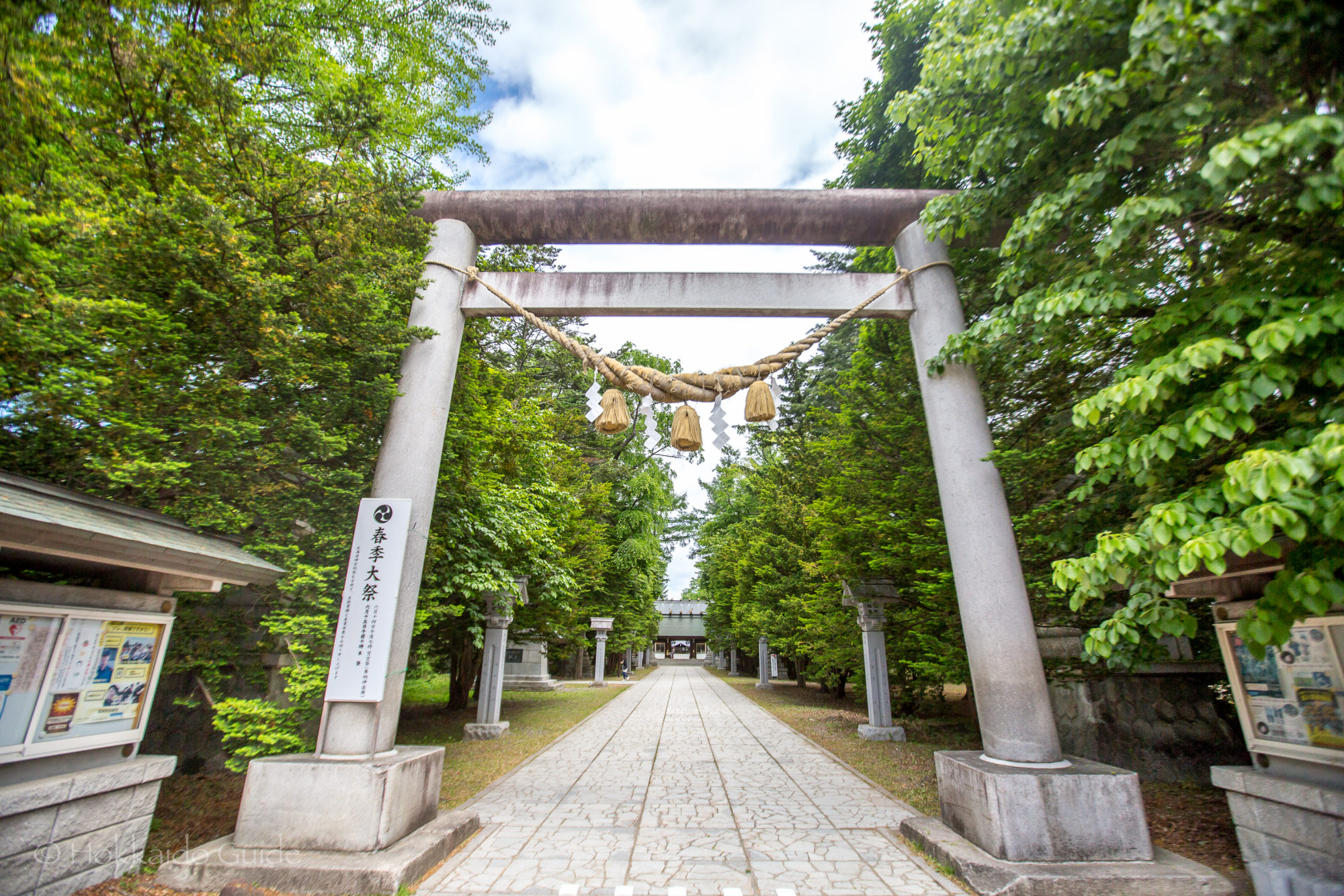
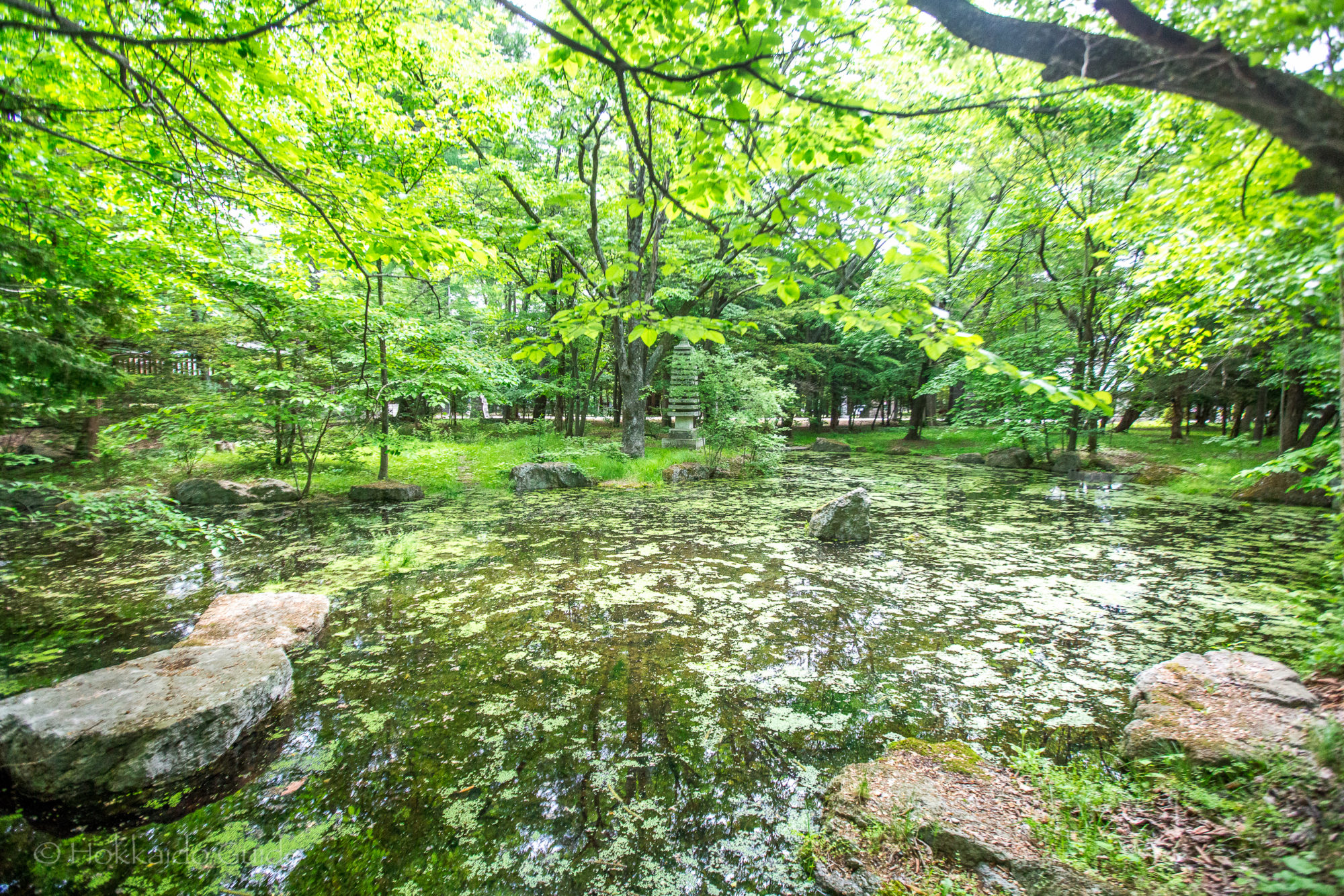
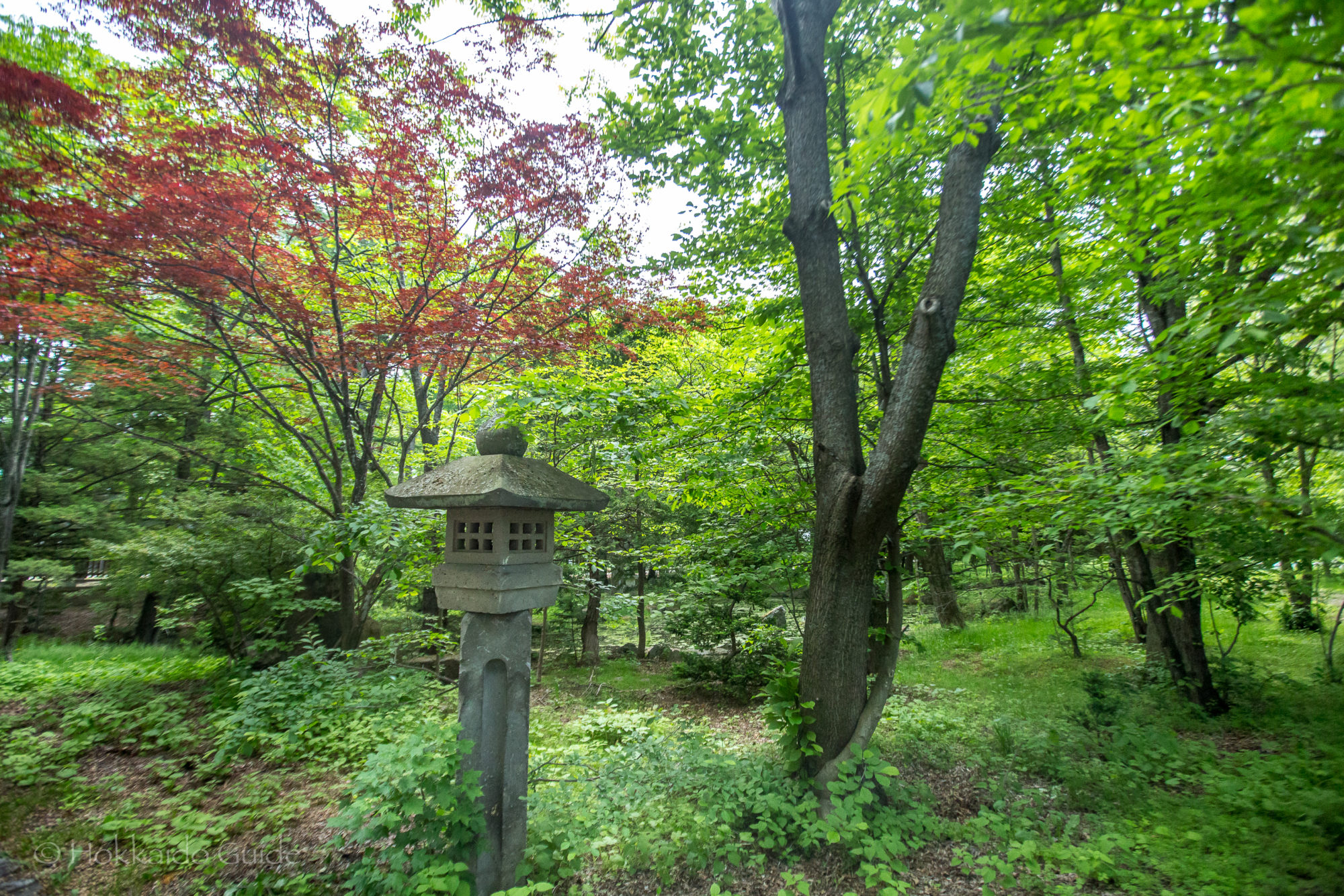
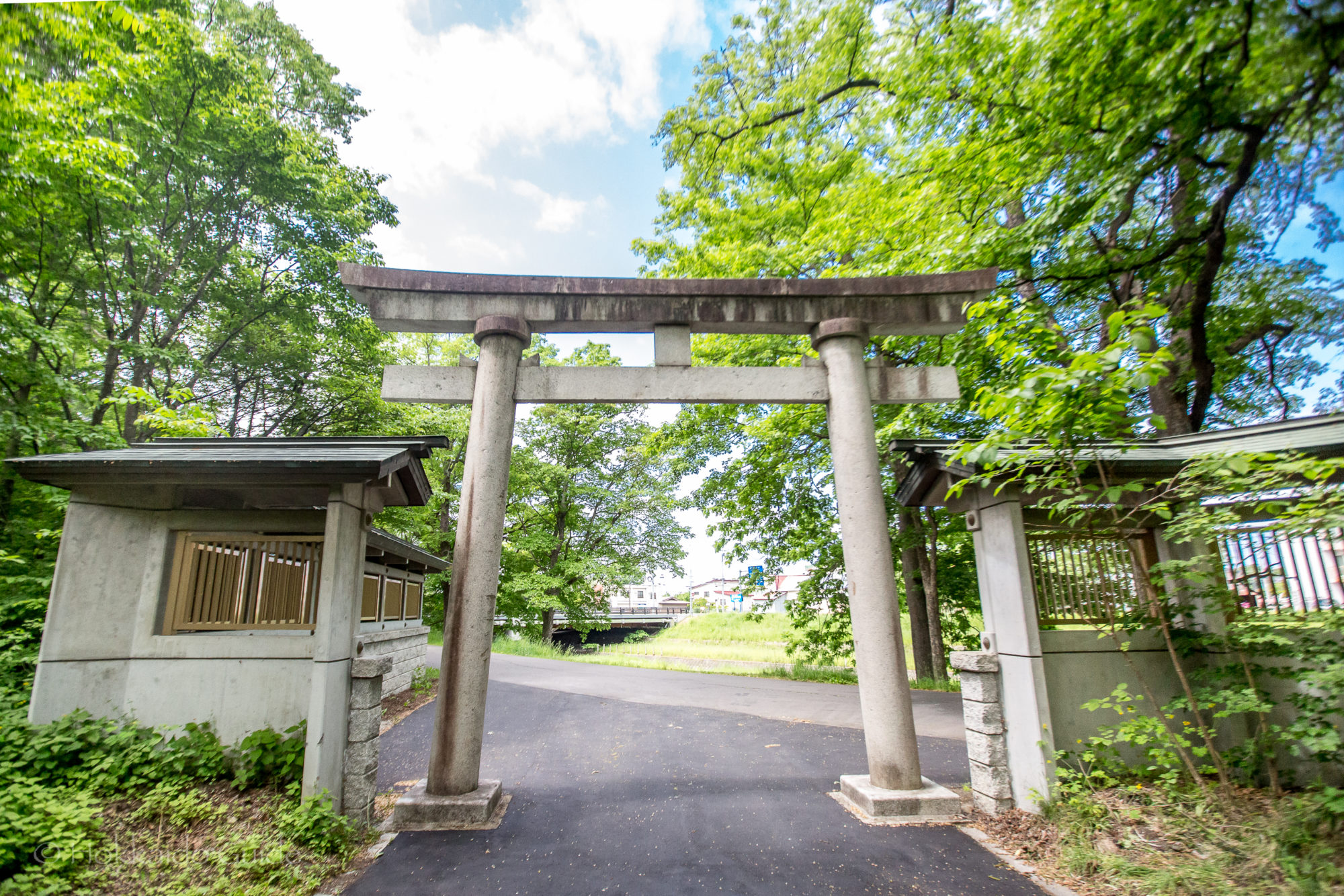
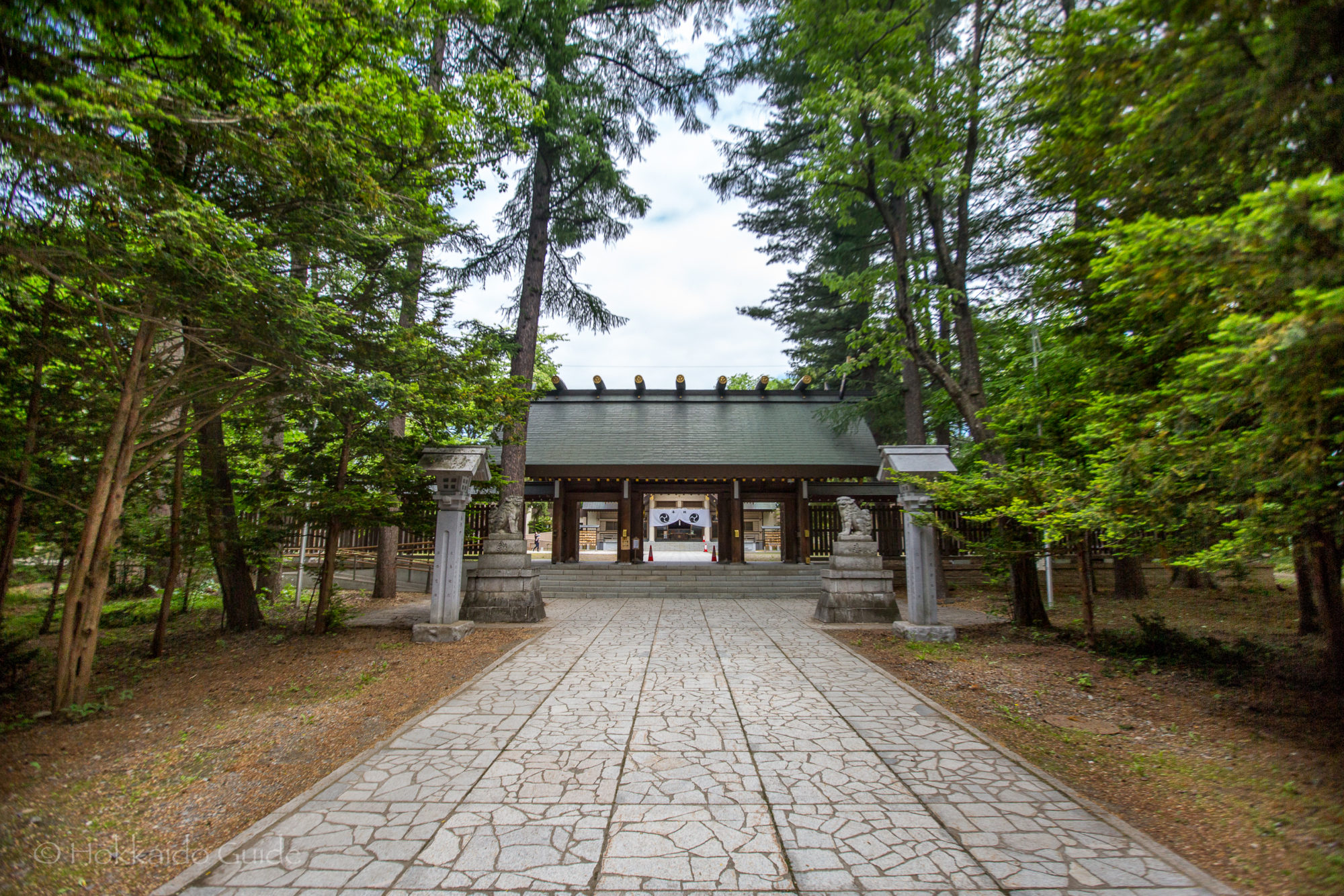
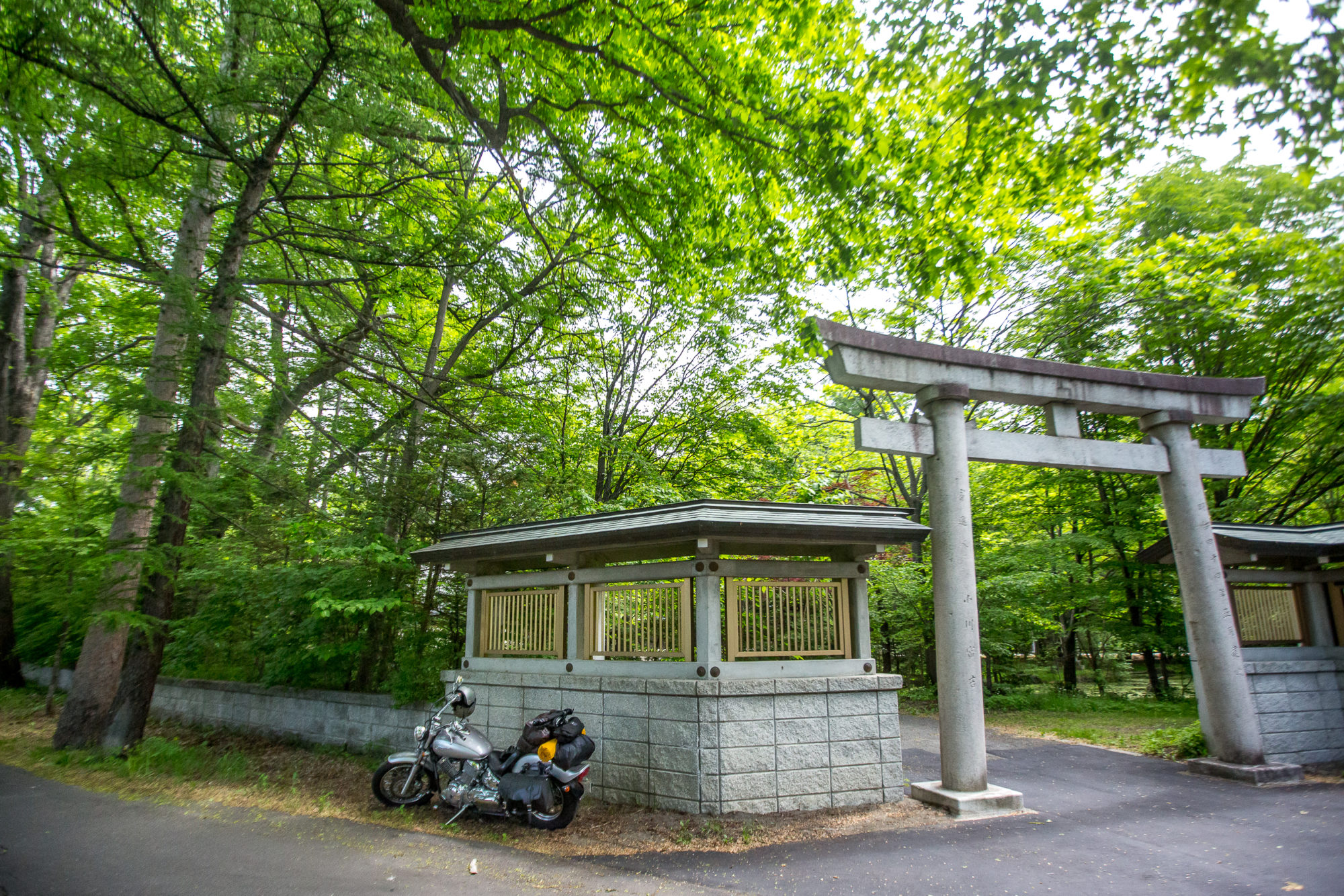
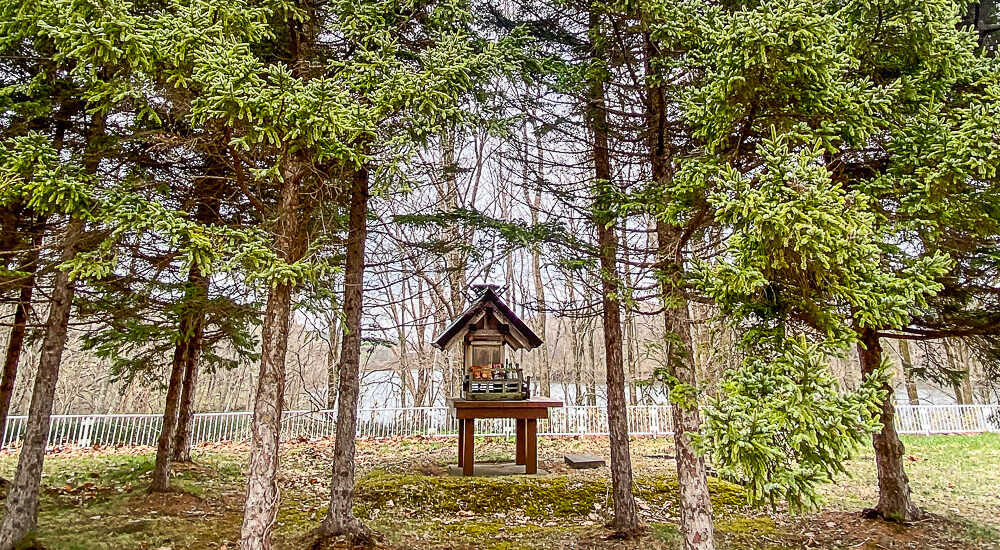
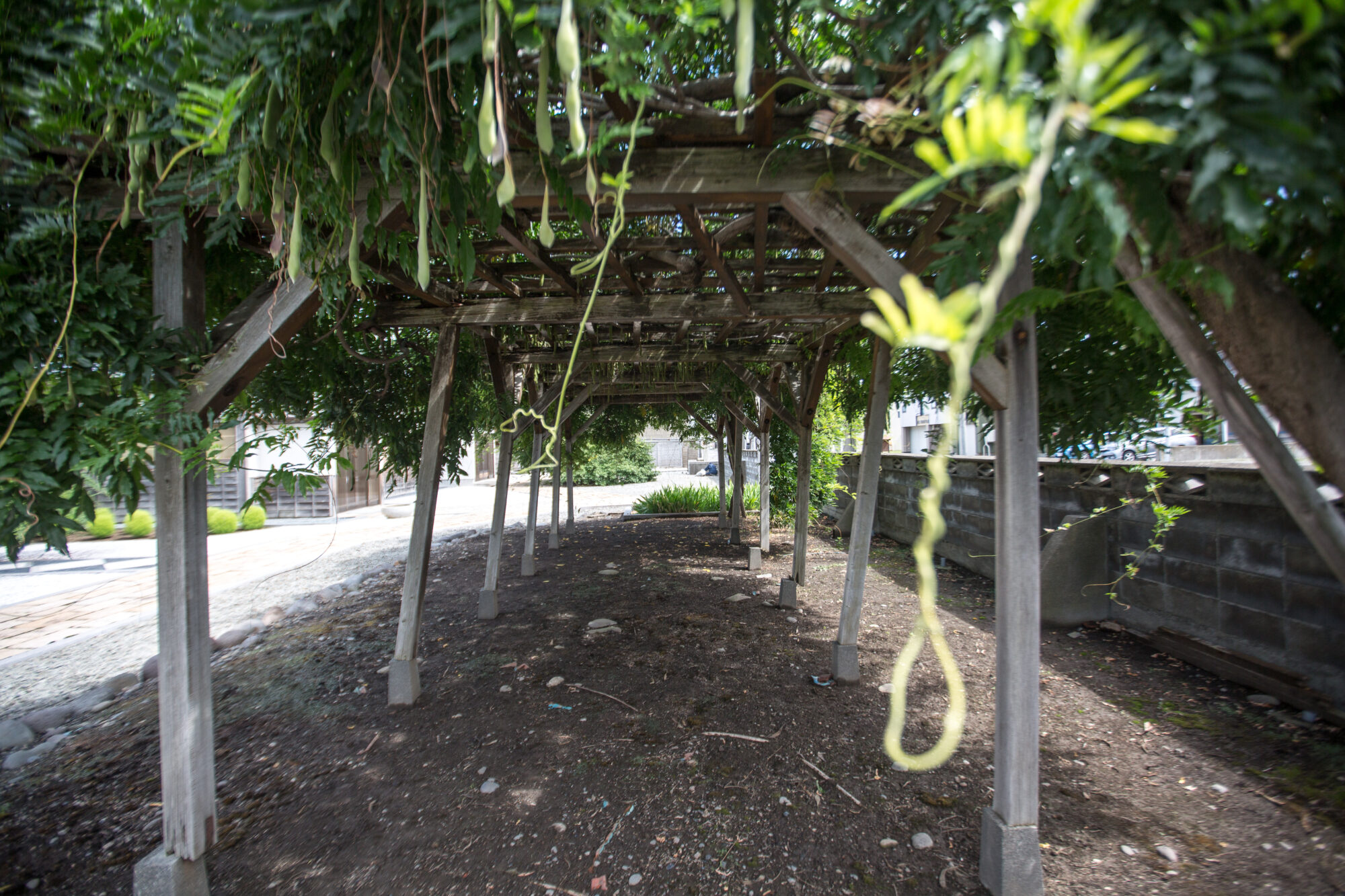
Tucked away in the coastal town of Mashike, Junsumi Shrine is the kind of place you’re unlikely to find in guidebooks. It is best known for its large wisteria trees that can be found in its spacious courtyard. Unlike larger, well-known sites such as Mashike Itsukushima Shrine, Junsumi Shrine appears to serve a more local purpose. These smaller shrines are often maintained by nearby residents and visited during seasonal festivals, personal prayers, or moments of reflection. The wisteria blooms typically blooms from late May to early June so Junsumi Shrine is best to visit during this period. There are some benches to sit on and enjoy the quietness of the area.
Kawashimo Beach Park

| Cost per night | Free Parking is ¥1000 for cars and ¥300 for bikes from mid July to mid August |
| Open | May 1st - October 31st |
| Contact | 011-3379-2029 |
| Notes | Small campsite Covered cooking area Washing area Toilets Convenience across the road |
| Location / Getting There | By Car (recommended): The drive takes about 1 hour 40 minutes via Route 231 (Ororon Line) heading north towards Hamamasu. By Bus: Public transport is limited. The Engan Bus (沿岸バス) runs a service from Sapporo that stops at the Hamamasu bus stop. This bus typically runs only on Mondays, Wednesdays, and Fridays (and major holidays), leaving Sapporo at 4:10 PM and returning from Hamamasu at 8:30 AM. From the Hamamasu bus stop, it is a roughly 1.7 km walk south to the park Hamamasuku Kawashimo, Ishikari, Hokkaido 061-3106, Japan |
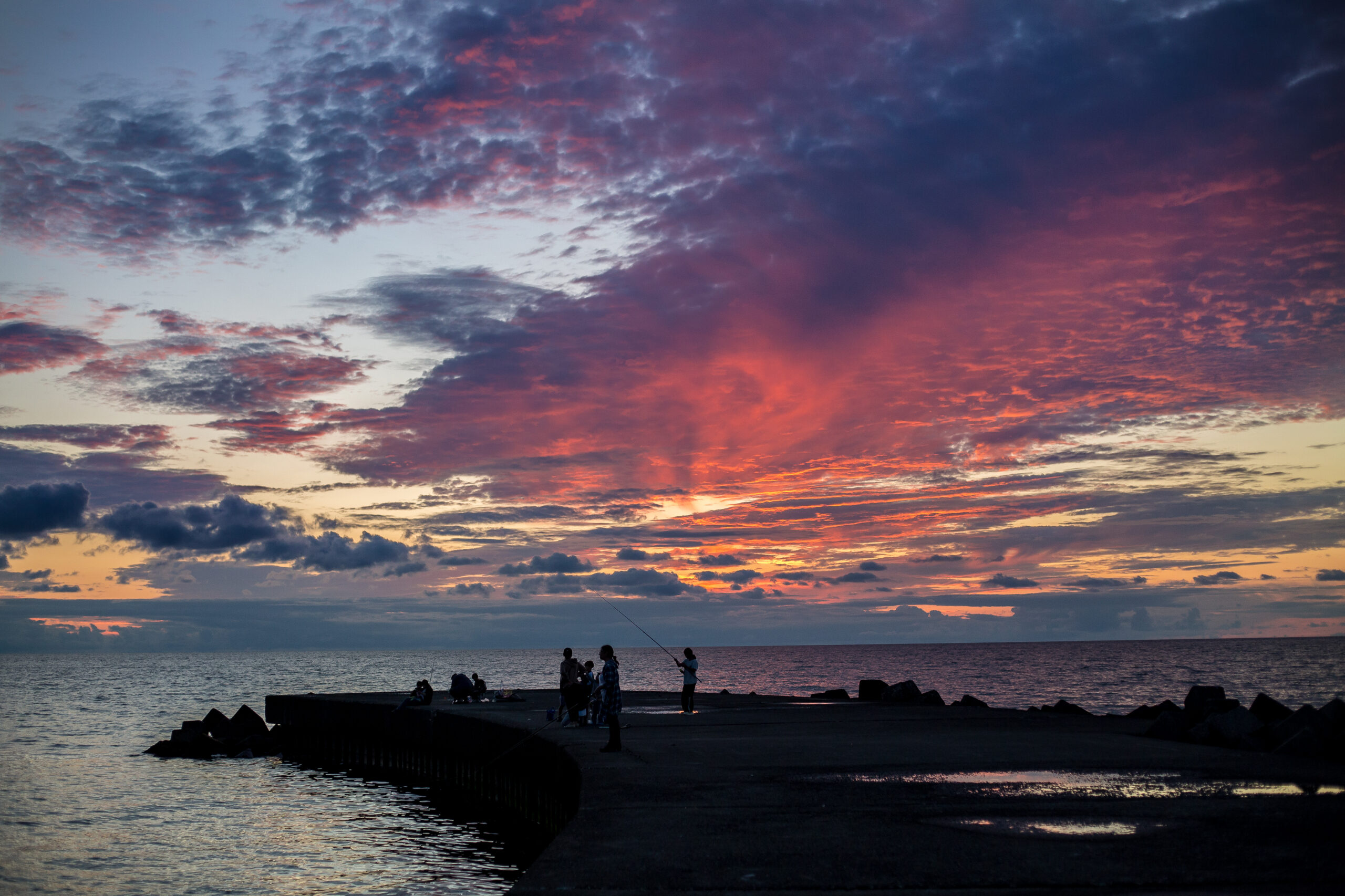
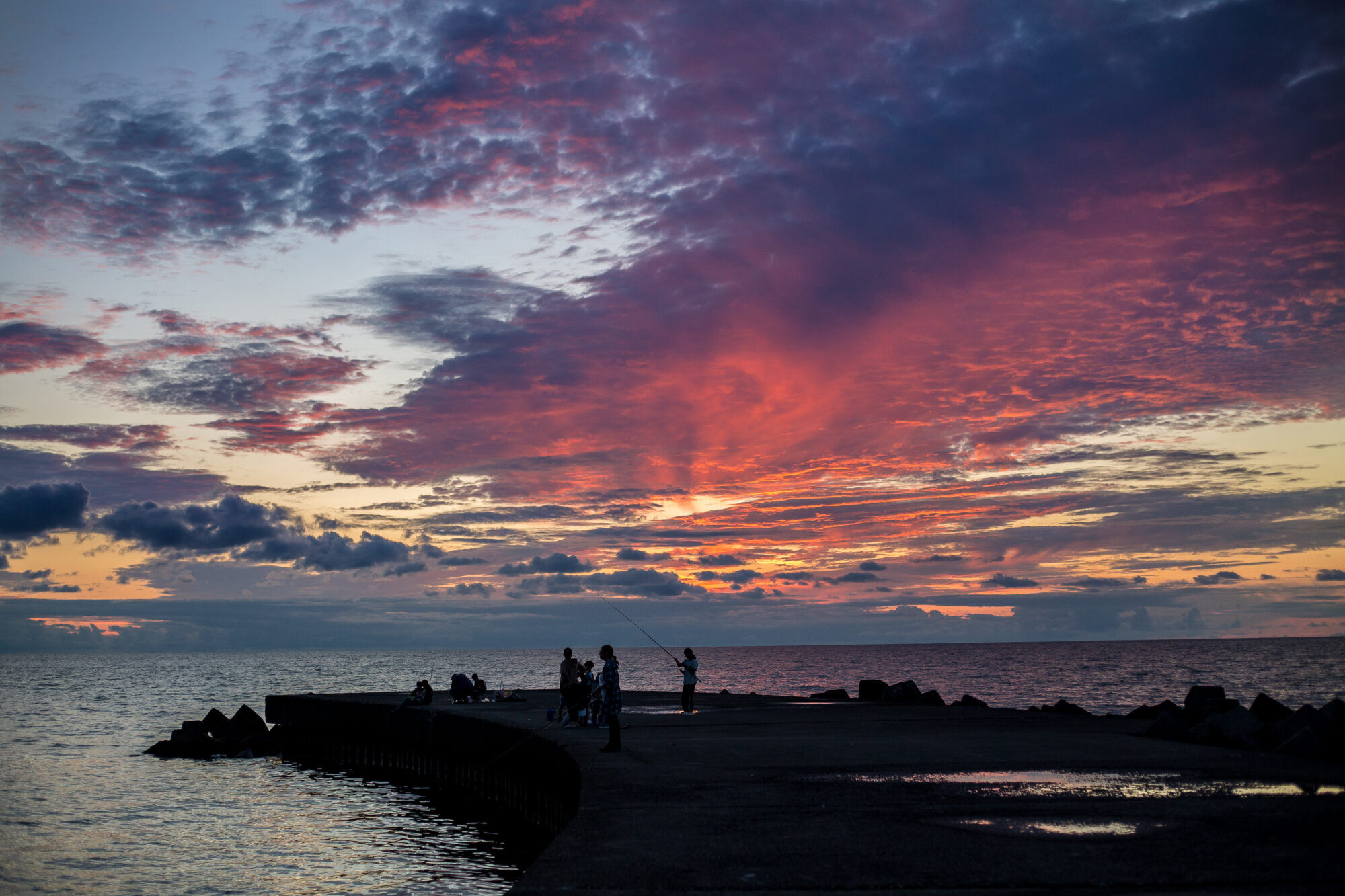
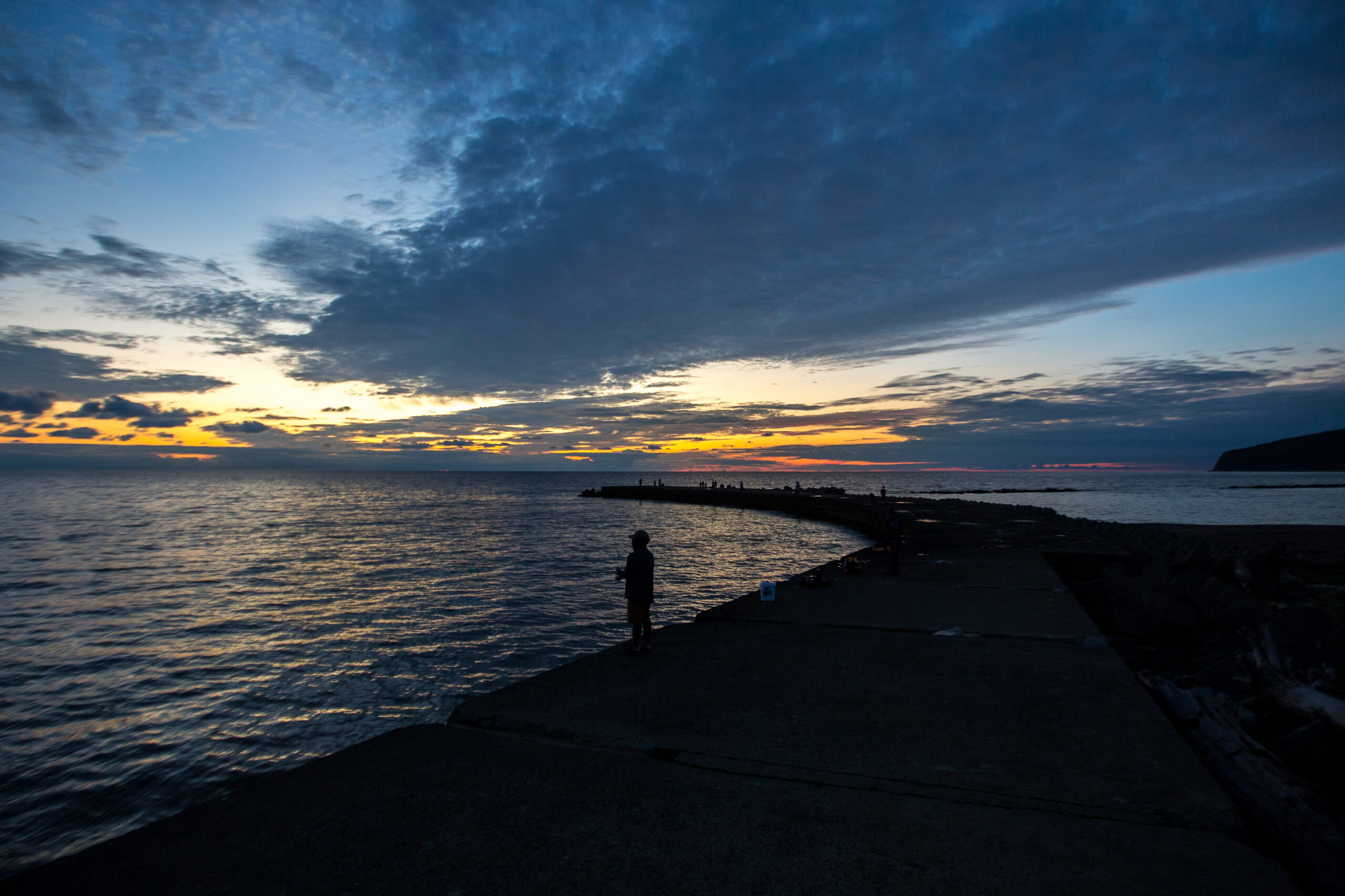
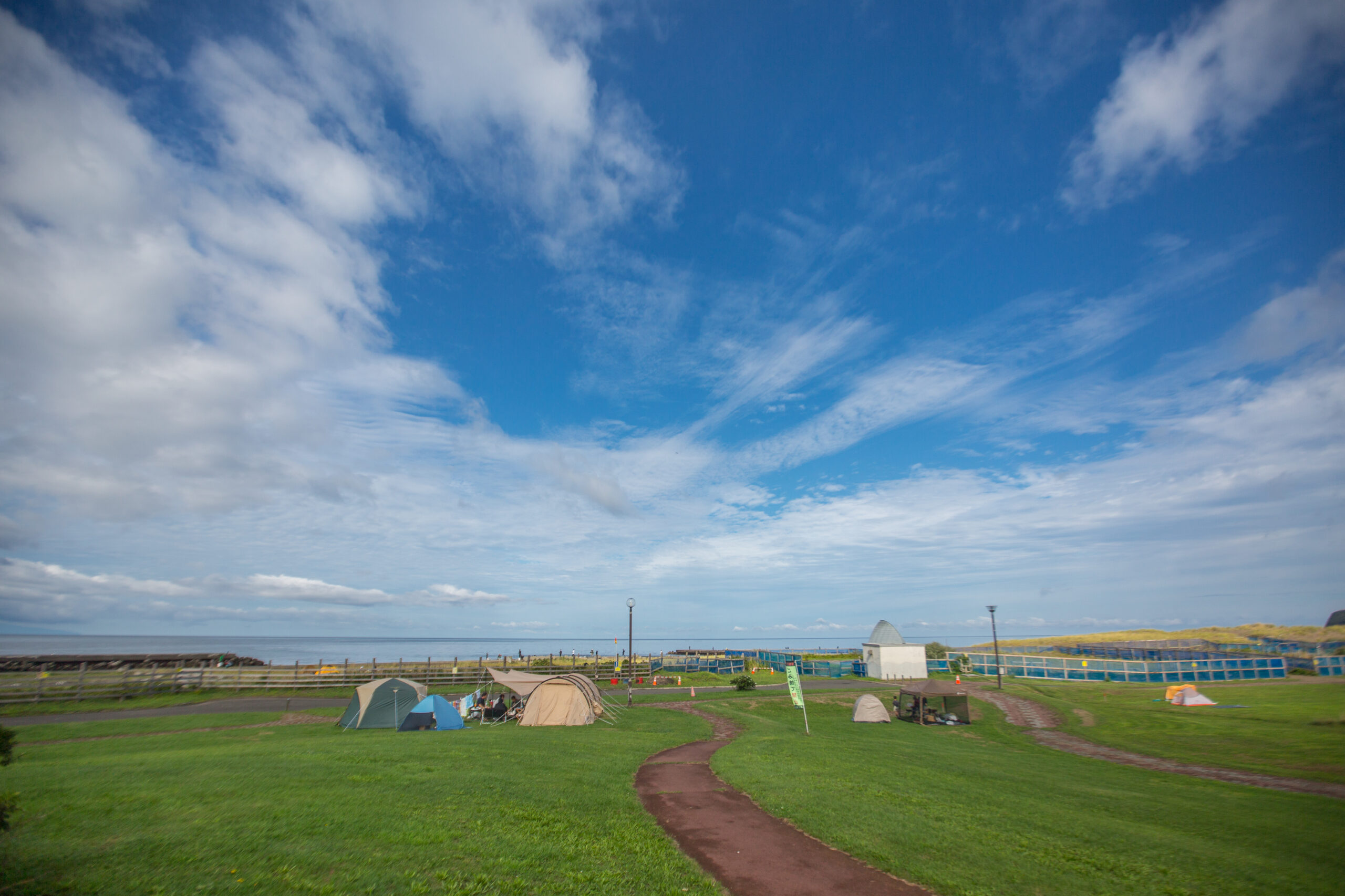
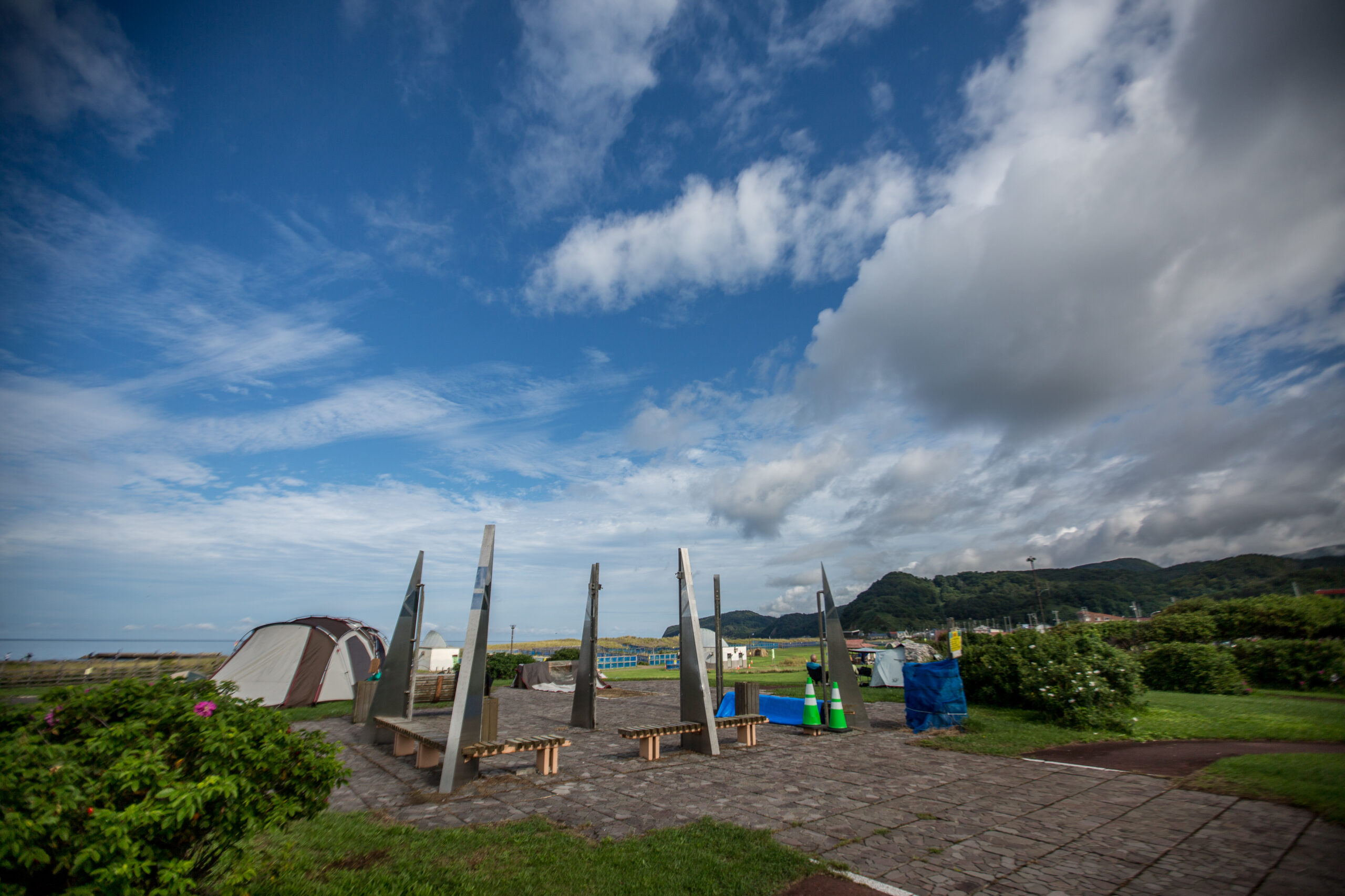
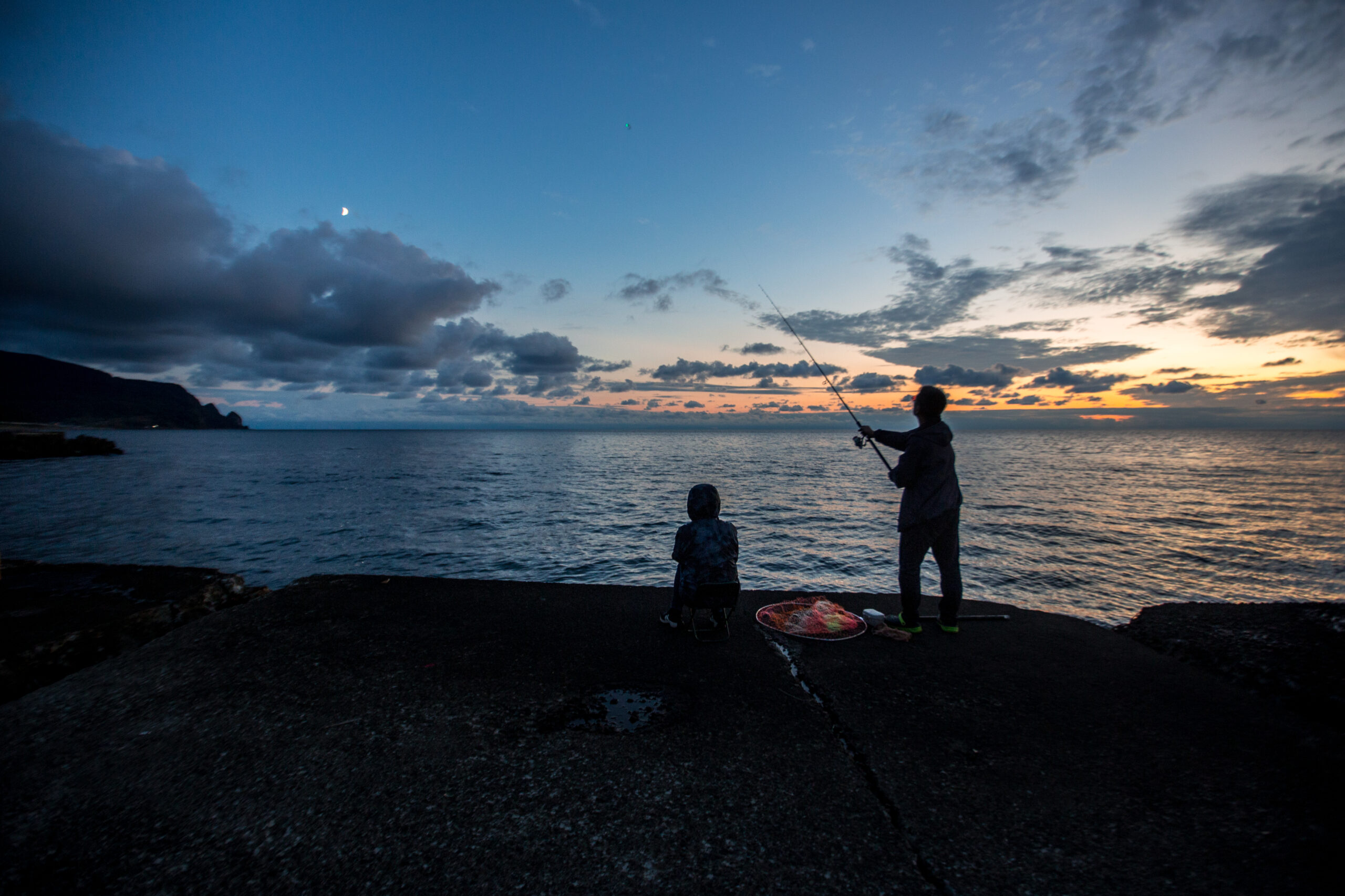
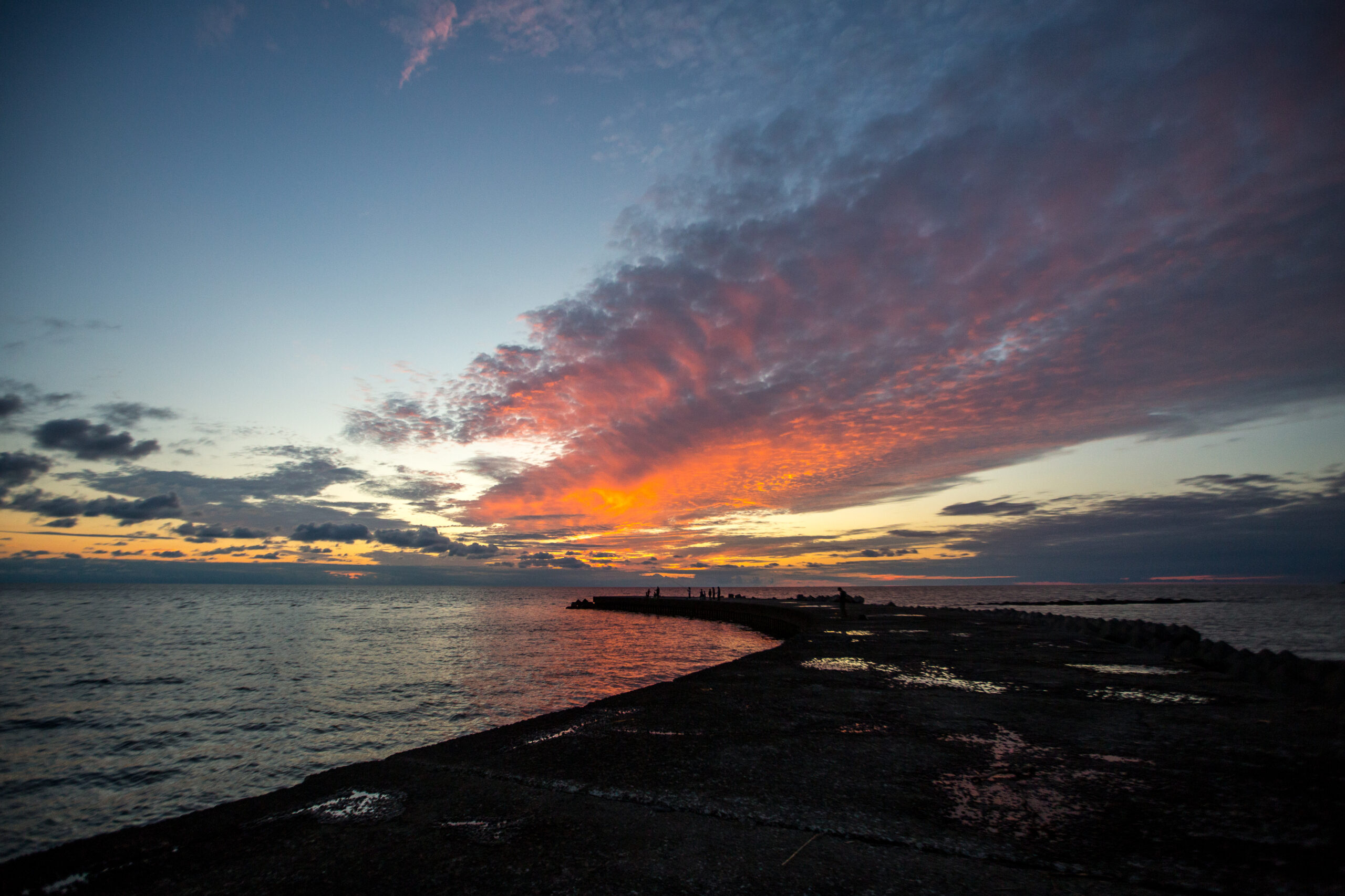
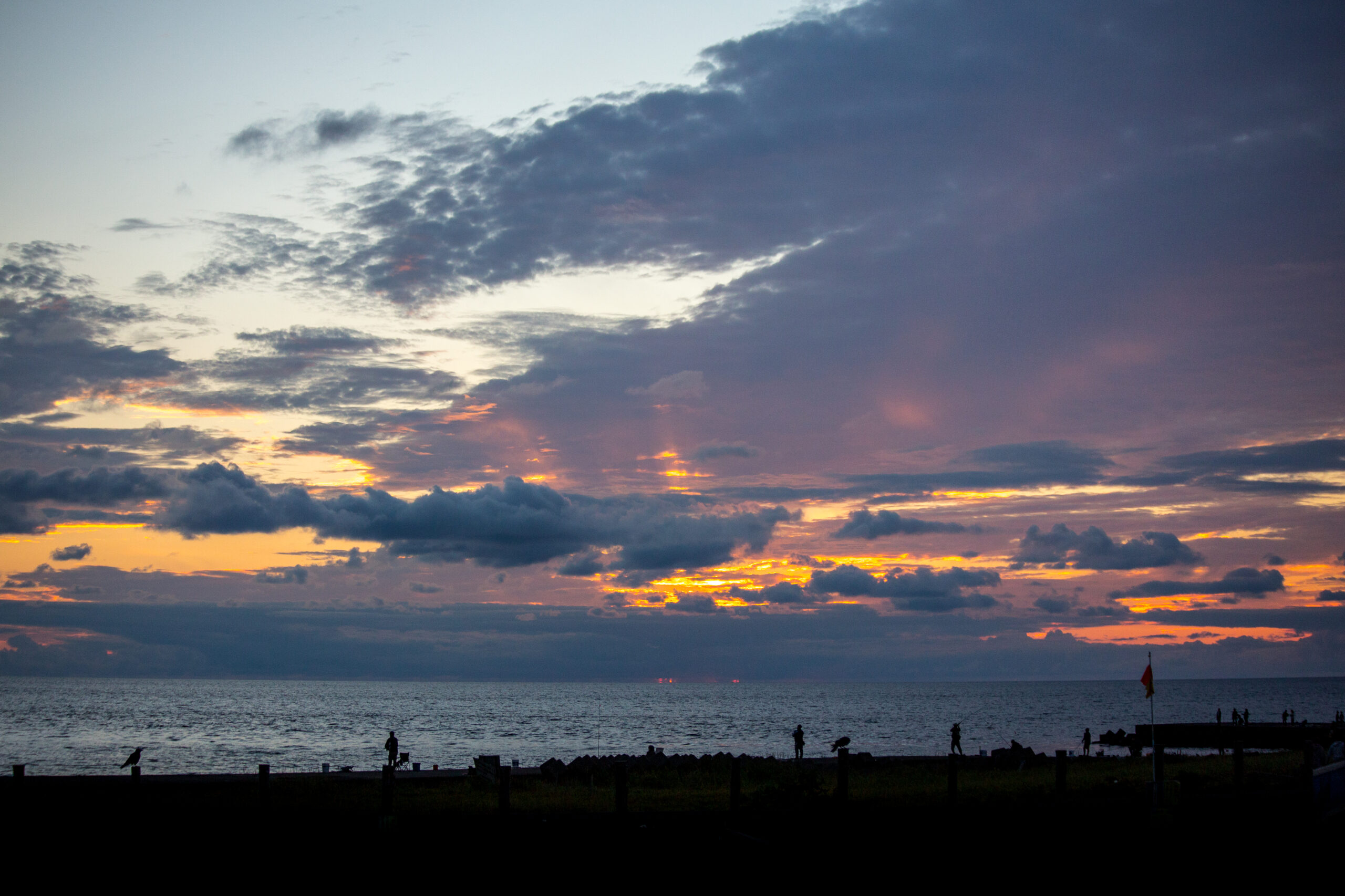
Kawashimo Beach Park is a peaceful seaside camping destination in Hokkaido, offering visitors a relaxed escape surrounded by natural beauty. Set along a quiet stretch of coastline, the park features open grassy camping areas, easy access to the beach, and scenic ocean views that are especially striking at sunrise and sunset. It’s a great spot for swimming, fishing, and unwinding in a calm, uncrowded environment, making it ideal for both families and solo campers looking to enjoy a simple, nature-focused getaway. There is free parking available and the wide camping area gives you a bit of privacy. Many people who camp here enjoy fishing as it seems a popular spot for it.
Yubari River

| Length | 136 kilometres |
| Things to do | Hiking, photography in autumn, leads to Lake Shuparo which has kayaking and canoeing |
| Getting There | It's located in the center of Yubari. By car the distance is about 61 km from Sapporo to Yūbari. Head east. By public transport from Sapporo Station take a train to Shin-Yūbari Station. From Shin-Yūbari Station transfer to a local bus operated by Yutetsu Bus (or other local bus) into Yūbari city centre. ¥3000 – ¥4800. 2 hour travel time. |
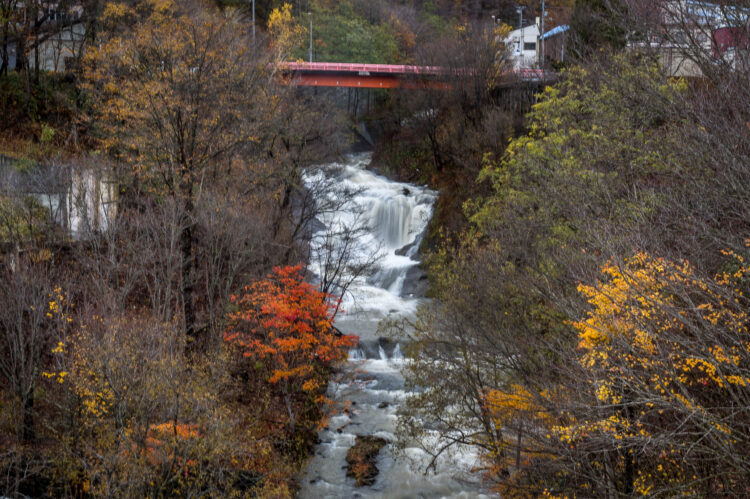
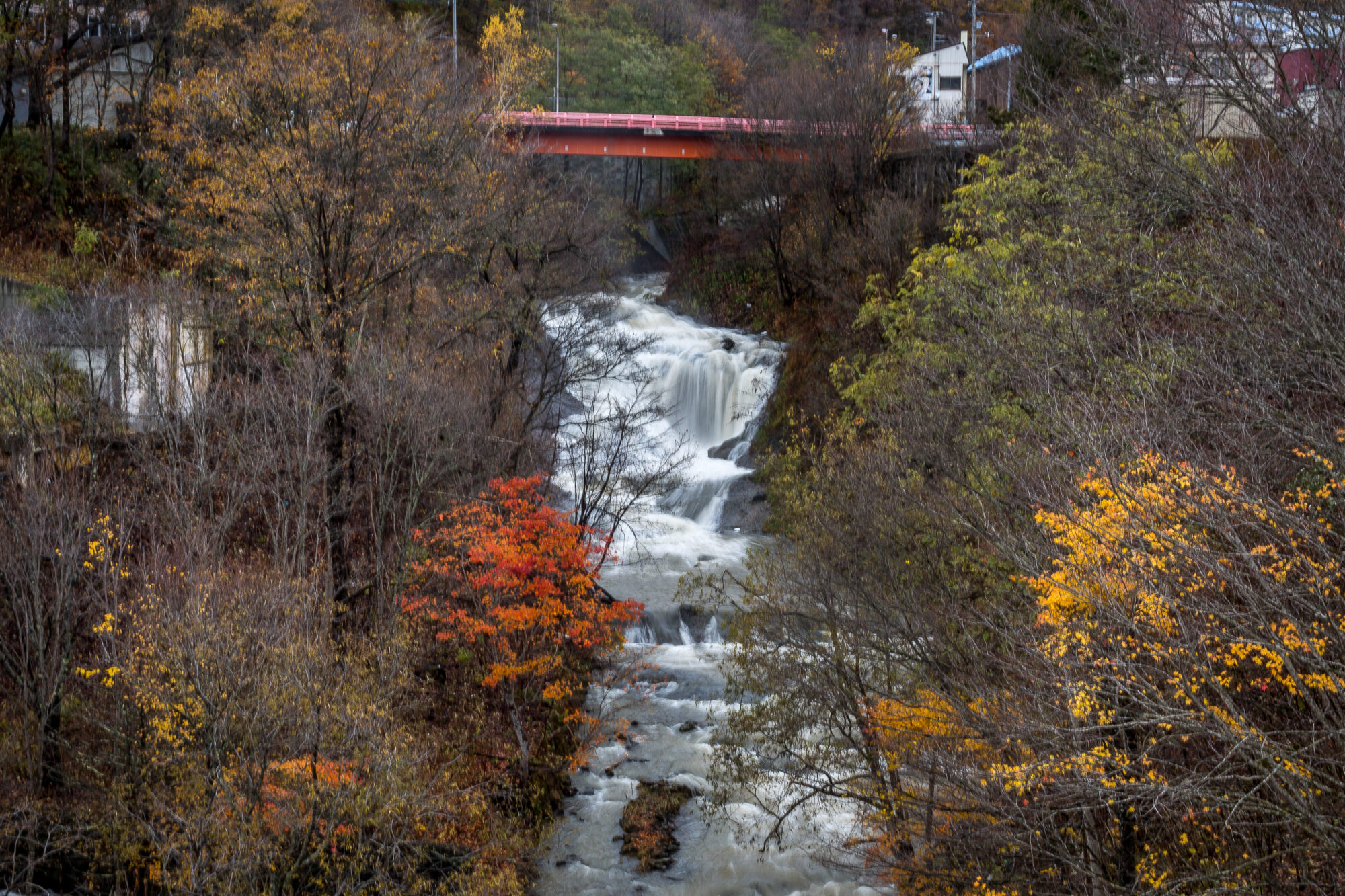
The Yūbari River flows through the mountainous heart of Hokkaido, shaping a quiet landscape of forests, valleys, and rugged gorges before joining the Ishikari River. Originating near Mount Hachimori, the river flows through the Yūbari region. Once central to the rise of Yūbari as a coal mining town, it now winds through a region that blends natural beauty with traces of its industrial past. Today, the river and its surroundings—especially areas like Lake Shuparo—offer a peaceful, uncrowded setting ideal for scenic drives, photography, and experiencing a slower, more atmospheric side of Japan. This area is great for nature photographers and hiking and you can get some great photos from the town of Yubari.
Sosei River

| Admission | Free |
| Opening Hours | Open 24 hours |
| Closed | - |
| Contact | - |
| Notes | Photo spot |
| Location / Getting There | The river runs through the southern end of Susukino, Sapporo, and runs through Soseigawa Park. |
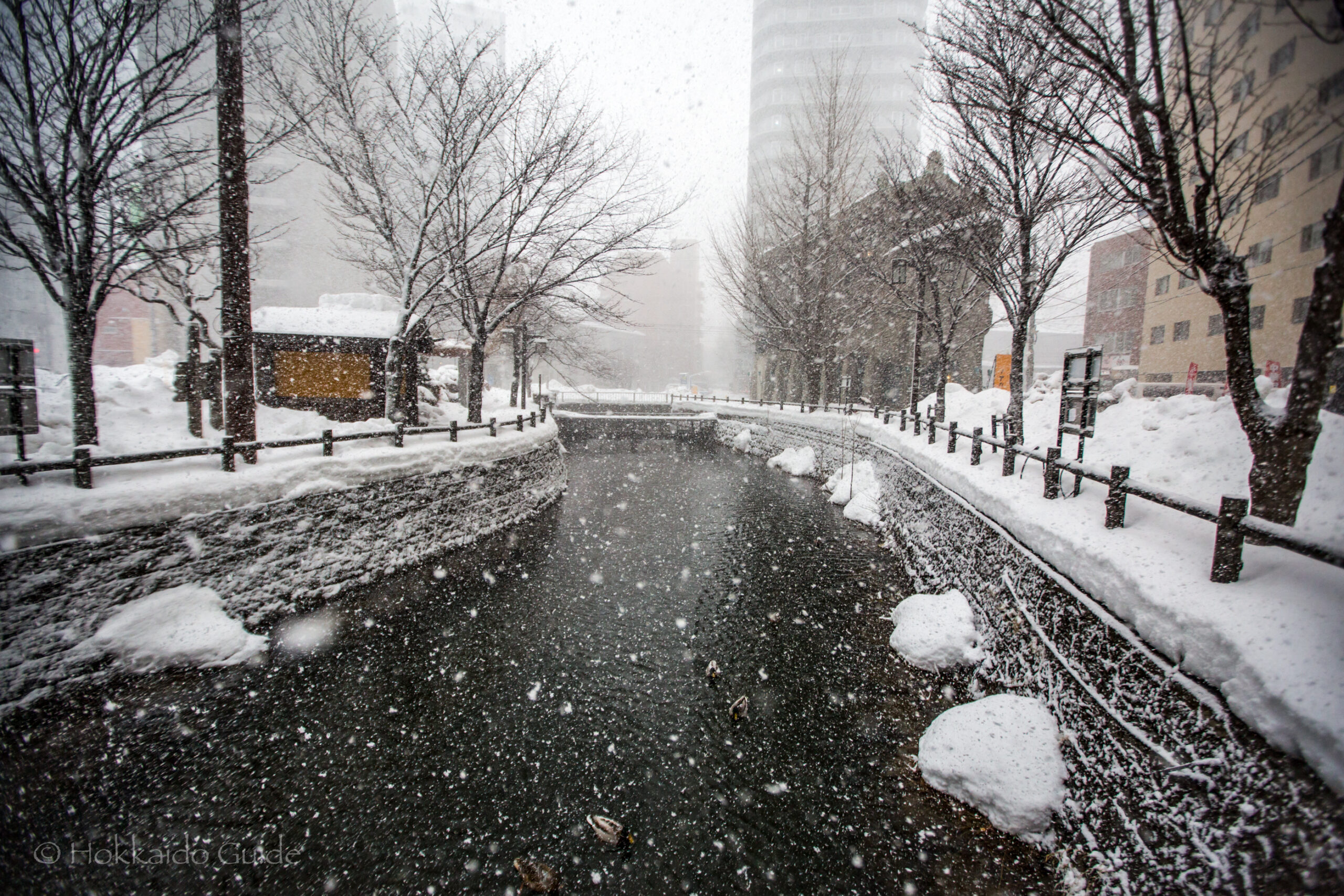
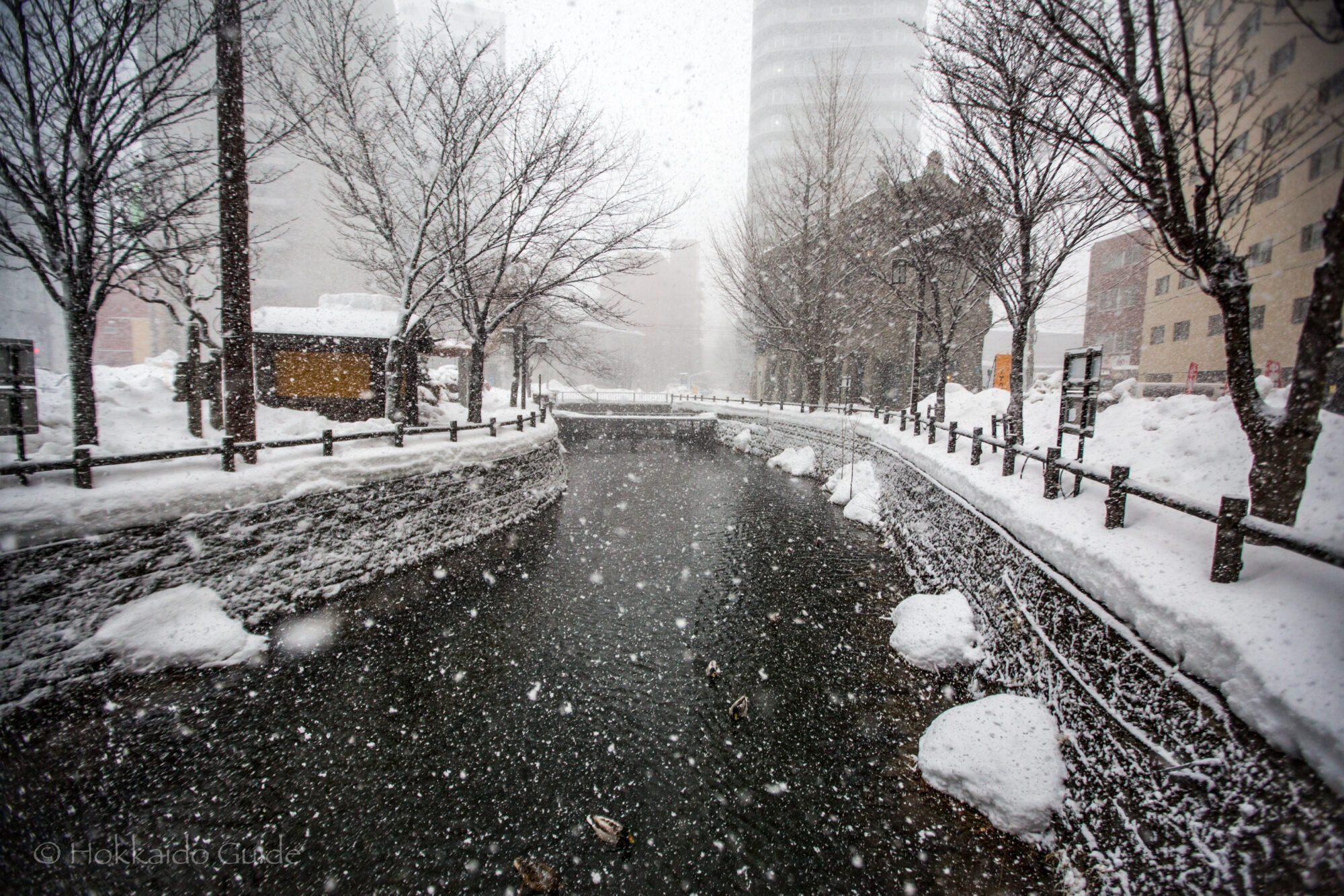
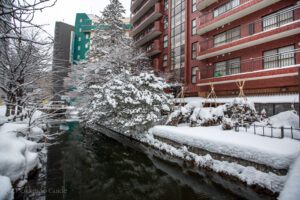
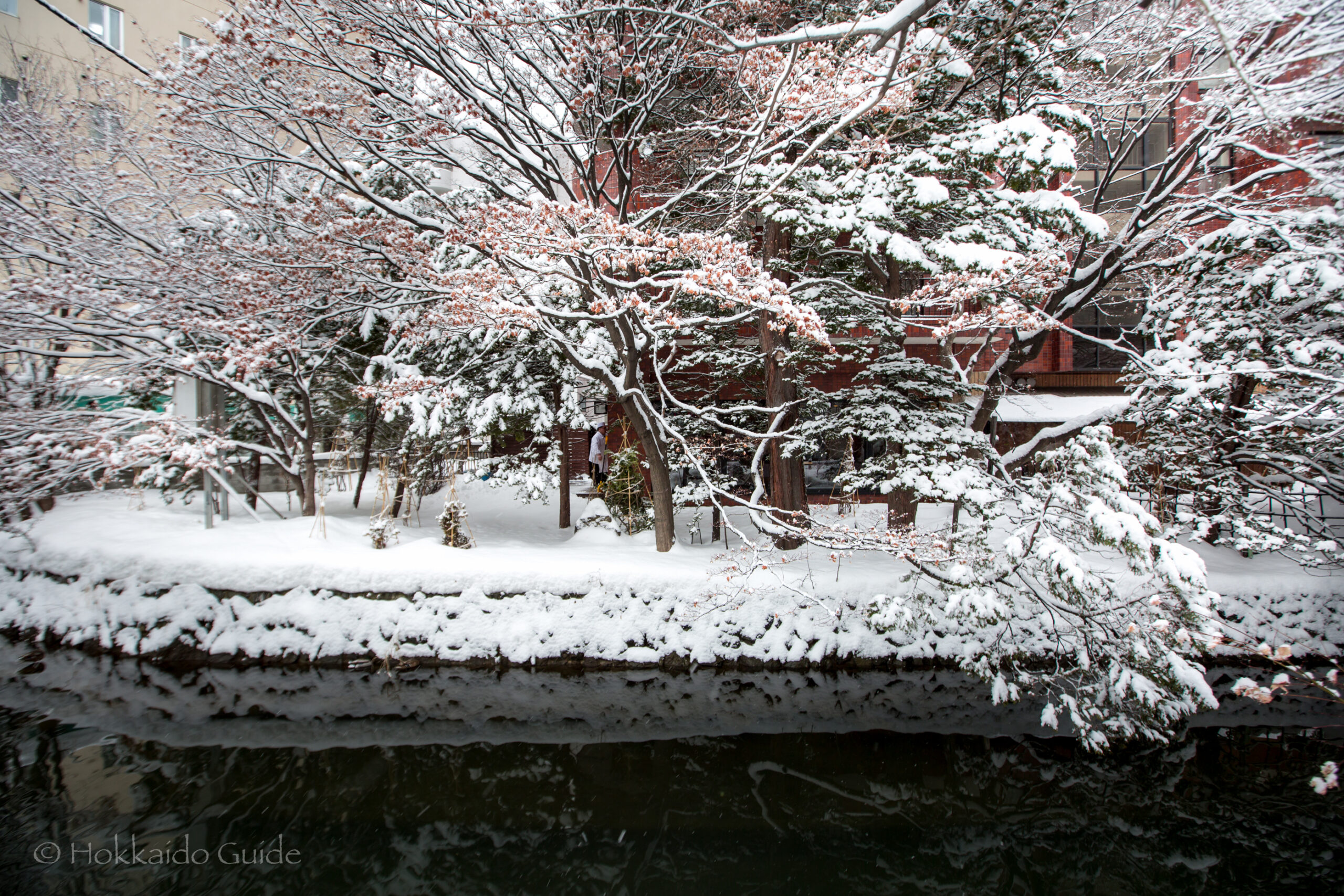
This is a very small river that runs through or past many iconic areas of Sapporo. It is a well recognized river though most people don’t know much about it. It breaks off from Toyohira River and begins its journey north and runs all the way along Nakajima Park. From here it cuts through the northern part of Susukino. There is a bridge over this river at Eki Mae Dori (the main street that runs through Sapporo. It is at this bridge where people can get some nice photos. During the springs cherry blossoms drape over this small river in this area, and in winter it is quite beautiful. It is here too that you can look down and see the many Koi (colorful carp) fish here swimming around. From here the river flows along with some bars and stores along its banks. The river then flows straight for many kilometres. It is the central feature of Soseigawa Park which is named after the river (gawa meaning river in Japanese). The river finally ends up joining Fushiko River and then eventually joins the mighty Ishikari River which ultimately flows to Ishikari Bay.
Obihiro Shrine

| Admission | - |
| Opening Hours | 9:00 - 17:00 |
| Closed | - |
| Contact | 011-5523-3955 |
| Notes | |
| Location / Getting There | The shrine is a 24 minute walk north from Obihiro station, or a 7 minute drive by car. Obihiro Shrine is right by Obihiro river, and is accessed via route 38. East 2 South 2. From Obihiro Station Bus Terminal Station No.8, take the Tokachi bus (No.7) on the 'Water Line Higashi 13' (Obihiro City). From the General Promotion Bureau stop it's a 2 minute walk. 〒080-0803 Hokkaido, Obihiro, Higashi 3 Jominami, 2 Chome, 1 |
In 1881, a man named Benzo Yoda and others from Shizuoka Prefecture organized a pioneer group called the “Bansei-sha”. This group and settled inShimo-Obihiro Village and started pioneering. During this time, they started holding festivals and later built a small shrine, though the connection with the current Obihiro Shrine is still not well known. In March 1909, a town meeting was held and five members decided to relocate and build the Obihiro Shrine. Over the past hundred years, this shrine has developed, been renovated and welcomed thousands of worshippers.
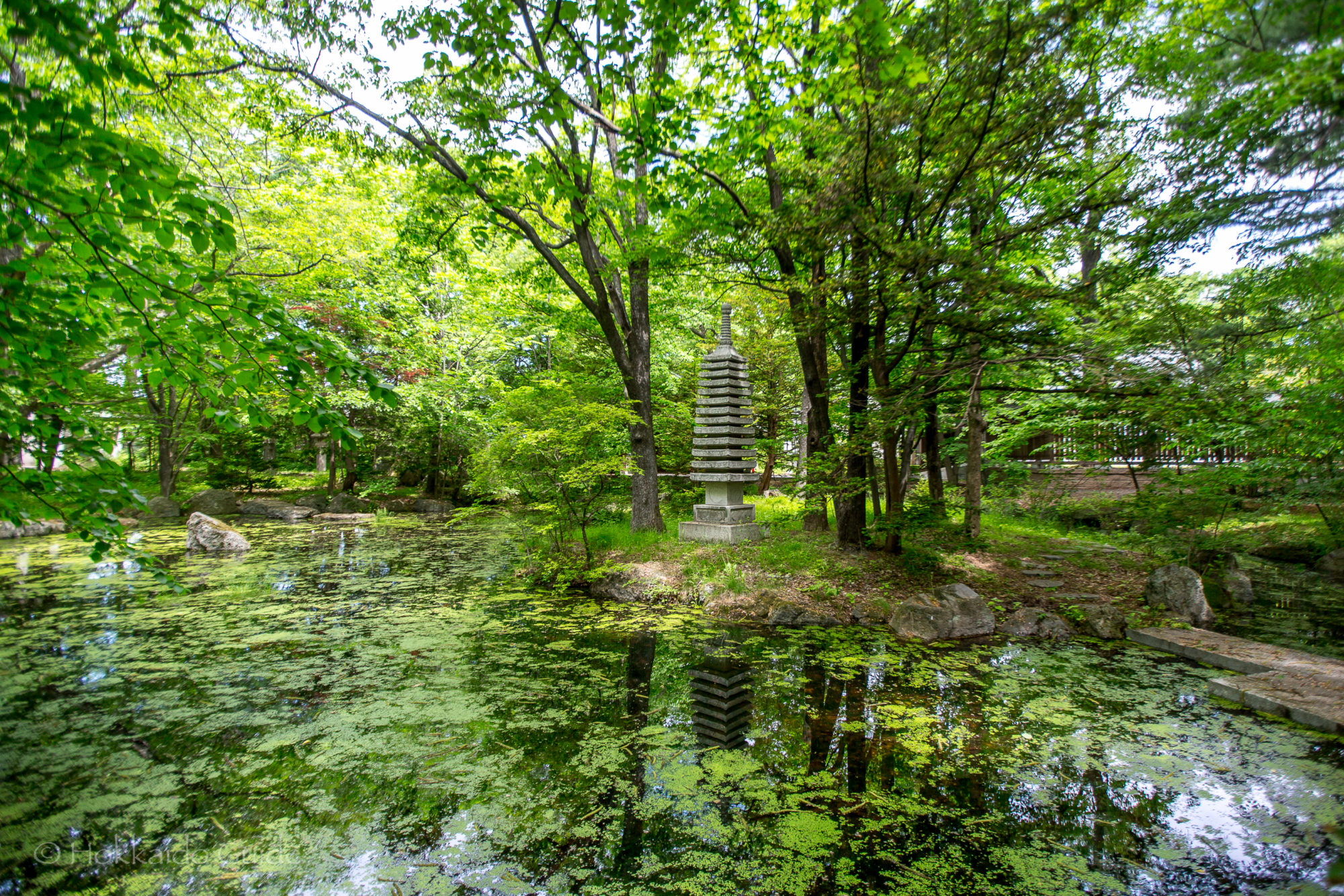
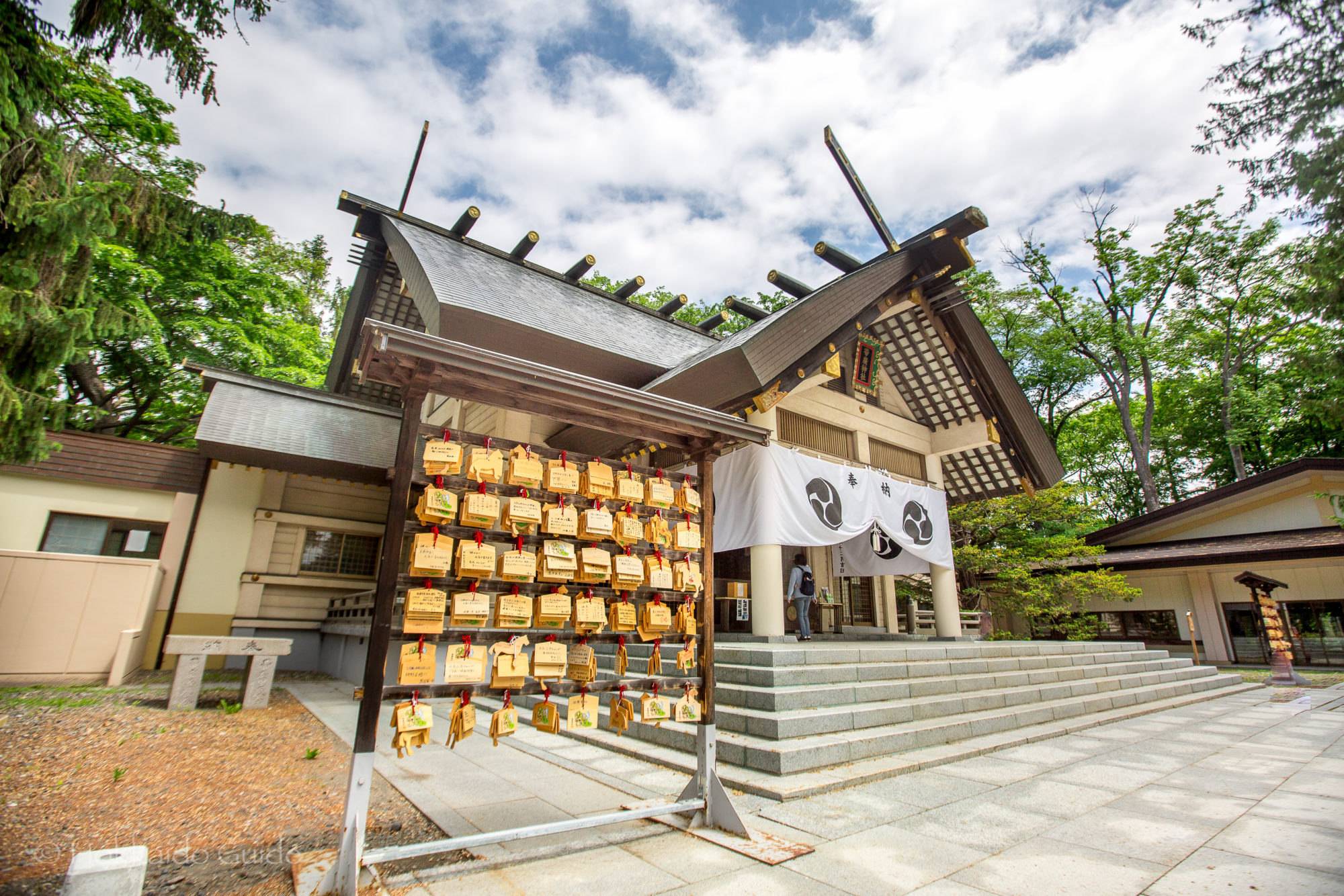
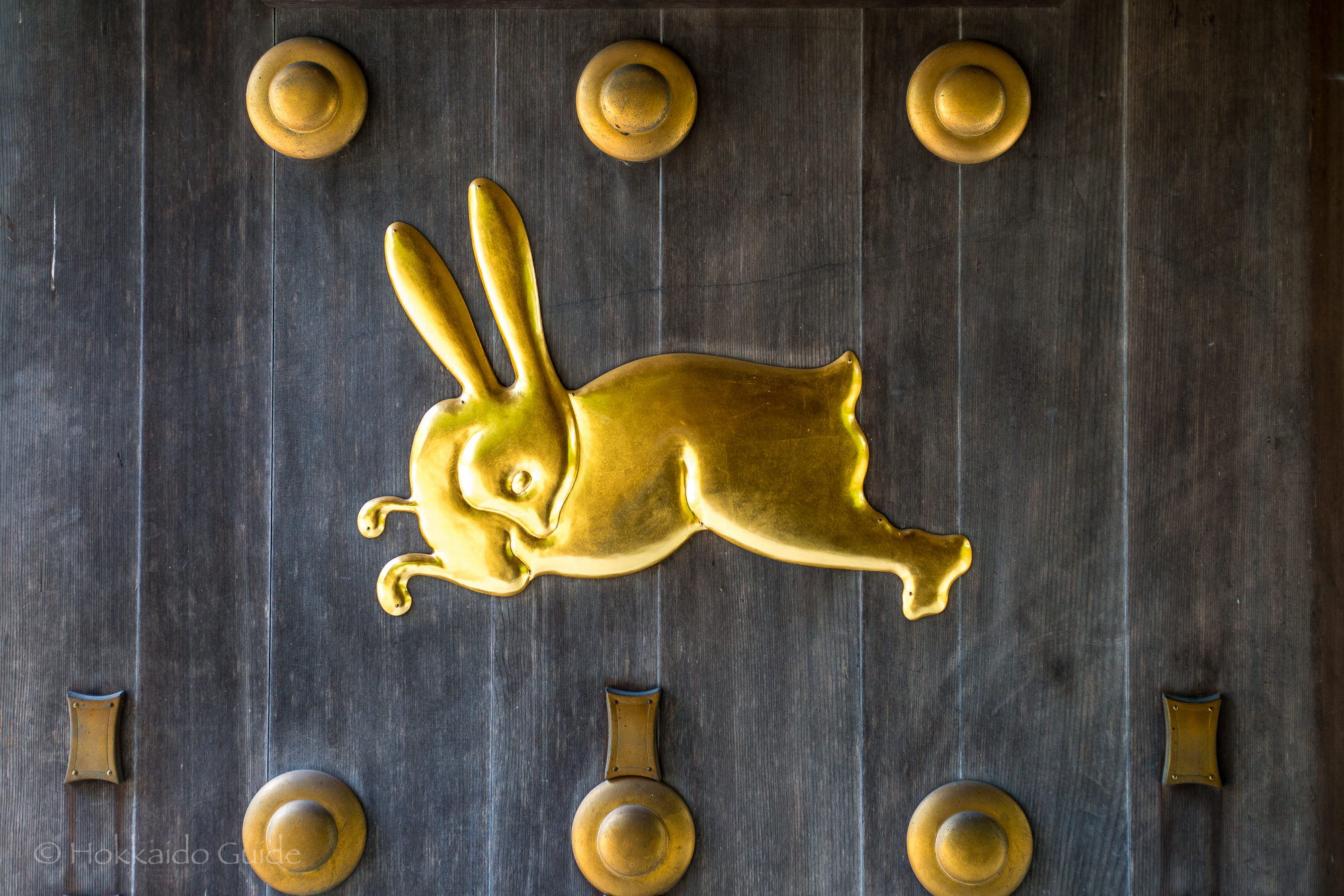
The shrine is located by the Obihiro River and although the buses don’t run that often, it is in a walkable distance. Once inside the grounds, there are many things to see besides the main shrine. There are numerous shrines and buildings. The area is also rich in greenery and the land was designated as an environmental green space protection area in Hokkaido in 1974. The grounds are also home to many small animals and wild birds such as Ezo squirrels, chipmunks, red-cockaded woodpeckers, and starlings to name a few. This area has some statues and is a good spot for photos. At the shrine, you can buy souvenirs and charms to take home. Throughout the year there are many festivals held. For more detail see below.
| 1st and 15th of every month | Prayers for the safety of the Imperial Family, peace for the nation, and peace for the Urahoro worshippers. |
| January 1 | New Years Day. Prayer for the safety of the Imperial Family, peace for the nation, and a good harvest for the year. |
| January 15 | The burning of old Shinto prayer cards and charms. Prayer for good health. On the day before the first day of spring, there is the purification the evil spirits. The doors of the main shrine are opened to offer thanks to the Milk God and prayer for spring. |
| June 30 | Grand purification ceremony and Nagoshi-no-harai (summer purification). A Shinto ritual to purge the sins and impurities of the past six months and pray for good health. |
| August | On the evening before the last Sunday of the month, There is the summer portable shrine procession festival (Mikoshi & Yoimiya Festival). The portable shrine is purified the night before the main festival, and the gods are notified that the big festival will be held tomorrow. On the last Sunday of the month, the portable shrine will be paraded through the town to pray for the safety of each family and the prosperity of each company. |
| September 20 | Autumn Grand Festival Prayers and dedication events are held for the Ujigami (local deity), which has been handed down from the pioneers. The doors of the main shrine are opened to offer thanks to the Goddess of Milk and pray for the autumn. The god of the land and the god of agriculture are invited to give thanks for the year's harvest and to pray for the safety. Prayers are offered to the gods for the healthy growth of children who are three, five, and seven years old. Prayers are offered for the harvest and labor to the gods of the 24 shrines in Urahoro Town. |
| December 31 | New Year's Eve Purification Ceremony and Nightfall Festival is held to purify the sins and impurities of the year from the body and soul using dolls, and to pray for good health in the New Year. |
| December 30 to January 5 | The shrine grounds are illuminated. |
Nusamai Park

| Admission | Free |
| Opening Hours | 24 hours |
| Contact | 0154-31-4557 |
| Notes | Small park area, sightseeing spot, children playground, toilets |
| Location / Getting There | The square is located in central Kushiro. It is just off the main road, Kitadori 113, and right by the Nusamai Bridge. It is a 15 minute walk, south from Kushiro station. 1 Nusamaicho, Kushiro, Hokkaido 085-0836 |
This park in Kushiro can be found overlooking the city and is a quiet and peaceful spot to enjoy. In this small park, among the flowers and trees, you can also find the Takeshirō Matsuura Ezo Expedition Statue. Takeshirō Matsuura was a Japanese explorer, cartographer, writer, painter, priest, and antiquarian. Born in 1818 he was an important figure in the development of Hokkaido. He was instrumental in the naming of the island and many of its places and is often referred to as the “Godparent of Hokkaido”. This statue is in the center of the park and overlooks the city.
To get to the park, you need to pass over the the popular Nusamai Bridge. There is a path that winds its way up past the round about and up a flight of steps. The design of this path is really nice and has a distinct European feel to it. This gives the area a beautiful atmosphere. Once at the top, there are nice views. The sunset here is particularly nice. This park has play equipment for kids and benches to sit. For such a small park, this area is quite a nice spot to visit and is recommended in the late afternoon.