Yuni Togakushi Shrine
Posted on
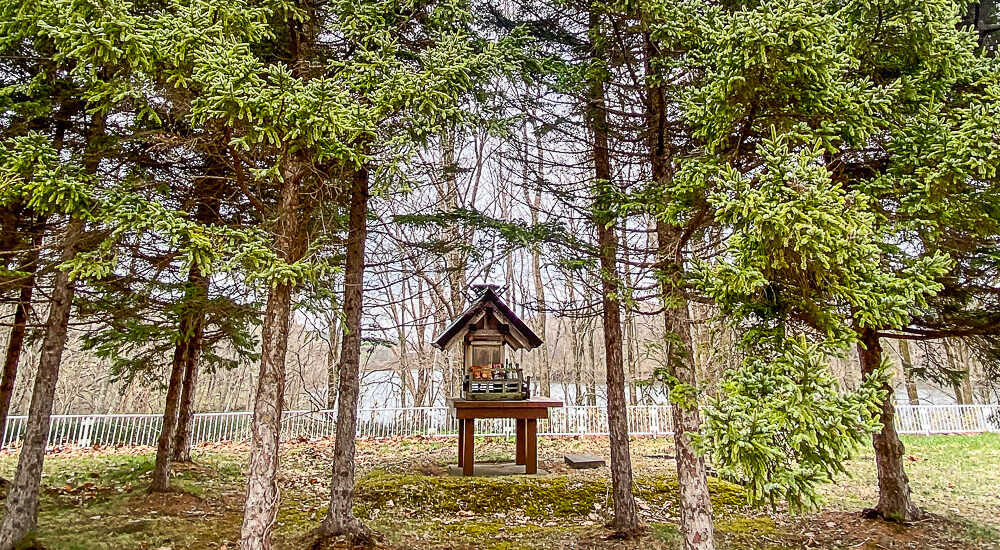
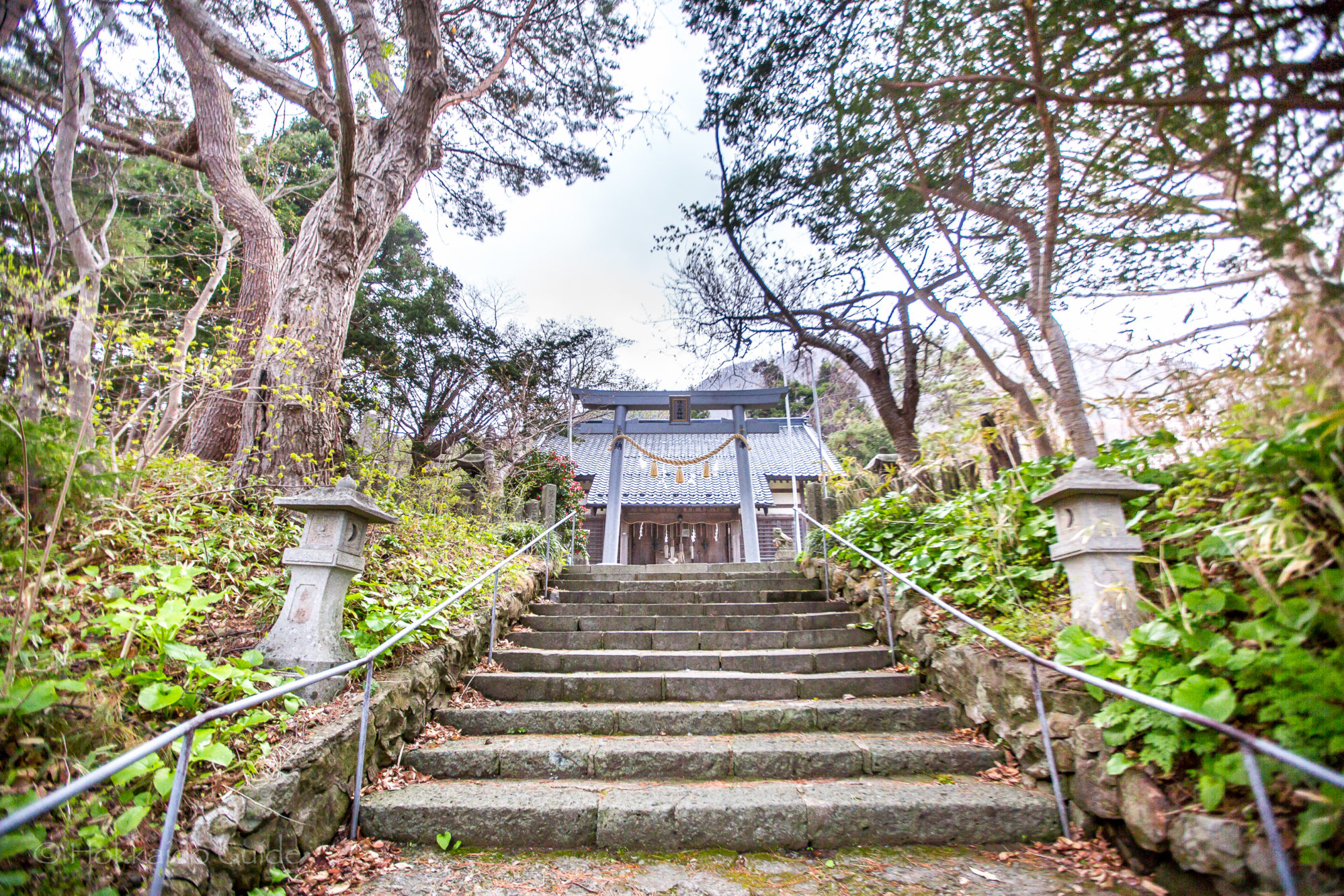
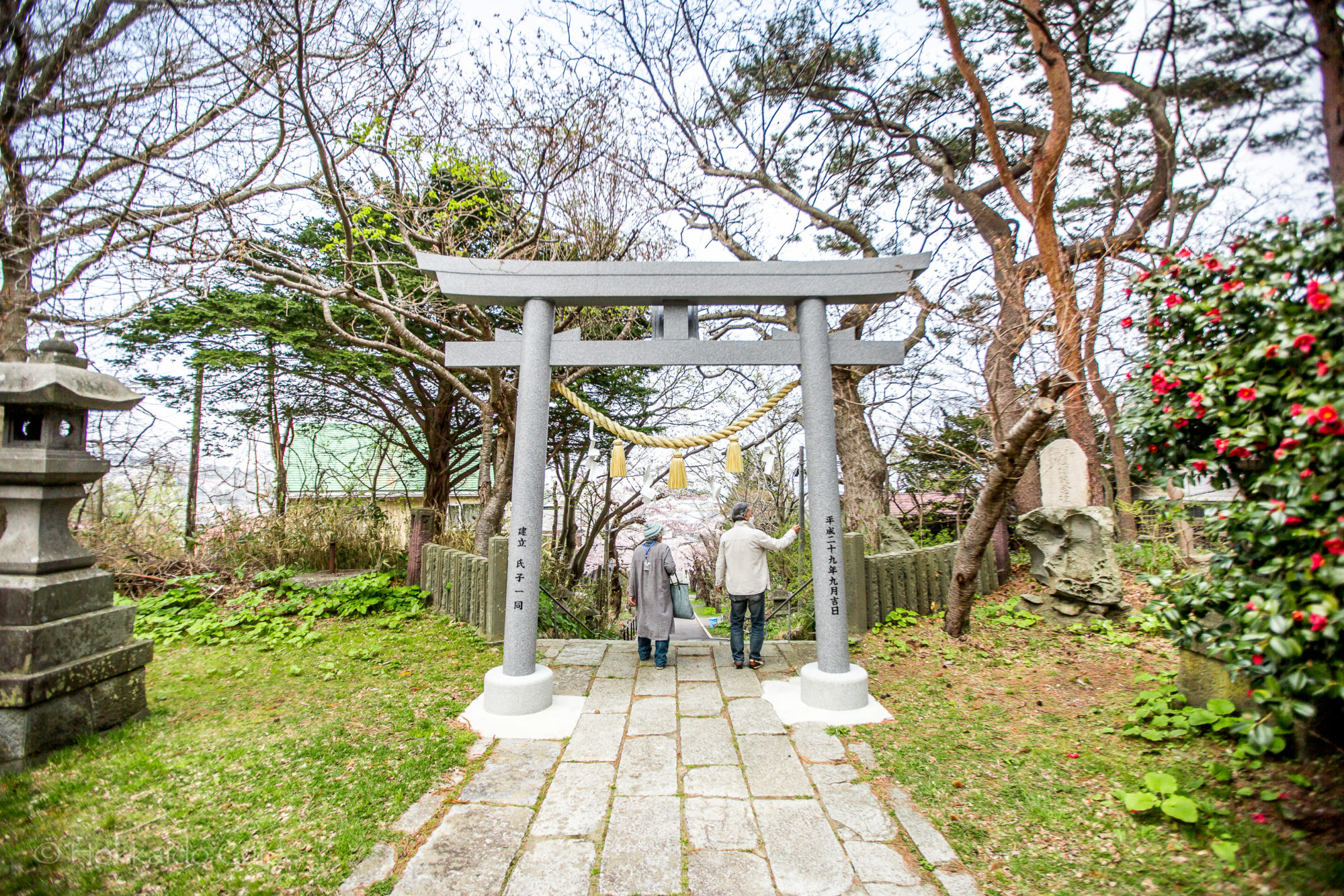
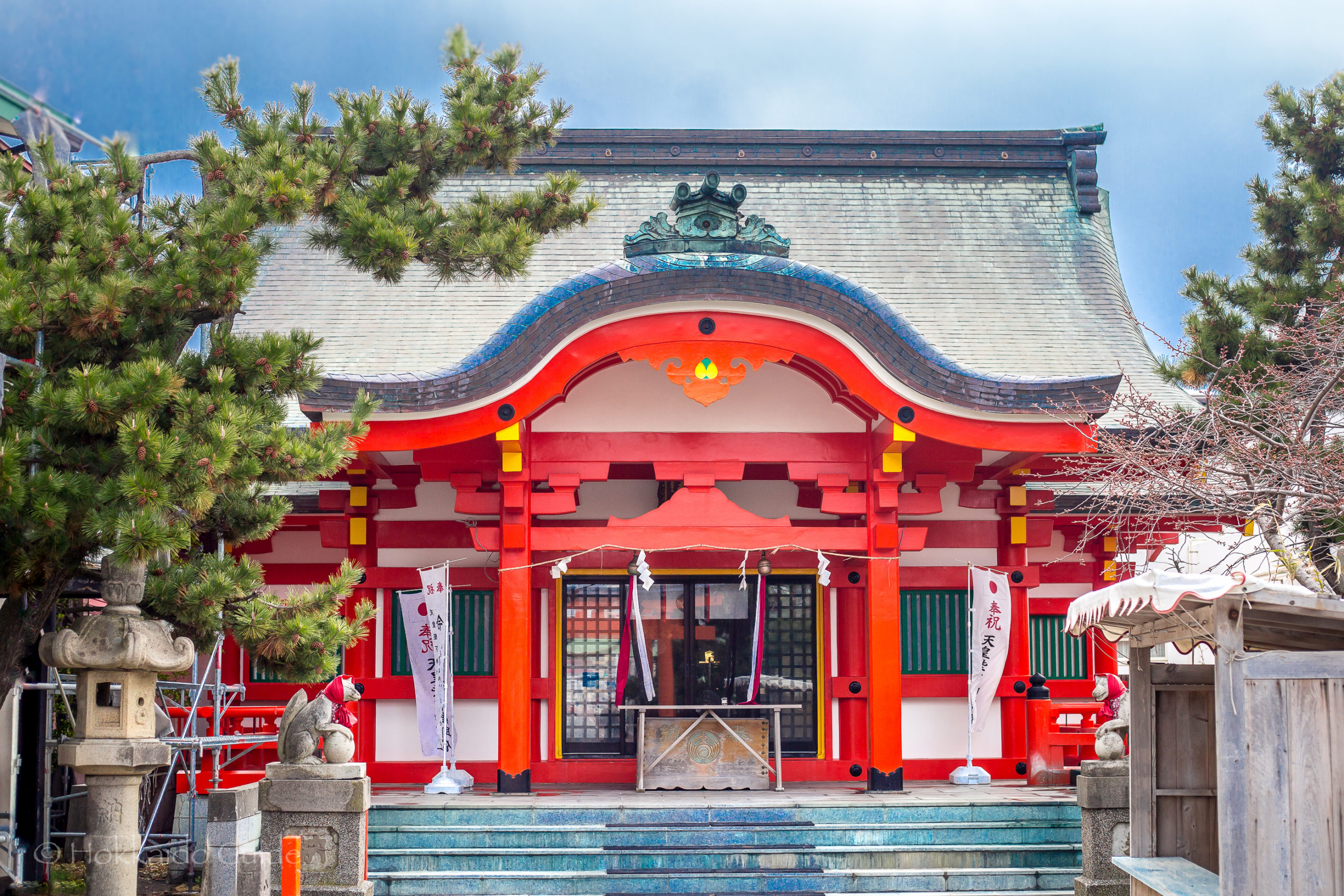
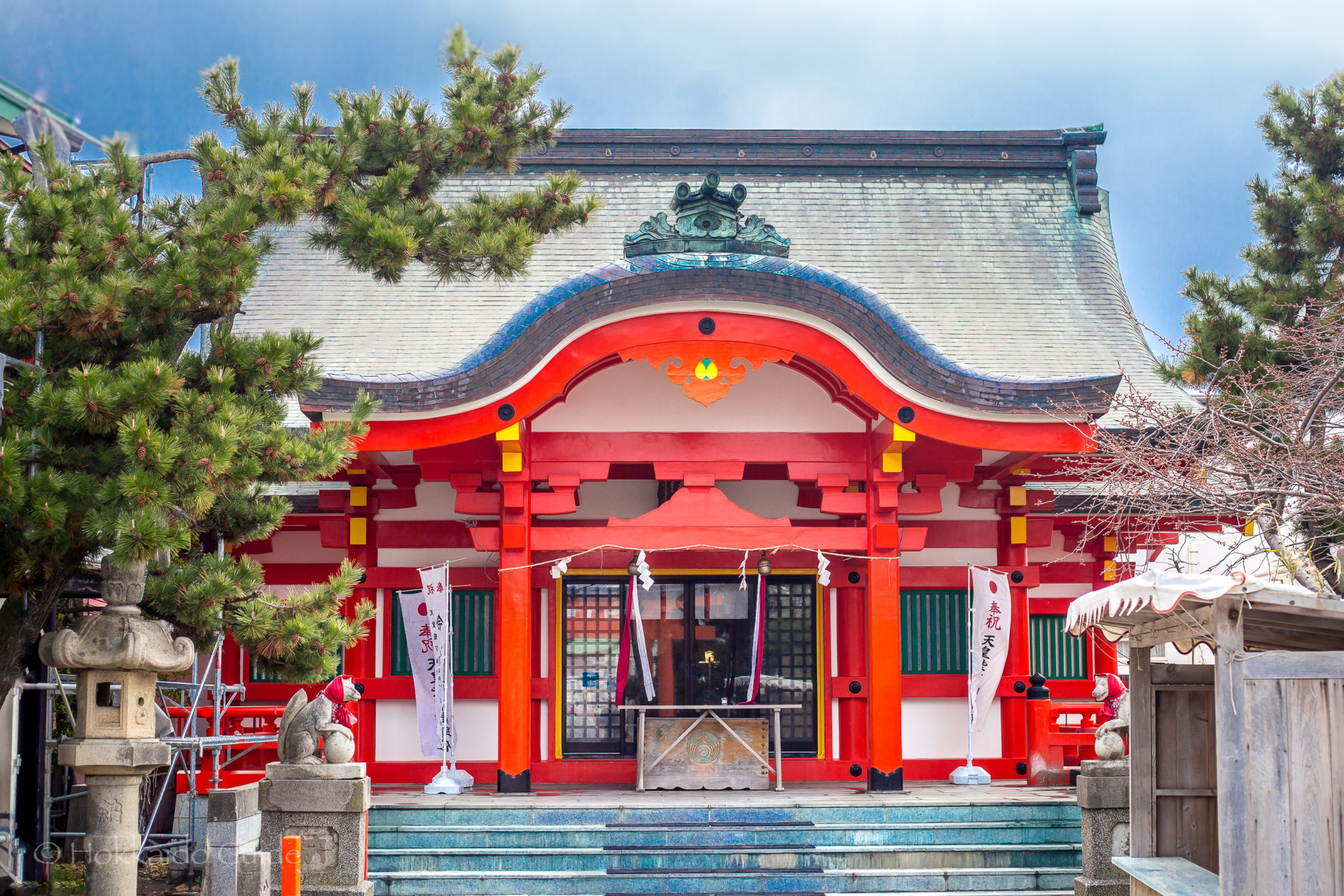
Yuni Togakushi Shrine is a small rural Shinto shrine located in the Furusan district of Yuni, Hokkaido. Although little is known about its exact origins, it is believed to have been established during Hokkaido's settlement period Read More ....
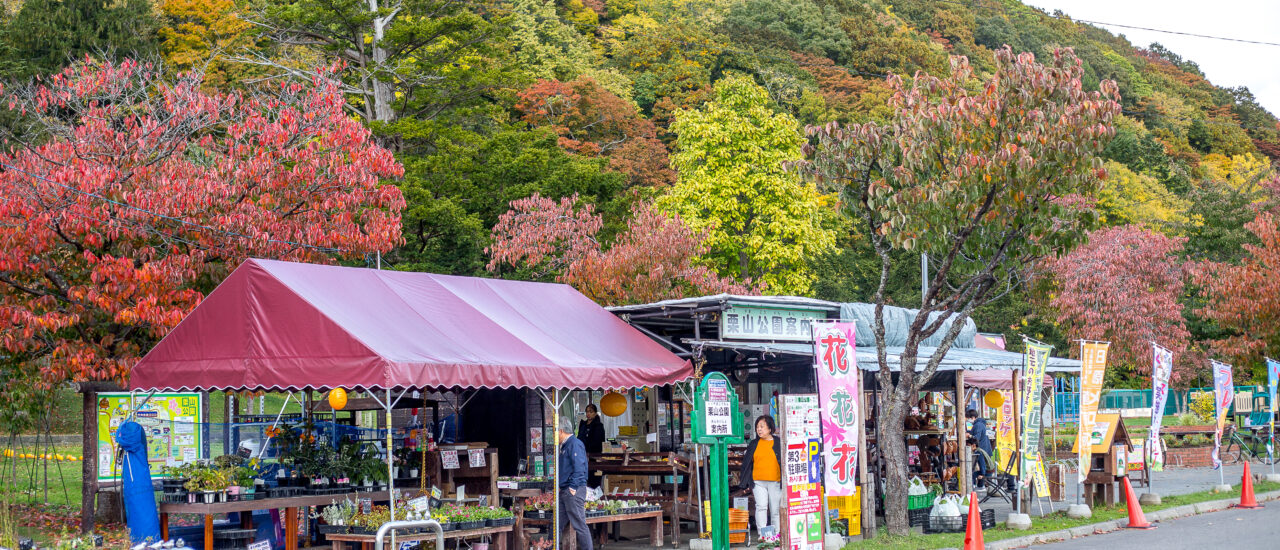


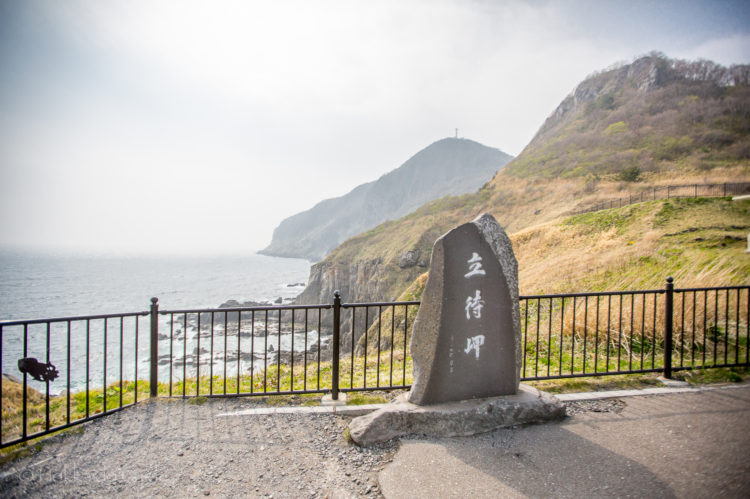
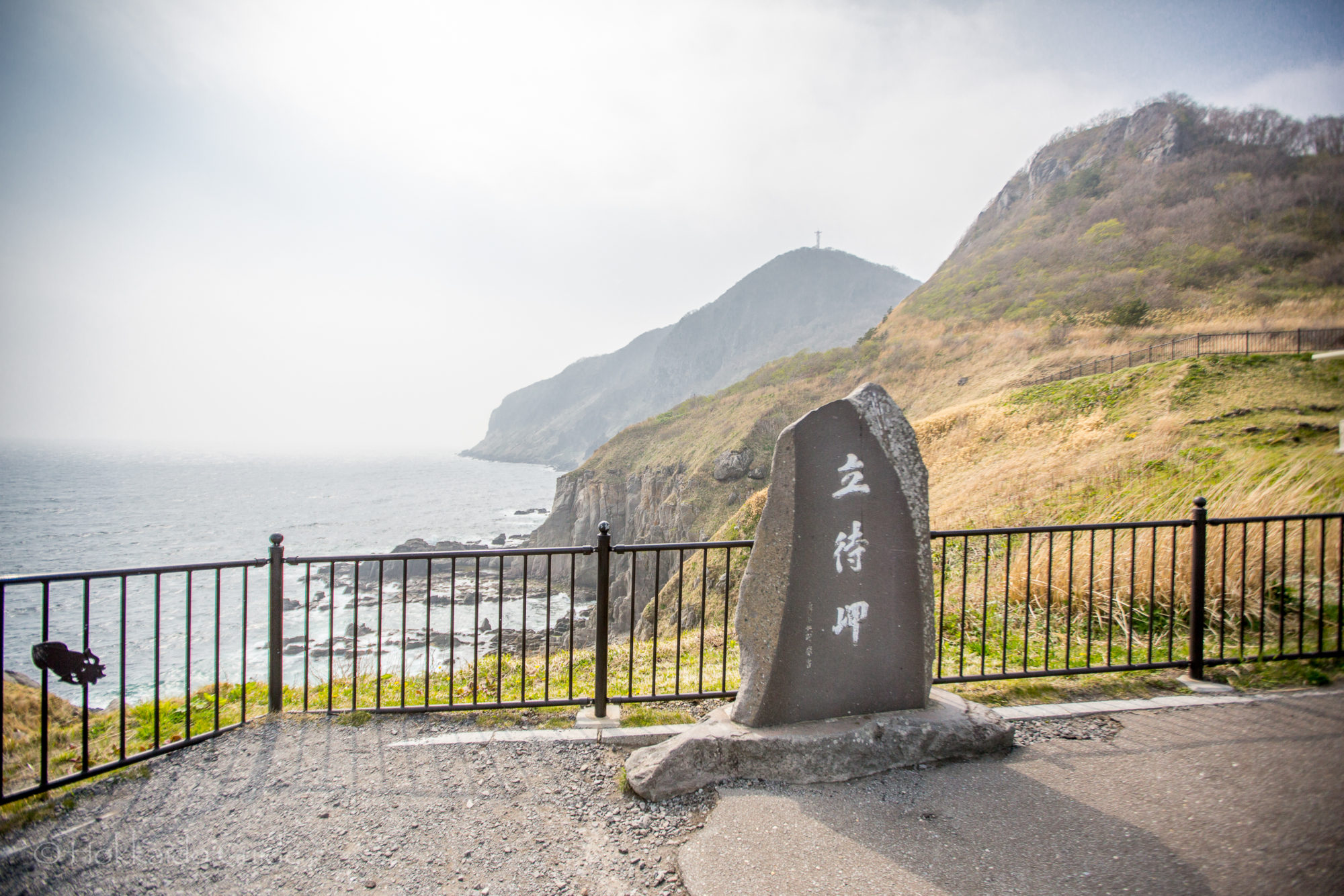
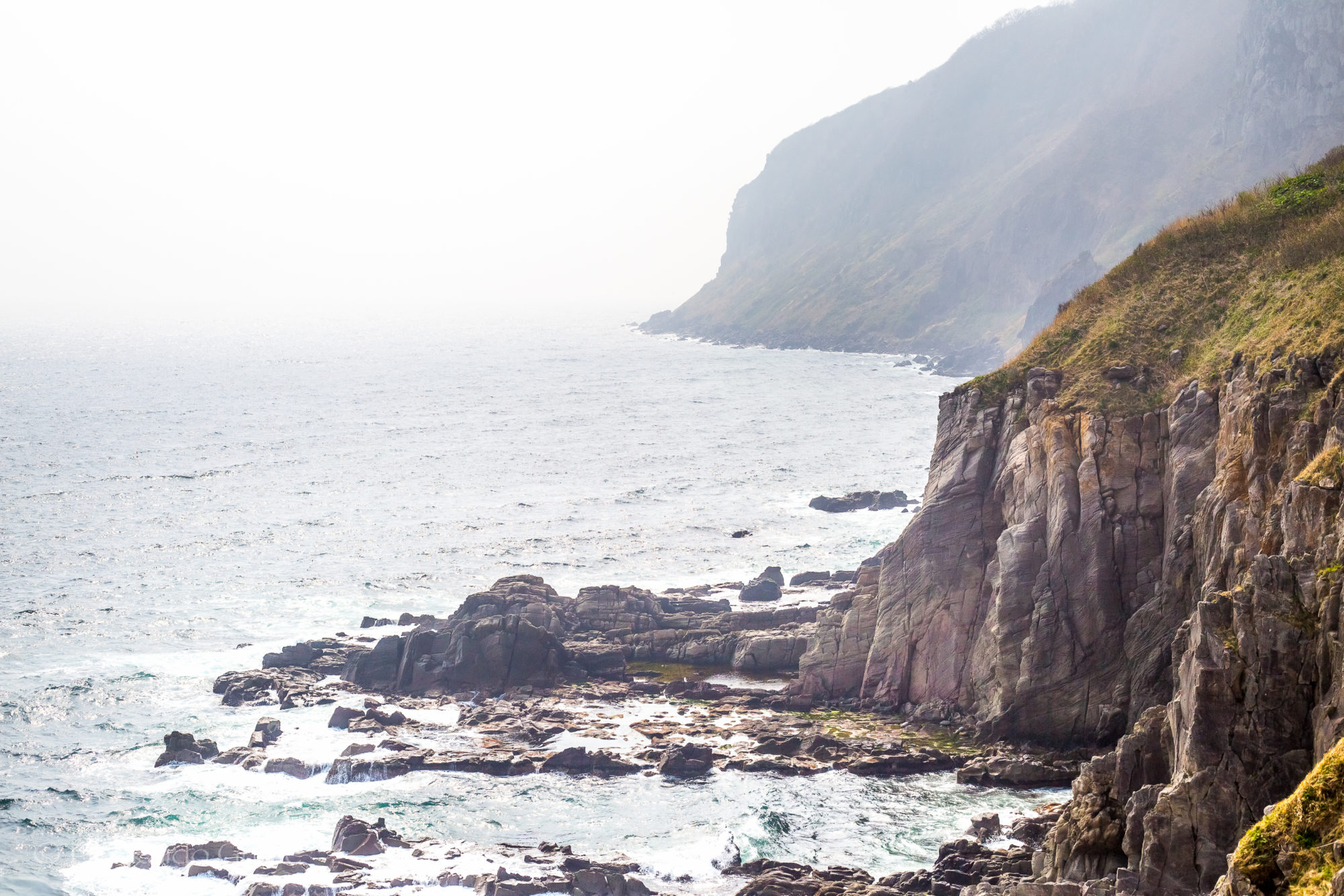
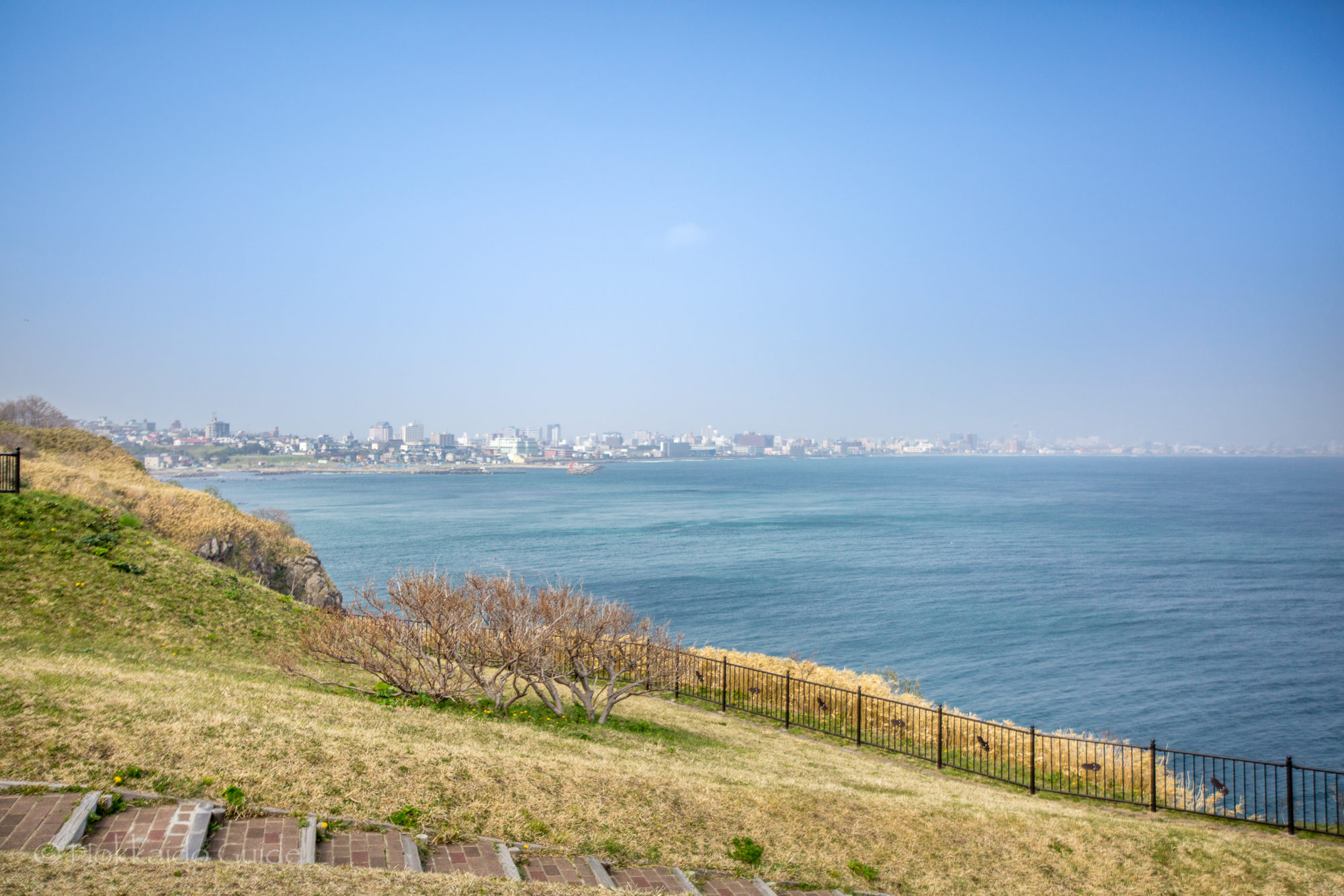
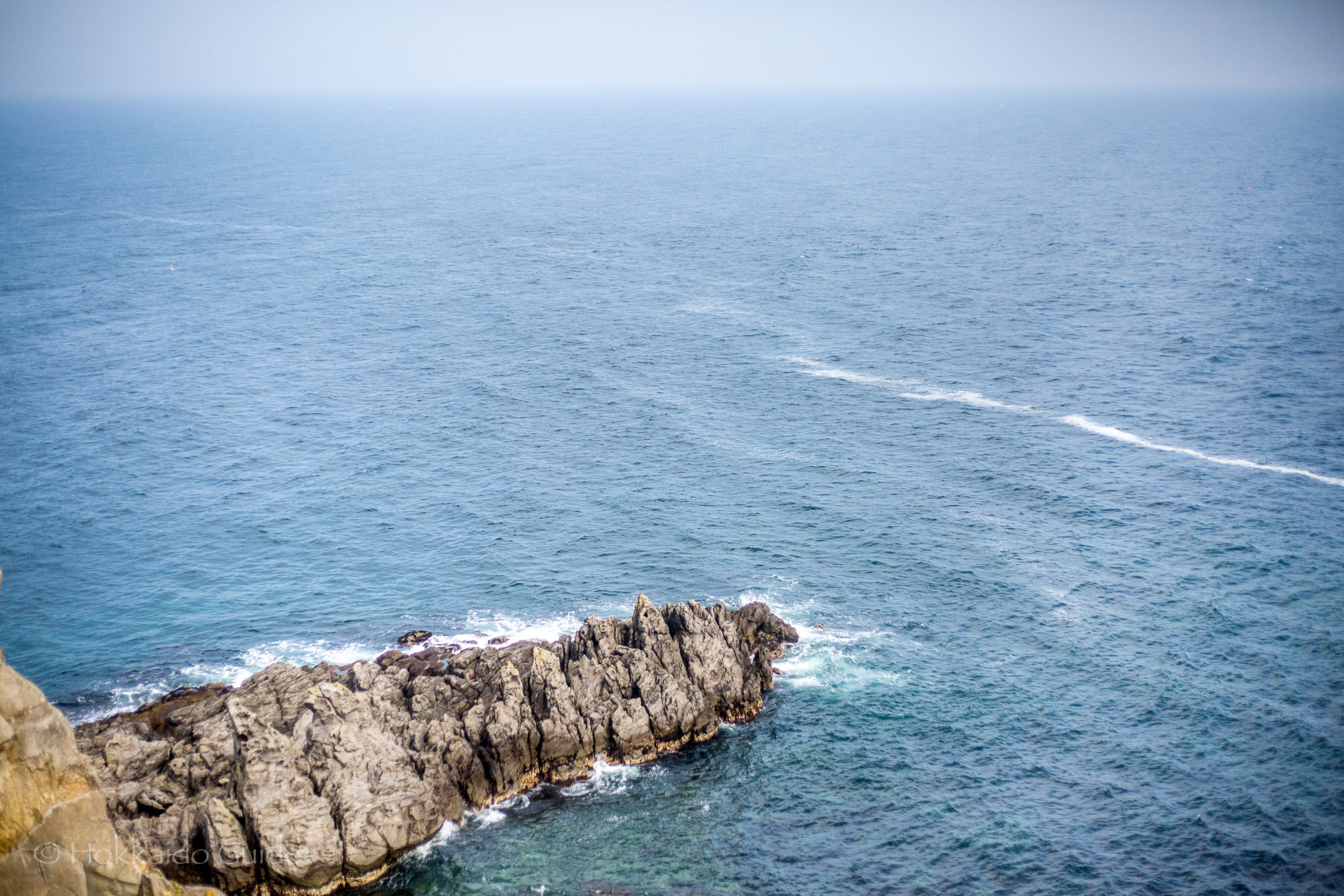
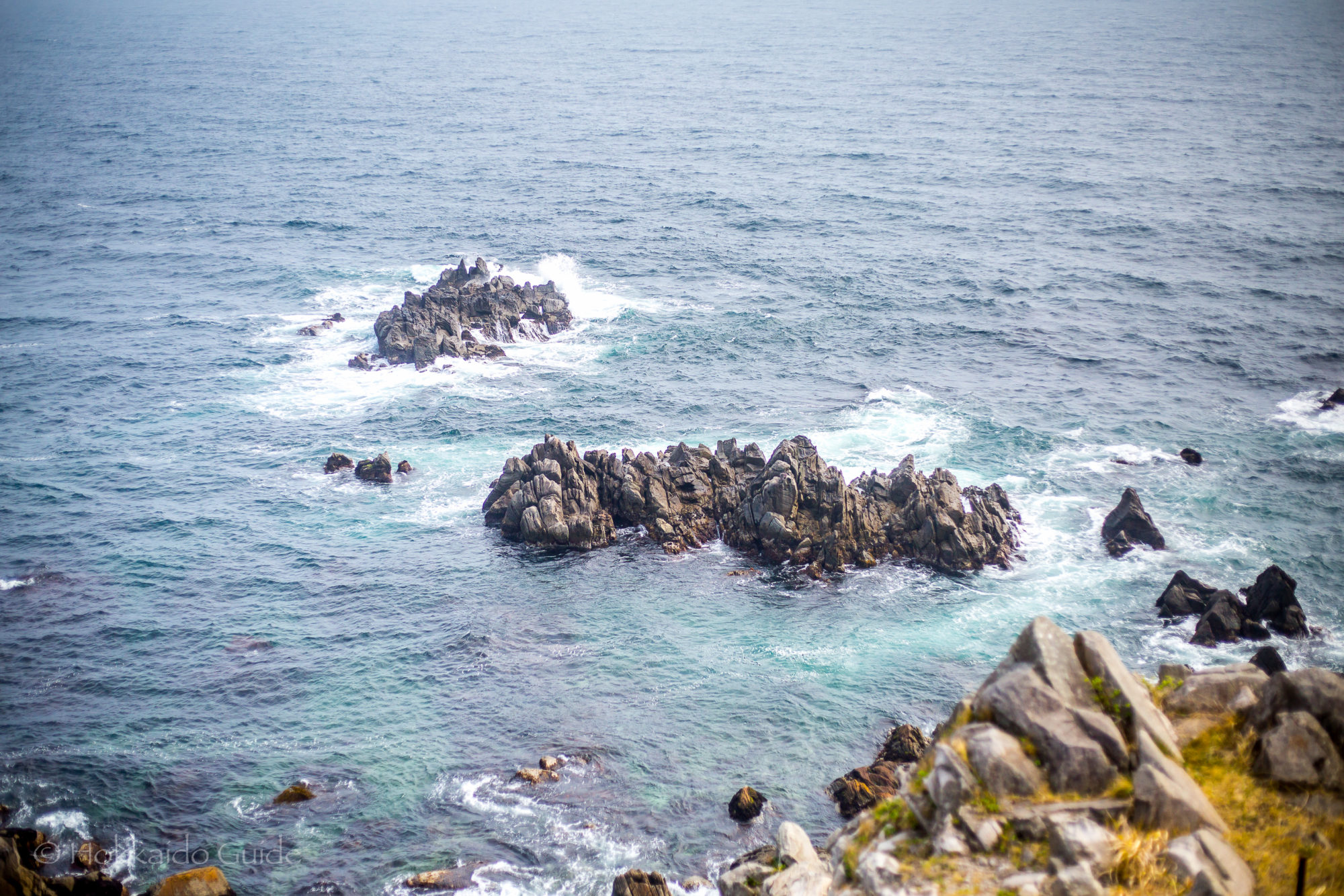
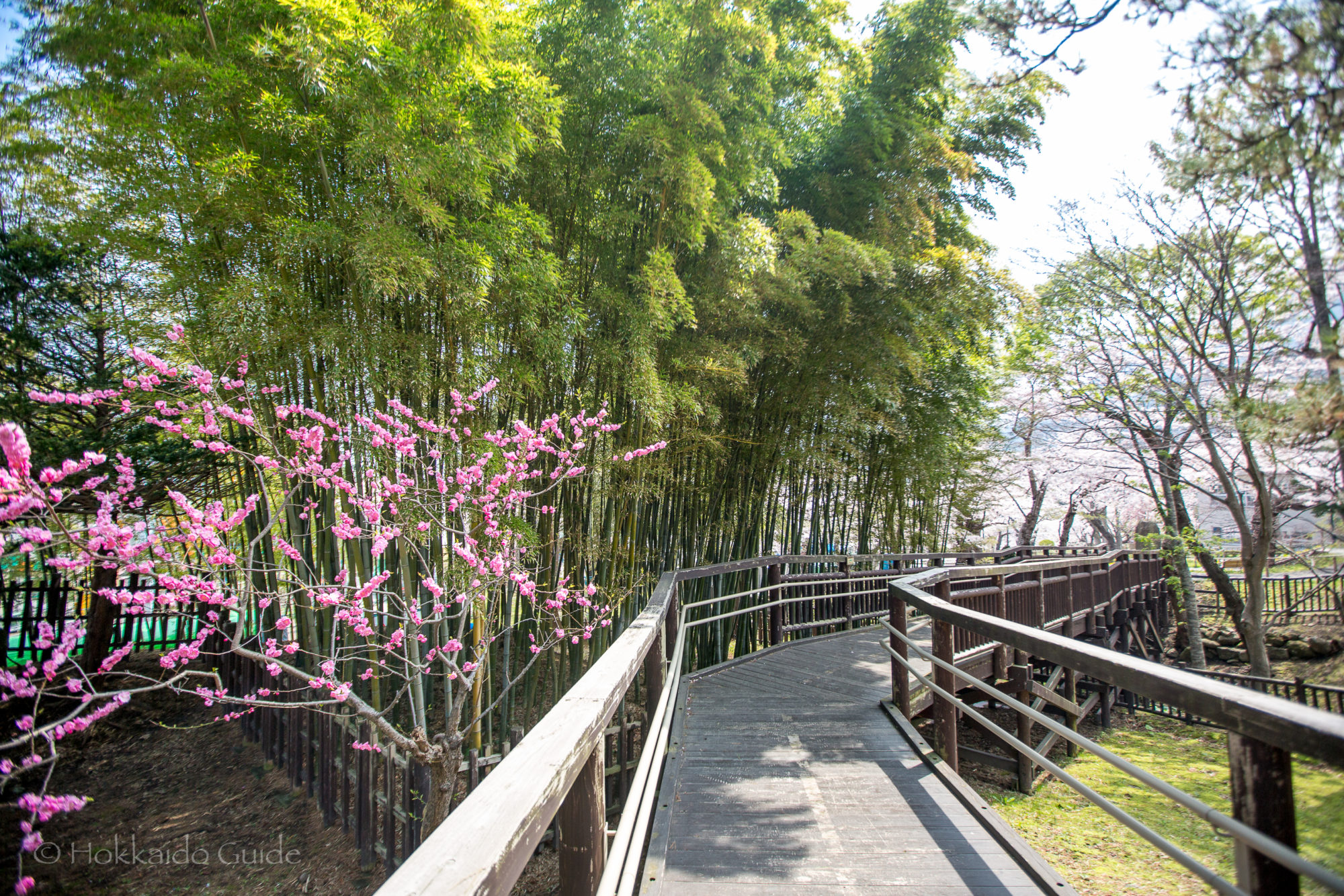
 Cape Tachimachi is on the south east side of the Hakodate headland. Rising thirty meters above sea level, Cape Tachimachi has beautiful views over the Tsugaru Strait. The word ‘Tachimachi’ is derived from the Ainu word ‘Yokoushi’ which means, a place to wait and catch fish. There is a small lookout point with equally stunning views down the coast. This cape is part of Hanamasu Park. The park is full of pink Hanamasu flowers which are indigenous to Hokkaido. On the way to the park, you pass through the Hakodate Shiei Sumiyoshimachi Kyodo Cemetery and the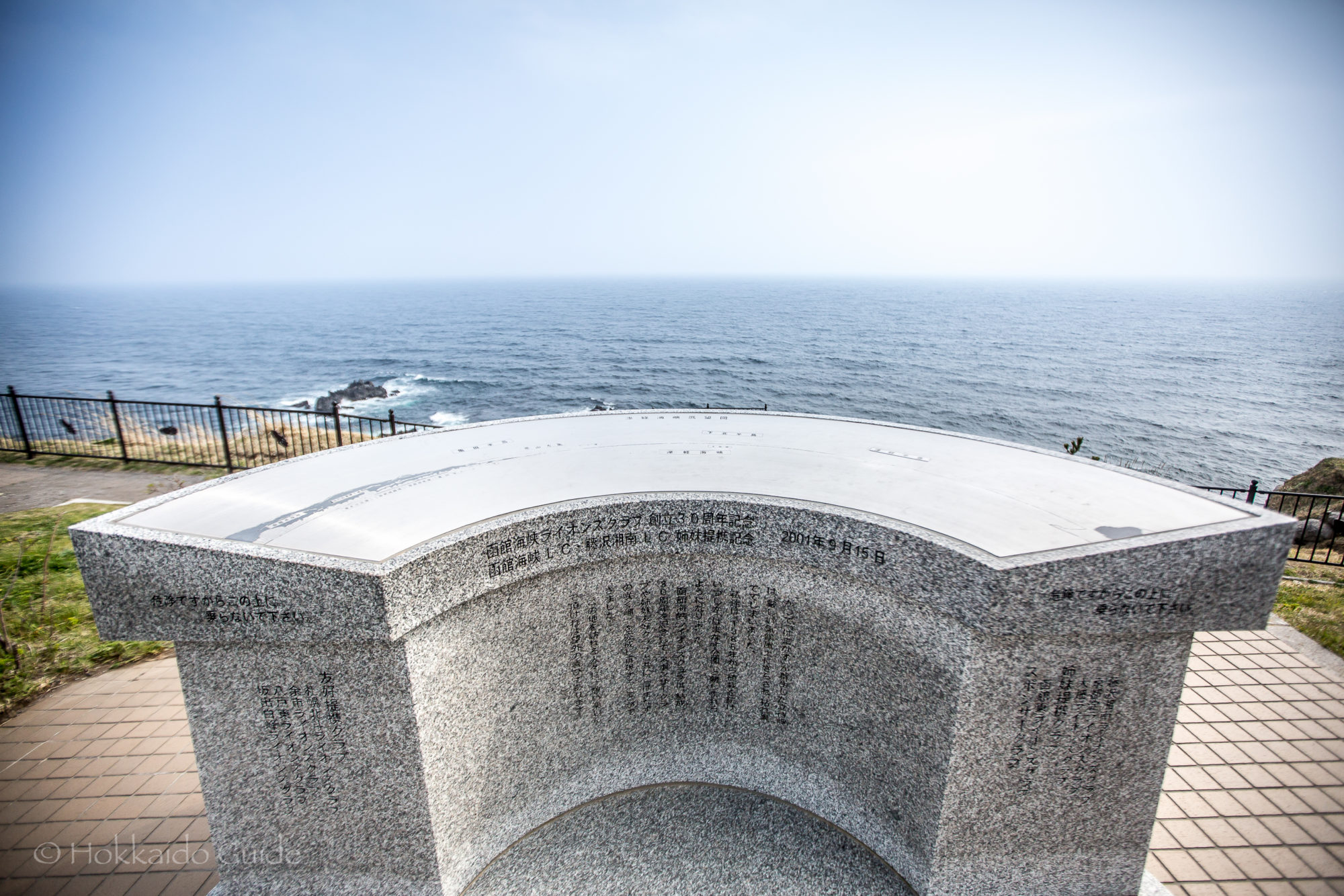
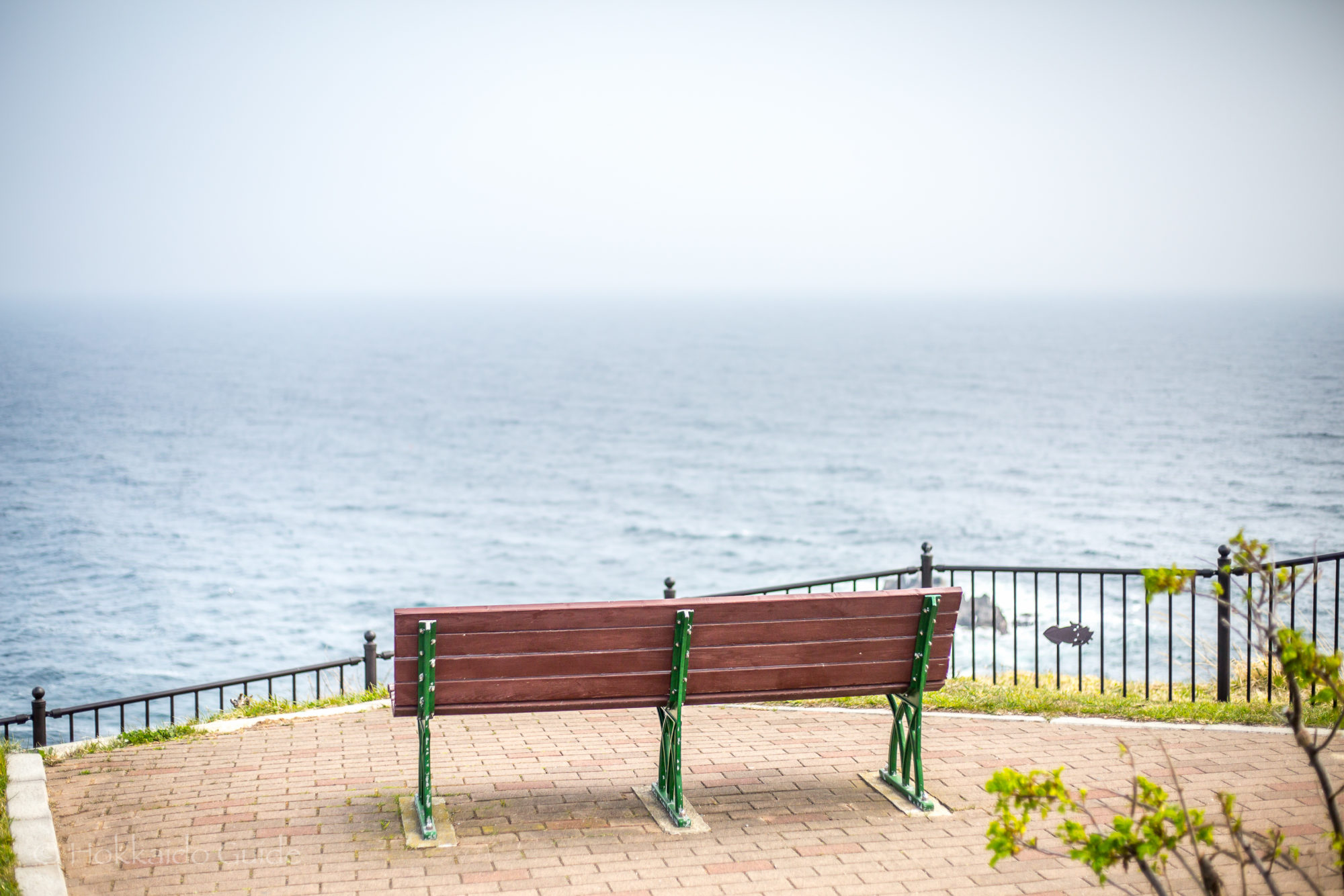
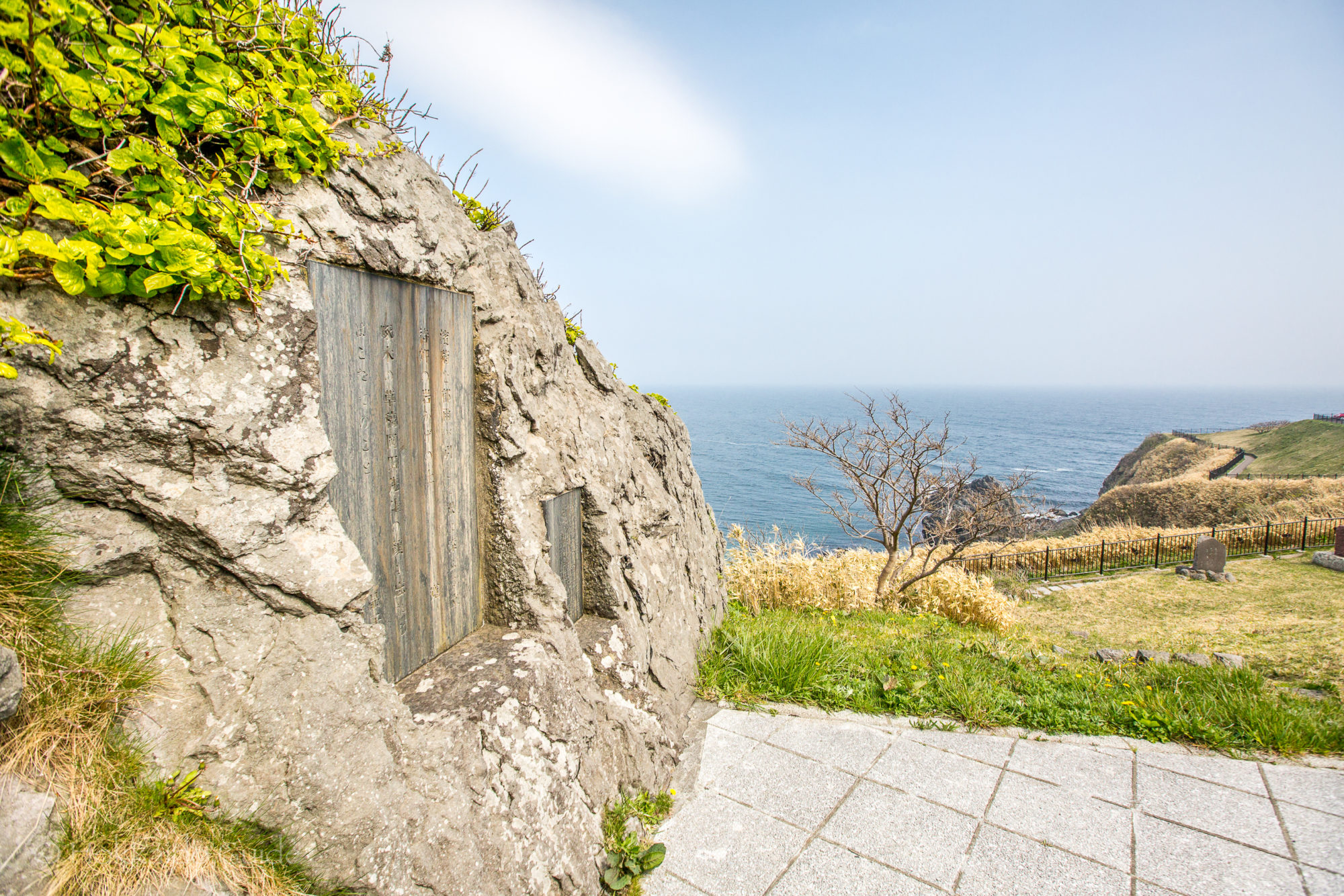
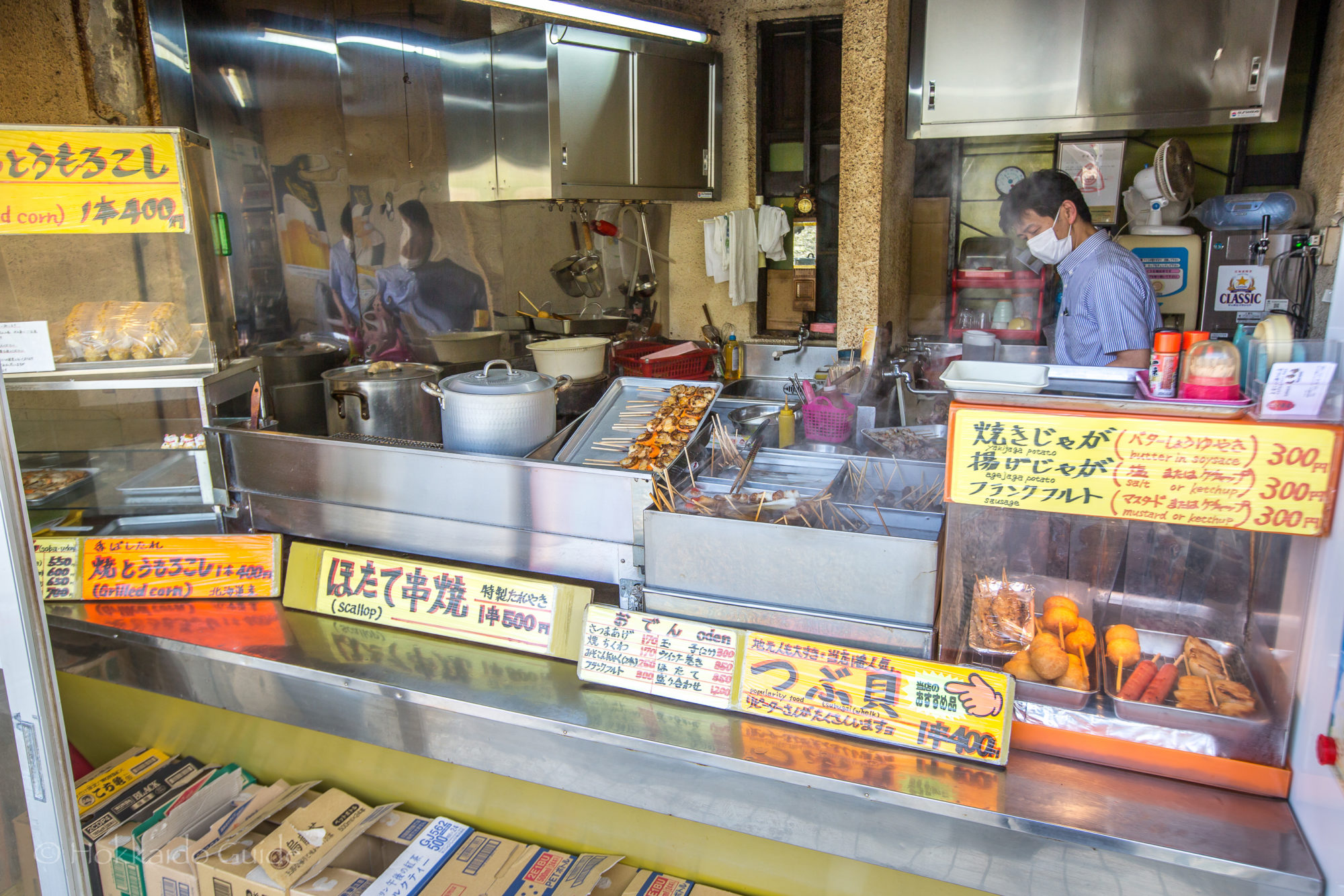
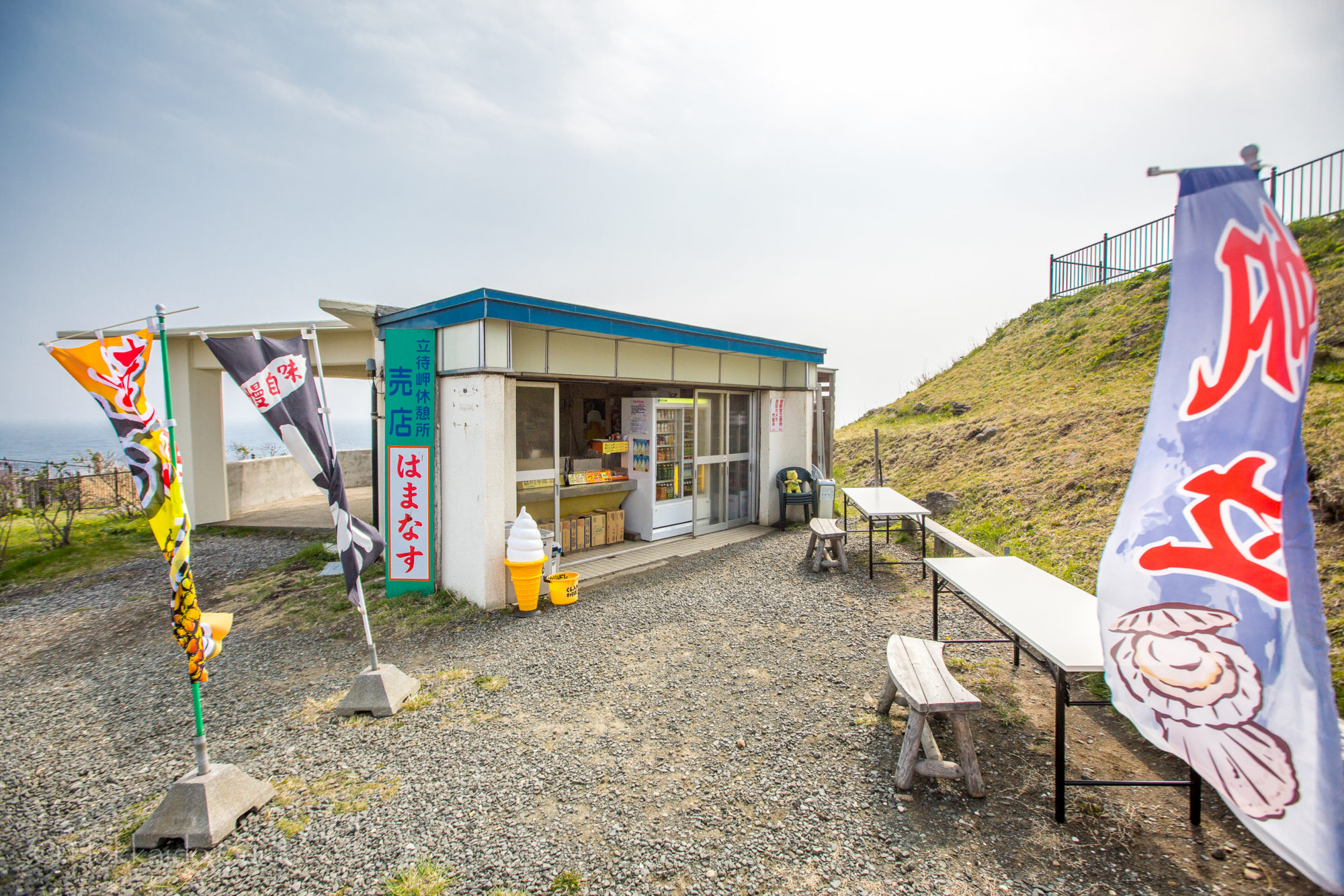
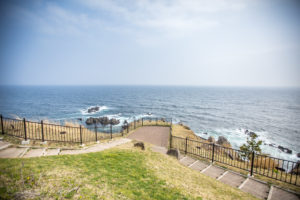 There is ample free parking here, though in the winter the parking may be closed from 16:00 during heavy snow in the winter. This spot is great to wander around, plus there are a couple of benches to take a seat and admire the views. There is a small food stall on the cape. They sell scallops, grilled corn, oden, potatoes and some local seafood sticks. All costing around ¥300. Other points of interest include monuments to Okada Kenzo, which is close by. Okada Kenzo was the founder and first director of the Hakodate Municipal Library.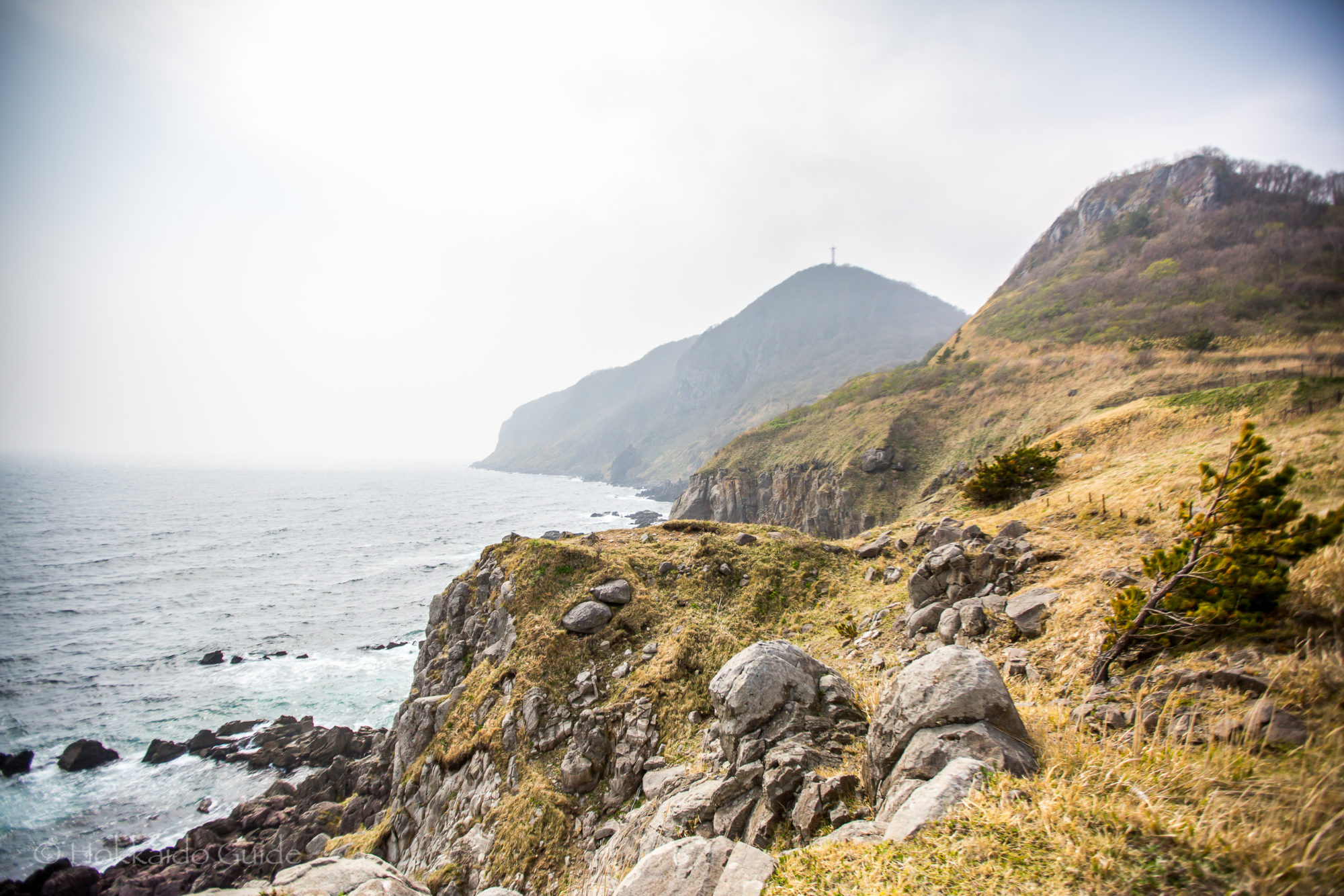
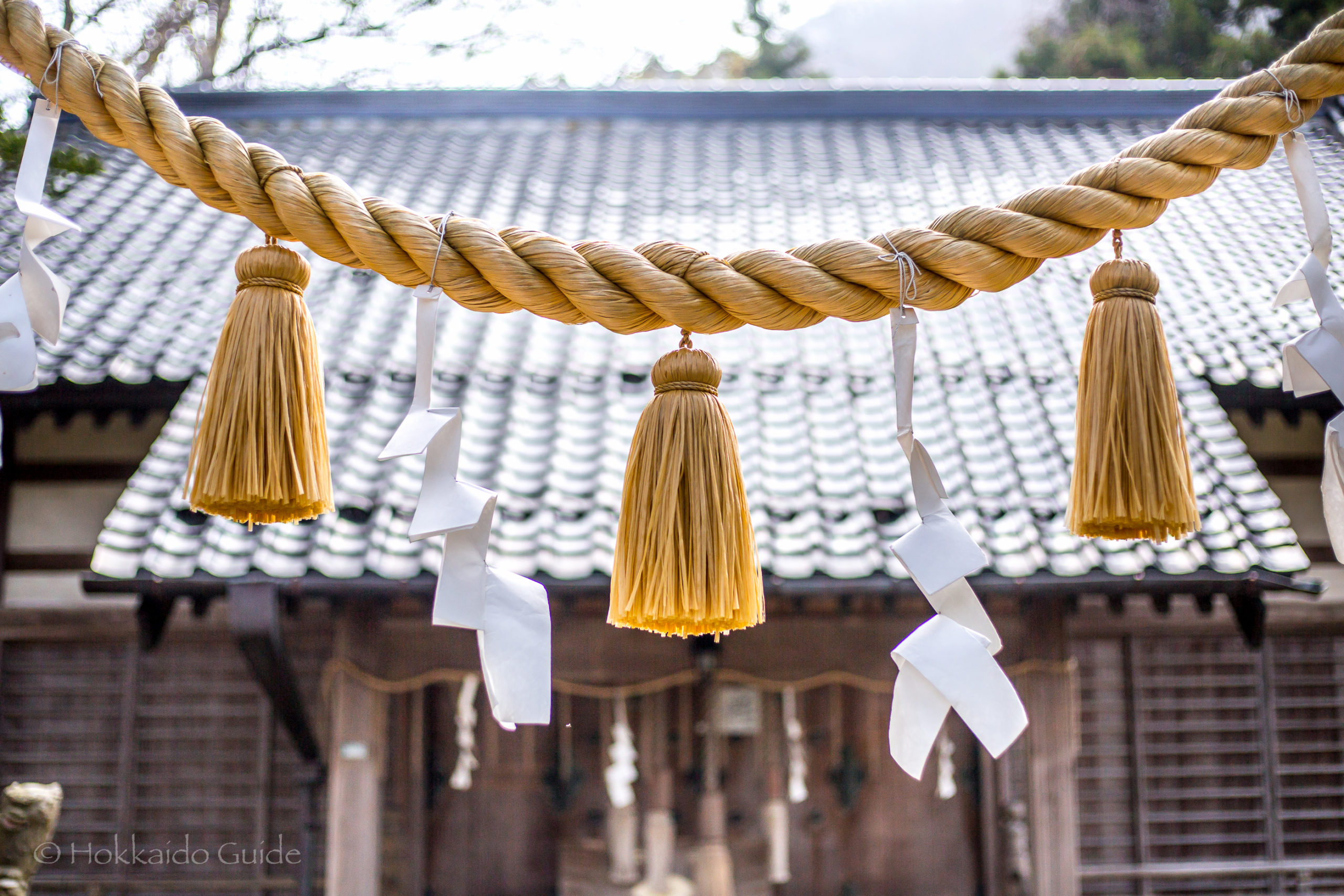
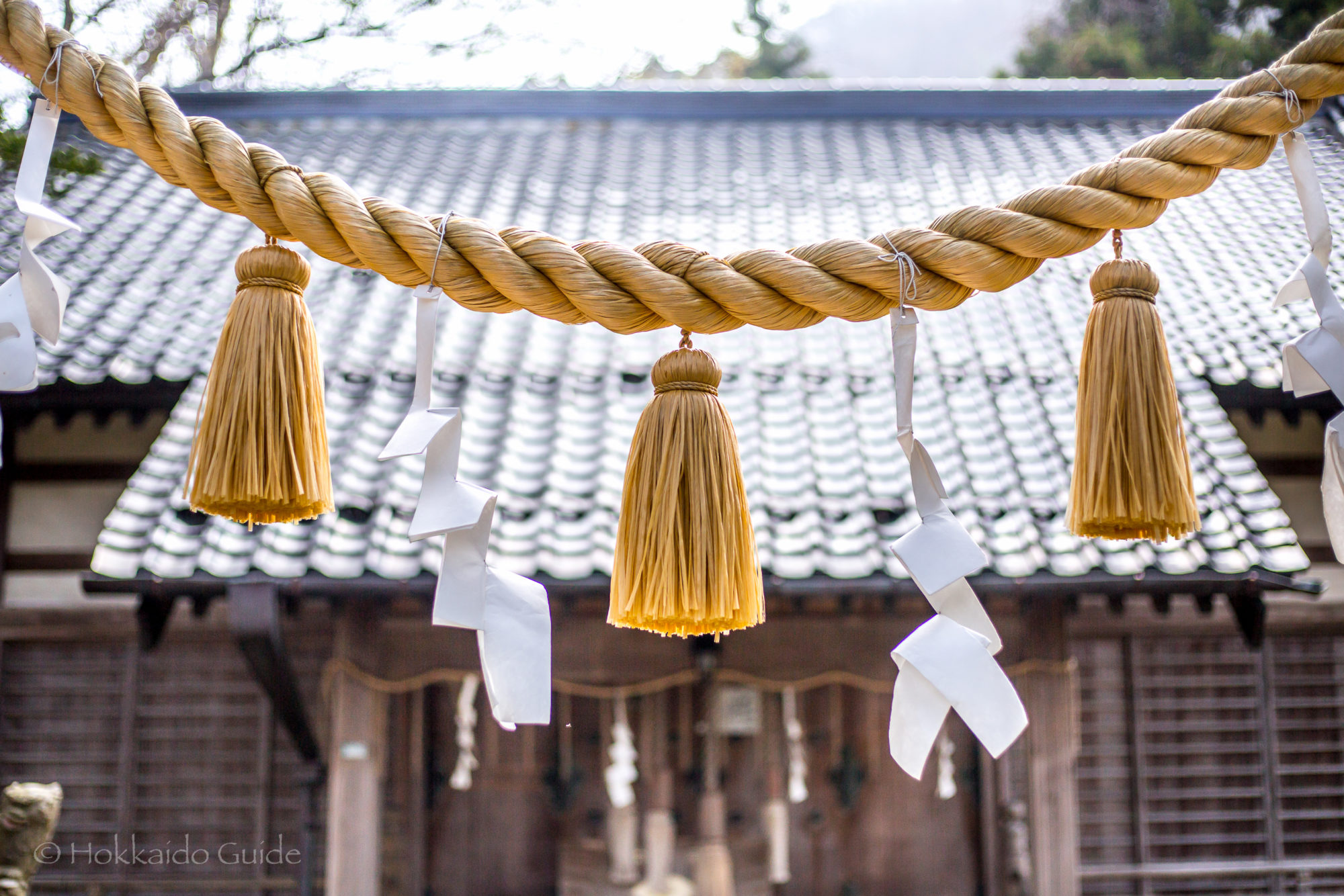
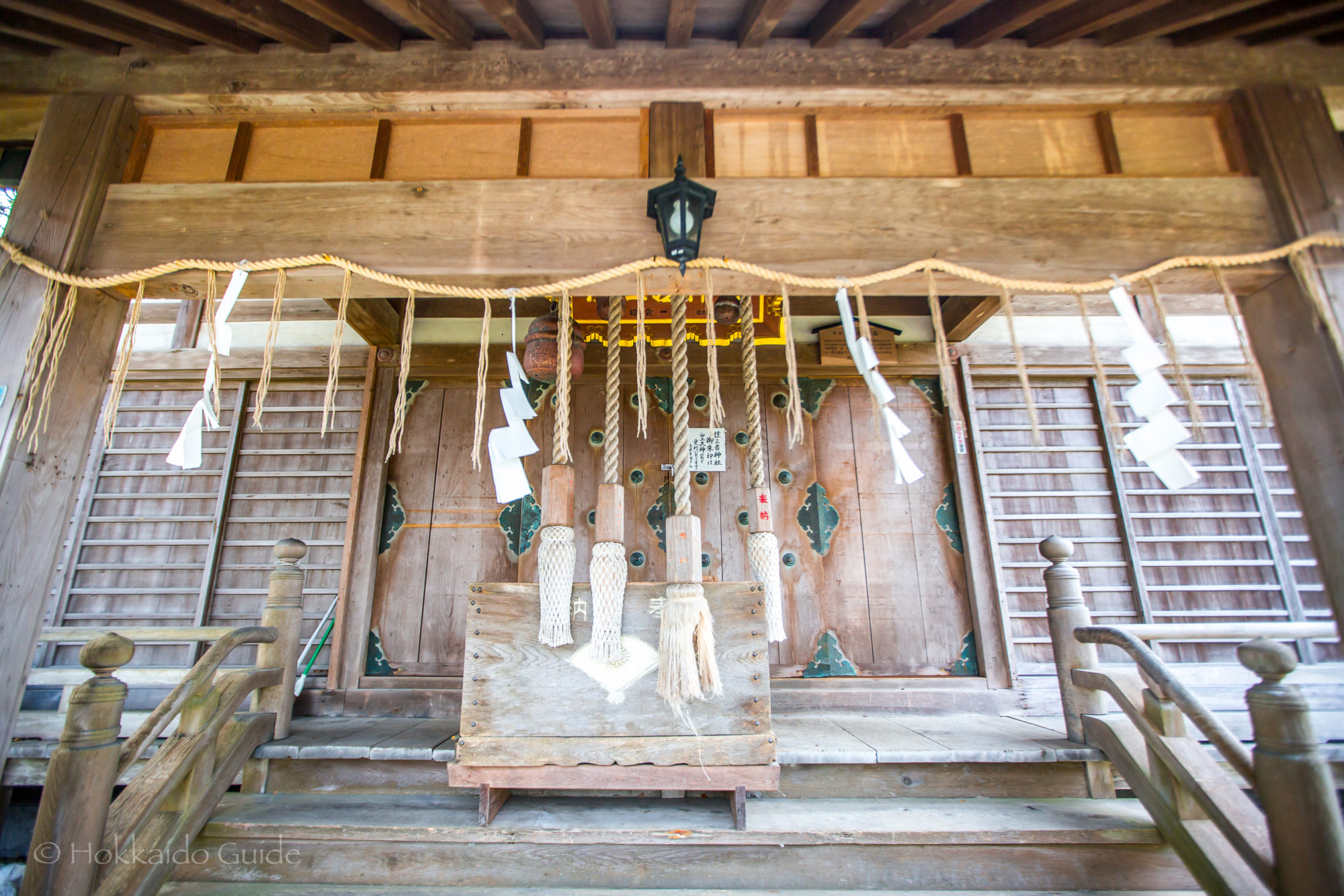
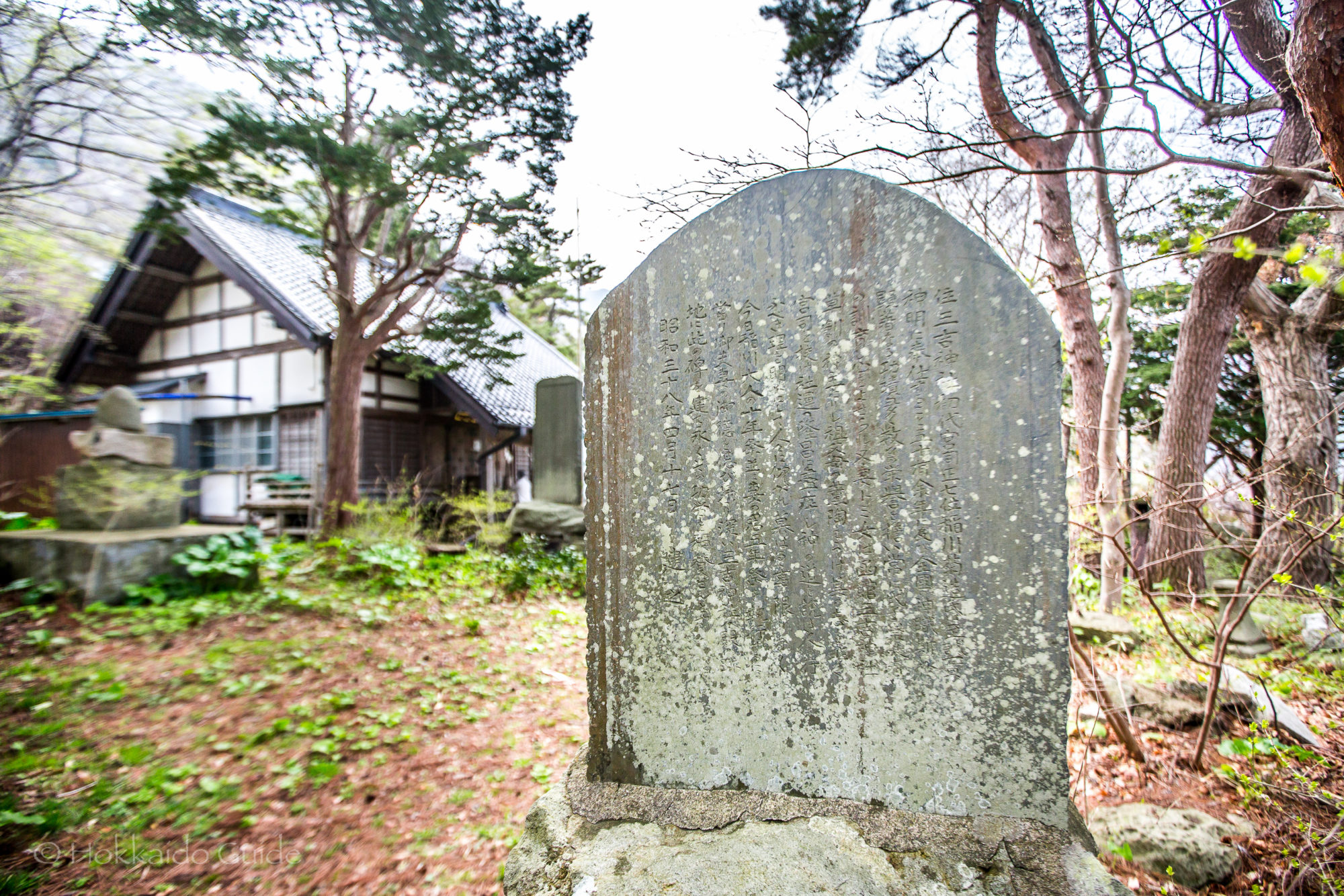
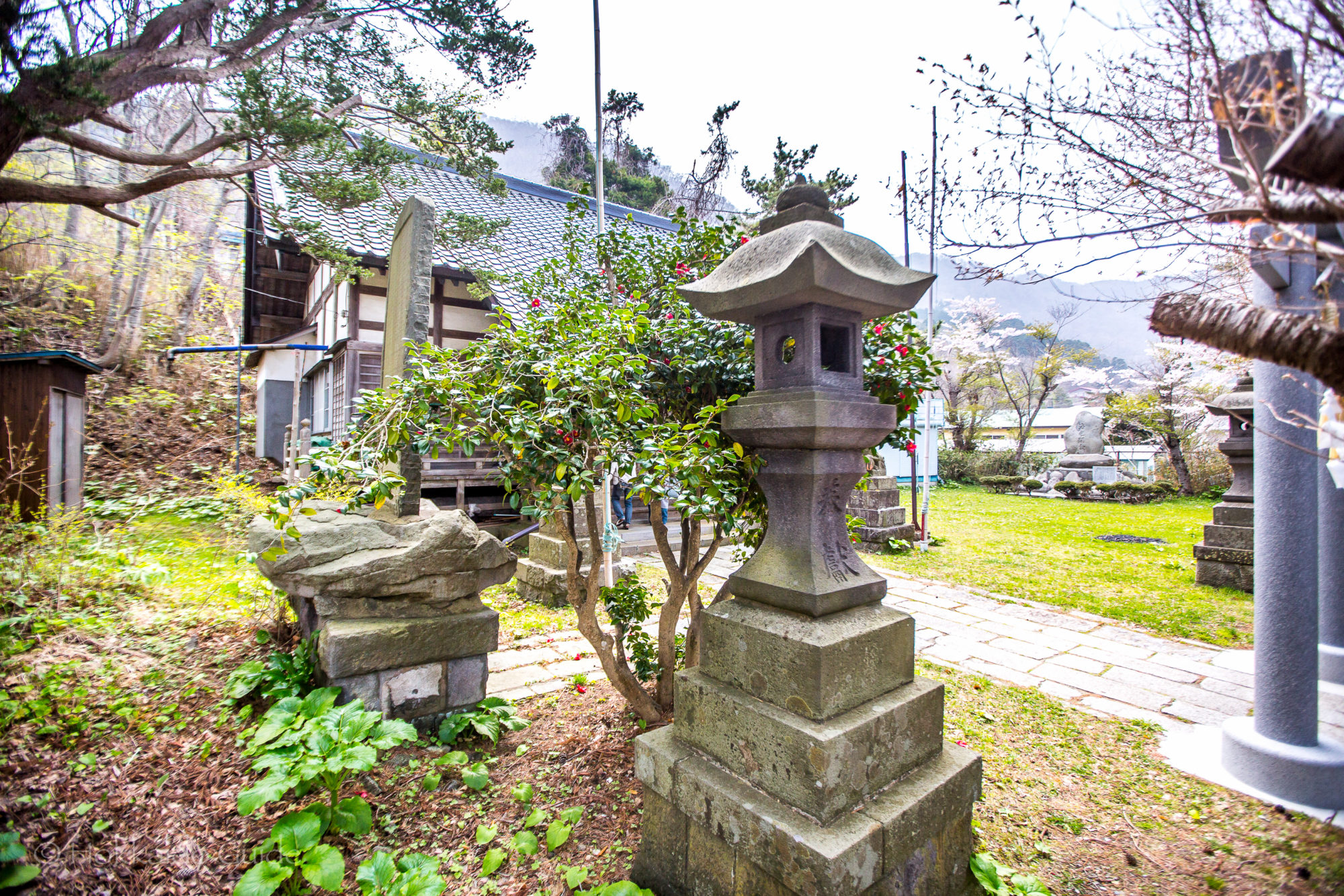
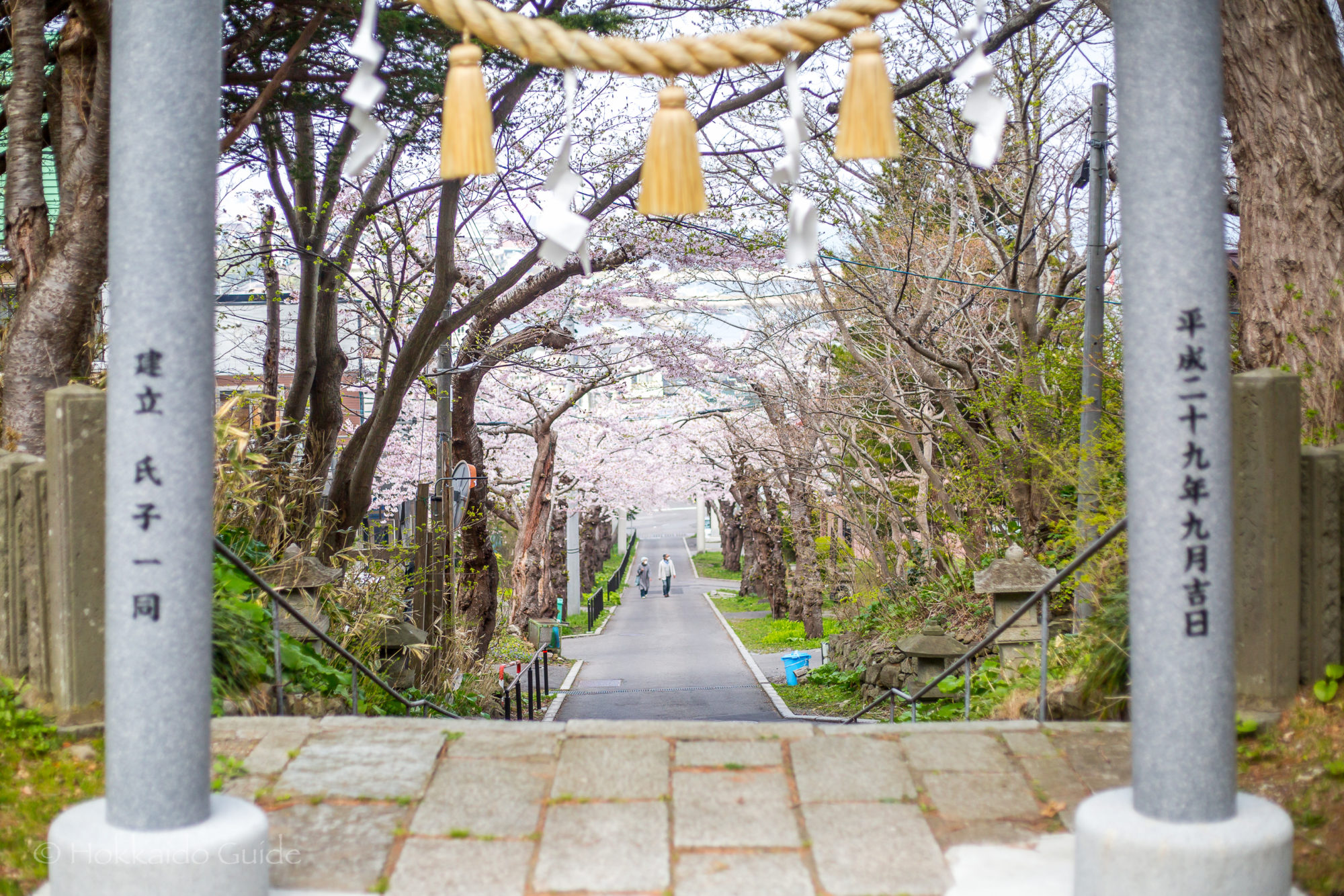
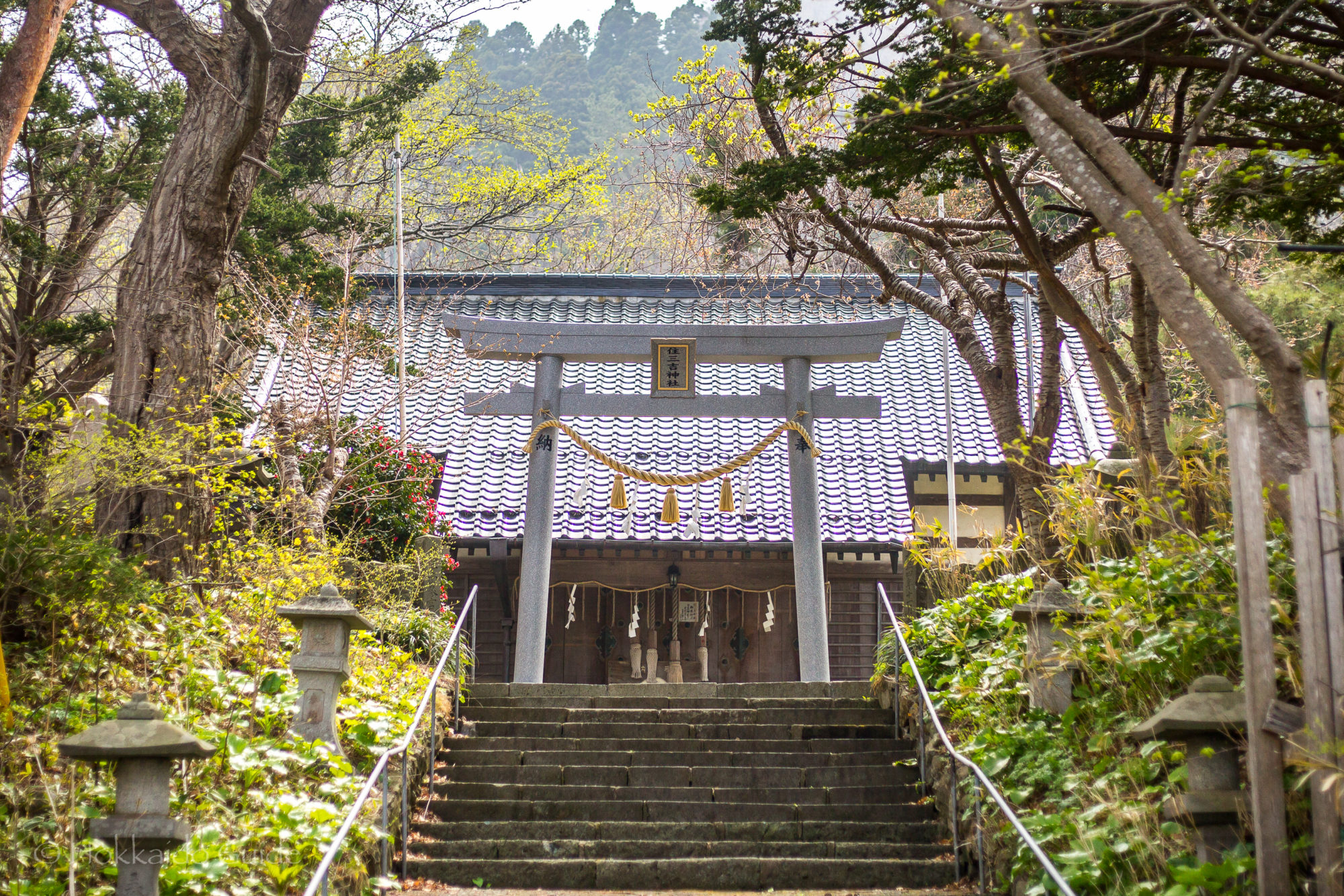
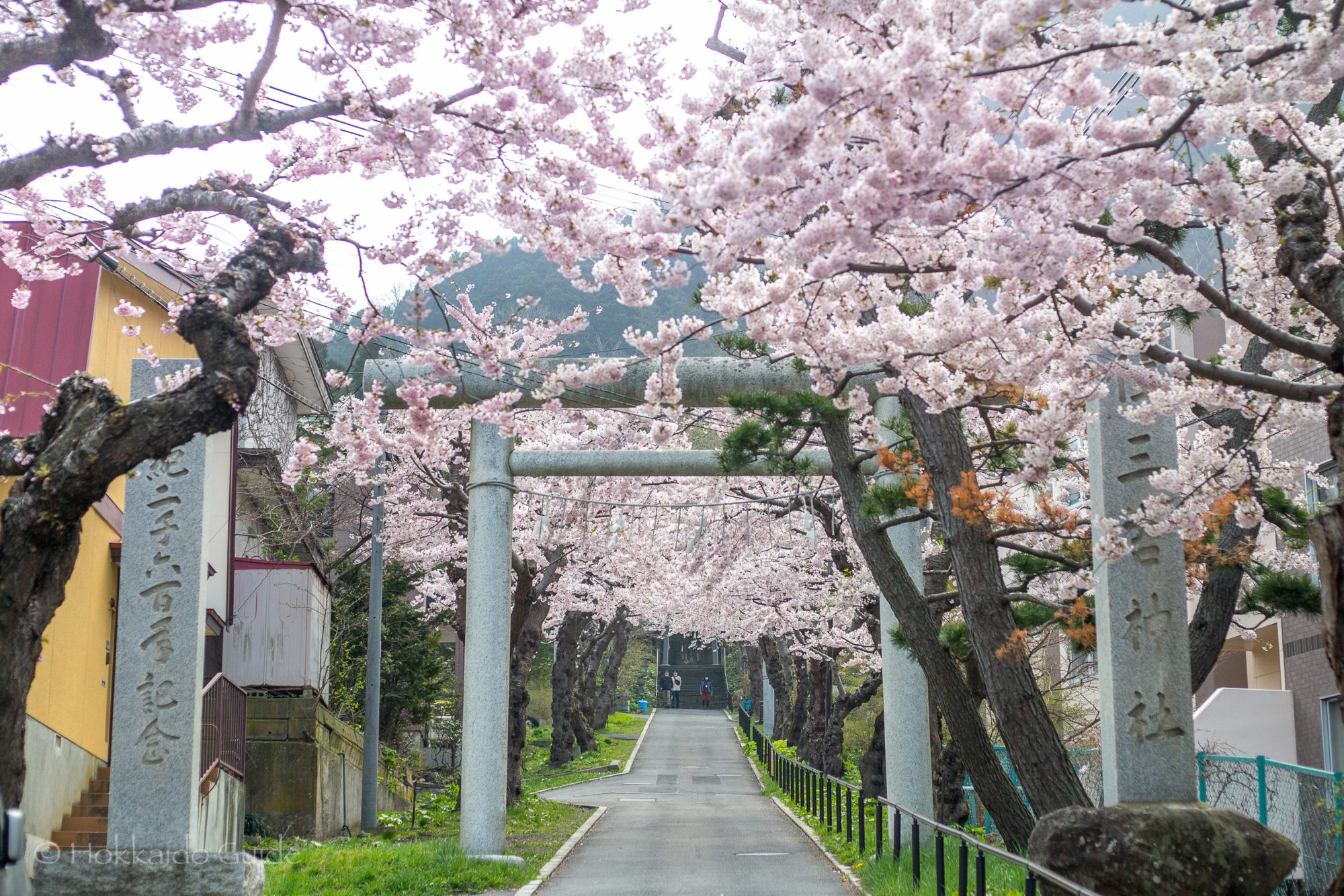
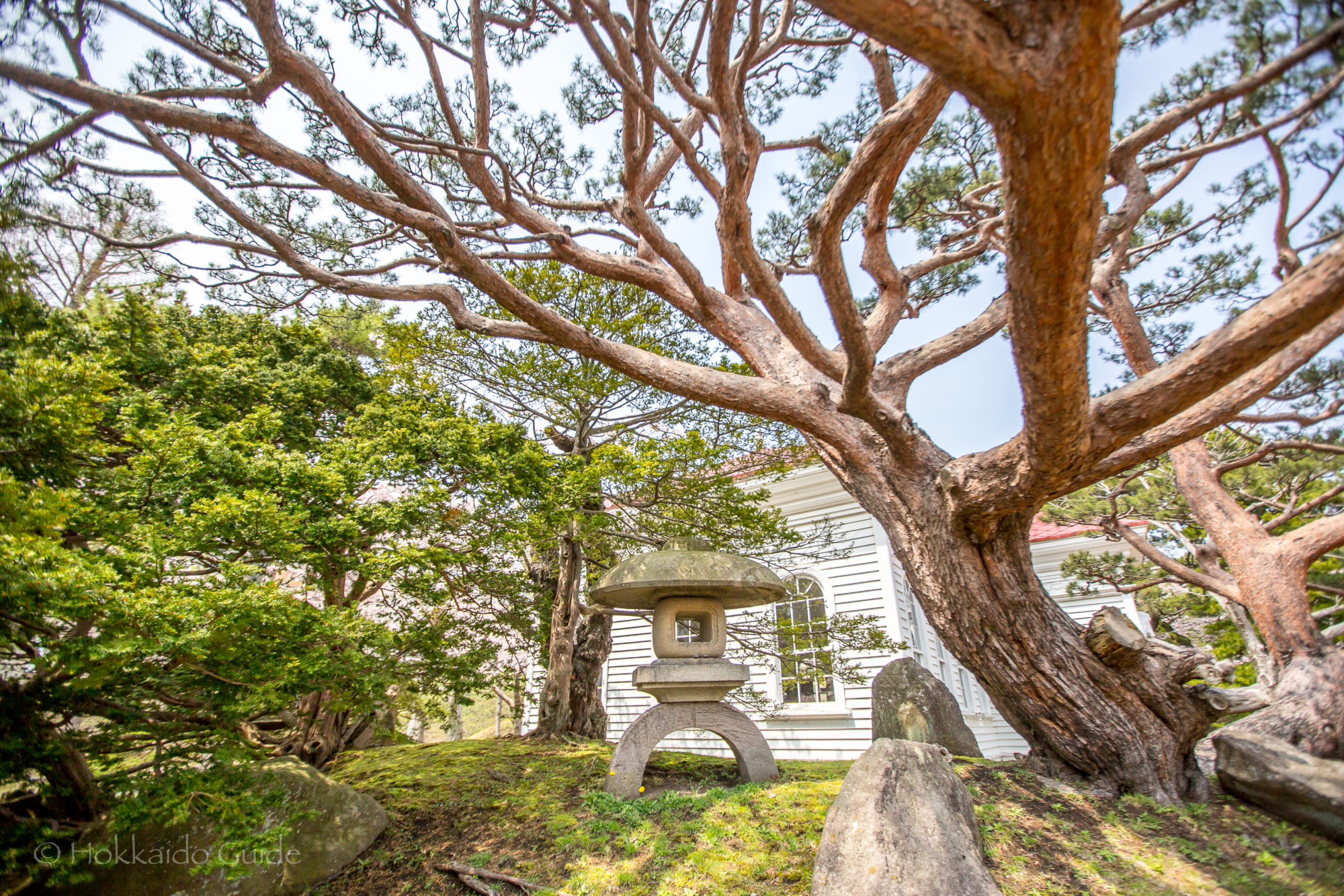
 Sumiyoshi Shrine is a shinto shrine in Hakodate. It is located on the cape near the base of Mt. Hakodate. It is not a far walk from the ocean, on the eastern side of the headland. The founding date of the shrine is unknown, however according to local stories passed down, the shrine was built during the Kamakura period, which was established in 1192 (bringing the start of the samurai). The shrine (known then as Miyoshi Shrine), was rebuilt 600 years later during the An’ei era. The shrine was then rebuilt again in its current location, after it was burnt down in a great fire in 1937. The shrine was renamed Sumiyoshi Shrine.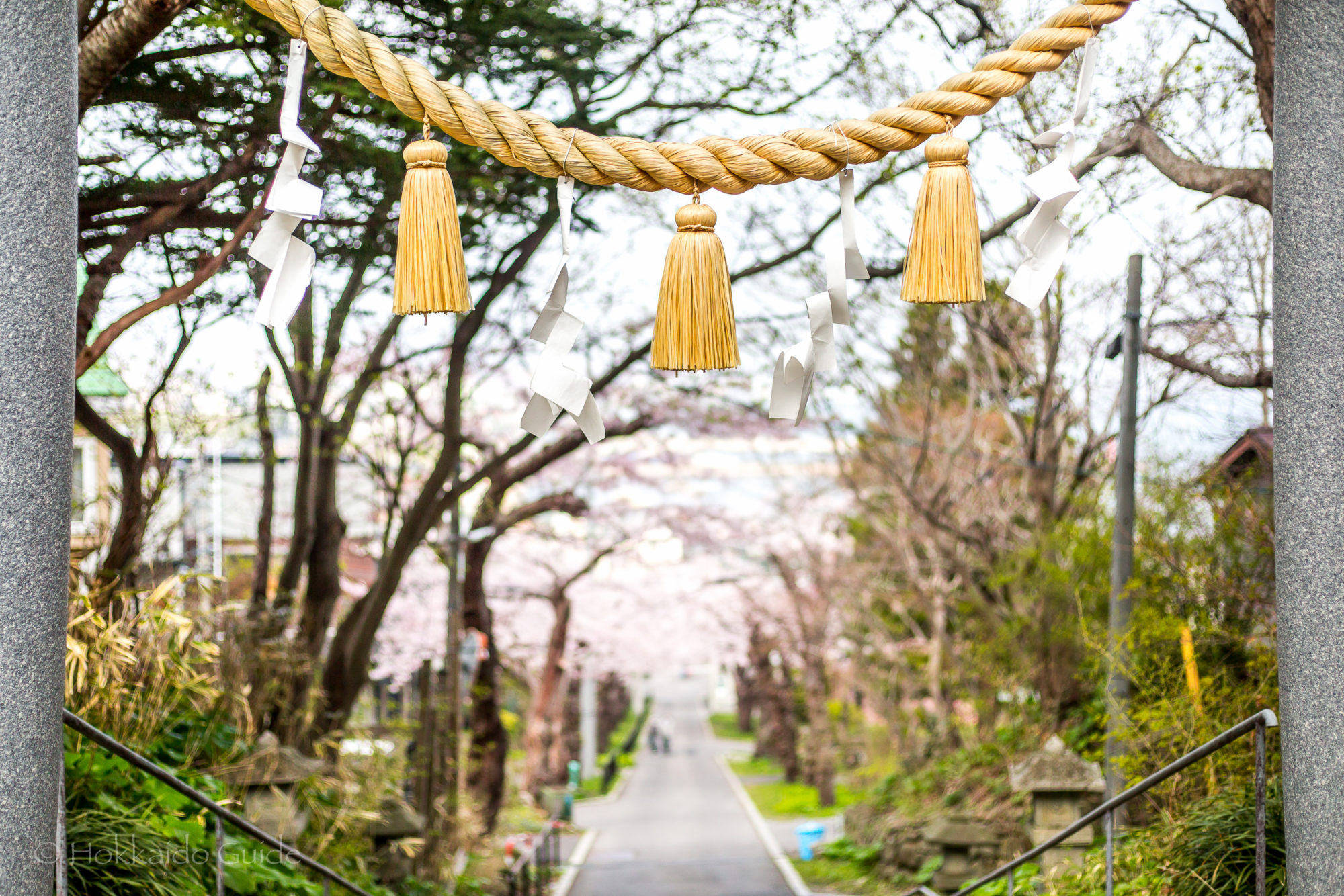
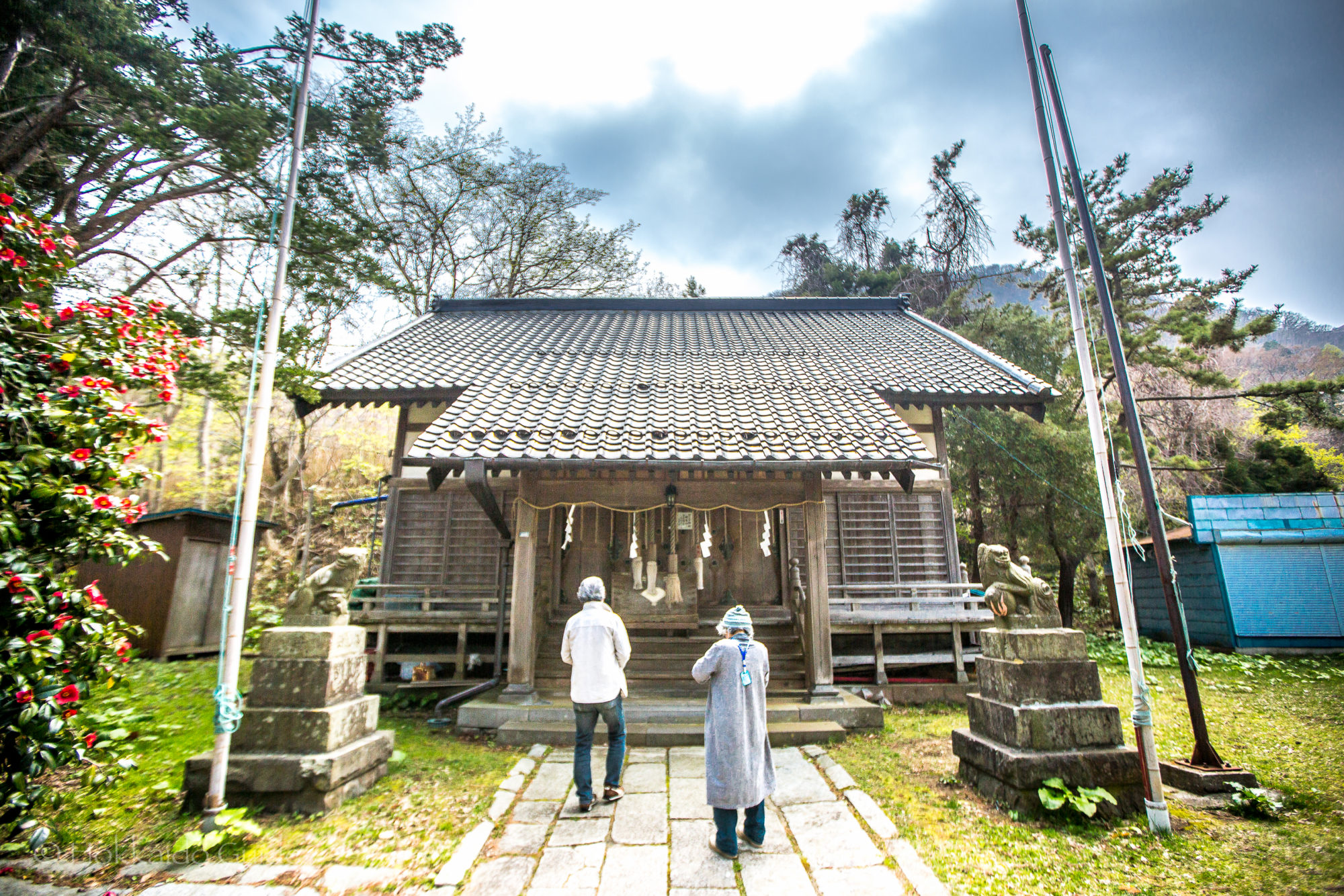
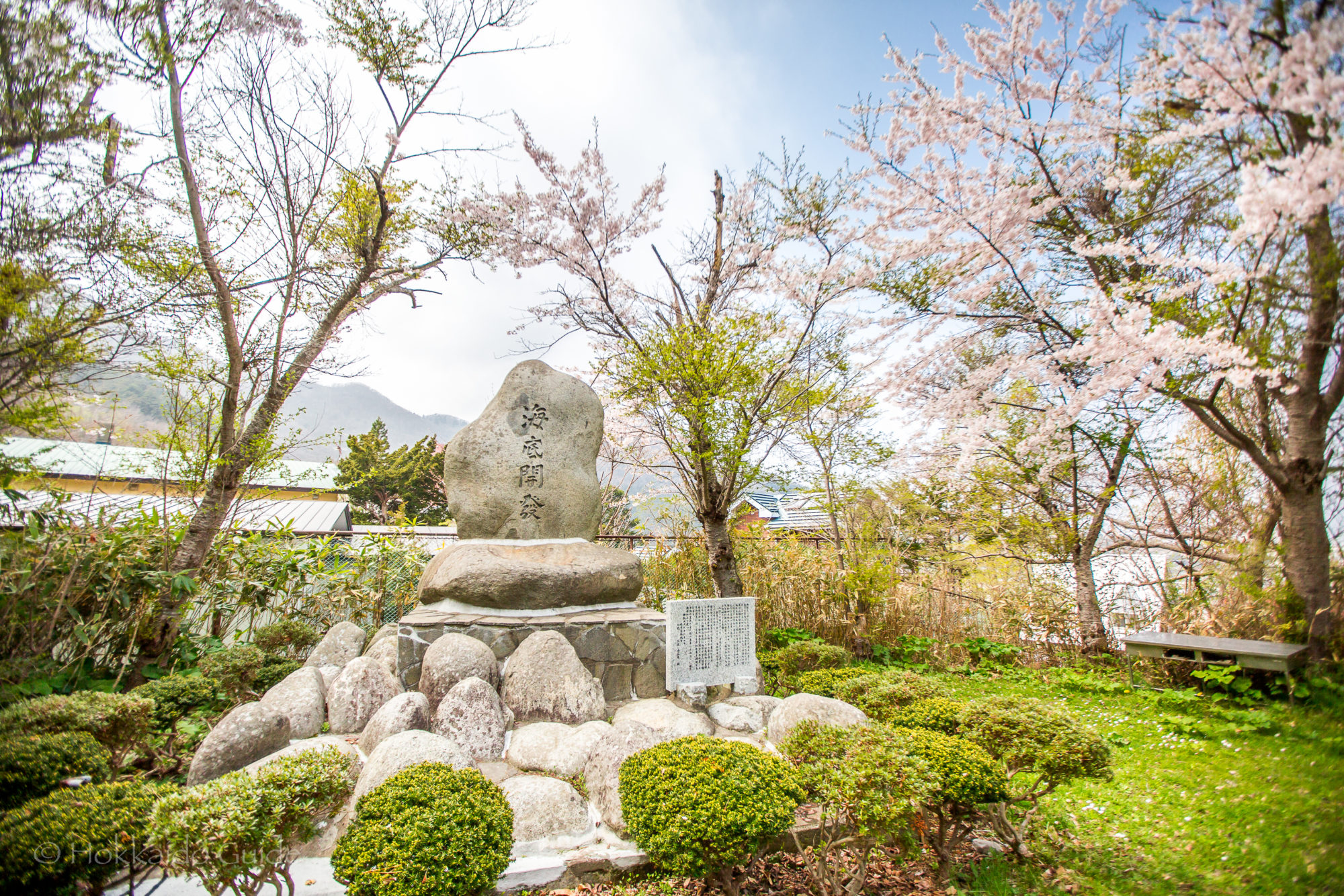
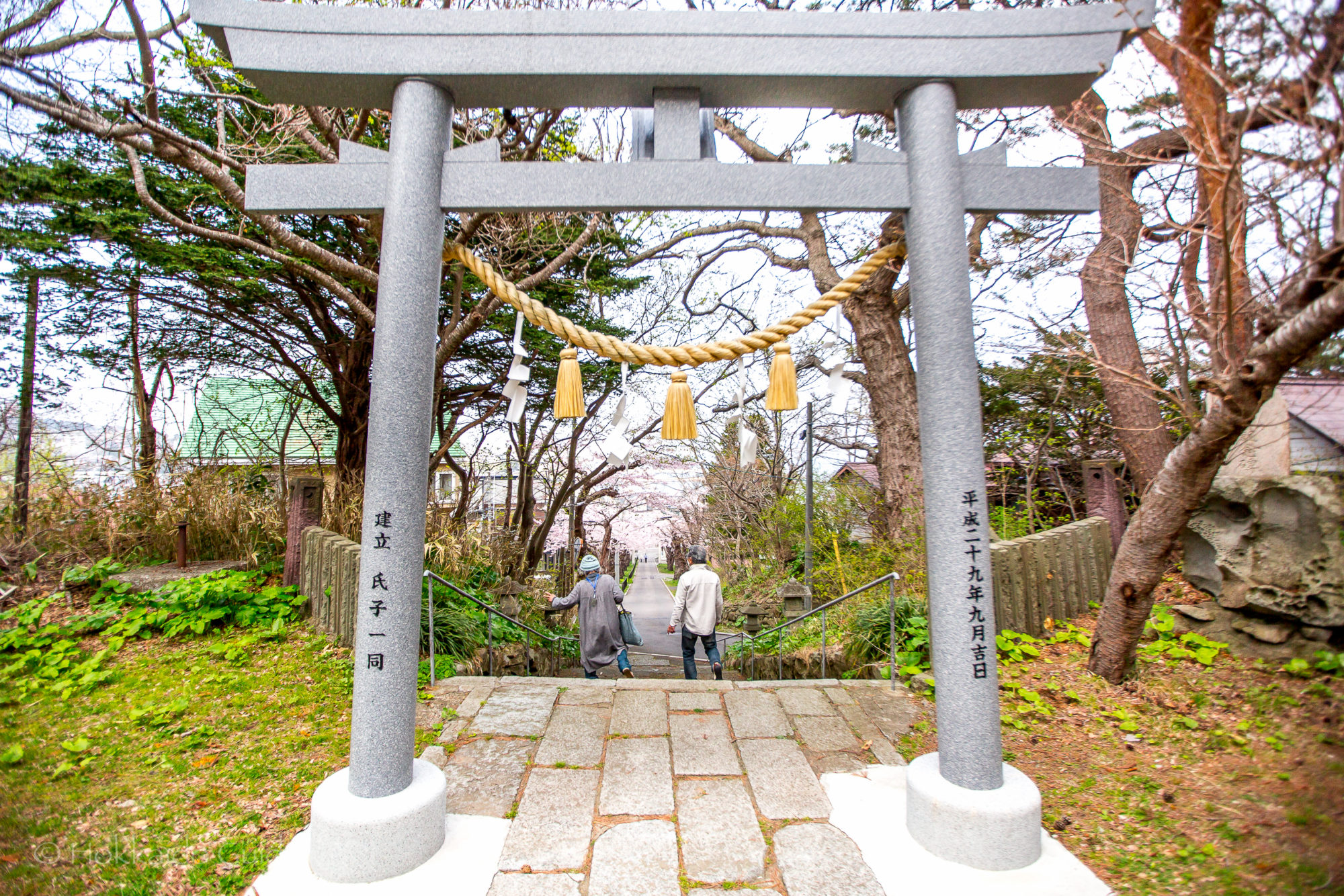
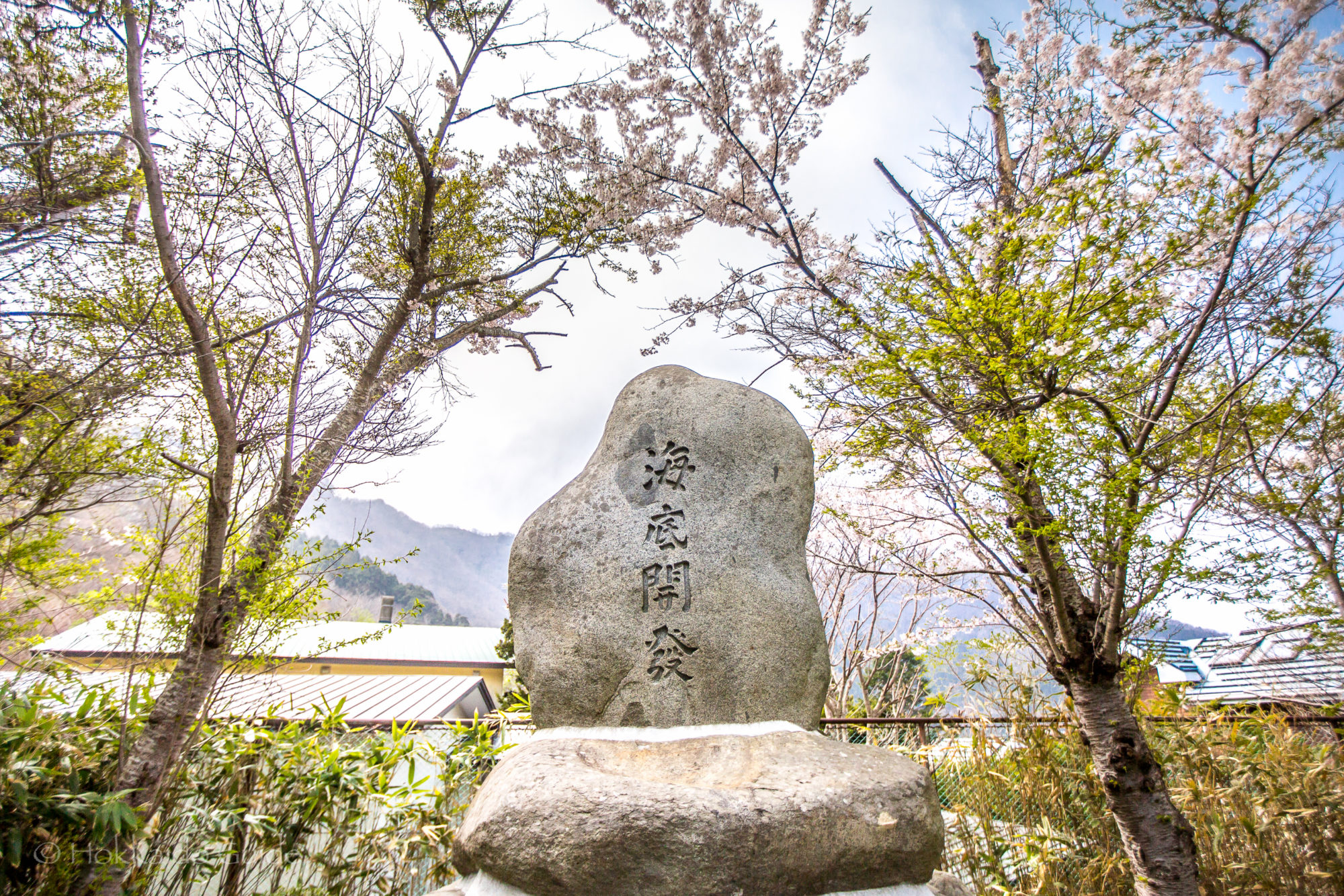
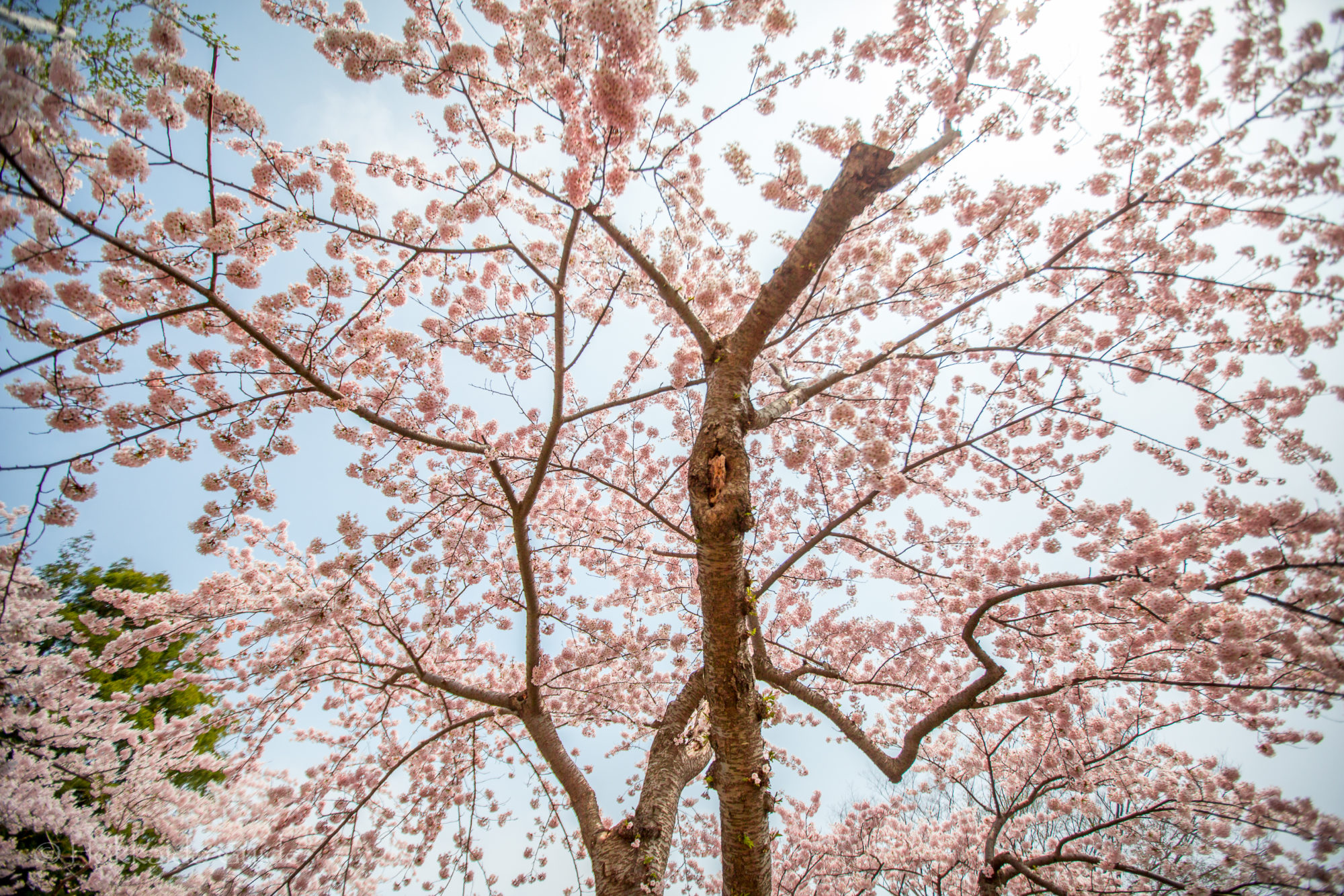
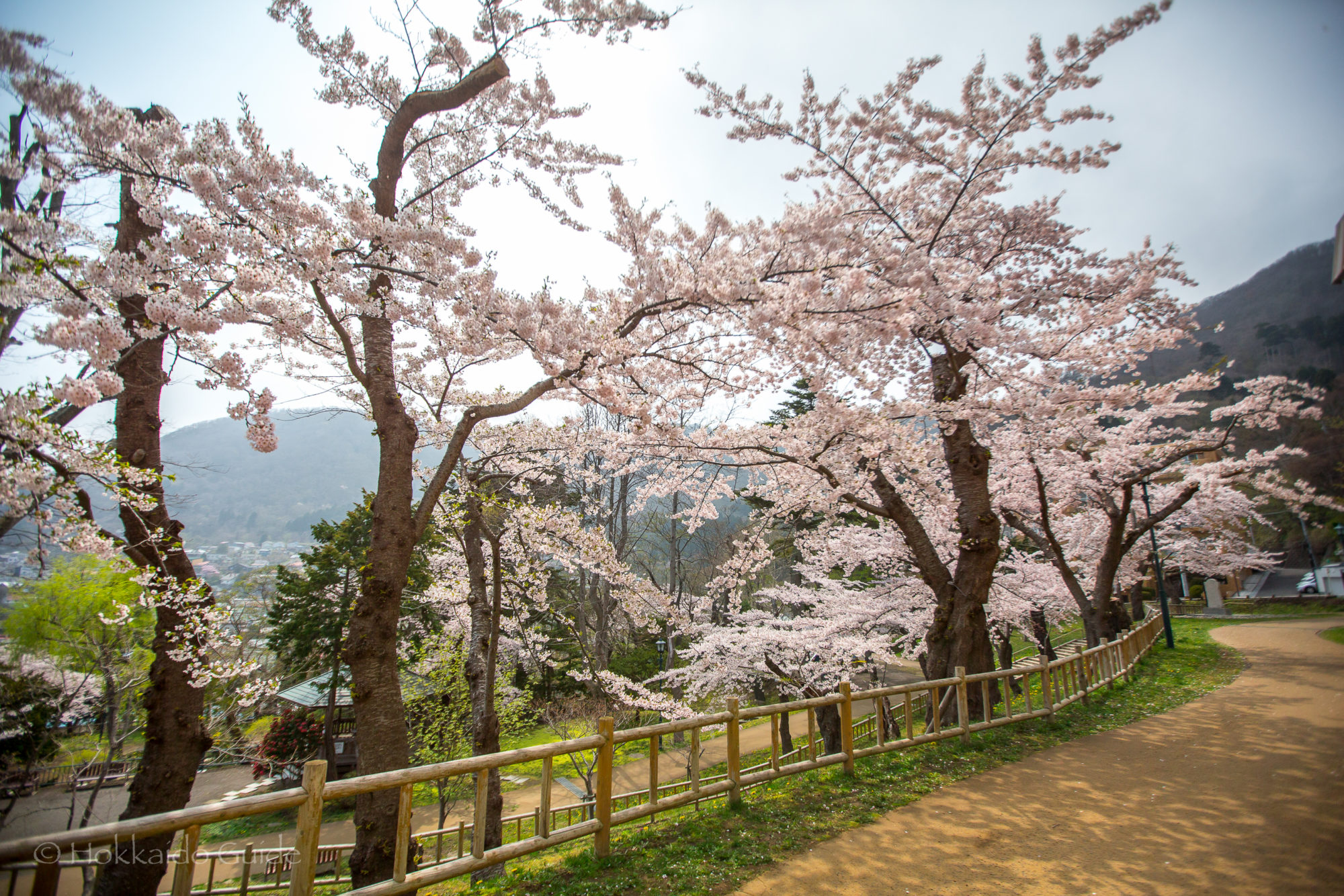
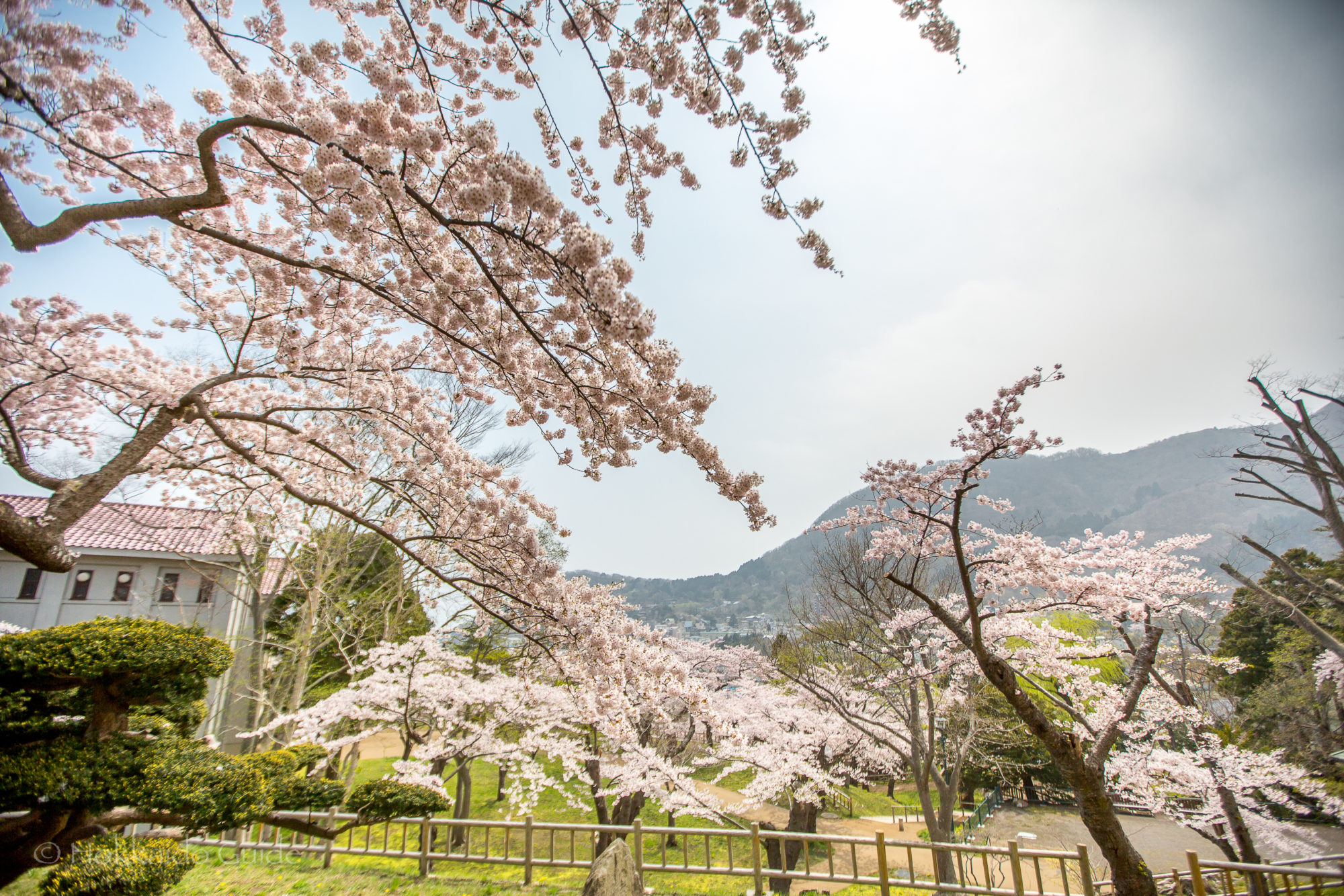
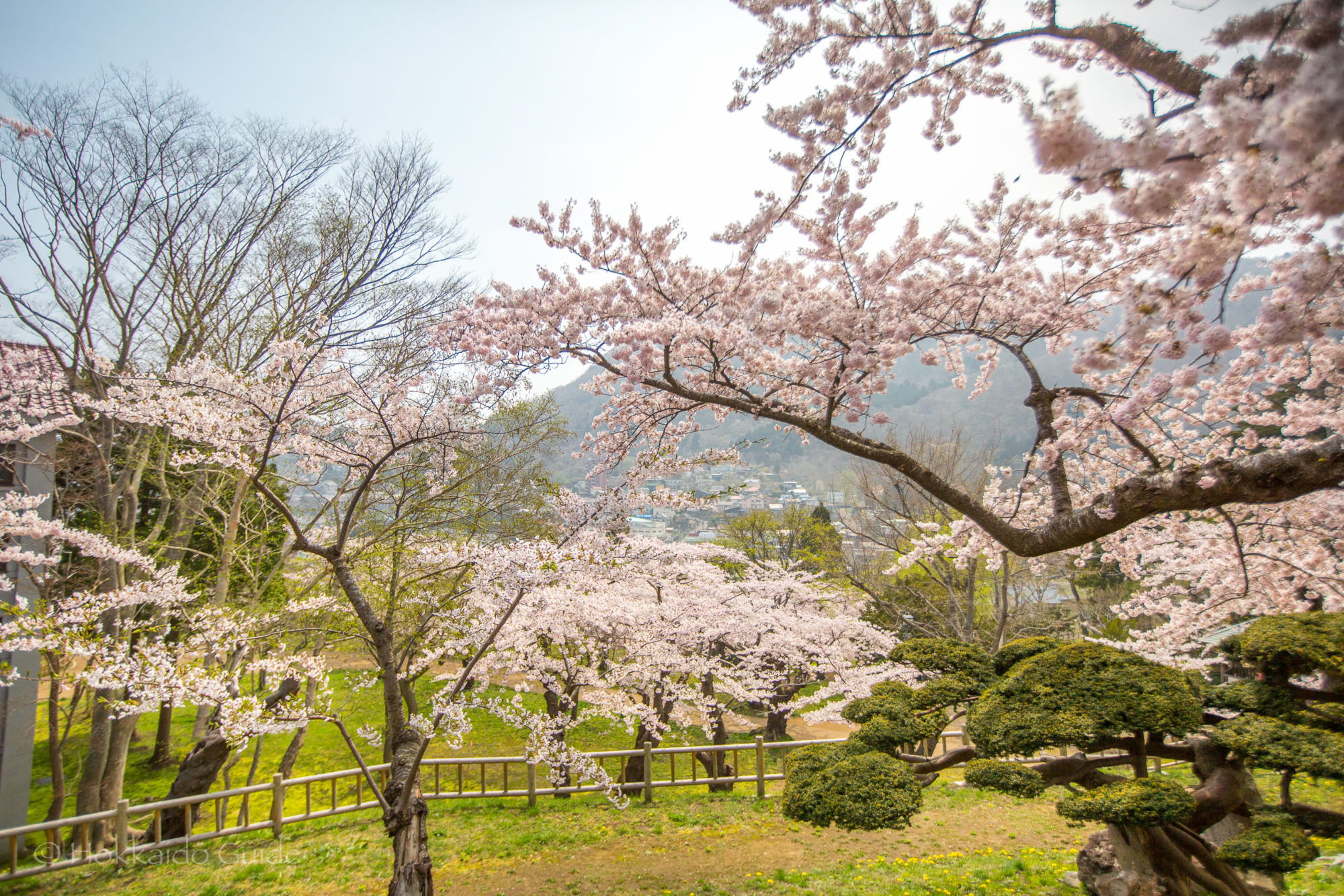
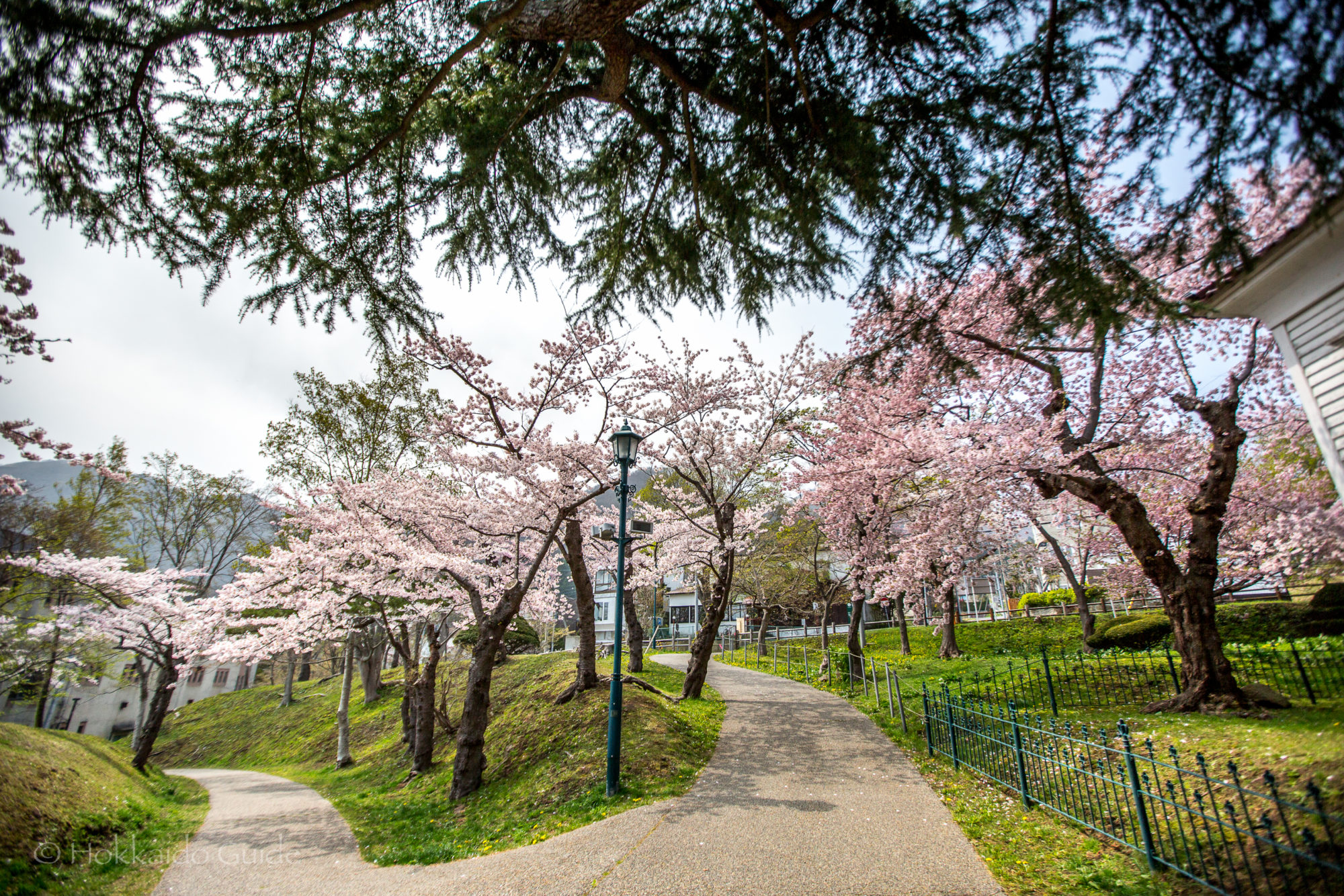
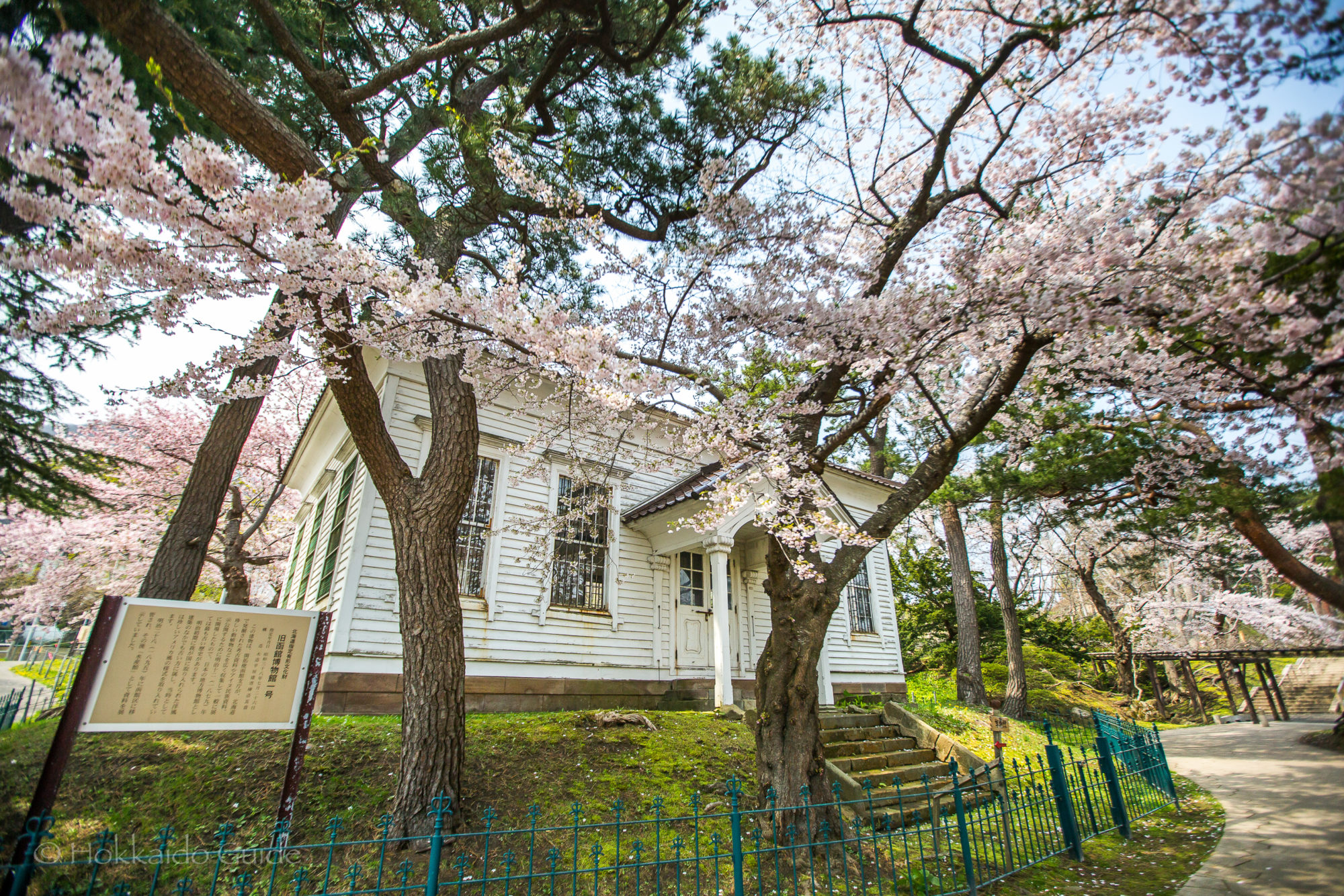
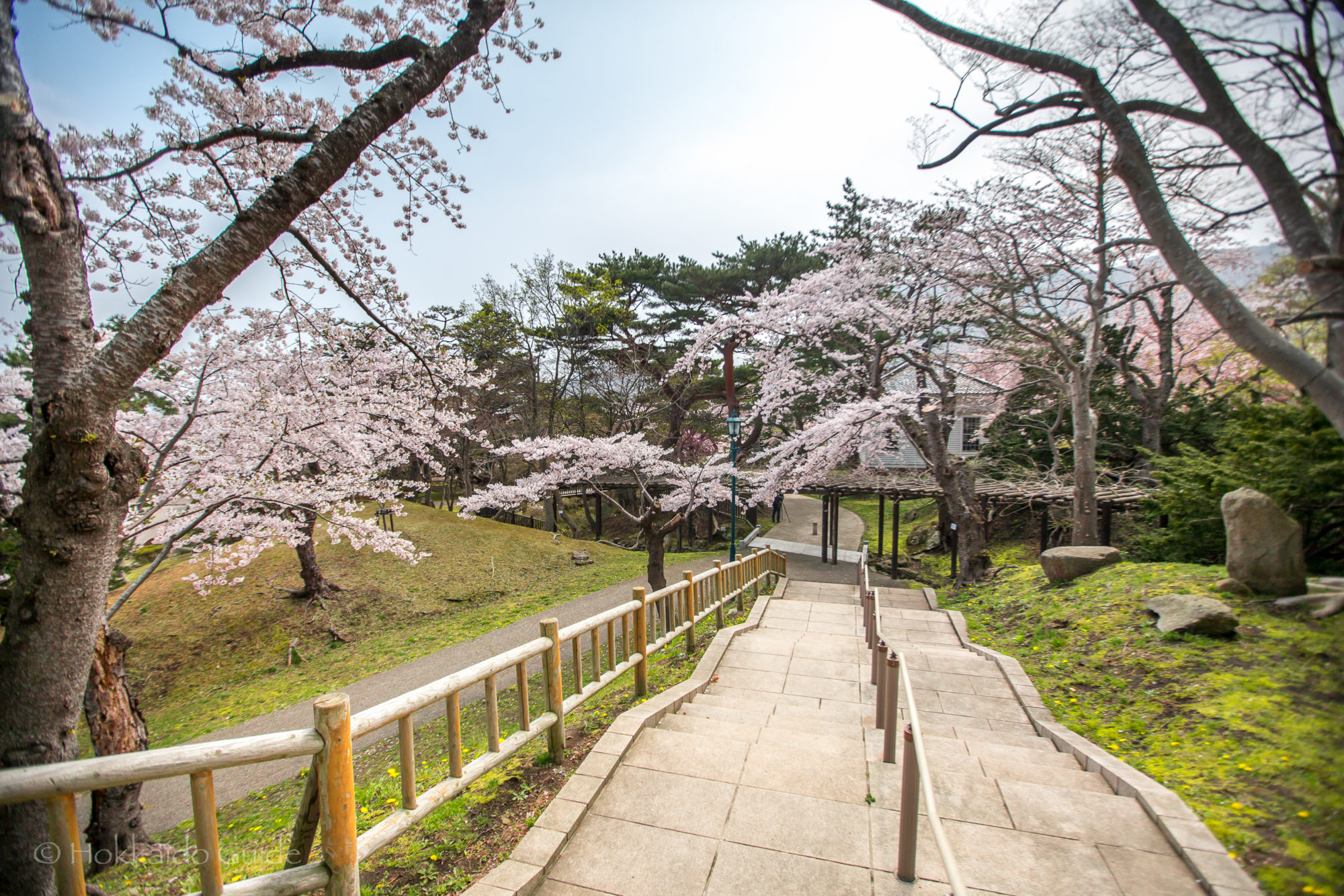
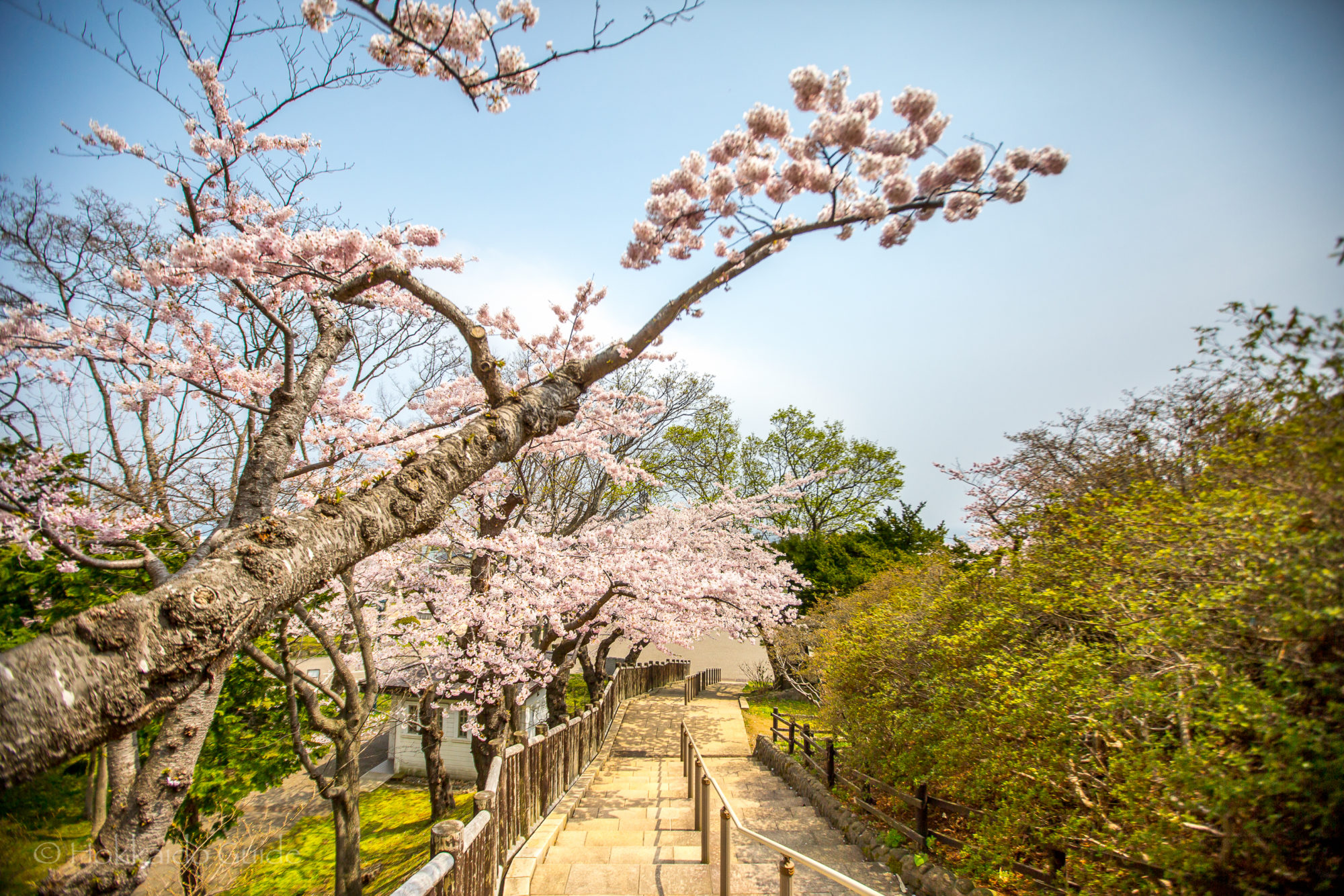
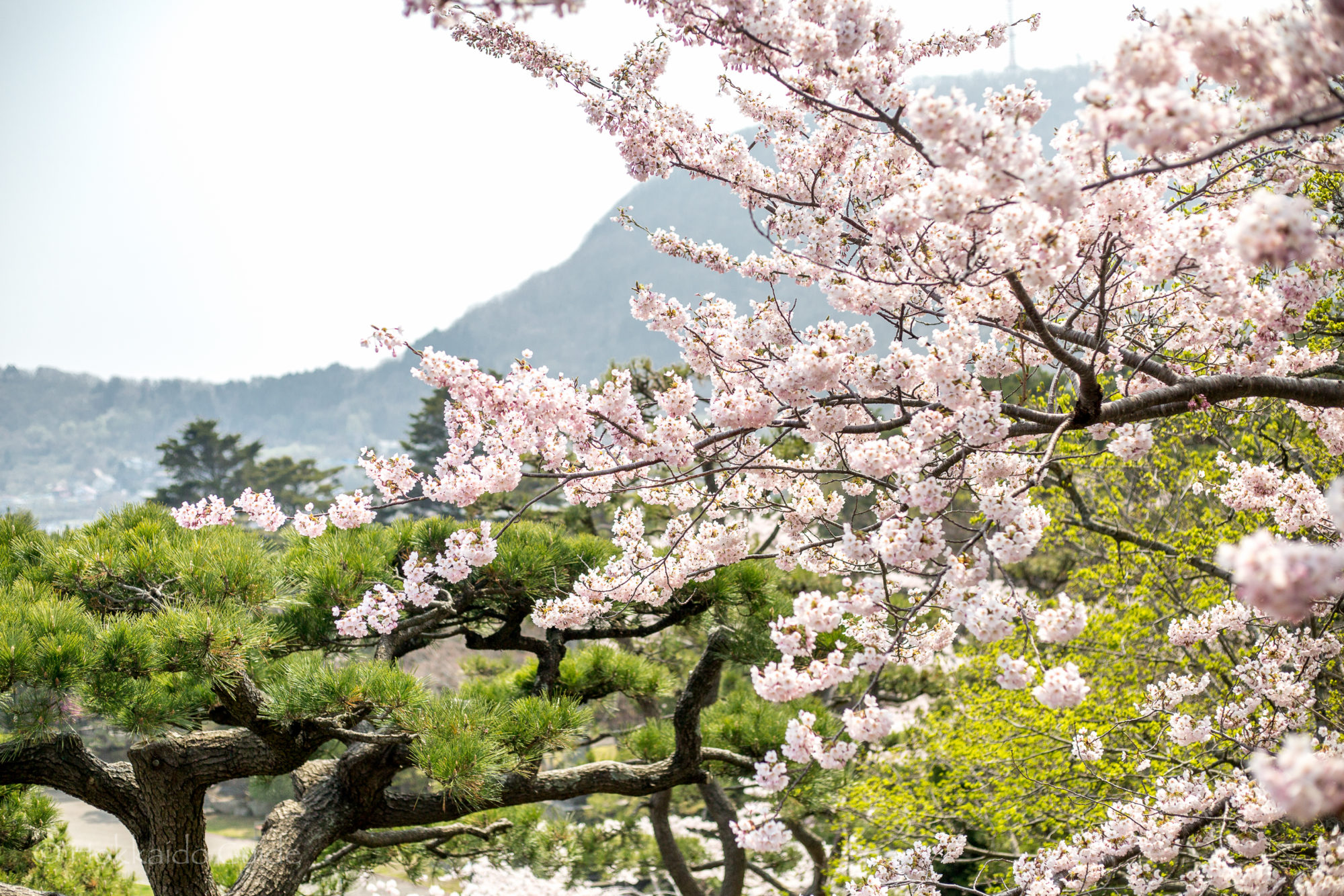
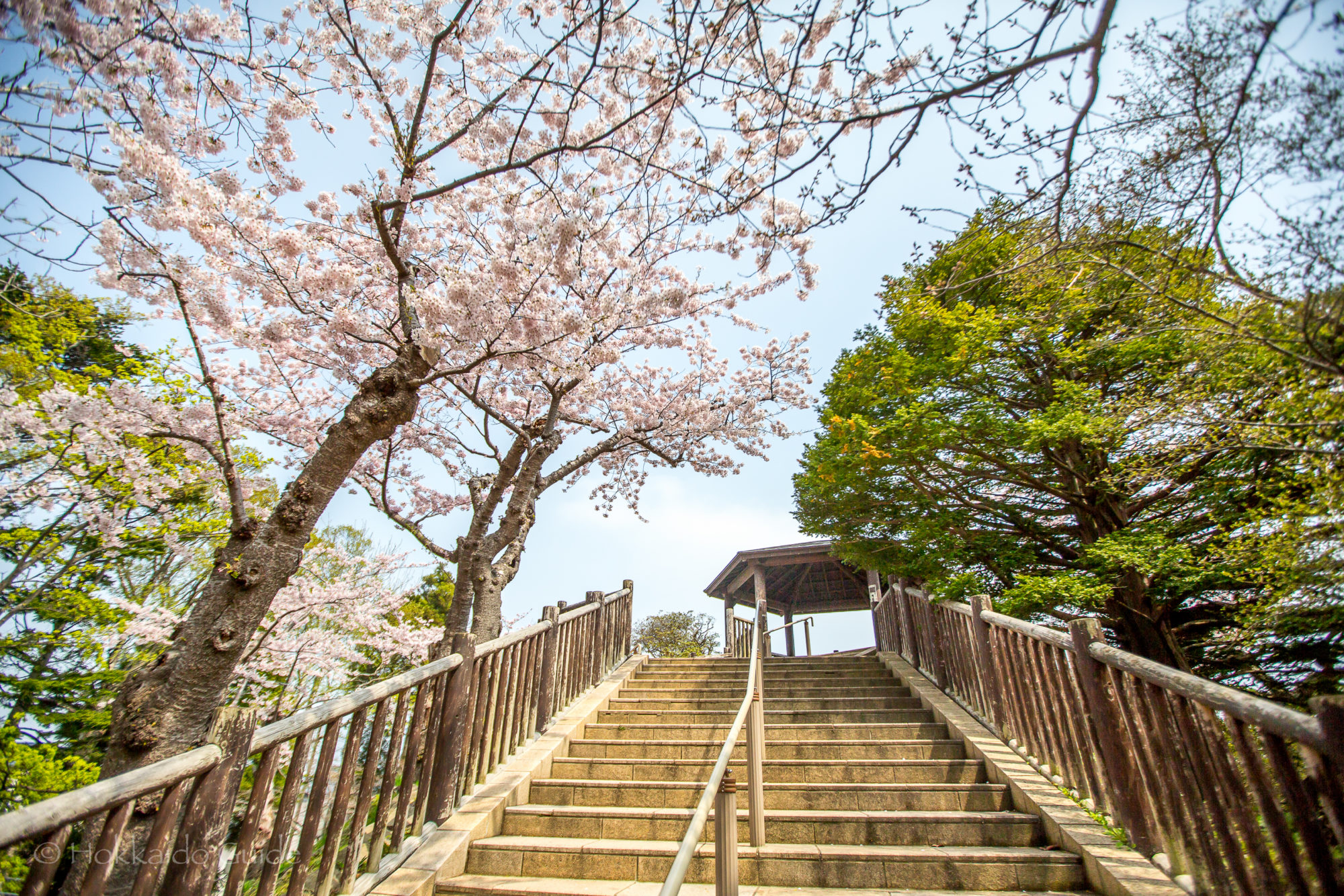
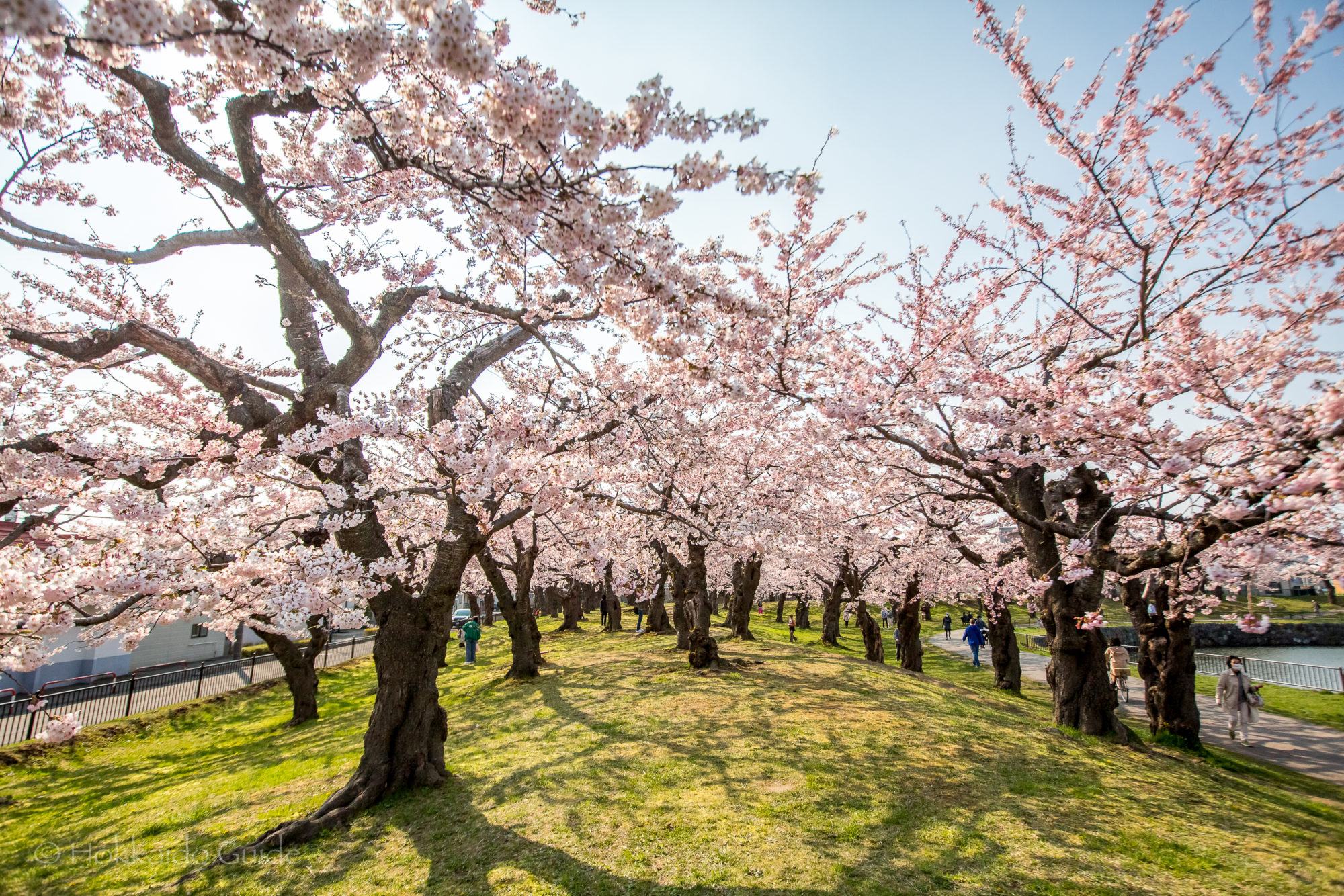
 The shrine is best to visit during the cherry blossom season from mid April to early May. The road leading up to the shrine is flanked by dozens of beautiful cherry blossom trees. Unlike other cherry blossom areas, this road is not crowded. Once up the top of the hill, the grounds of Sumiyoshi Shrine are a nice place to wander around and enjoy the tranquility. This area also makes for a good place to get some photos. The shrine serves as a place of worship for 350 households and sees special events held throughout the year.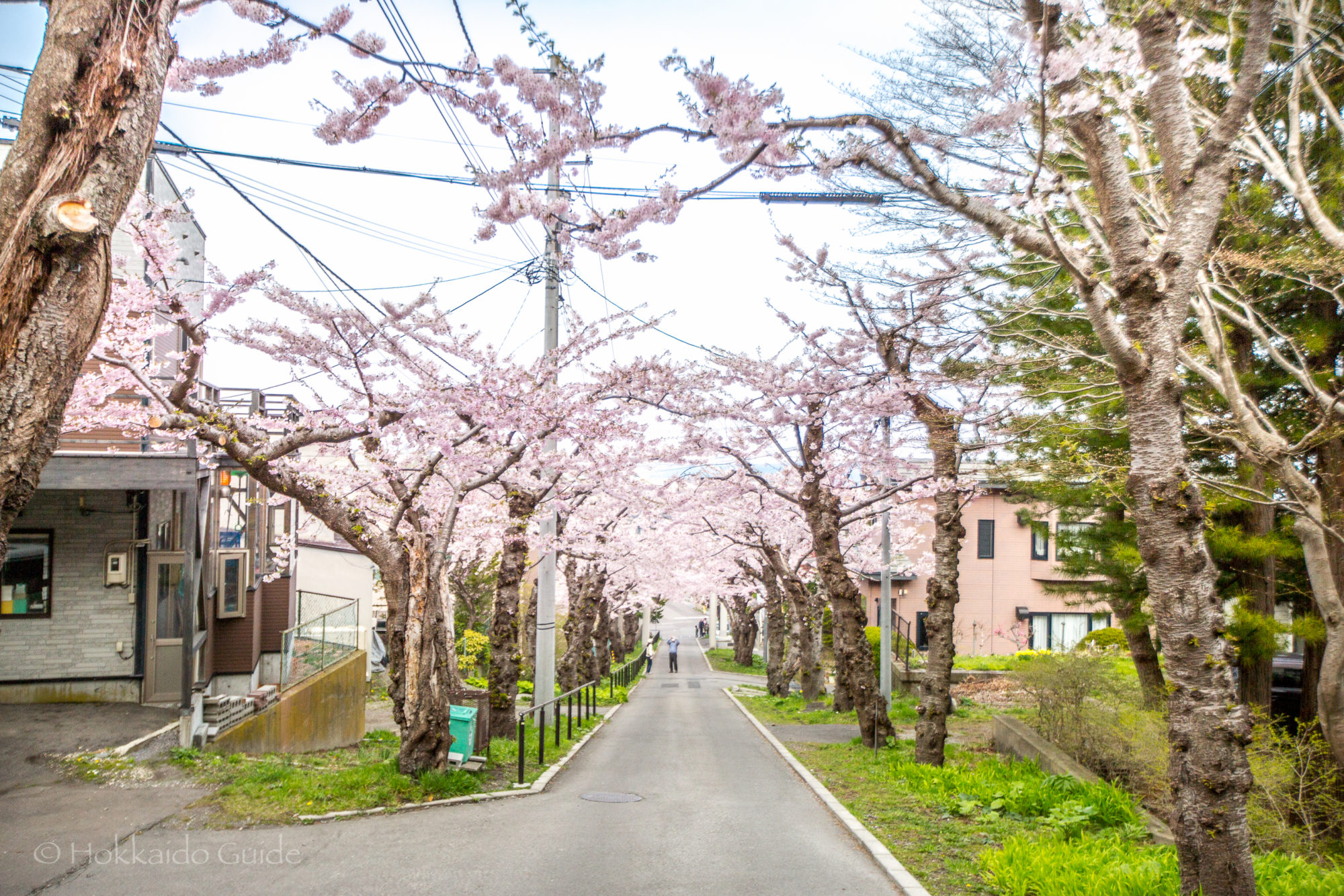
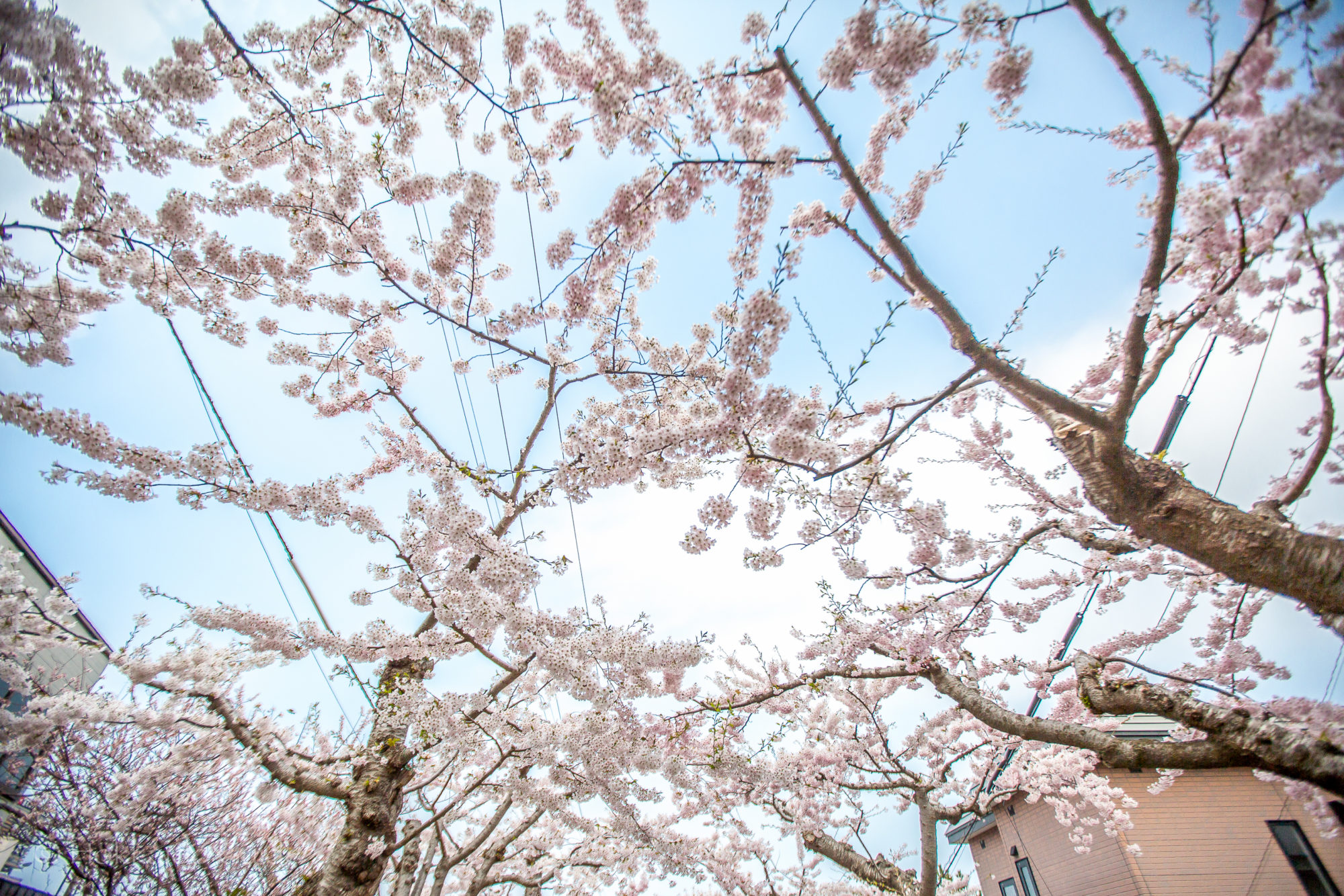
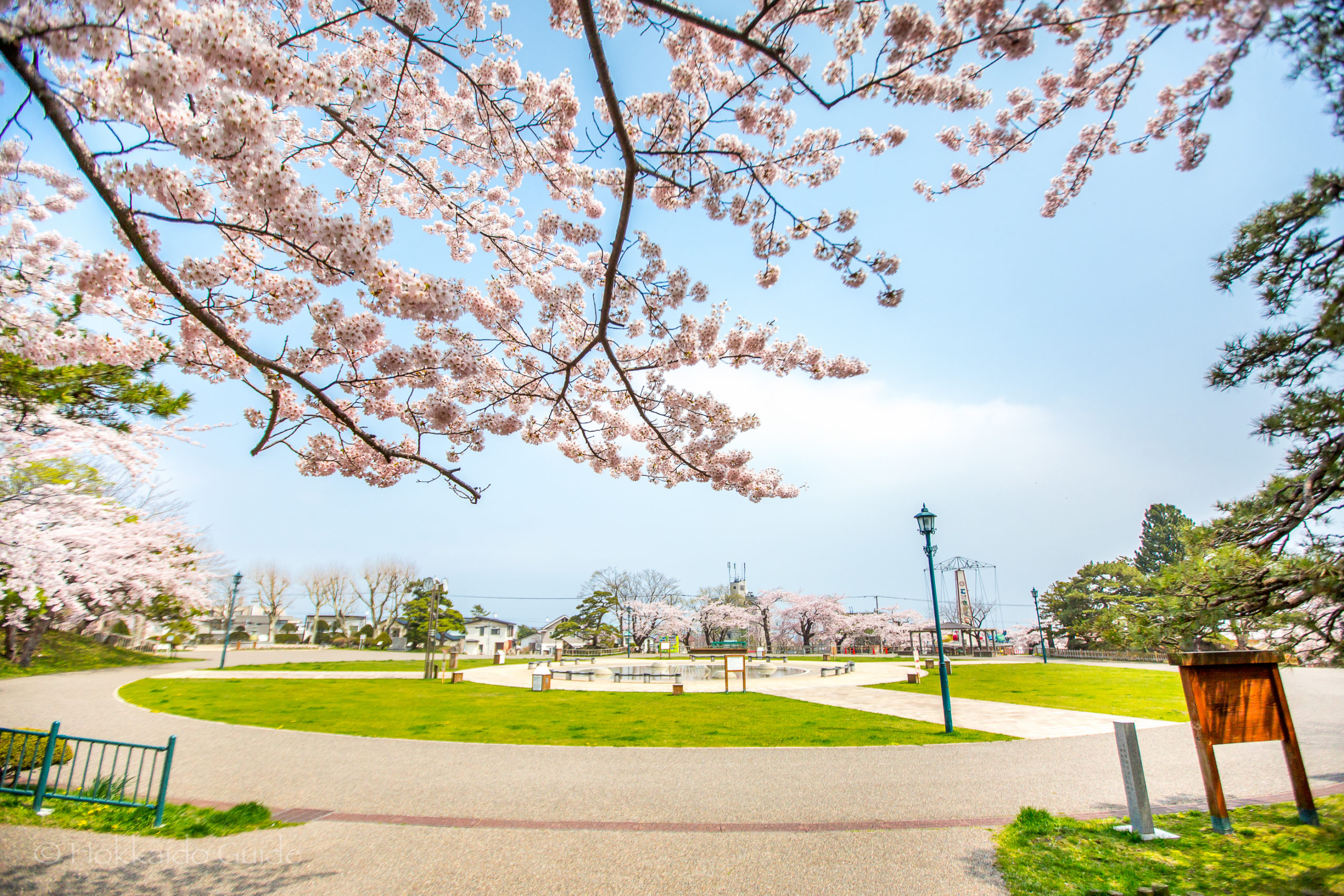
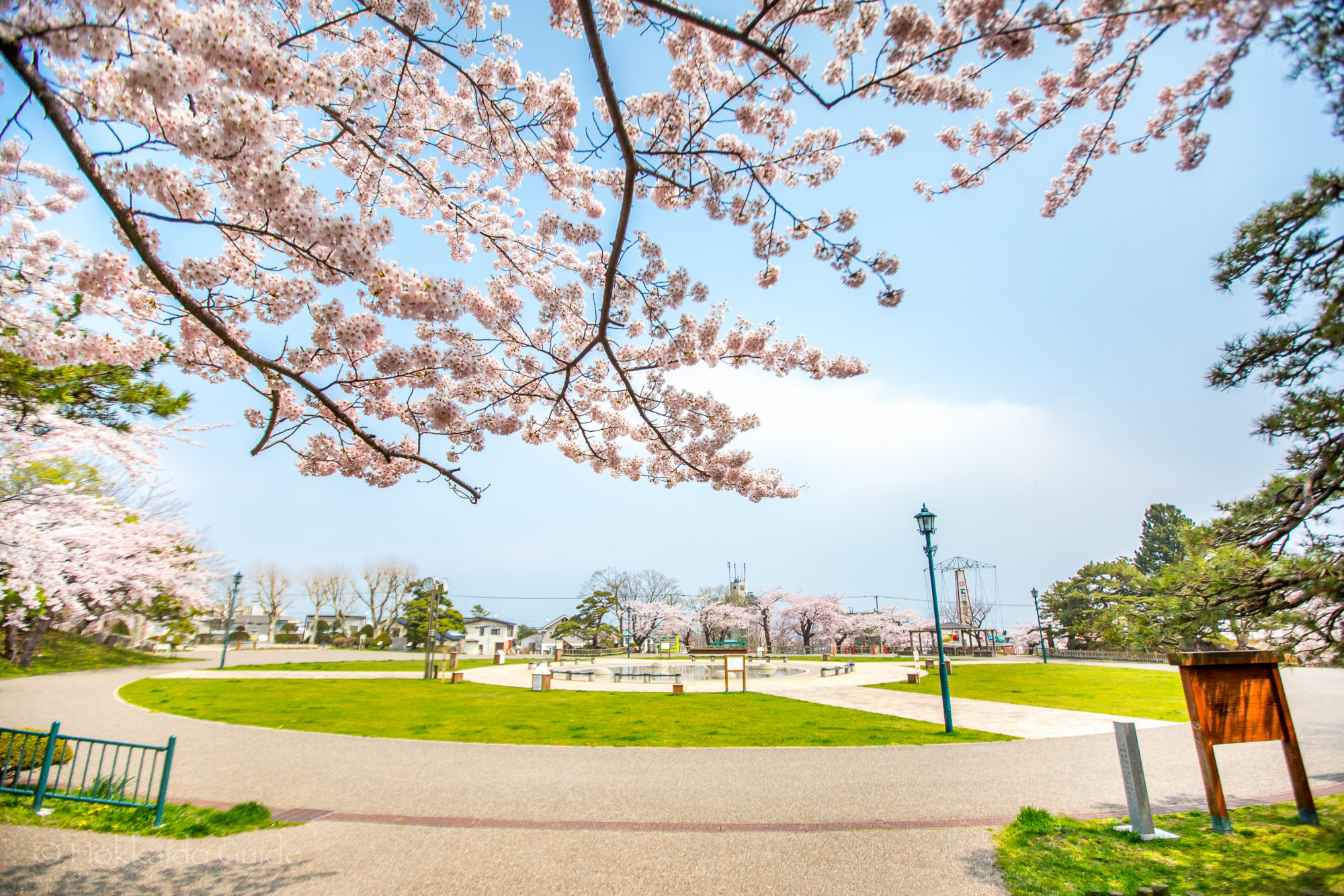
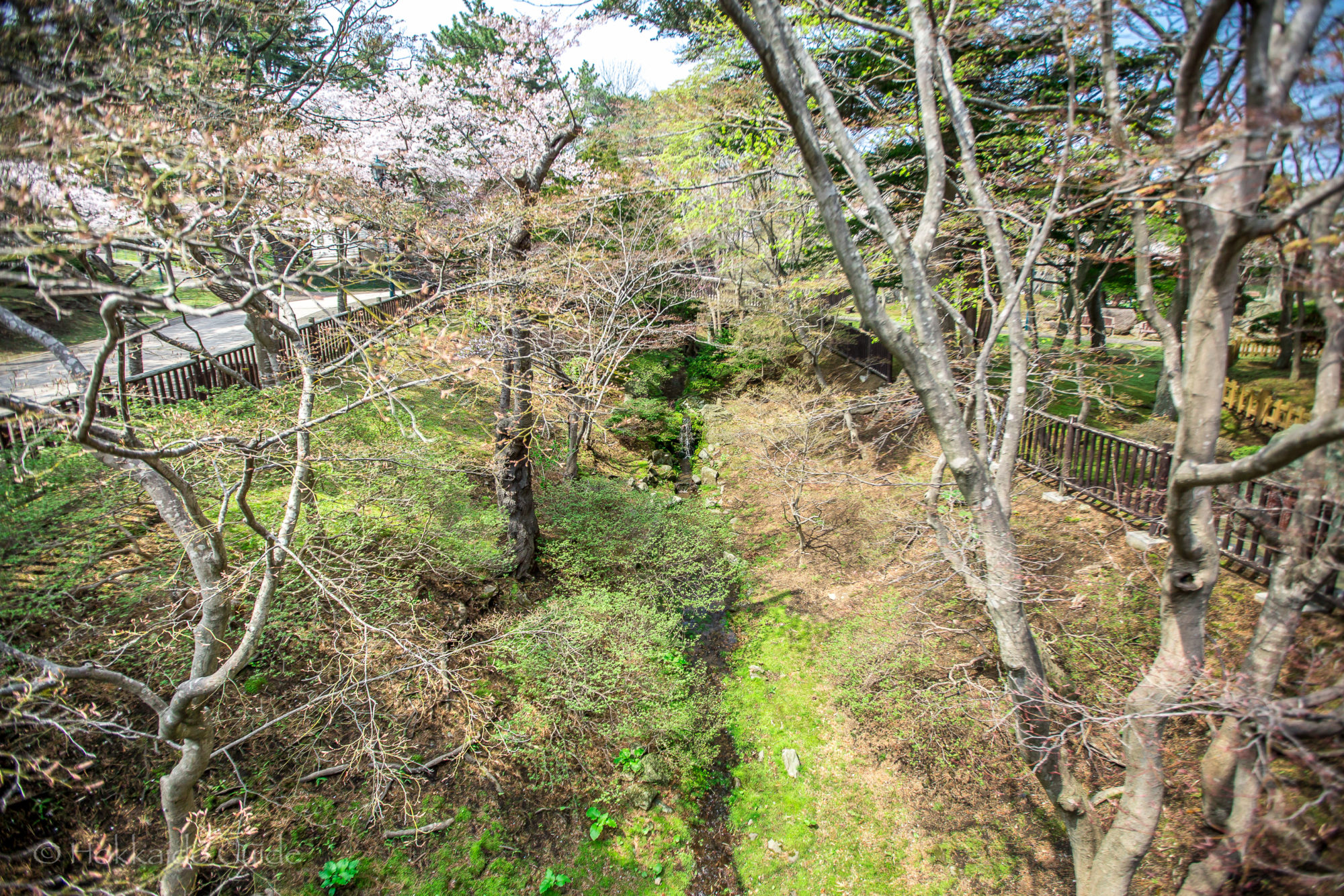
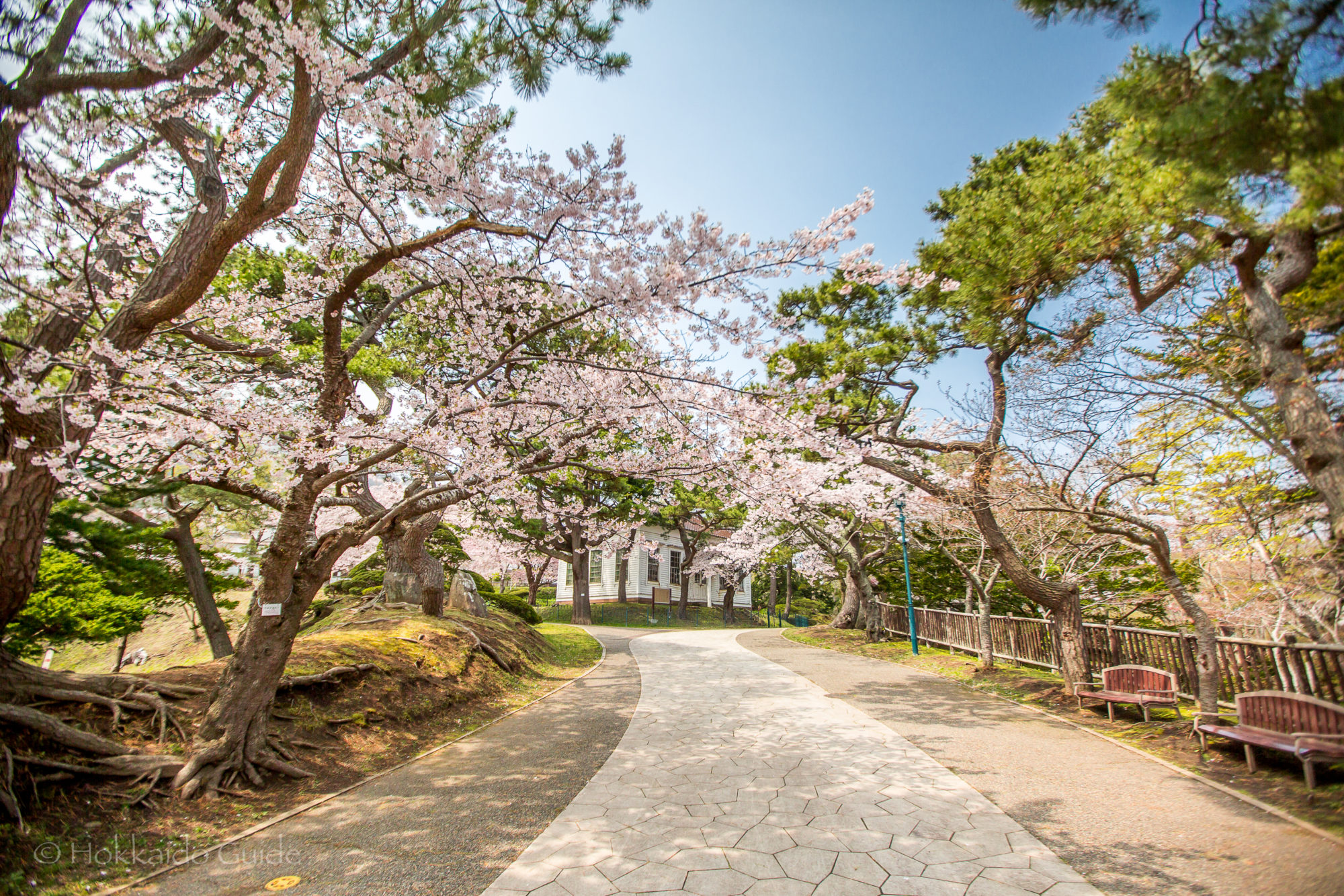
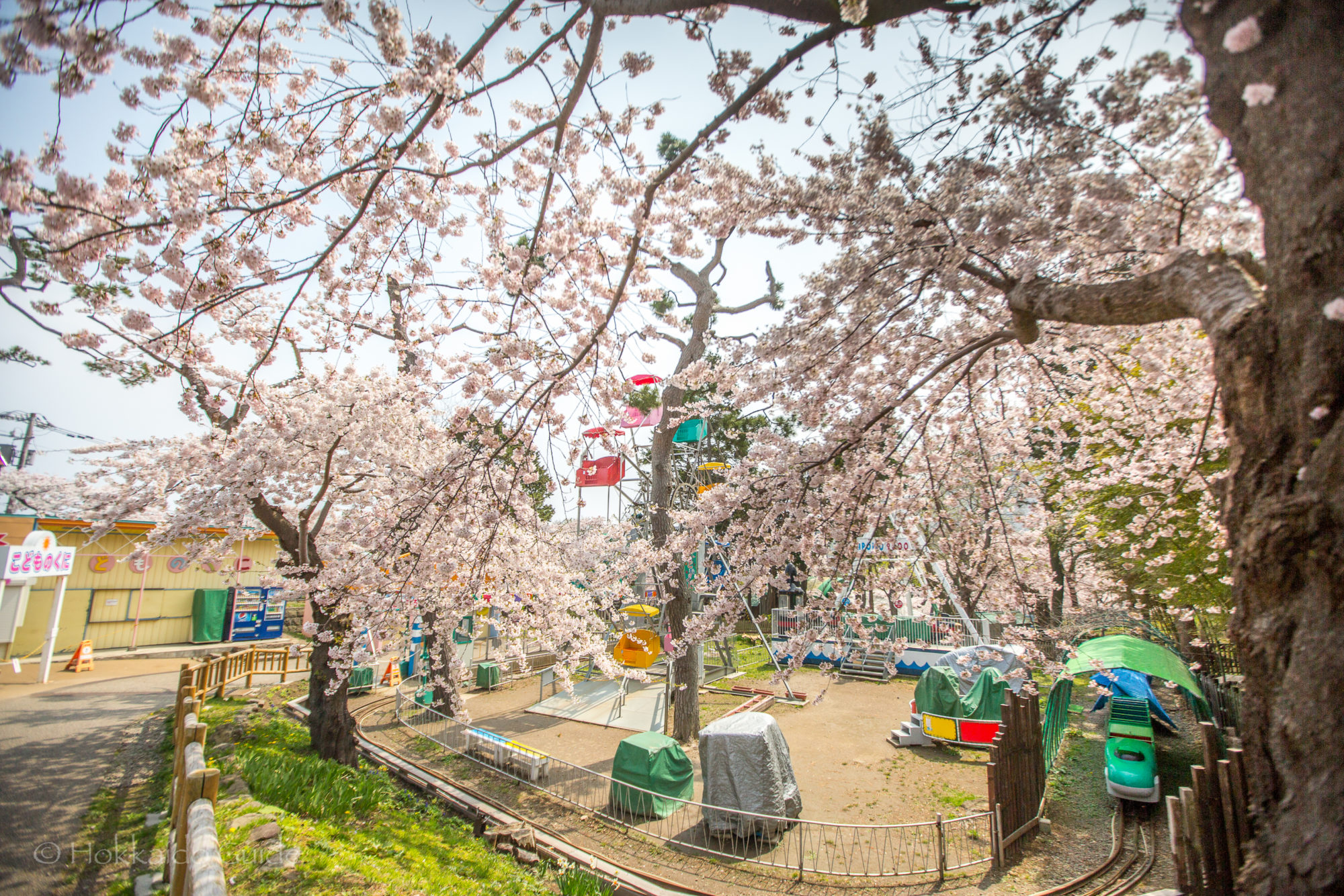
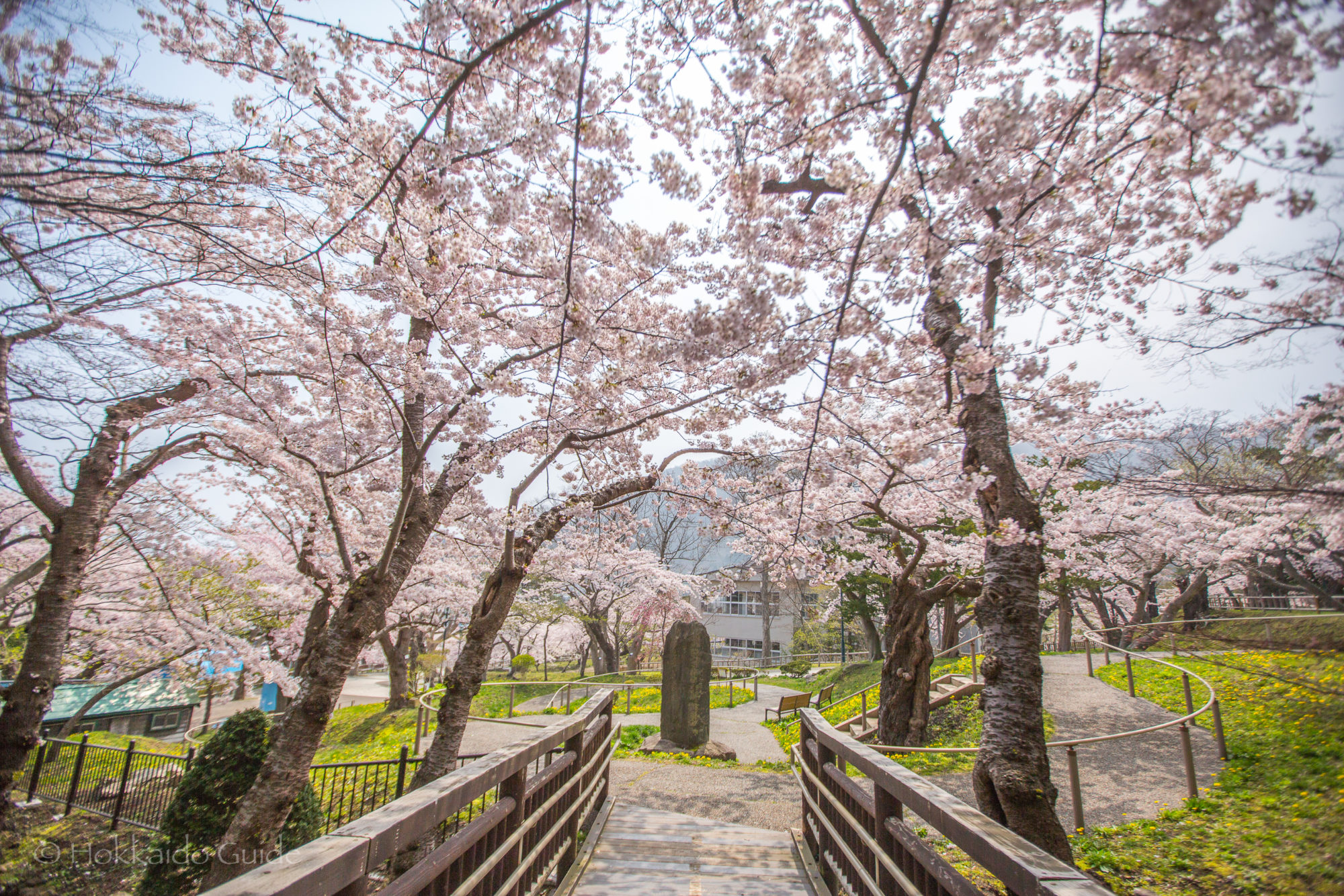
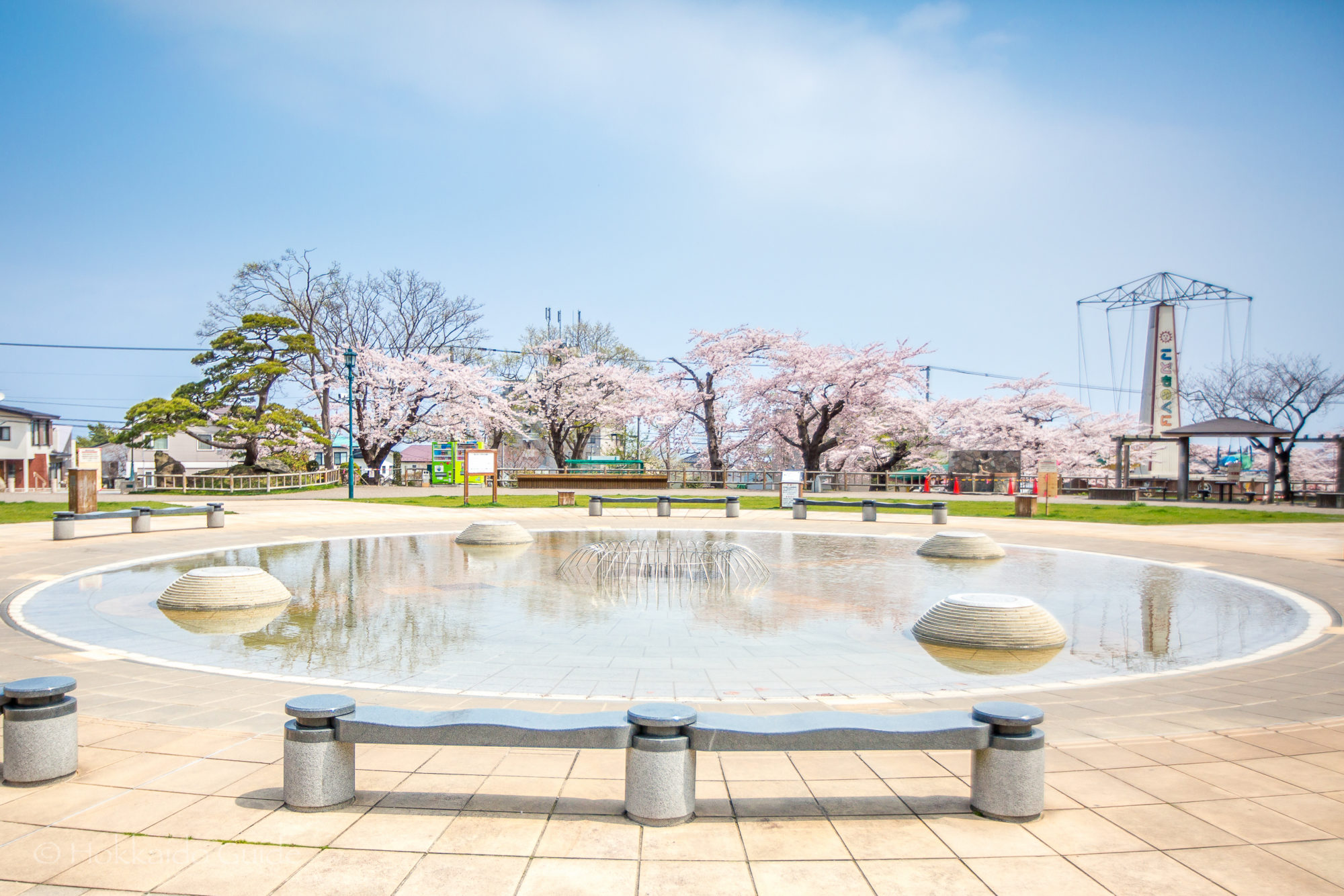
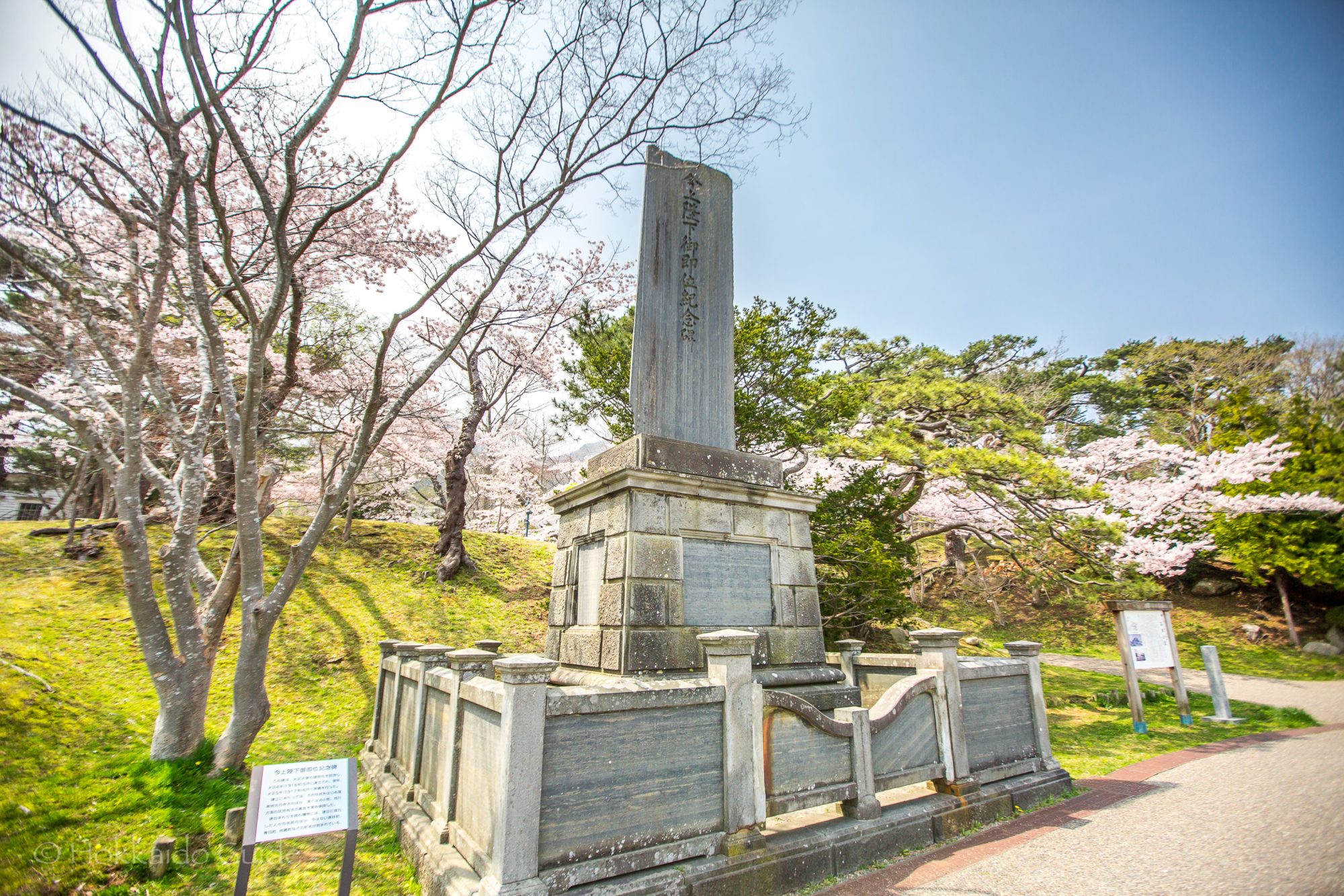
 Hakodate Park is one of the gems in Hakodate. During the cherry blossom season from mid April to the beginning of May, it is covered in beautiful cherry blossoms and is one of the top spots in Hokkaido to enjoy these flowers. The blossoms here are stunning and a must see if you are in Hakodate at this time. The park was established in 1874, but was transformed into its current layout in 1879. The new park was proposed by Richard Eusden, the British Consul of Hakodate. The park has western elements to it and is home to many attractions and sightseeing spots.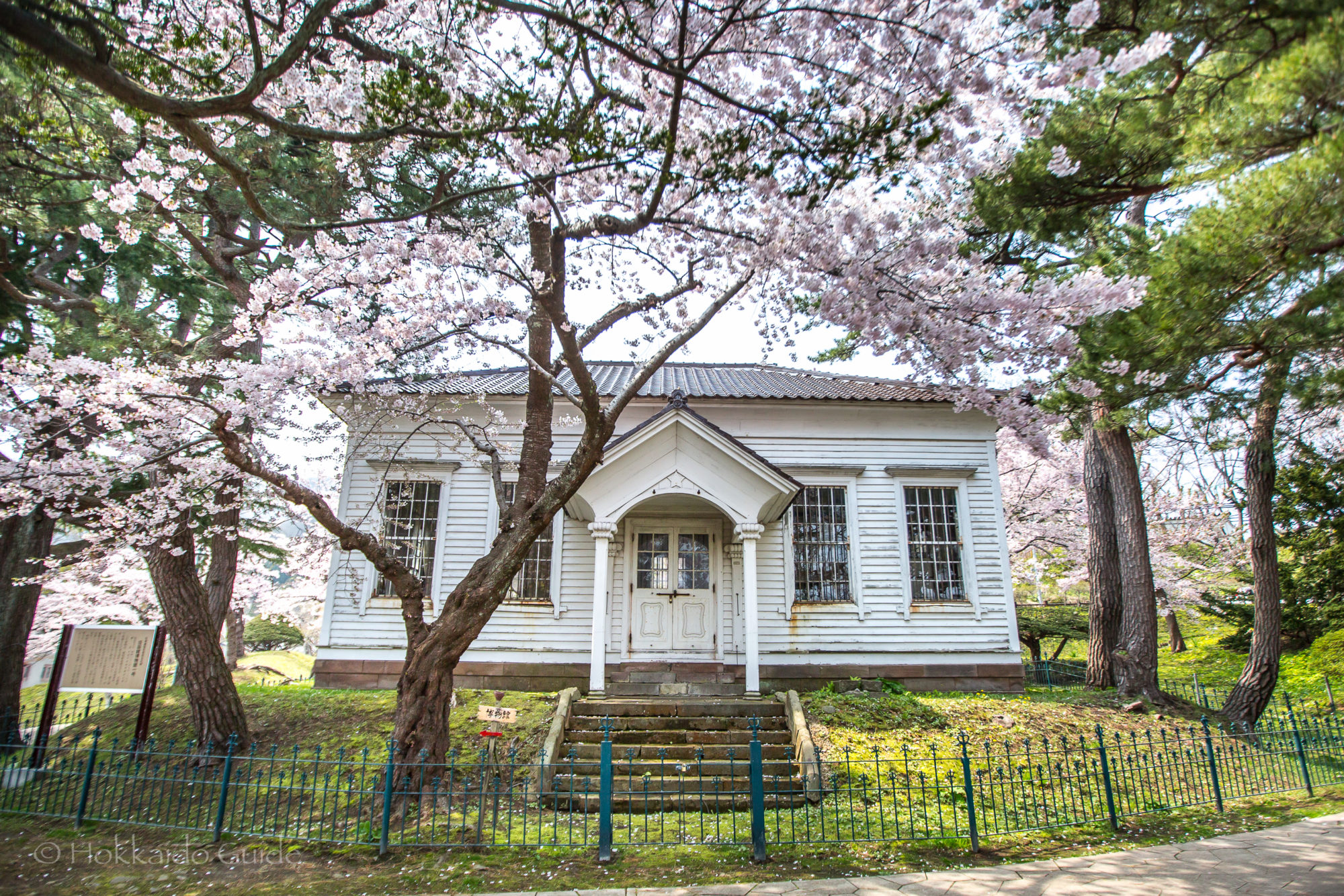
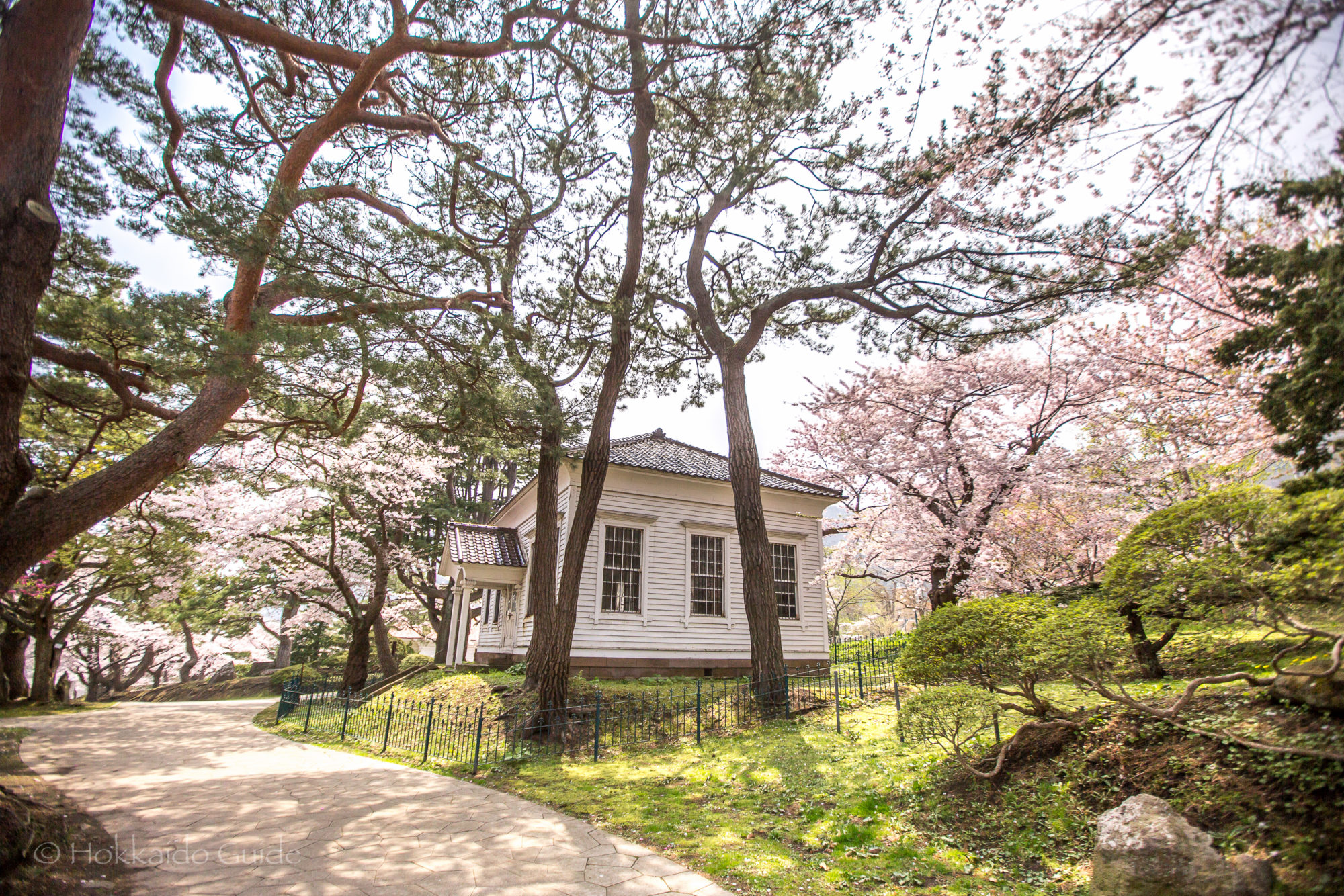
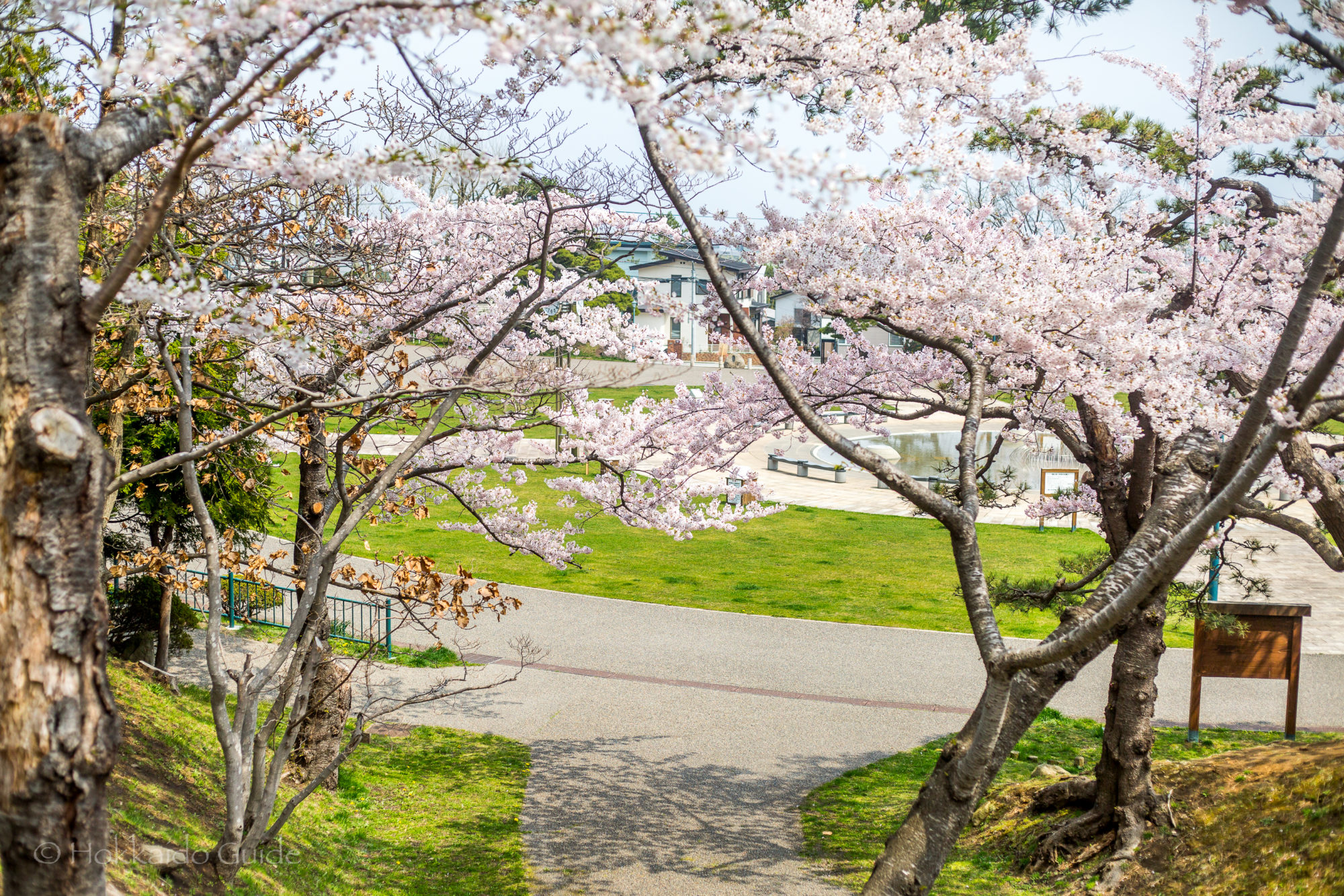
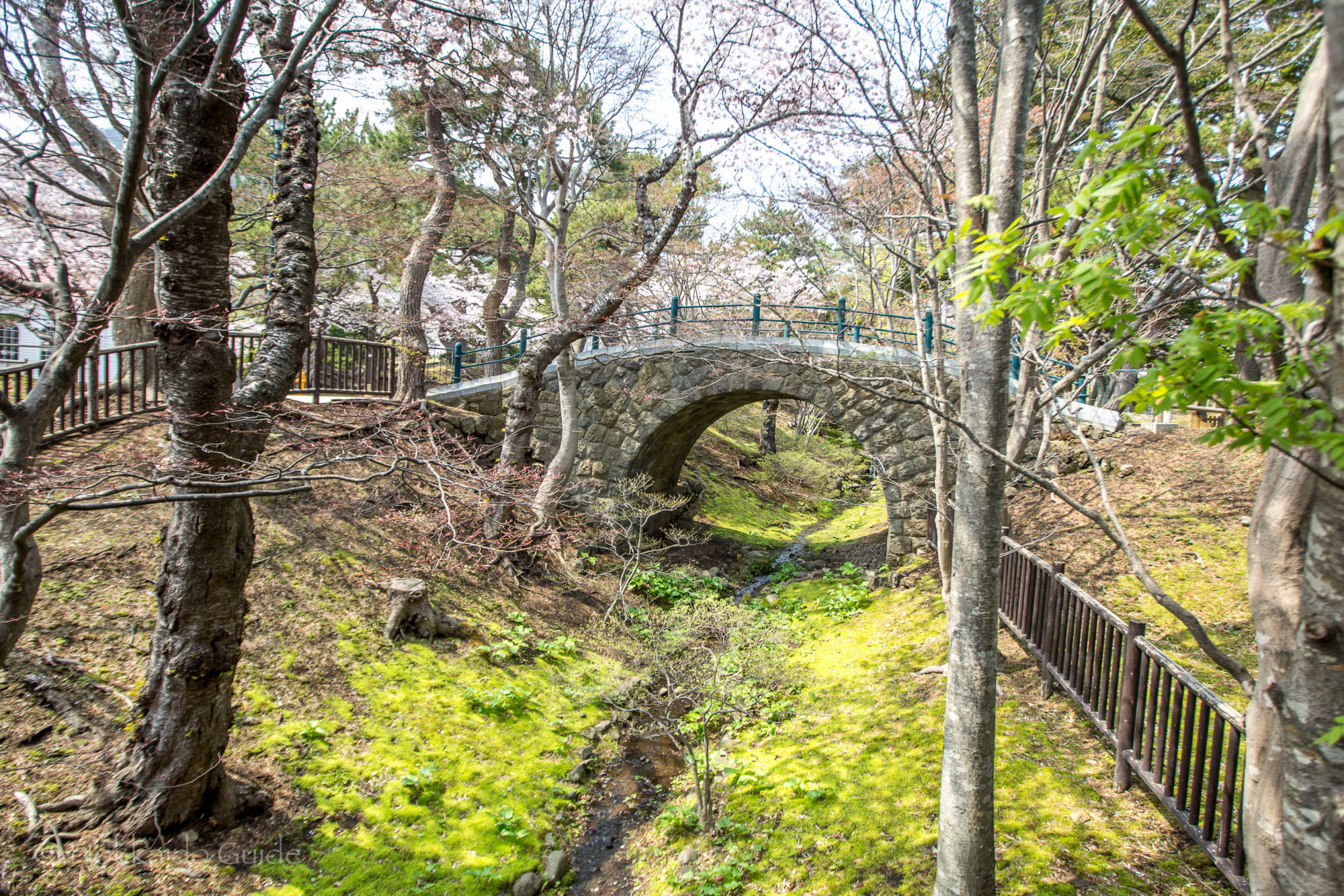
 The park is hugely popular in the spring time due to the cherry blossoms. Throughout the park you can find many other attractions that are there throughout the year. There are several historic colonial buildings here. These include the Kyushiritsu Hakodate Library, and the Hakodate City Museum. For those with kids there is a small amusement park, and a small zoo down the bottom of the park. Other points of interest include the grave of a German consul, Ludwig Haber. He was a murdered in 1874 by an anti foreign Japanese national. And up near the top, overlooking the park is a stone carving plus a small pavilion.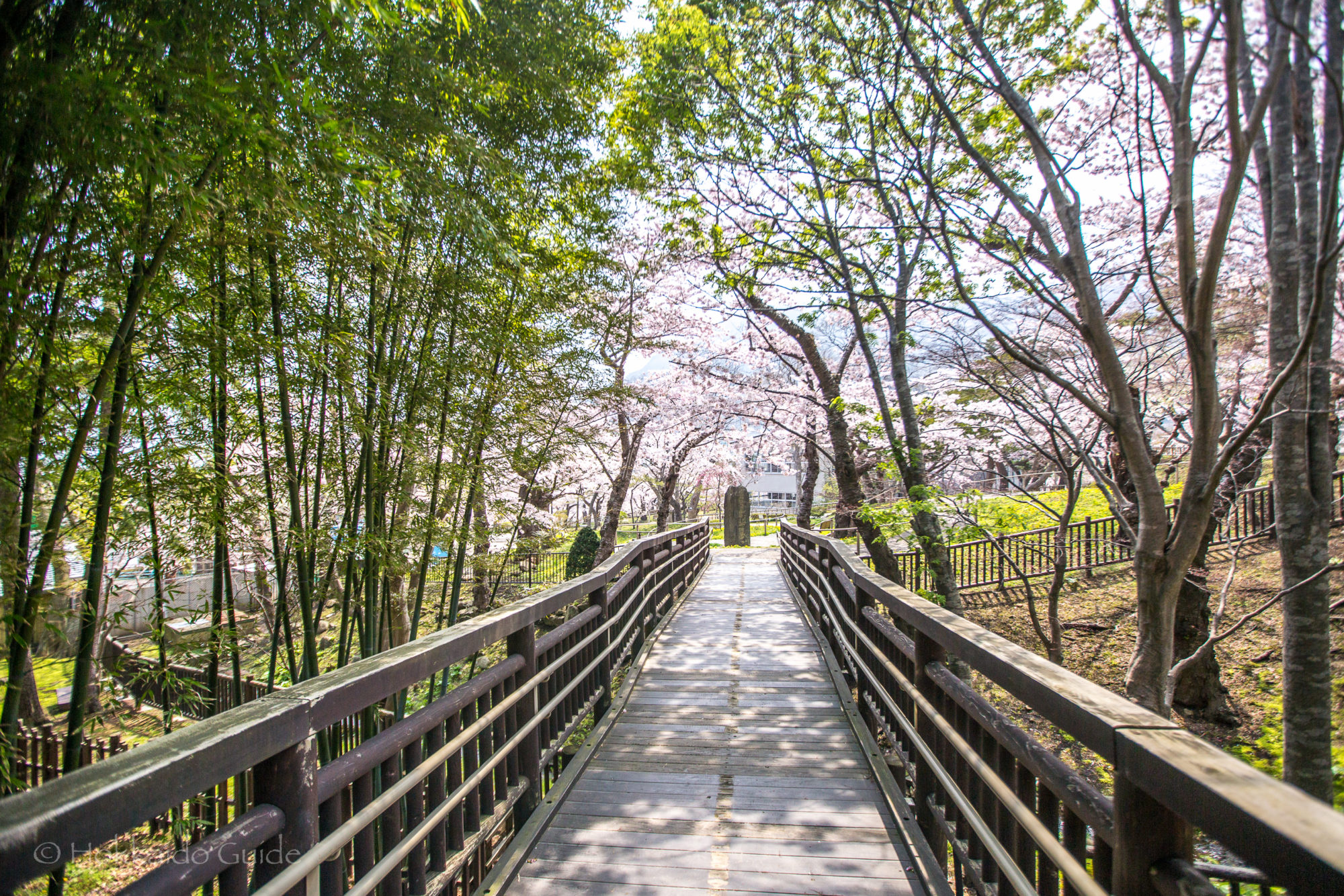
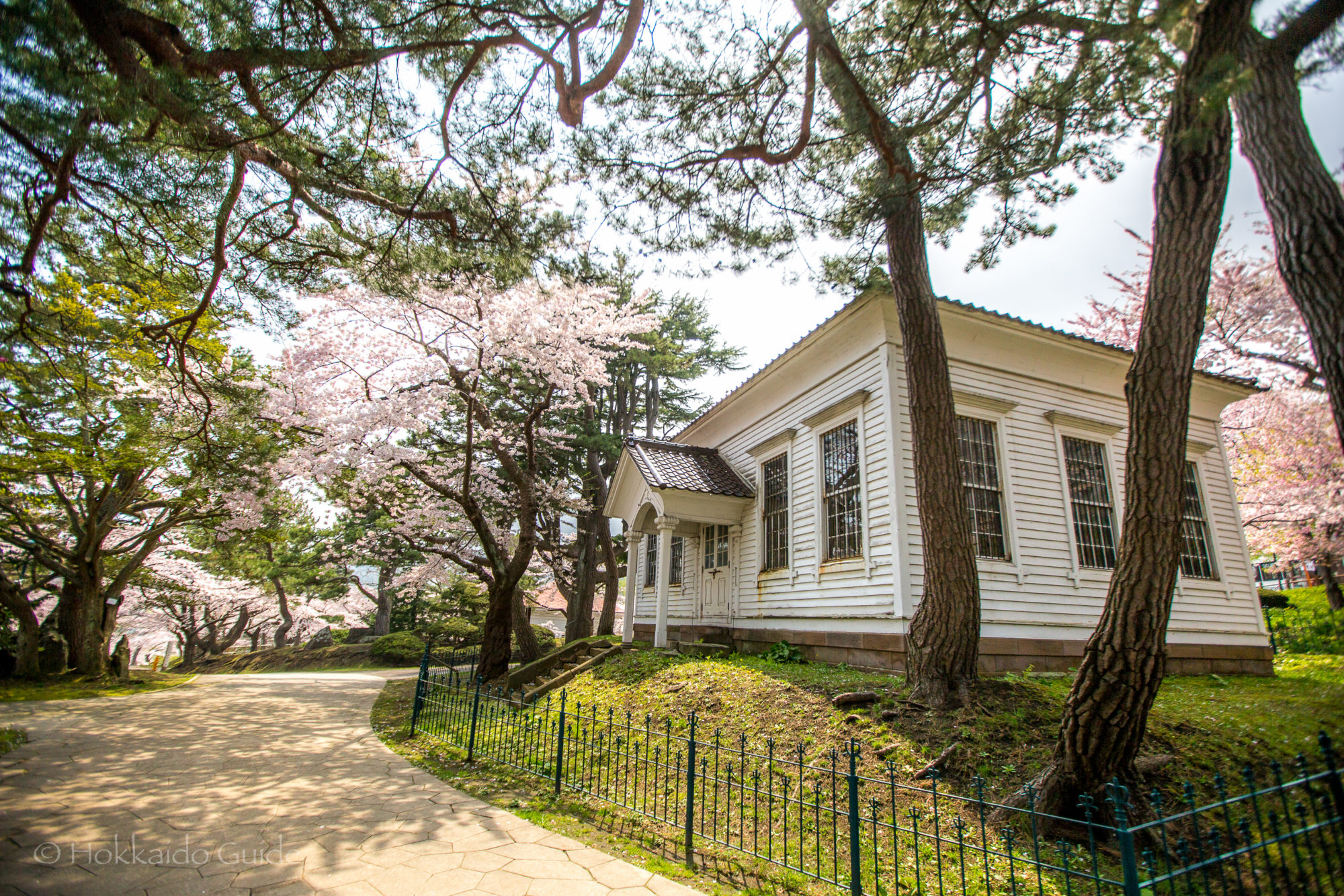
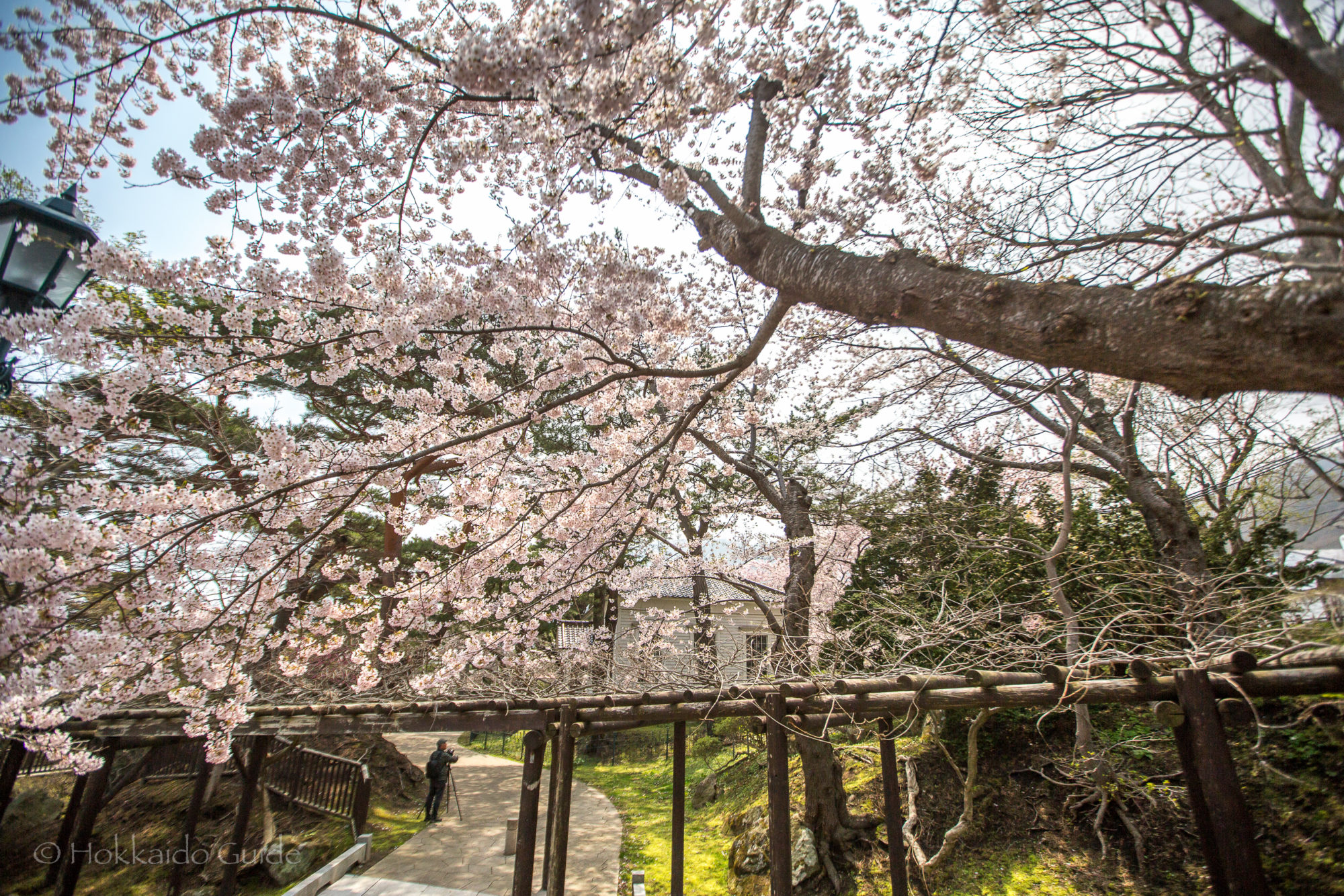
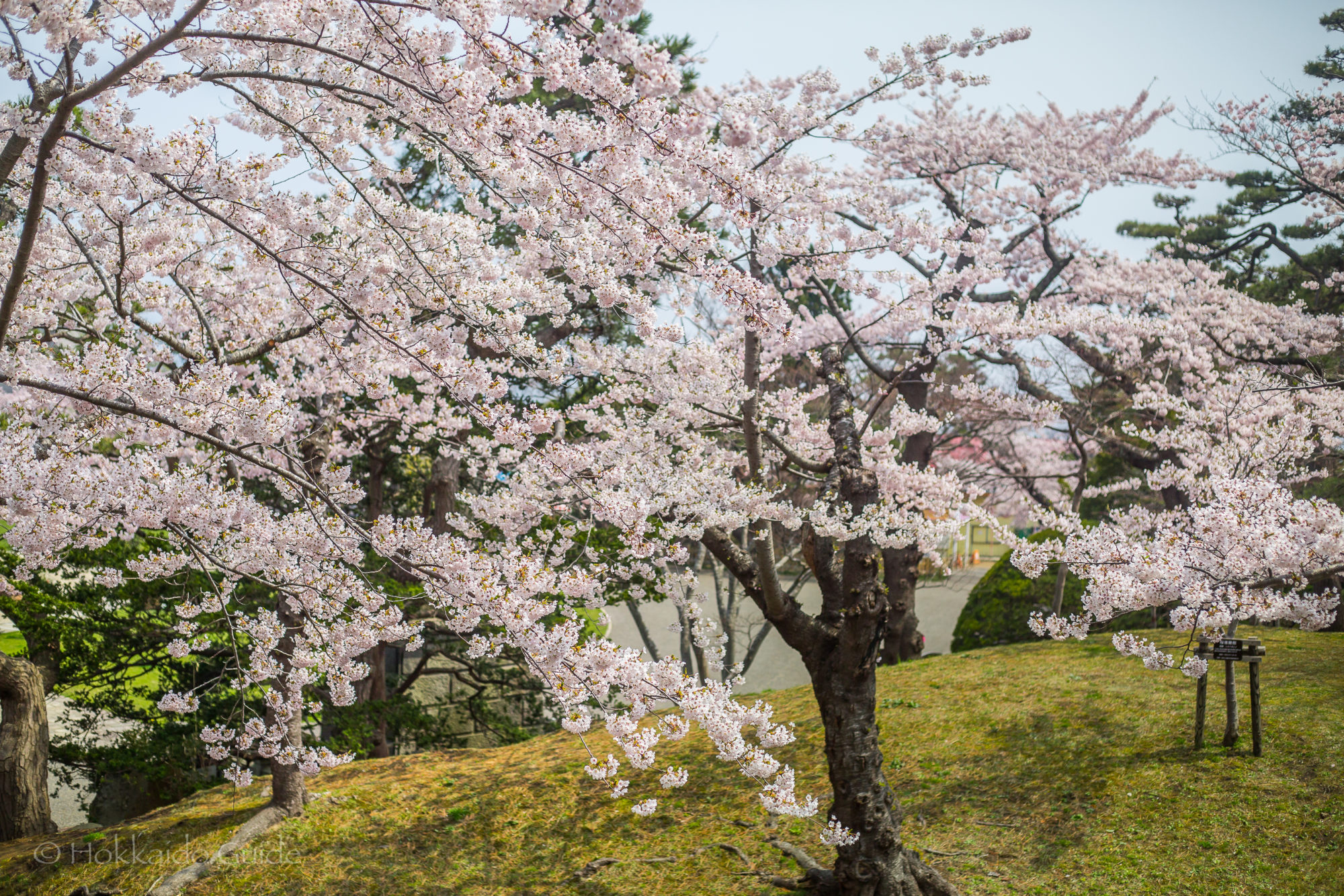
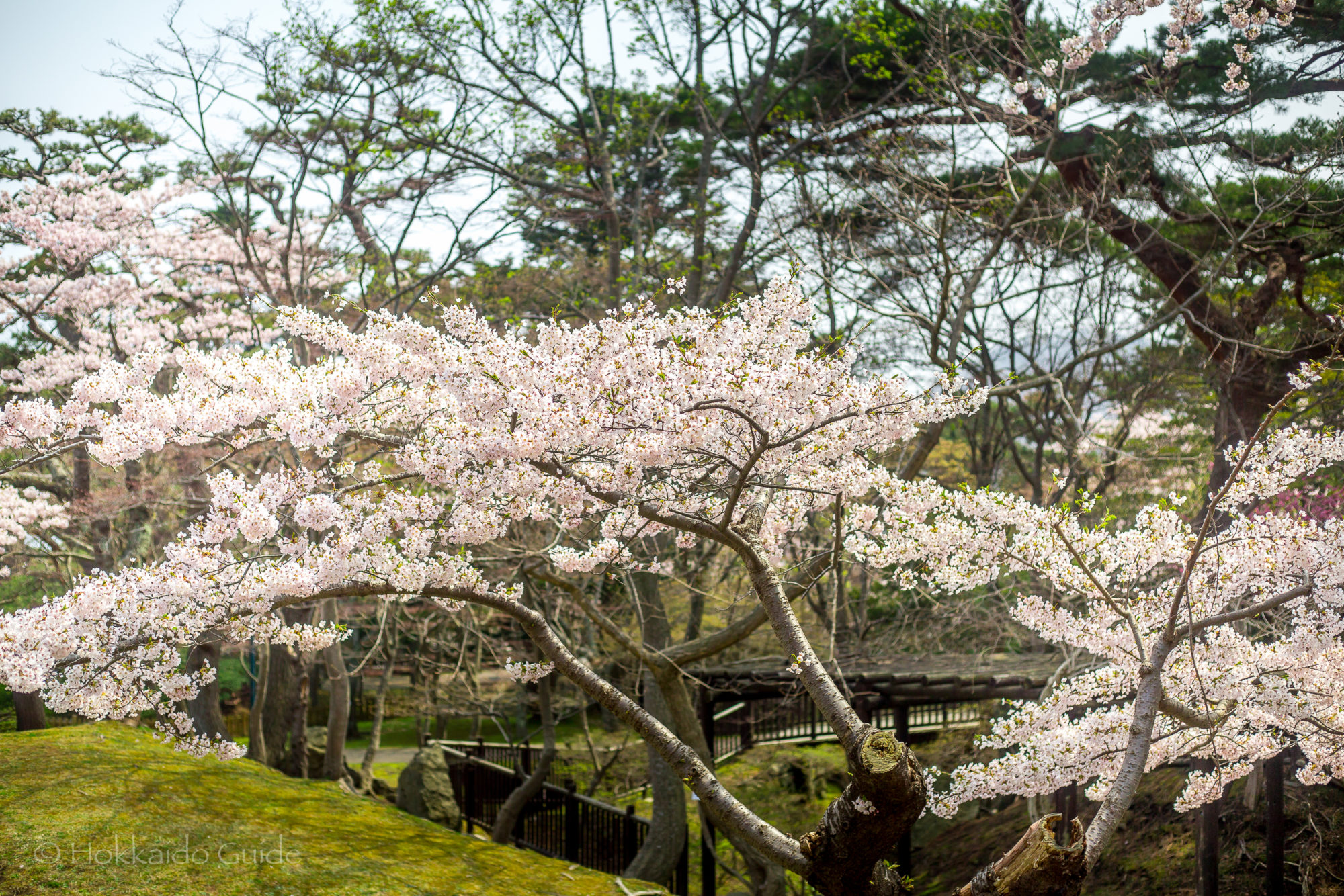
 By the shores of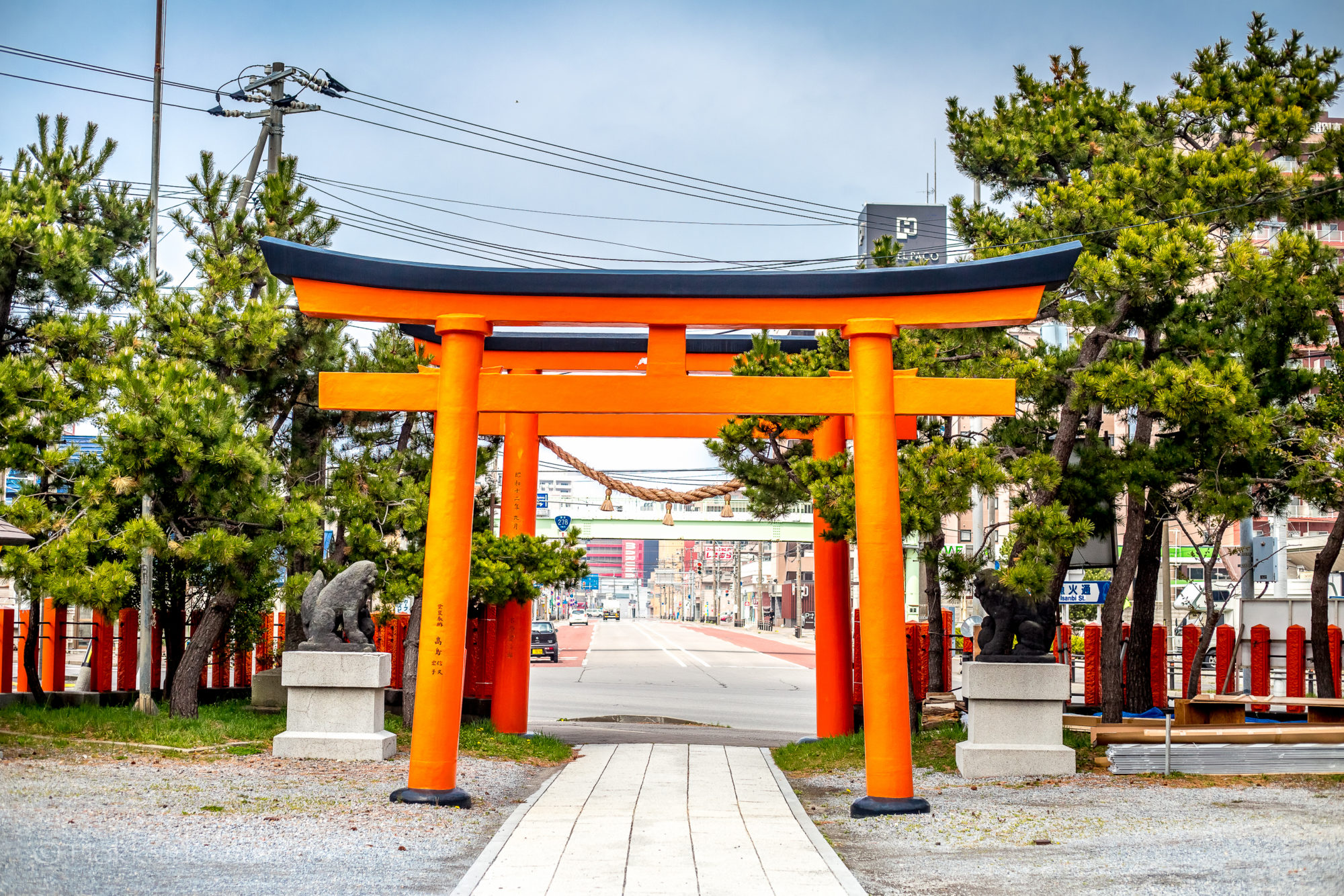
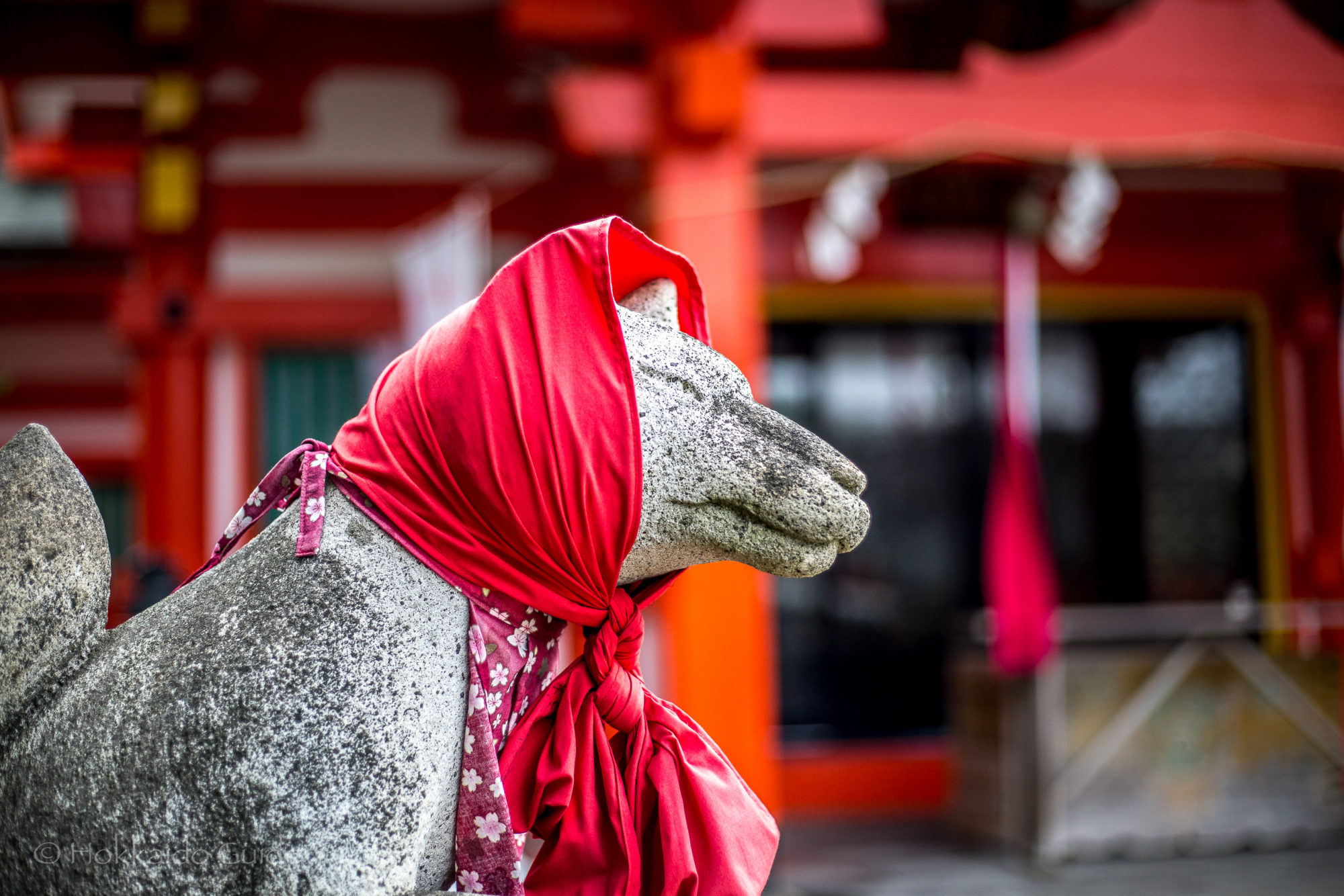
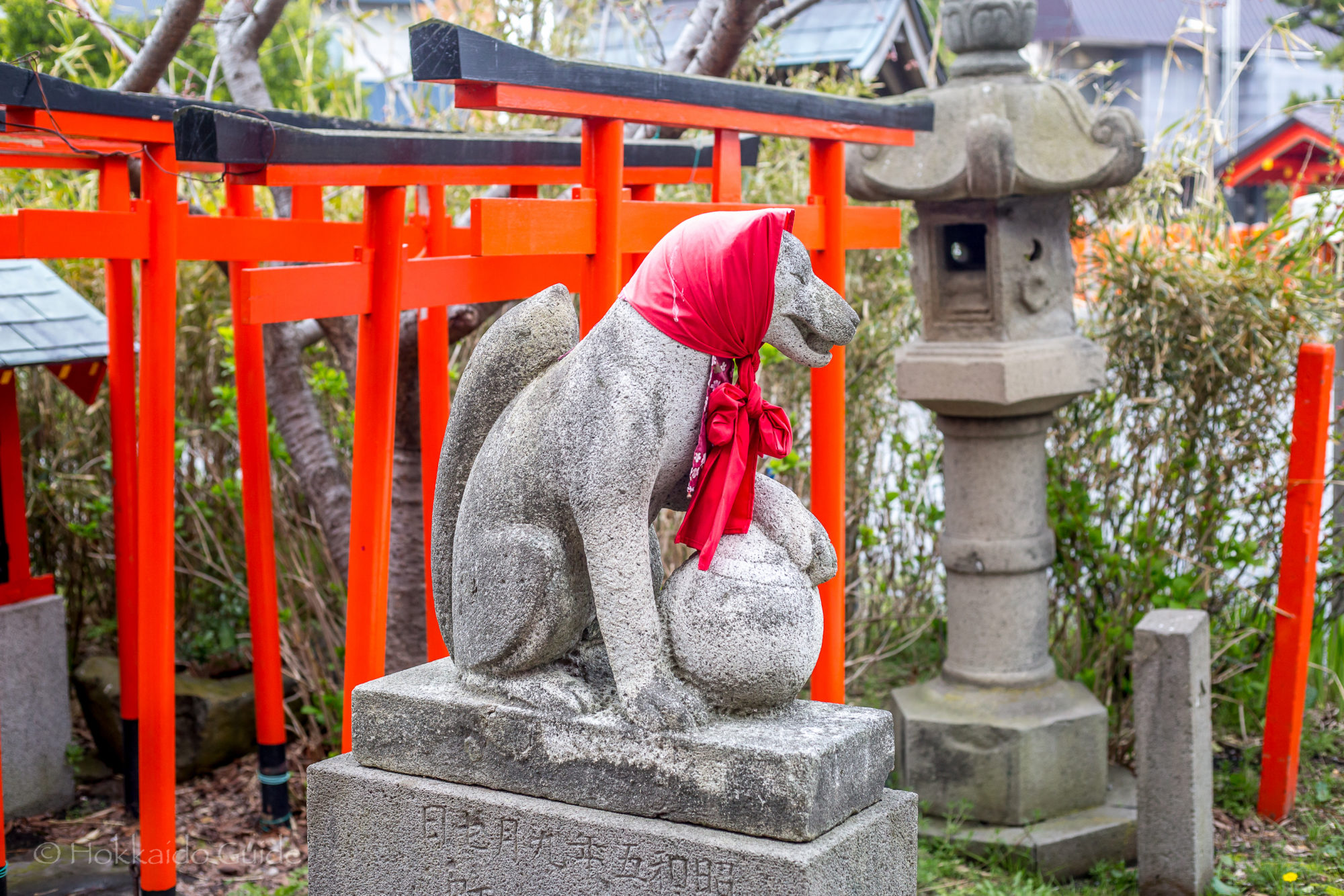
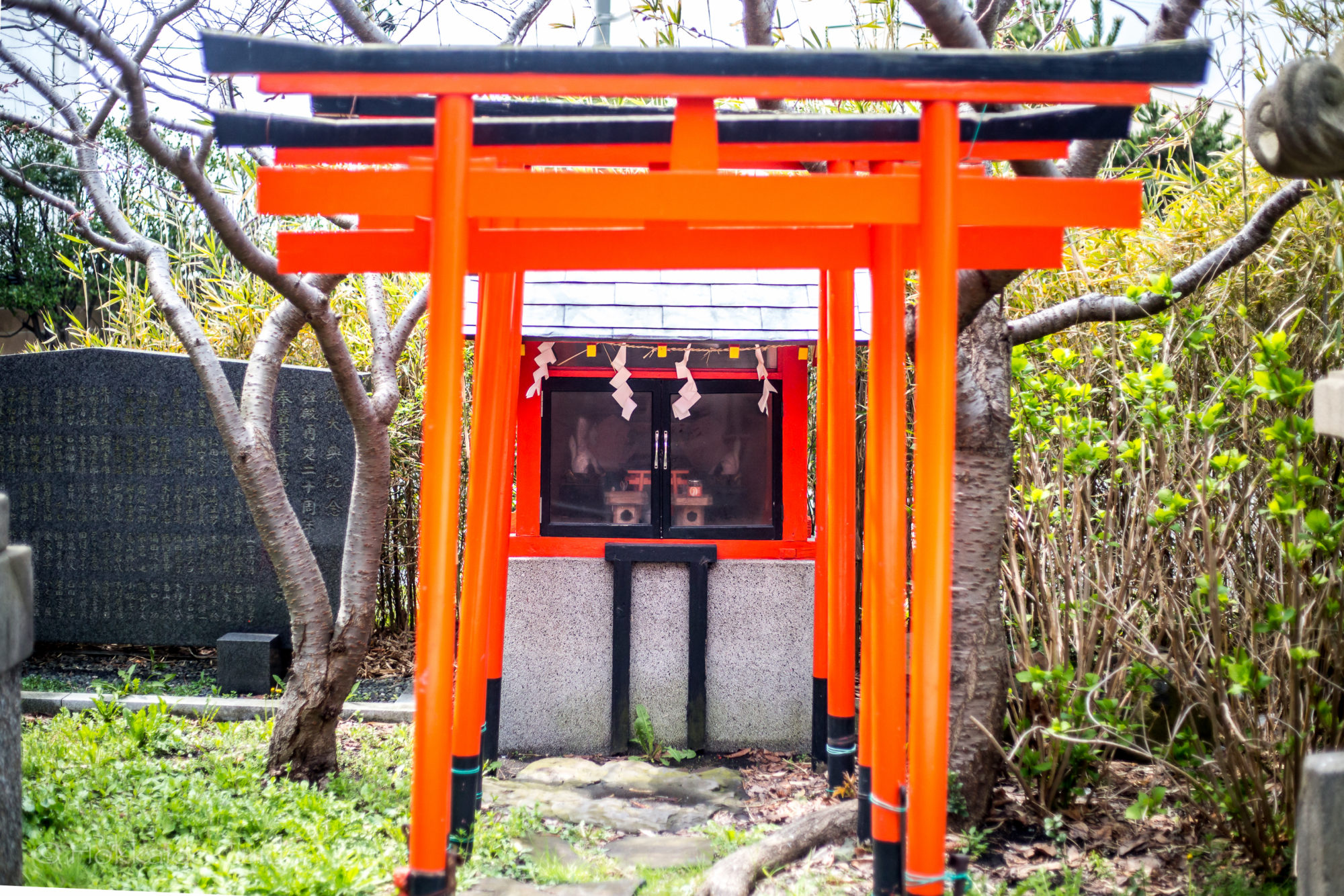
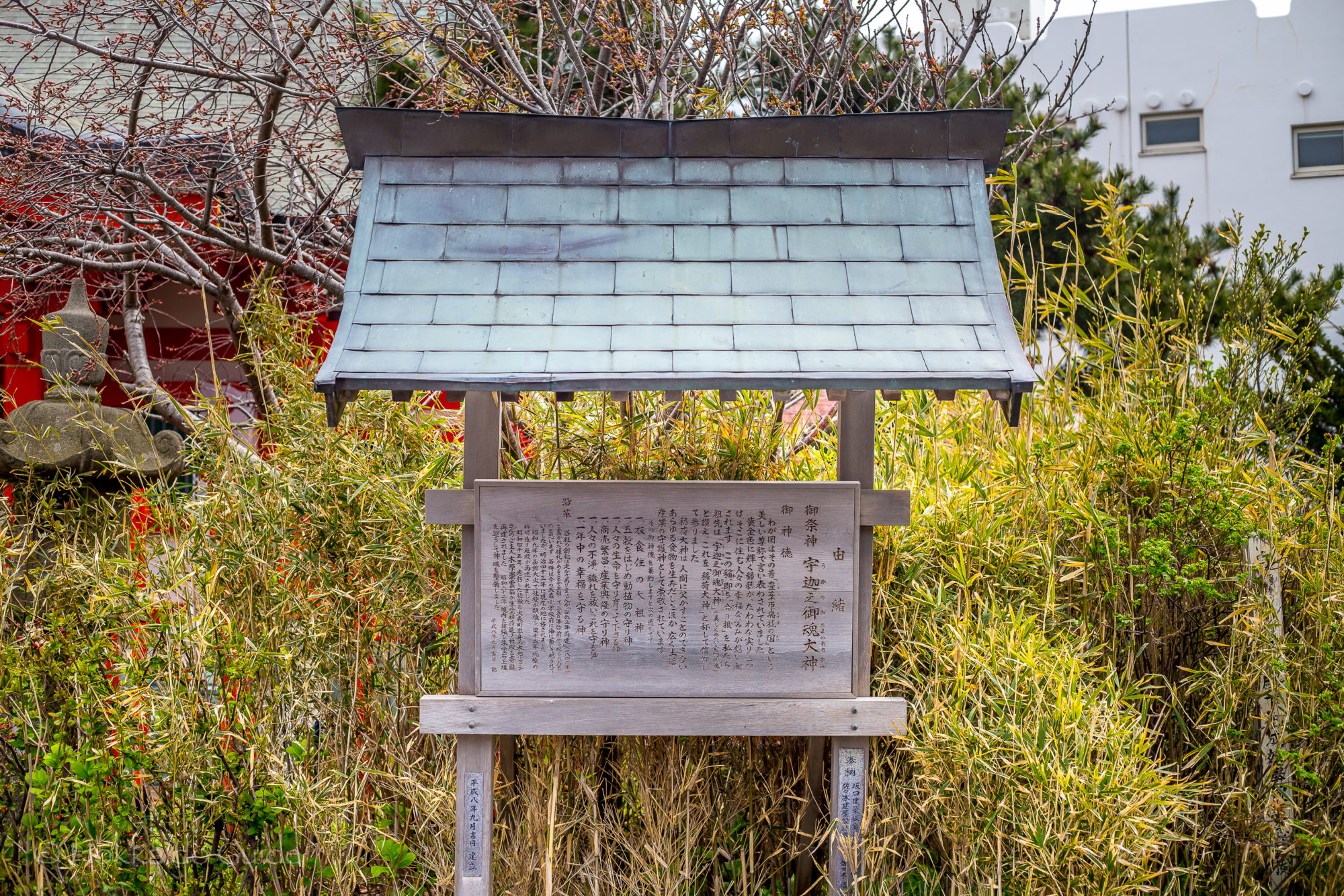
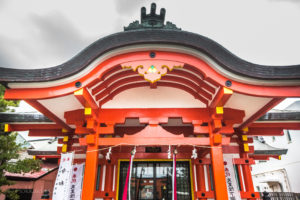 Inside the grounds there are various monuments and shrines honoring certain individuals. Prayers can be performed by the priest here can be booked in advance. The priest will bless everything from wife safety to business prosperity and anniversaries. Gifts and amulets can be bought inside. These bring good luck and protection. Throughout the year there are various events and festivals that are held at the temple. For more information on the dates read below.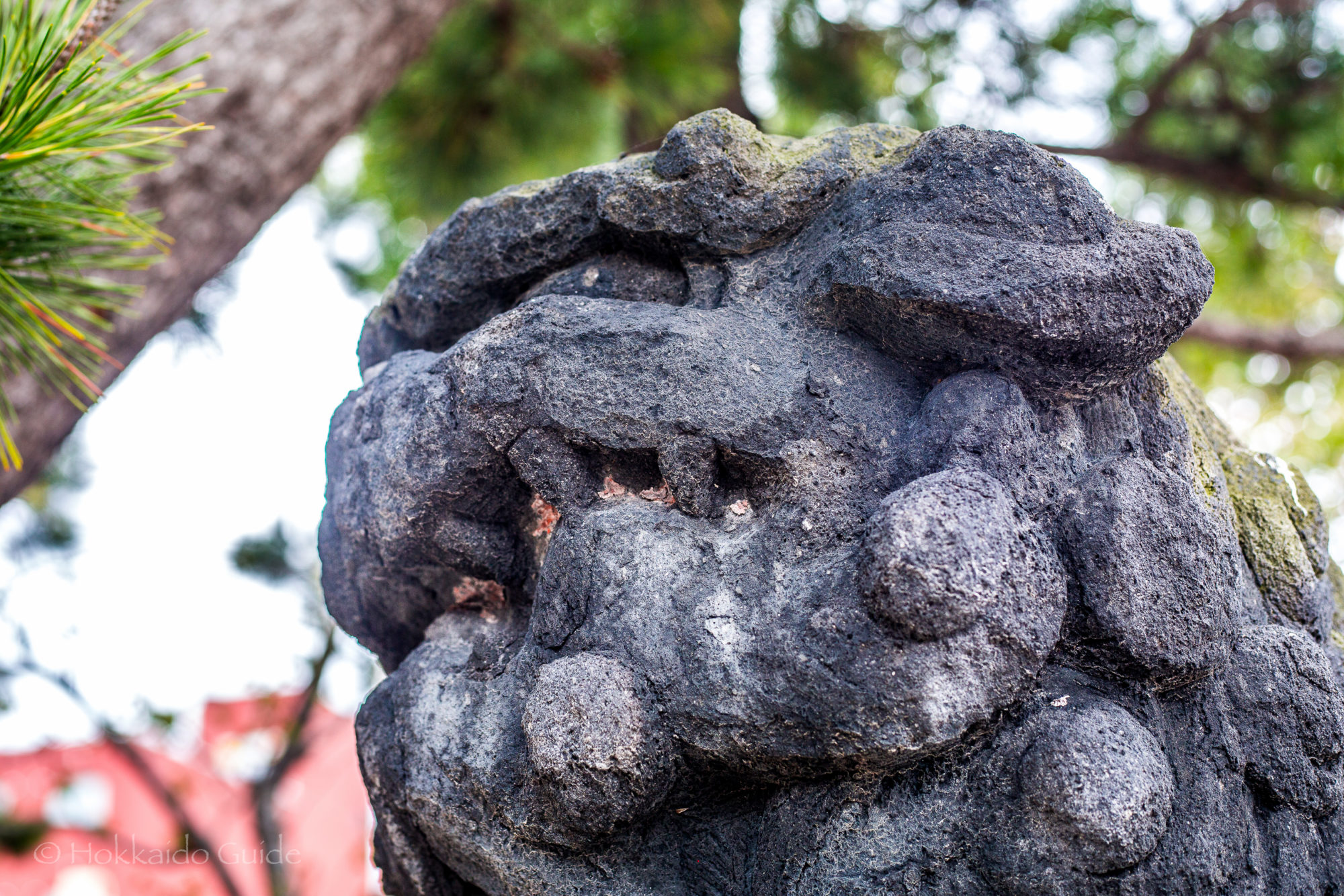
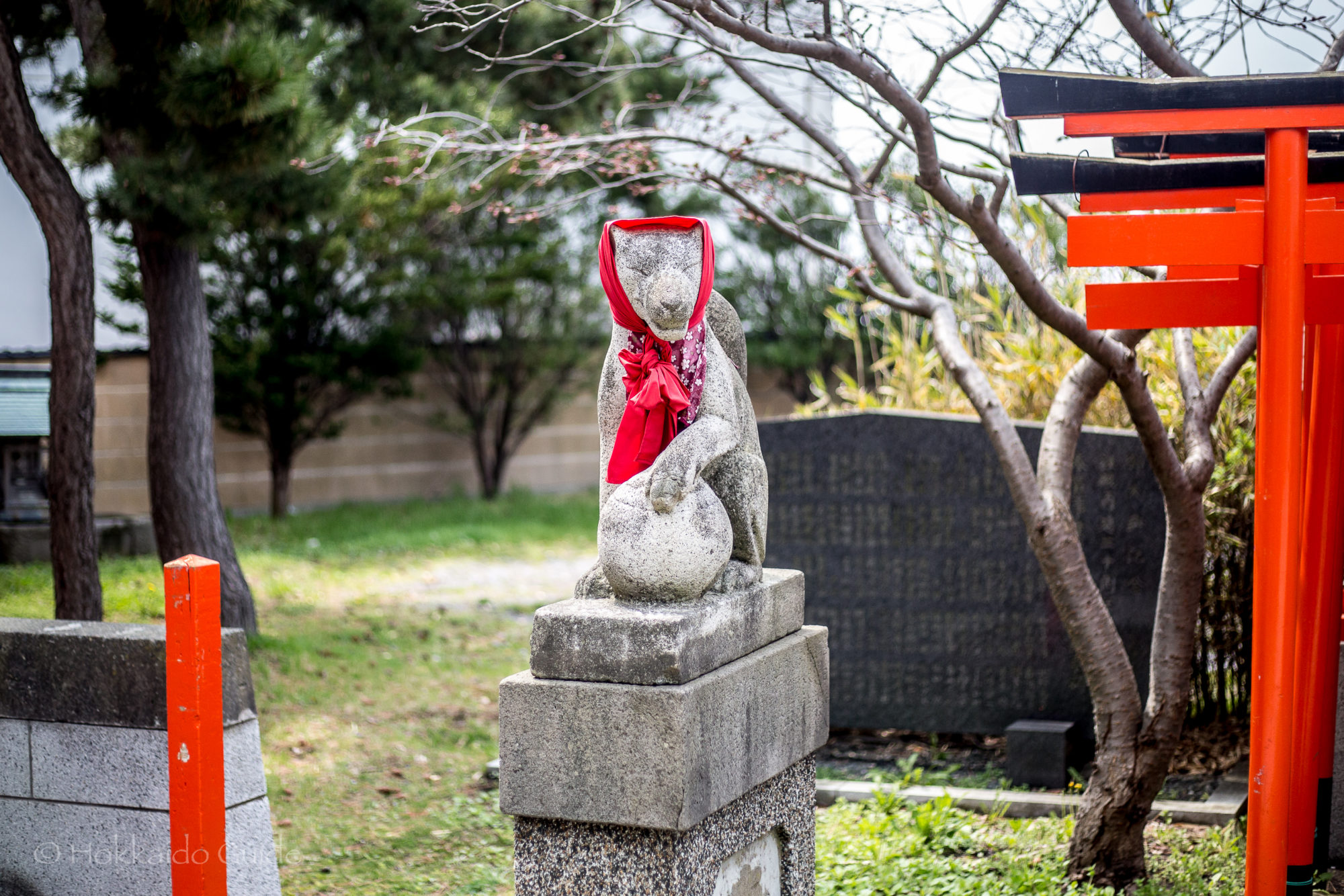
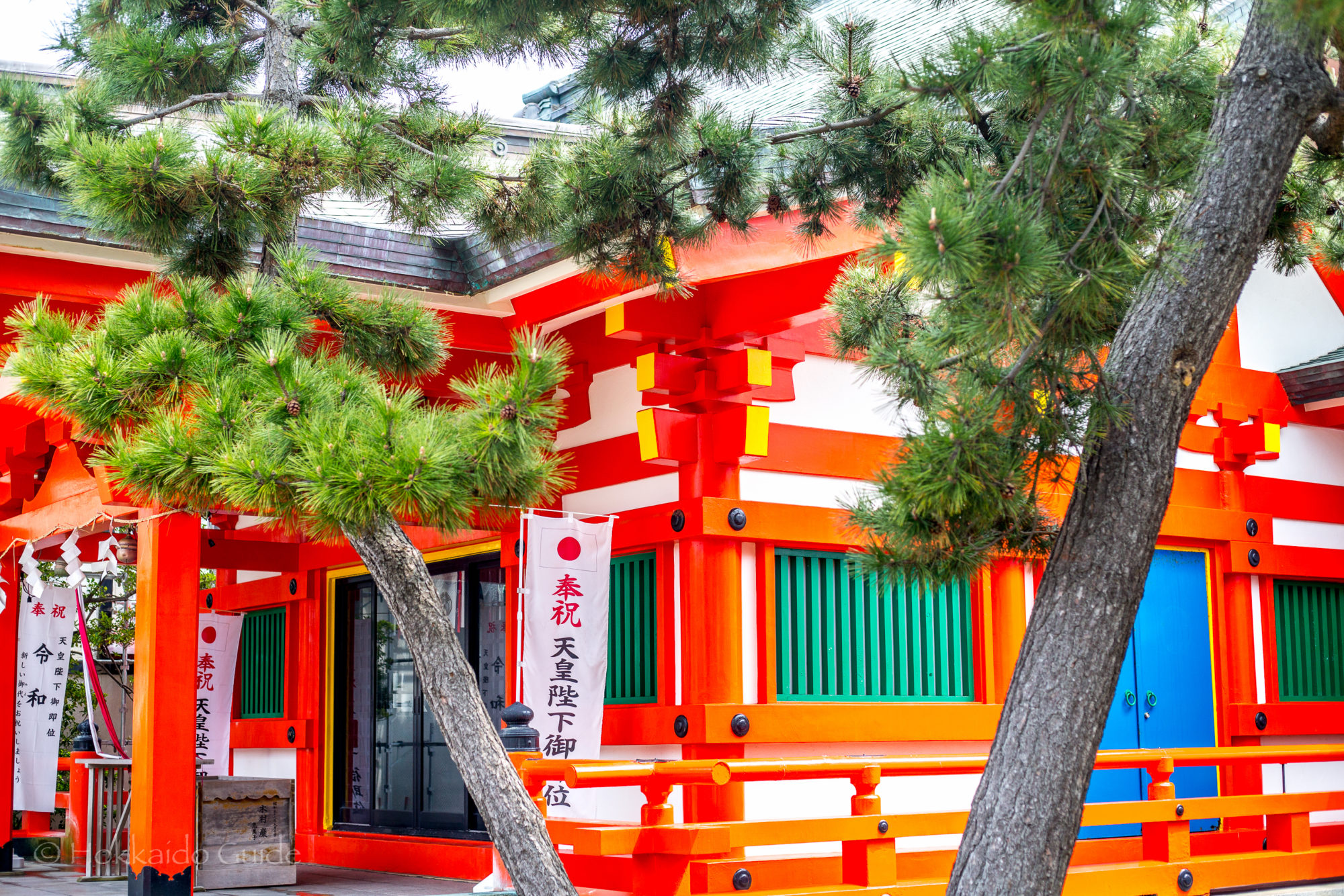
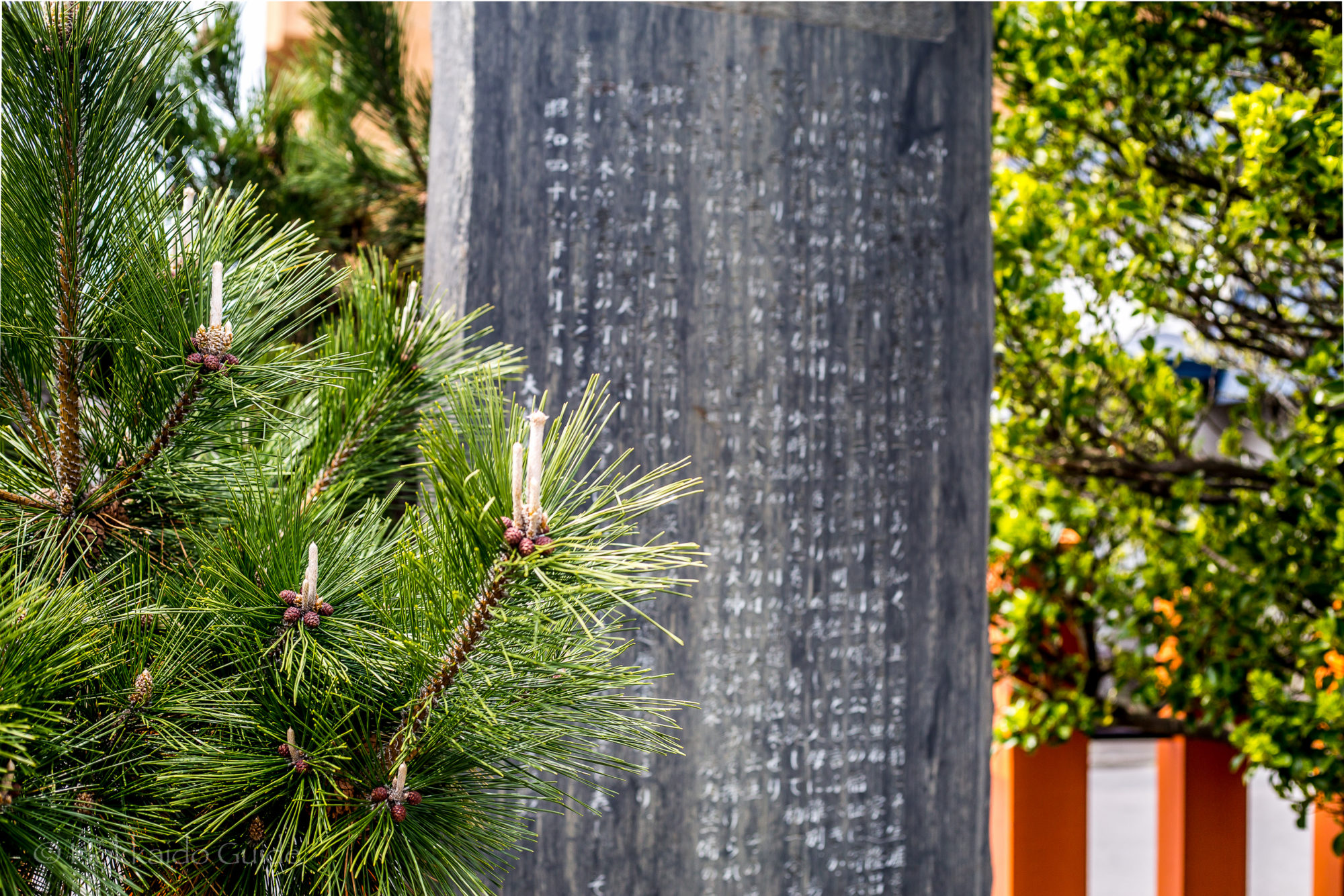
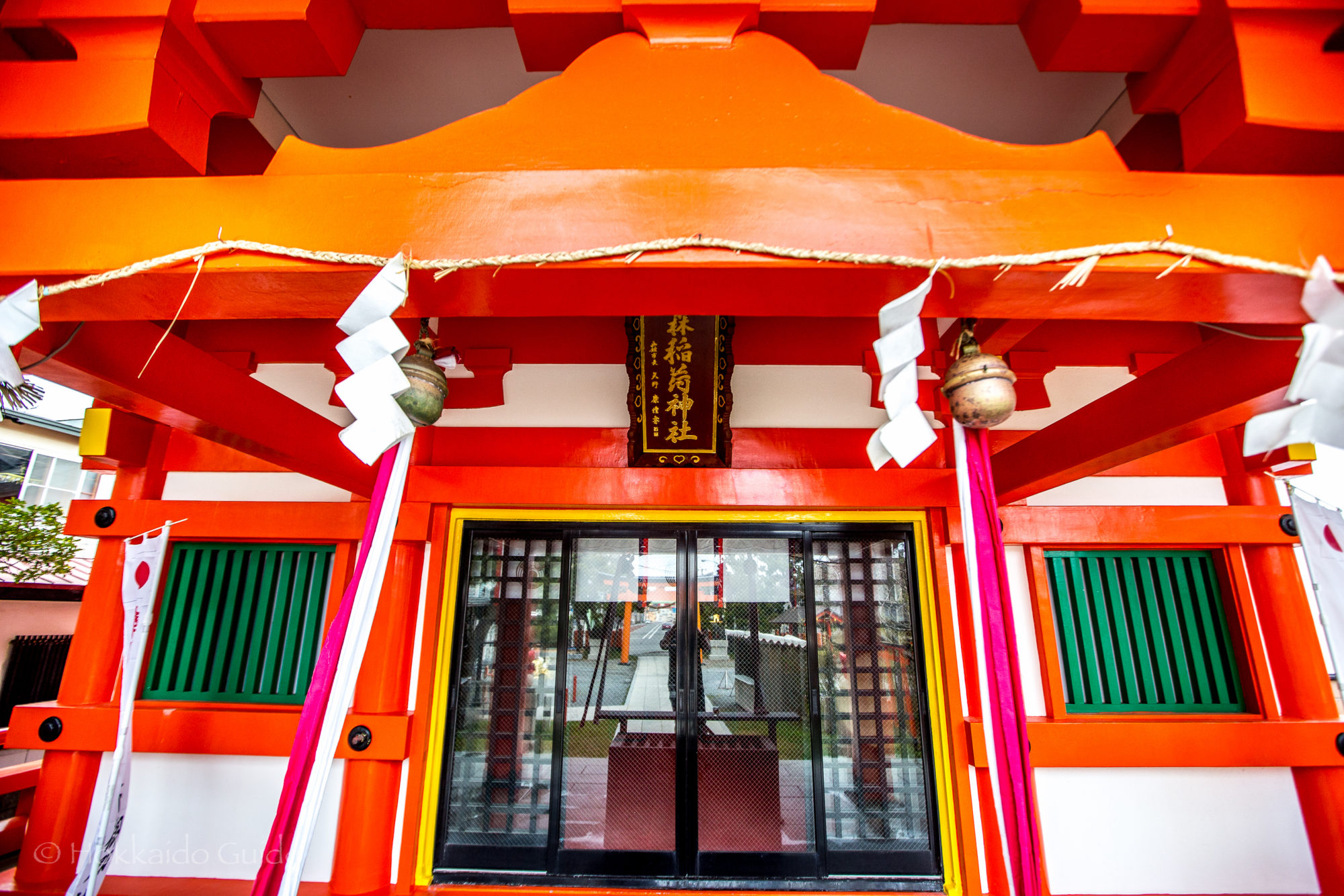
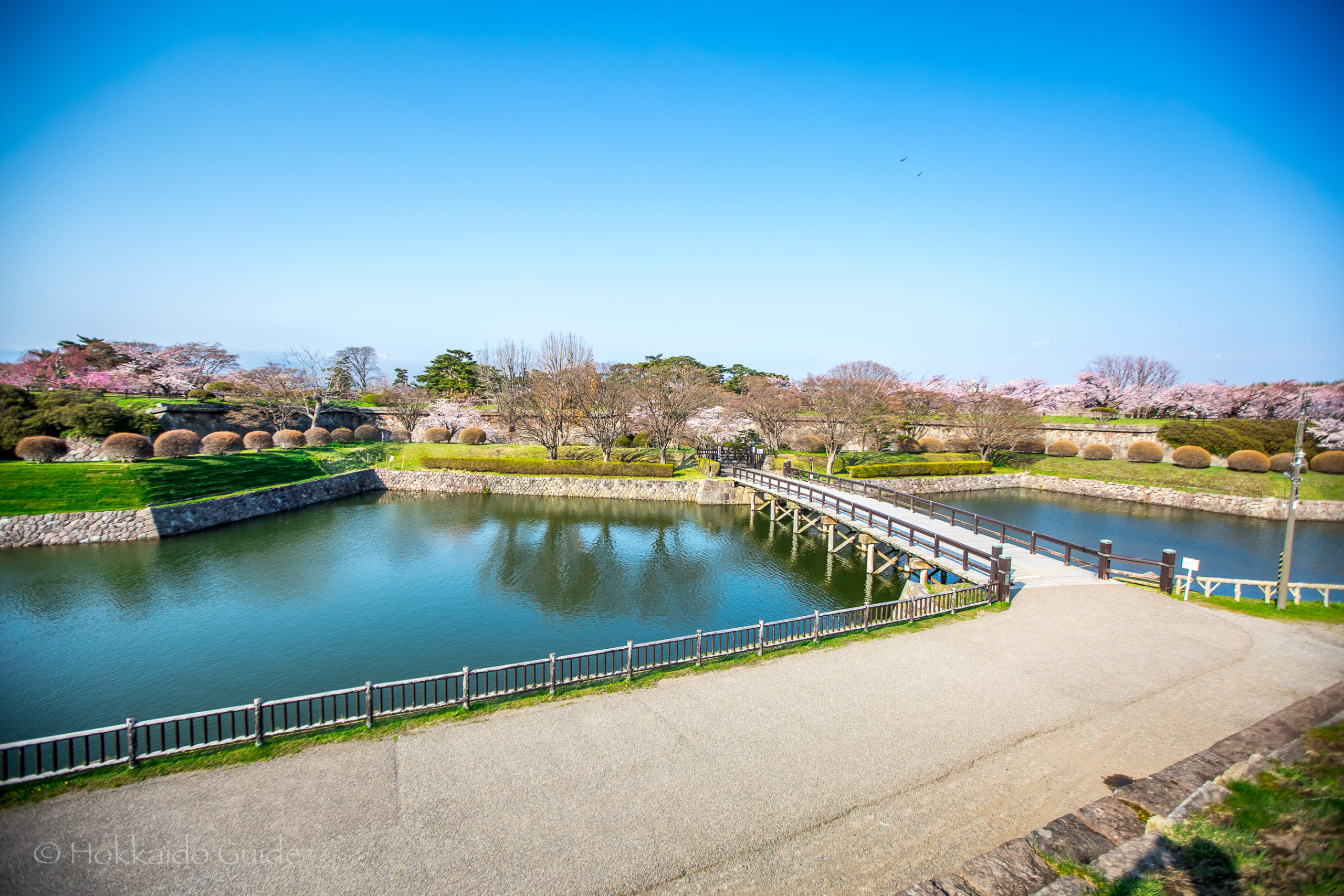
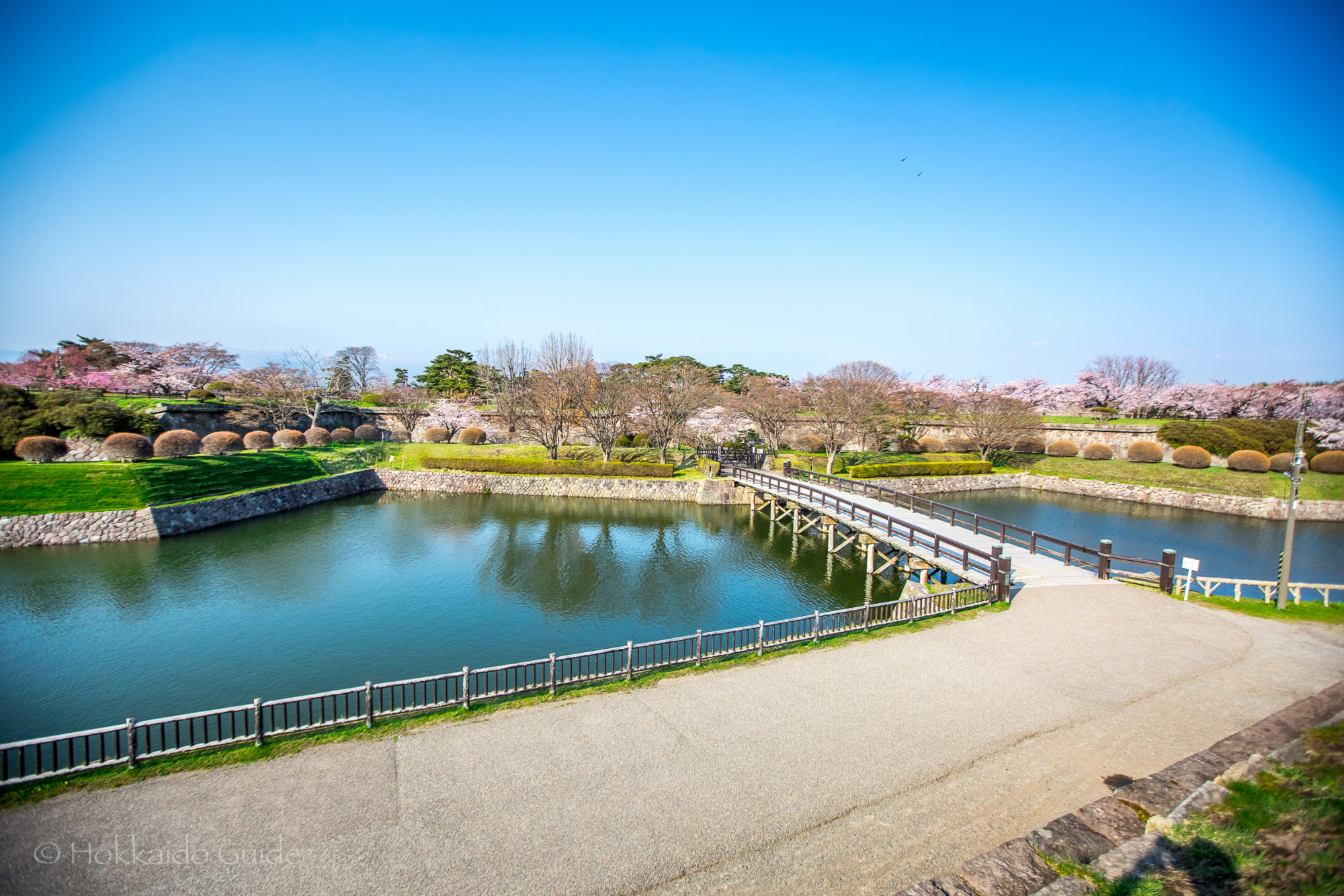
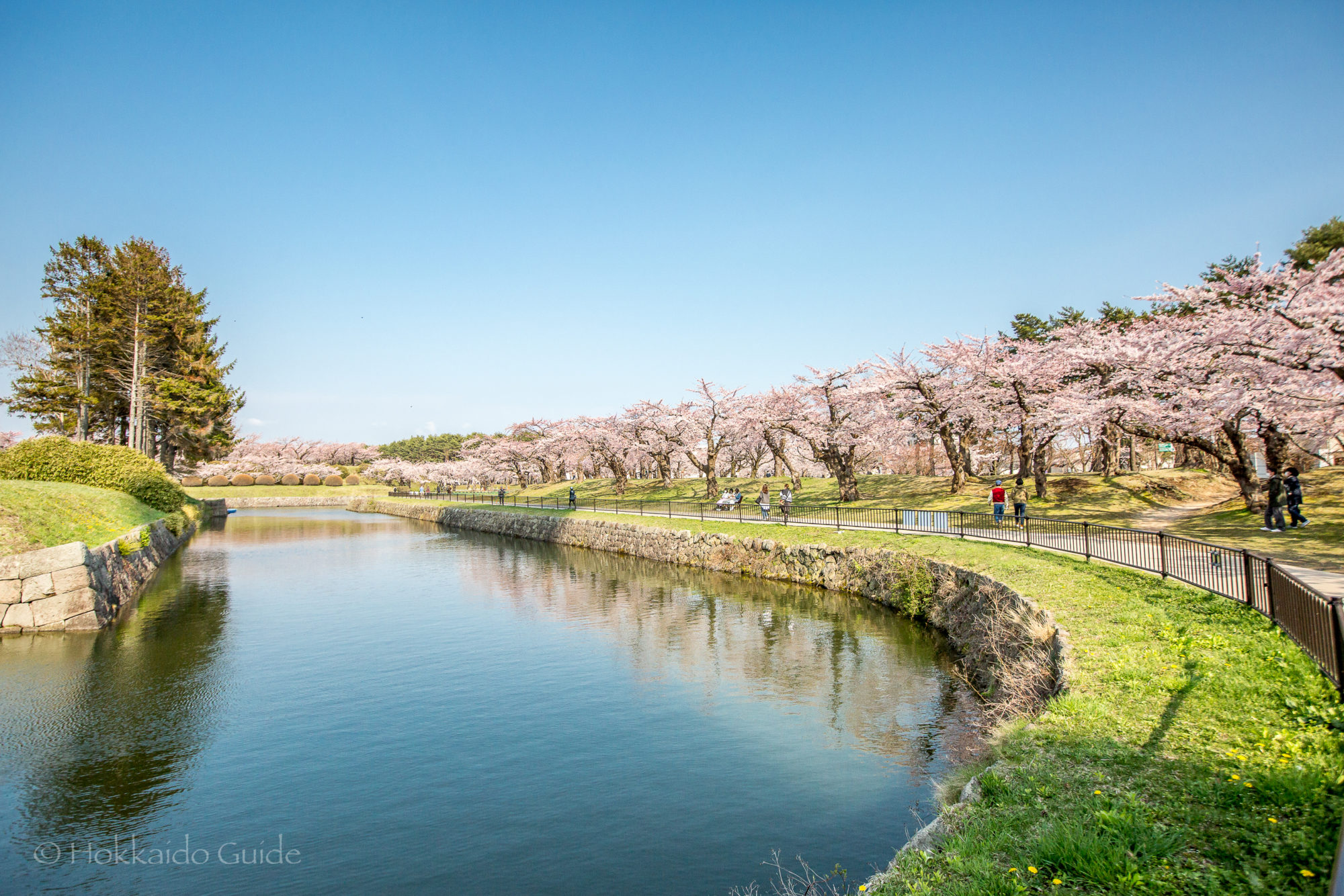
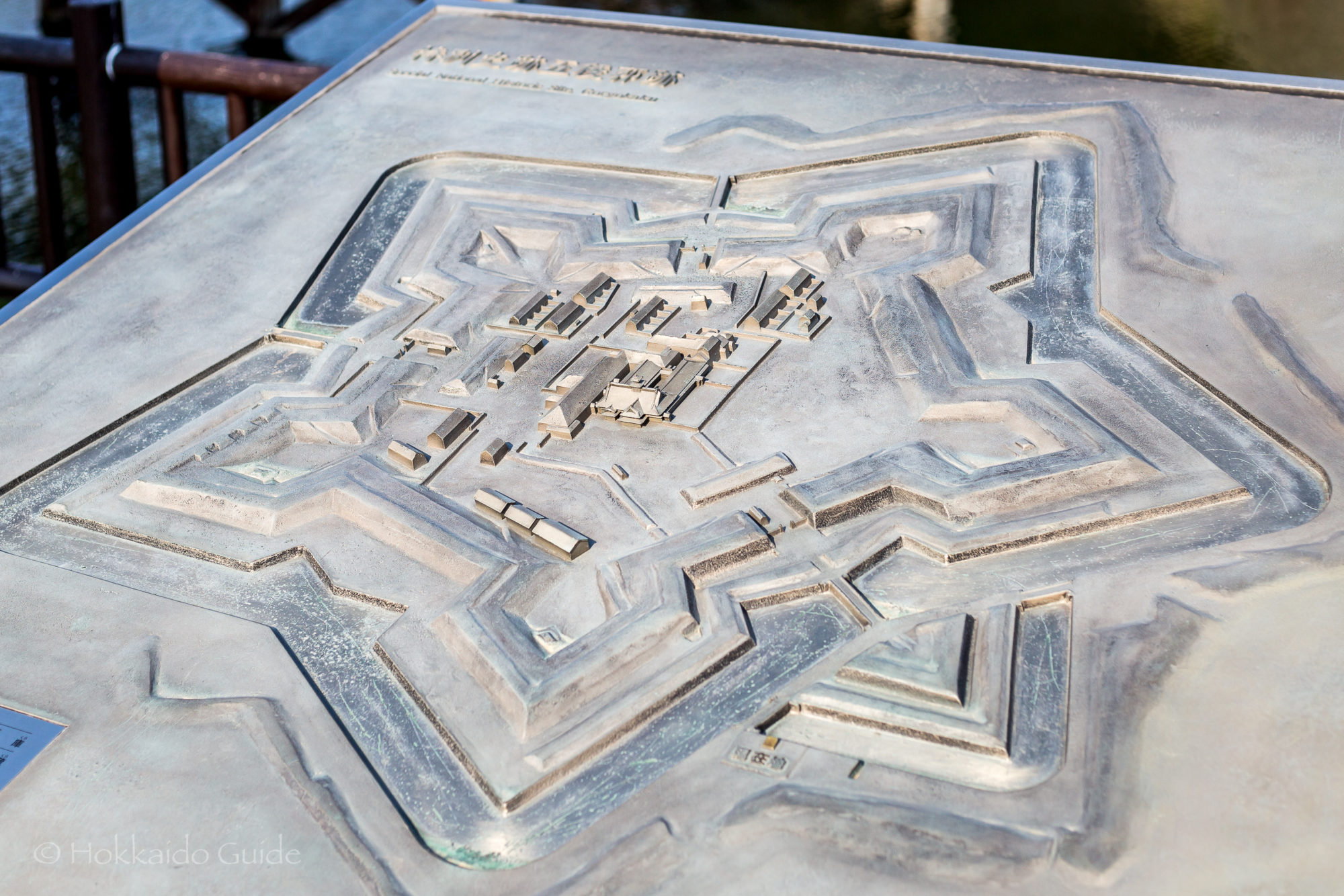
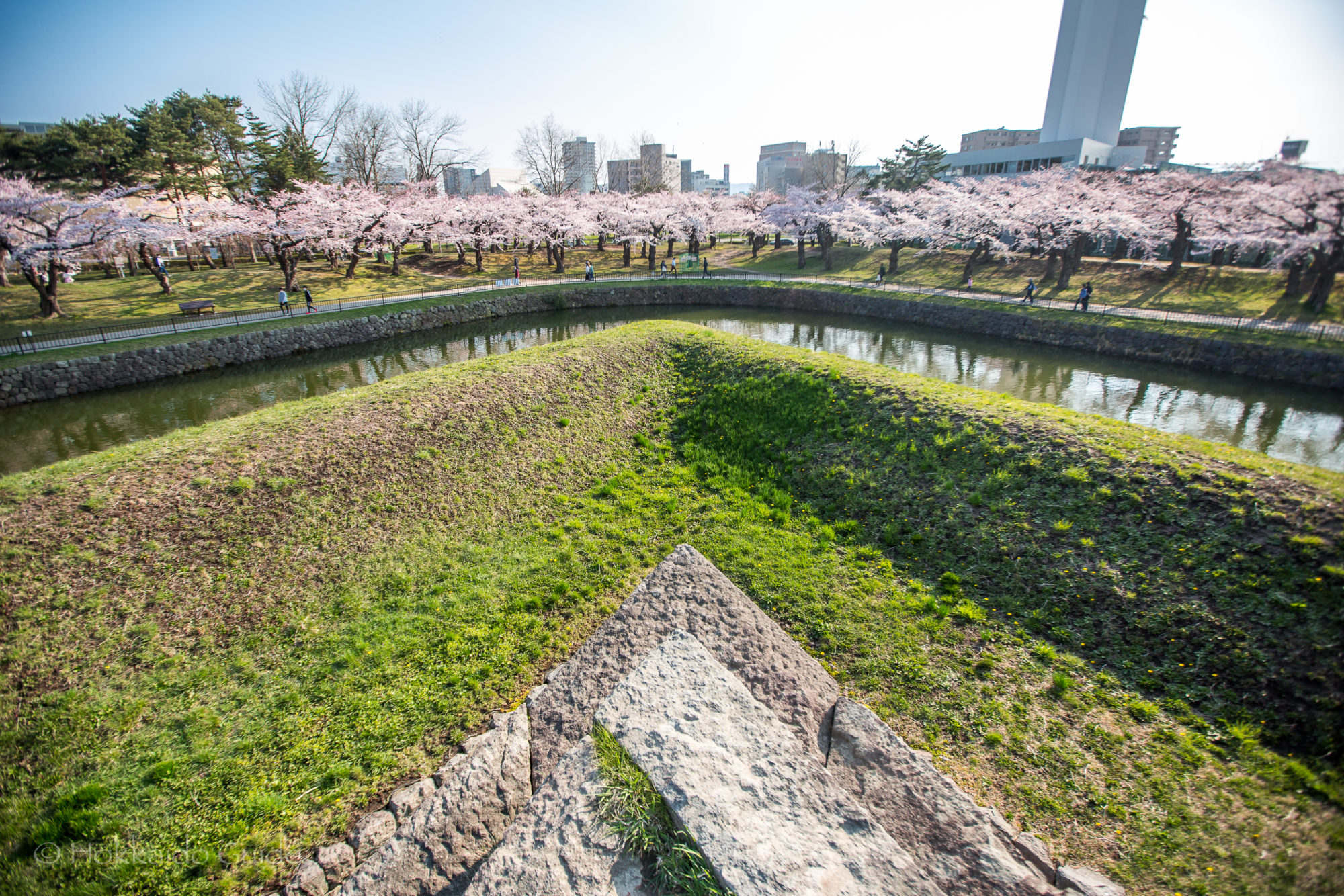
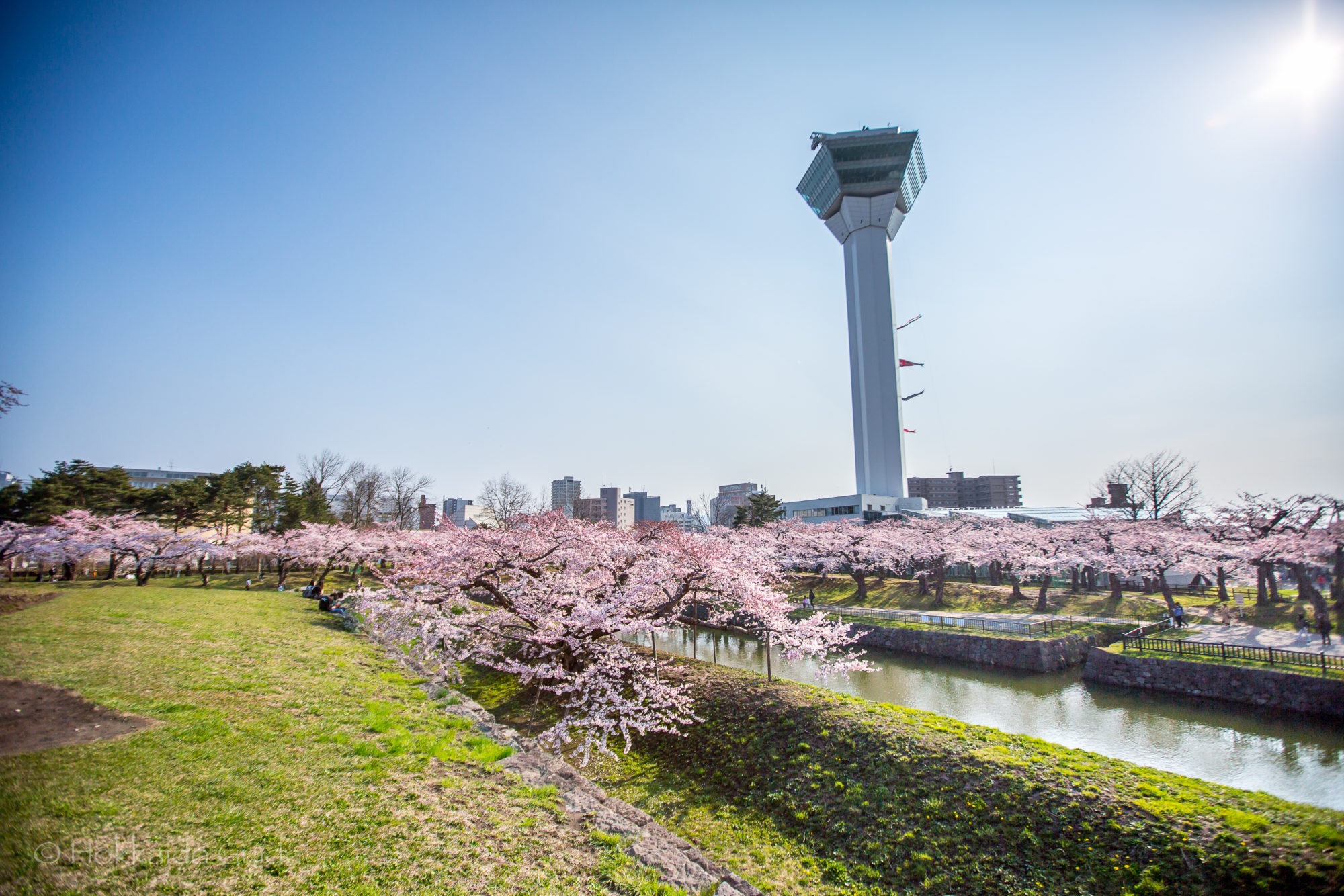
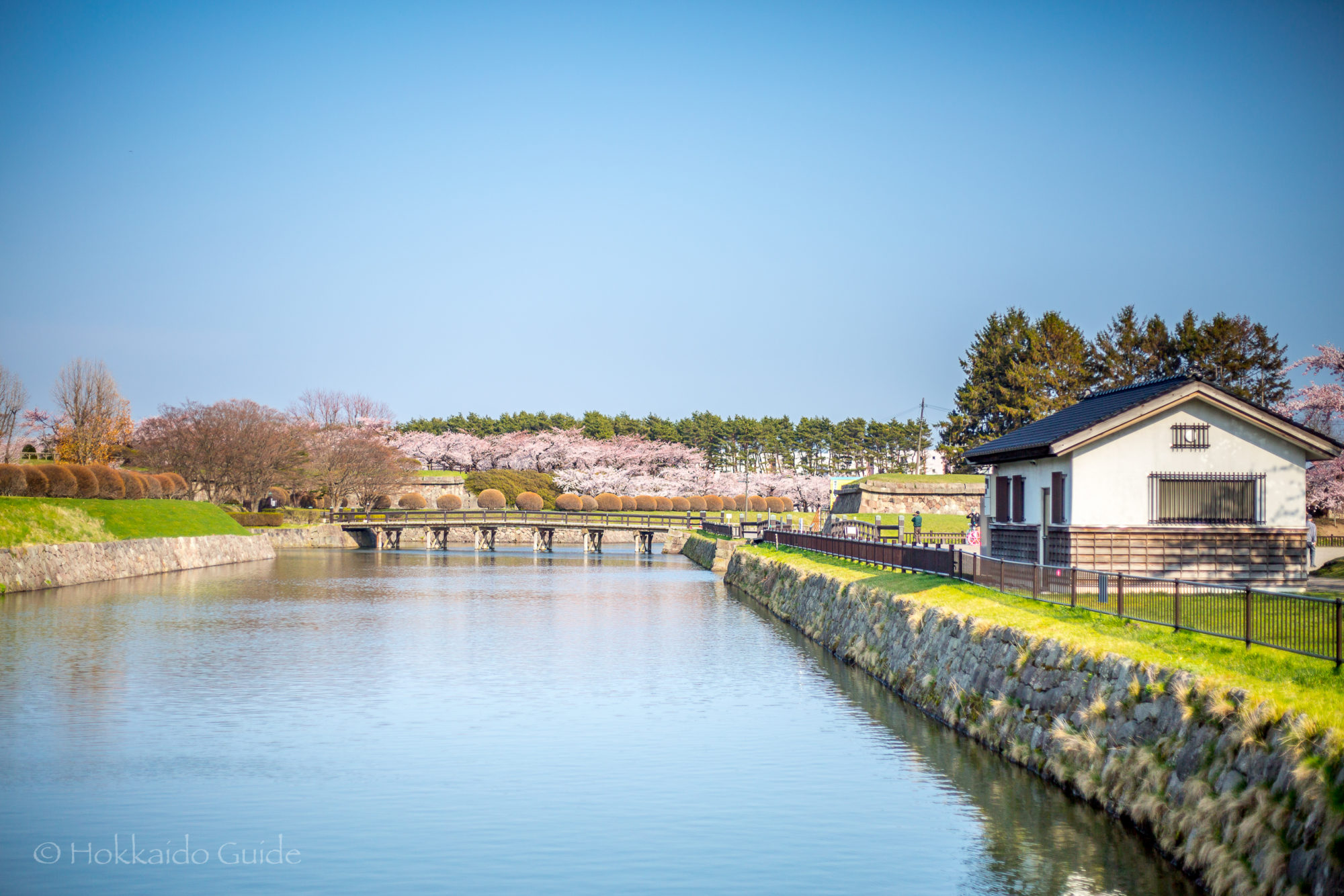
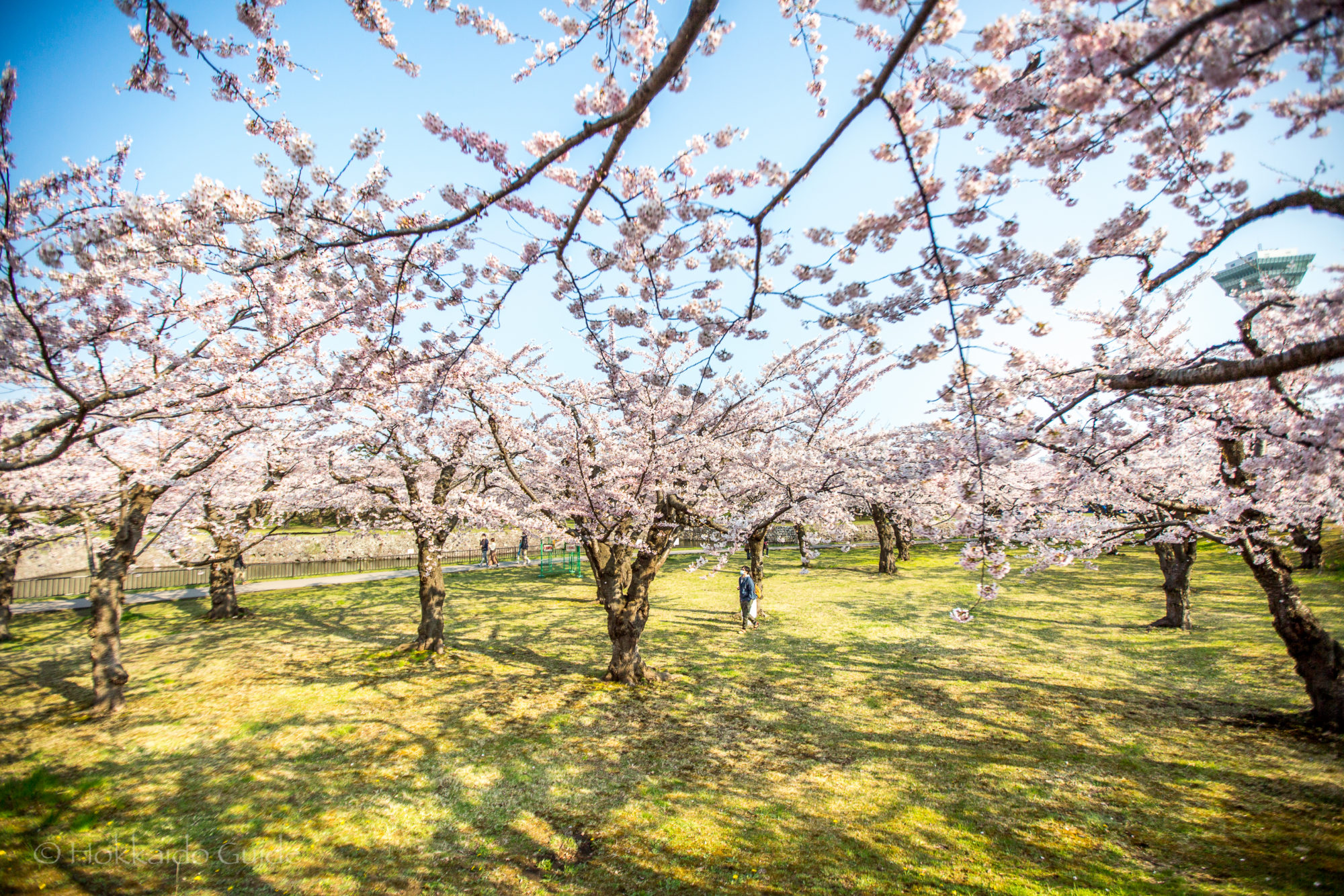
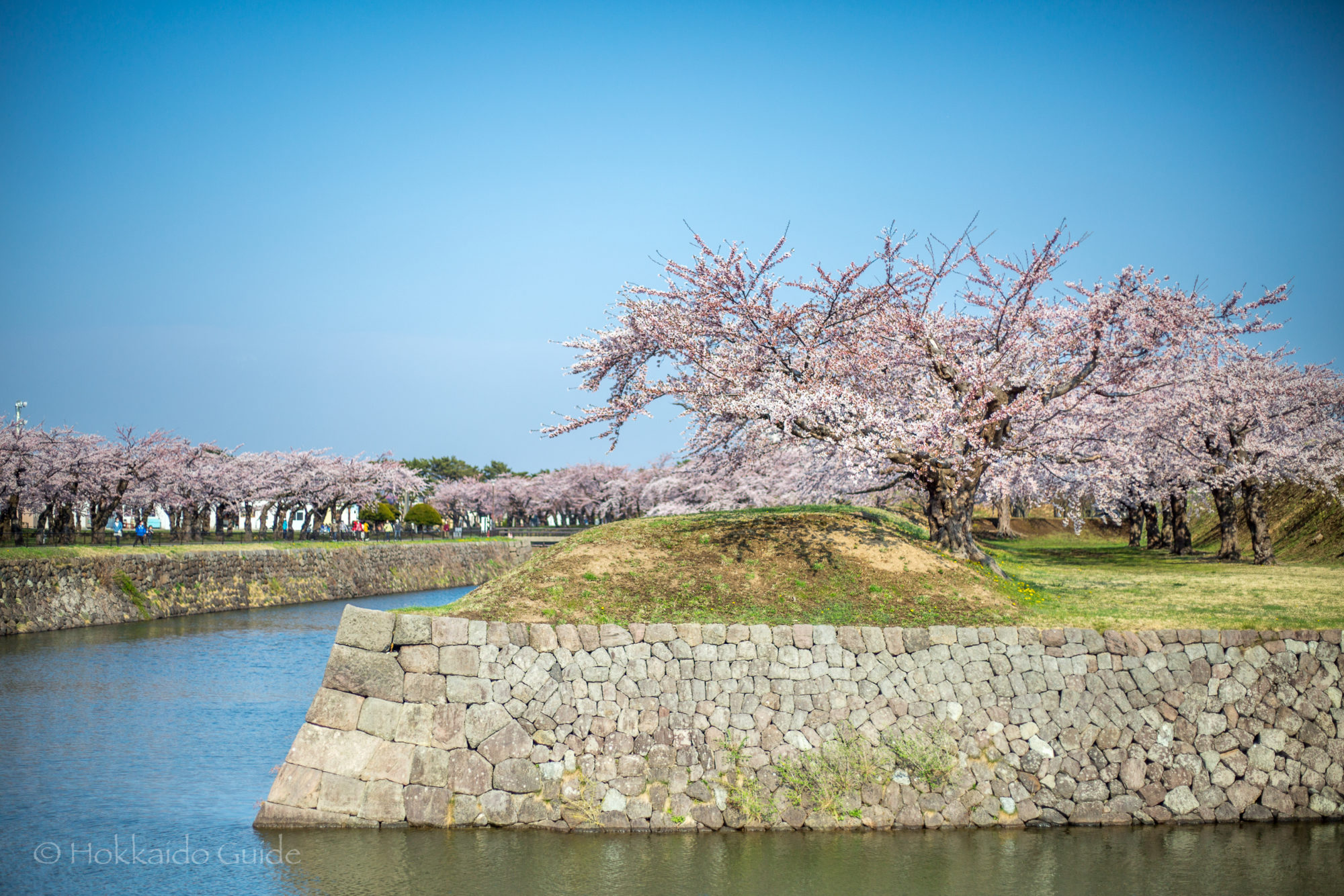
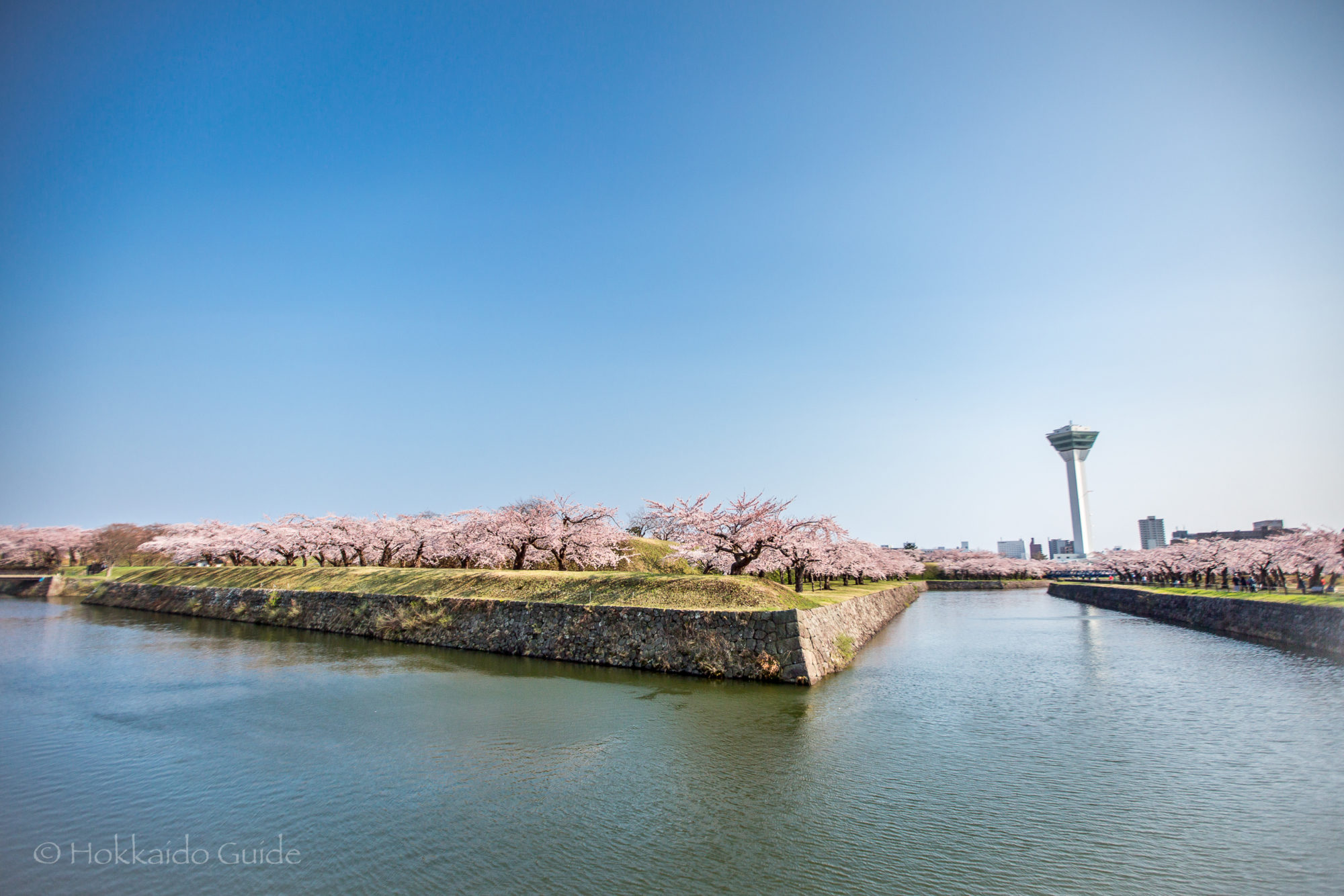
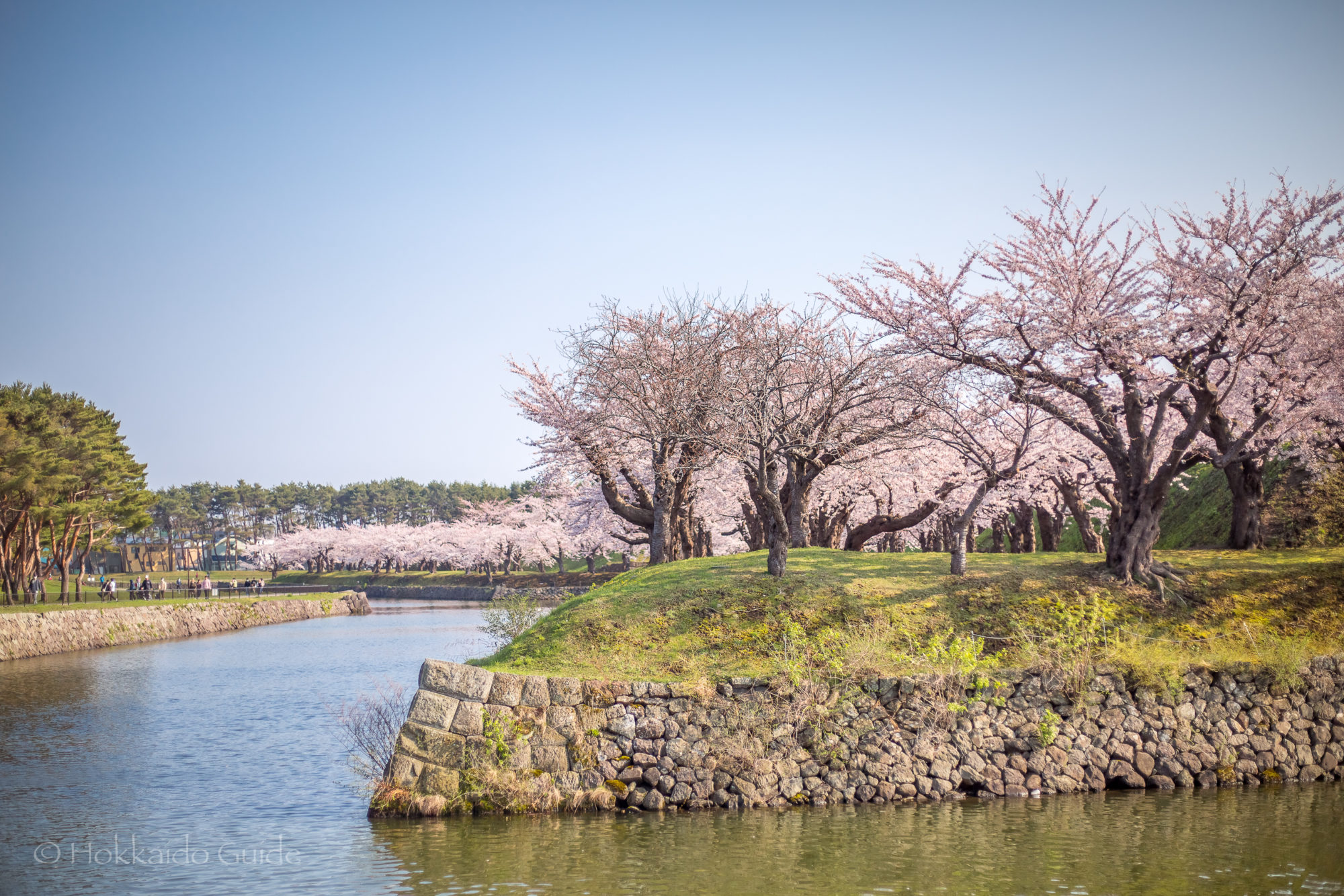
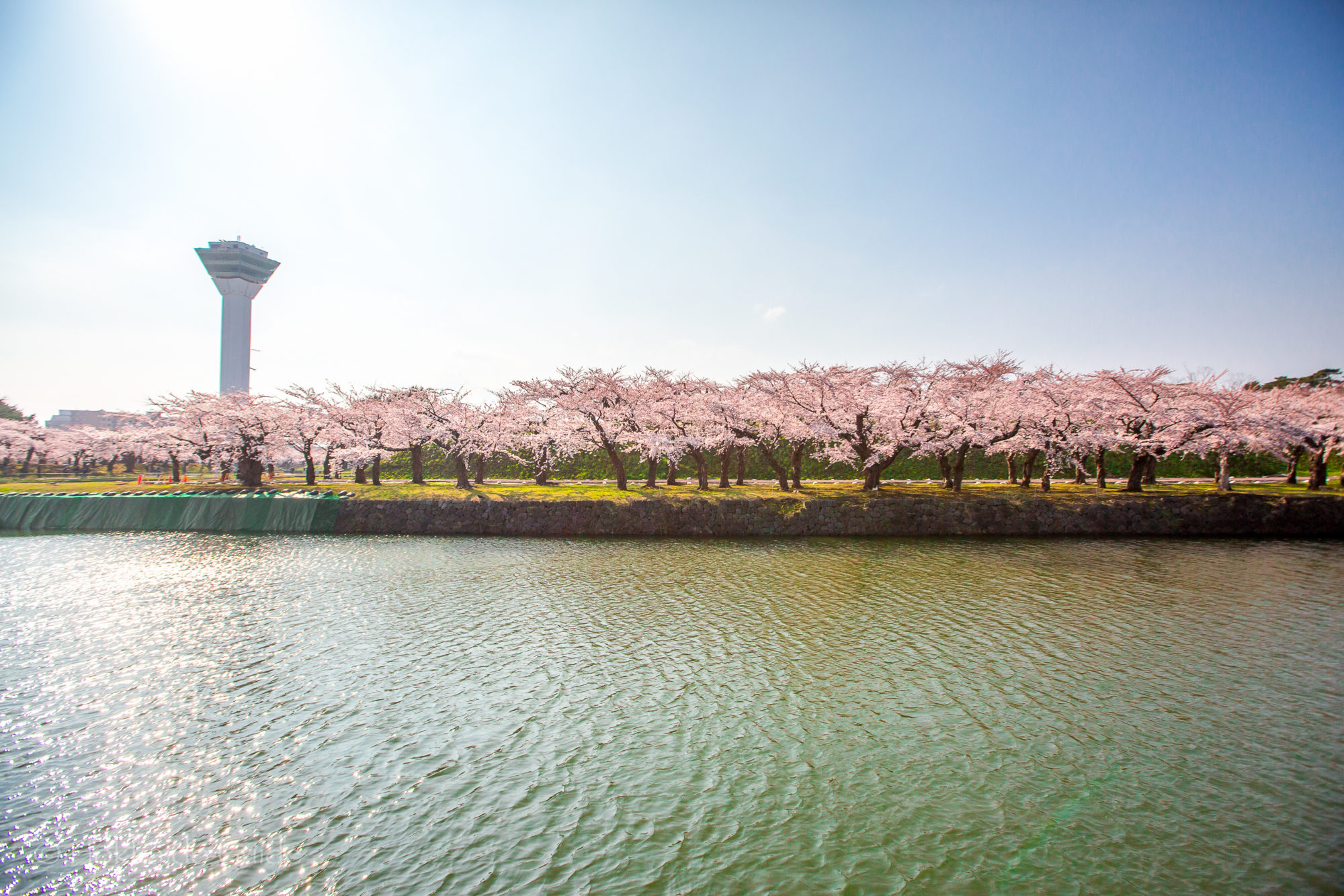
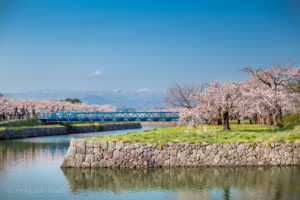 Goryōkaku Fort & Park was designed in 1855 by the scholar and the architect, Takeda Ayasaburō. His design was based on the work by the French architect, Vauban. The design is in the shape of a five-pointed star. Unlike other Japanese forts, this allowed for a greater number of gun emplacements, and reduced the number of blind spots. It was built to protect the Hakodate Magistrates office at the end of the Edo period when Hakodate opened its harbor to international trade. It played an important role as a political center in Ezo until it was taken over by the new Meiji government. The fort nowadays has seen the last of battles and sees quieter days as a national historic site. It is also a part of the Hakodate city museum and is a hugely popular spot for cherry blossom viewing.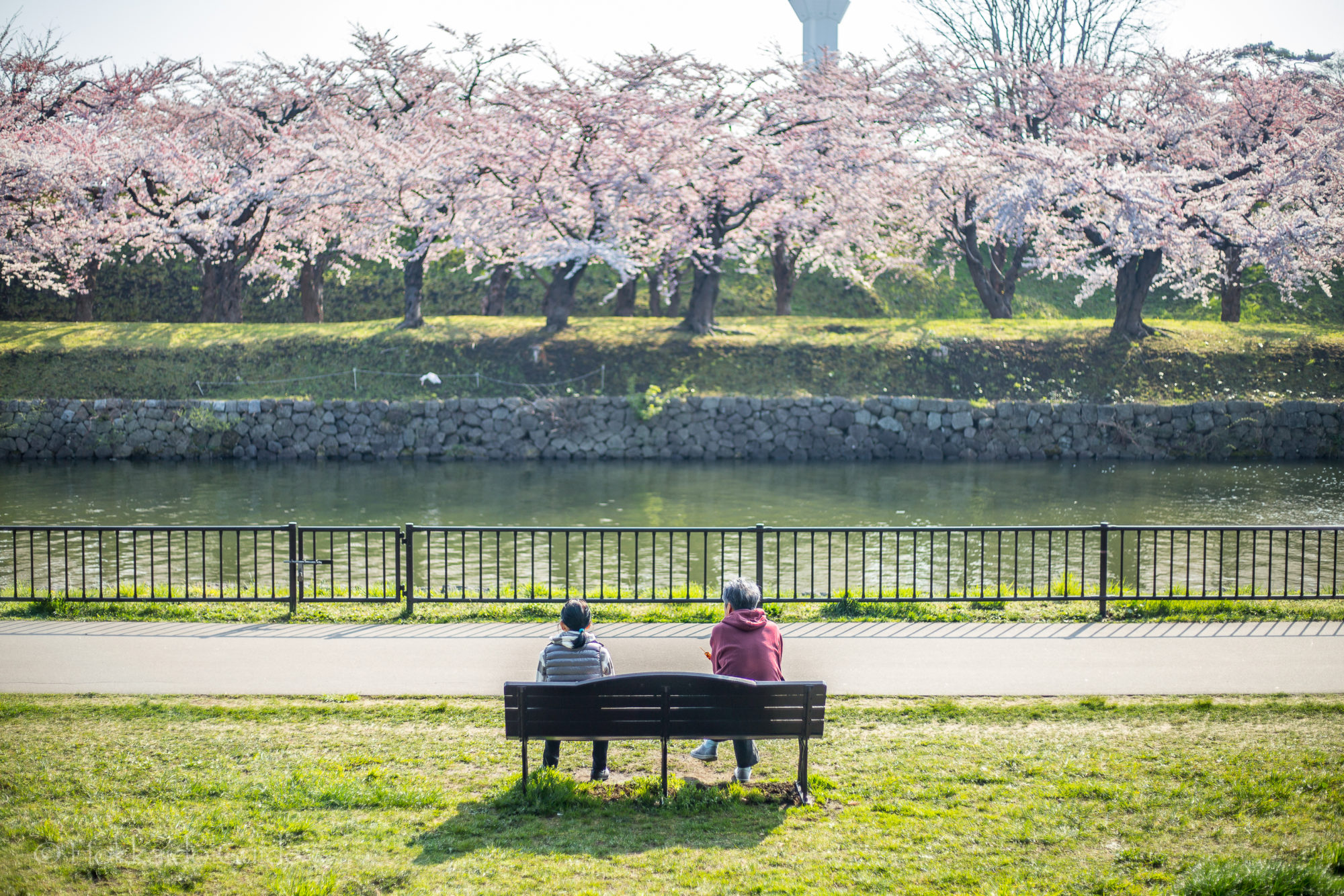
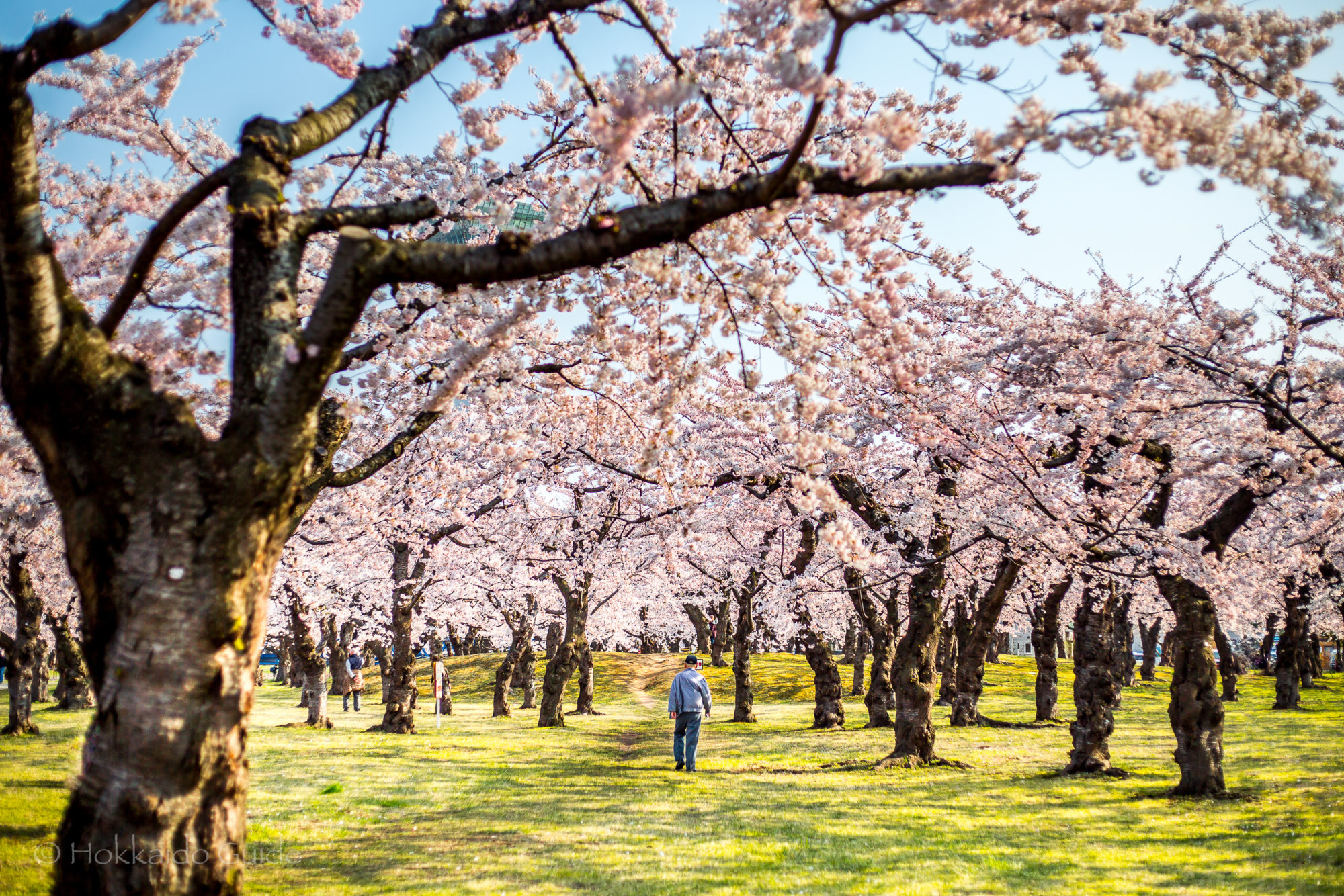
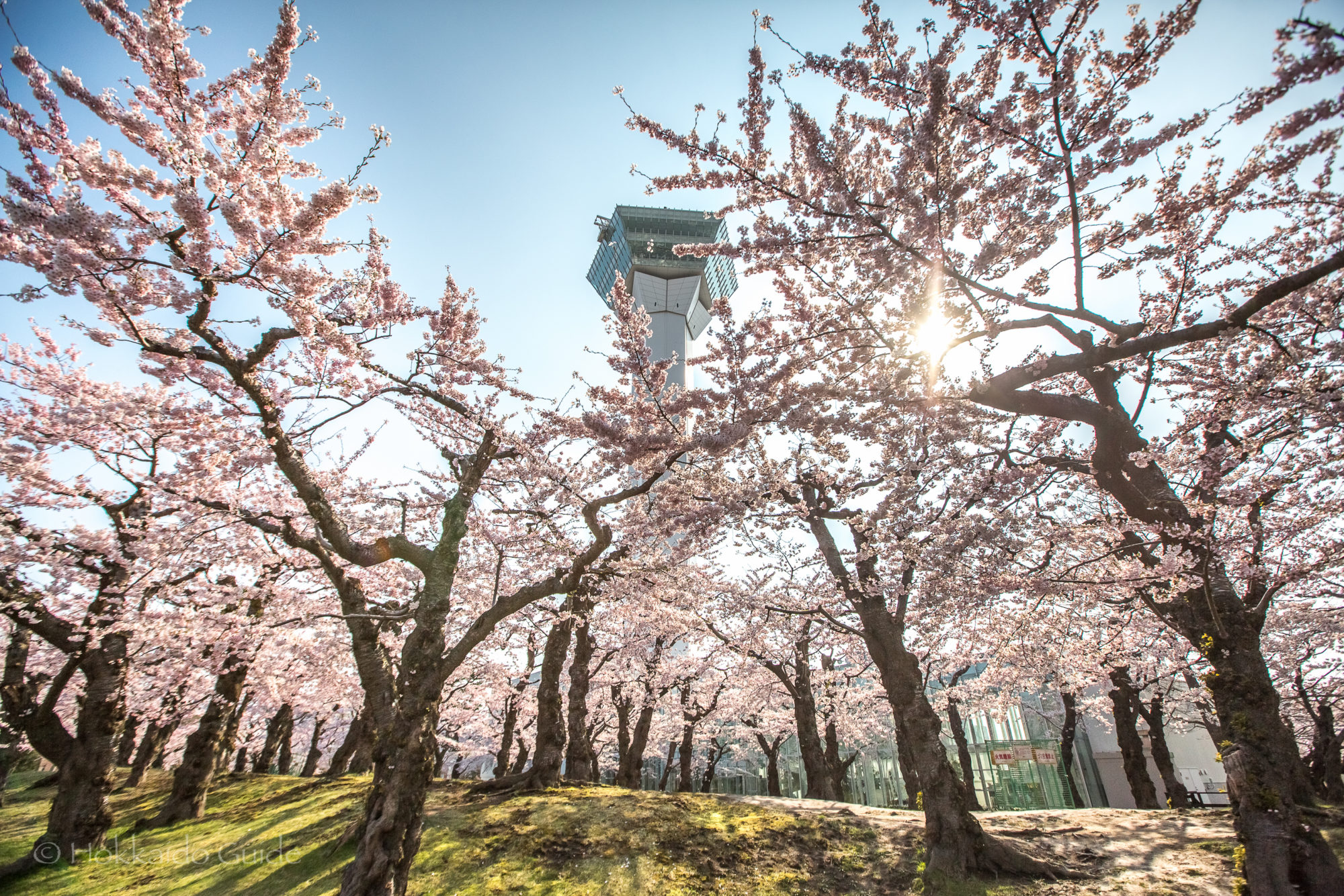
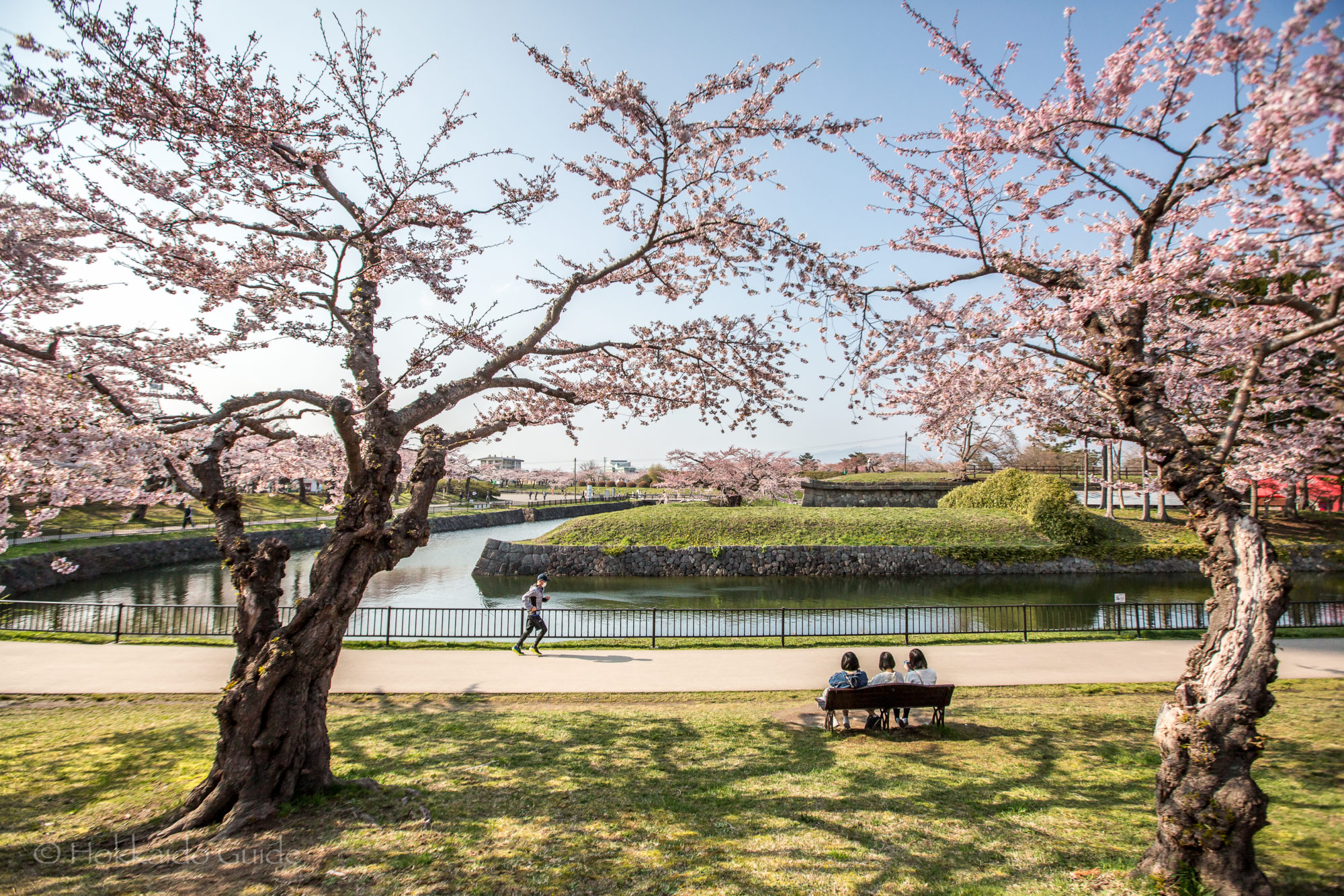
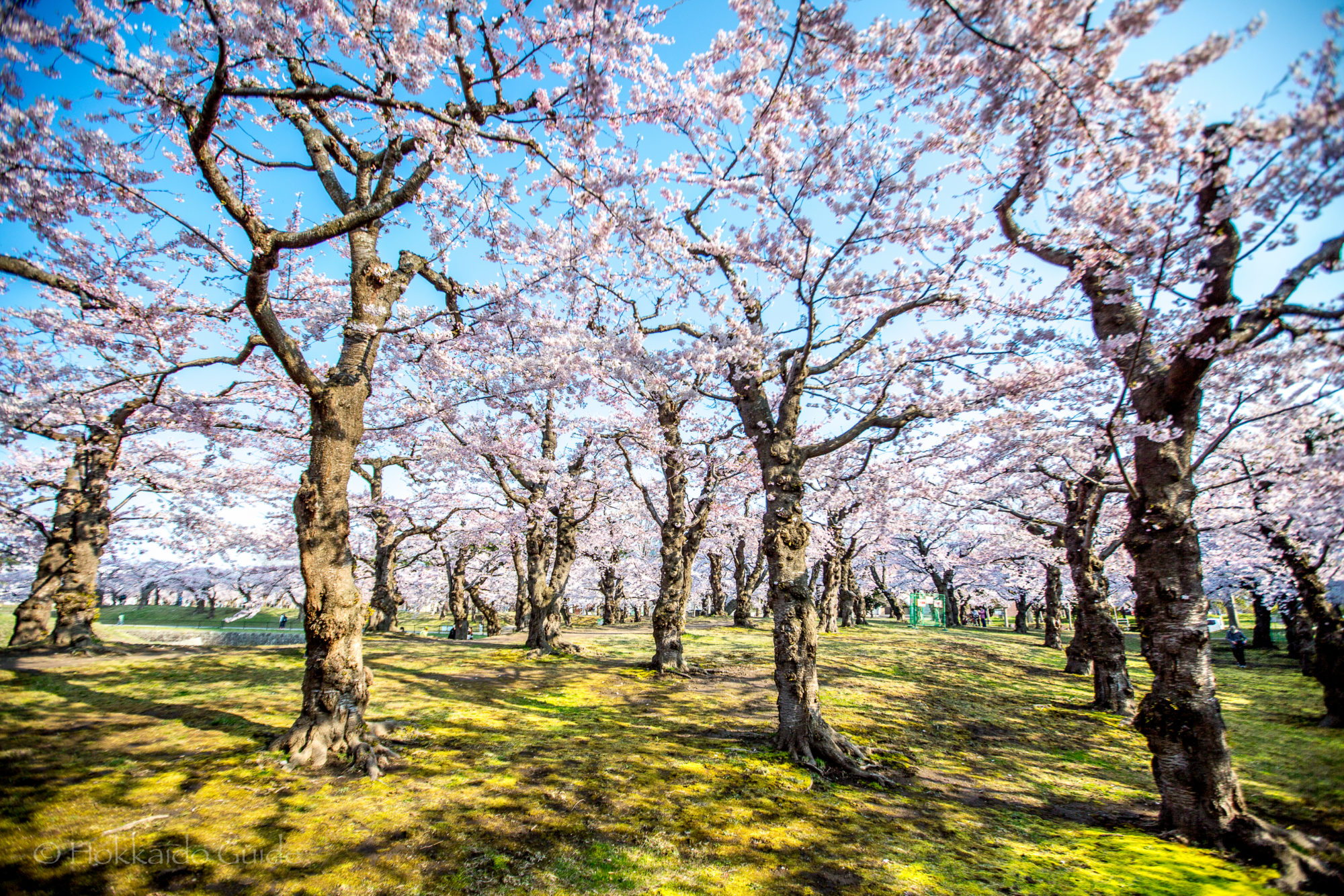
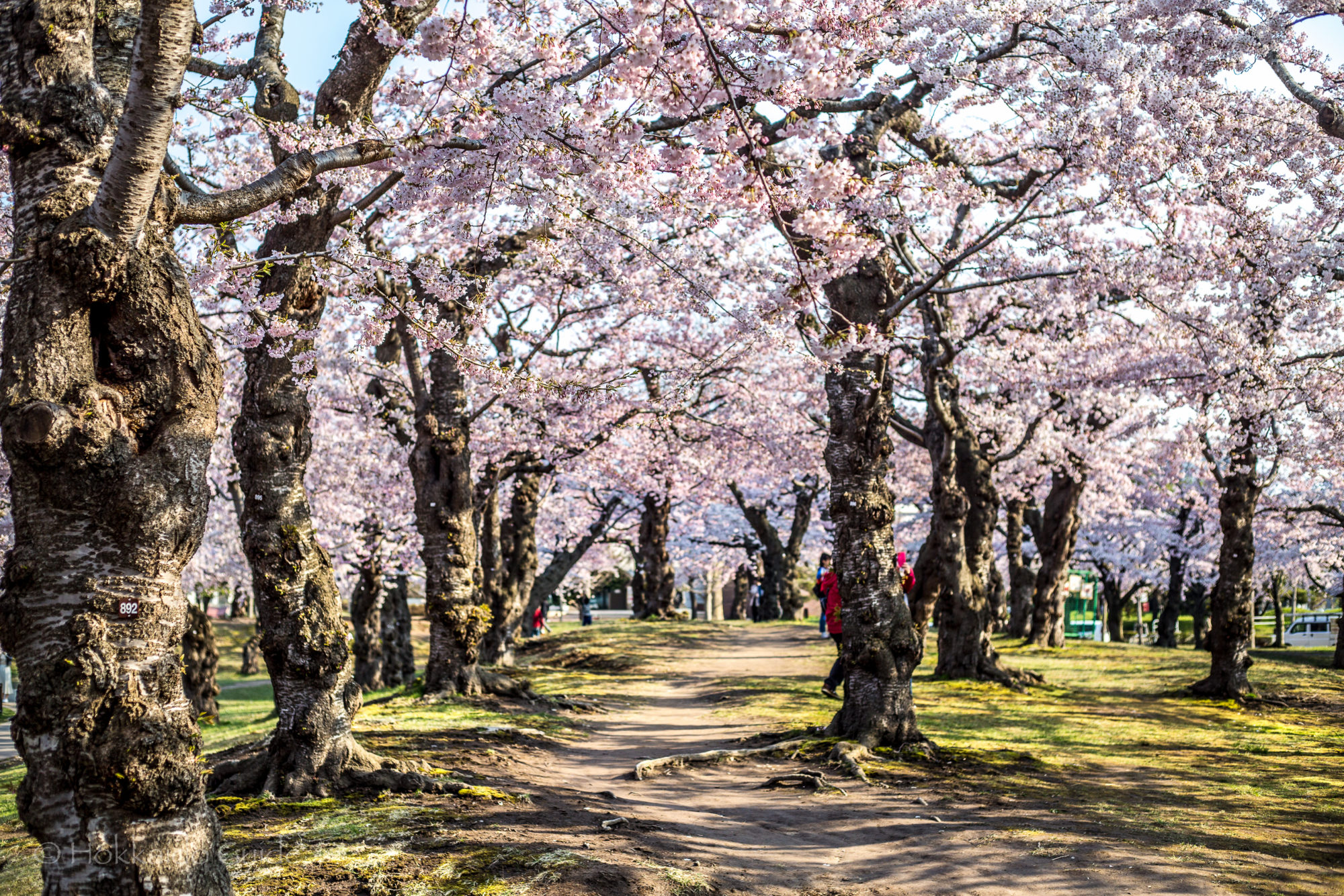
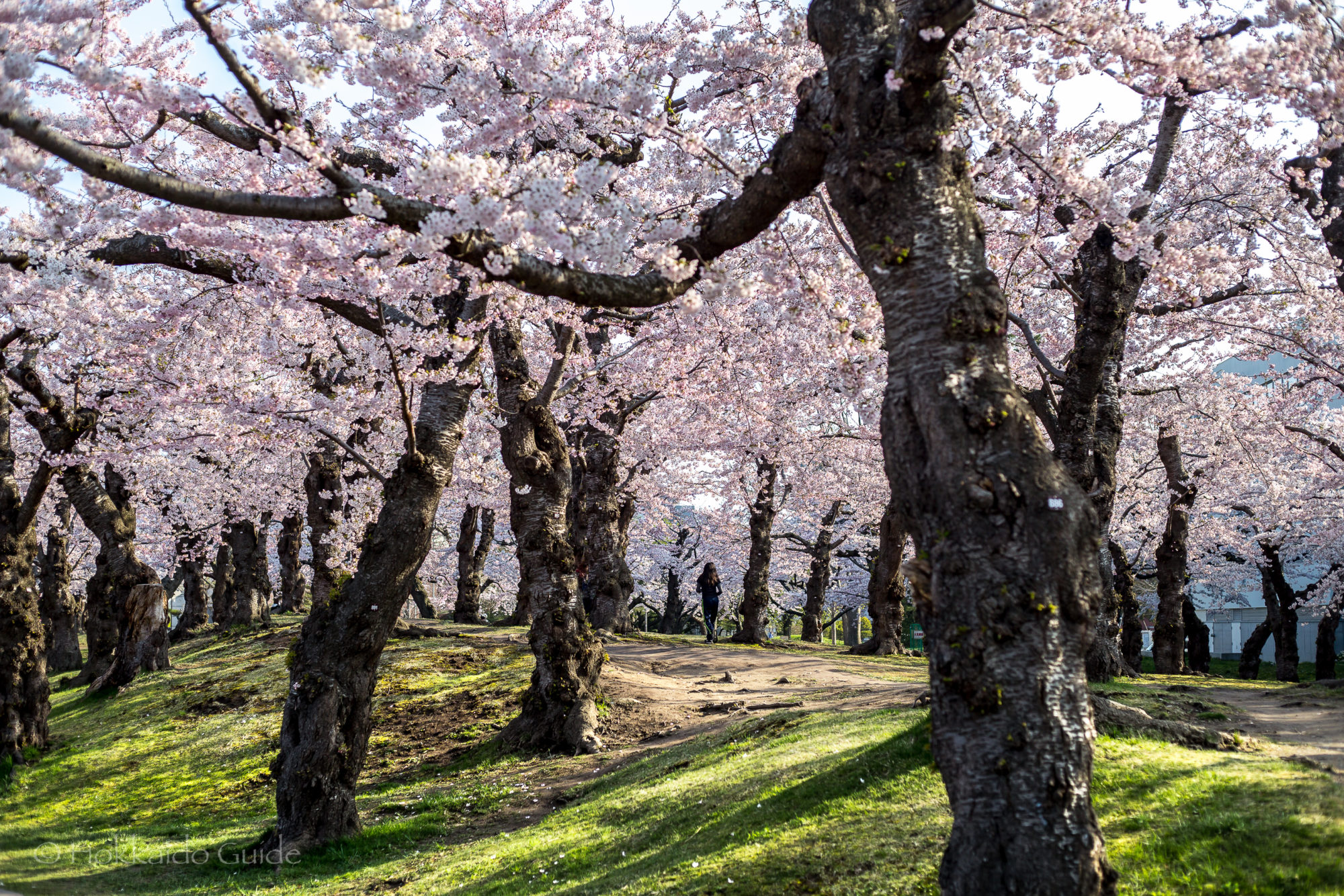
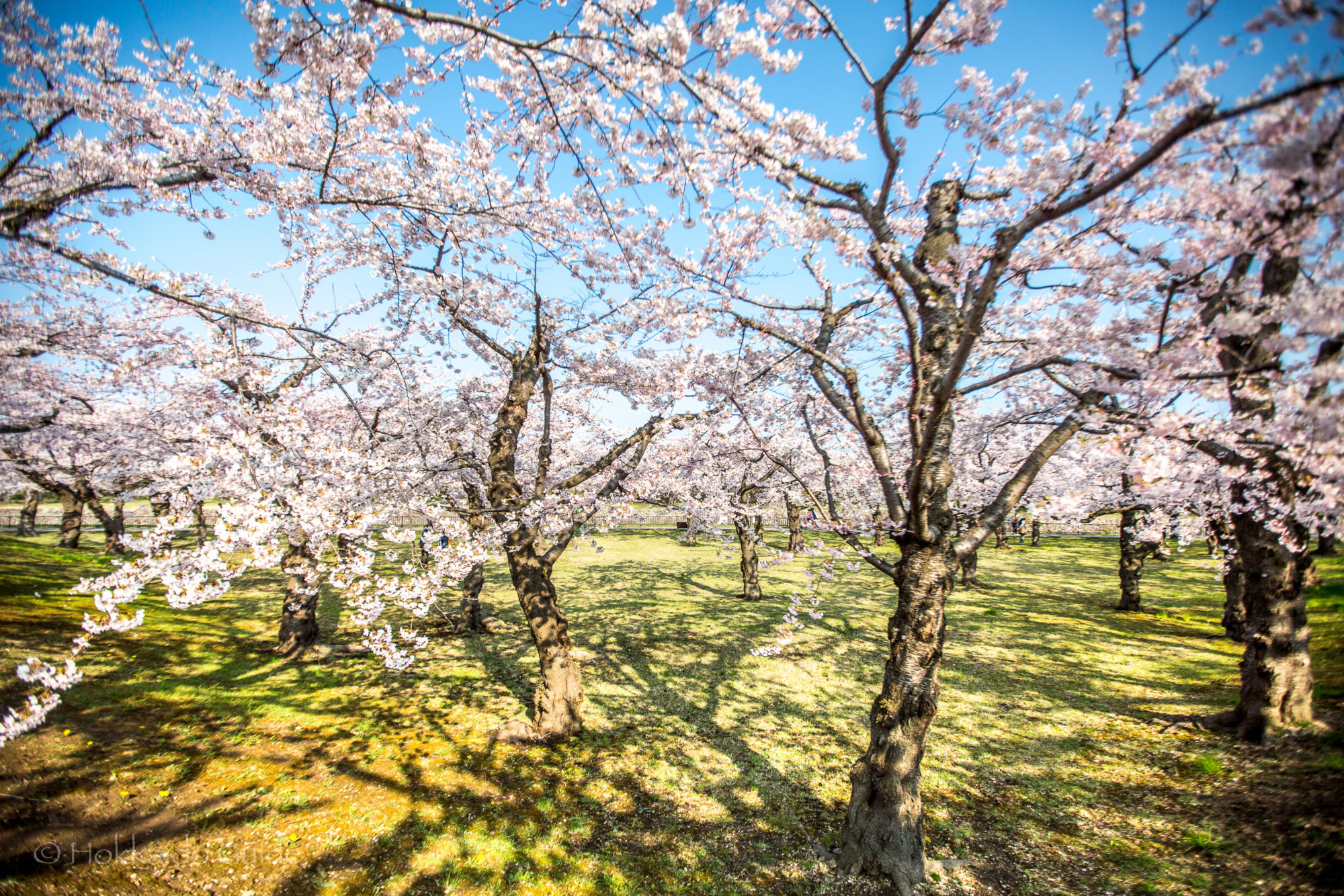
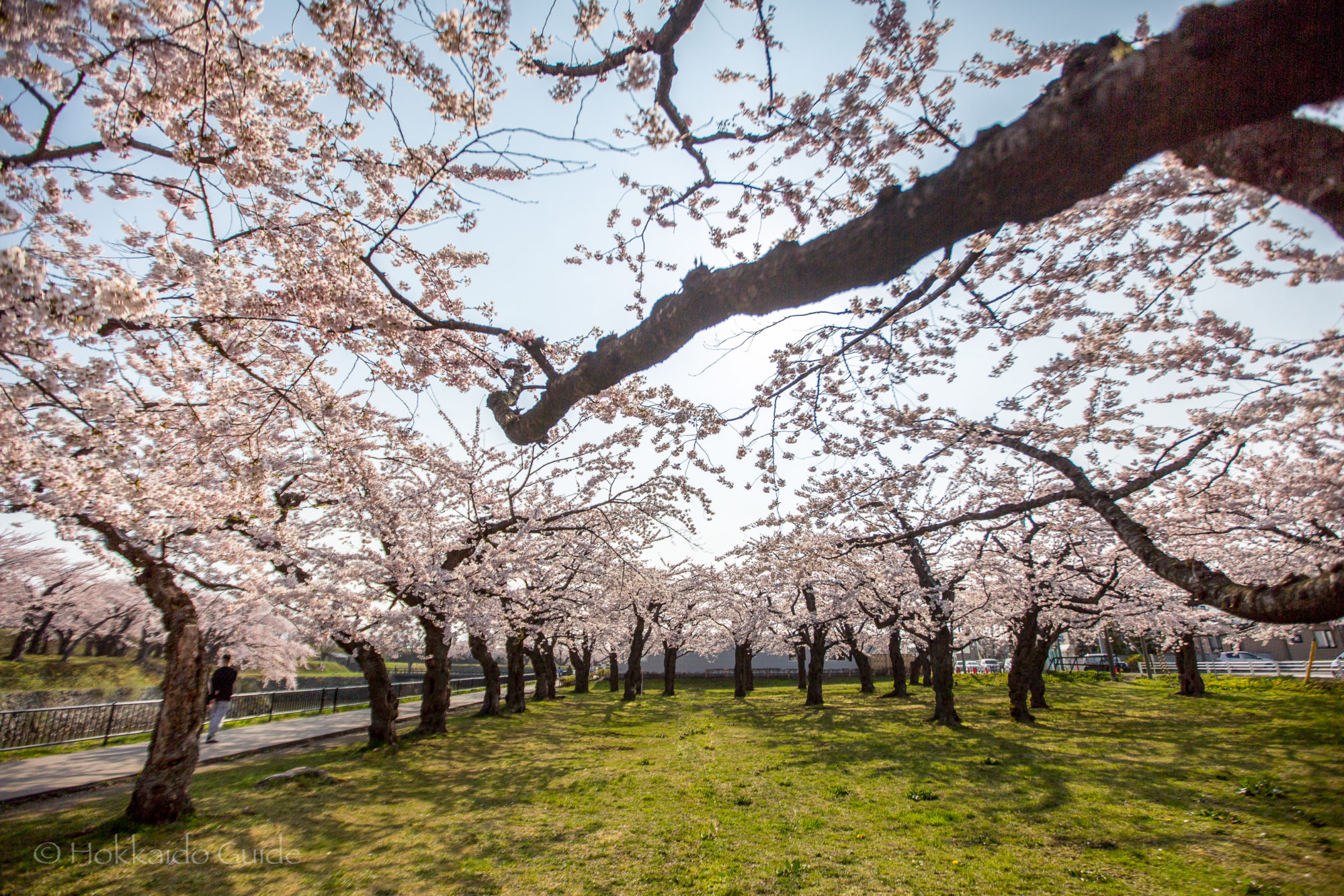
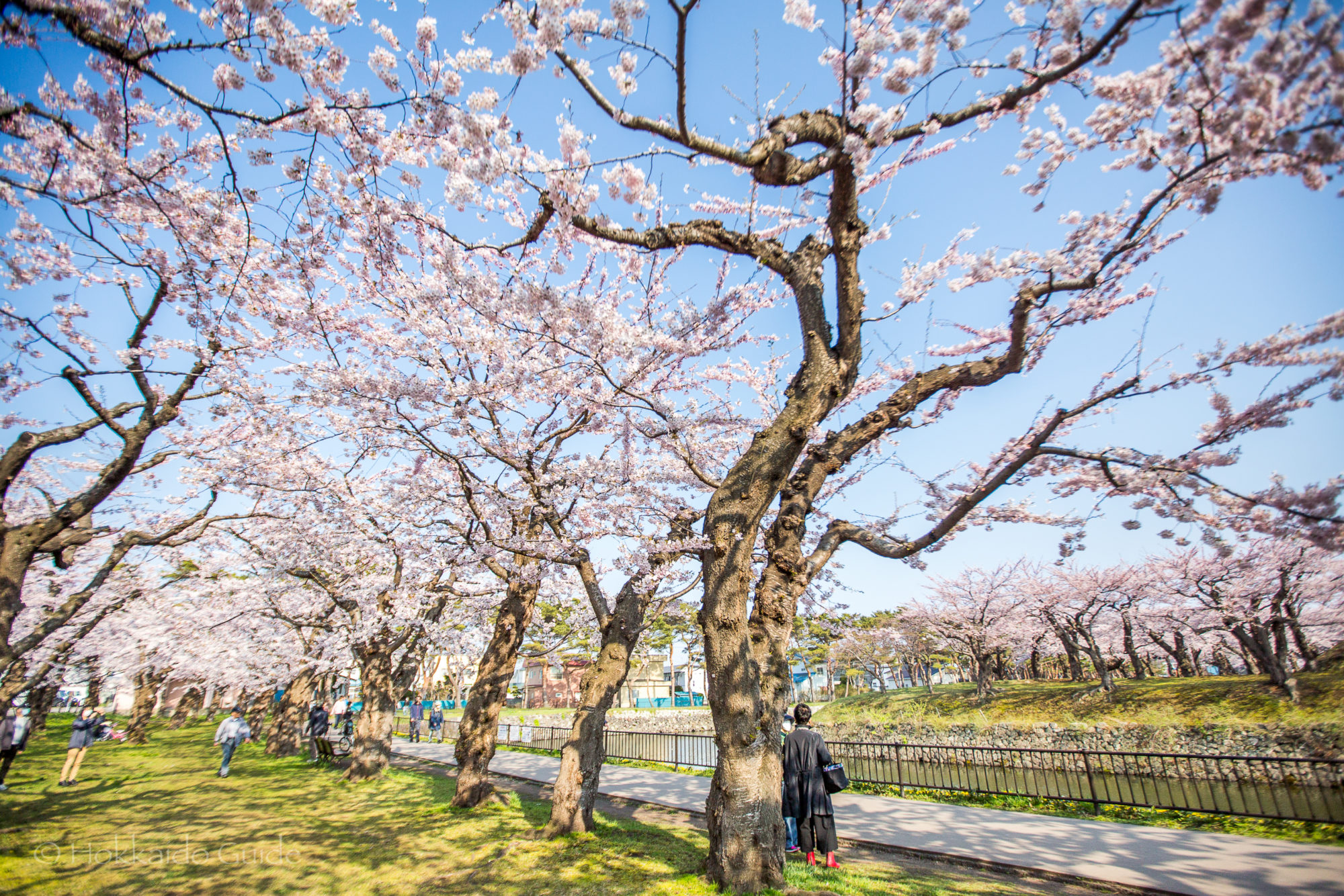
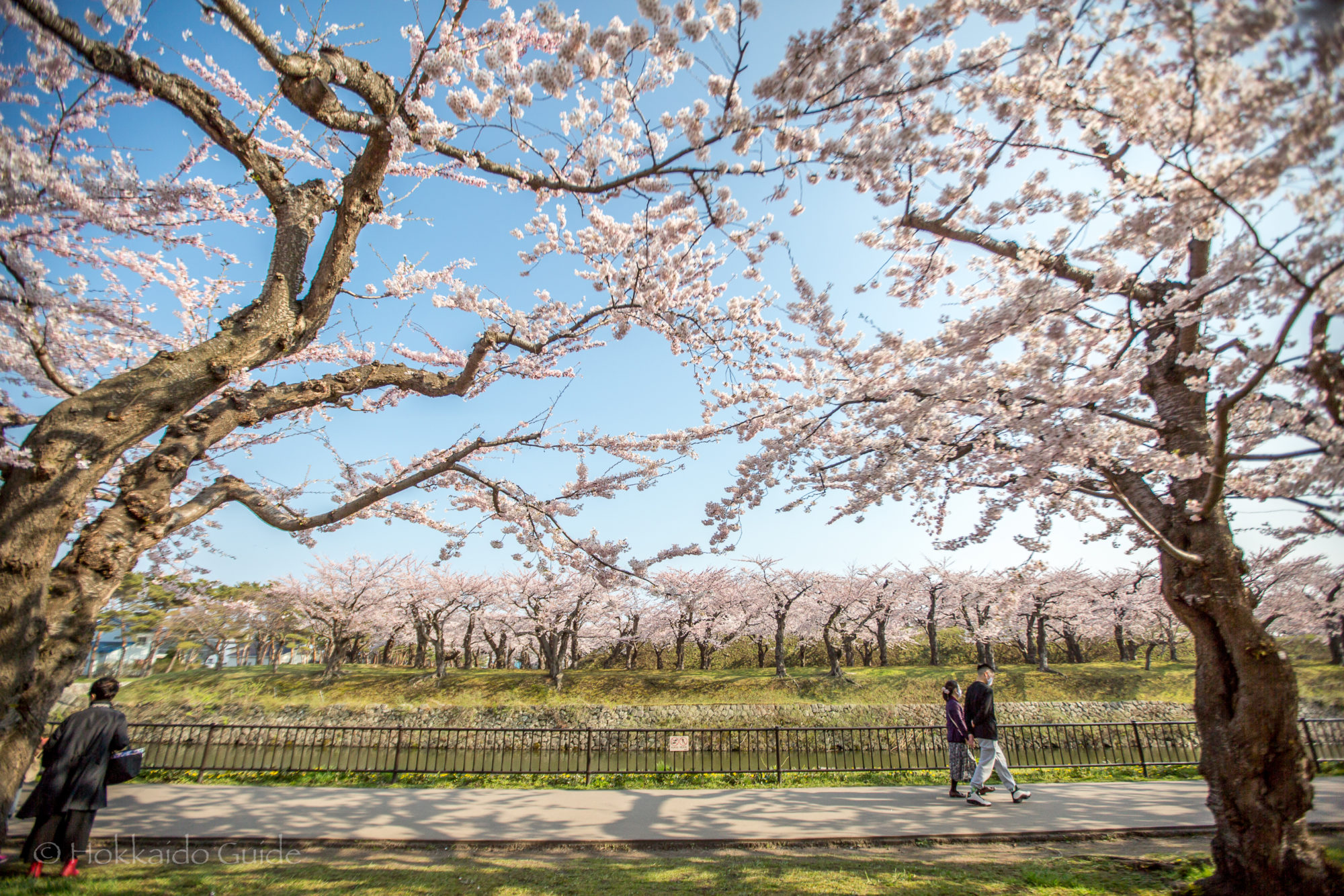
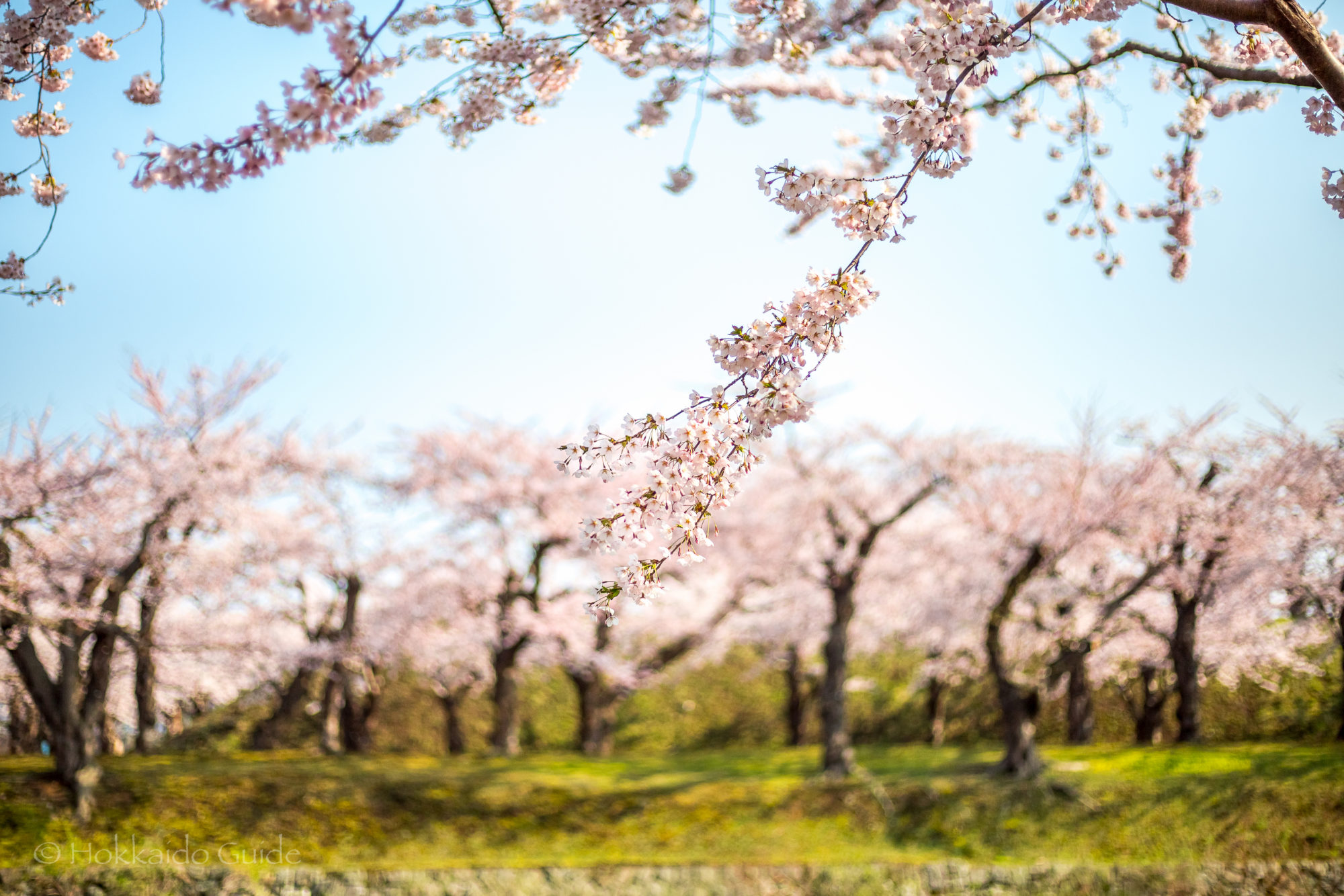
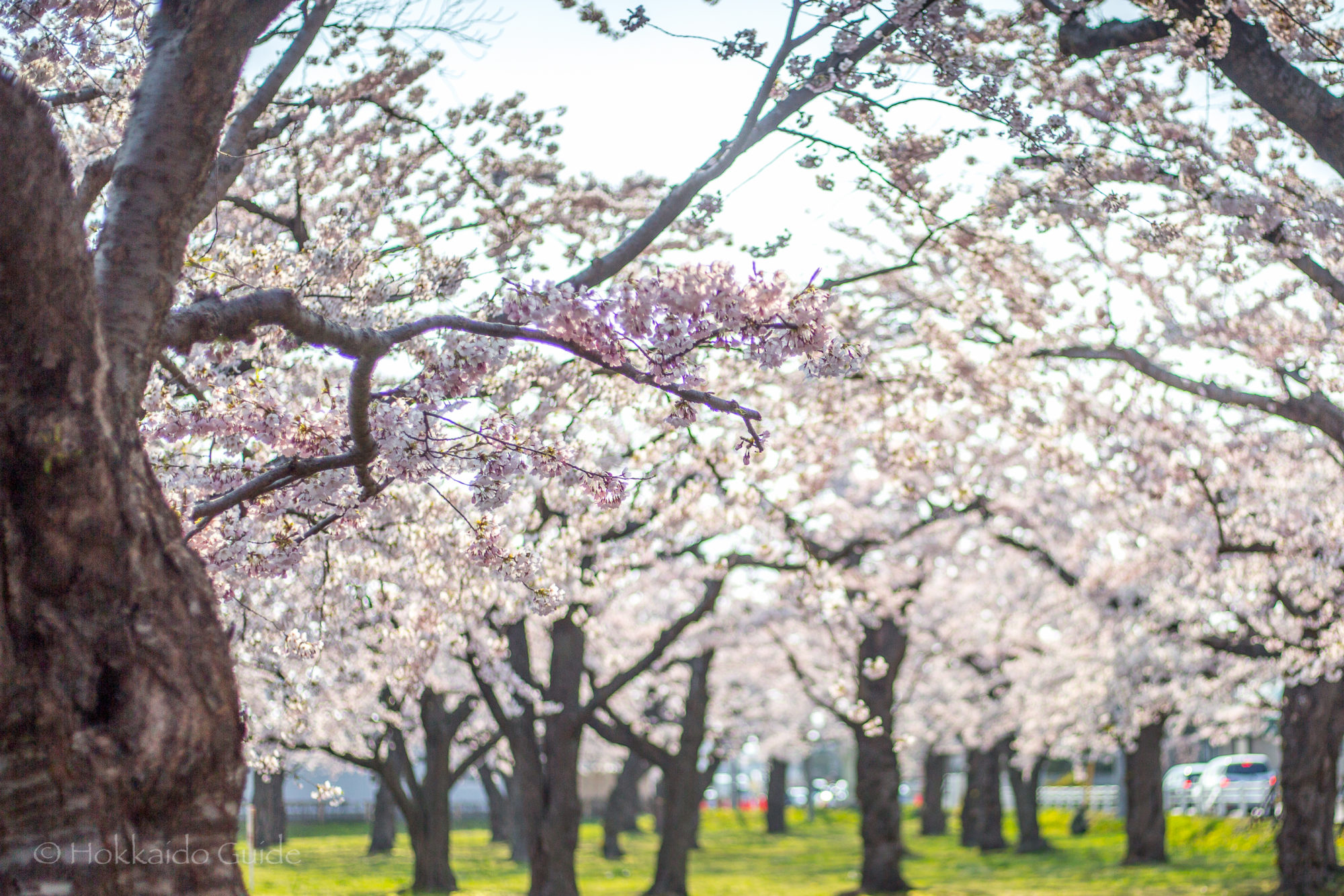
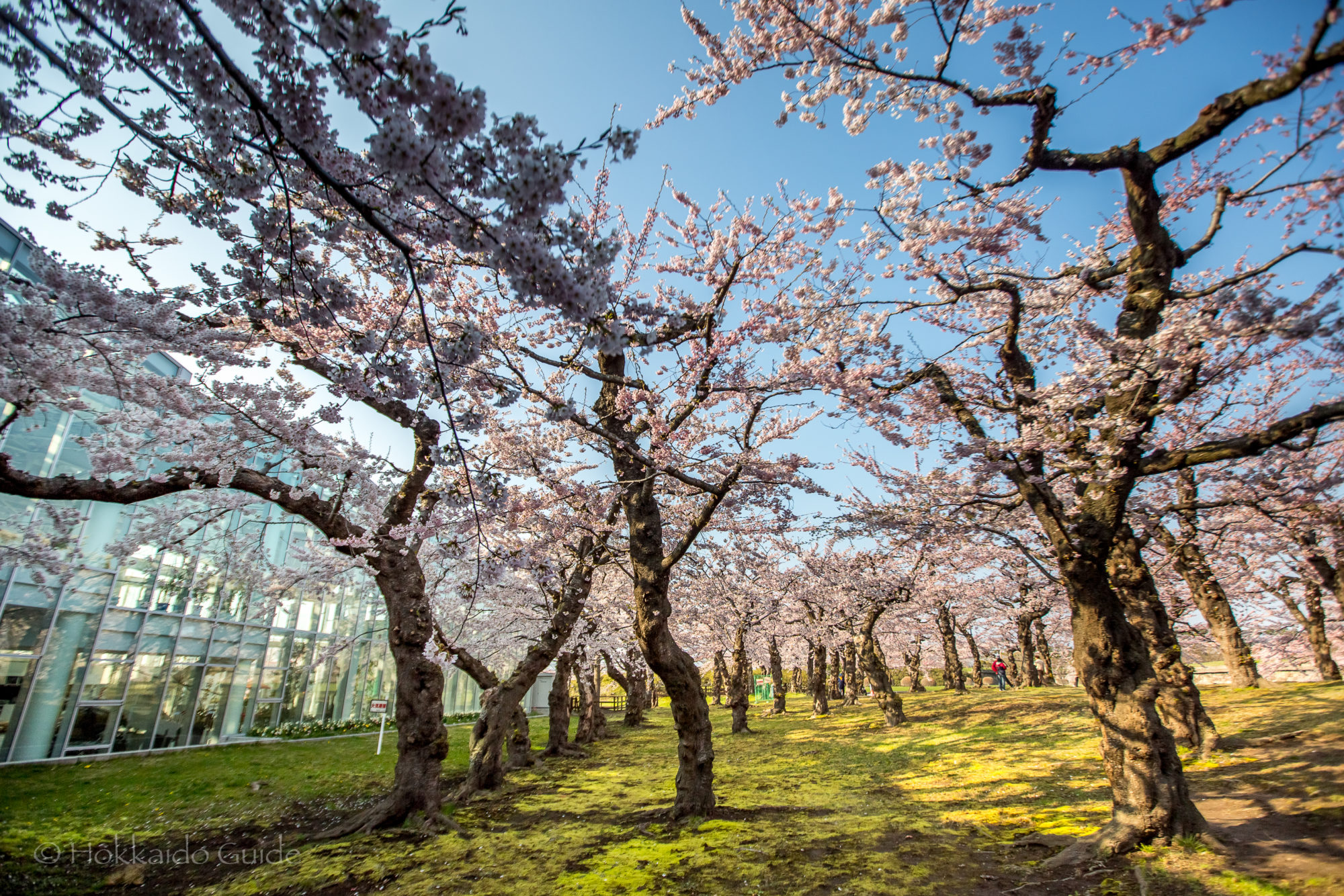
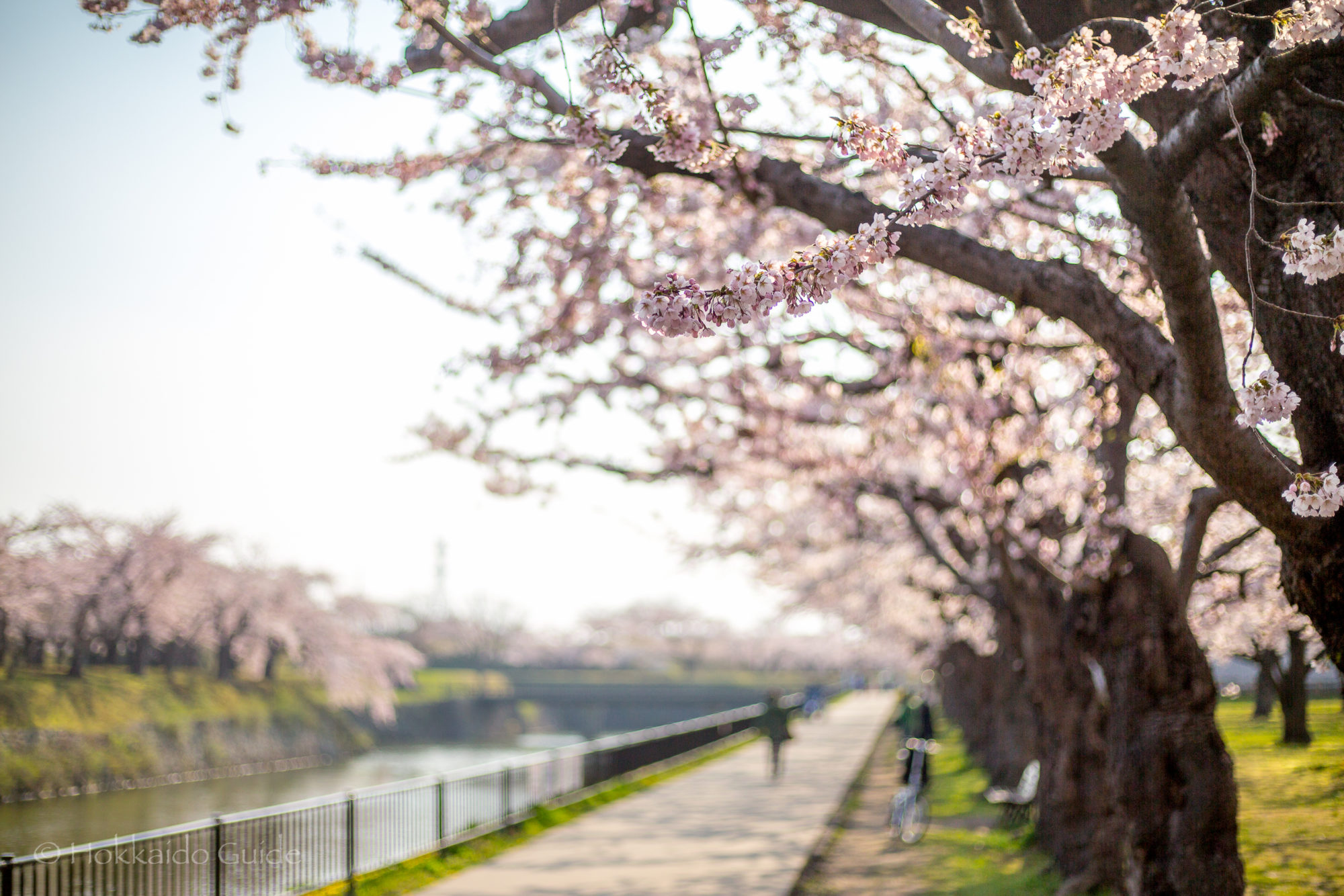
 In 1952, it was designated as a national historic site under the name of “Goryokaku Ruins”. The site is a fantastic place to wander around in any season. The green trees in summer, the autumn leaves in the fall, snow in winter. and the sprawling cherry blossoms in the spring. There are about 1,600 cherry blossoms here and they start to bloom in late April and the park is one of the best places to view the blossoms in the whole of Hokkaido. To appreciate the park there is an observation platform overlooking the park. The tower is called Goryokaku Tower and is accessible on the south eastern side.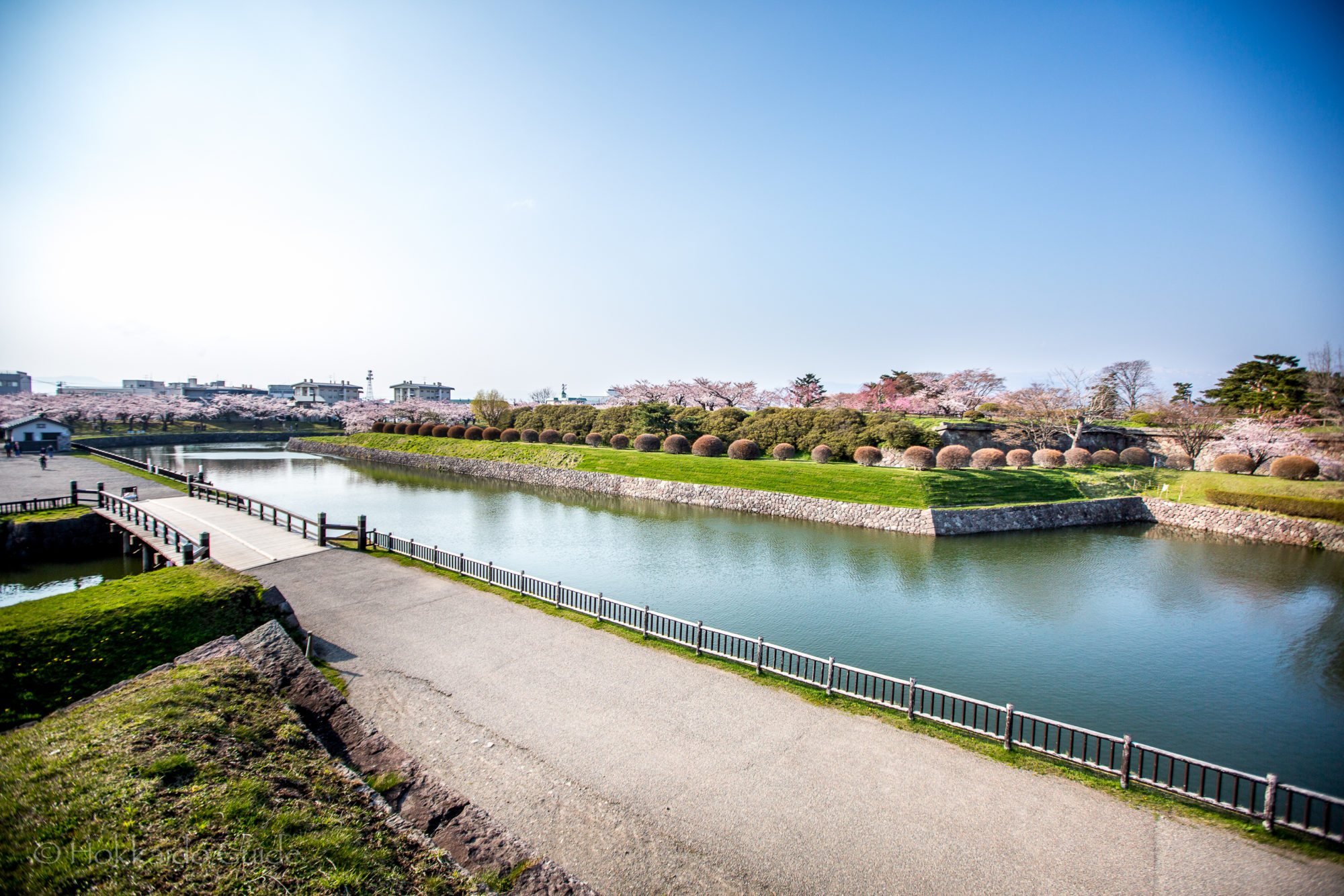
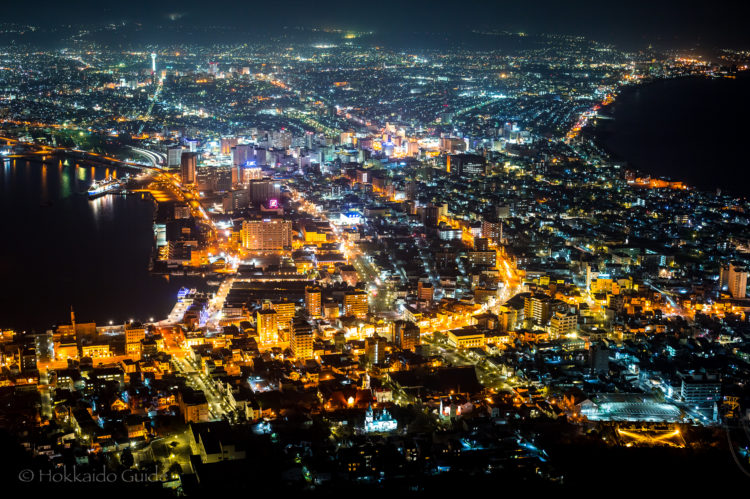
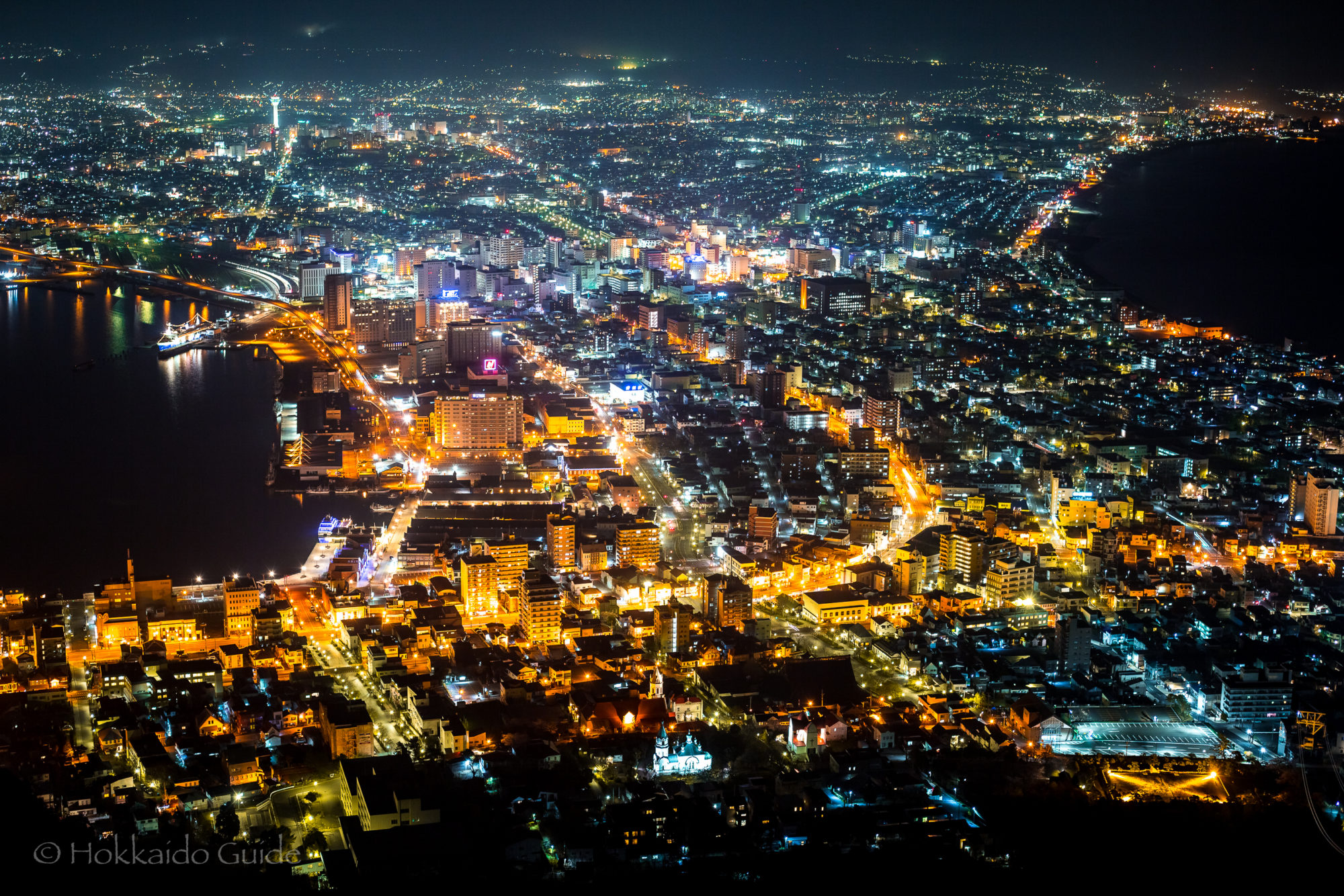
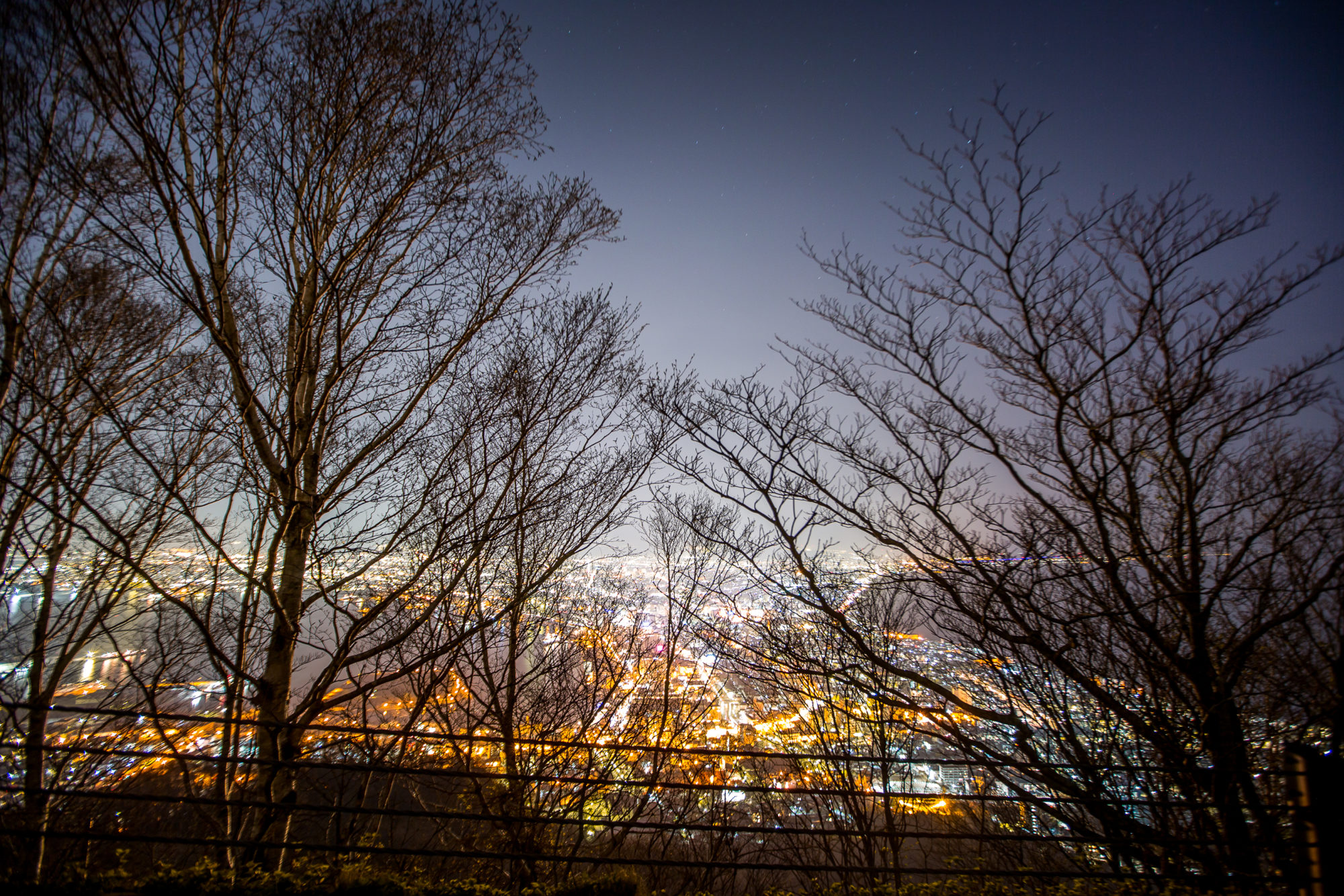
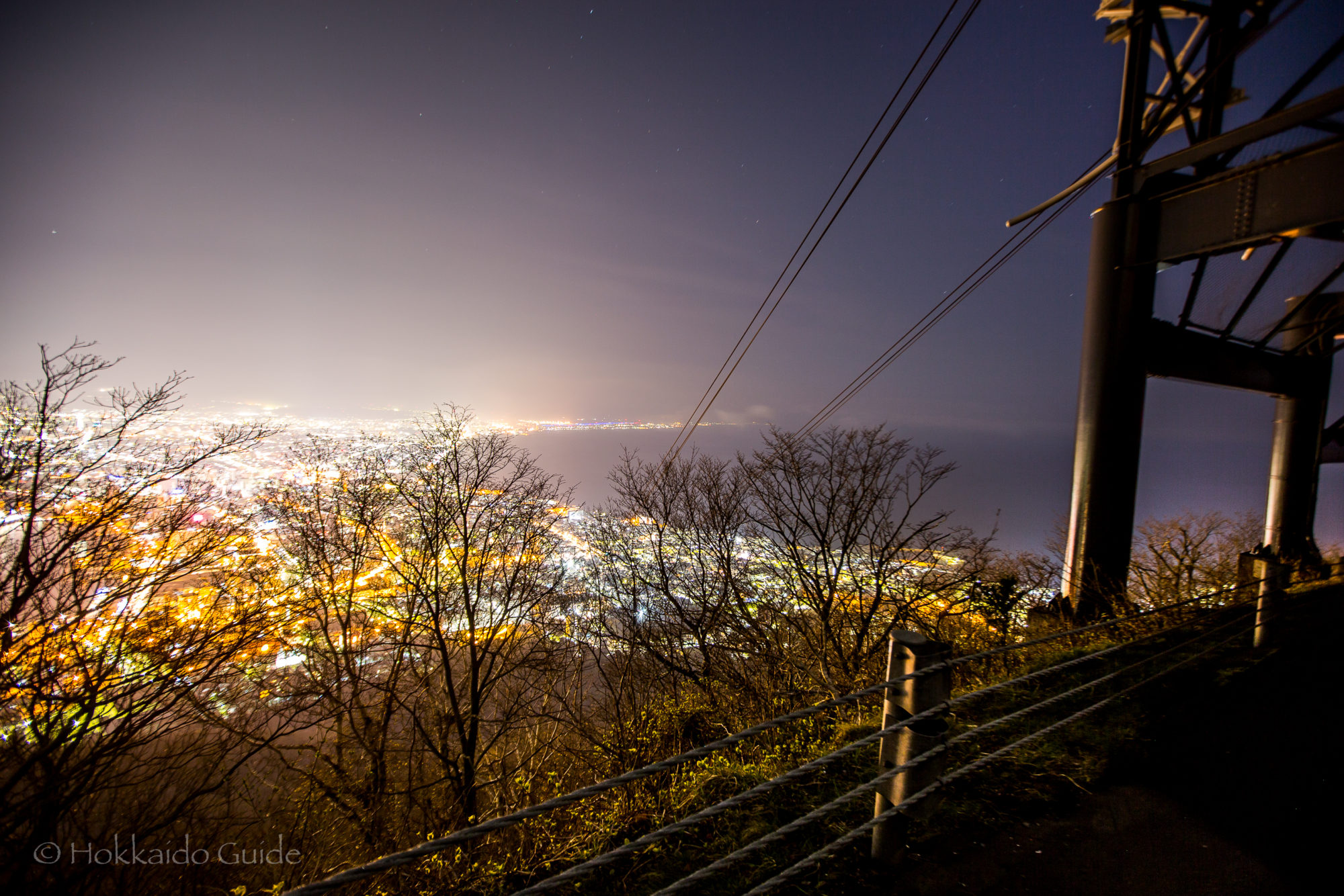
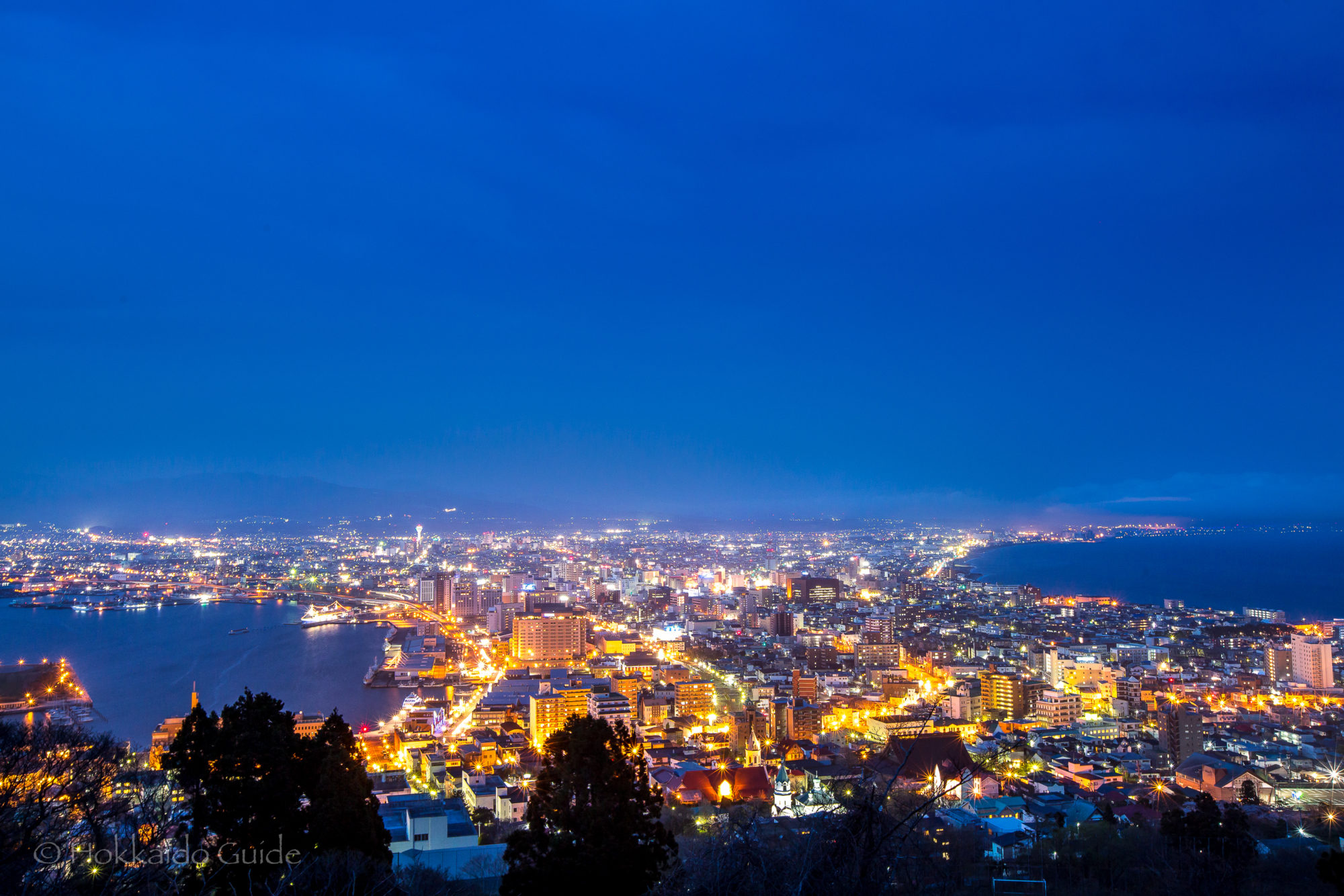
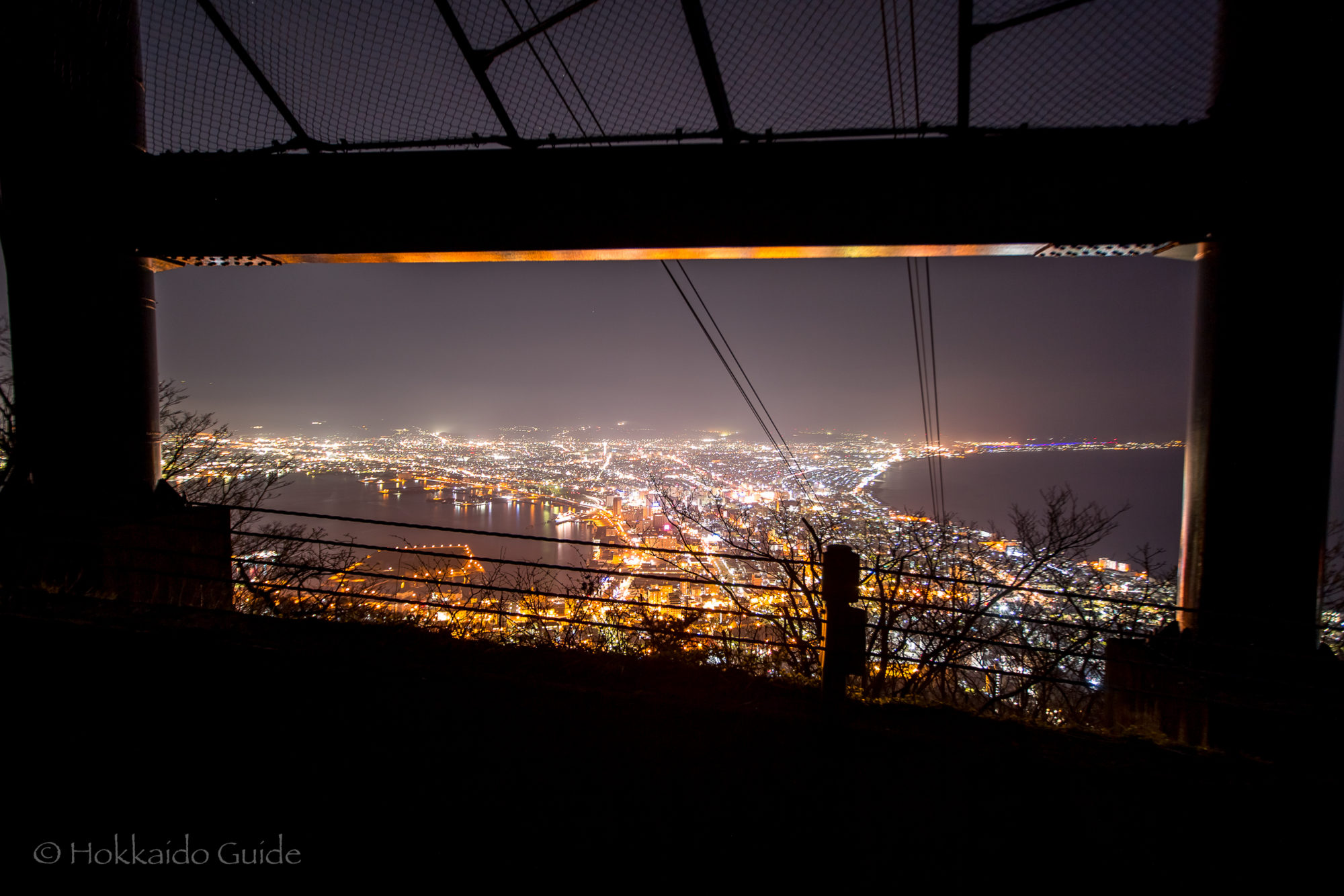
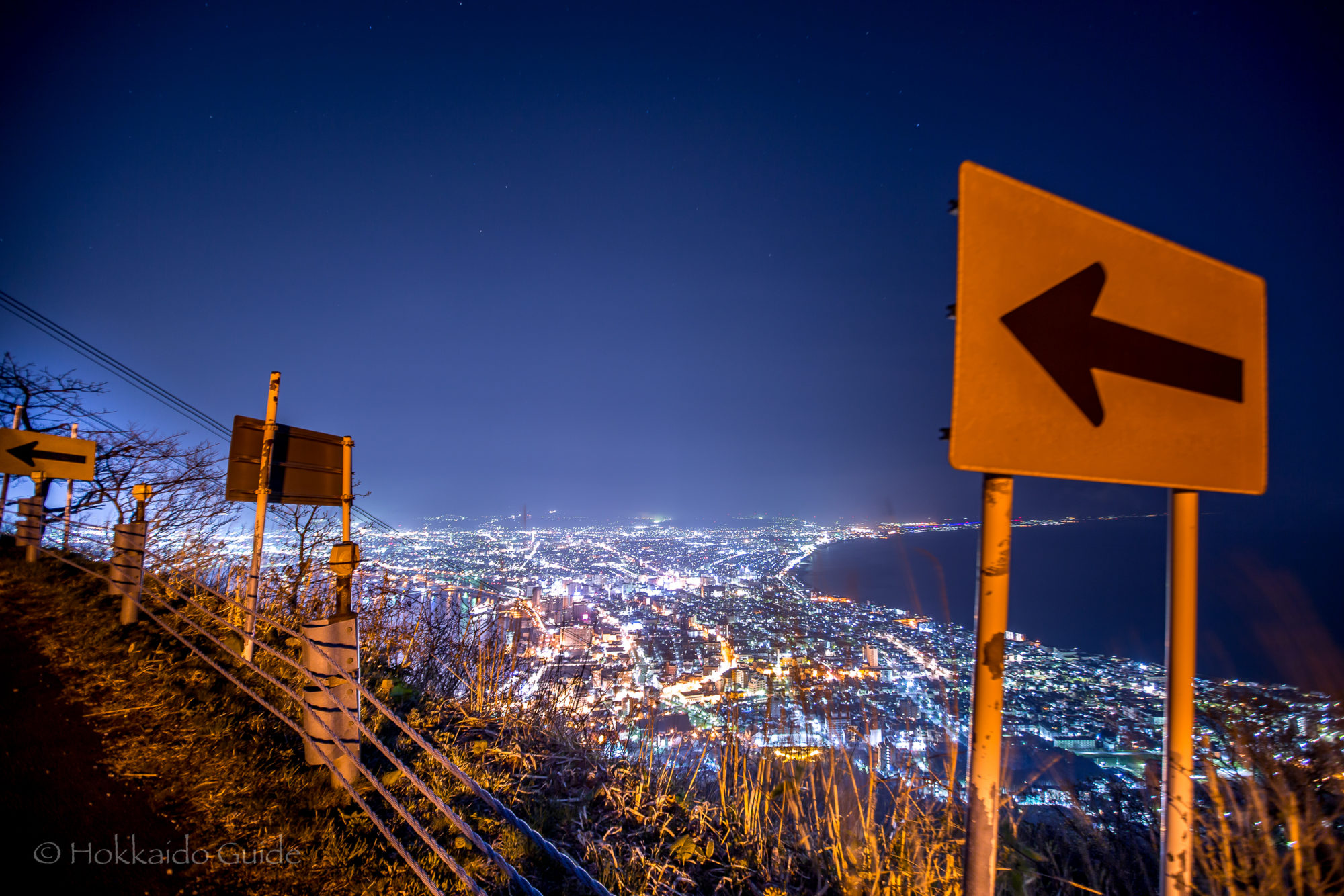
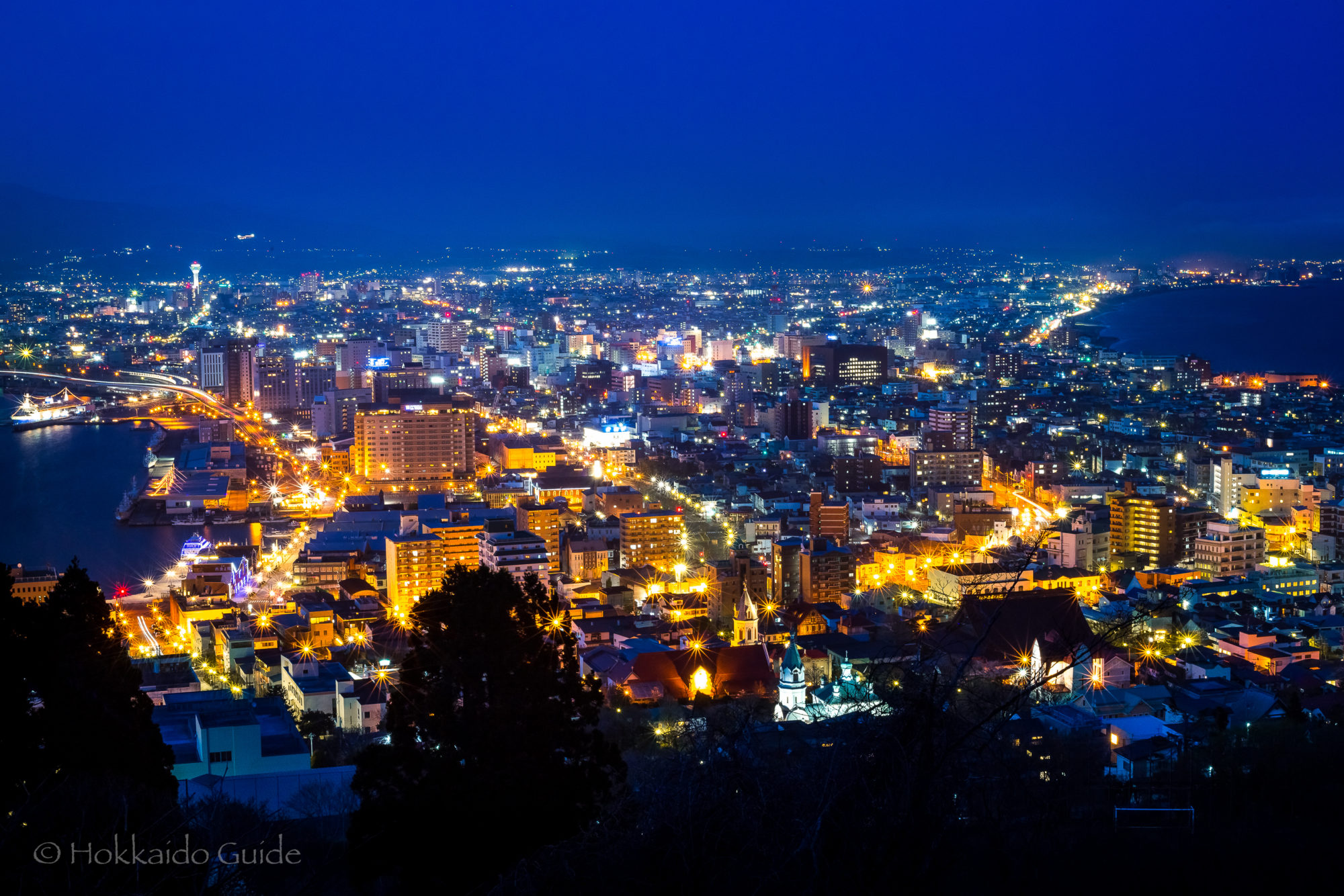
 Mt. Hakodate is one of the main attractions of the city of Hakodate. The mountain is a prominent feature overlooking the city and stands at 334 metres. It can be found on the southern headland and it is most famous for its stunning night views. It has been voted as one of the top three night viewing spots in the whole of Japan! While visiting Hakodate it is a must see during any season. At the top, besides the views, there is a restaurant, observatory, rest area, souvenir store, and tea store.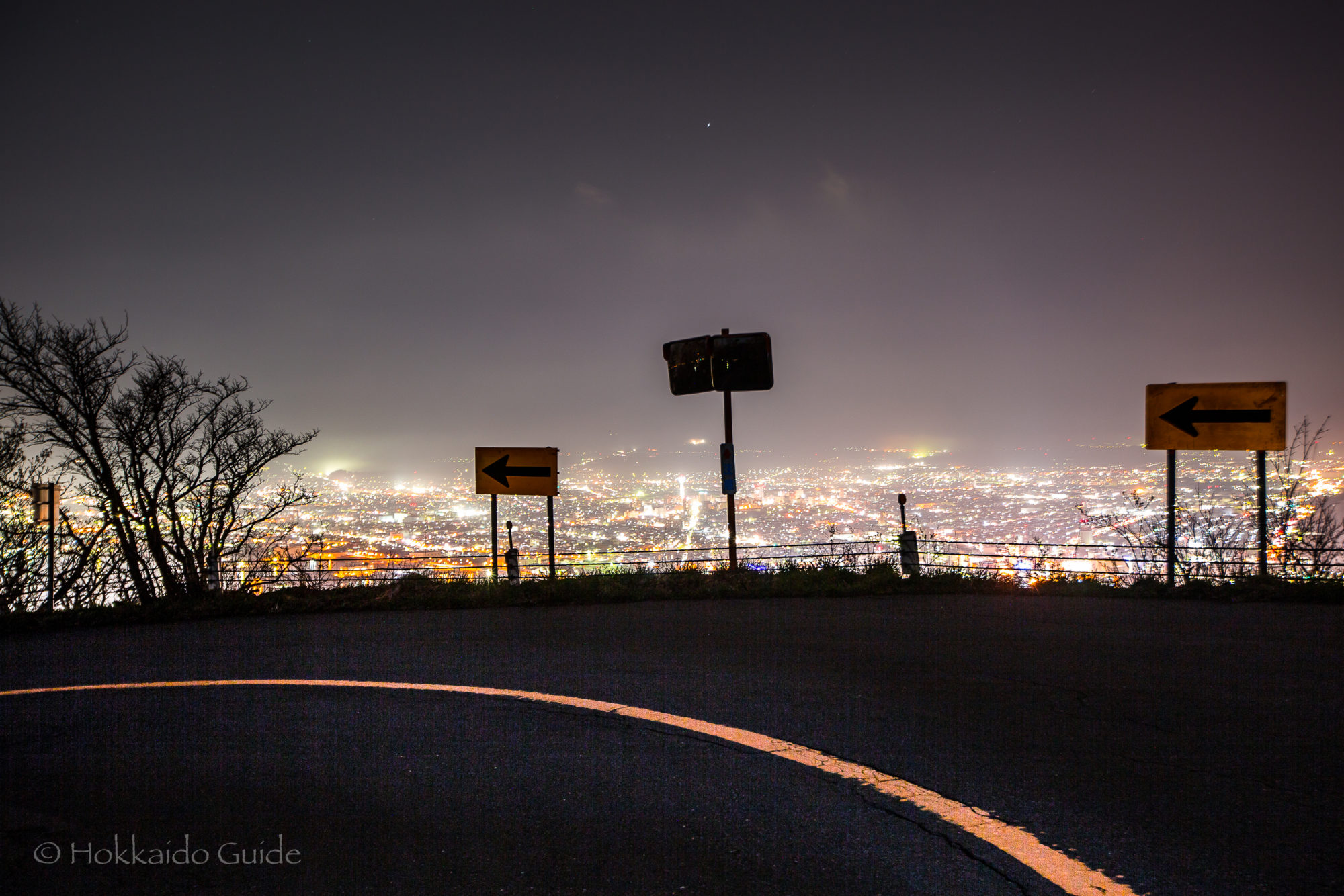
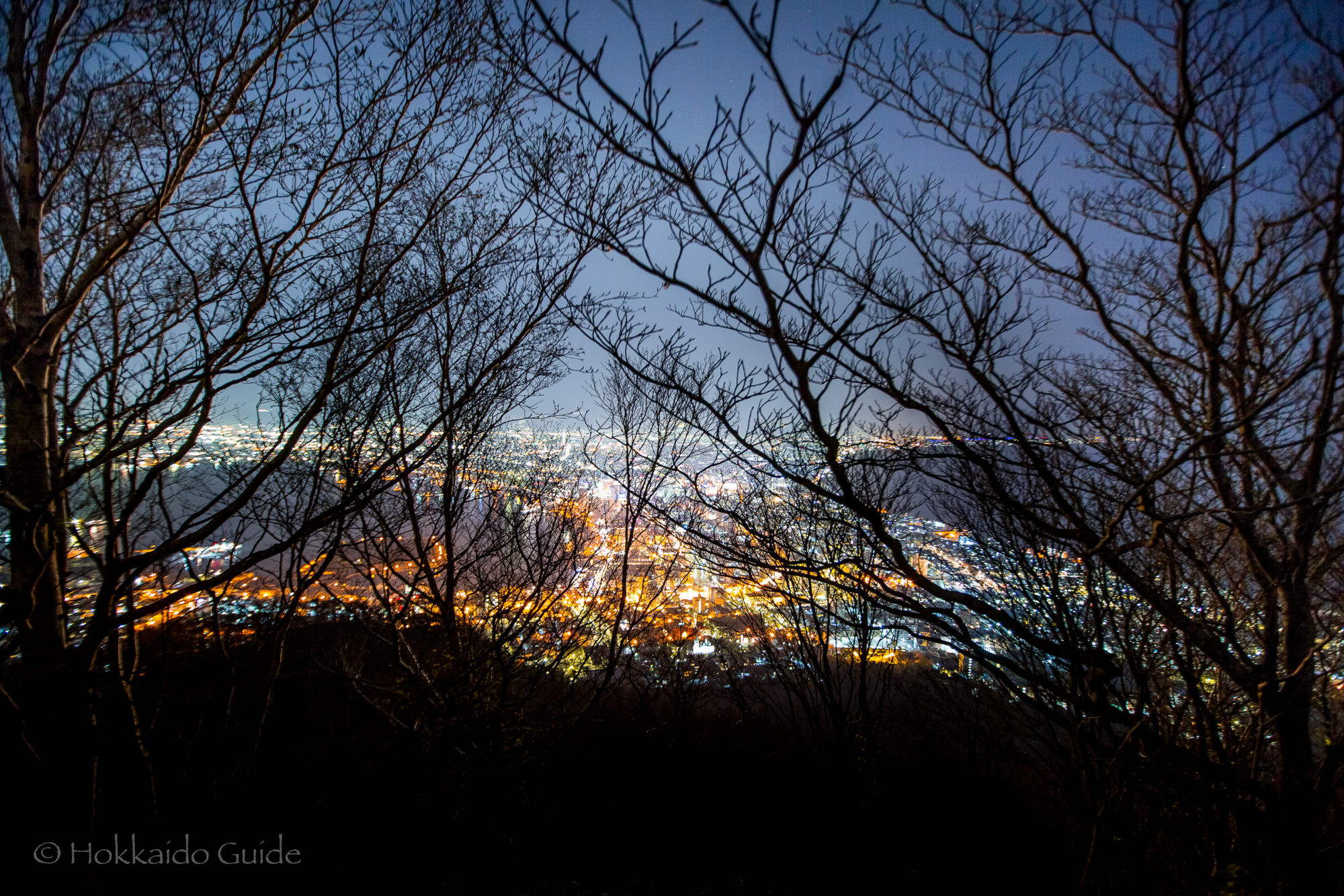
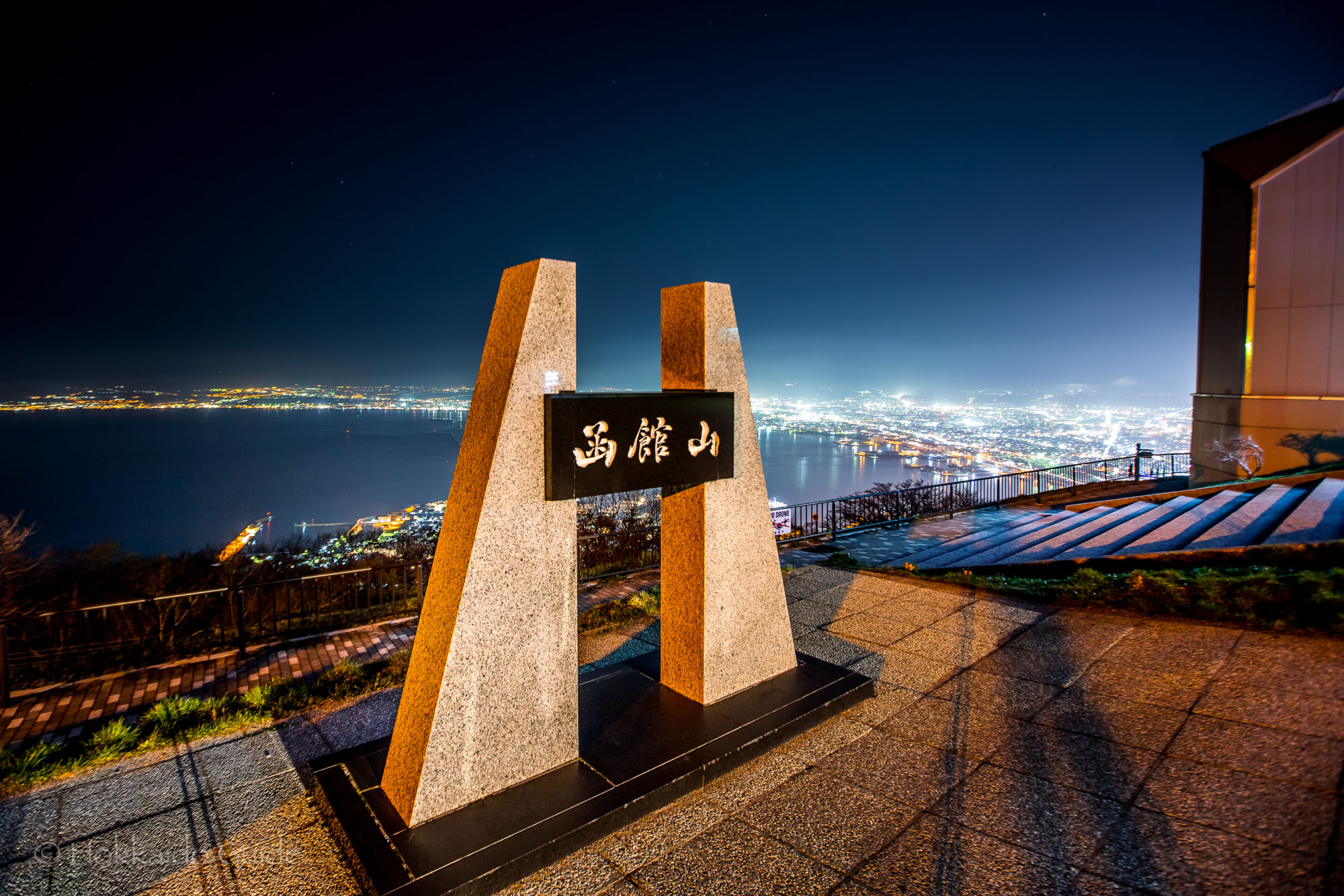
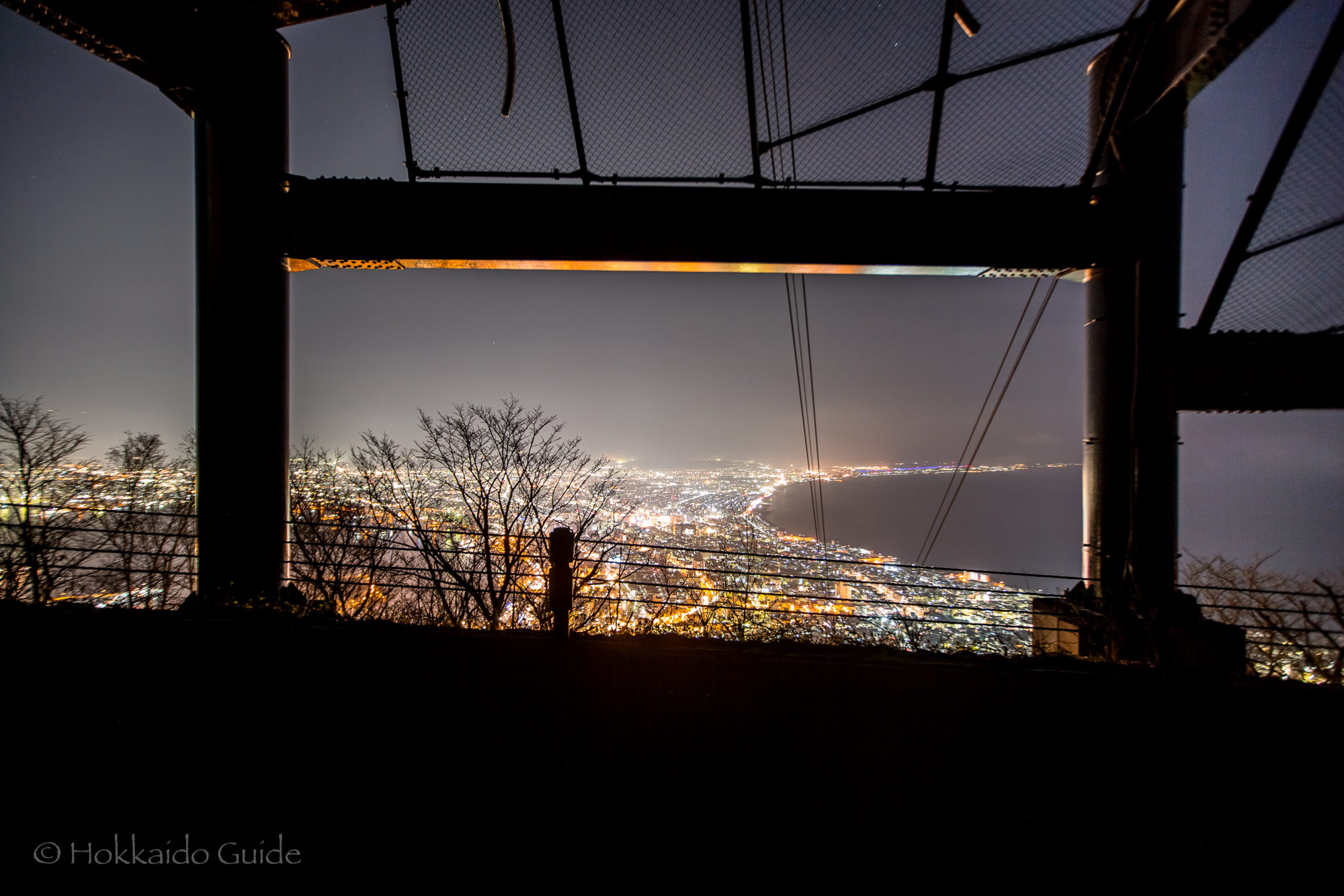
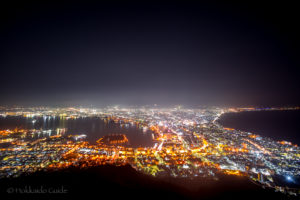 There are three ways to get to the top. The most popular mode of transport is the use of the gondola (it is the most used gondola in all of Japan!). The ropeway station has parking at the bottom and operates all year round. The gondola offers great views on the way up. There is parking at the summit, and a winding road to drive up for those with their own transport but this road is closed during winter once the snow arrives. For those more adventurous and fitter , there are walking trails to the top (it takes about 40 minutes to the top). You can hike to the top throughout the year. Anyway you get to the top, the views and facilities make this a must see in Hakodate!