Shingonin

真言院
AdmissionFree
Opening Hours-
Closed-
Contact0136-45-2644
NotesBuddhist temple, the 9th temple on the 13 Buddha pilgrimage, car needed to get there
Location /
Getting There
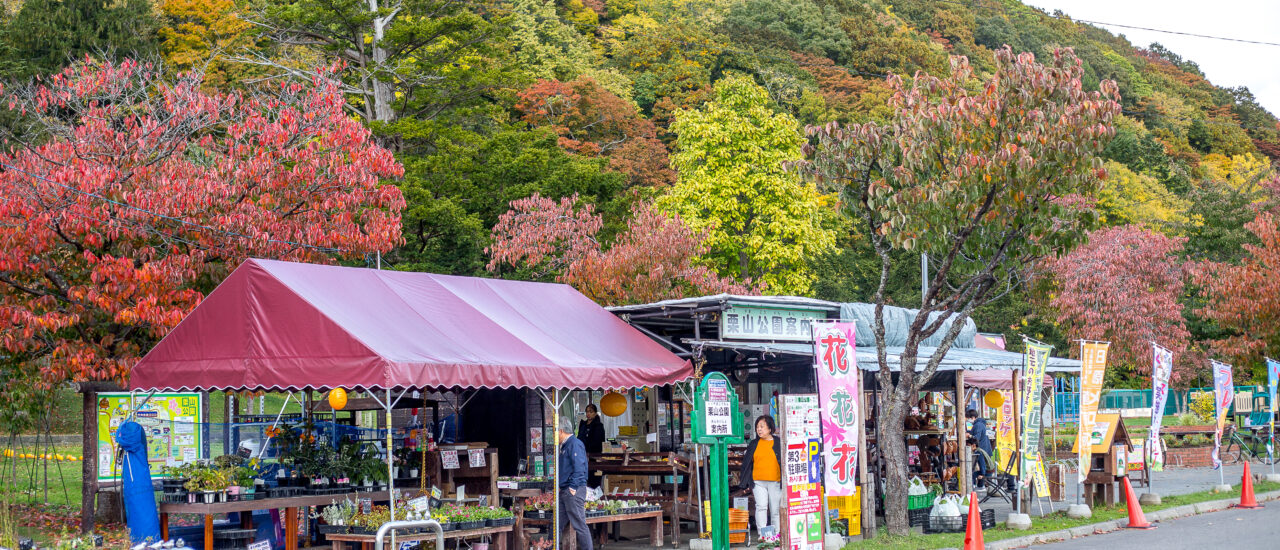
Located in central Makkari near Mt. Yotei. It's a 10 minute drive from Rusutsu. From Sapporo [Sapporo (via Nakayama Pass) it takes 1 and half hours. Route 230 to Rusutsu, then Route 66 to Makkari. It is after the "Roadside Station Makkari Flower Center", opposite the "Makkari Post Office".
23 Toyamachi, Toyako, Abuta District, Hokkaido 049-5802

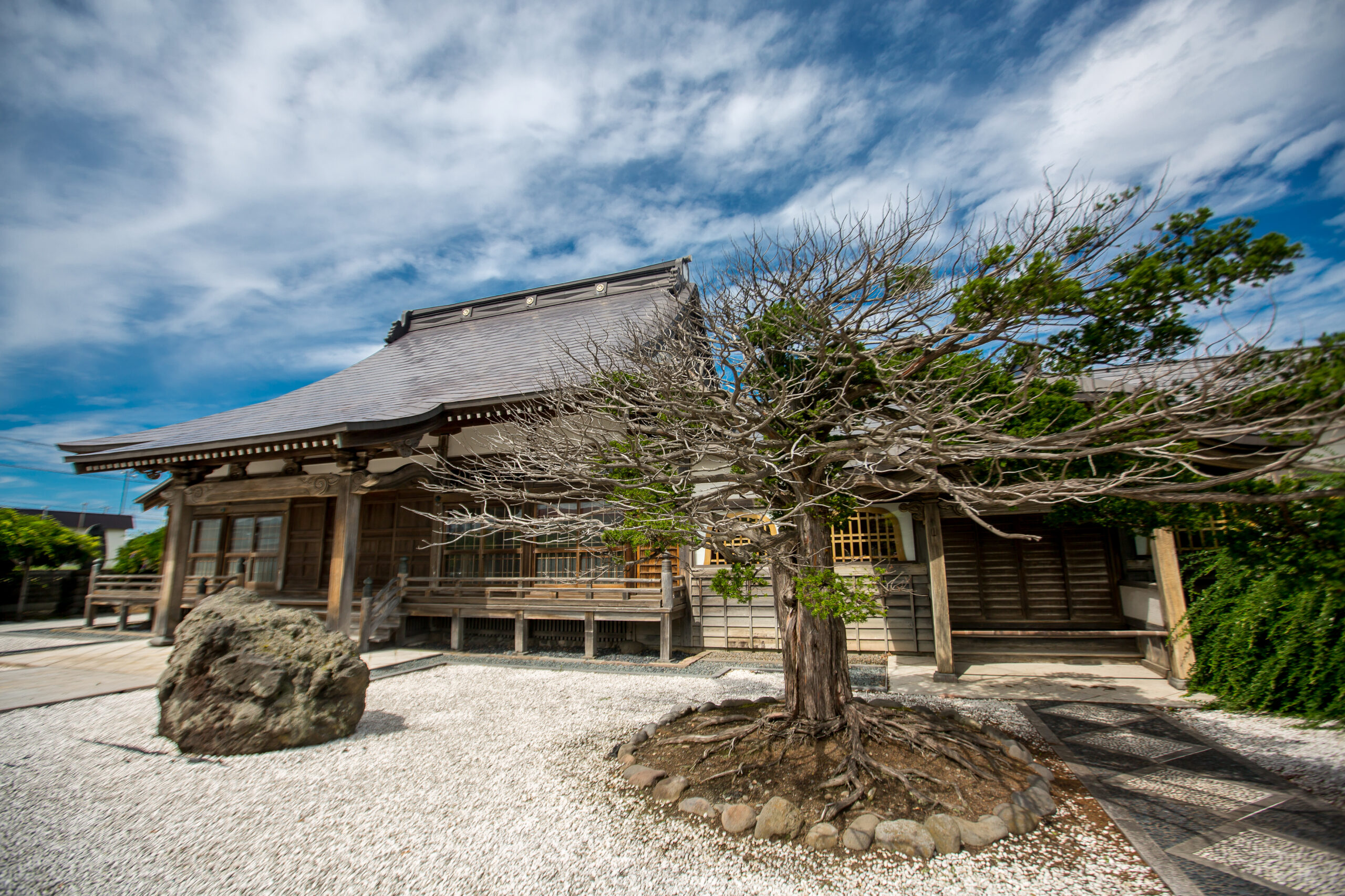
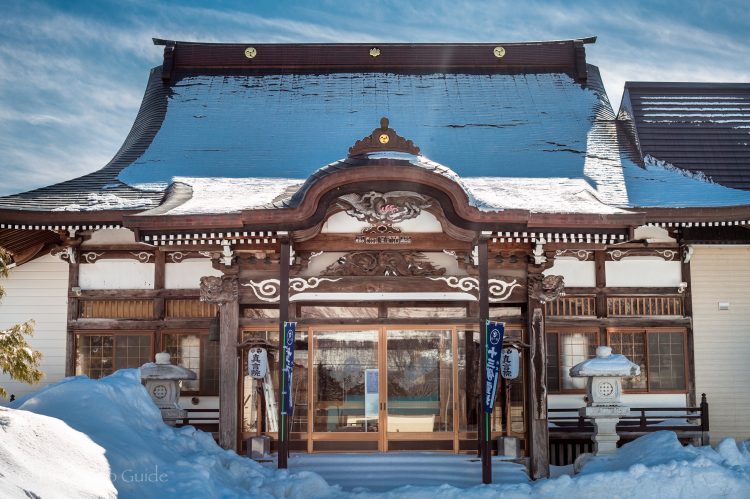
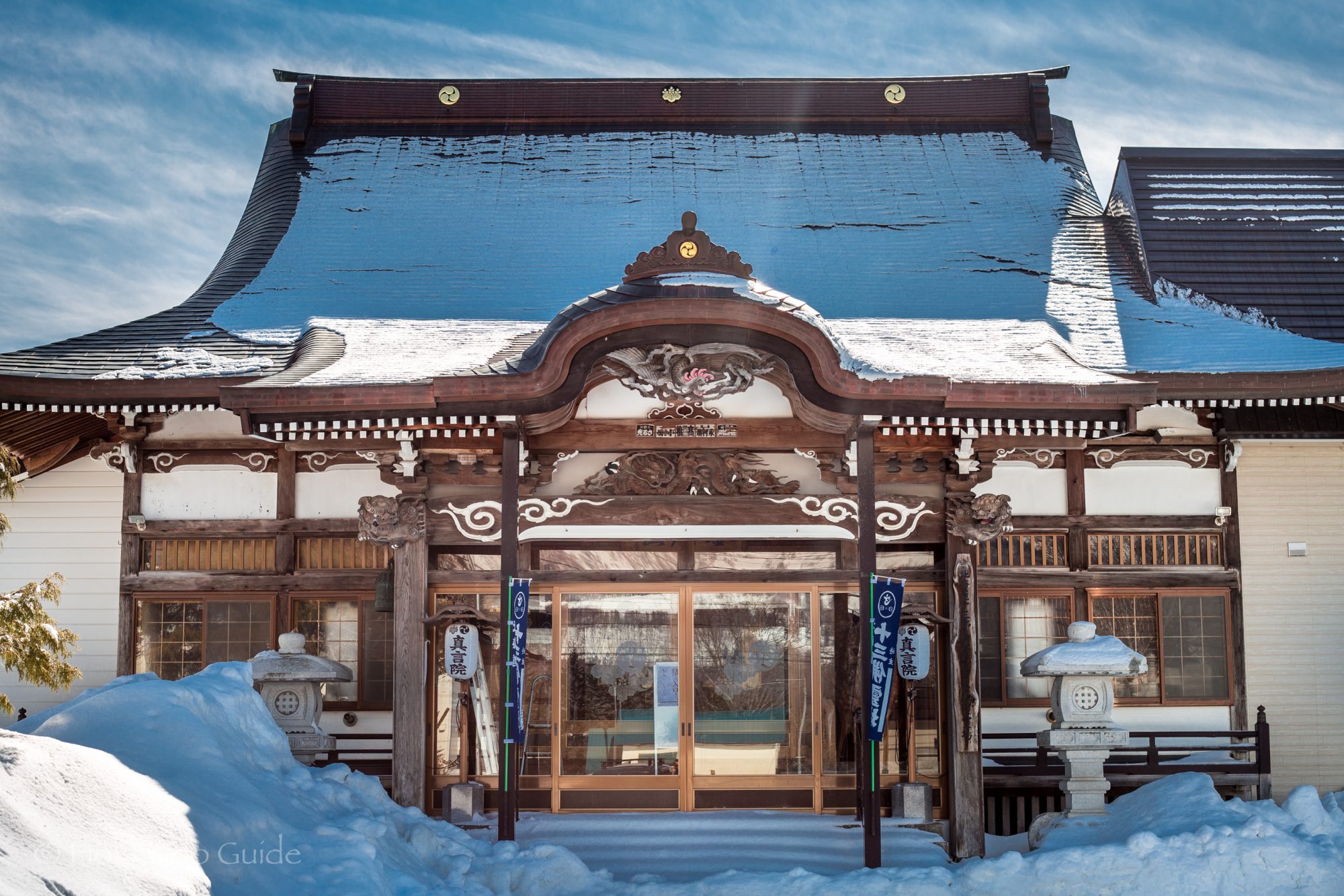
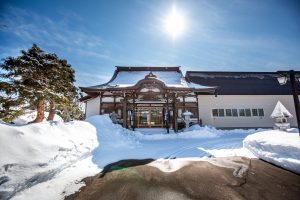
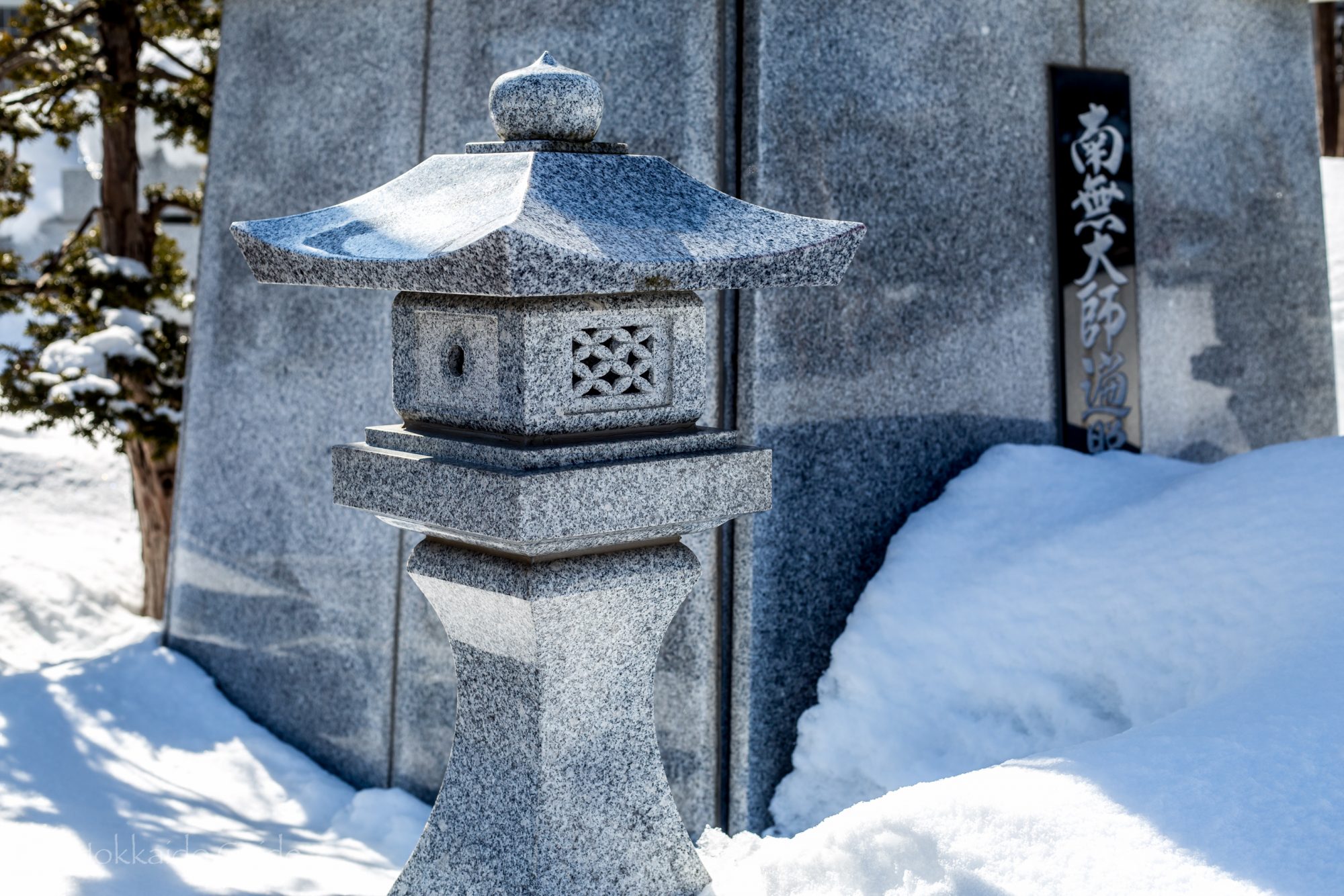
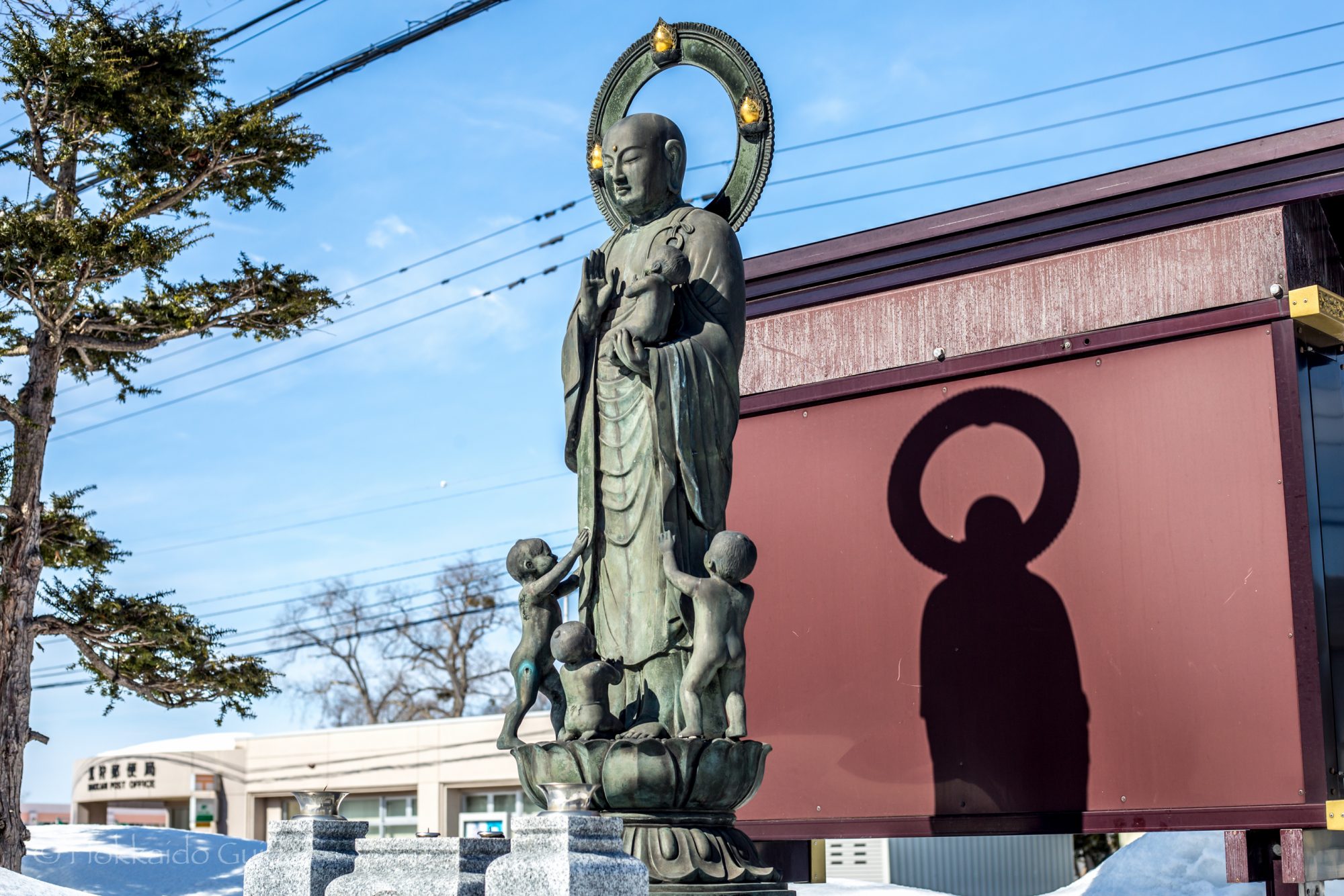
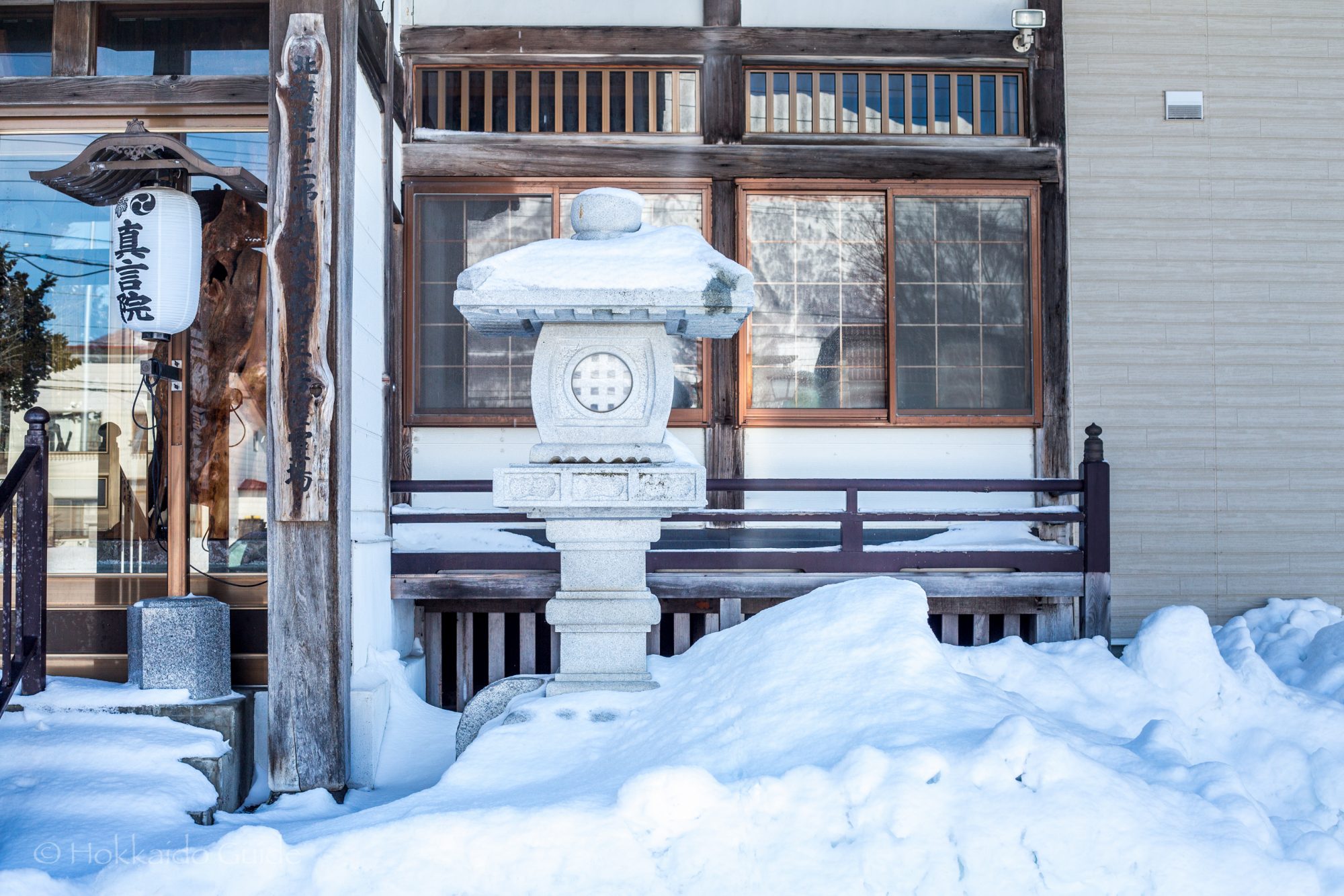
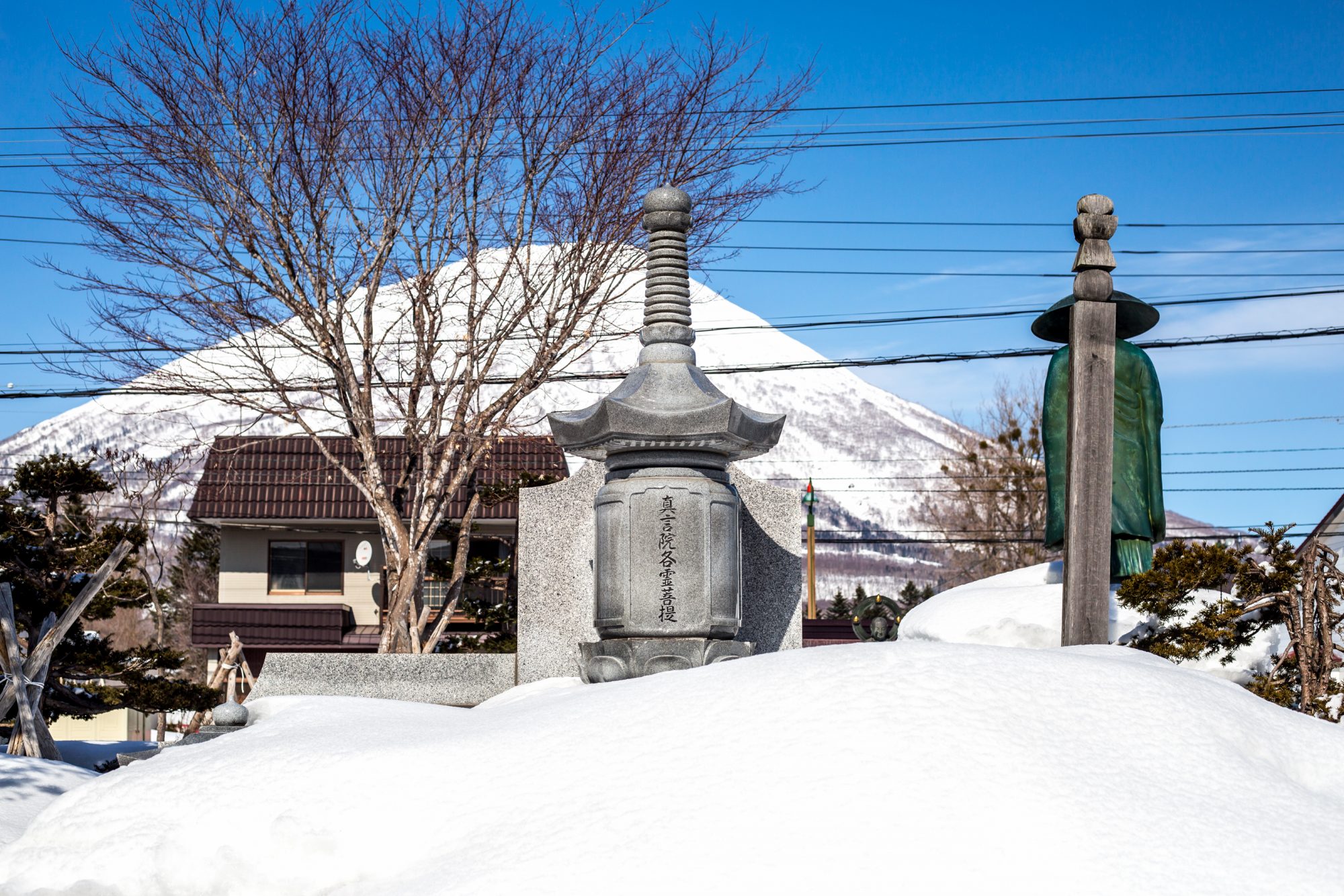
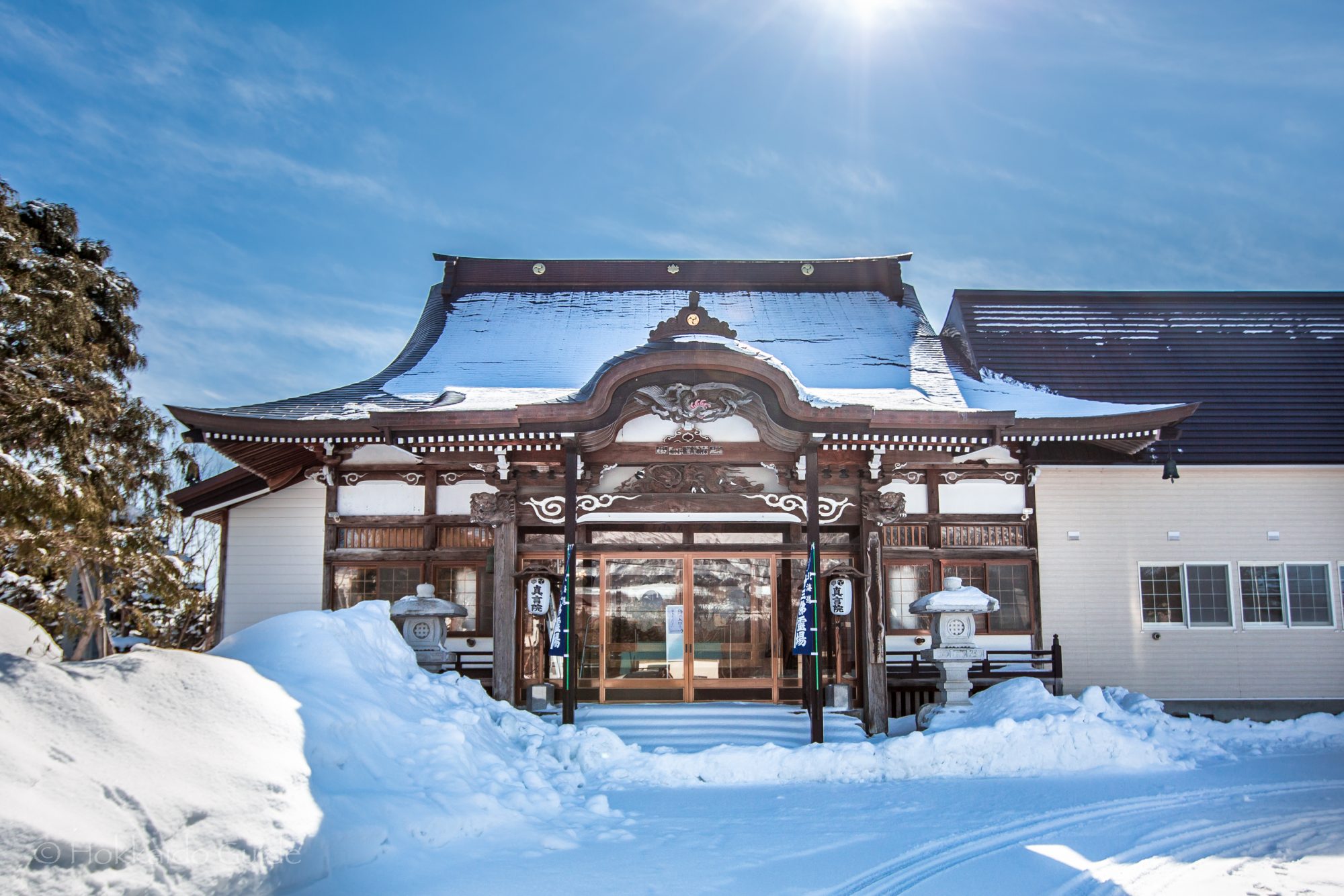
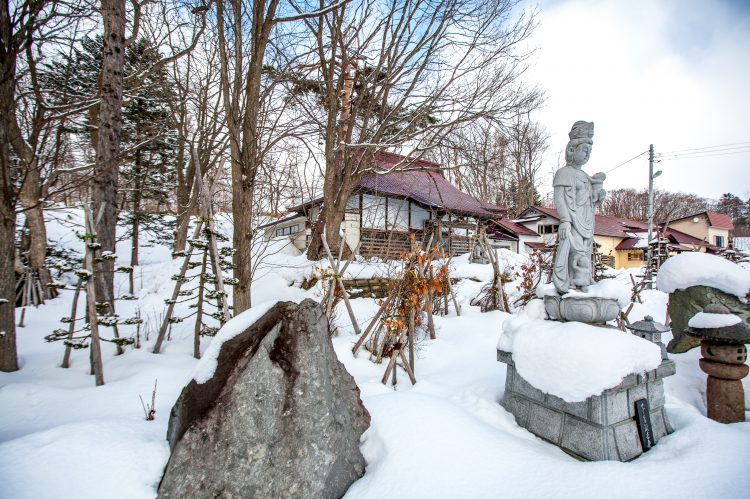
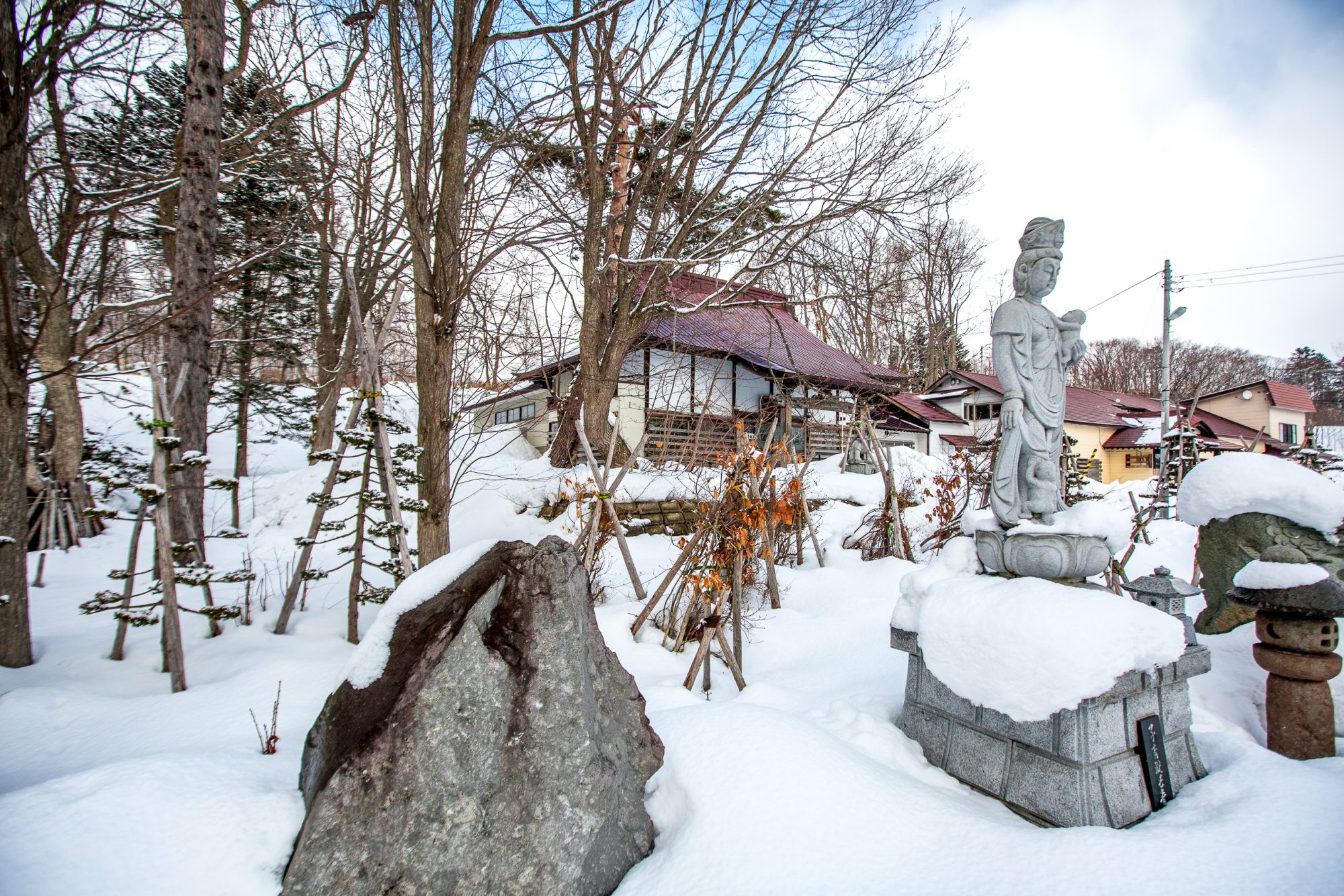
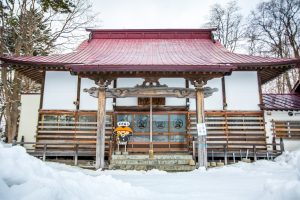
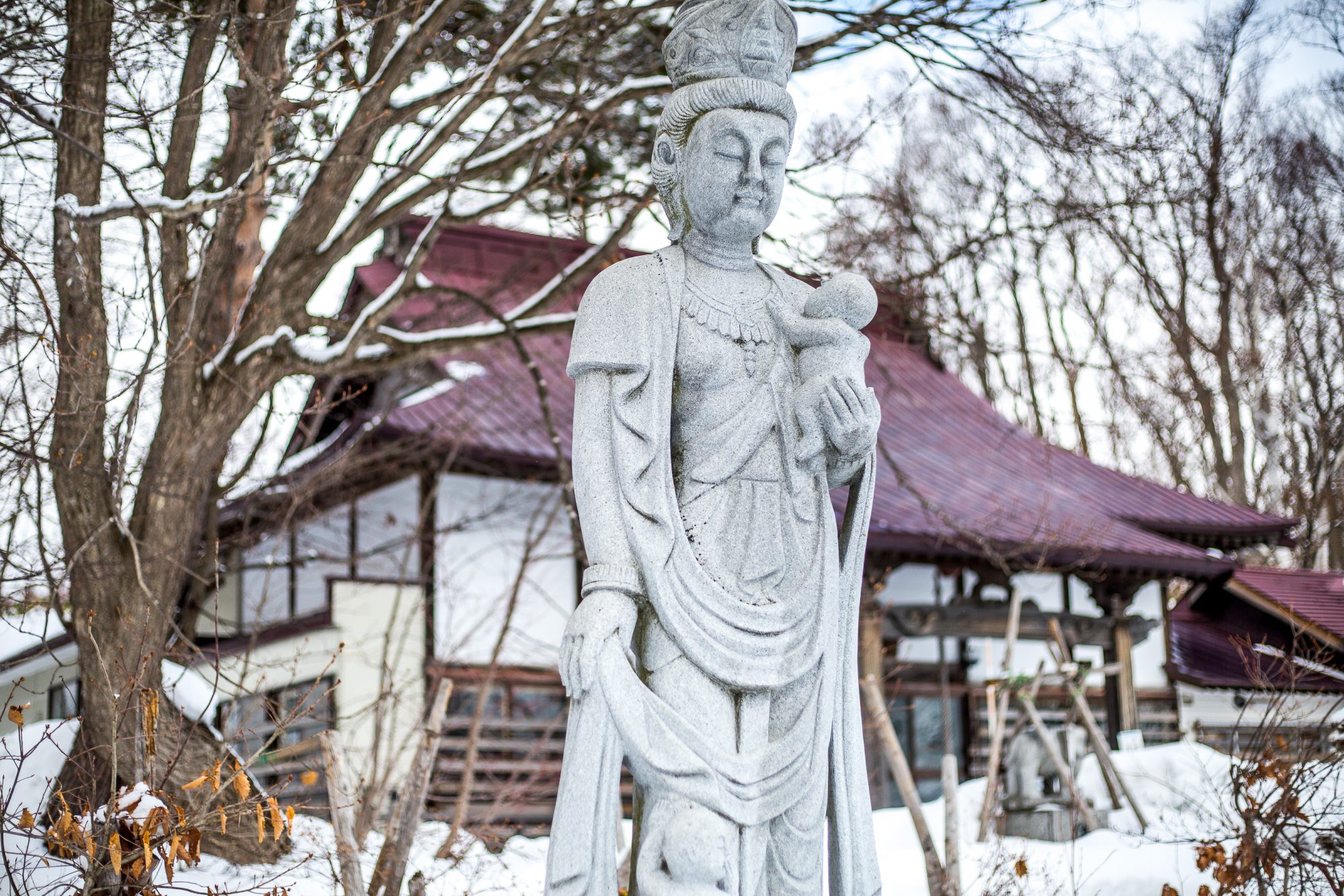
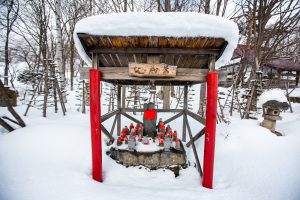
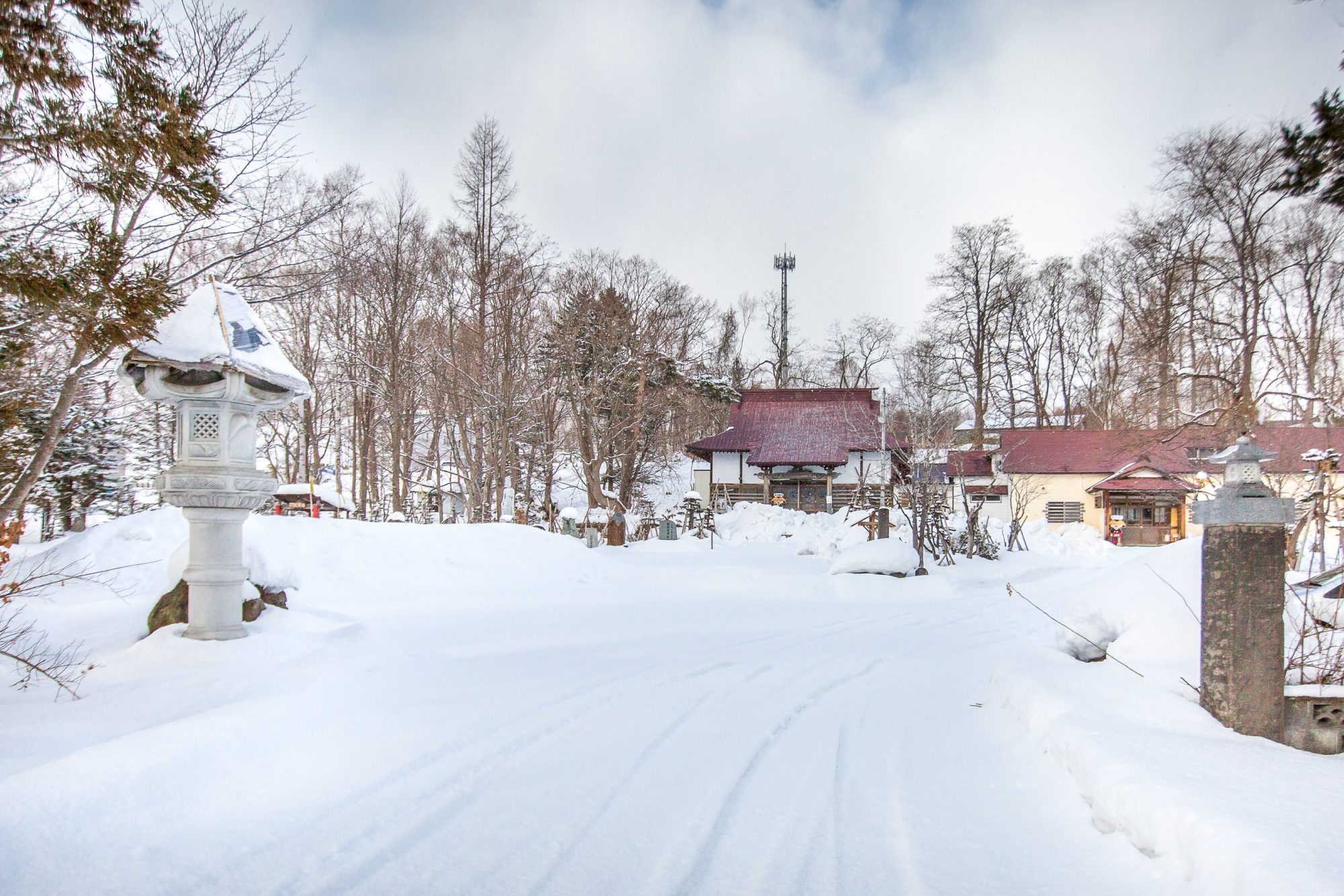
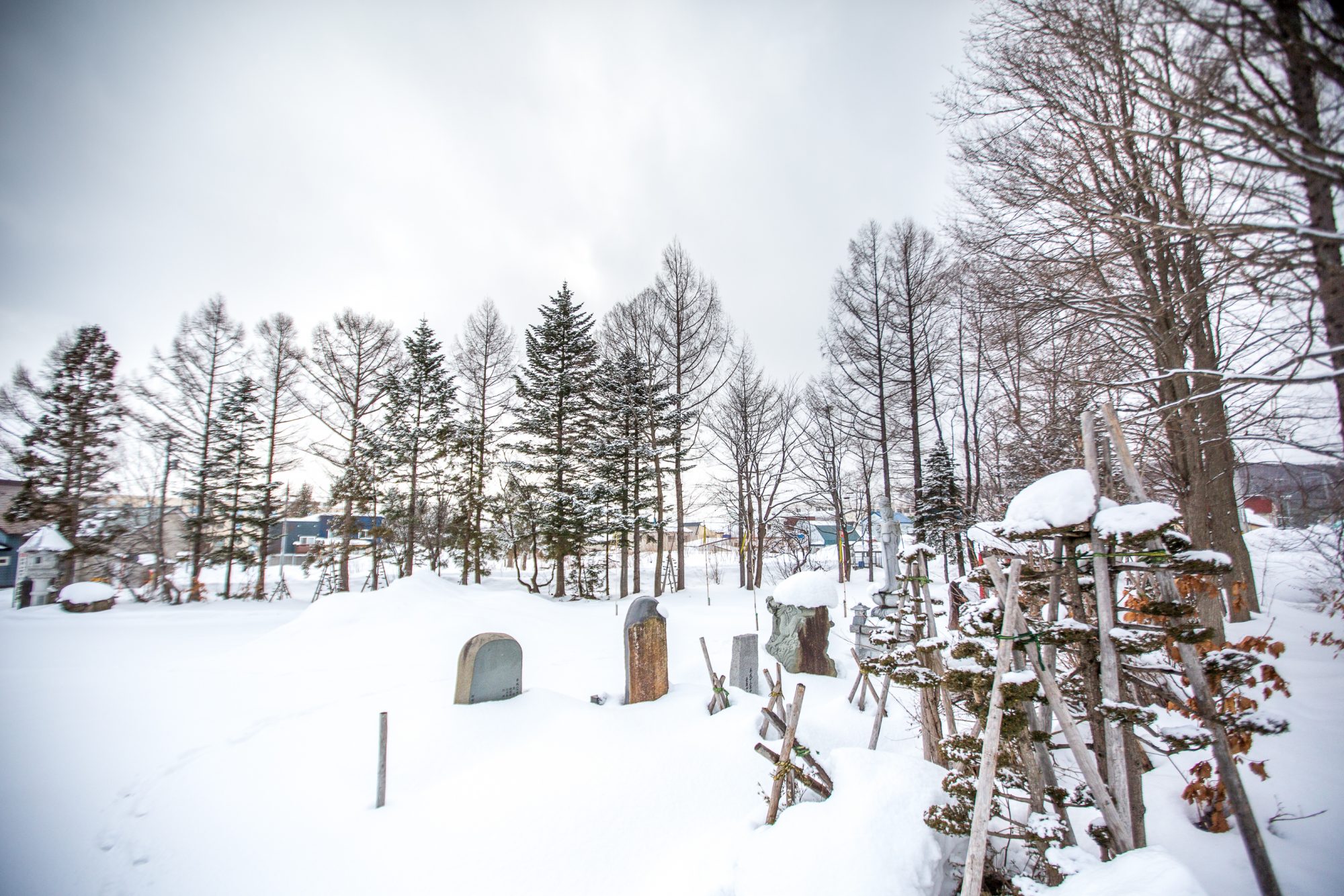
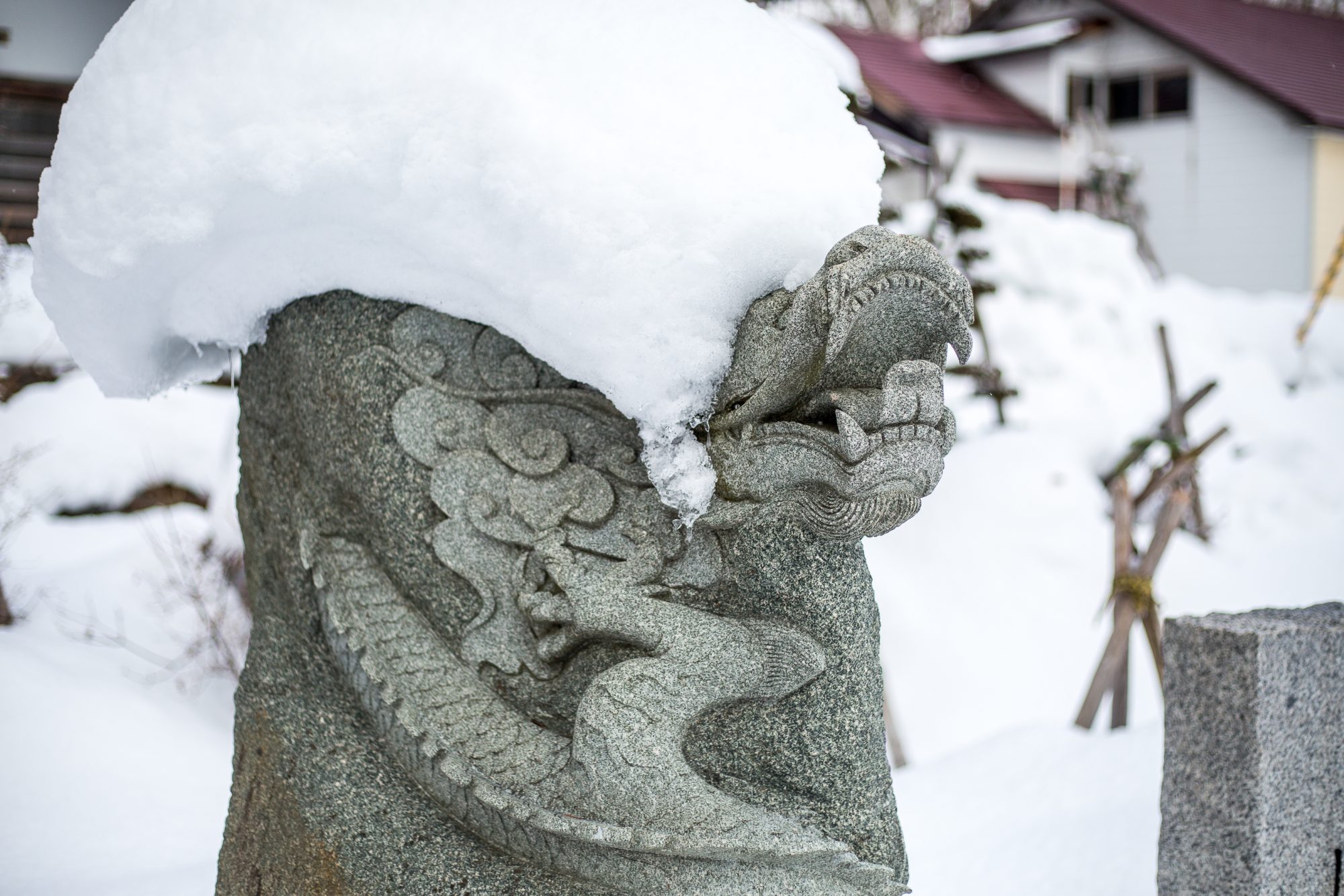
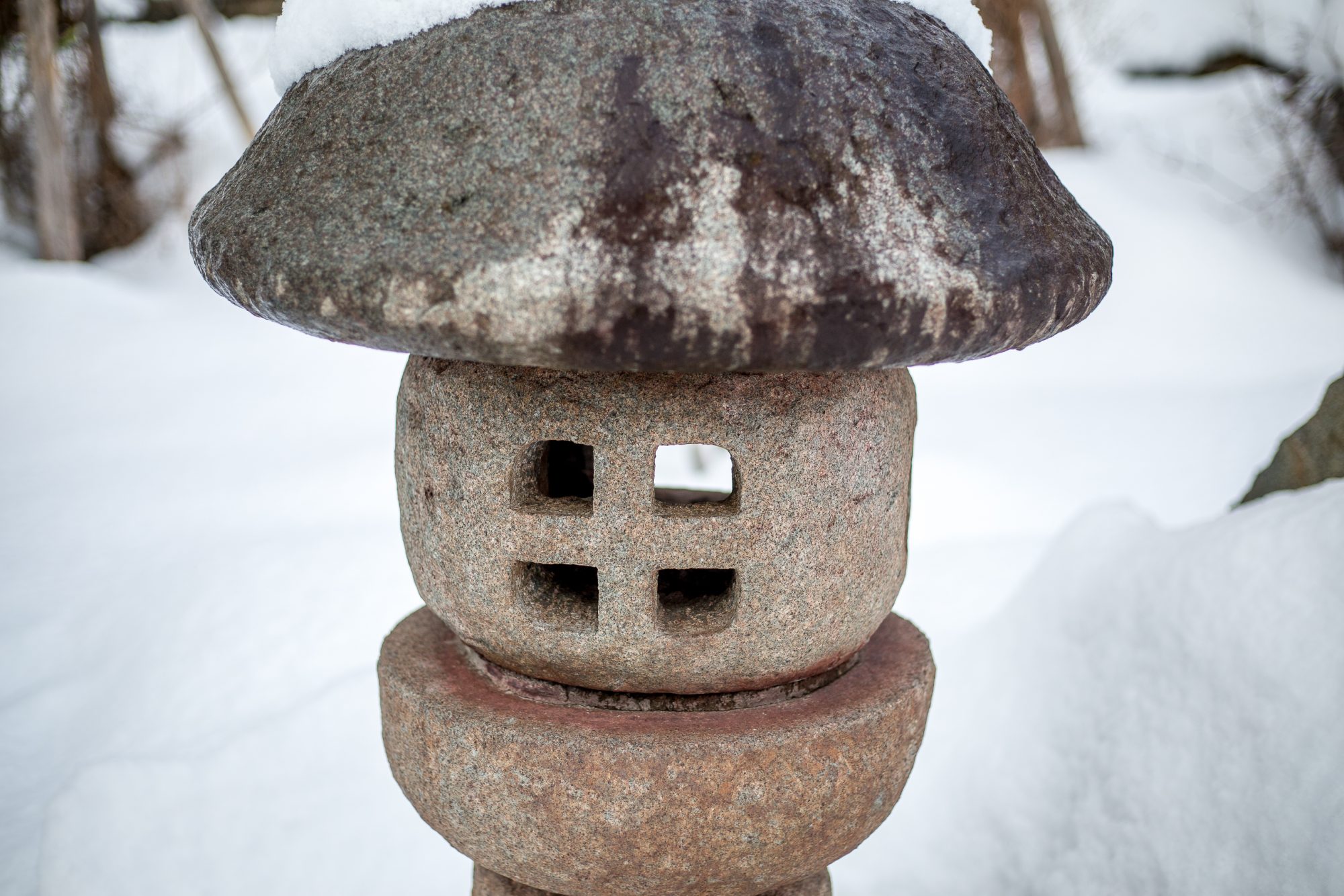
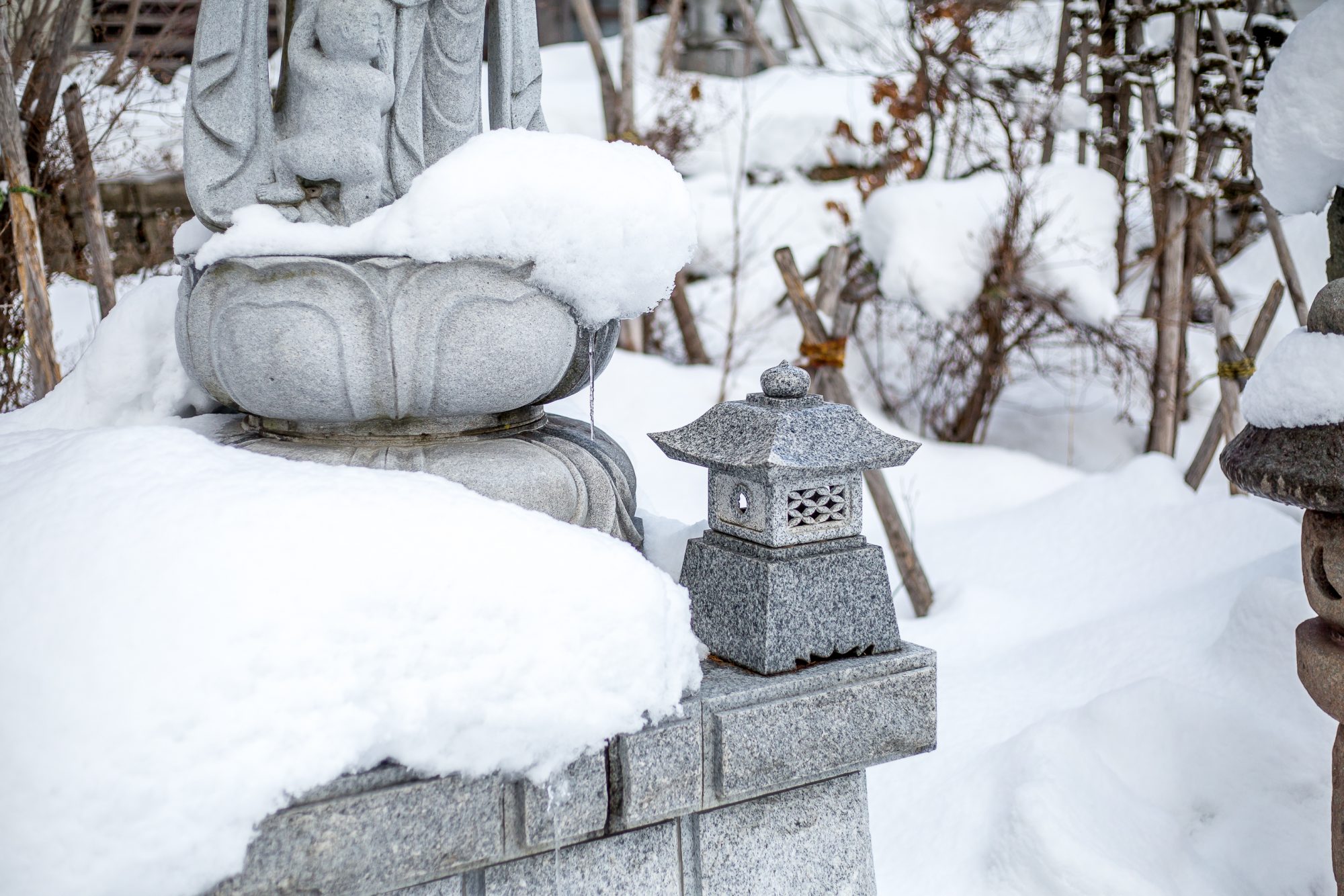
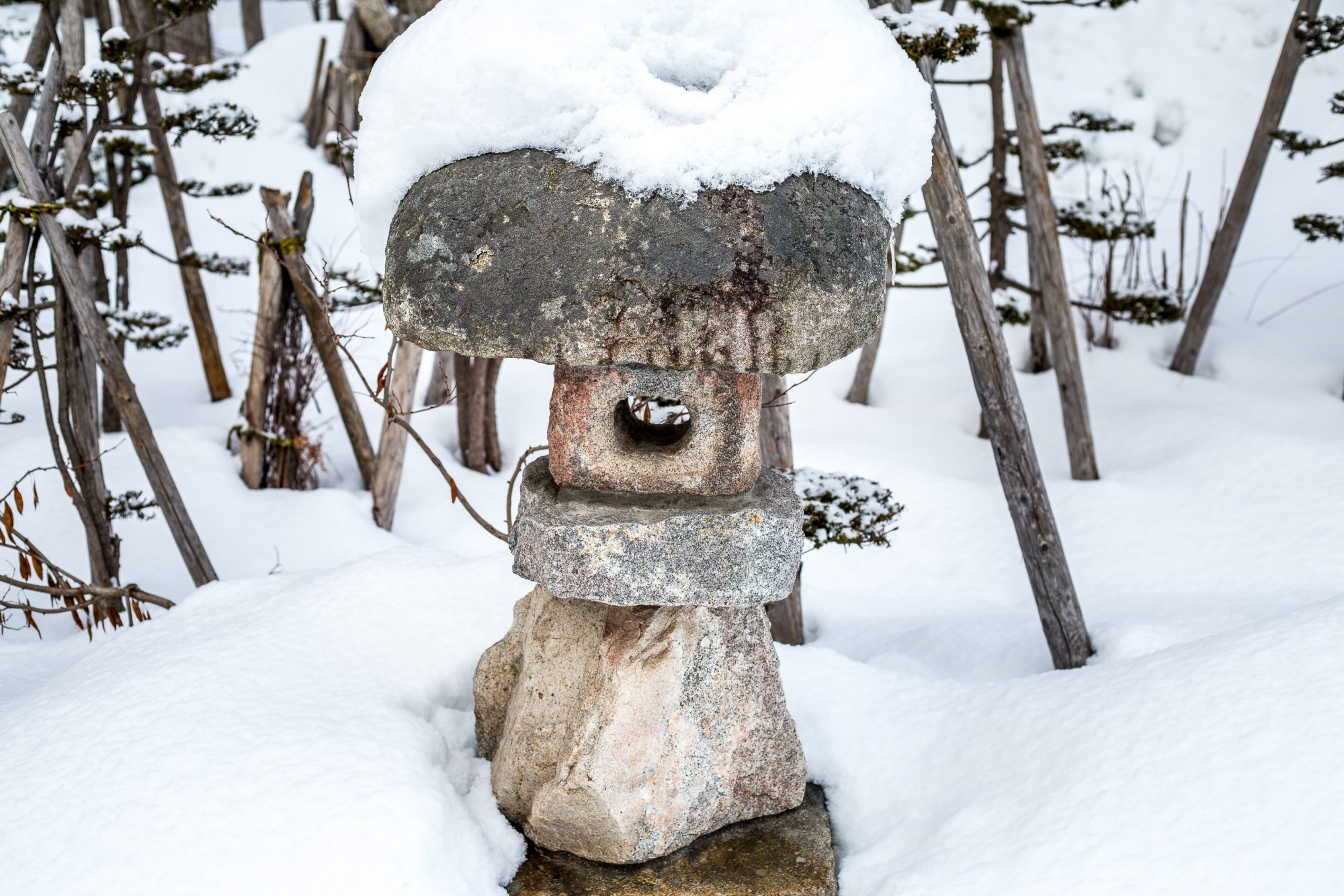
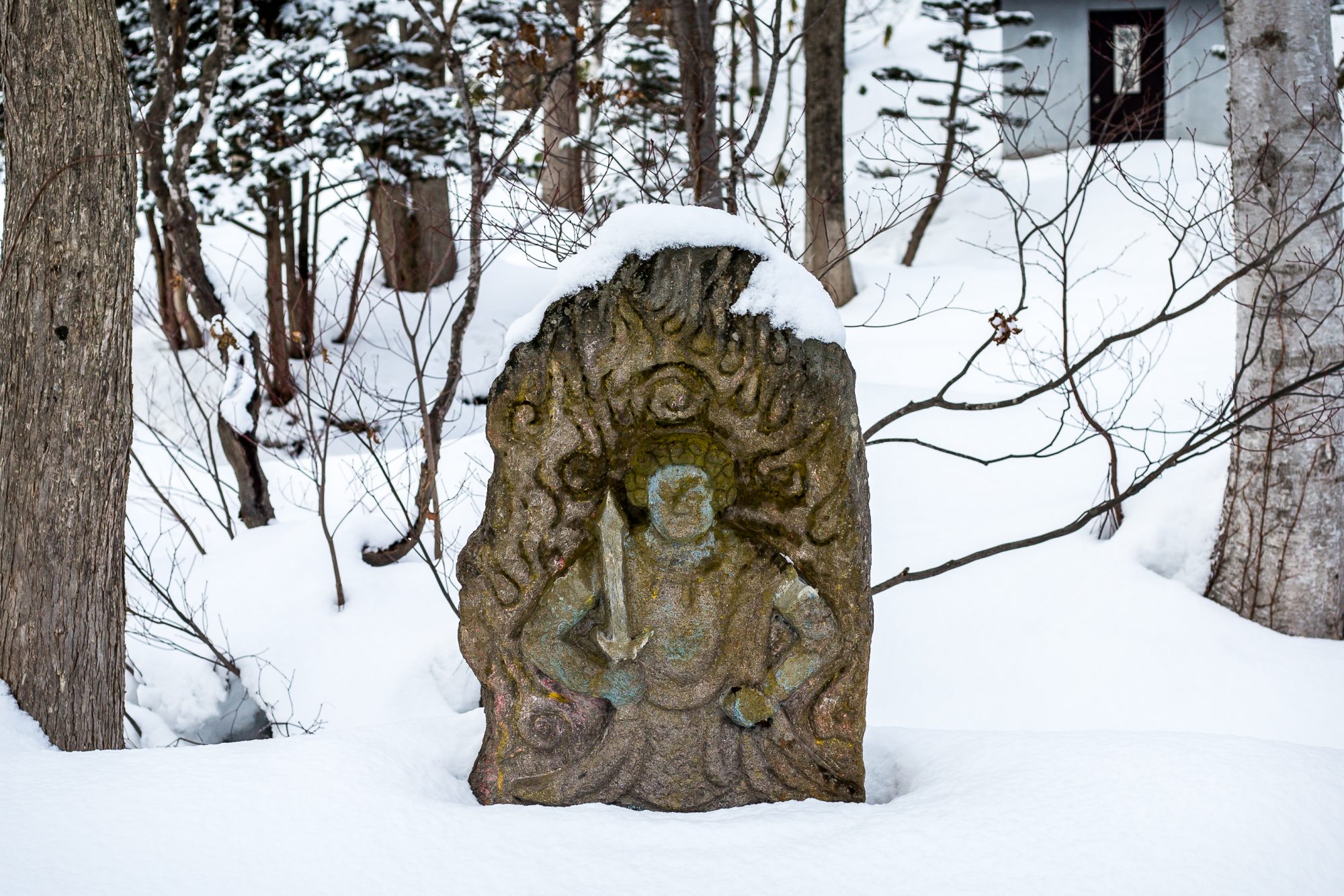
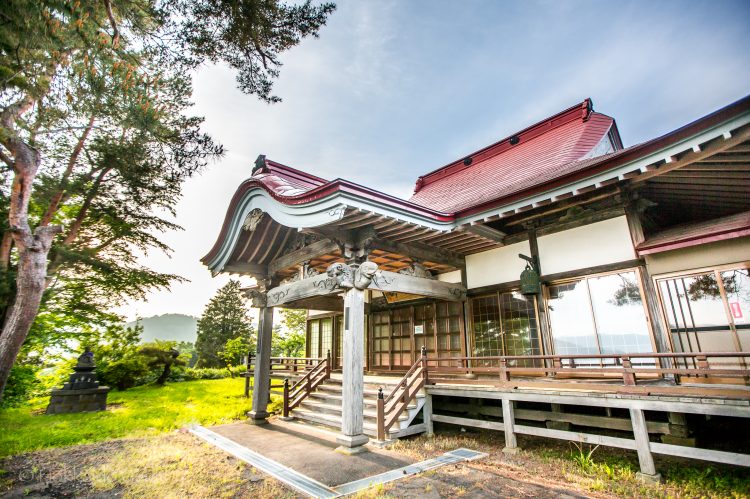
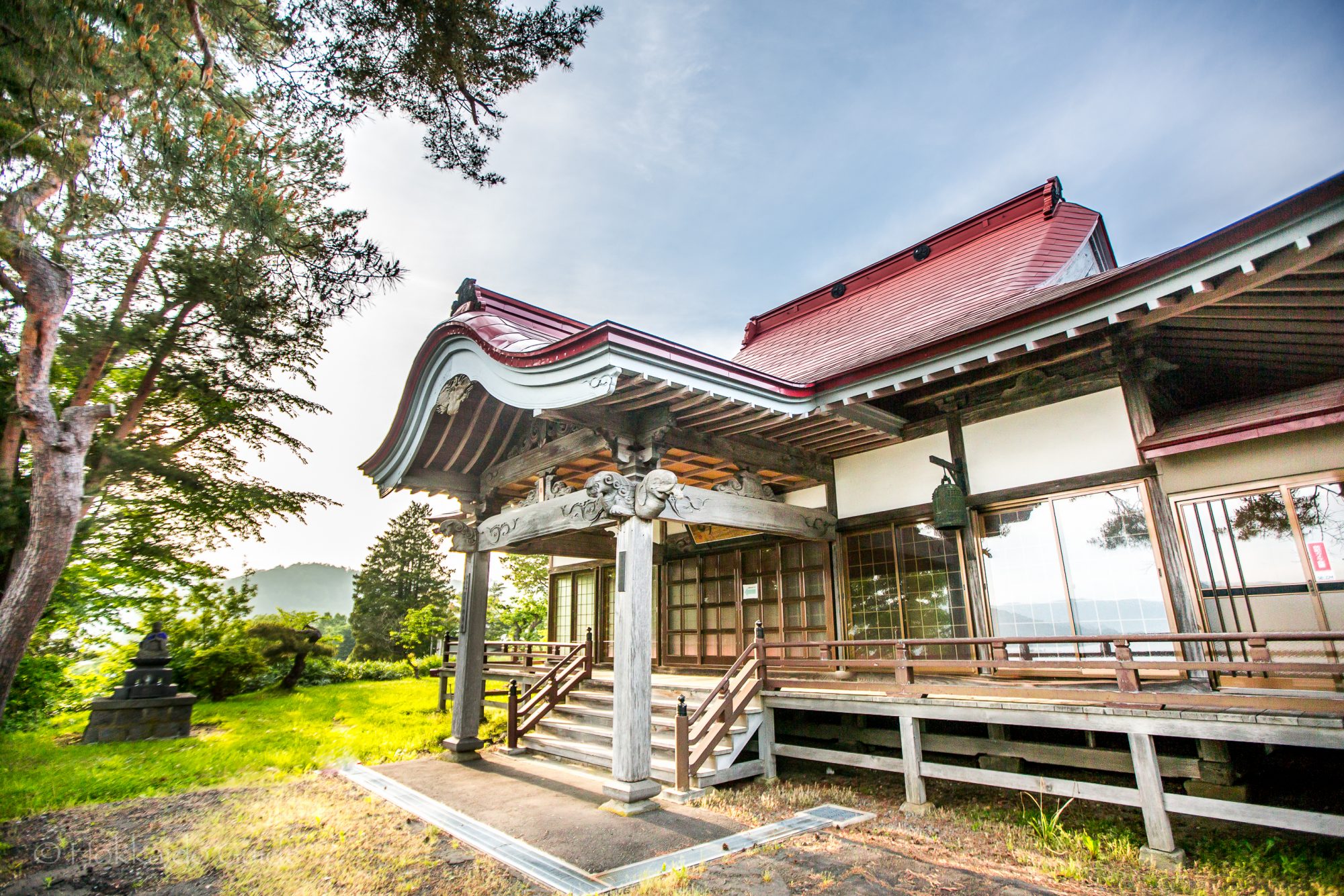
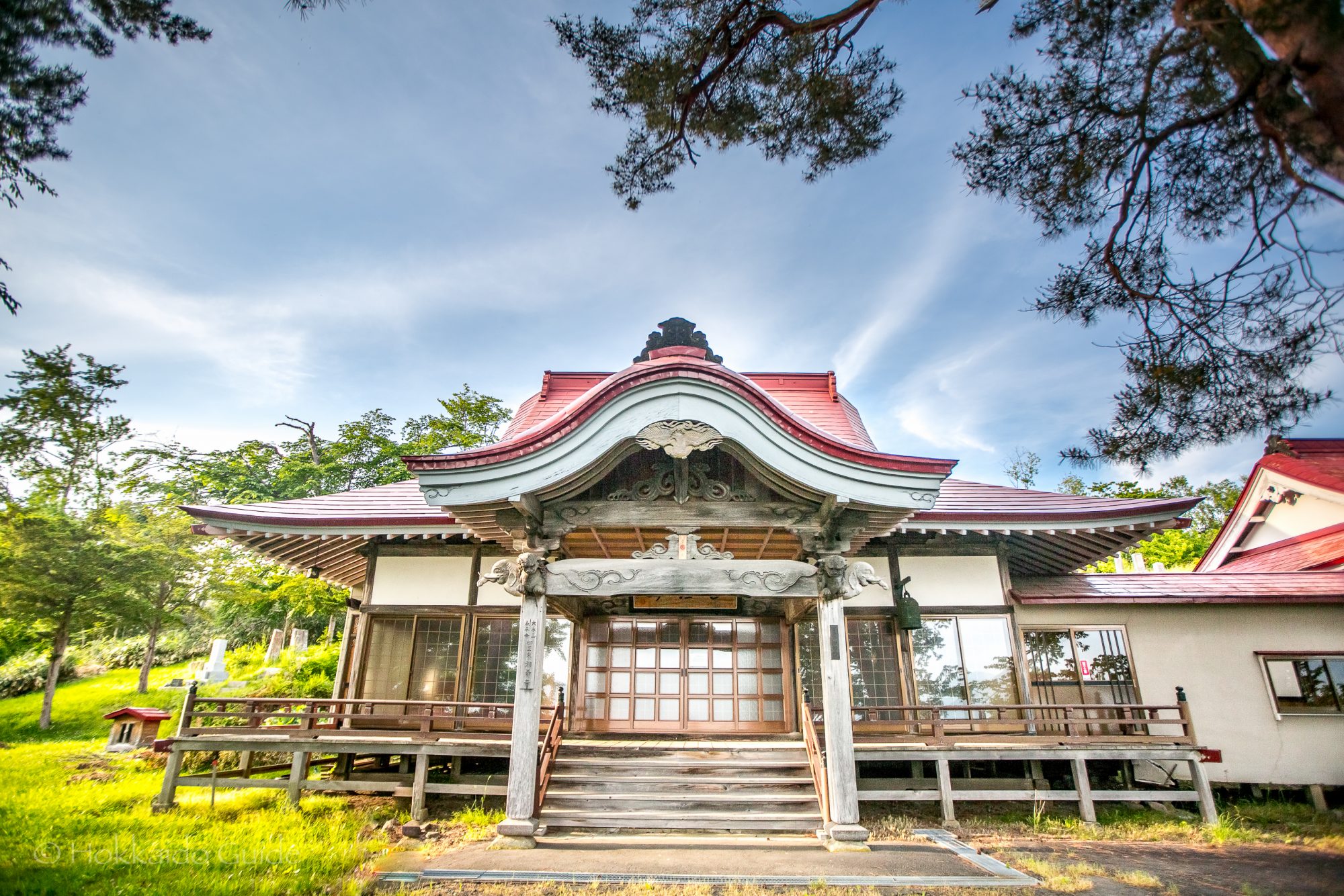
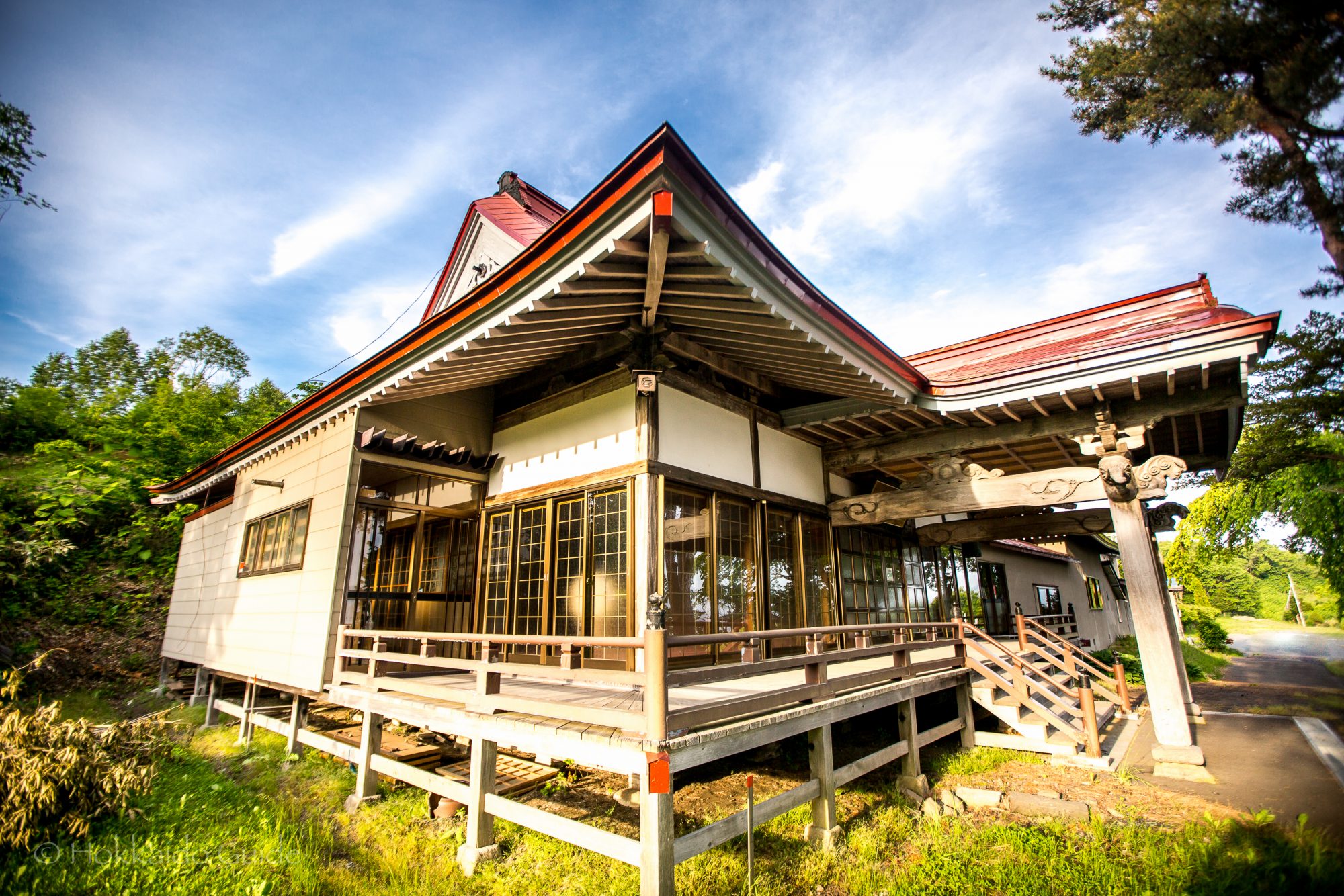
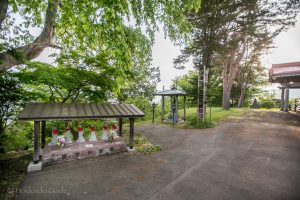
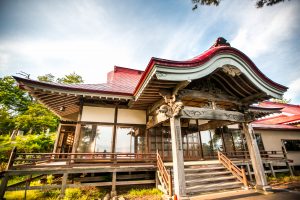
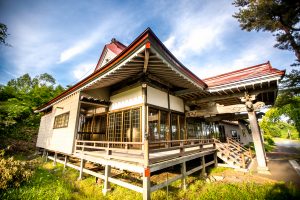
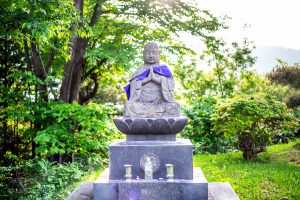
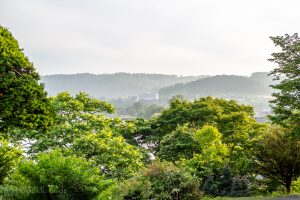
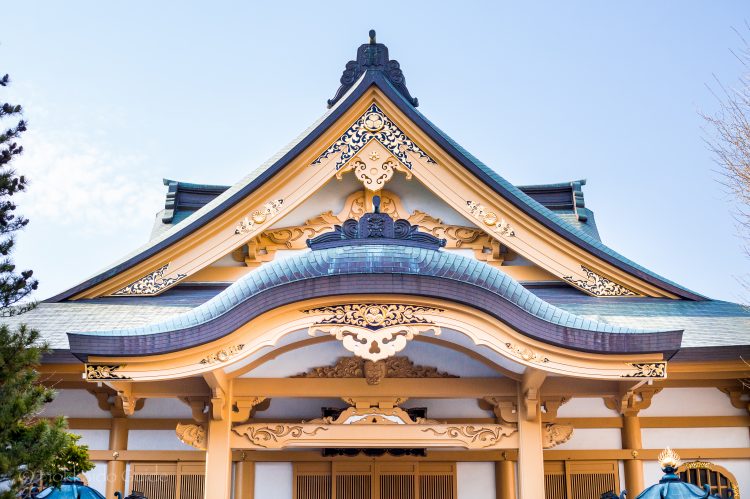
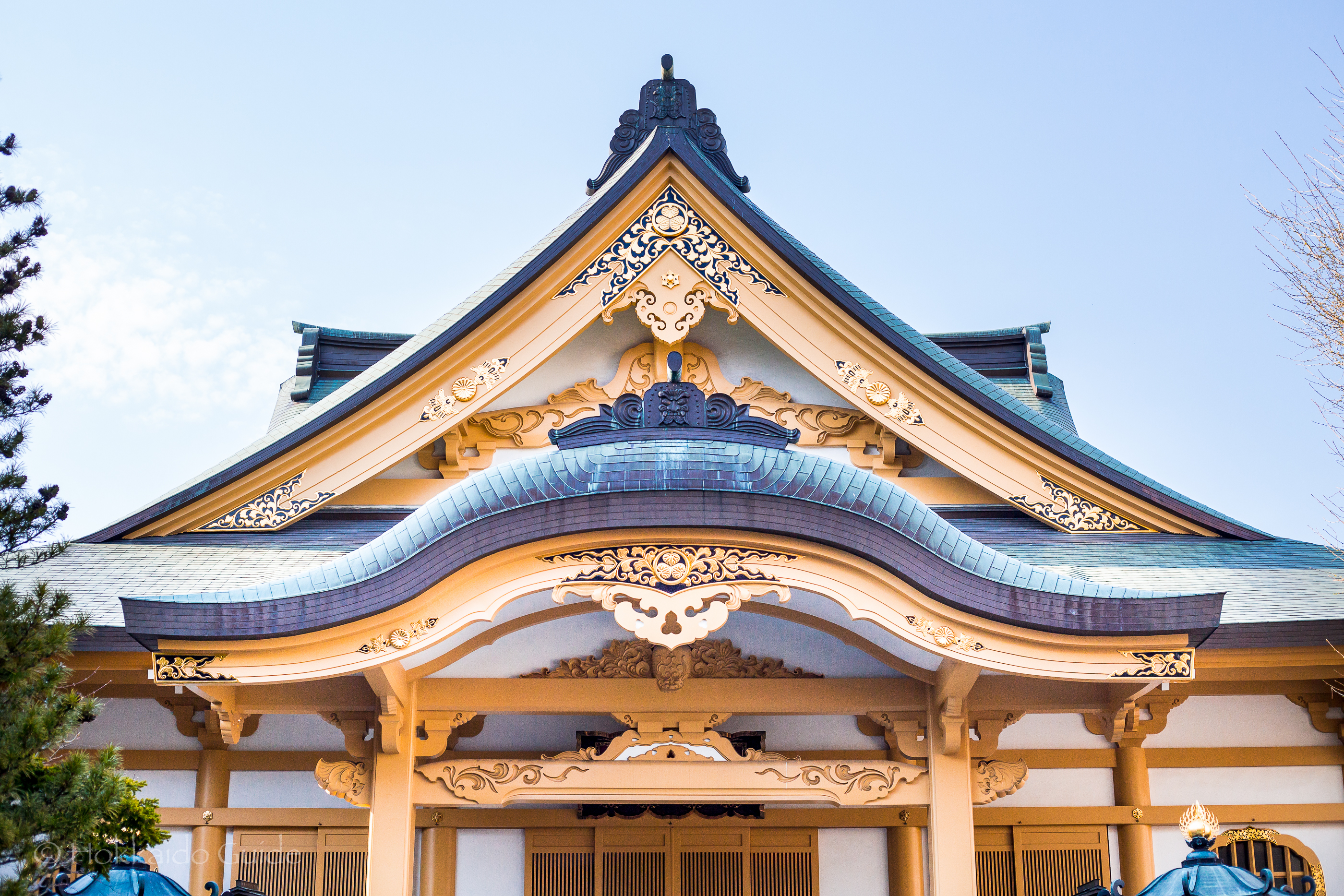
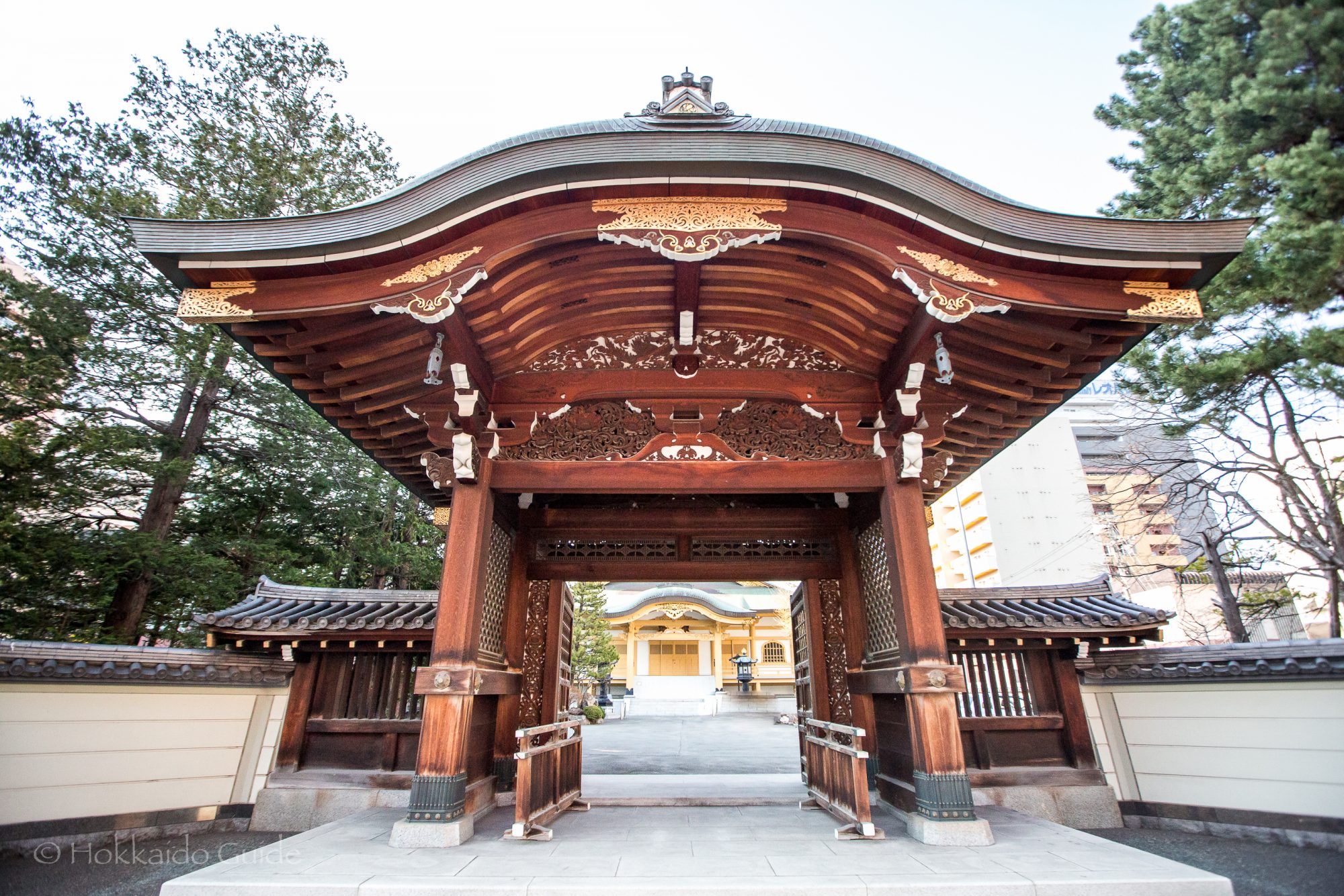
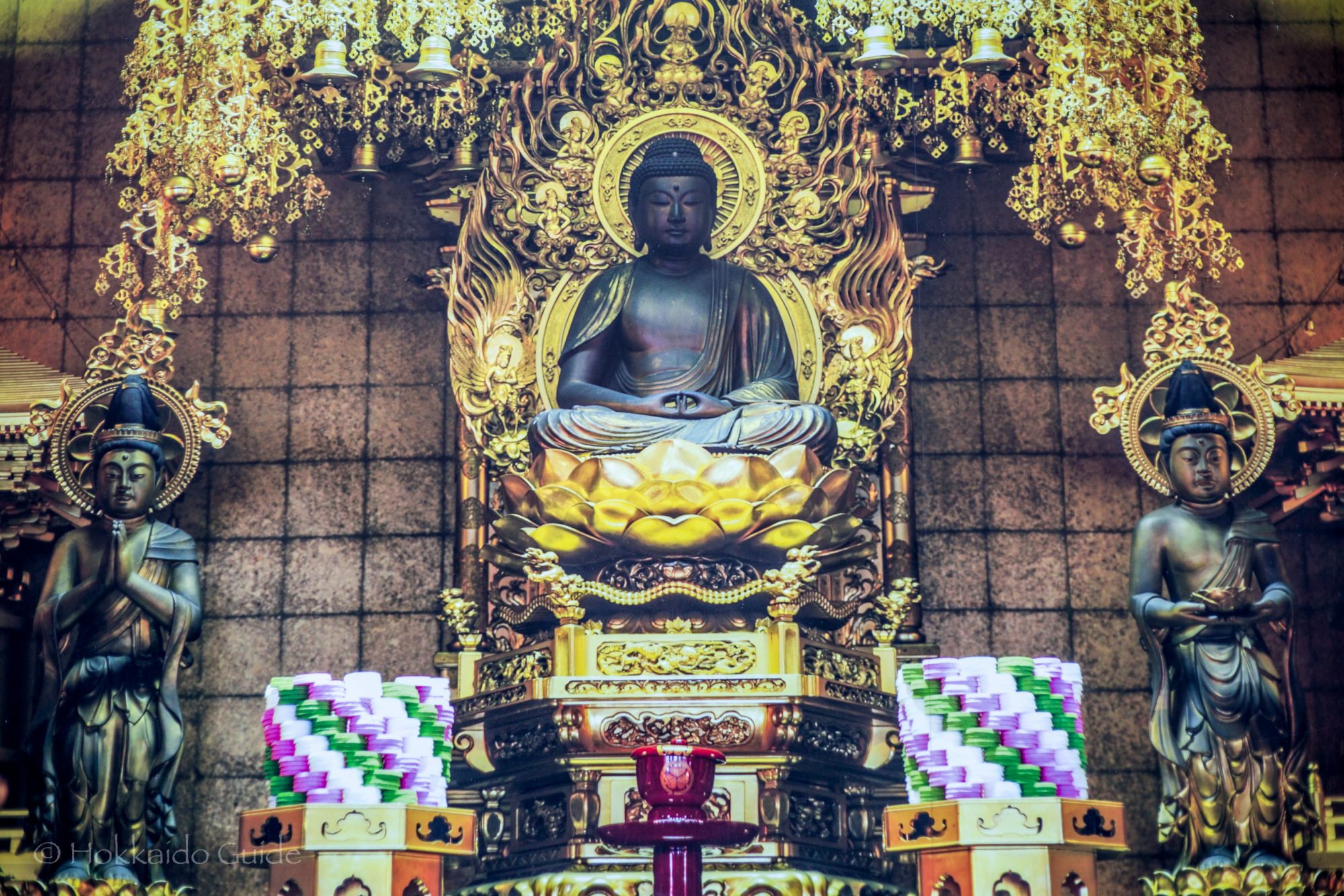
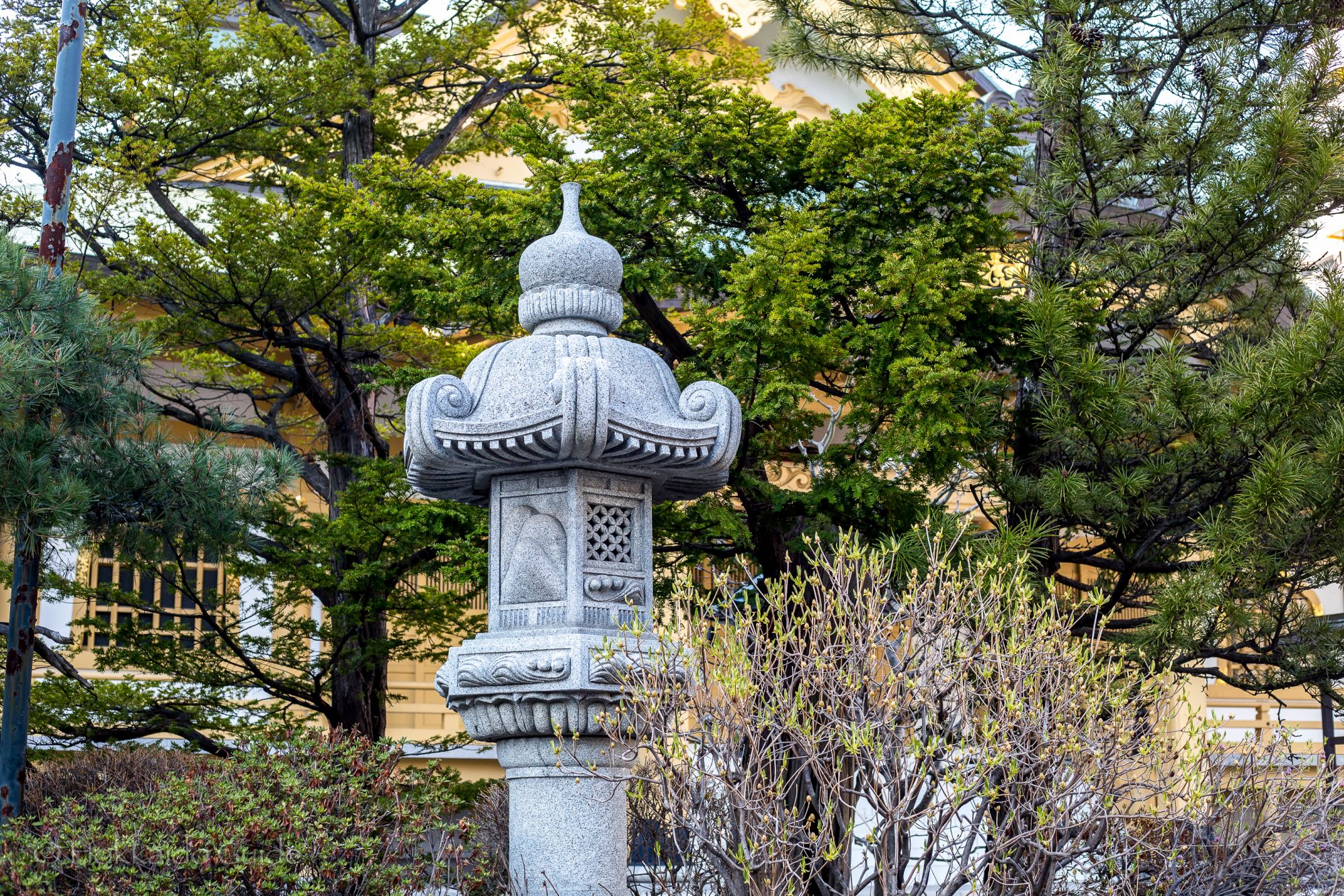
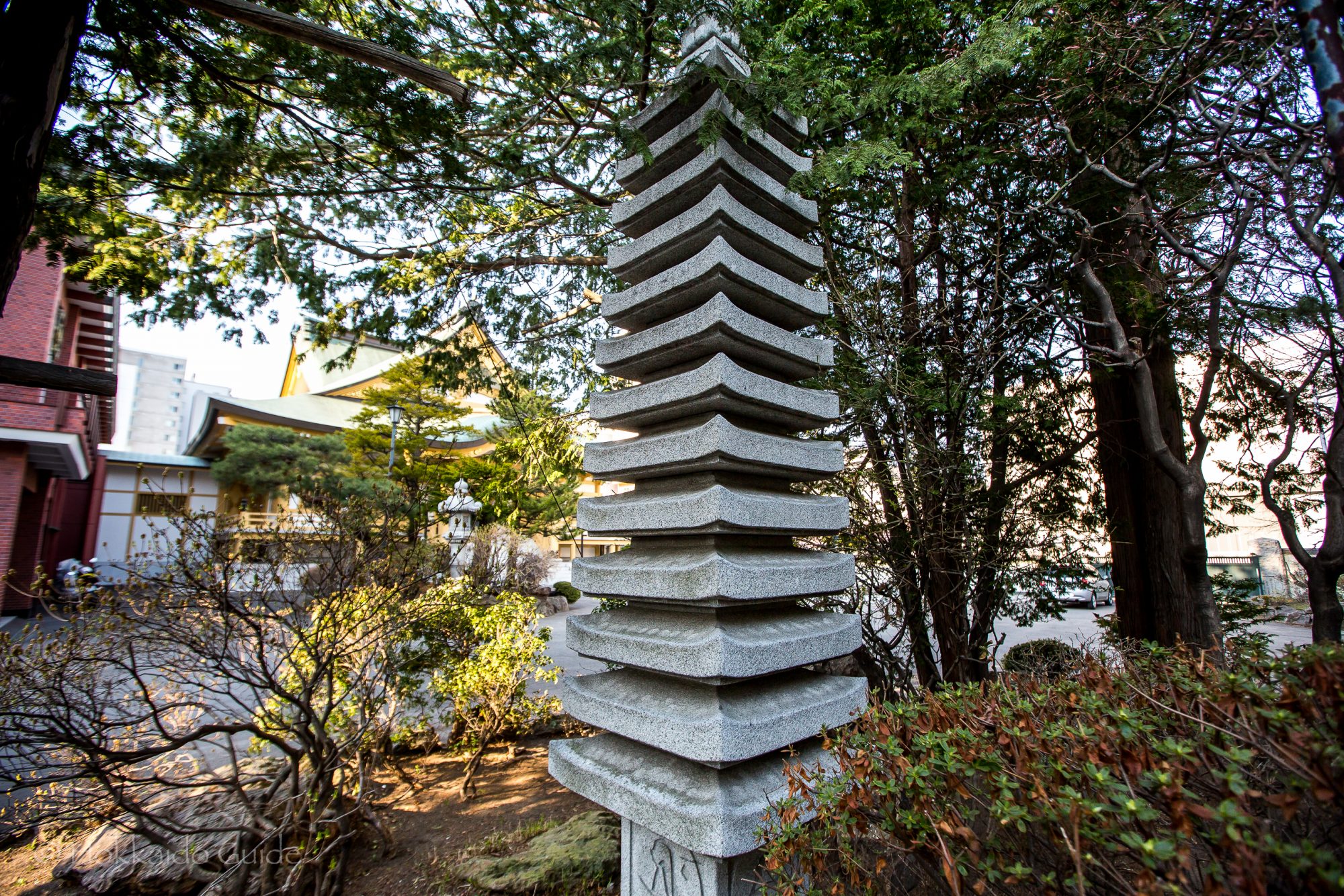
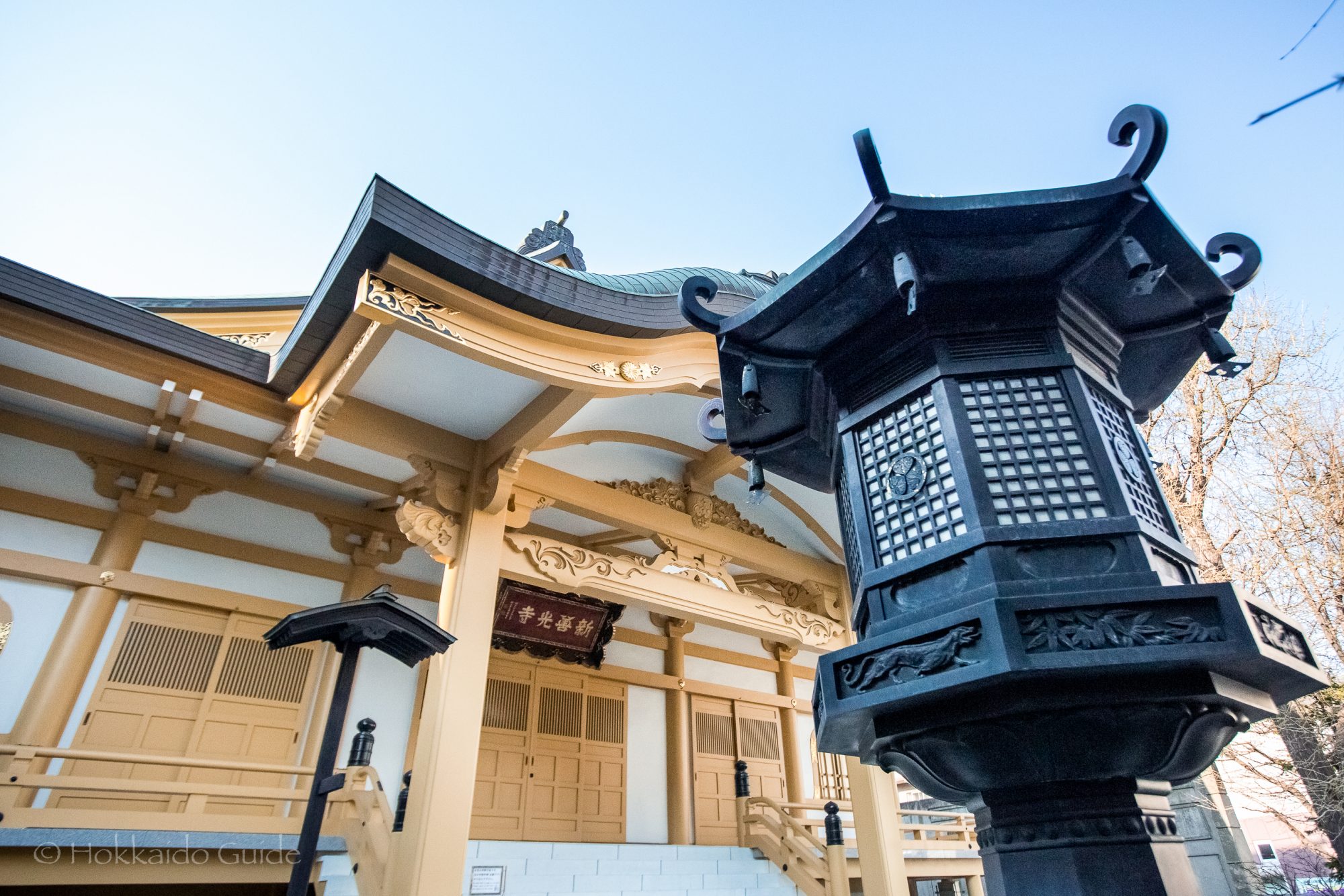
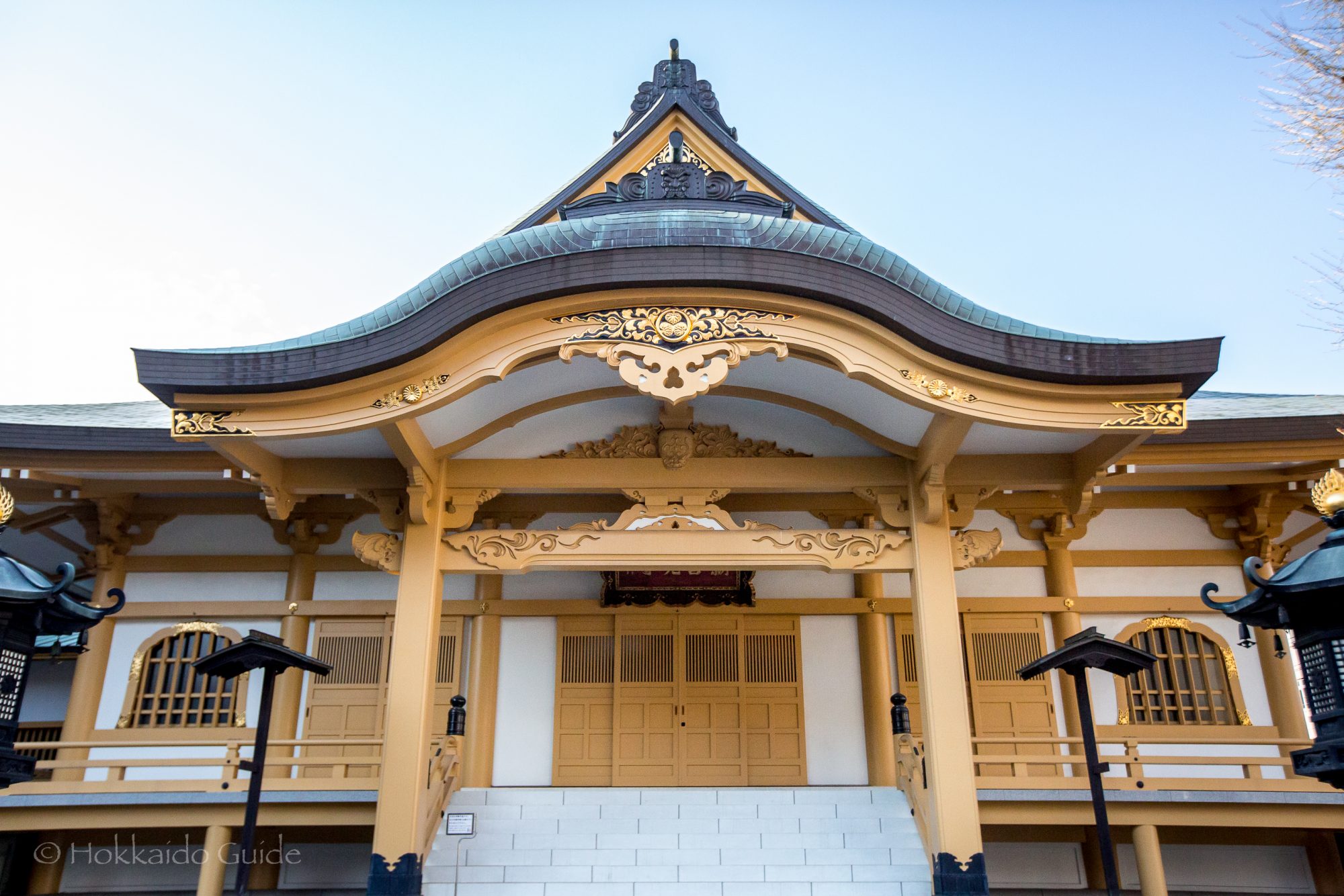
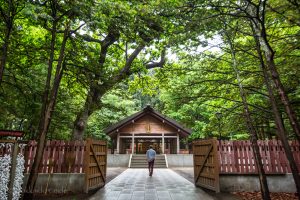
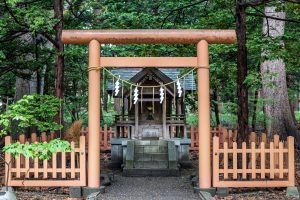
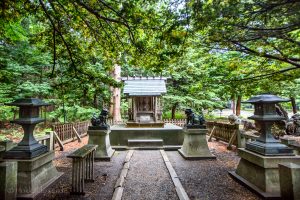
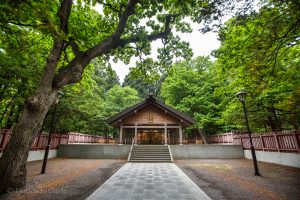
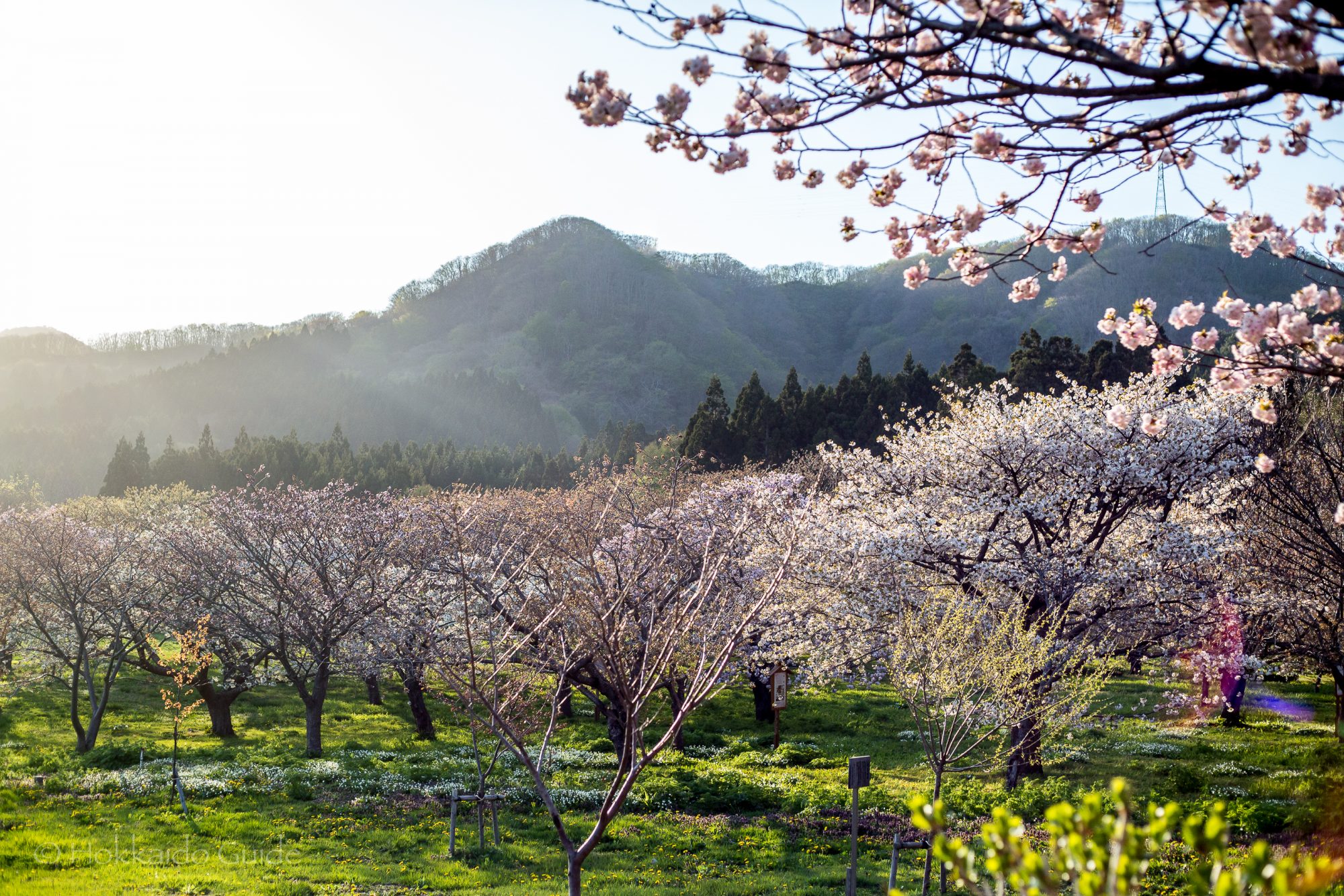
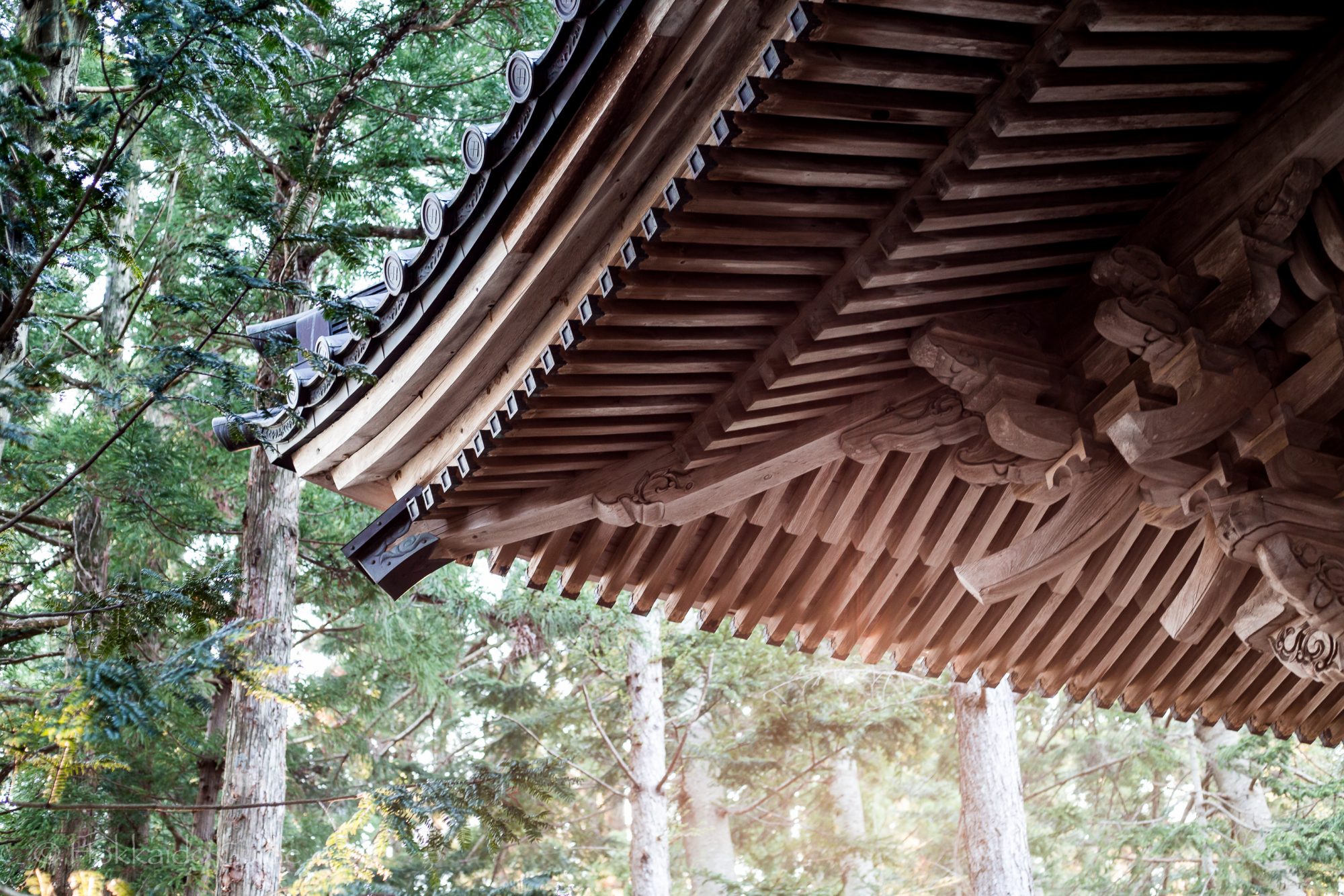
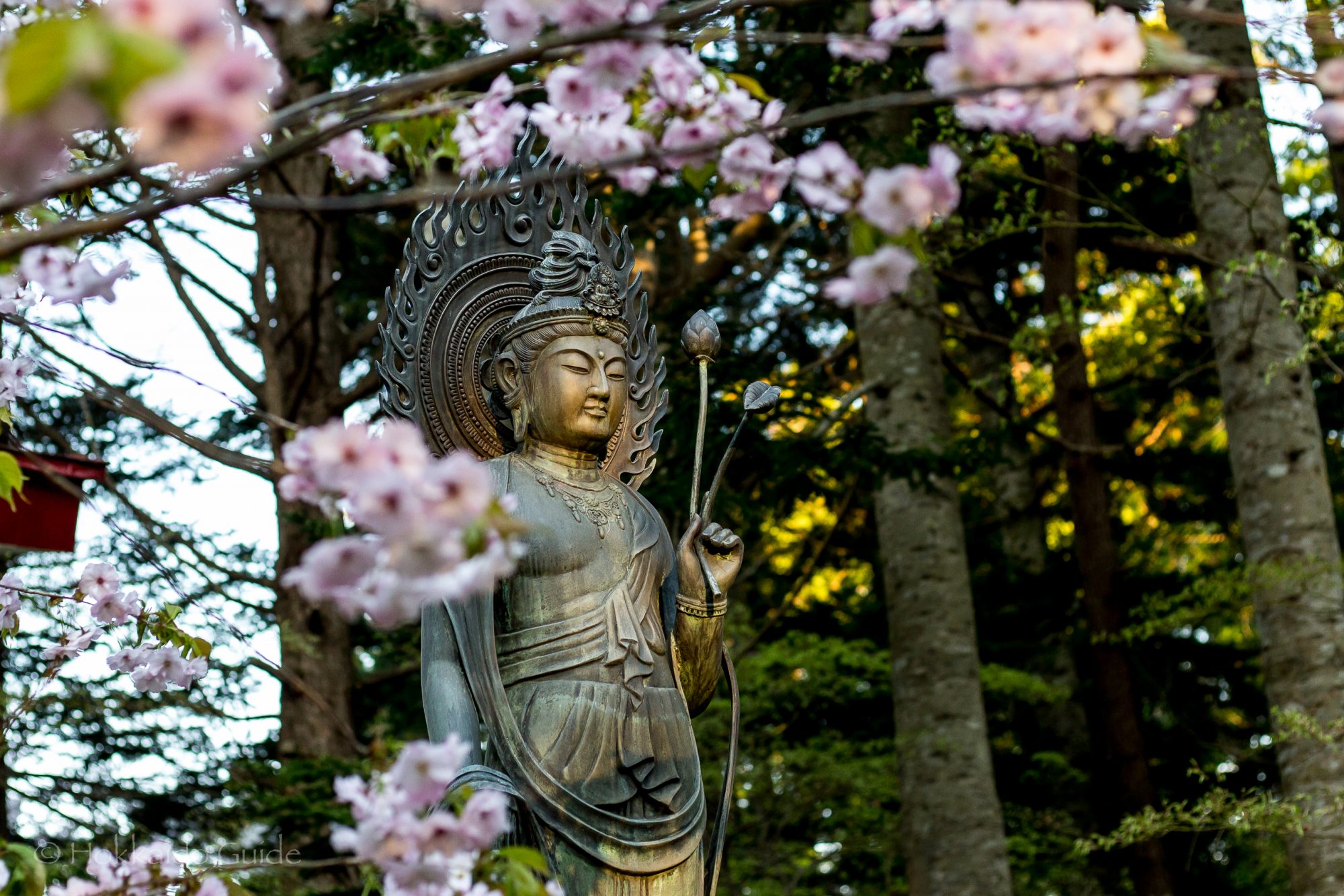
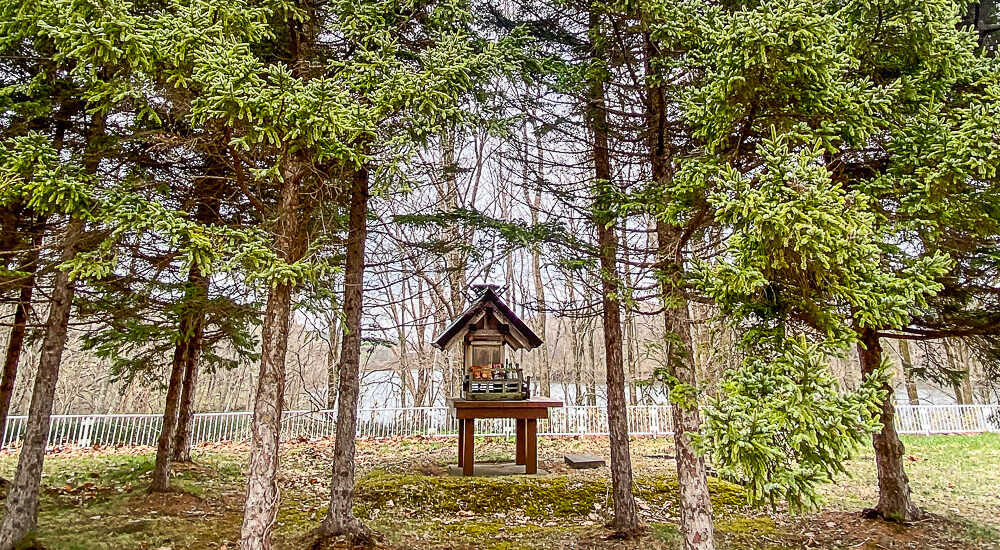
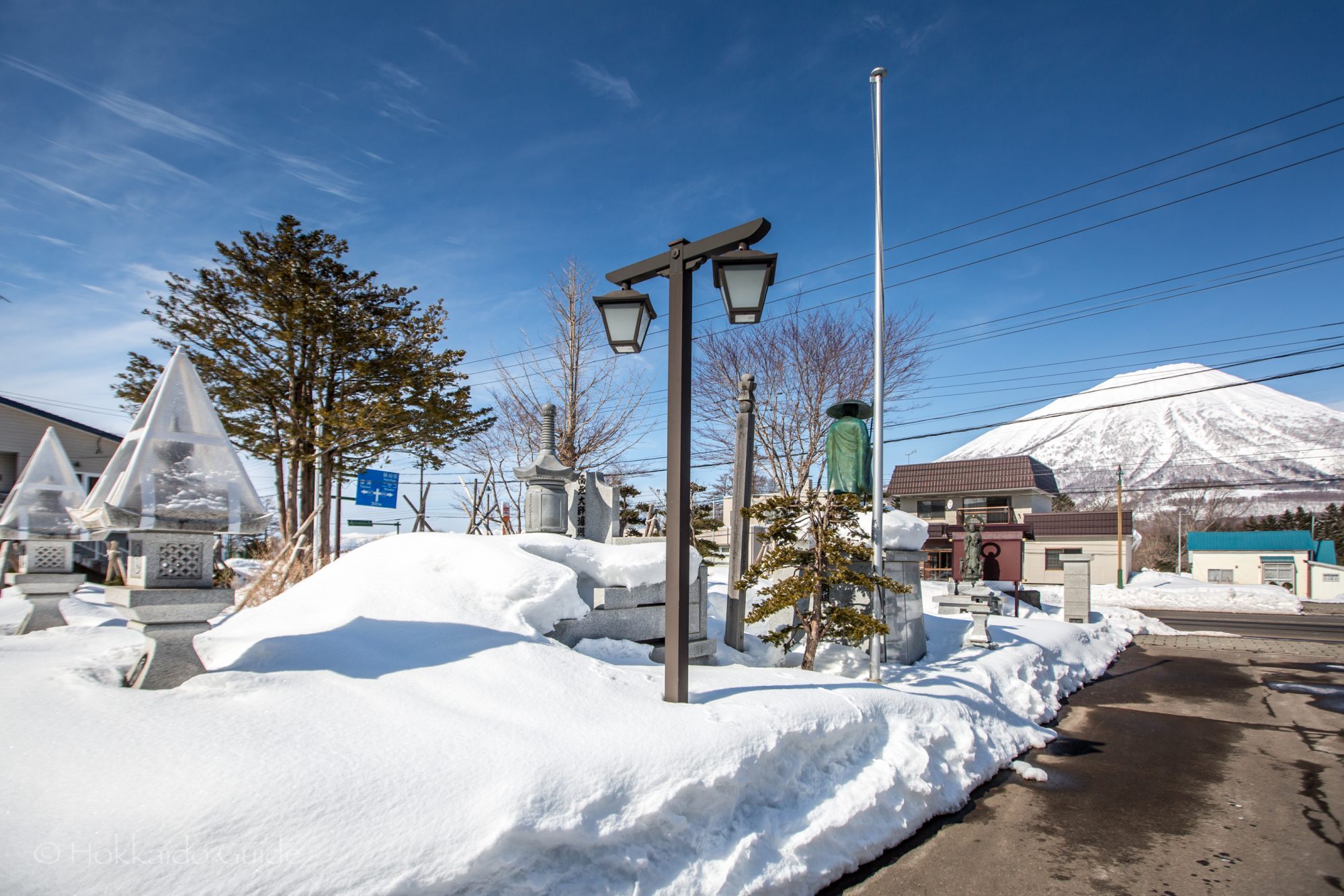
Shingonin is a Buddhist temple that can be found in central Makkari. It is was constructed in 1917 with the building of the main hall, and was named ‘Shingonin’ at this time. The temple offers nice views of Mt. Yotei that rises up close by. Shingonin has services that can be reserved by the public. These include funeral services, a memorial service one year after the death of a loved one, gravestones and burial. They also offer memorial services for the death of a pet. Prayer services are also offered, for a consultation you need to contact the friendly staff or visit their website. 
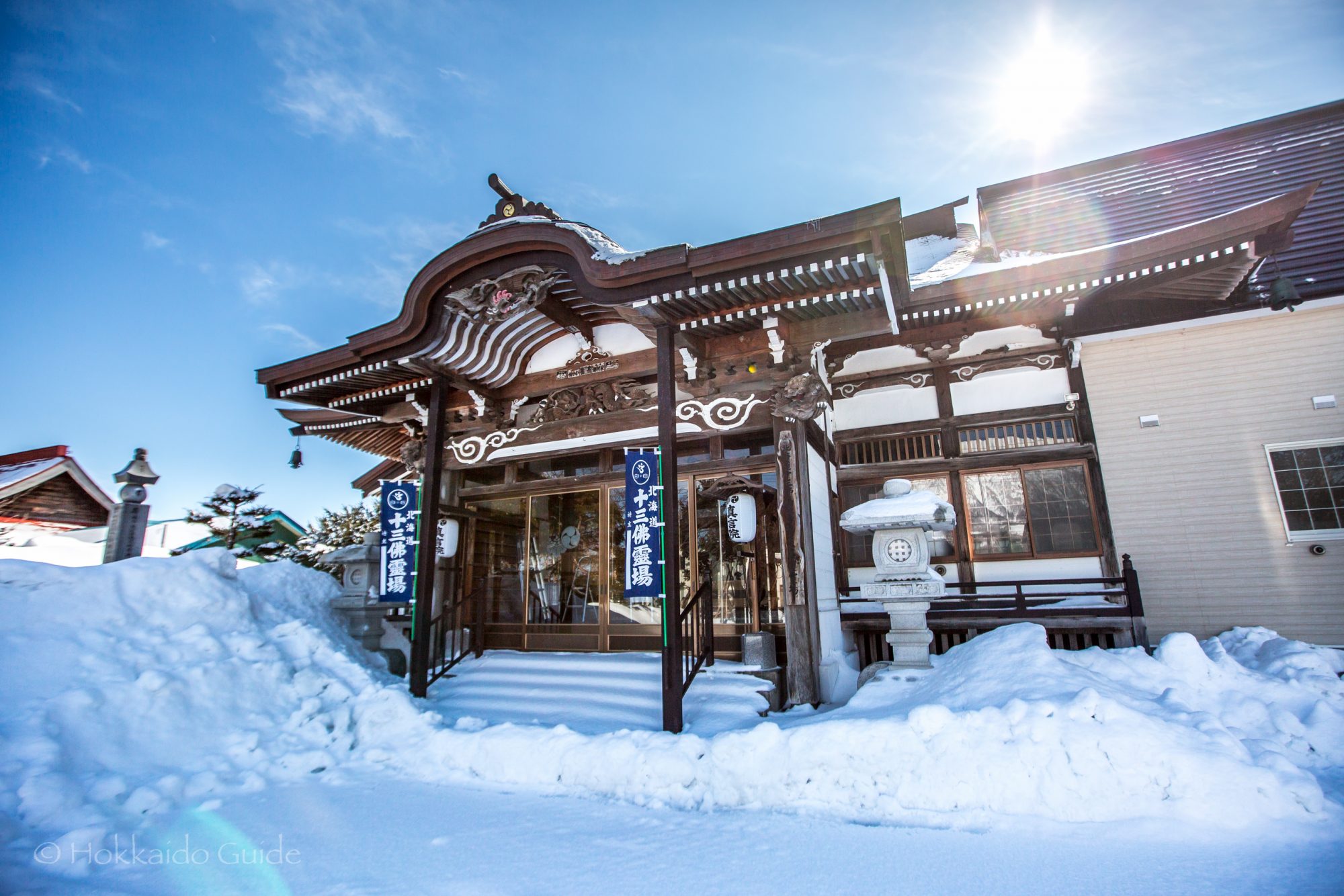
Prayer services include blessings for a healthy delivery of a baby, blessing for growth (100 days after a child is born), and traffic safety blessings. These blessings cost ¥5000 each. In Buddhism there are the “Thirteen Buddhas”. The thirteen Buddhas protect the deceased. There are 17 temples in Hokkaido that have sacred ground pertaining to the “Thirteen Buddhas”. There is a pilgrimage that can be taken by visiting these 17 temples. Shingonin is the 9th sacred temple on this pilgrimage. For access to the pilgrimage map, you can check here
February 110:00 start. Prayer for the year with the throwing of beans for good luck.
March 2013:00 start. A day to thank the teachings of Kobo Daishi Kukai, who passed in March 21, 835.
July 1513:00 start. A day to celebrate the birth of Kobo Daishi, who was born on June 15, 774.
August 1614:30 start. Obon festival to remembrance of the dead.
November 2012:00 lunch start. To thank Kobo Daishi teacher for his teachings.

Konpira Temple

金毘羅寺
AdmissionFree
Opening Hours-
Closed-
Contact0136-22-0352
https://konpirajikuchan.jimdofree.com/
Notes-
Location /
Getting There
Located at the north end of the town of Kutchan. It's a 15 minute wlka from the centre of town or a 20 minute walk from Kutchan train station.
〒044-0057 Hokkaido, Abuta District, Kutchan, Kita 7 Jonishi, 1 Chome−8

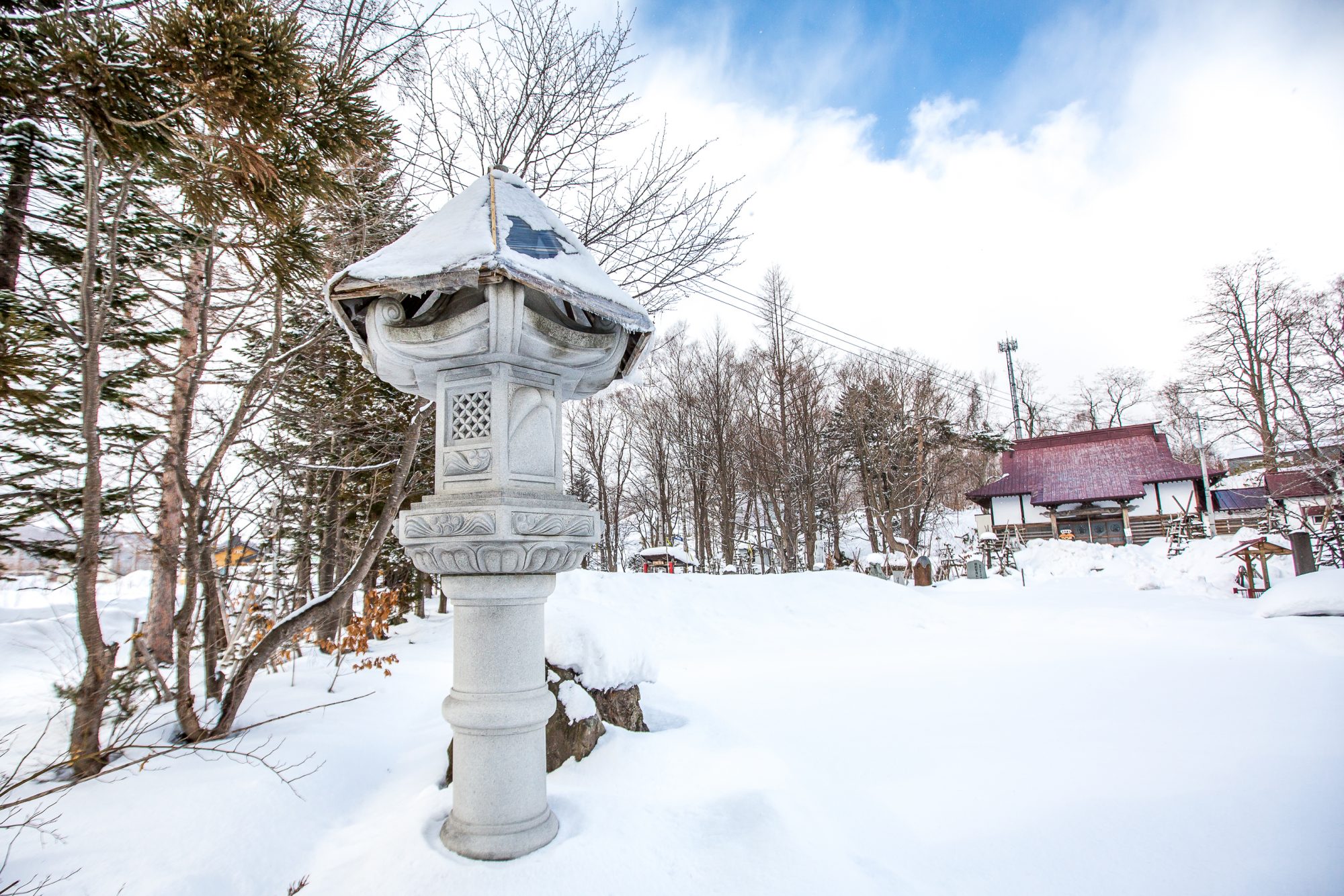
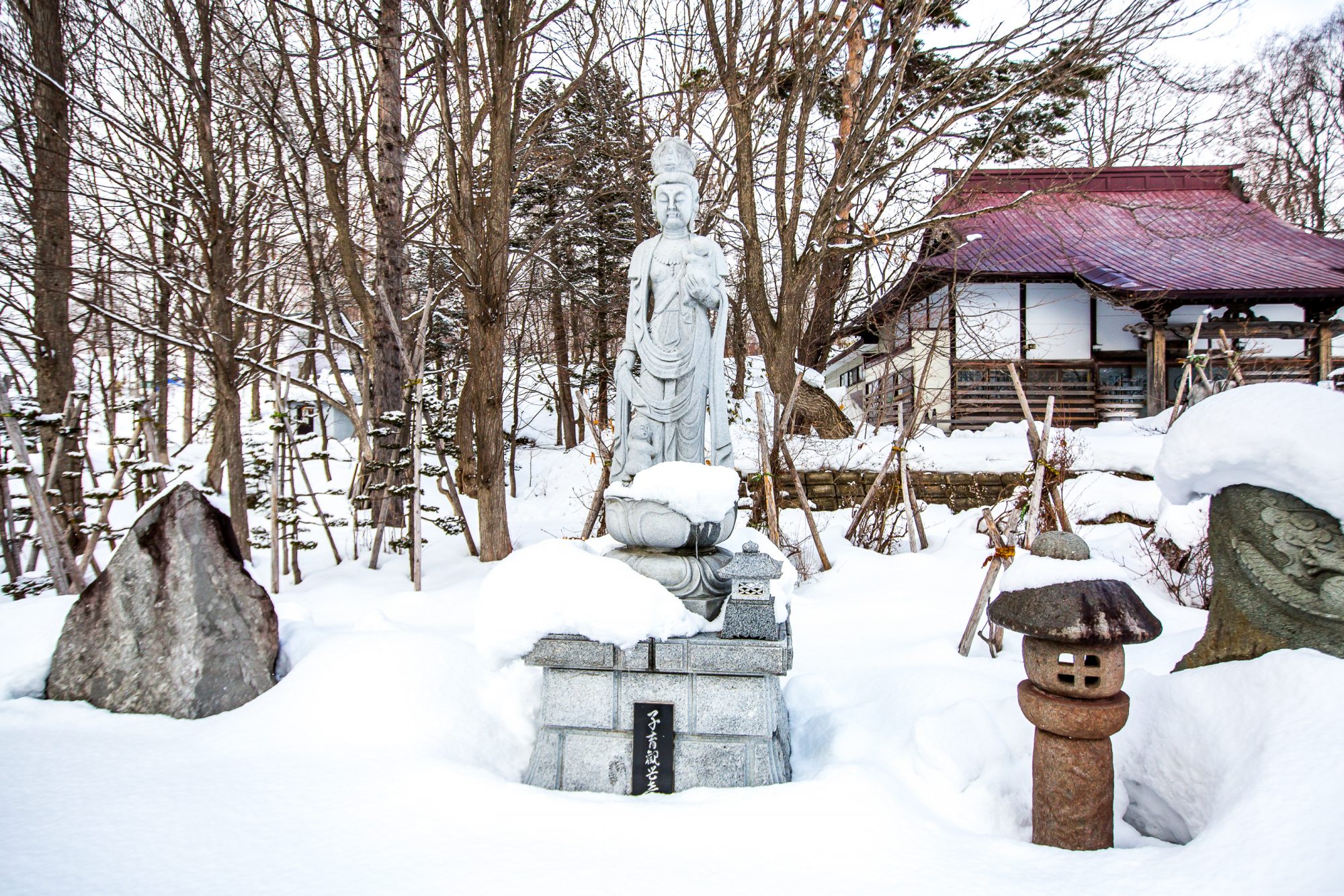
Konpira Temple (or better known as ‘Konpiraji’ in Japanese) is a buddhist temple. It is the main temple in Kutchan and is a good place to visit while in town. It makes for a good spot to get some photos or to experience a little of the Japanese culture. A statue of the founding priest was constructed at the foot of Mt. Konpira which can be found at Lake Toya. Every year, at the temple, the annual Konpira Temple Festival is held. This festival celebrates Autumn and heralds the coming of winter. It is a three day festival and is held on the 9th, 10th, and 11th of October. 
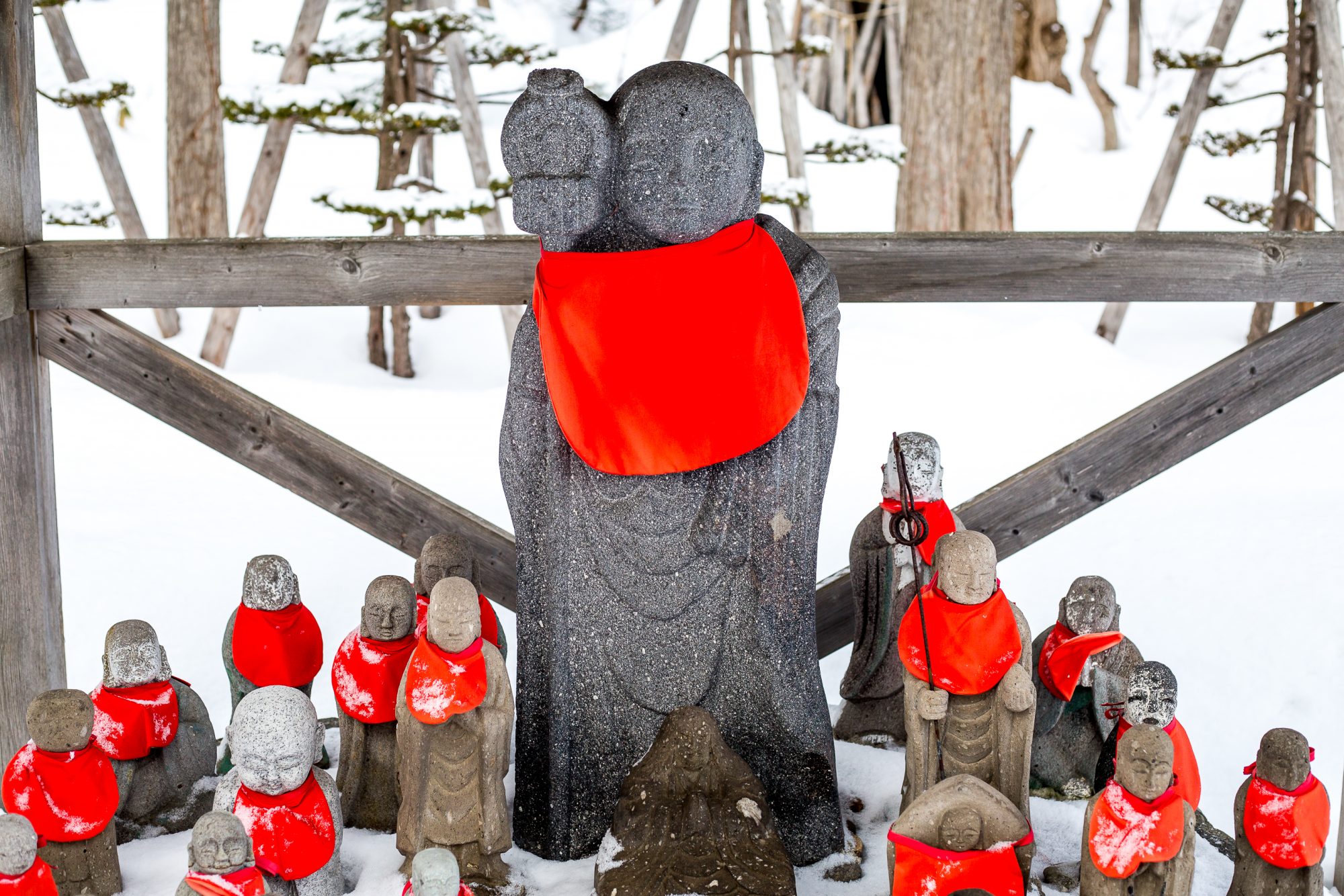
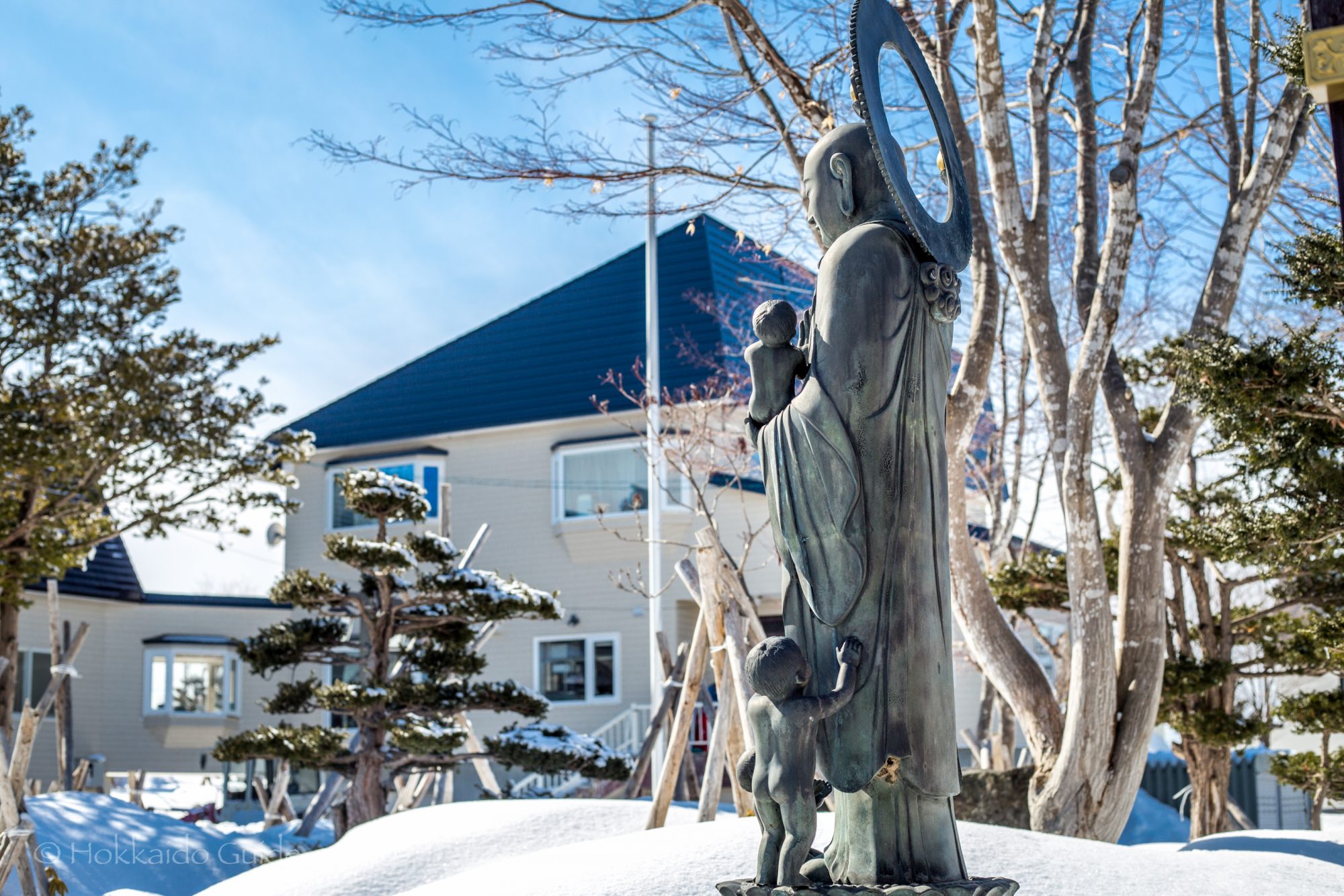
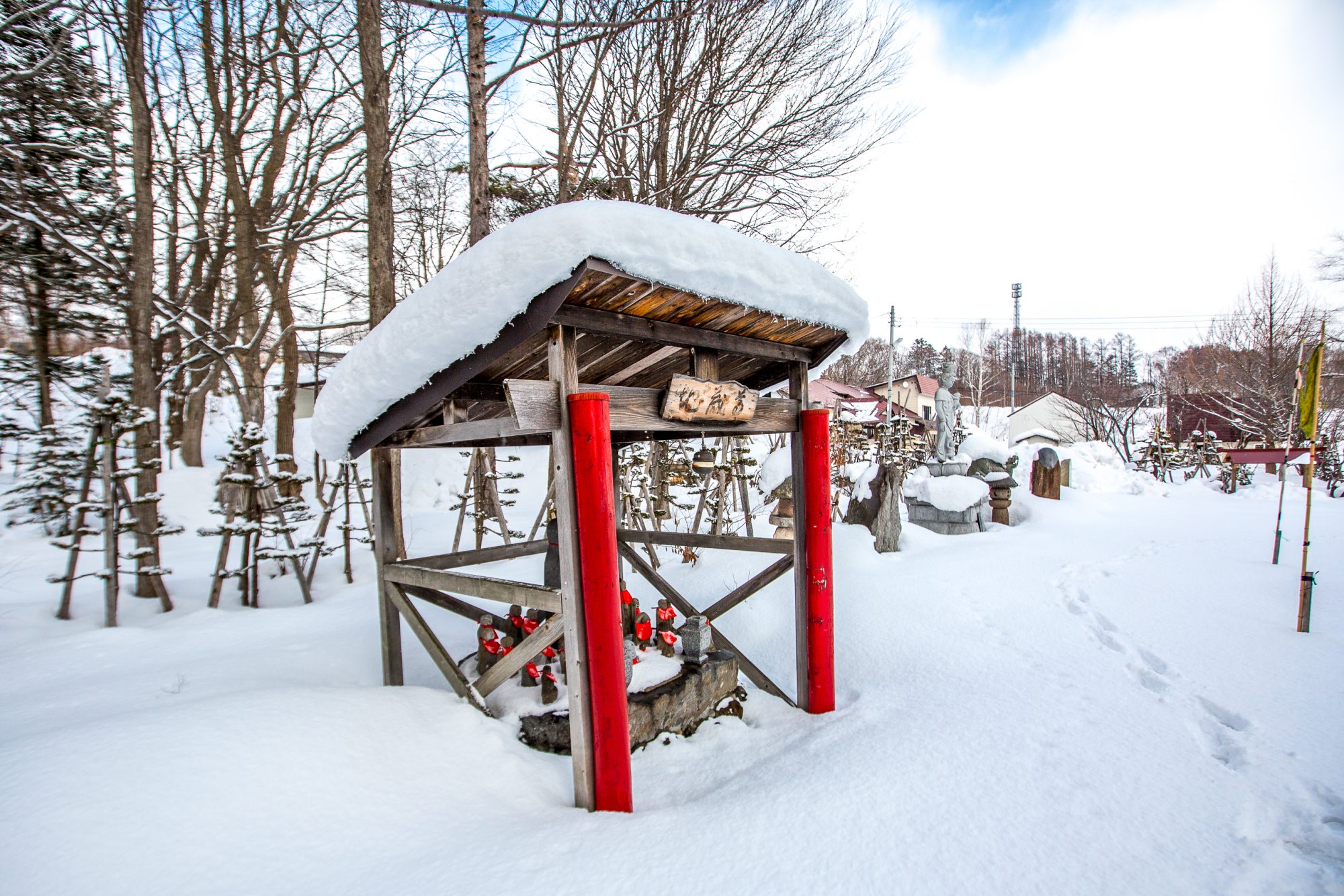
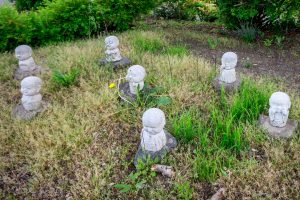
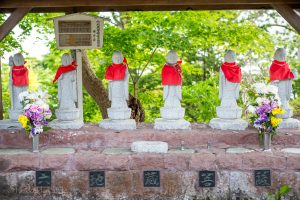
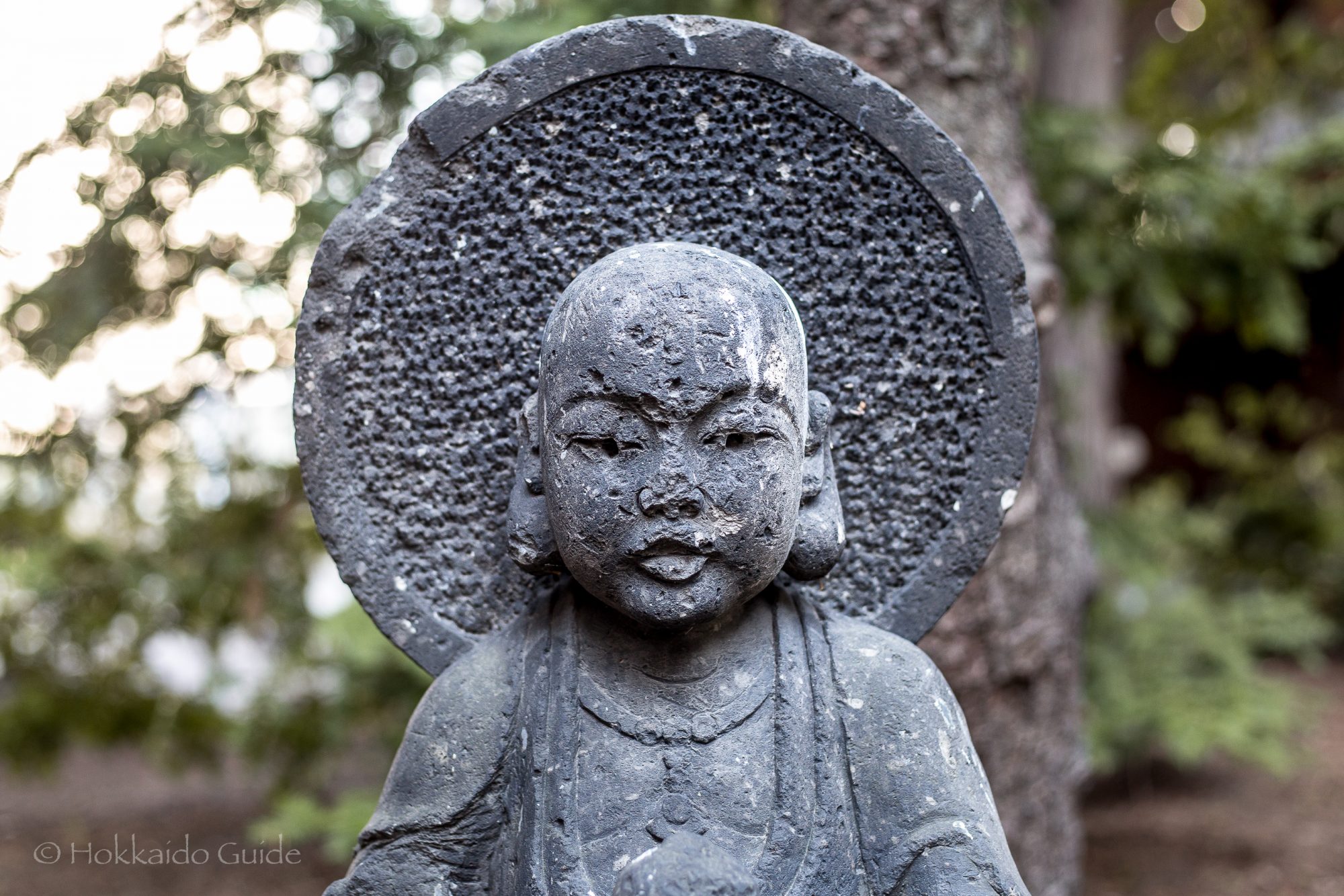
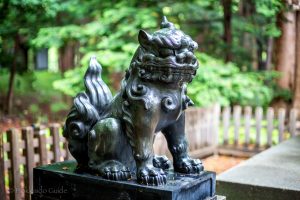
Being a buddhist temple, they have many statues around the grounds. The most common being the Ojizo-sama. These are usually small statues that have a child like appearance. They are often dressed in a red bib. This practice is believed to have begun when grieving parents who had lost a child put the deceased child’s bib on a Jizo statue in the hope their child would be protected in the other world. To get to the temple it is a fifteen minute walk from centre of Kutchan, or a five minute drive.It is located just to the north of central Kutchan. It is easily accessed as it lies at the end of the main street that runs through the town.
Toya Temple & Monument

洞爺寺
AdmissionFree
Opening Hours-
Closed-
Contact0142-82-5076
NotesBuddhist temple, sightseeing spot, photography spot, historical landmark
Location /
Getting There
Located on the northern shore of Lake Toya. Can be found just above the road located north of Route 132
23 Toyamachi, Toyako, Abuta District, Hokkaido 049-5802

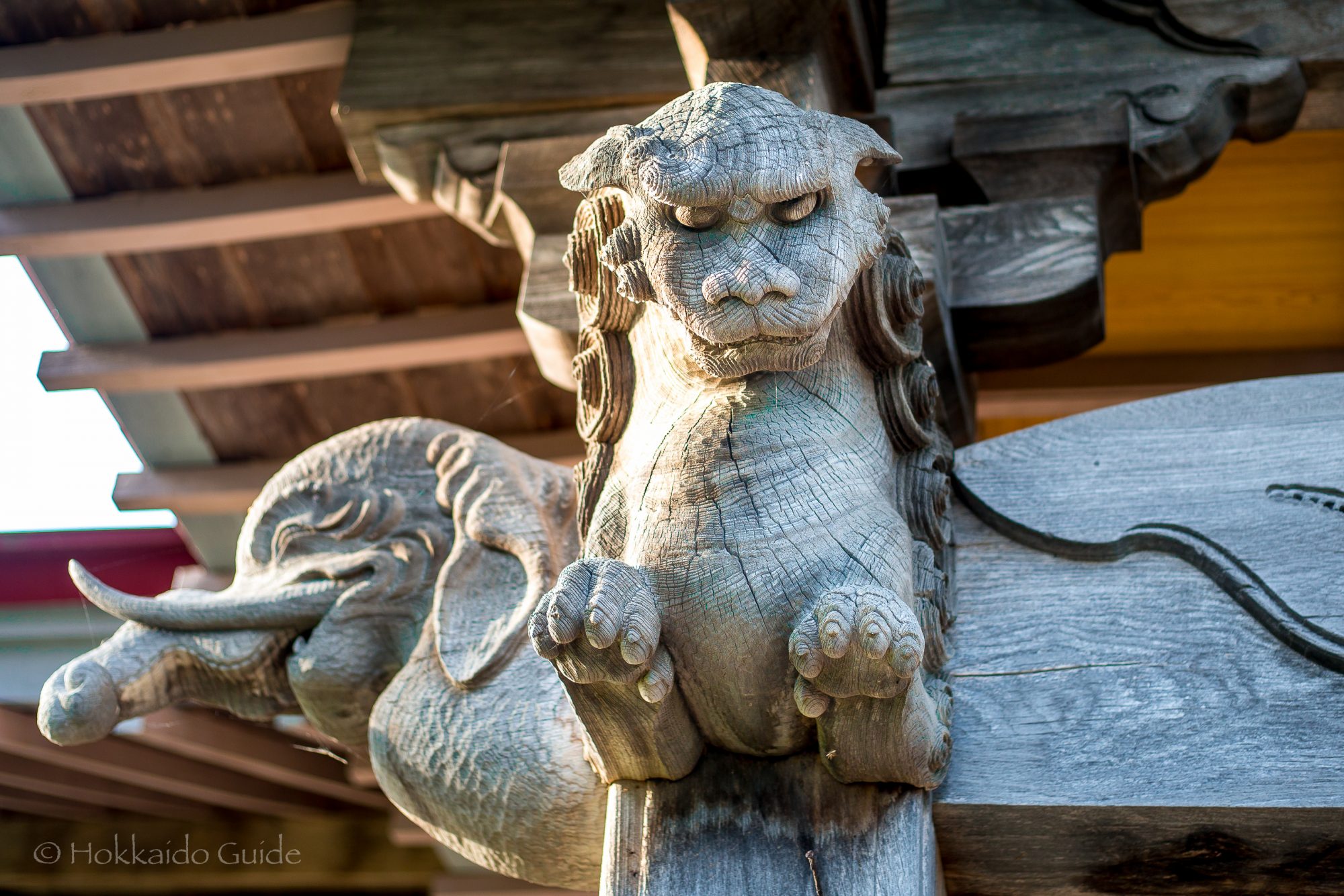
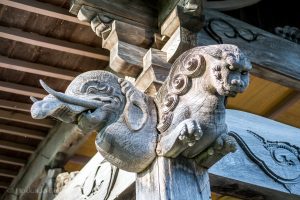
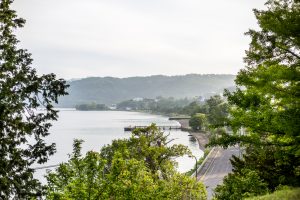
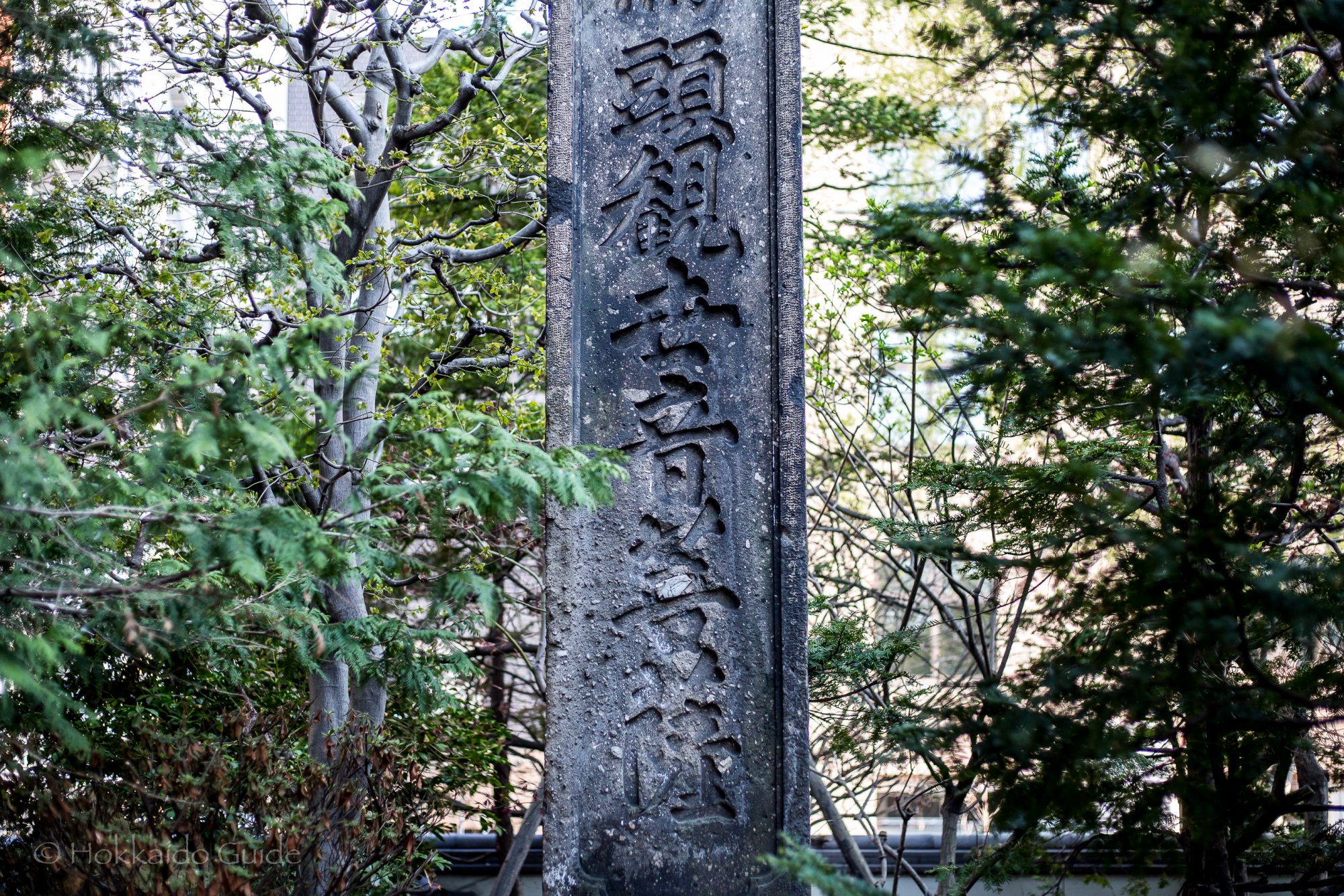
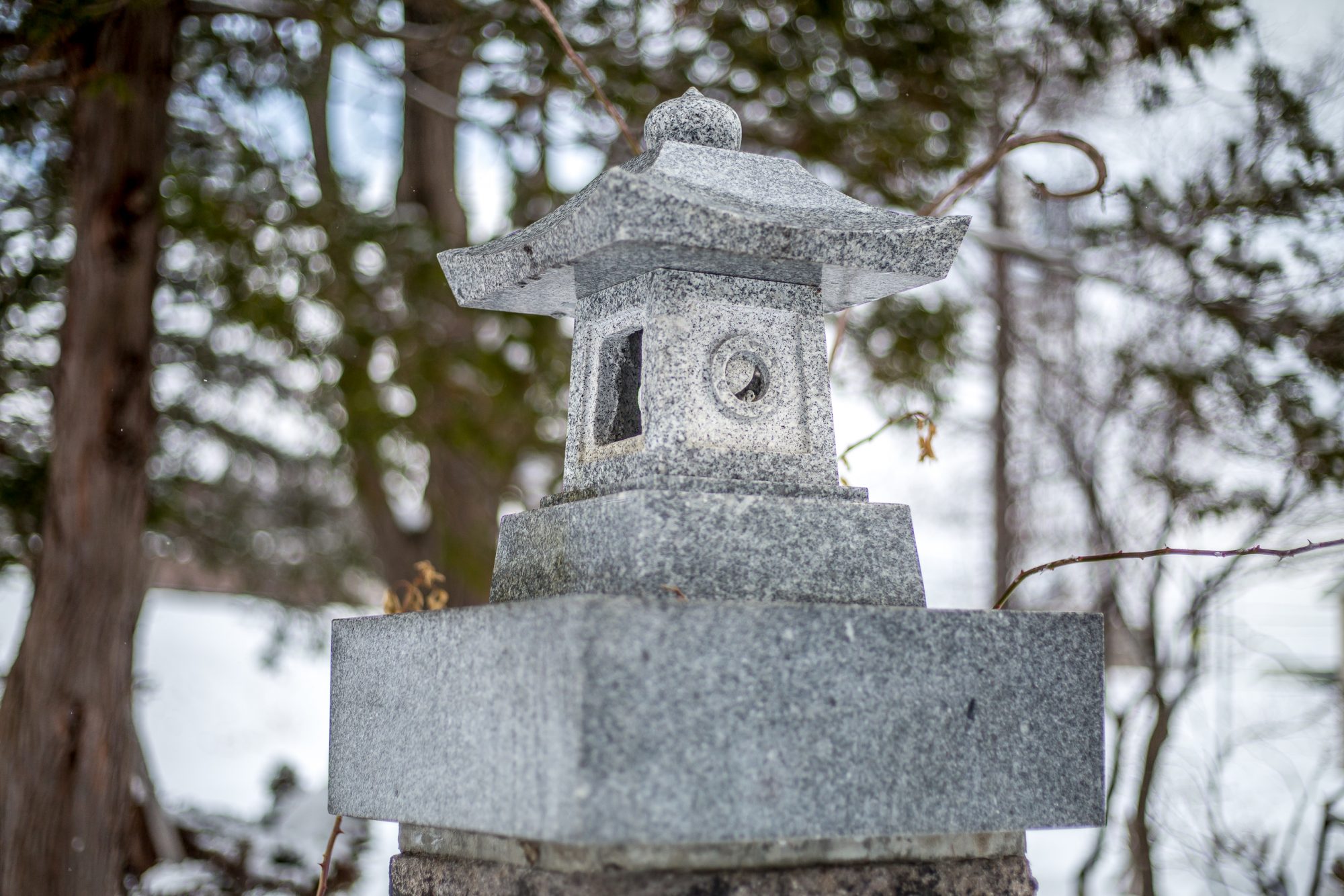
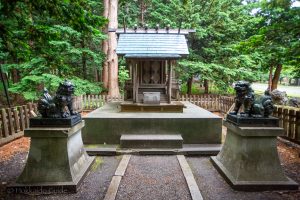
On the northern shore of Lake Toya you can find Toya Temple and a scenic monument of Hokkaido. They are both just off route 132 and there is a road leading up where you can find parking. Toya Temple is a Shinto shrine that offers scenic views over the lake. The public are welcome to walk around the small grounds here where you can appreciate the statues, architecture, and wooden carvings that surround the temple. The doors to the temple itself are often closed but it’s still a nice area to check out. The temple makes for a nice look in if you are taking a stroll around the path that follows the shore. 


[the_ad id=”4264″]

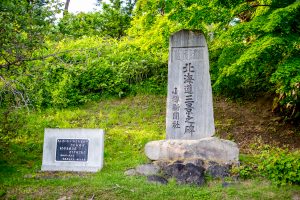
The path that winds around the northern part of the lake that includes sightseeing spots such as Ukimido Park, and Toyako Art Museum & park plus the Ko Park Camping Ground. The whole area is dotted with beautiful sculptures. Along the small access road that leads to Toya Temple, you can also find one of the ‘scenic monuments of Hokkaido’. There are three scenic monuments in Hokkaido, with the other two being in Jozankei, and on the small island of Rishiri. These three scenic monuments were selected in 1923 by the Otaru Newspaper which was one of three main papers in Hokkaido at the time. 
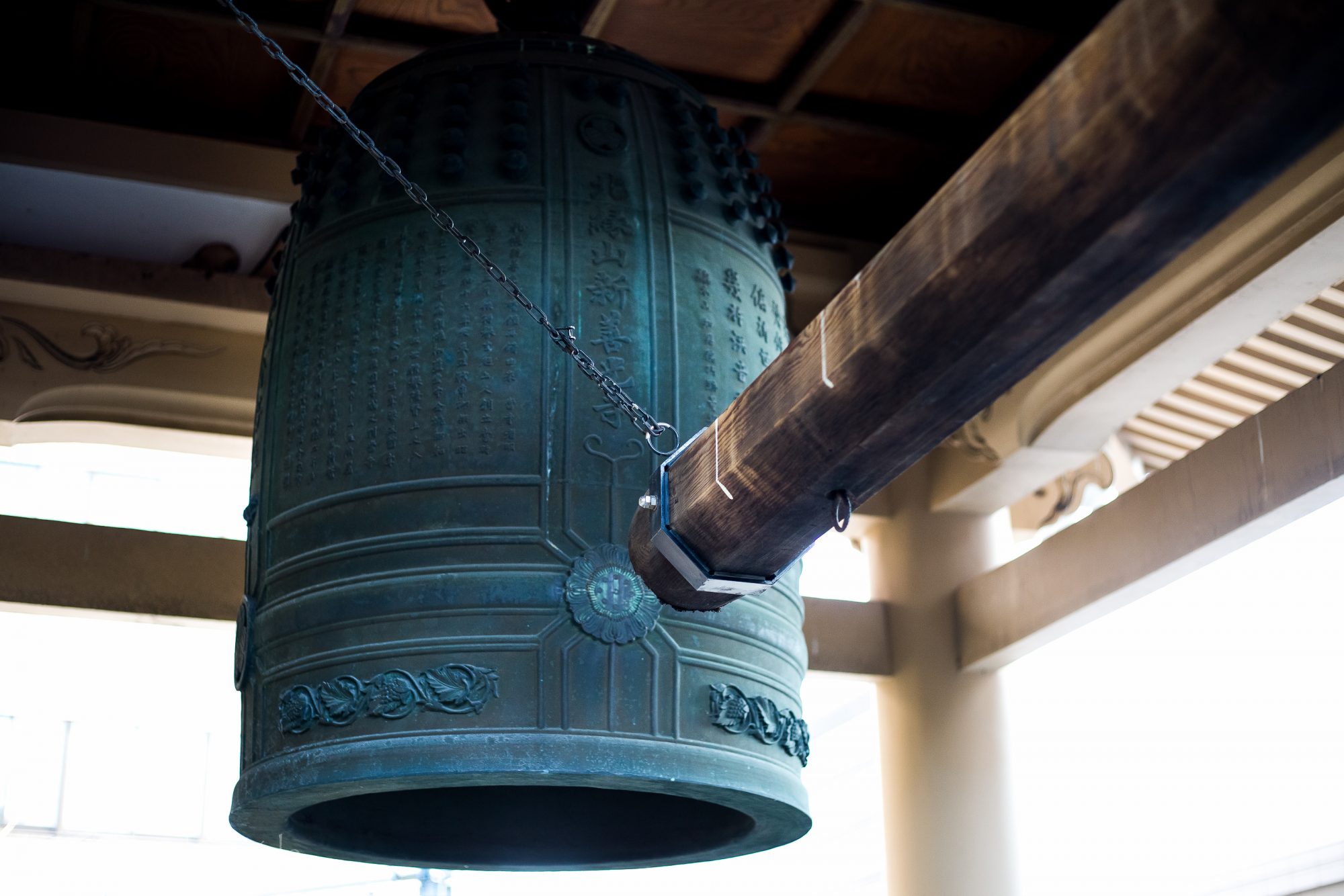
Jodoshu Shinzenko Temple

AdmissionFree
Closed-
Contact011-511-0262
NotesBuddhist temple
Location /
Getting There
Located in central Sapporo, 2 minute walk from Hosuisusukino subway station. 6 minute walk from Susukino & Nakajima park subway station.
1-chōme-2 Minami 6 Jōnishi, Chūō-ku, Sapporo, Hokkaido 064-0806


Nice little garden inside the walls

Throughout the city of Sapporo, there are around a dozen buddhist temples that visitors can take a look at. These beautiful temples are iconic of Japan and its long history. For tourists they are great spots to get some great photos to take home. Jodoshu Shinzenko Temple is one of these temples. It is located in central Sapporo, in the southern district of Susukino. There are four other temples within a ten minute walking distance from Jodoshu Shinzenko. The gates are open to the public, where you can enter and take a stroll around the courtyard.


[the_ad id=”4264″]


Beautiful Japanese style garden

The temple of Shinzenko has over a hundred years of history, being built in 1884. It is here, the teaching of the jodo sect focuses on the “ritual recitation of the Nembutsu” (meaning the follower is opening themselves up to light and salvation). Followers believe this recitation benefits not just the speaker, but the entire world as well. There are three floors inside the temple itself and include up to one thousand burial urns. Throughout the year, the temple has special Buddhist ceremonies on their calendar. Being in the entertainment district, the temple is not a far walk from the Susukino and Nakajima Koen subway stations making it an easy place to access.


Maruyama Park

AdmissionFree
Opening HoursOpen 24 hours
Closed-
Contact011-621-0453
NotesVarious shrines in park, restrooms in park, sightseeing spot, Hokkaido Shrine, parking available
Location /
Getting There
Located in west Sapporo. 5 minute walk from Maruyama subway station
3 Miyagaoka, Chuo Ward, Sapporo, Hokkaido 064-0959


Kaitaku Shrine

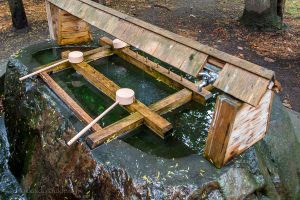
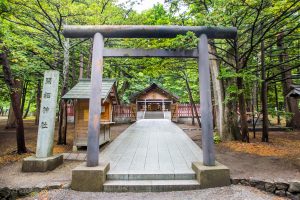
There are three main parks in the city of Sapporo, Odori park, Nakajima park, and Maruyama Park. Completed in 1957, Maruyama Park (known as Maruyama Koen) is a popular park, and is a great sightseeing spot, as it is home to almost a dozen shrines of various sizes. The largest and most popular of these being Hokkaido Shrine. In its large area of 68 hectares, you can also find Maruyama Zoo plus Maruyama sports stadium and baseball field. The entrance to the hiking track up Maruyama can be found across from Maruyama Park.


[the_ad id=”4264″]


Cherry blossom season

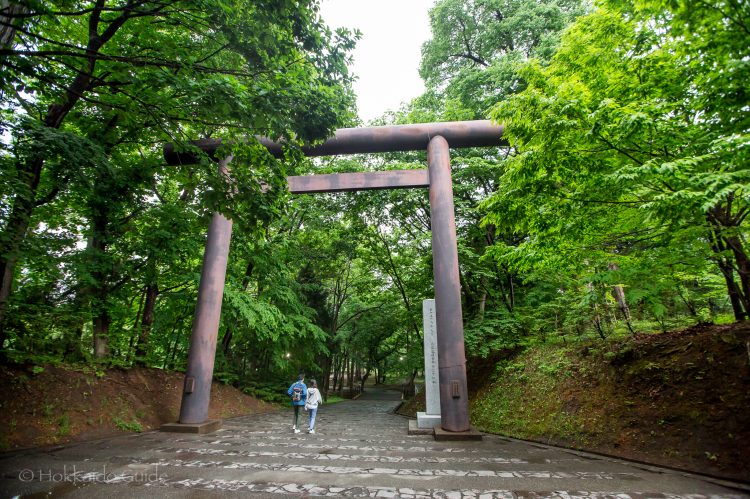
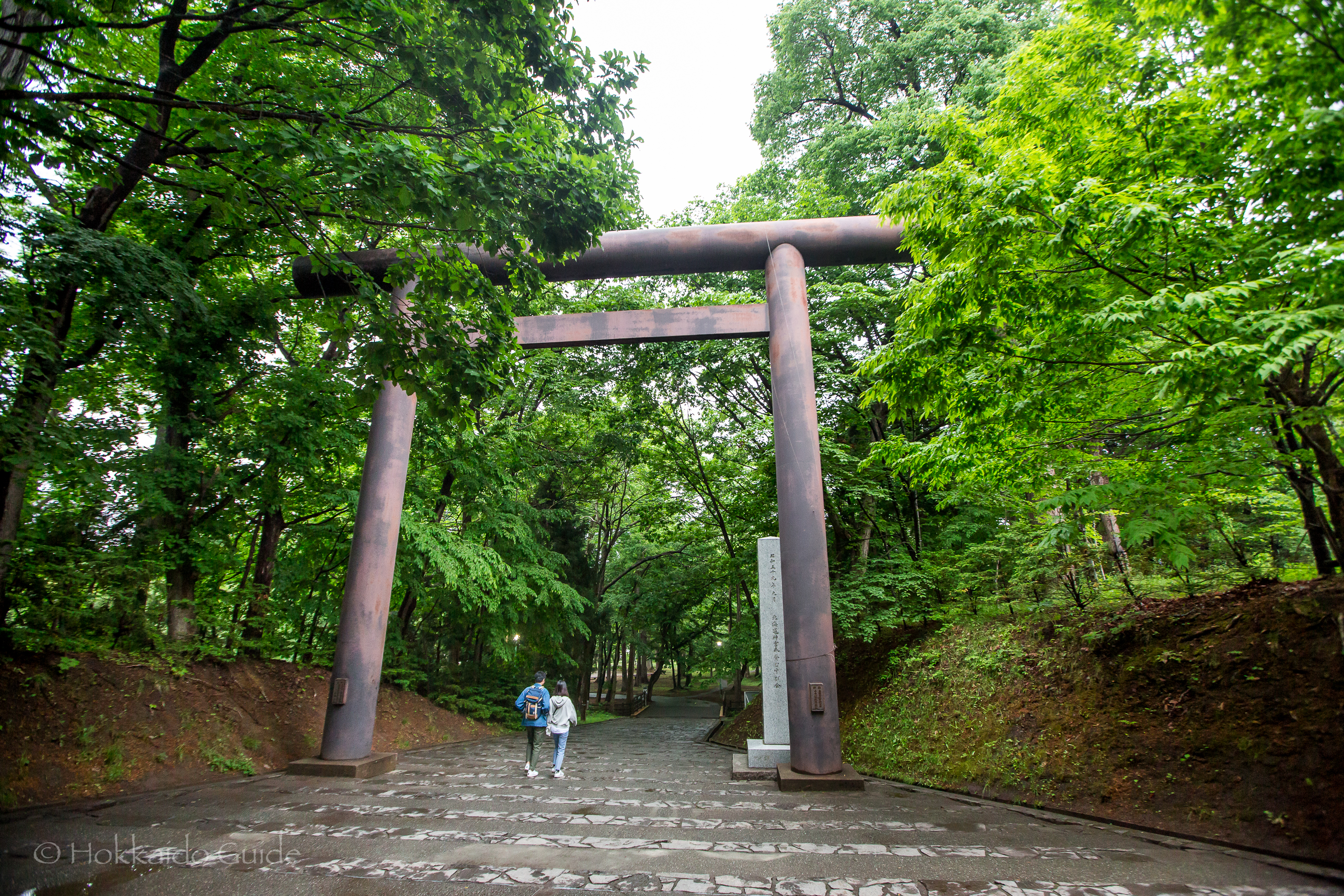
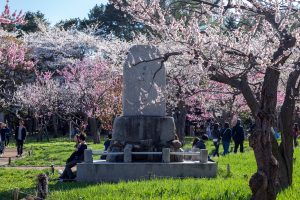
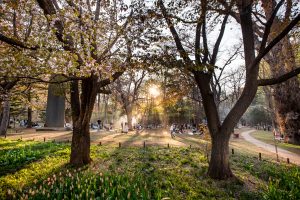
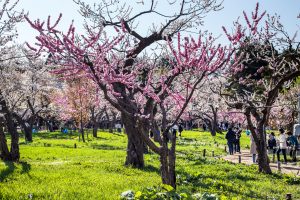
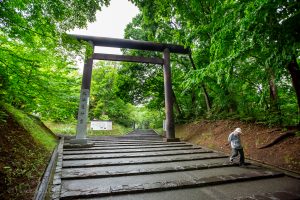
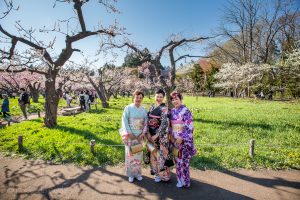
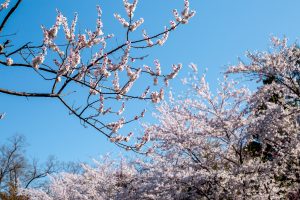
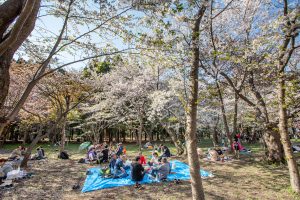
The park is beautiful in all seasons, though it is most popular during the cherry blossom season at the start of May. With over 1500 sakura trees, thousands of locals flock to the park and enjoy the hanami (cherry blossom festival). The park is divided into two main parts, the main entrance can be found at the lower section. Taking the stone stairways up and under the huge torii (Japanese gate) will bring you to most of the shrines, the cherry blossom trees during spring, and Hokkaido Shrine, and Maruyama Zoo.


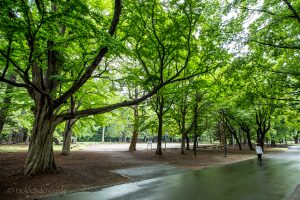
The park is a great spot to take a stroll, have a picnic, and take in the sights.The park contains virgin forest of various trees including Oak, Magnolia, Maple and Katsura (Japanese Judas tree). The park is a designated natural monument. and on the hillside of the park, there are giant Elm and Cypress trees.


Matsumae Park

松前城 松前城資料館

AdmissionFree admission
Opening HoursAll day
Closed-
Contact0139-42-2275
NotesParking available 175 cars, Toilets, Wheelchair access & toilets.
Matsumae Sakura Festival (late April-mid May)
Matsumae Ajisa Festival (early August)
Location /
Getting There
6 hour drive from Sapporo or 2 hour bus ride from Hakadote, get off at "Matsujo Bus Stop", 7 minutes on foot.
Matsujo, Matsumae-cho, Matsumae-gun, Hokkaido, Japan 049-1511


松前城 松前城資料館

The extensive Matsumae Park

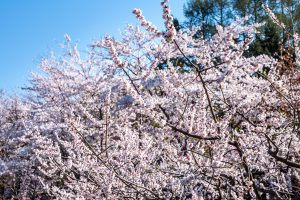
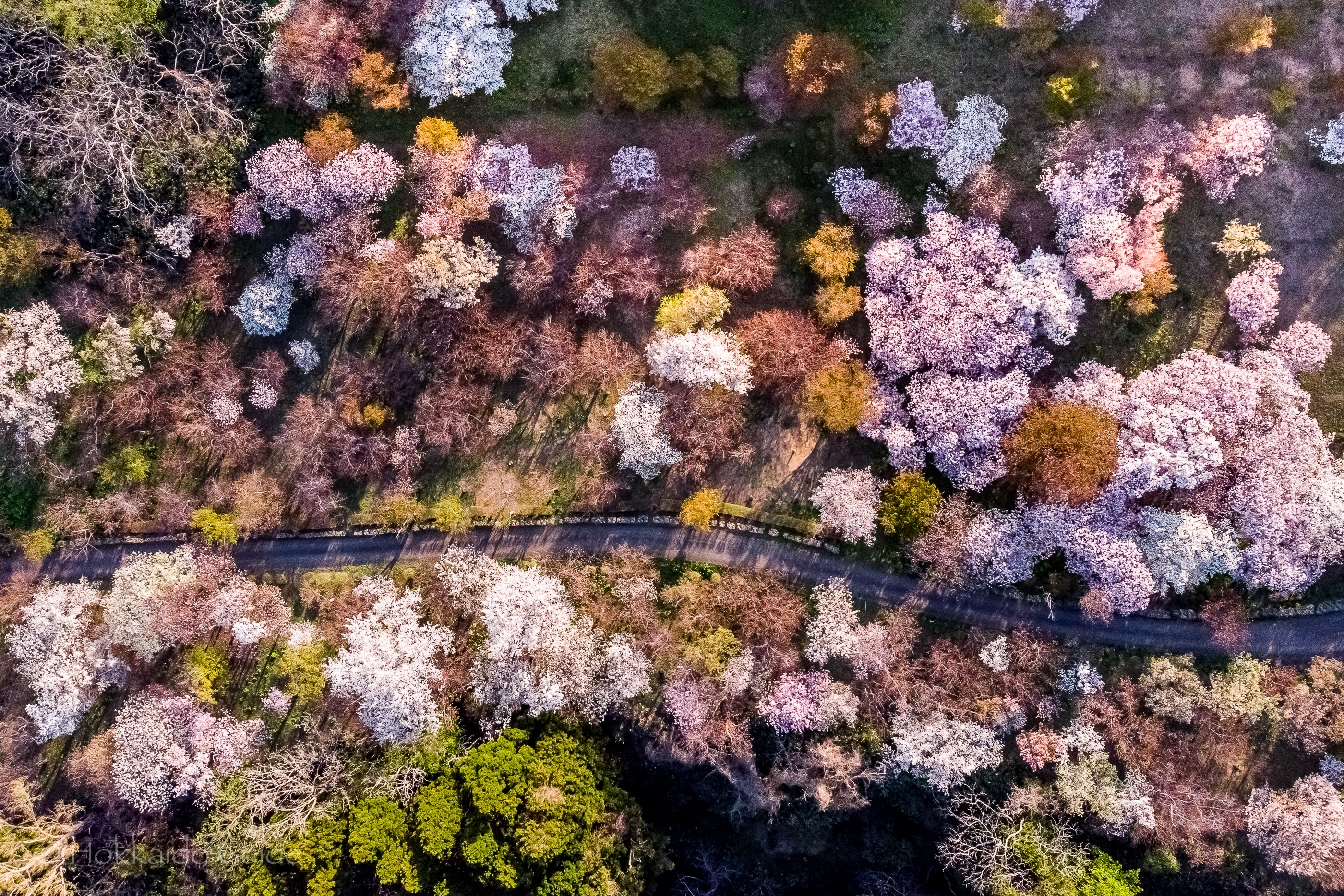
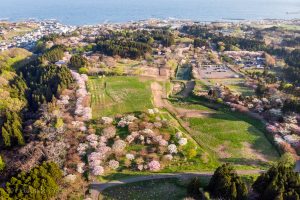
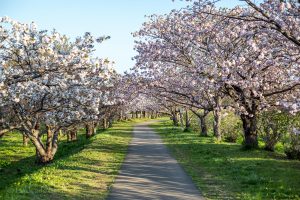
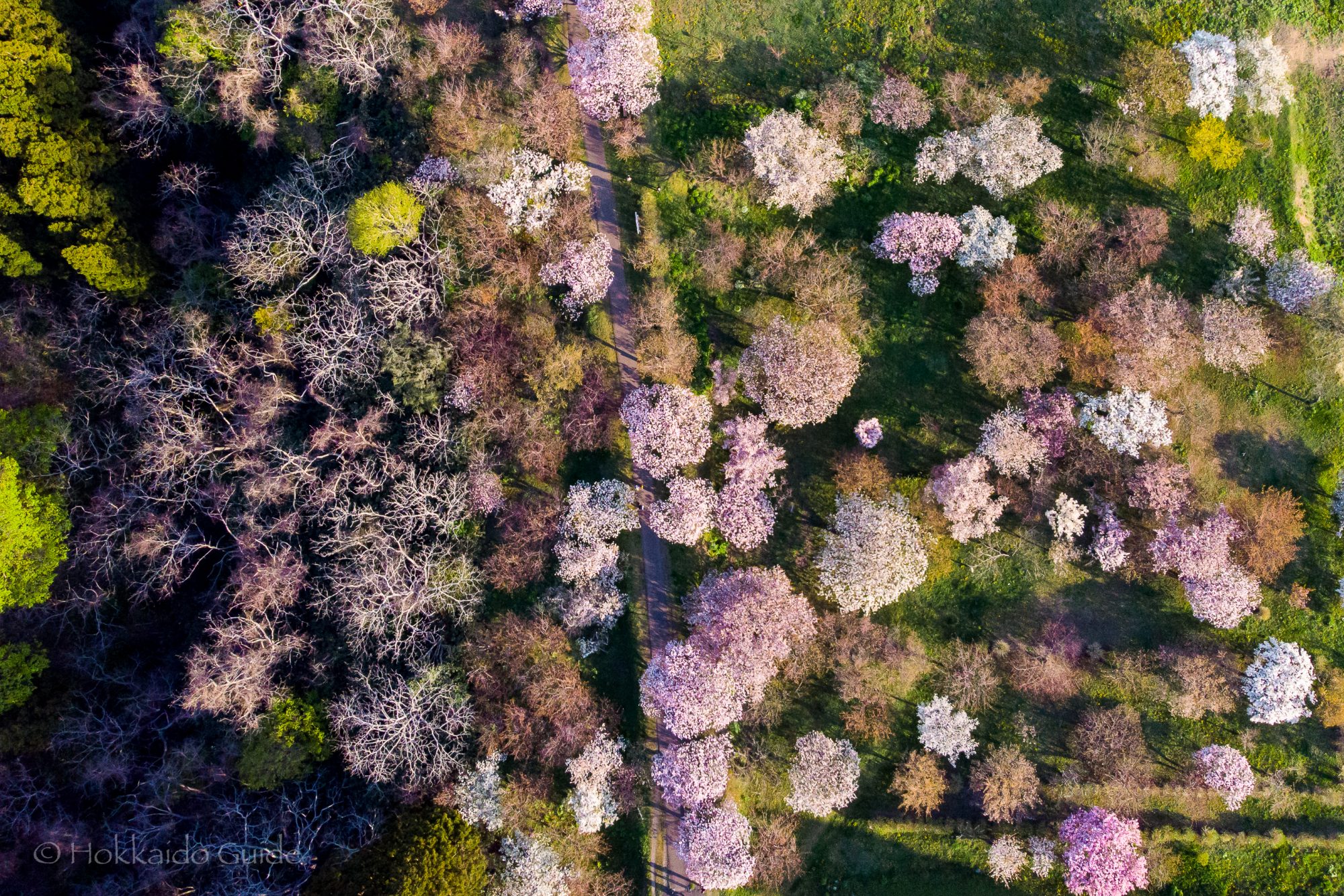
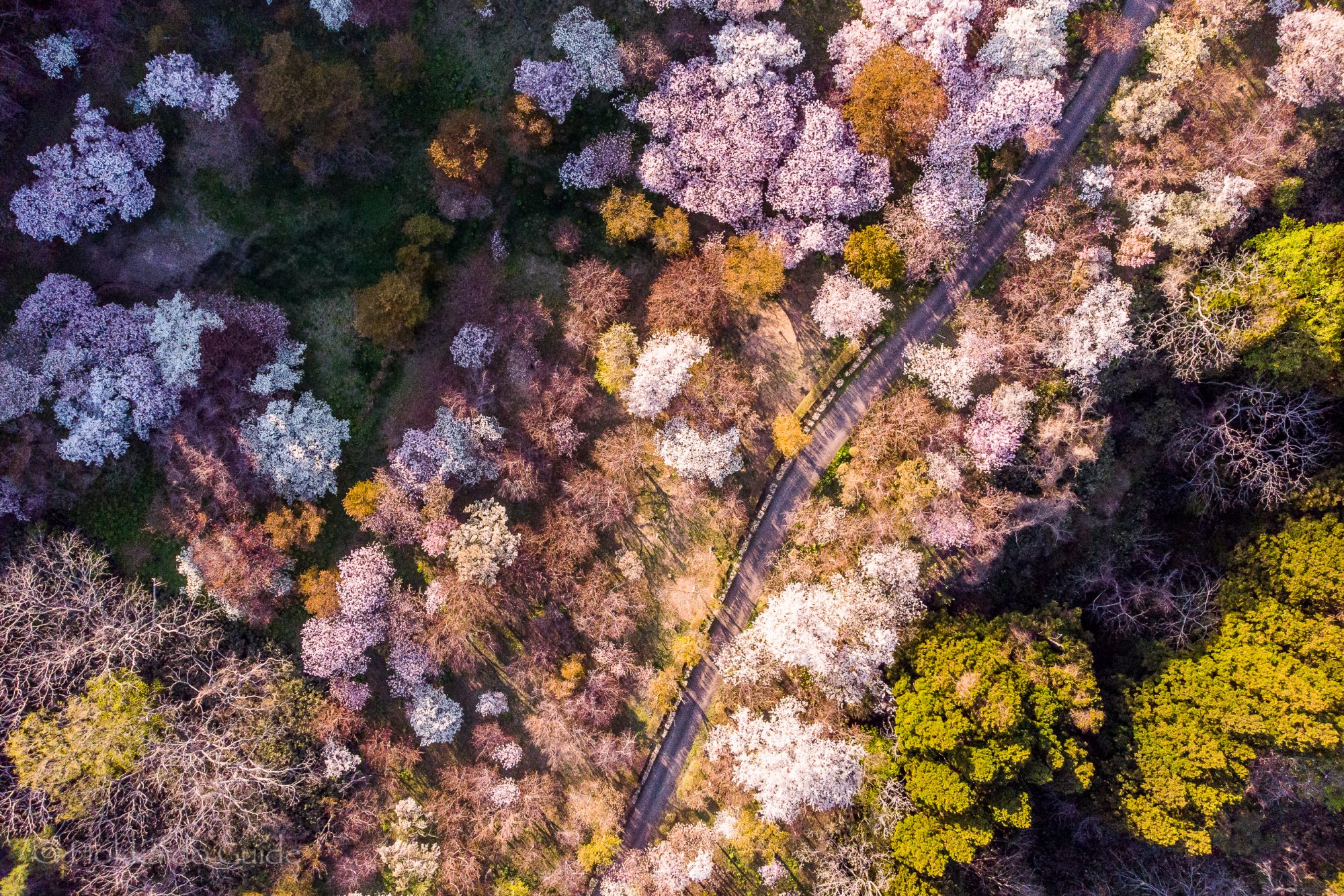
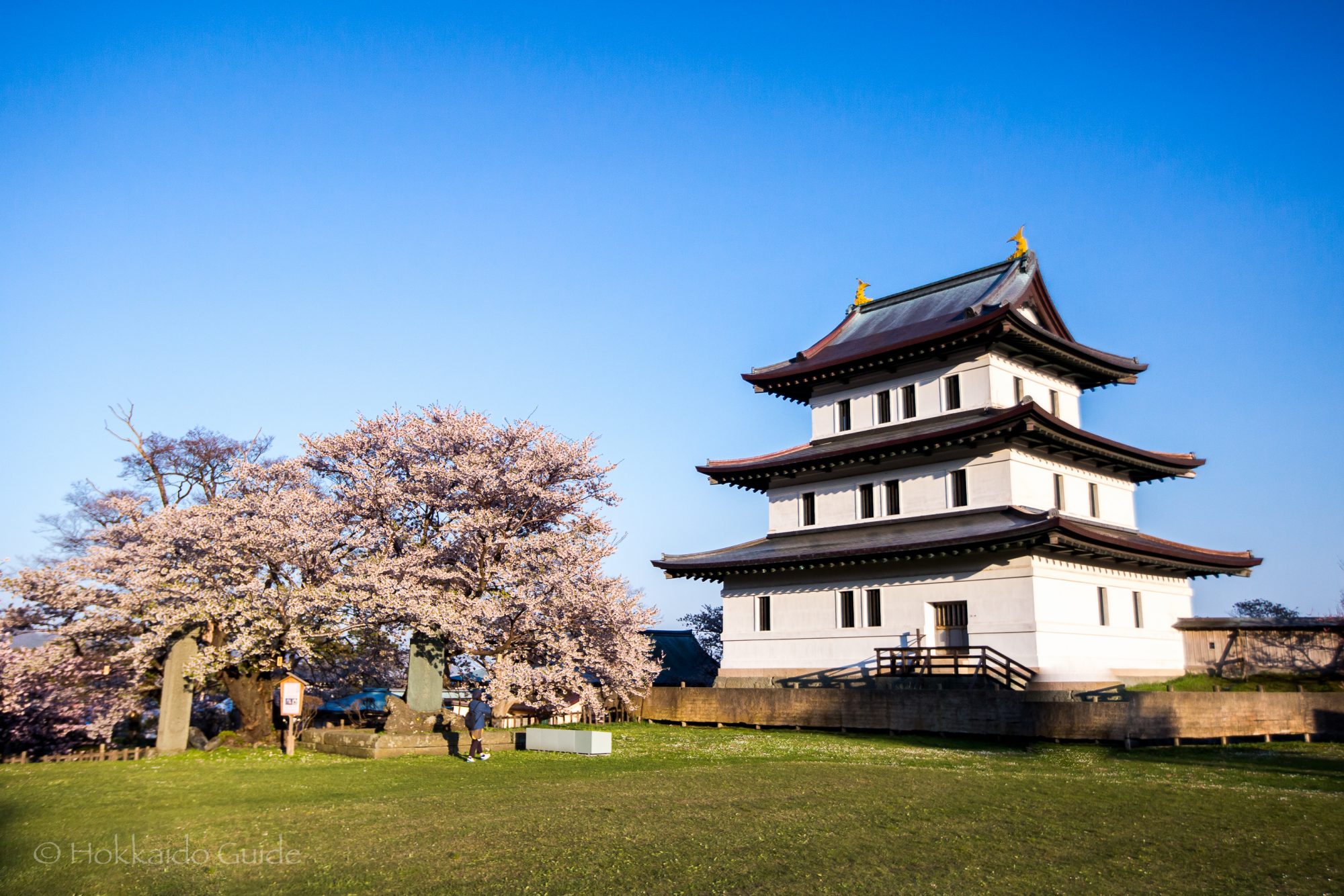
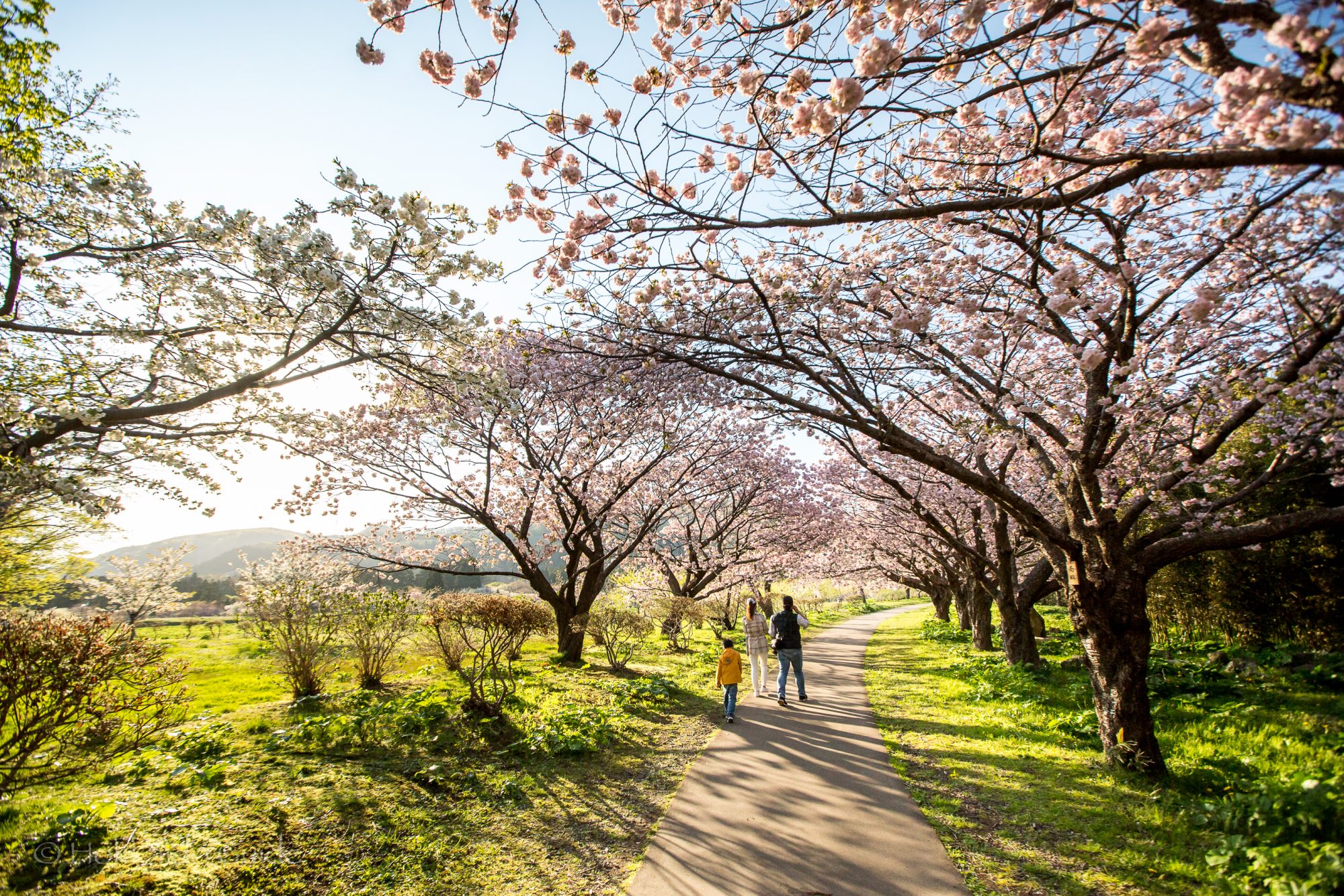
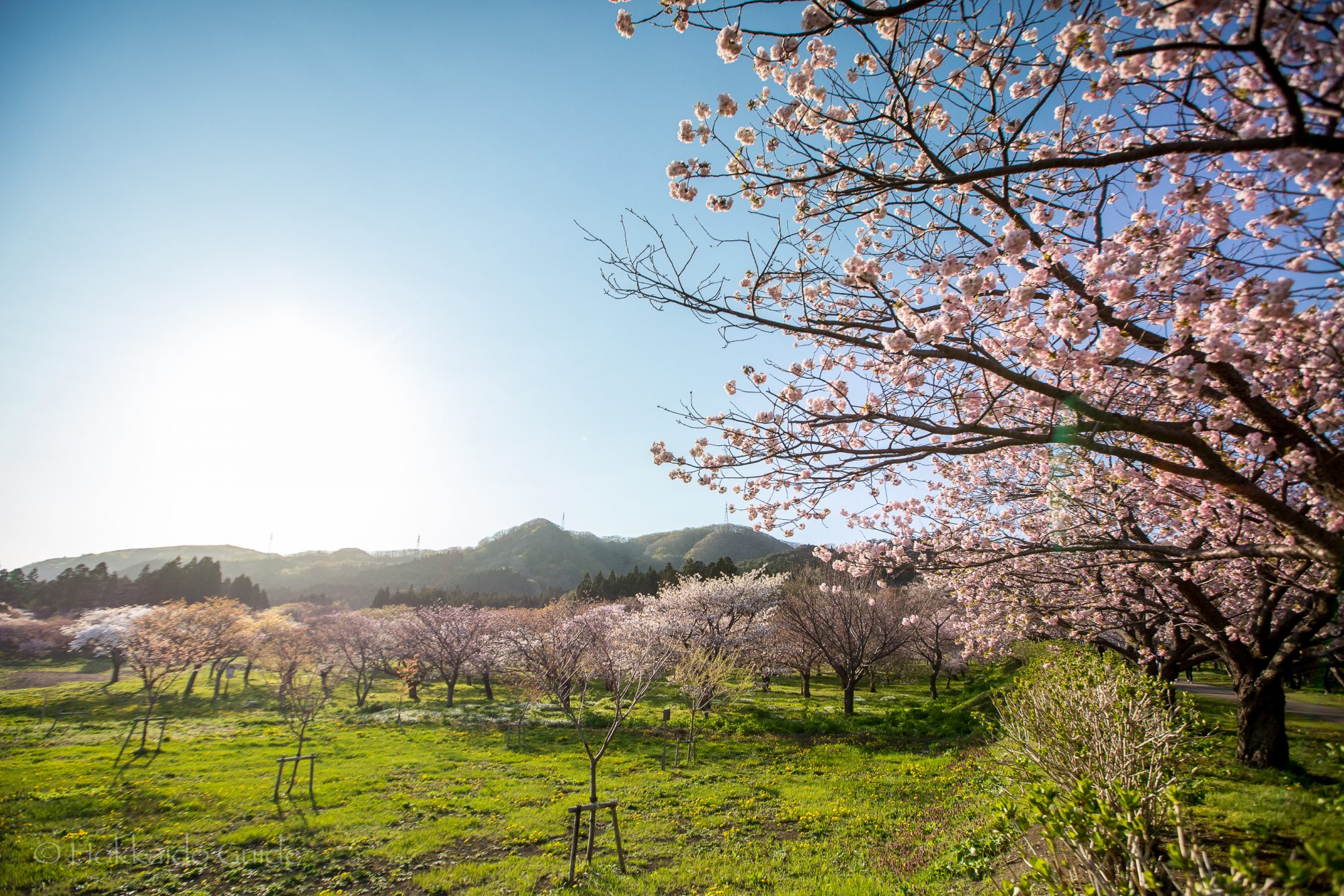
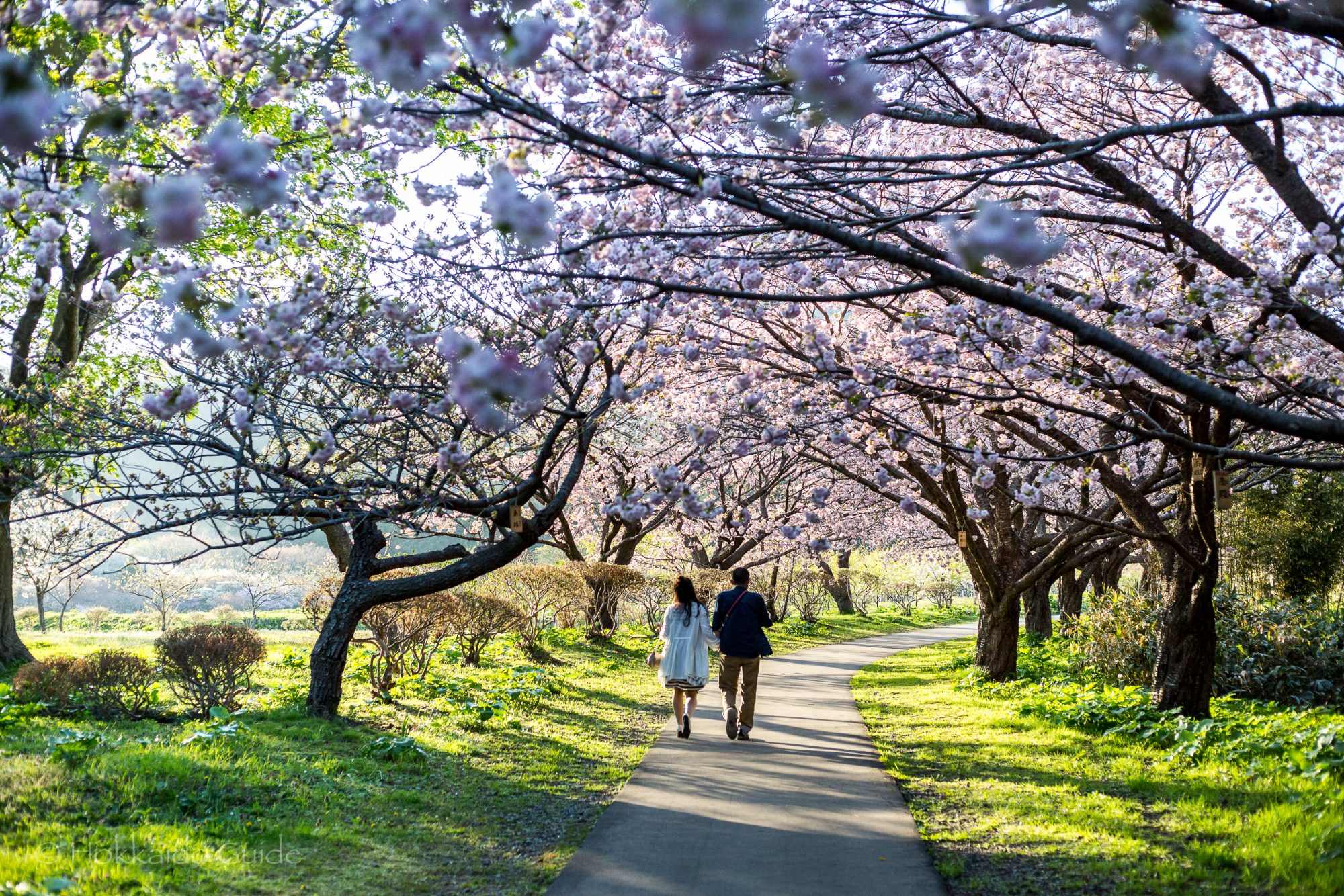
Mastumae Park is huge expanse of land that has a lot to see in it! The park itself is arguably most famous for its cherry blossoms that are in full bloom from late April to late May. The cherry blossom forest has 10,000 cherry trees consisting of 250 kinds of different cherry blossoms. It is the biggest collection of cherry blossoms in Hokkaido! Not only does the park hold these beautiful trees, but also there are many historical buildings to walk around. There is Matsumae Castle, Ryuun-in, the Matsumae Kashiwa Mansion, the Matsumae Lord Cemetery, plus around a dozen shrines and temples.


[the_ad id=”4264″]


松前

The path running through the park

Besides the cherry blossoms the park has other flowers that bloom throughout the summer and spring. Camellias come out from April to May, dandelions & azaleas in mid-May. In early June, wisterias are in bloom, and from July you can see hydrangeas & roses in the park. There is a path that runs through all the way up to a second park at the back and to the base of the mountains. It is well worth a walk up as at the top you can enjoy great views looking over the whole of Matsumae Park and the Strait of Tsugaru. There are two festivals held in Matsumae park, the first is the Matsumae Sakura Festival which is held from late April to mid May. The second is the Matsumae Ajisa Festival in early August.