
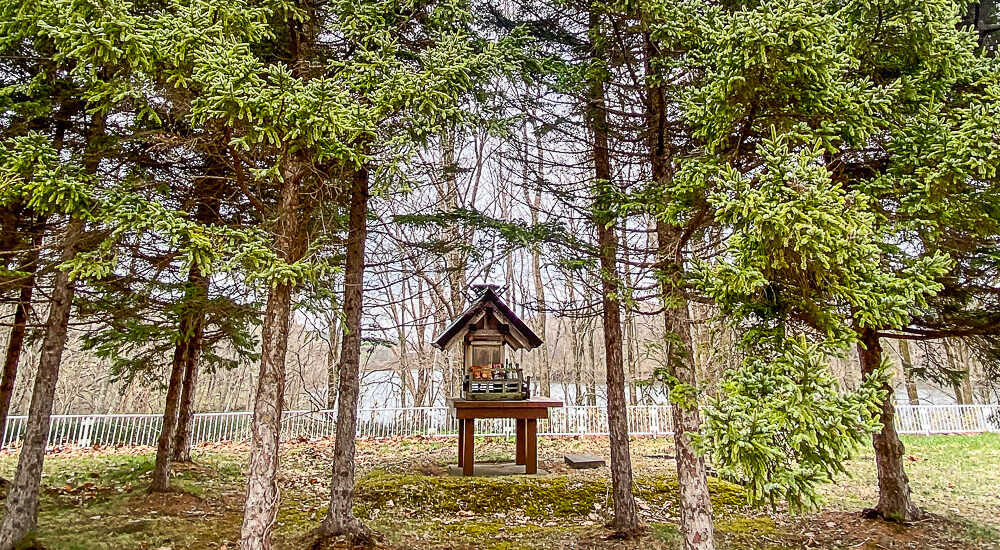
Yuni Togakushi Shrine
Posted on
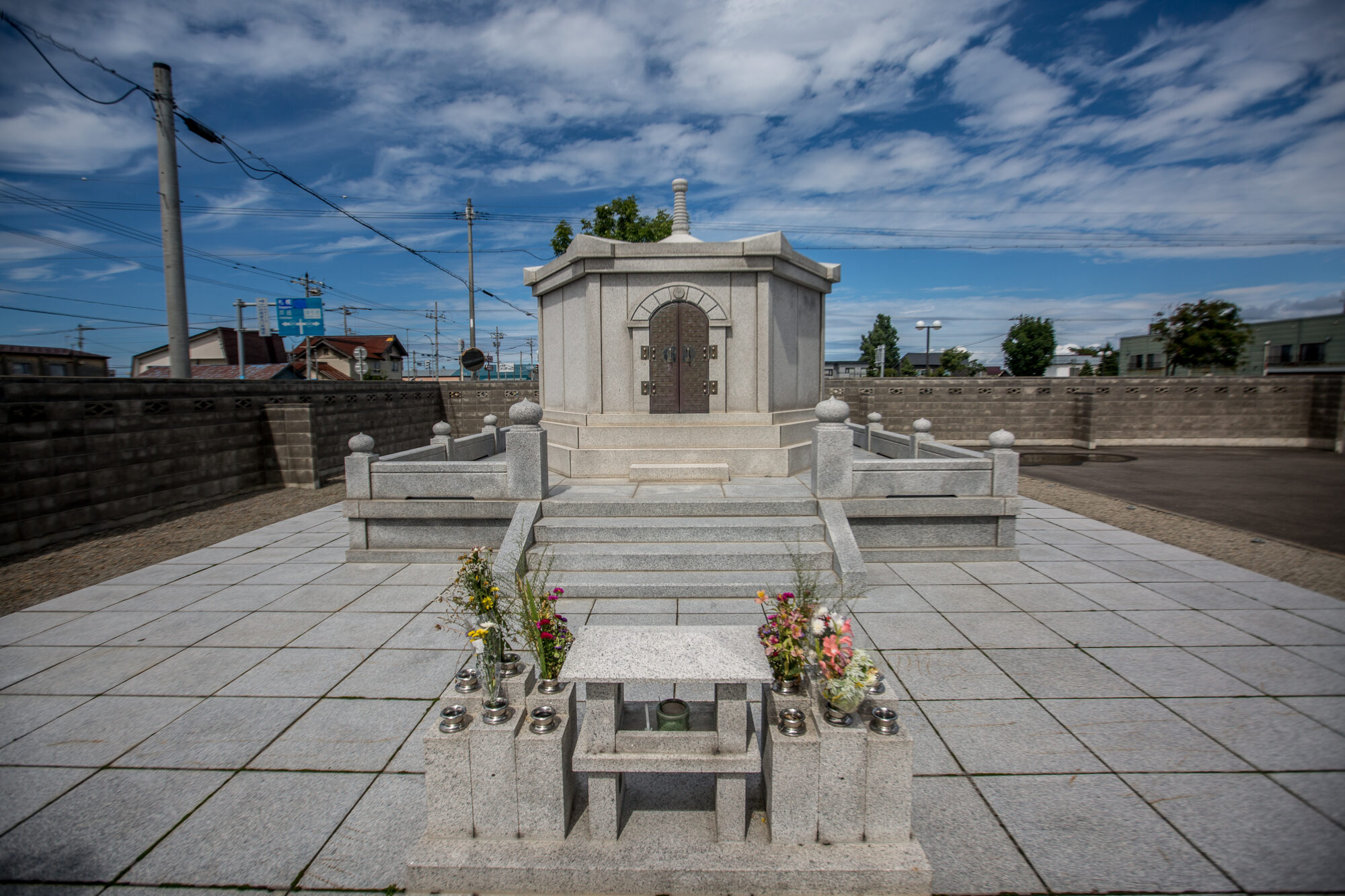
Yuni Togakushi Shrine is a small rural Shinto shrine located in the Furusan district of Yuni, Hokkaido. Although little is known about its exact origins, it is believed to have been established during Hokkaido's settlement period Read More ....


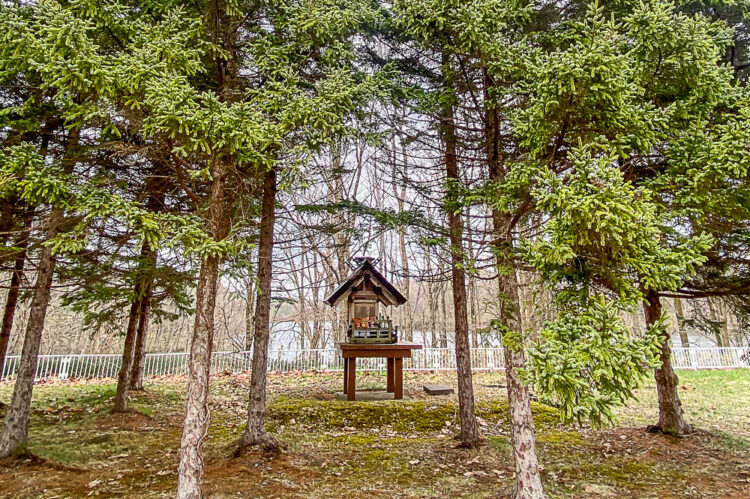
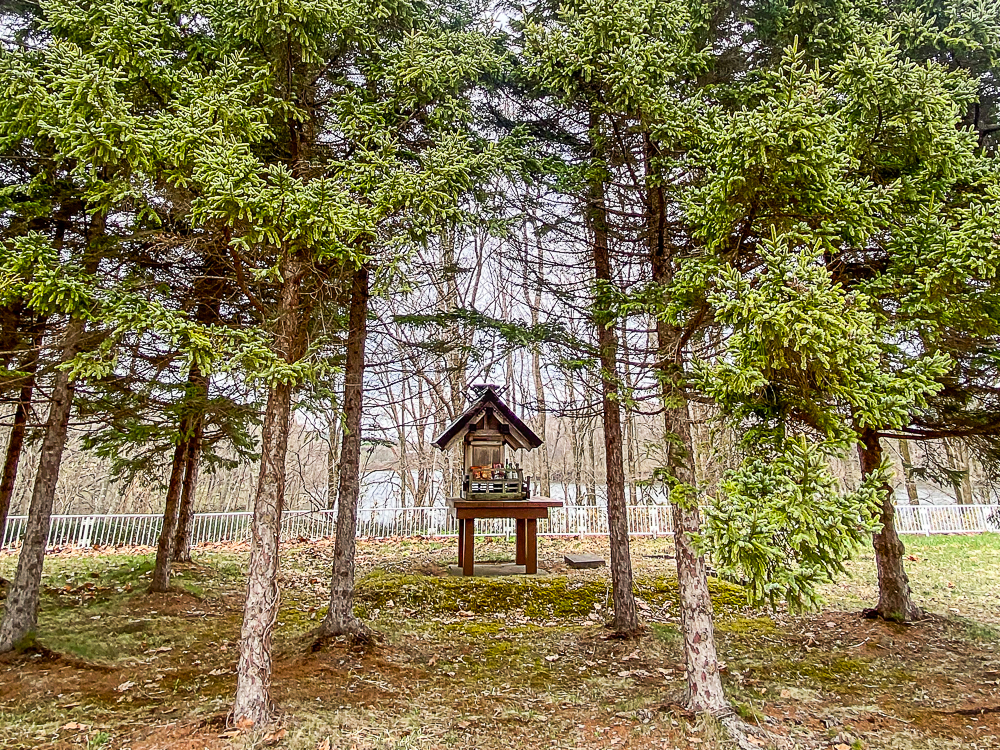
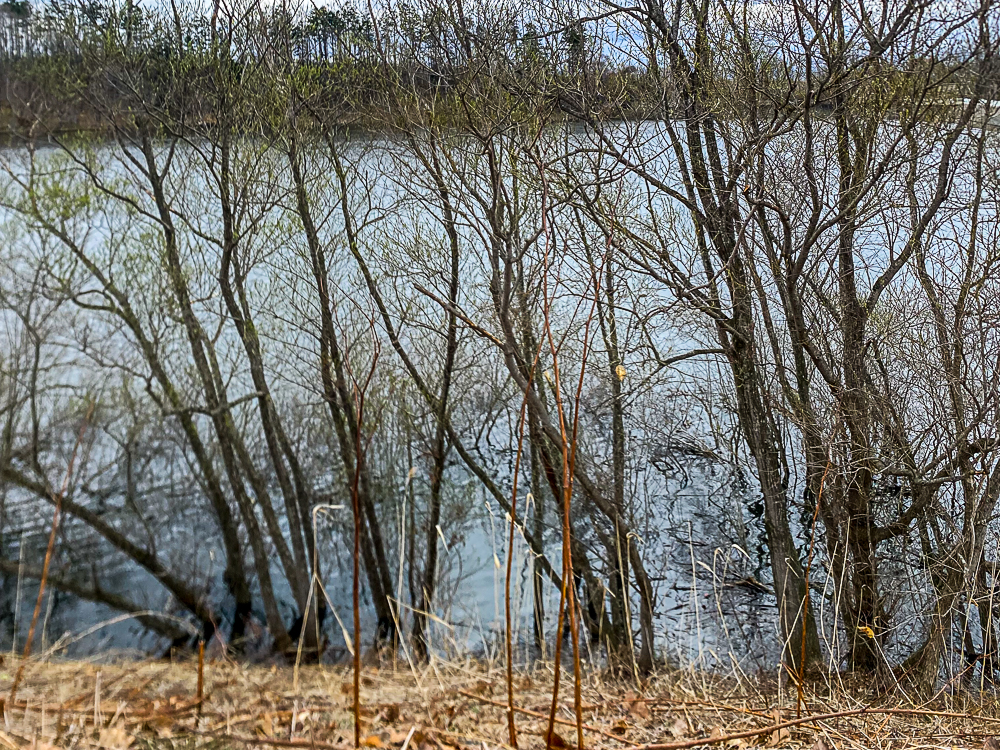
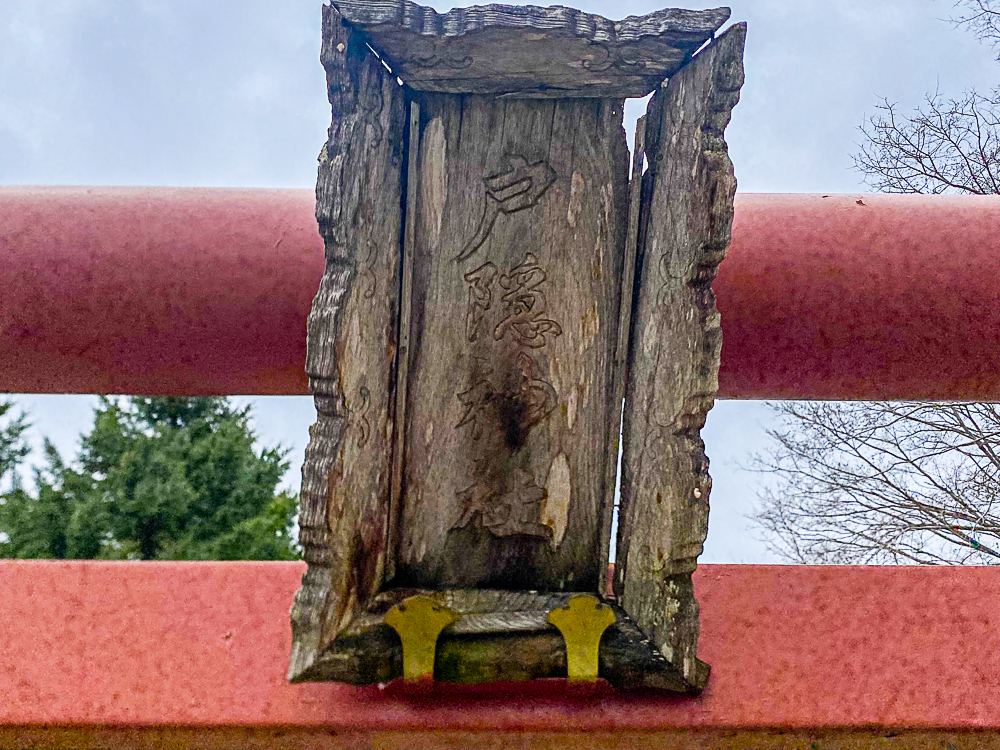
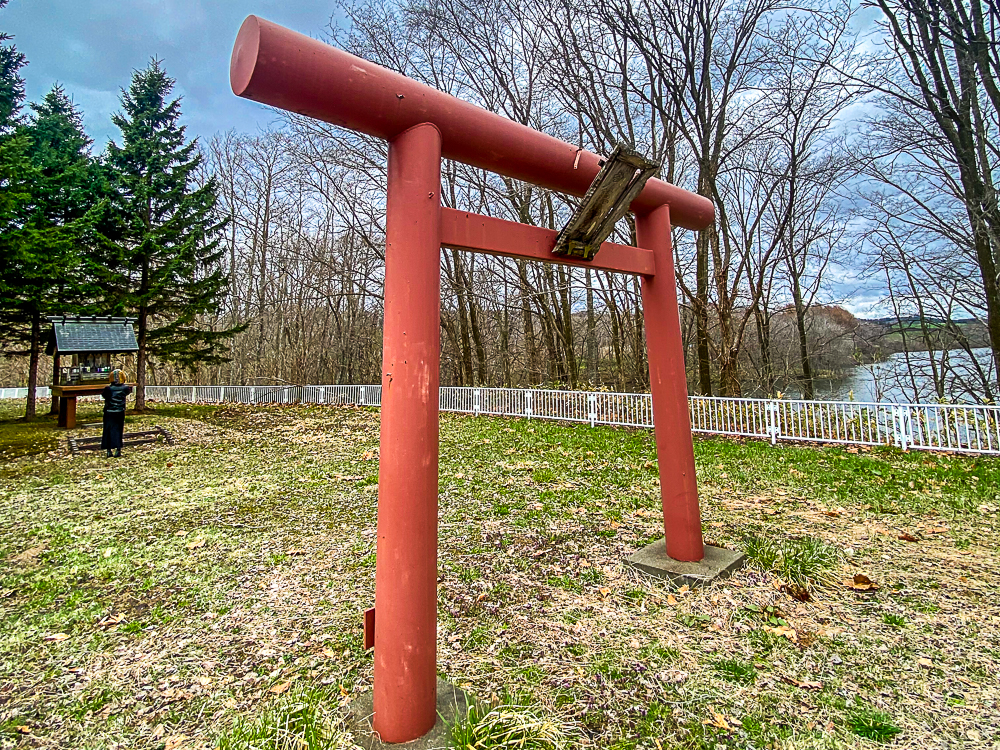
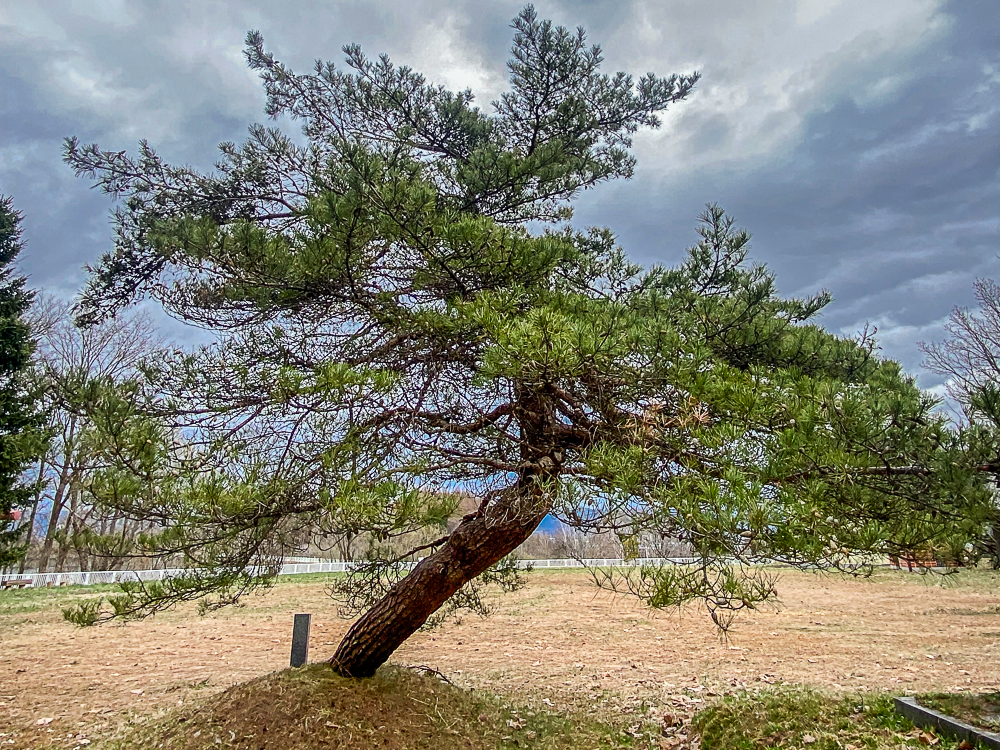
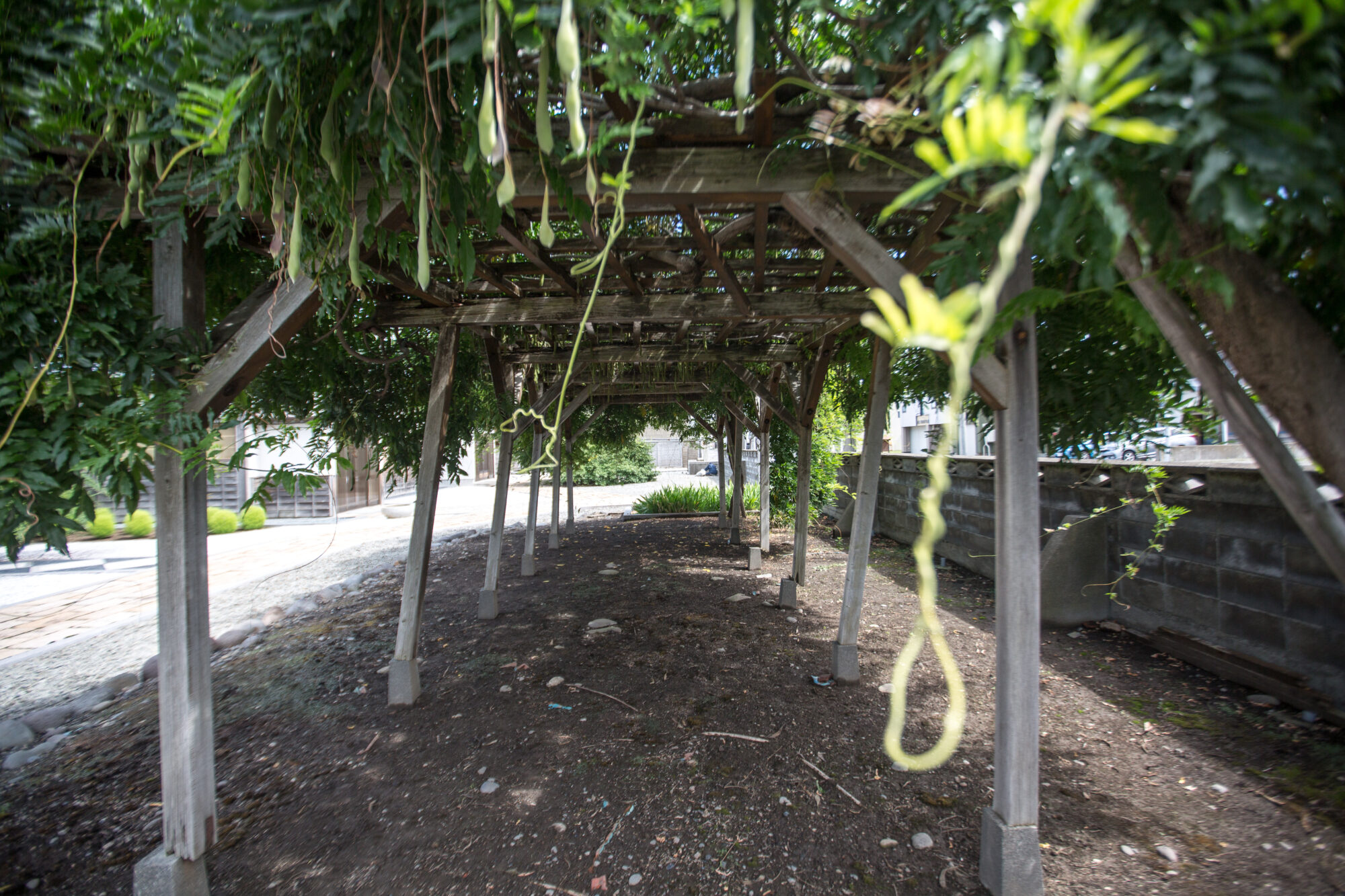
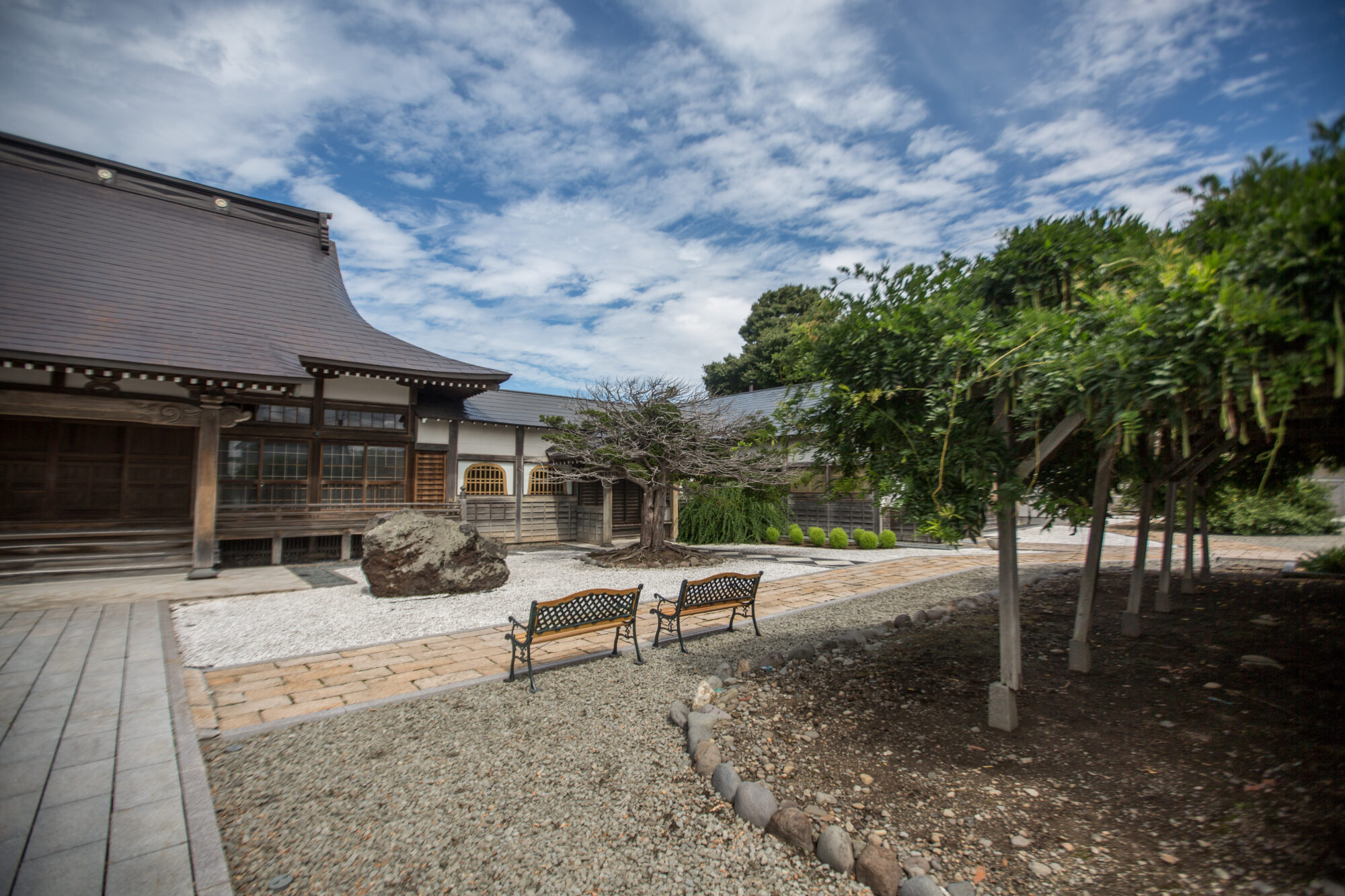
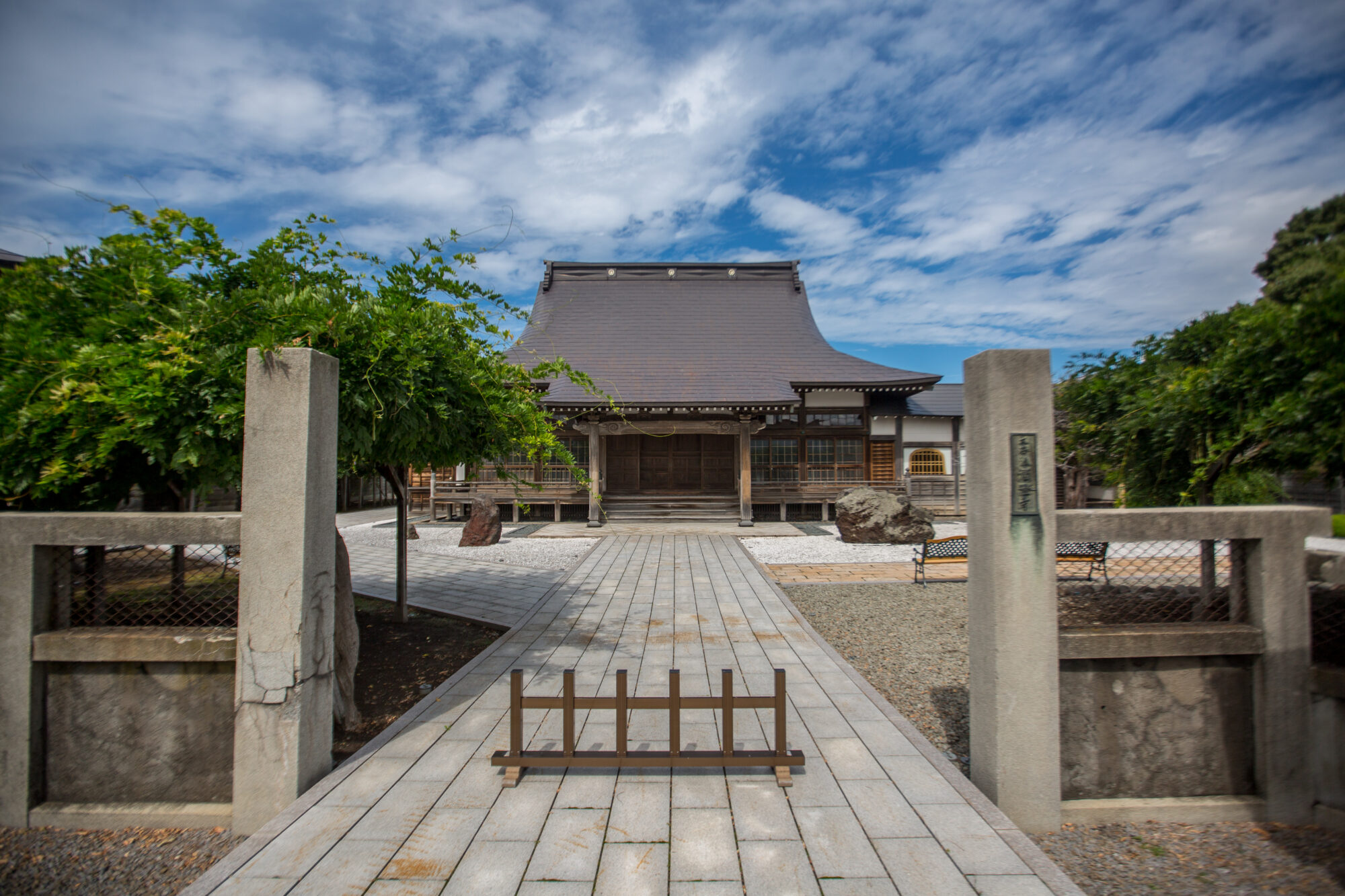
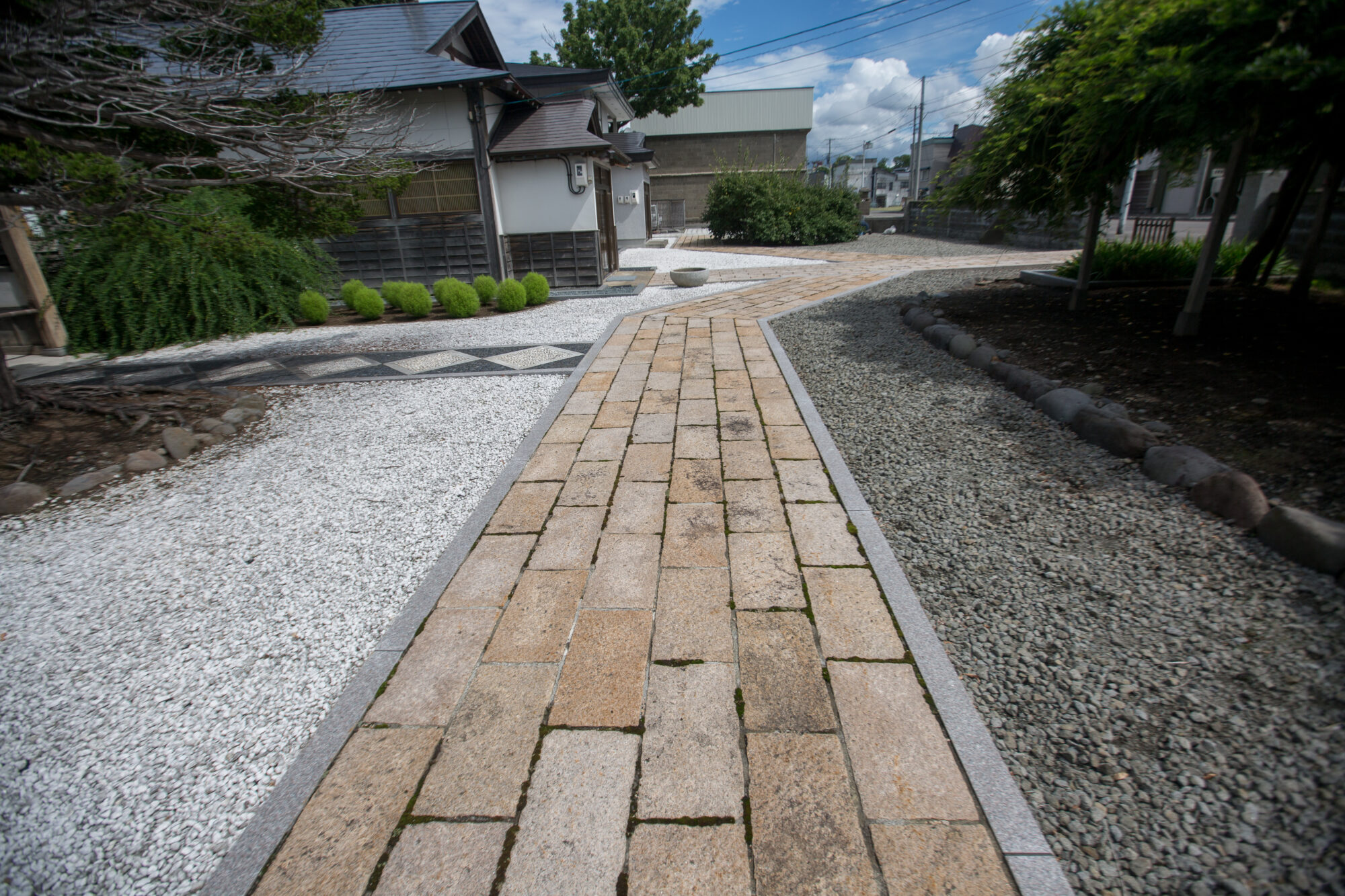
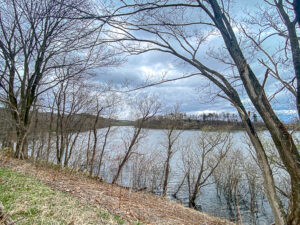 Yuni Togakushi Shrine is a small rural Shinto shrine located in the Furusan district of Yuni, Hokkaido. Although little is known about its exact origins, it is believed to have been established during Hokkaido’s settlement period in the late 19th or early 20th century by pioneers who brought their faith from mainland Japan. Like many small community shrines, it was likely dedicated to protecting local families, ensuring good harvests, and watching over the growing farming community. Today, the shrine remains a quiet place of worship. It’s in a nice small park in Yuni next to the Furuyama Reservoir. A good place to walk around and picnic by.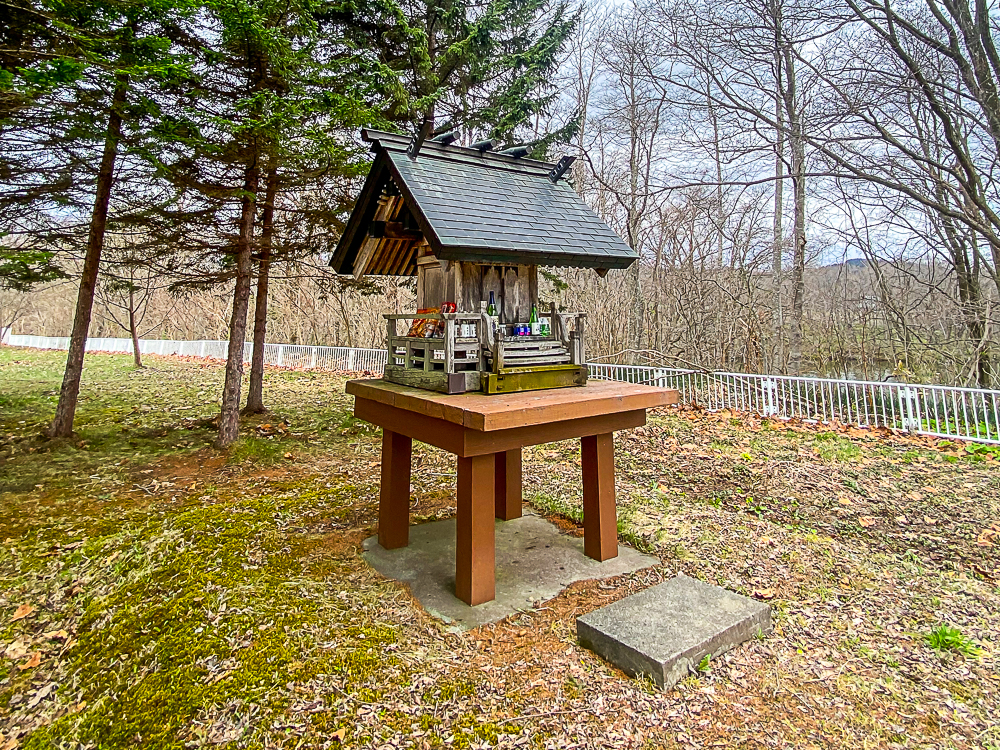
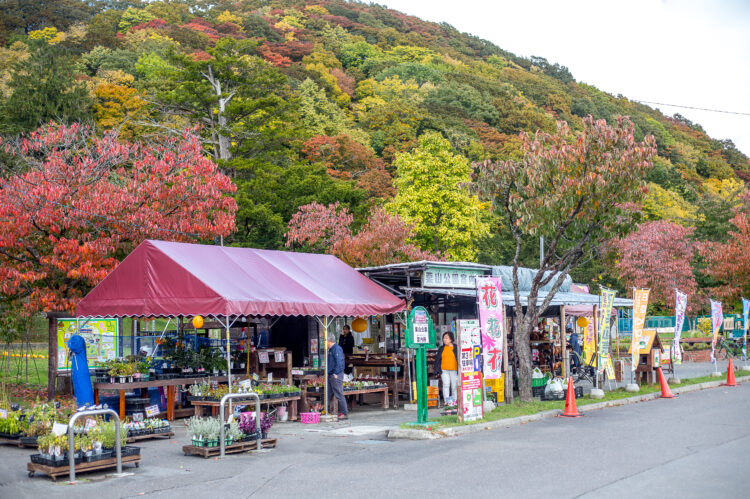
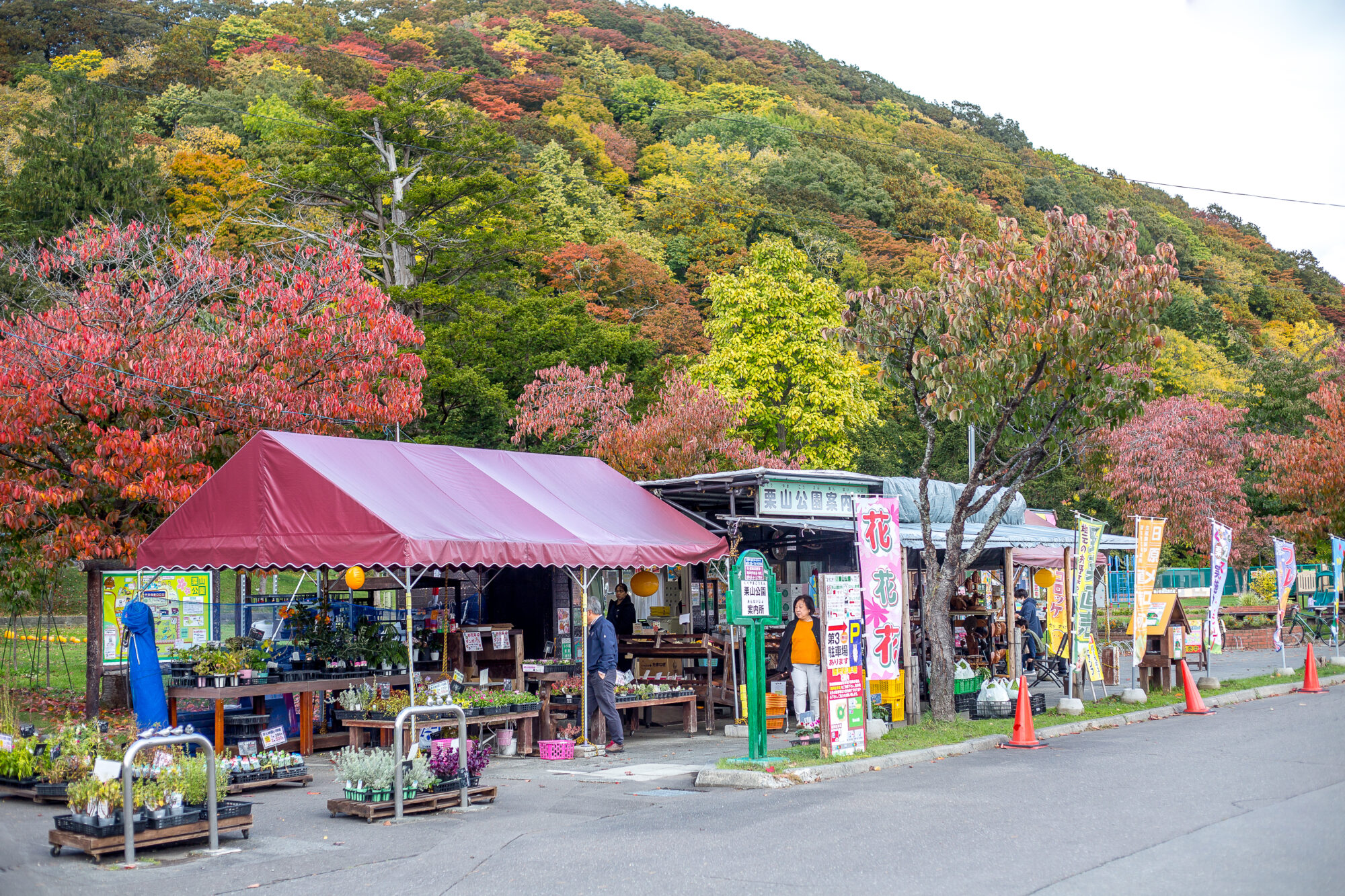
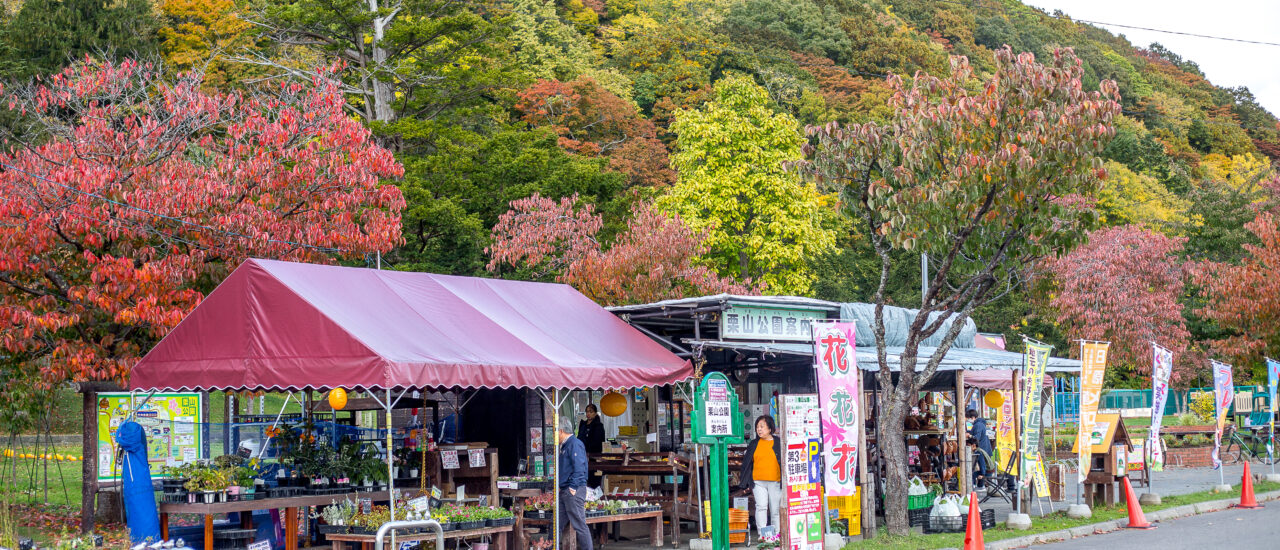
 Kuriyama Park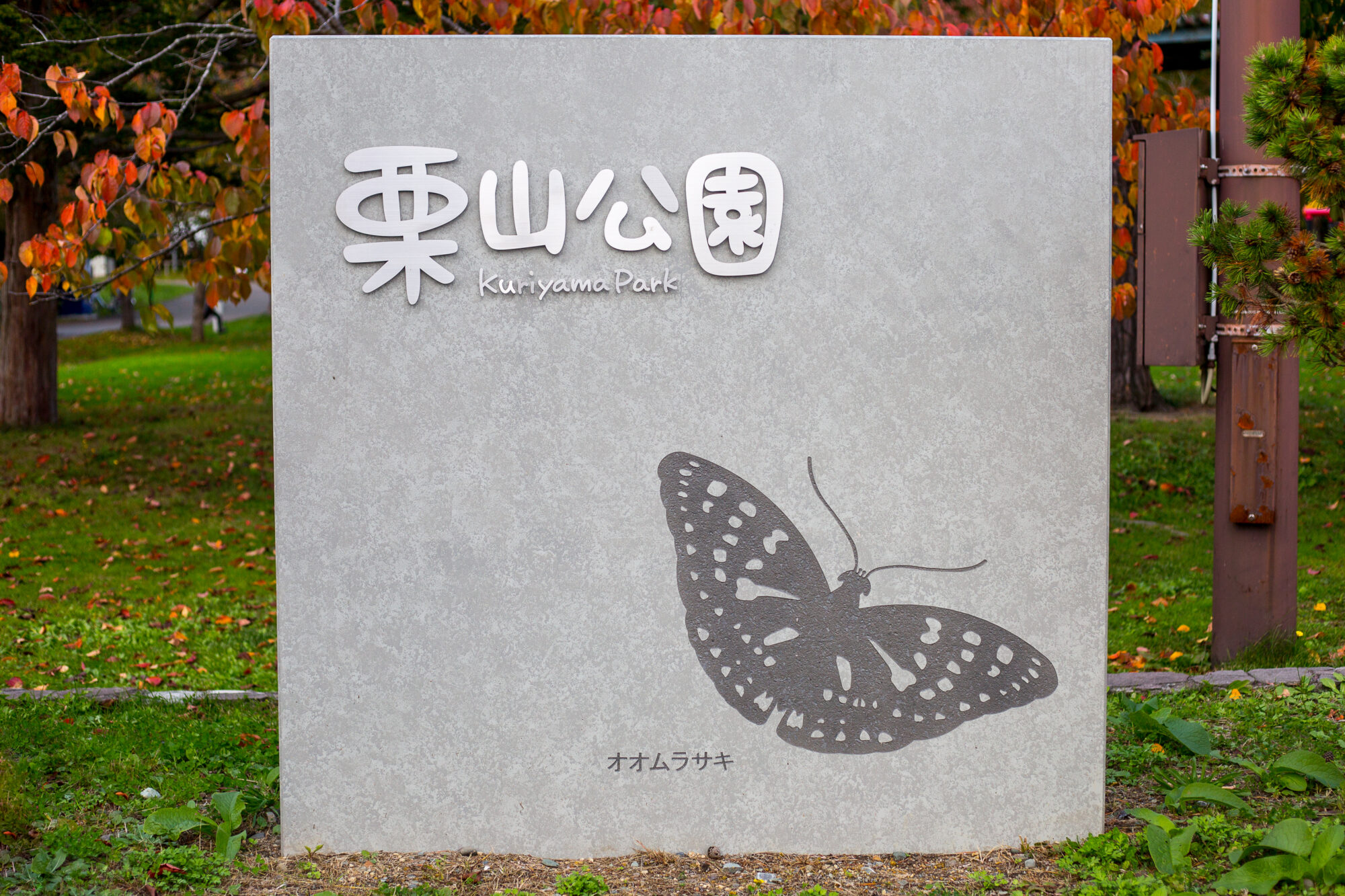
 Nestled on the quiet outskirts of
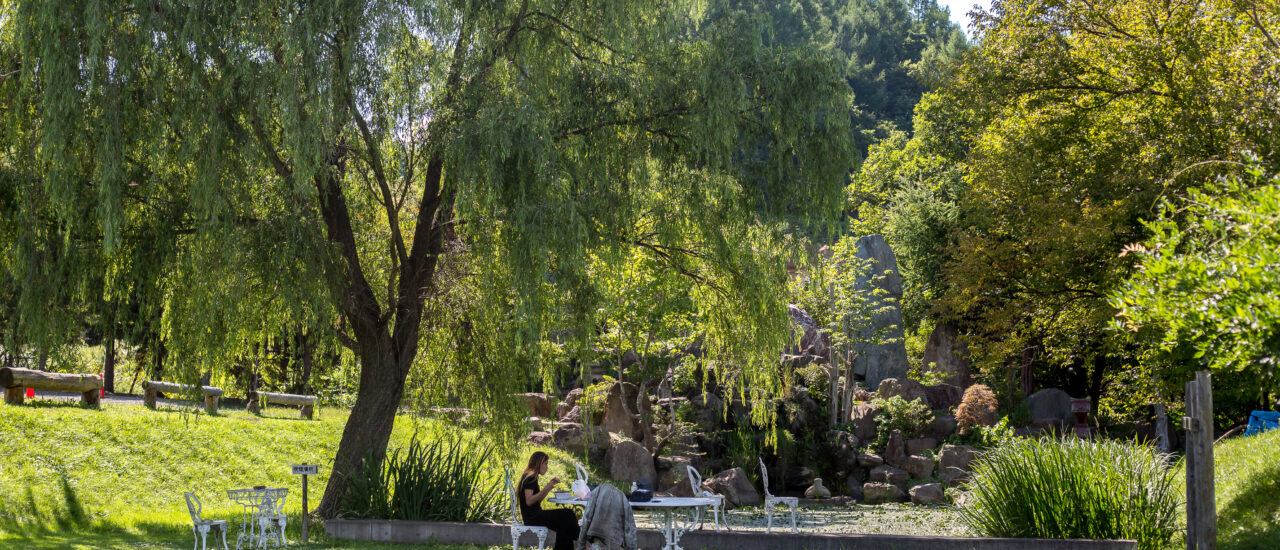
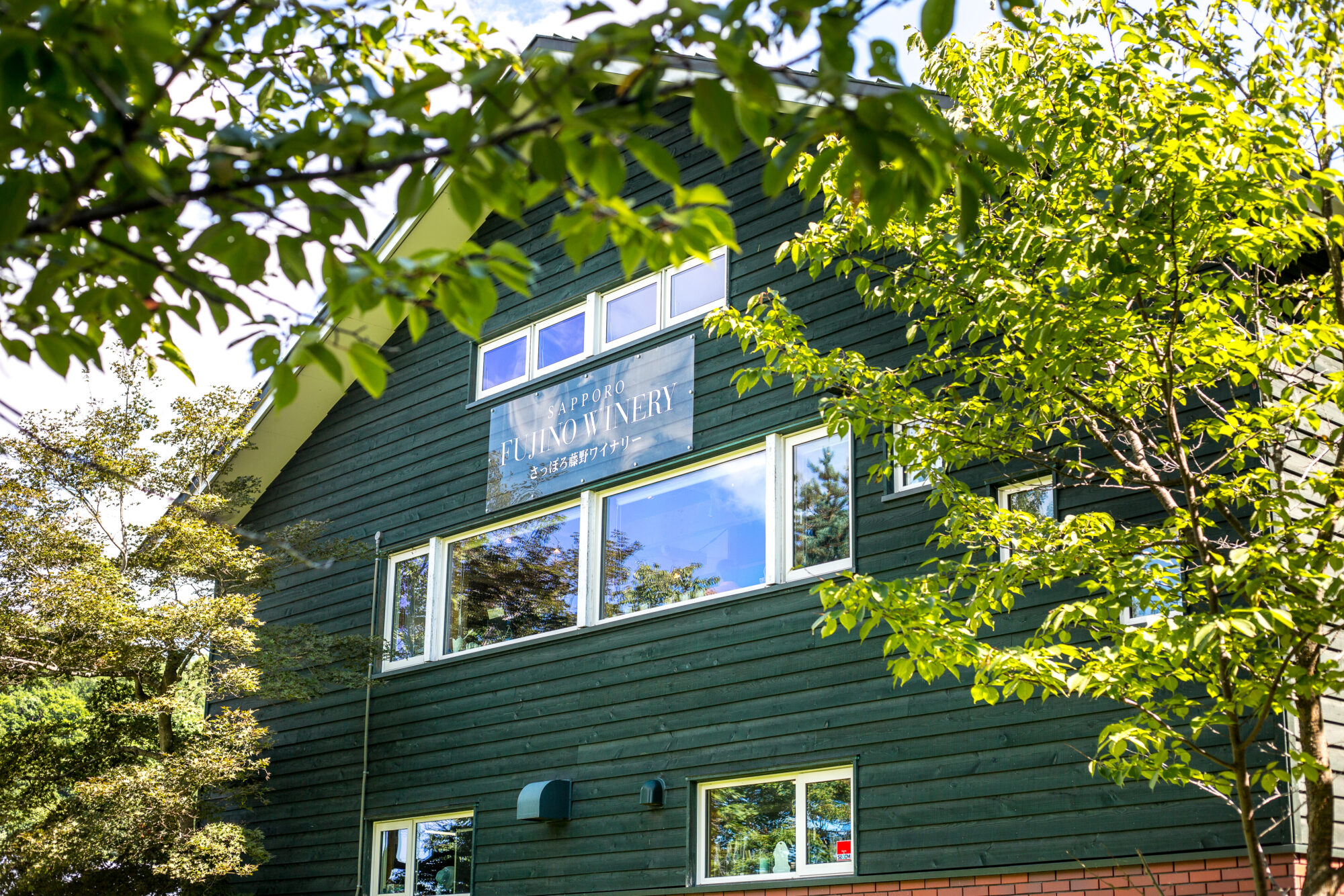
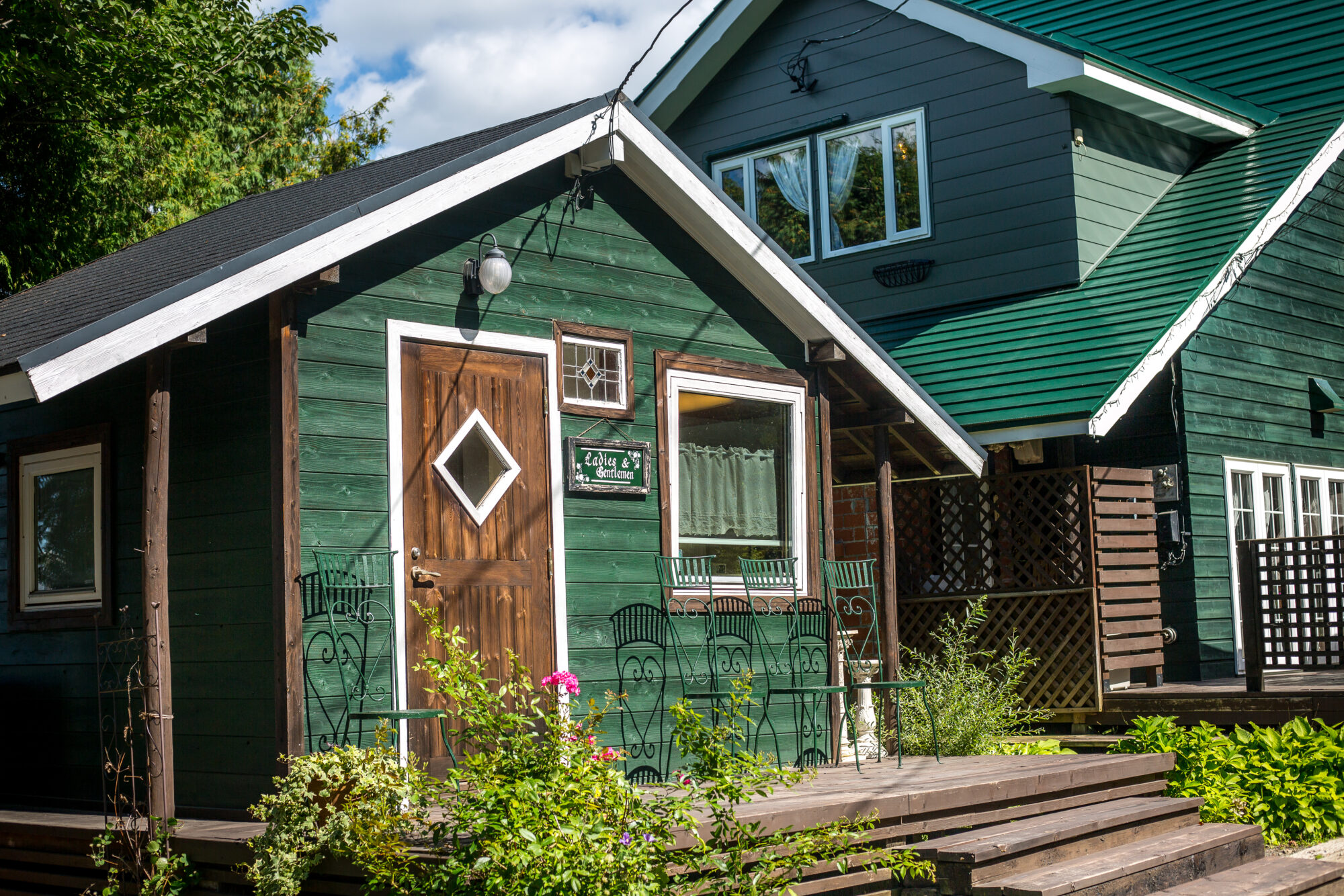
 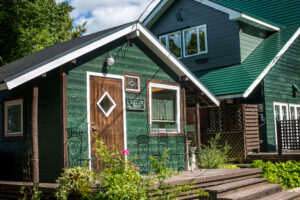 Set among the vineyards and flower gardens of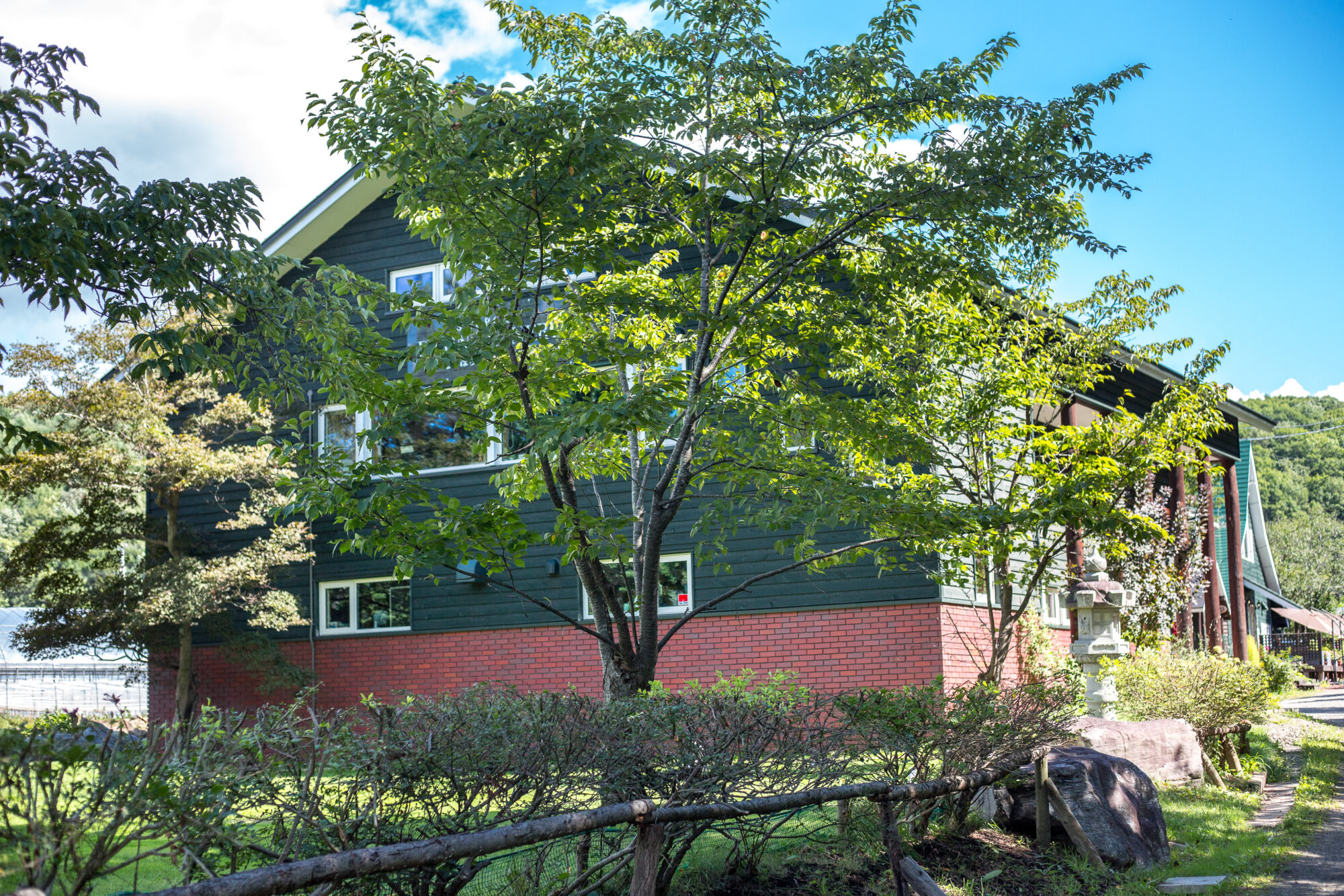
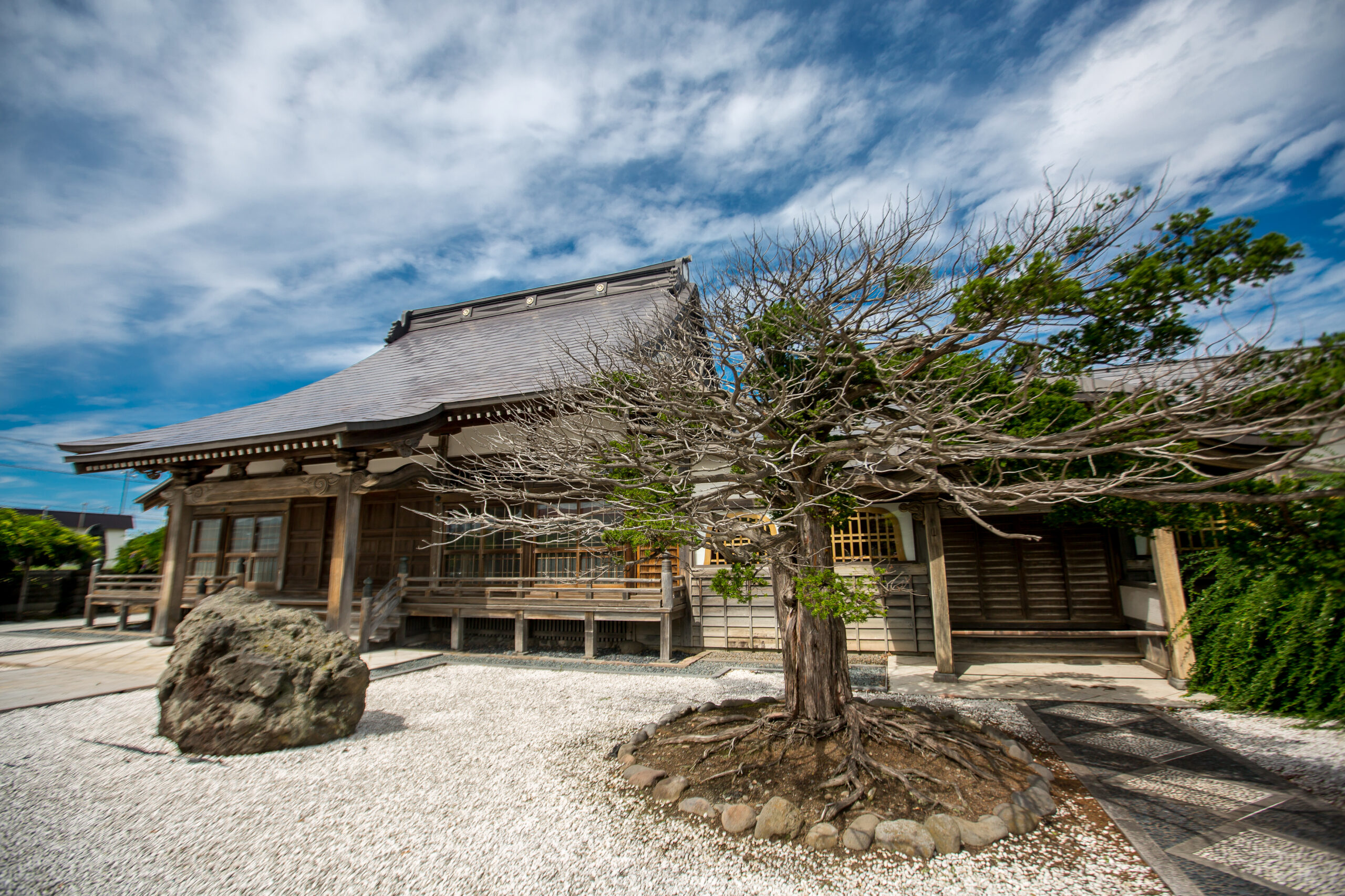
 Tucked away in the coastal town of
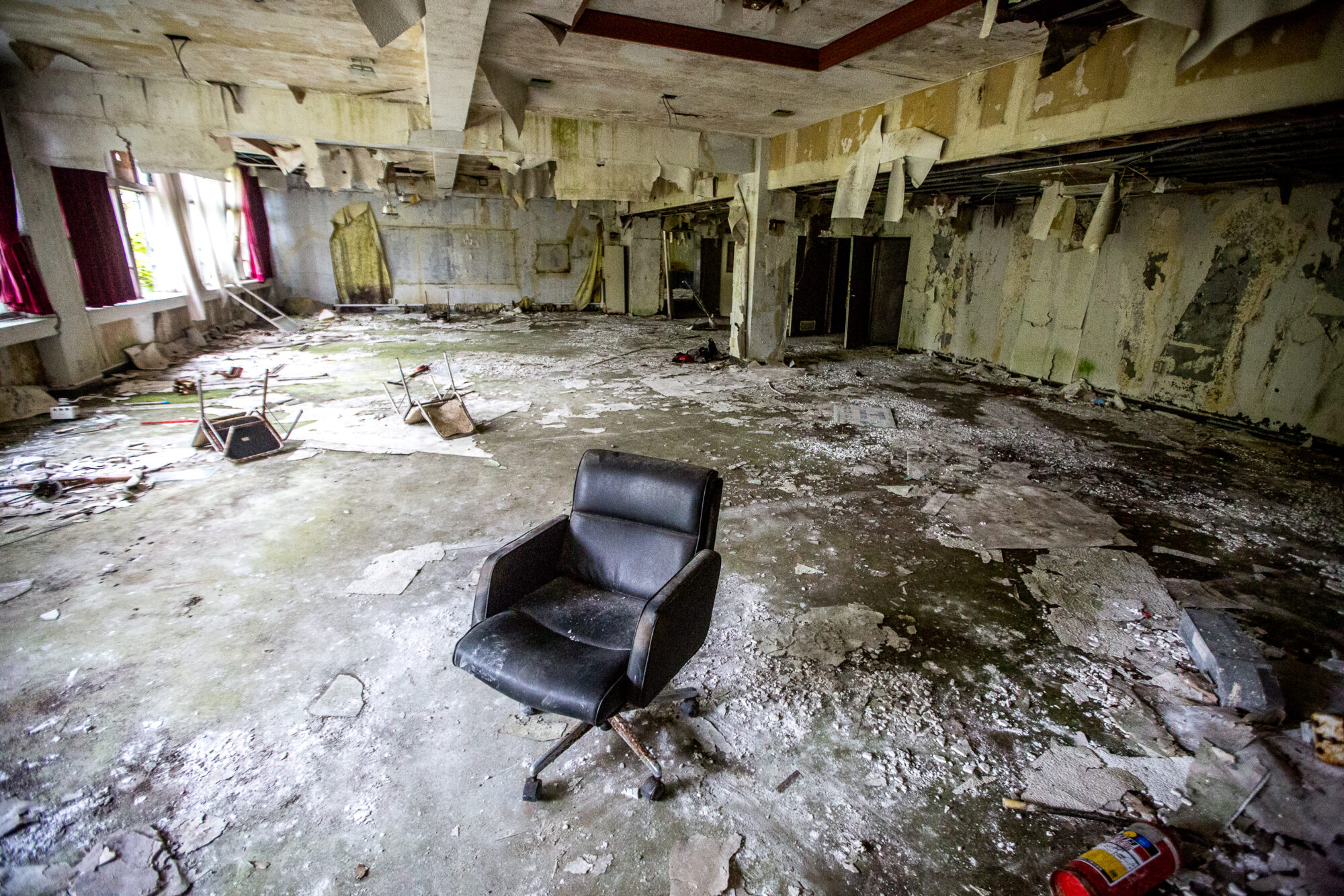
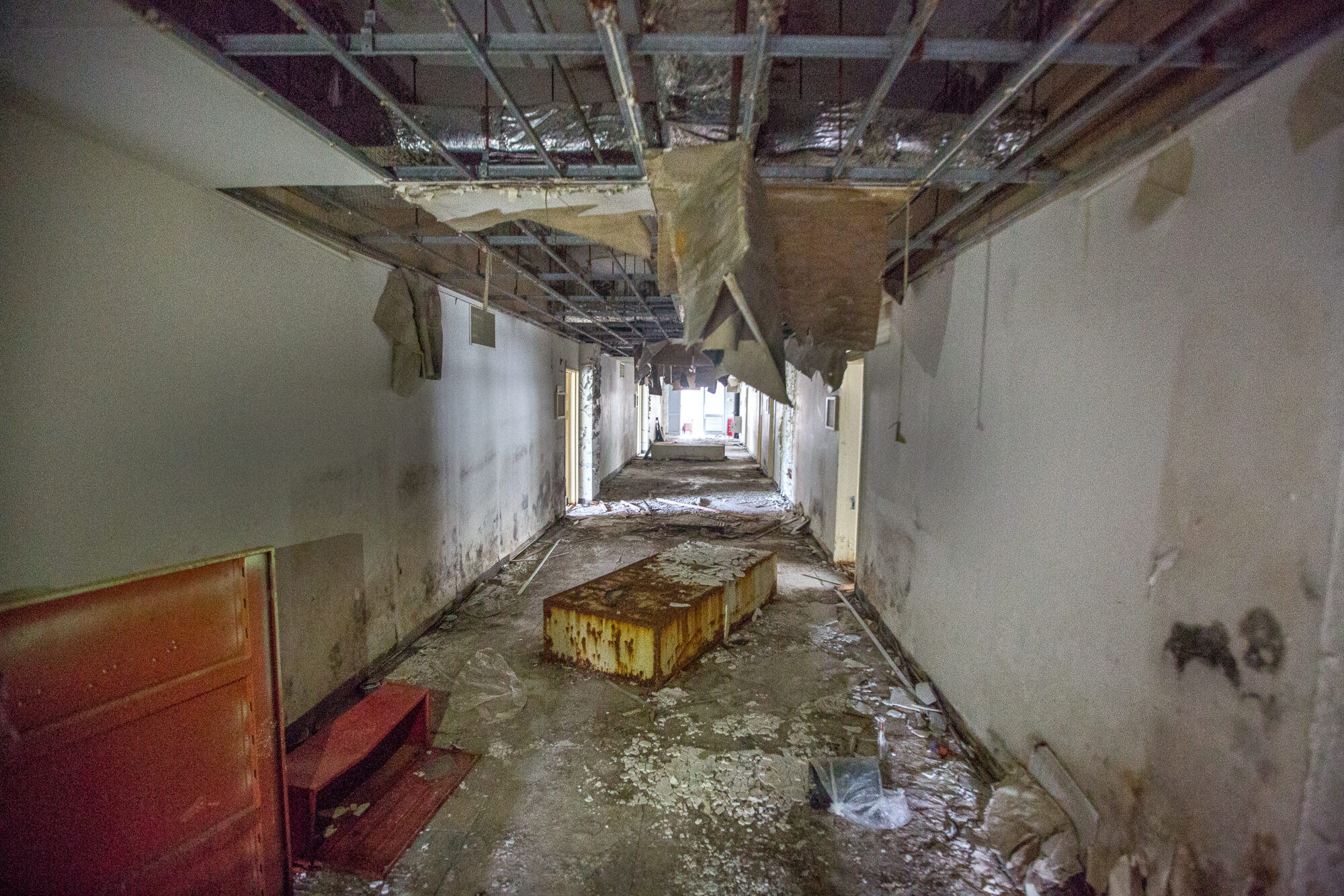
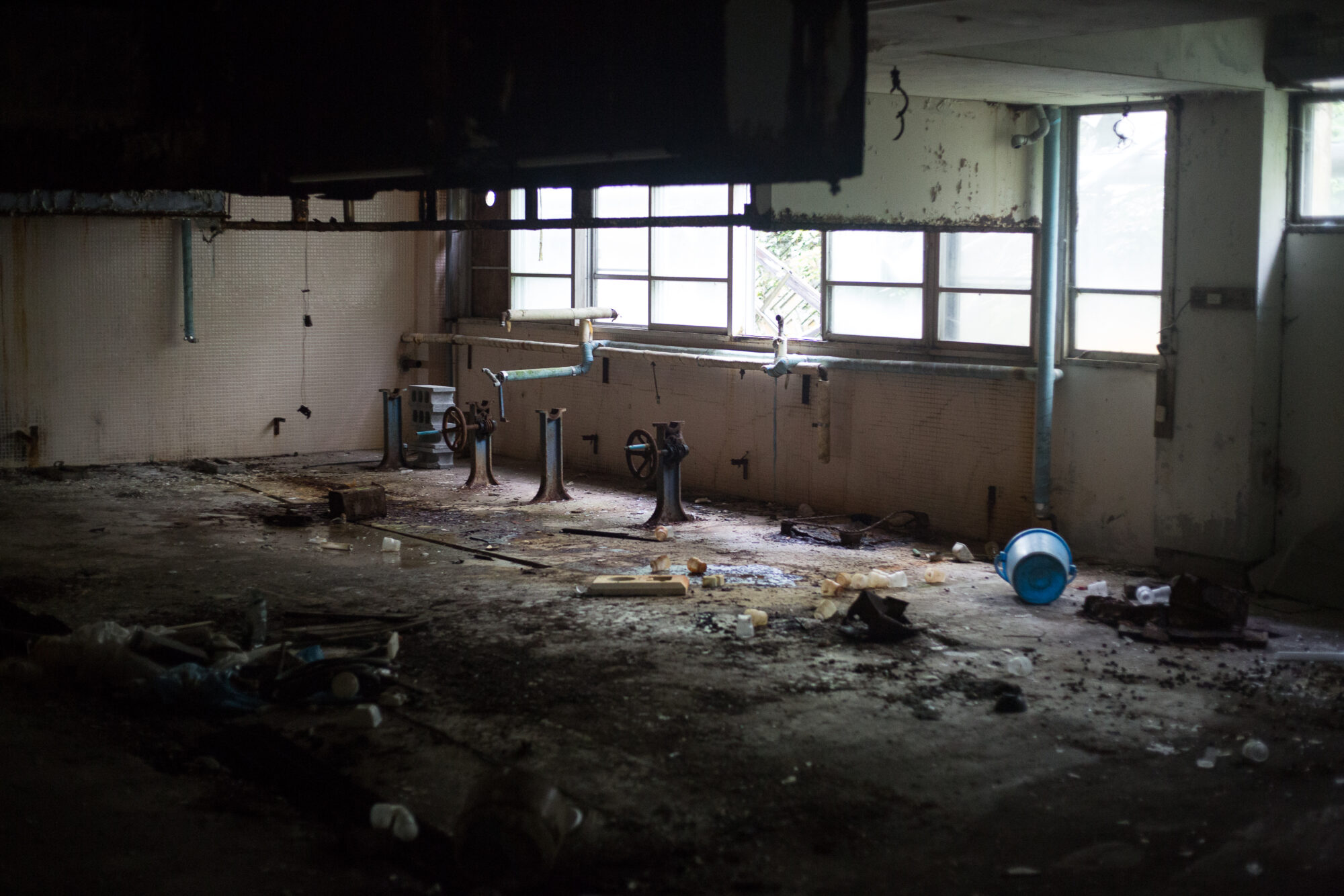
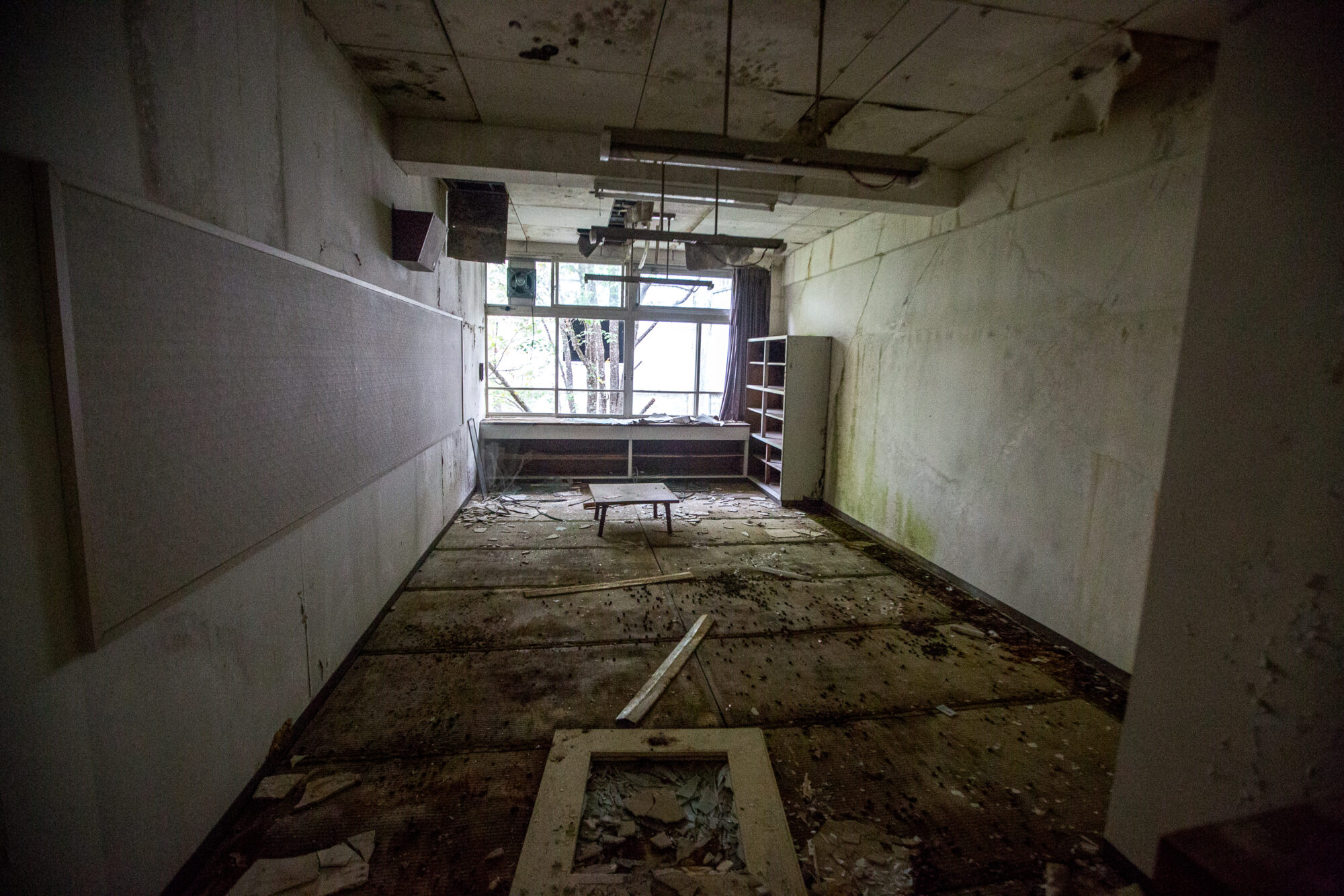
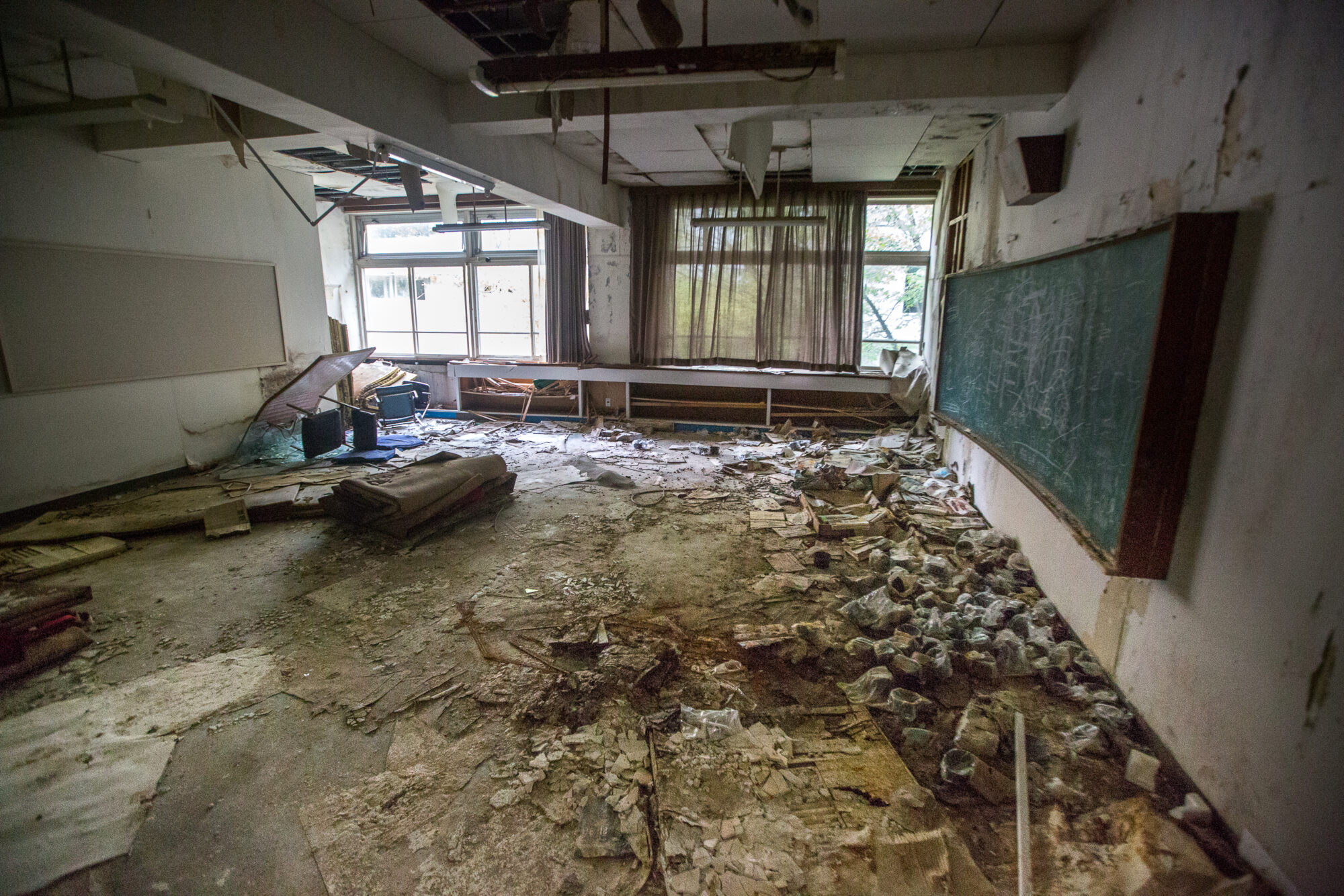
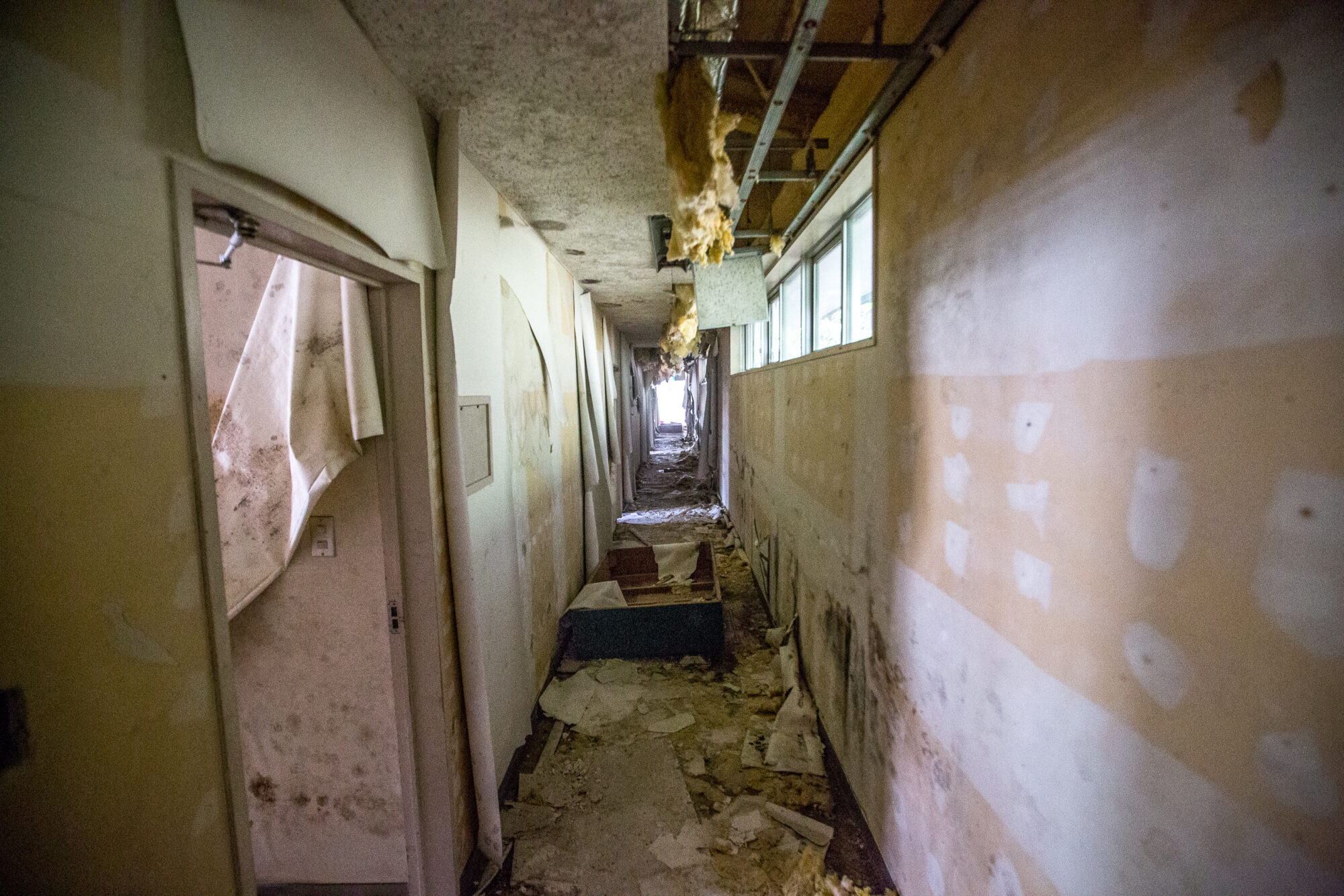
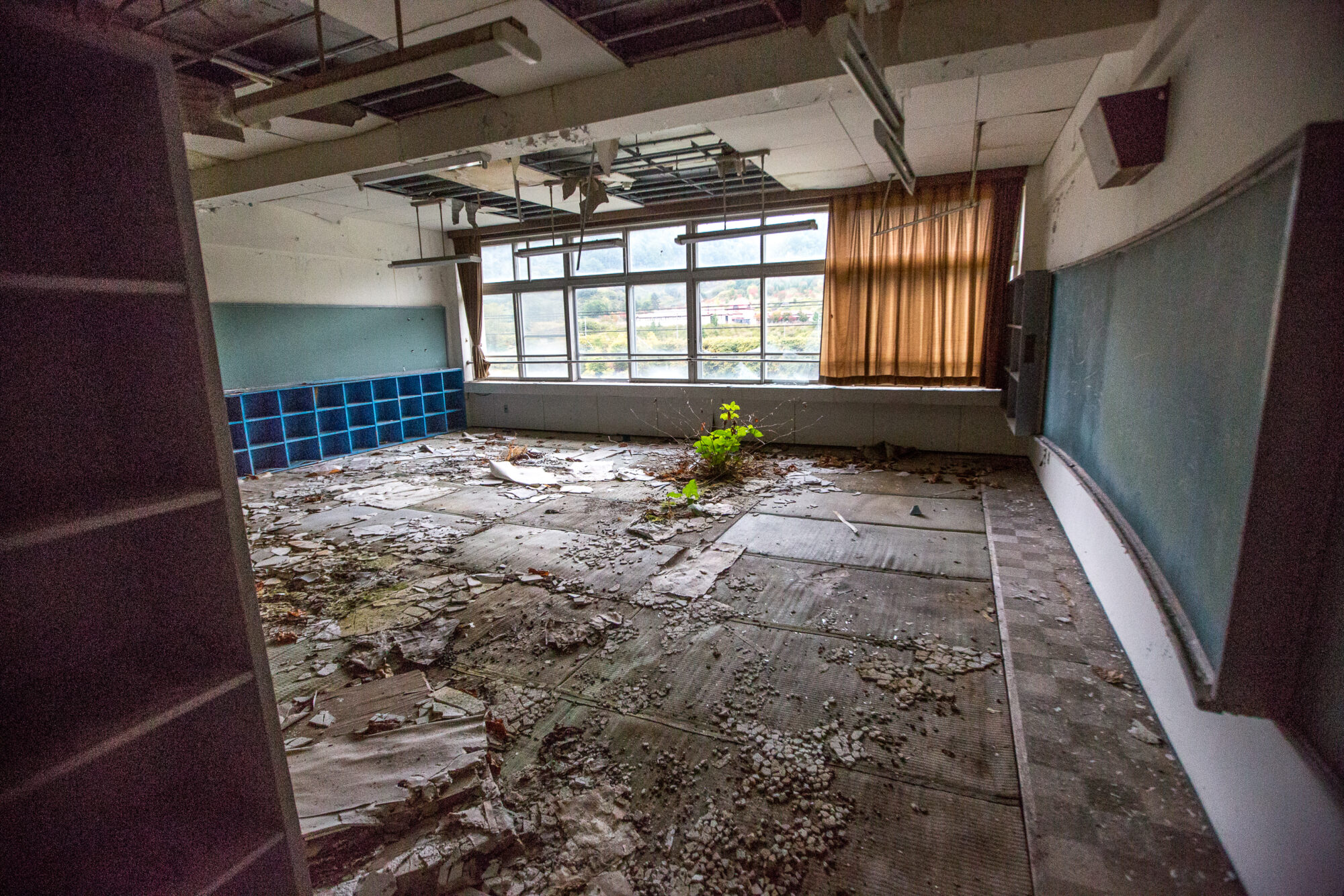
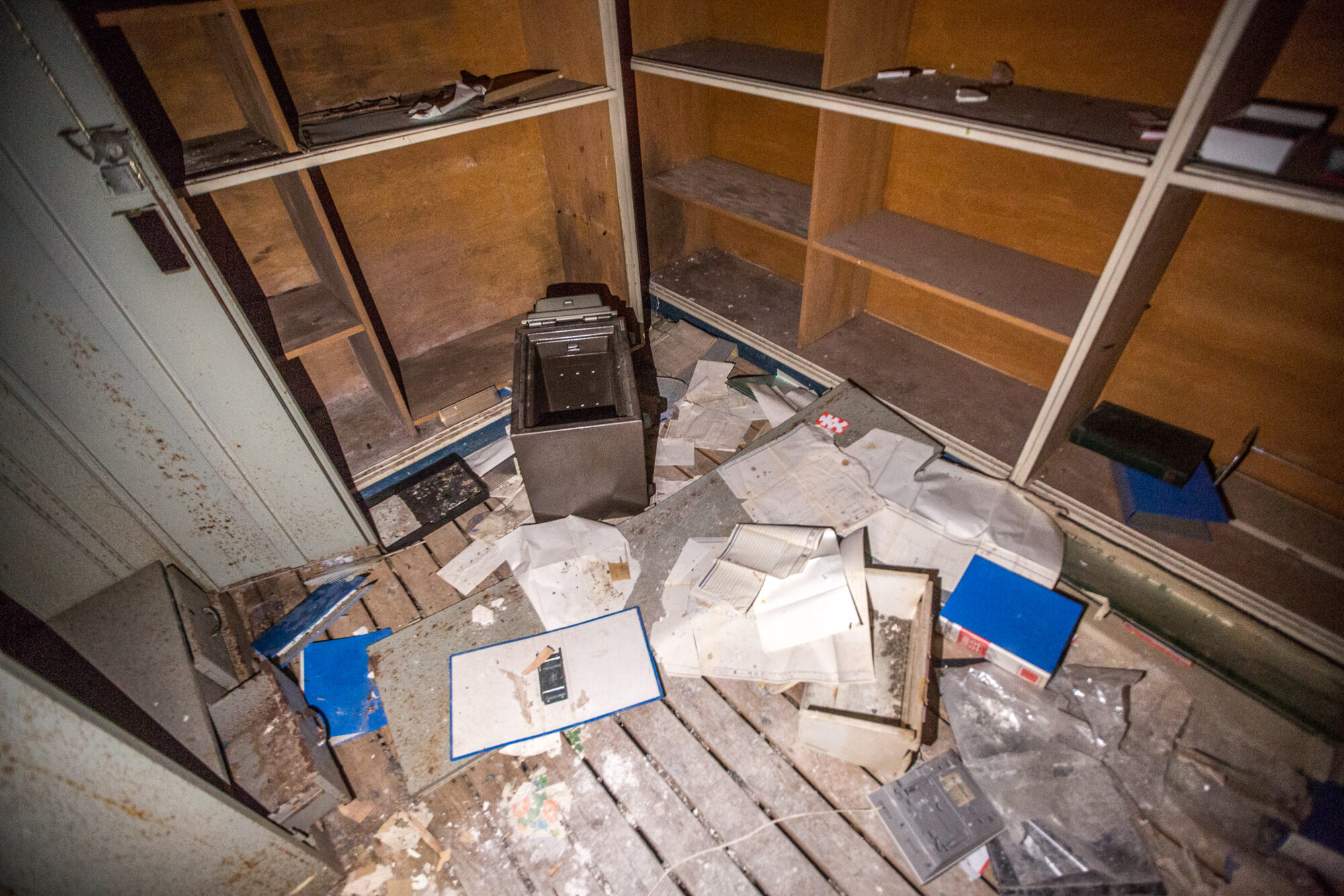
 For those who enjoy haunted stories, like dark and eerie places, and are ghost chasers, Yubari is definitely a place you need to stop and check out. Yubari was once a thriving town and due to the coal mine closing down and the town going bankrupt, it has seen a massive population decline. The abandoned infrastructure and silent streets create a stark, haunting environment, with some specific locations linked to paranormal stories. Next to Yubari Shrine is one of these buildings. It used to be school but has now fallen silent and the company that ran the school went bankrupt. It is now overgrown with weeds and the school has fallen into disrepair. There is parking at Yubari Shrine and a path leading up to the school. This school is now off limits to the public but you can get a great sense of the eeriness from the outside. There have been reports of strange noises coming from inside the abandoned school at night and a strange presence can be felt in the room with the safe. There are odd items around the school which add to the creepiness.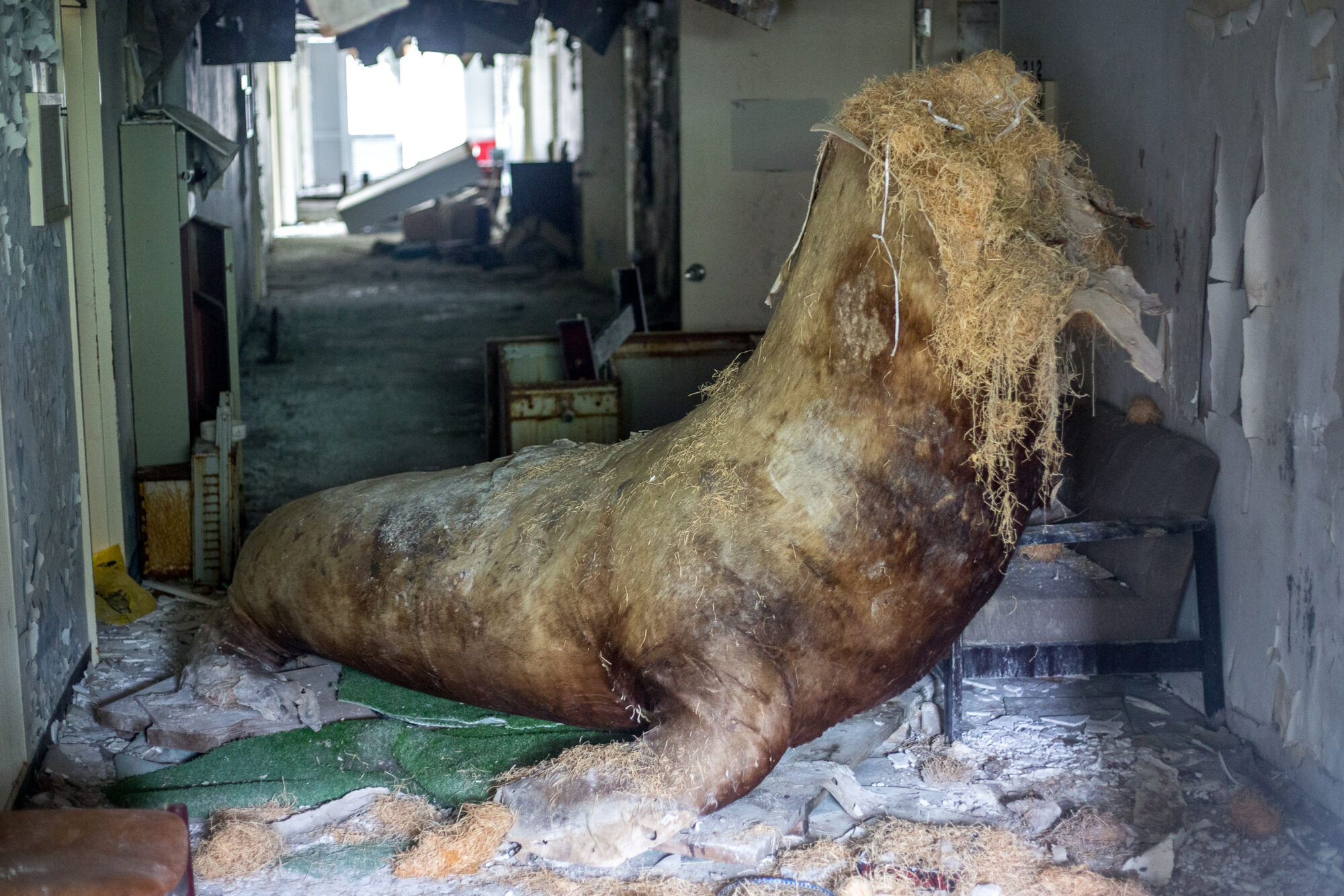
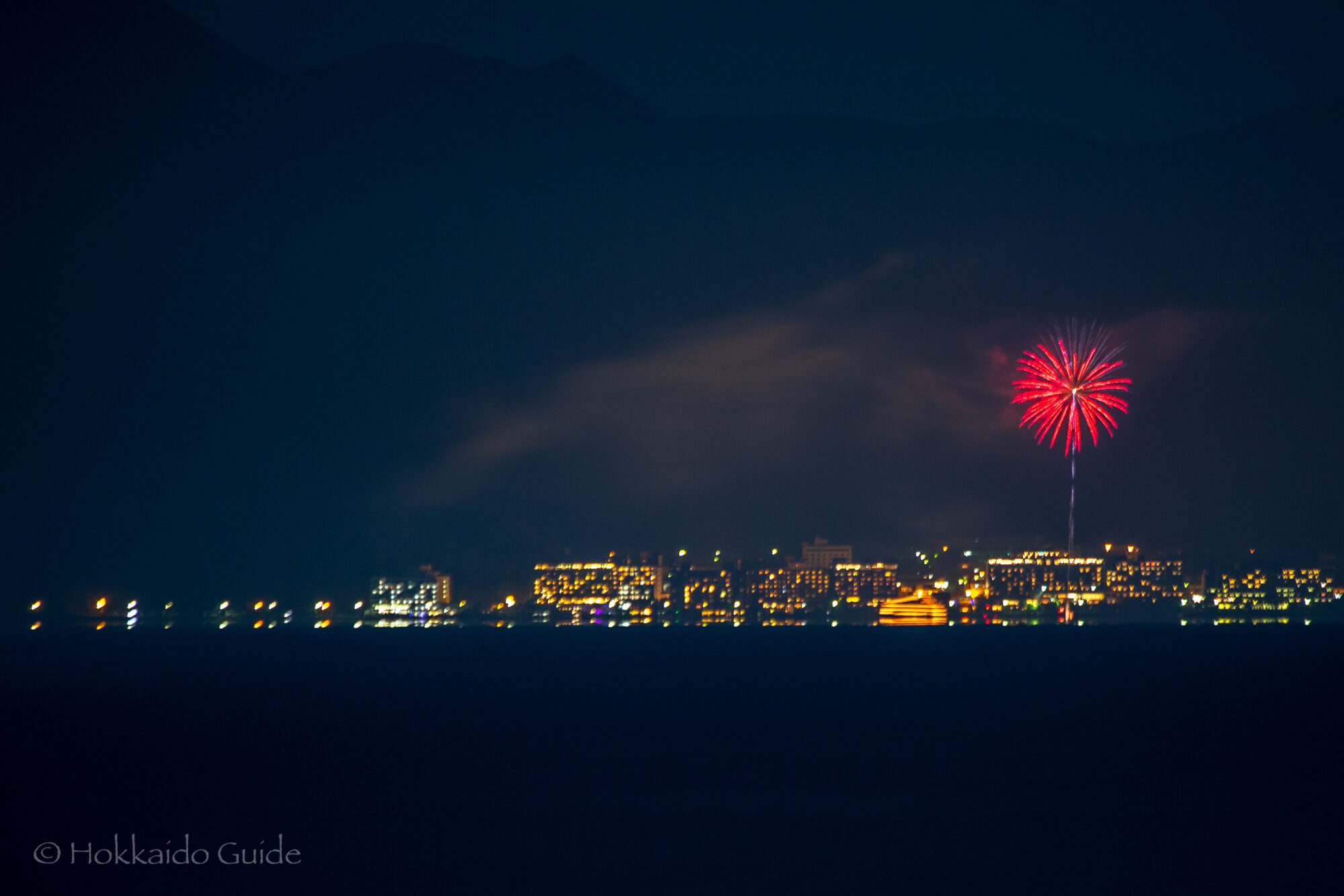
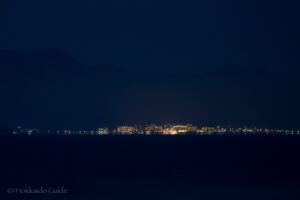 Lake Toya is a popular spot for locals and overseas travelers alike. The lake is a caldera lake and has a stratovolcano, Mt Usu, near the southern edge of the lake. This volcanic activity feeds the many onsens (hot springs) that make up the Toya onsen village which also lies on the southern side of the lake. There are a dozen onsen hotels here and every night a firework show is held from 8:45pm. The fireworks are set off from a boat which moves across the lake so everyone can get a close look. To view the fireworks you can stand along the shore line. And for those staying at one of the hotels, you can get great views from your hotel room. The best part is, it is all free! If you are feeling a little more adventurous, there is a ferry that heads out 8:30pm where you can view the fireworks from the water. The fireworks last for 20 minutes and if the weather is stormy they are cancelled.