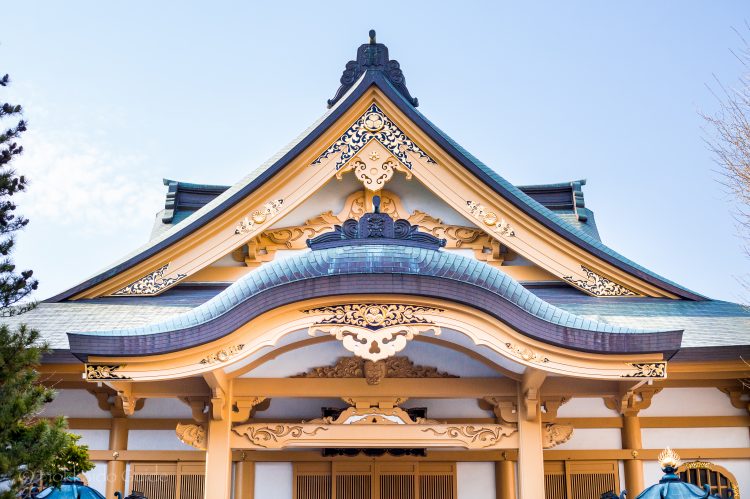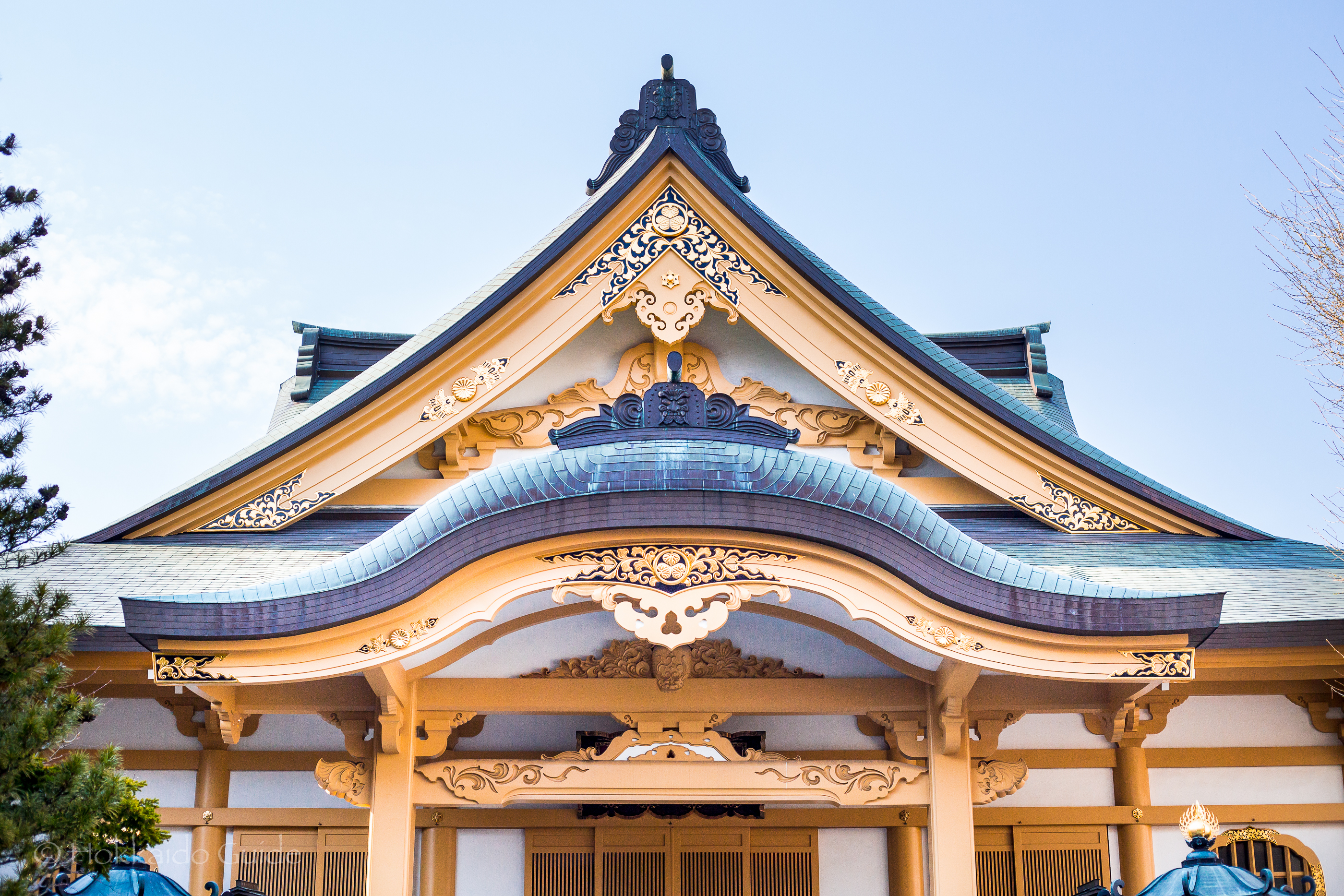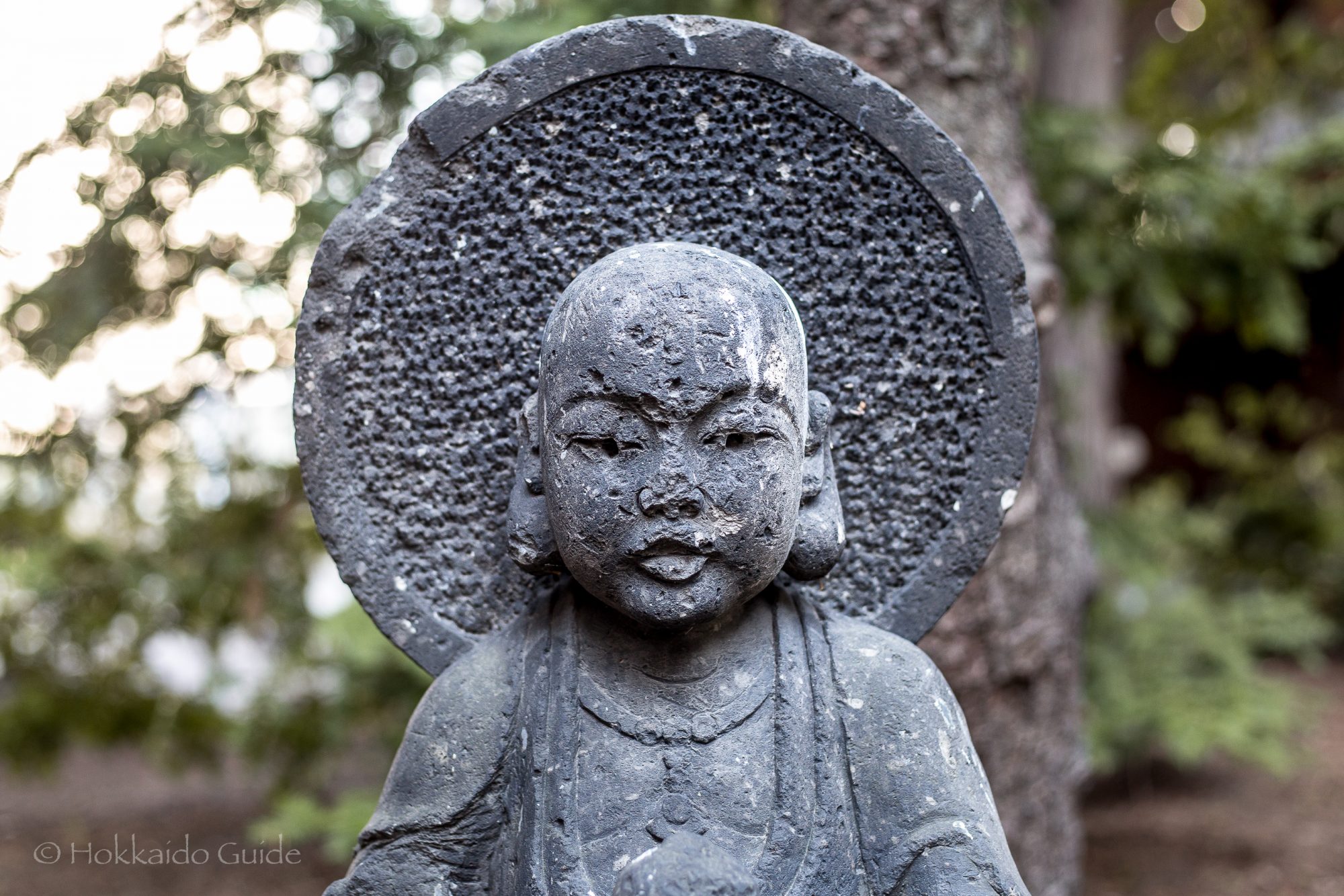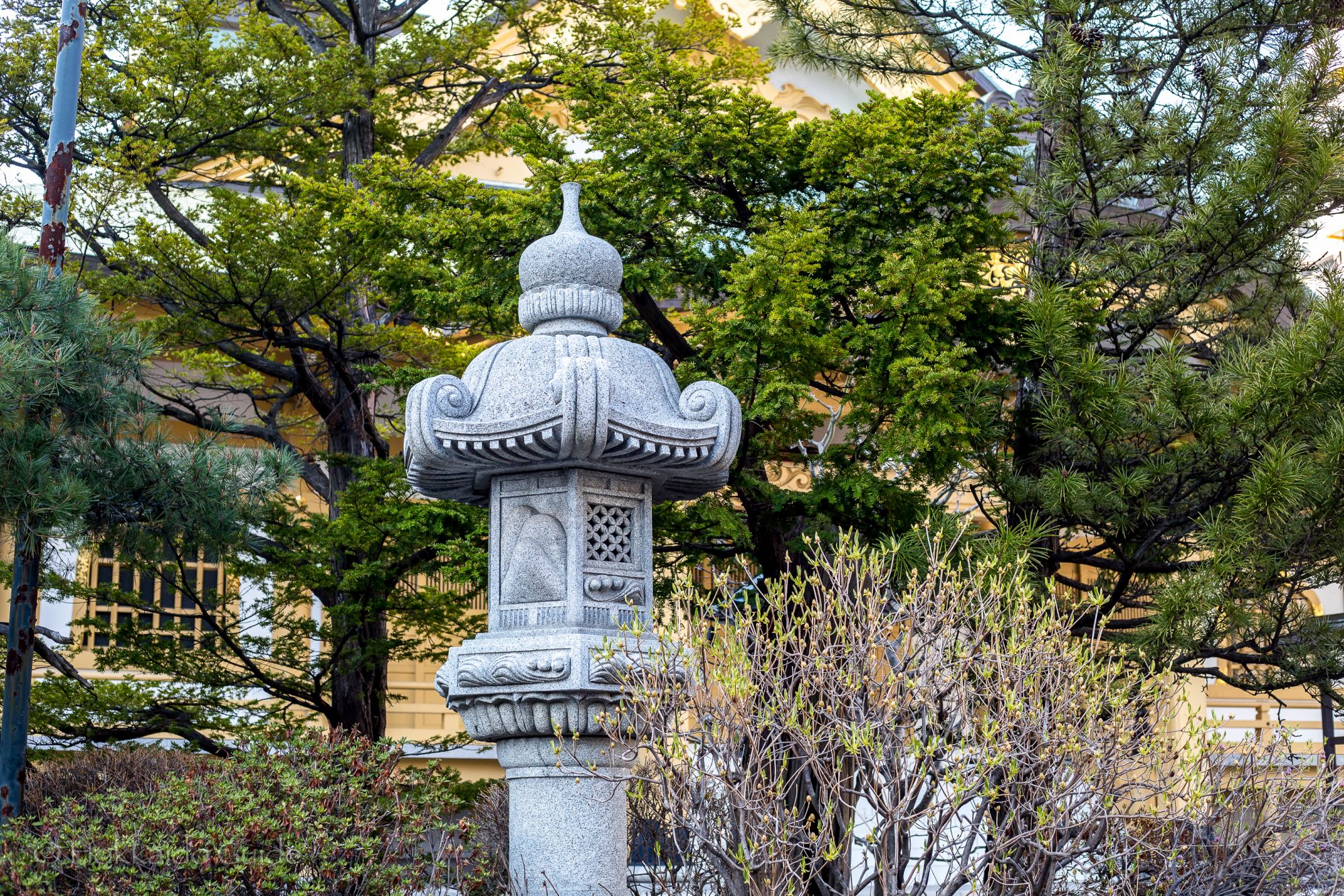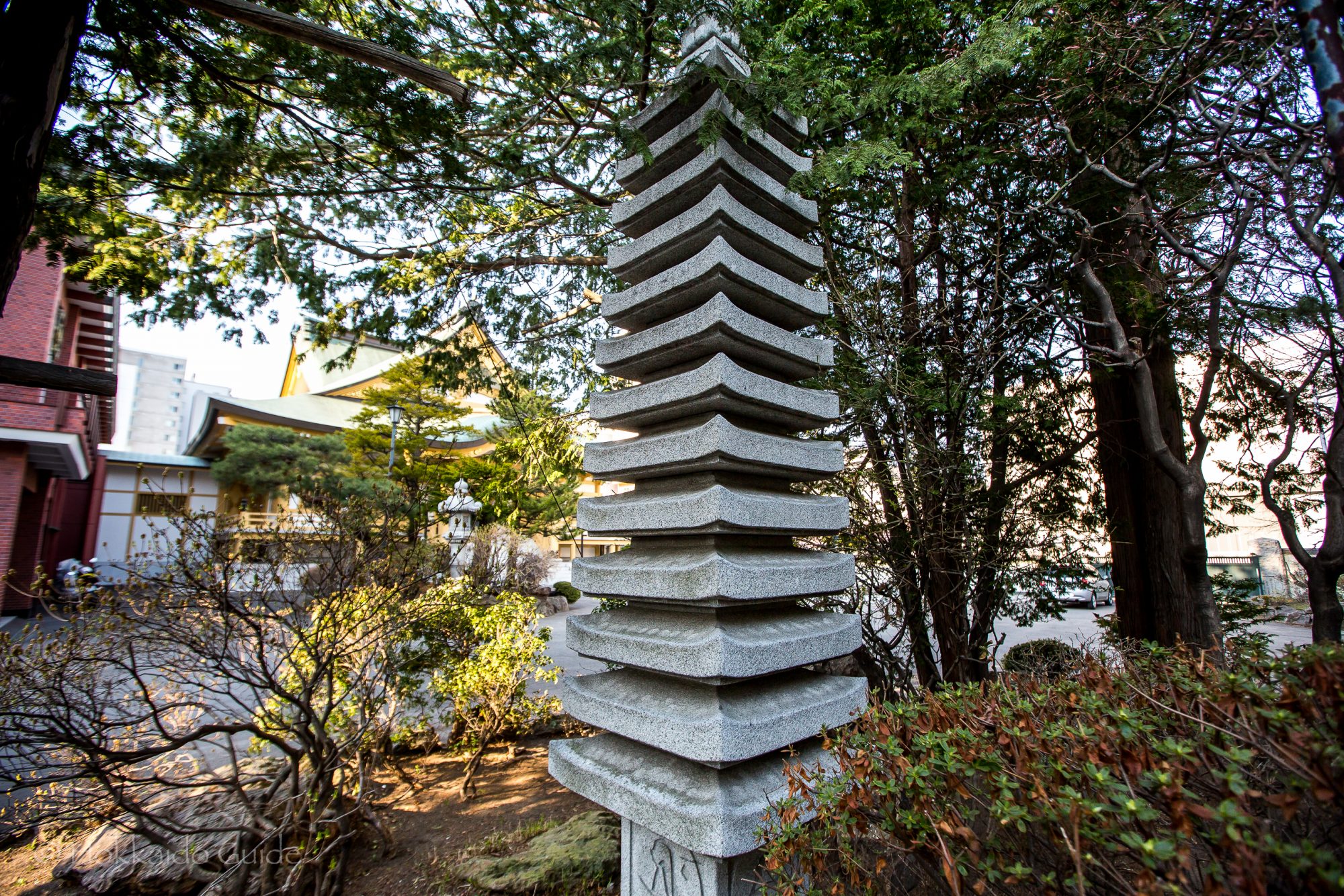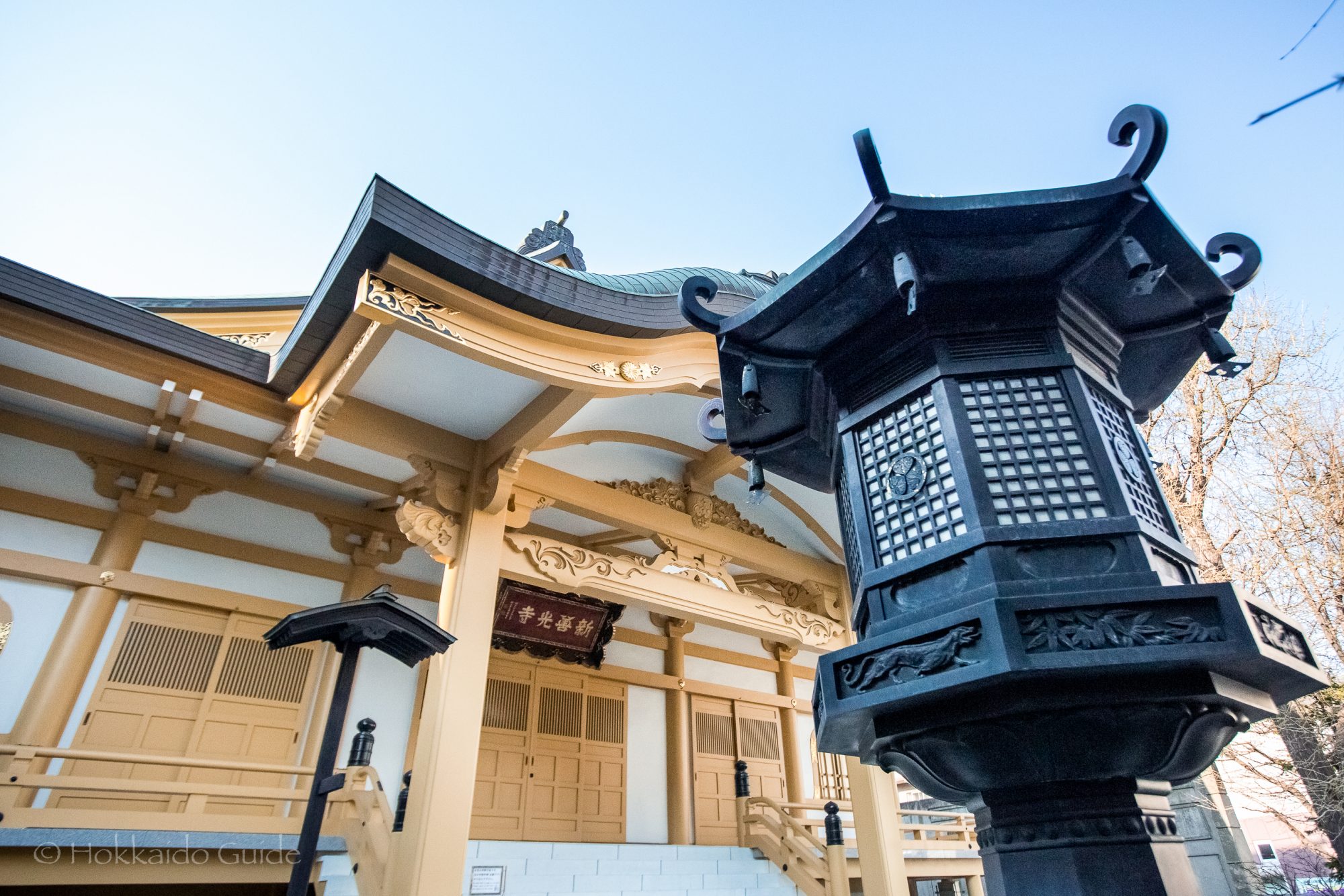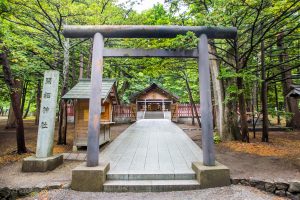
Jodoshu Shinzenko Temple

AdmissionFree
Closed-
Contact011-511-0262
NotesBuddhist temple
Location /
Getting There
Located in central Sapporo, 2 minute walk from Hosuisusukino subway station. 6 minute walk from Susukino & Nakajima park subway station.
1-chōme-2 Minami 6 Jōnishi, Chūō-ku, Sapporo, Hokkaido 064-0806


Nice little garden inside the walls

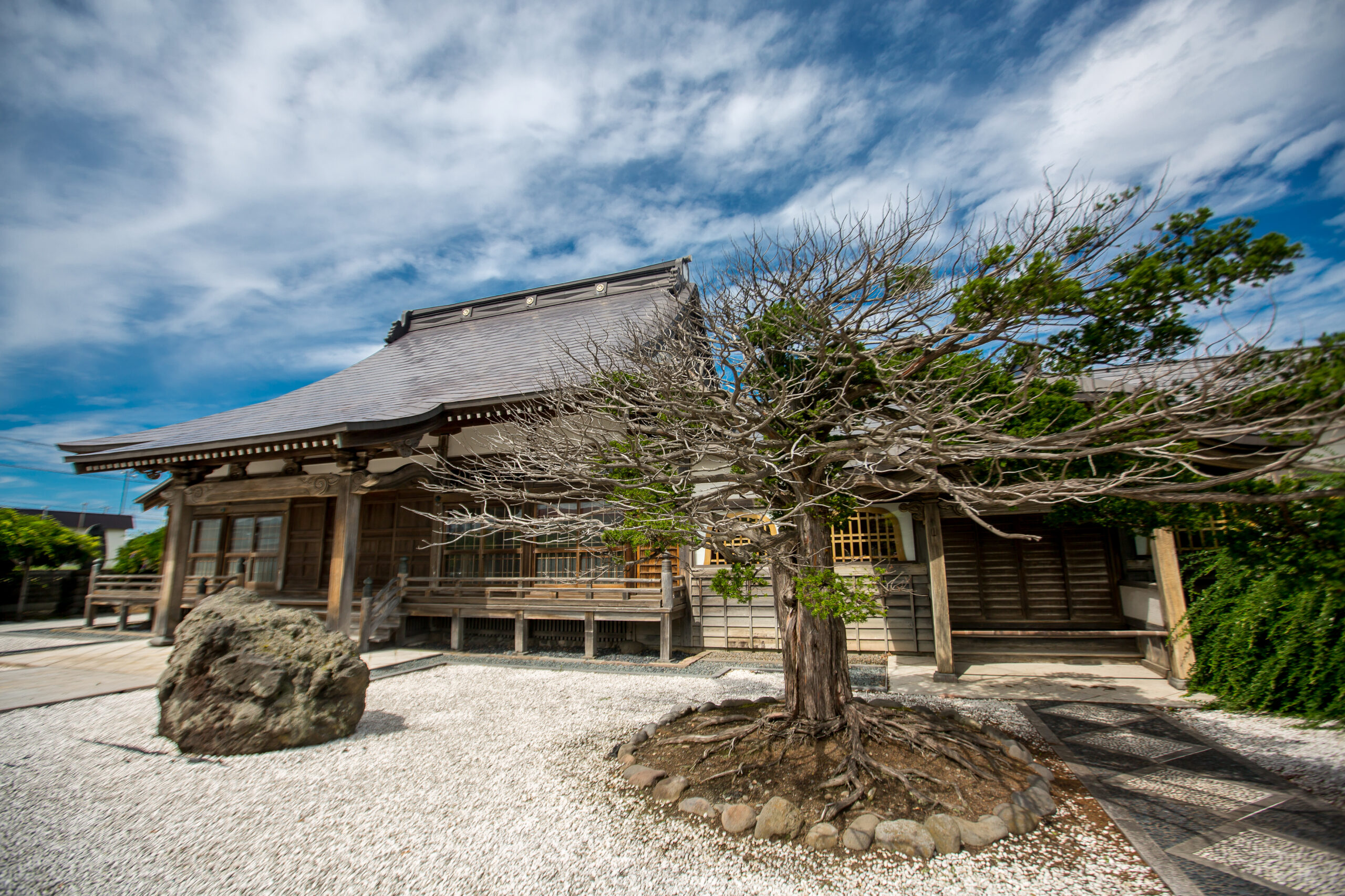
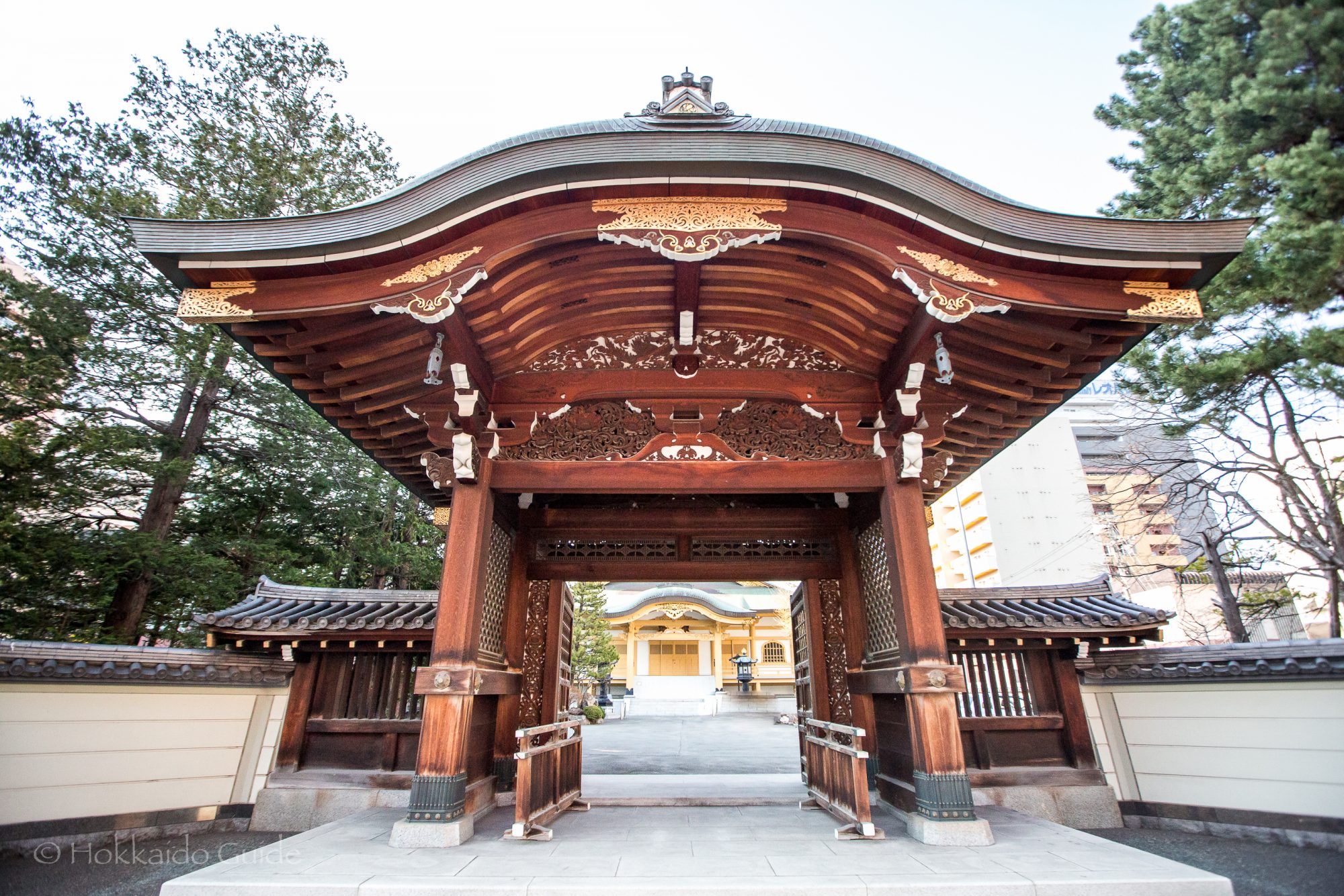
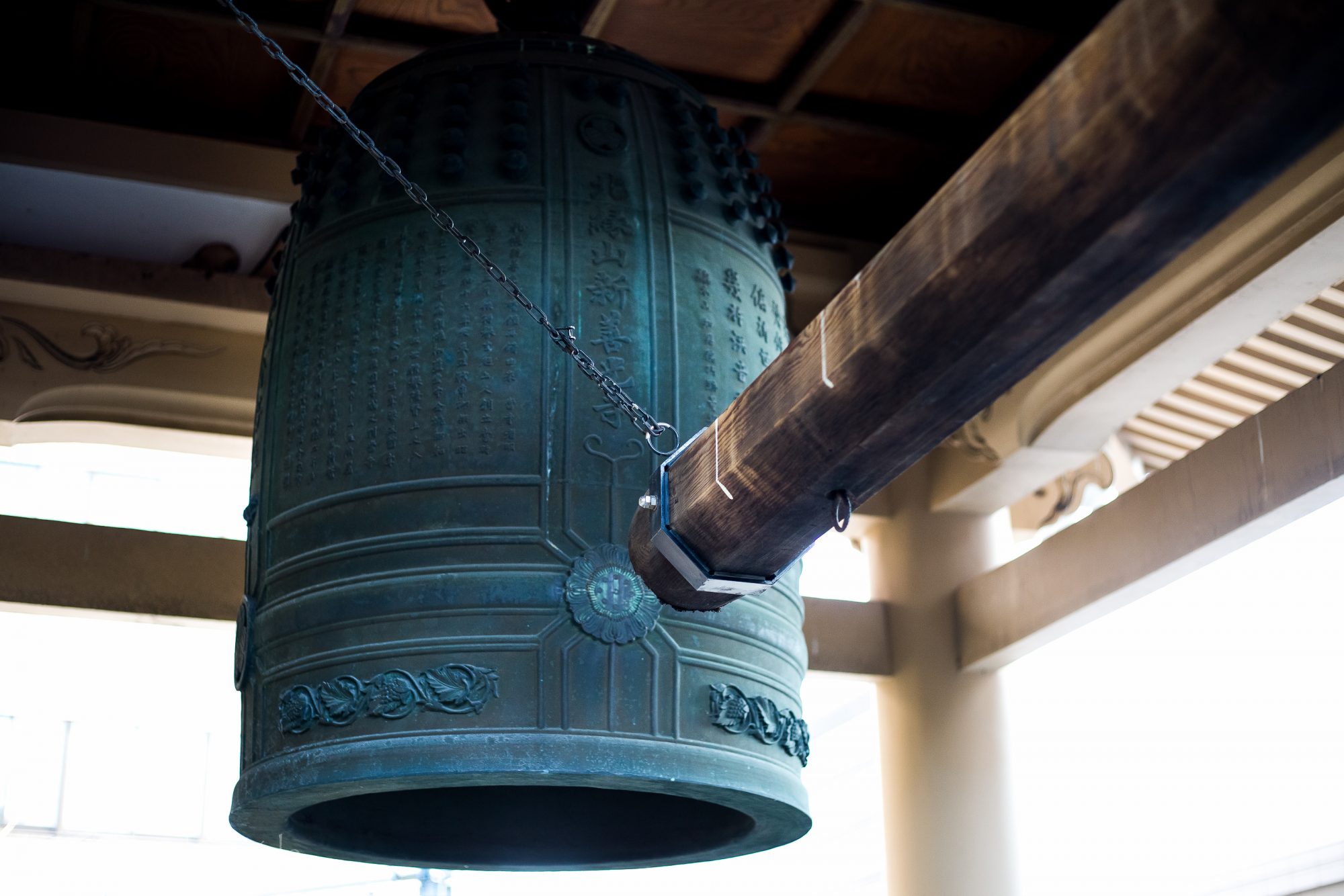
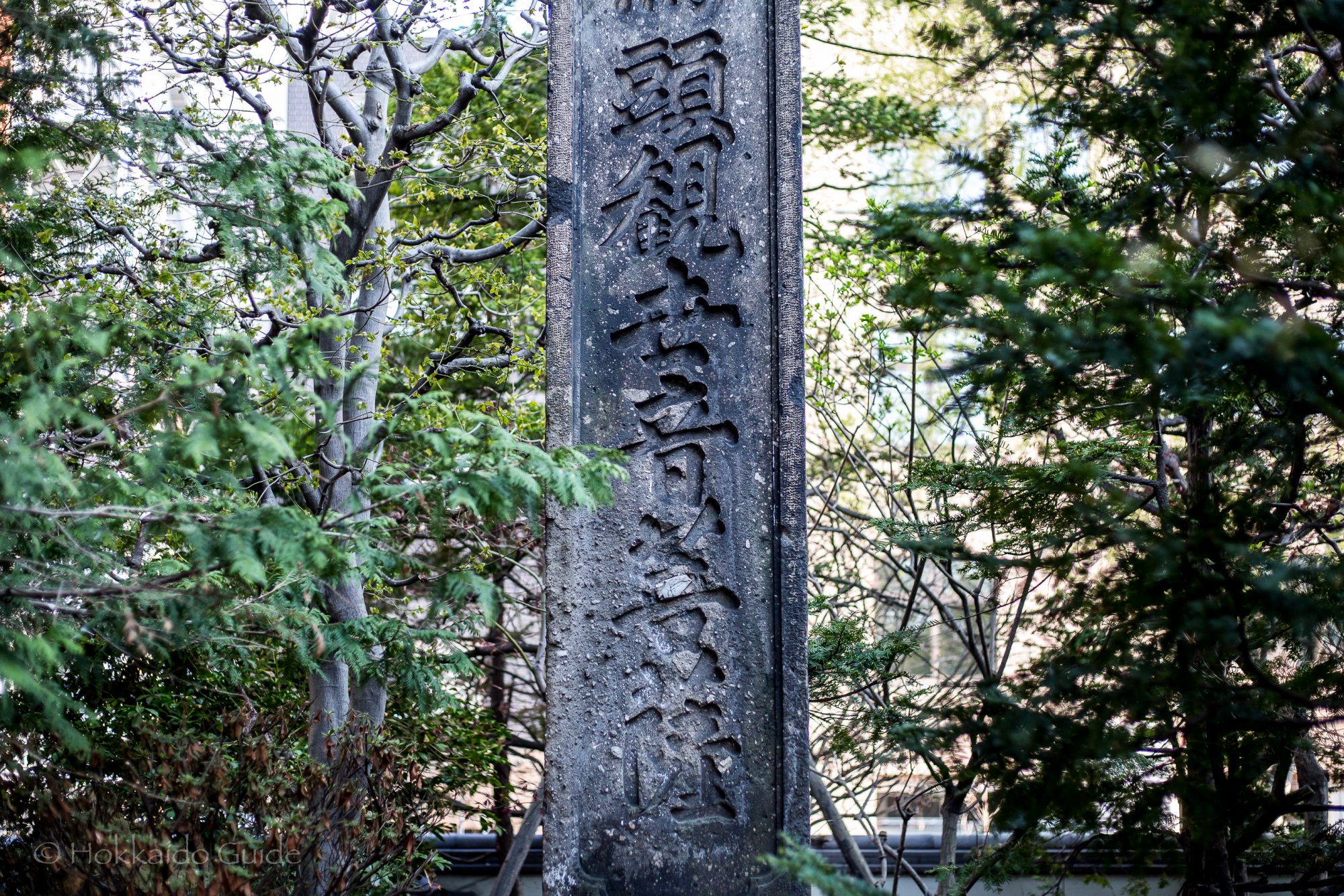
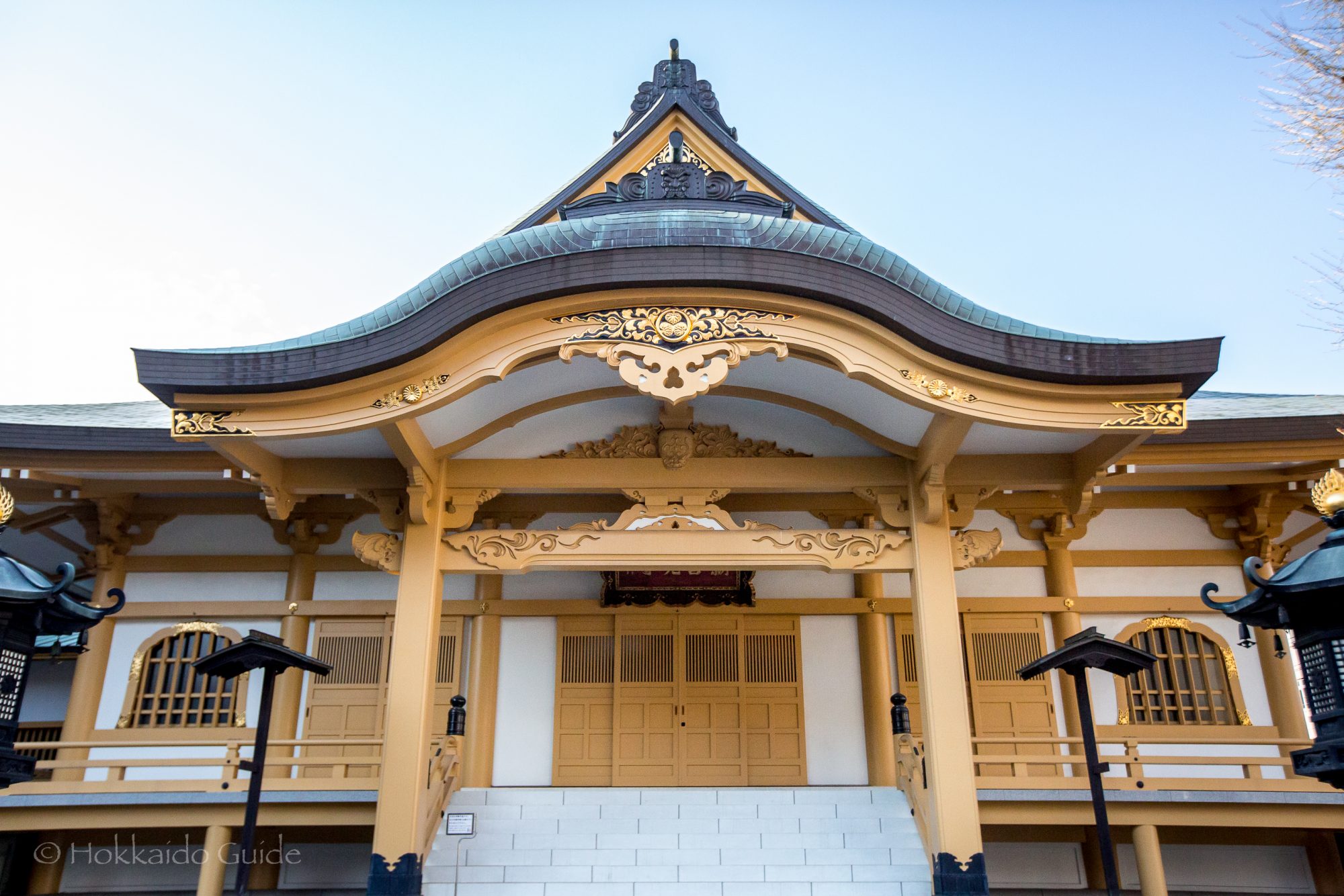
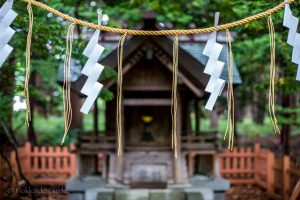
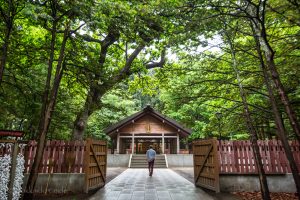
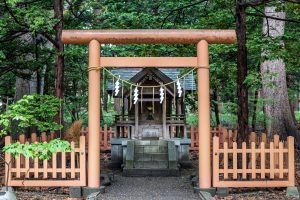
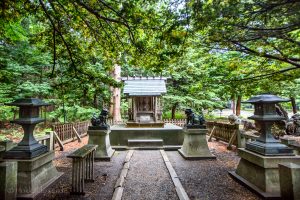
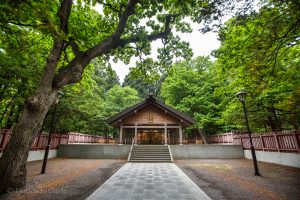
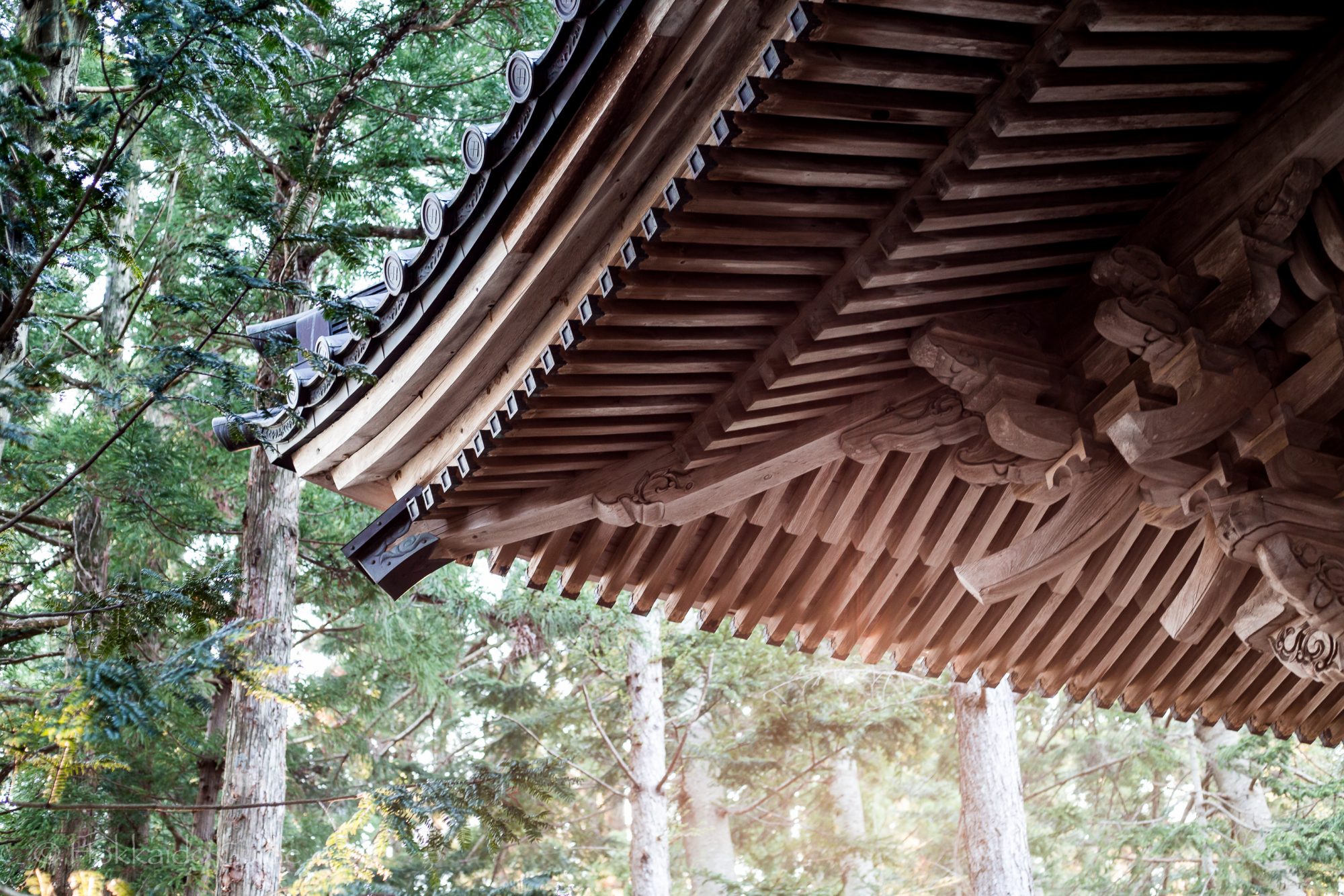
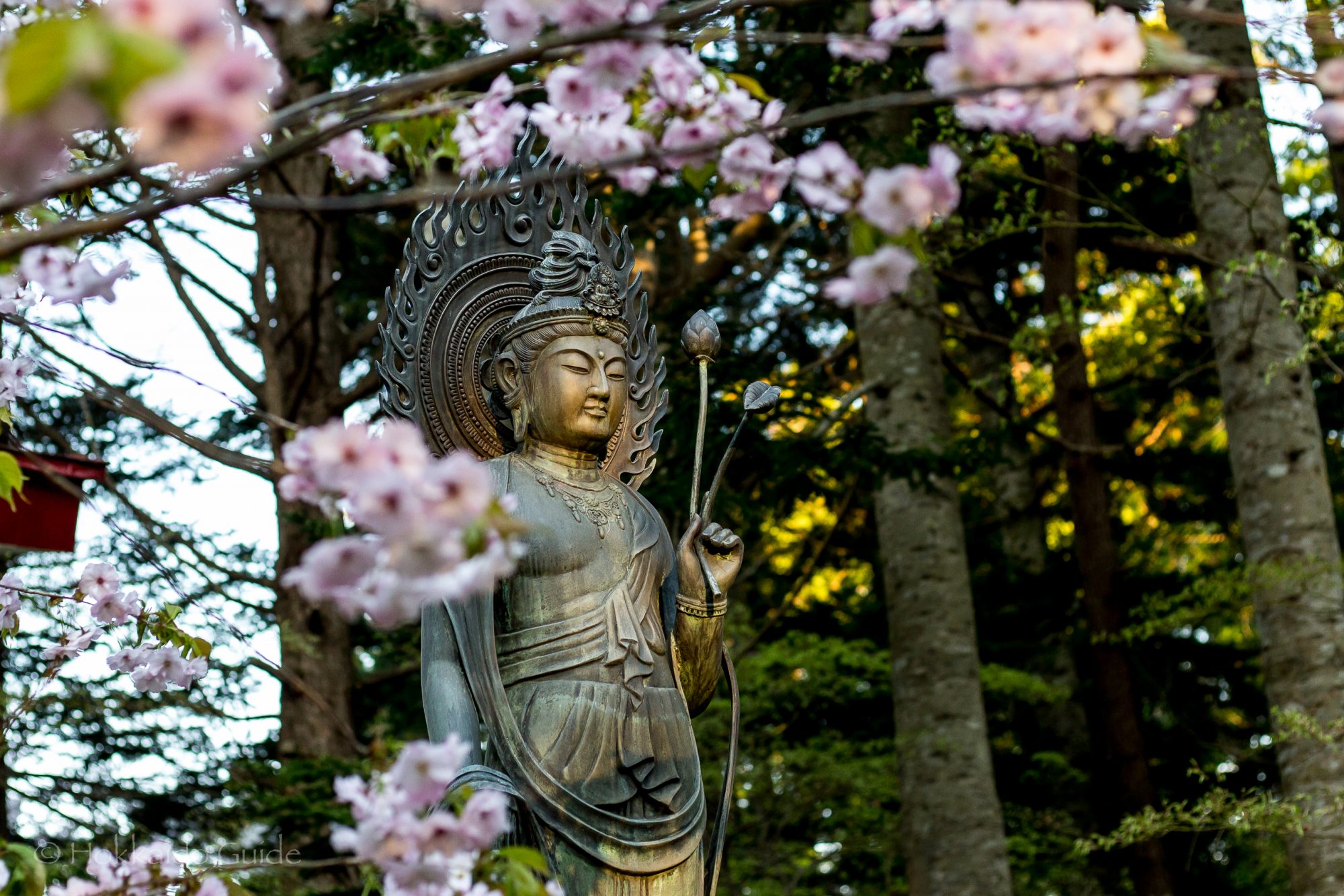
Throughout the city of Sapporo, there are around a dozen buddhist temples that visitors can take a look at. These beautiful temples are iconic of Japan and its long history. For tourists they are great spots to get some great photos to take home. Jodoshu Shinzenko Temple is one of these temples. It is located in central Sapporo, in the southern district of Susukino. There are four other temples within a ten minute walking distance from Jodoshu Shinzenko. The gates are open to the public, where you can enter and take a stroll around the courtyard.


[the_ad id=”4264″]


Beautiful Japanese style garden

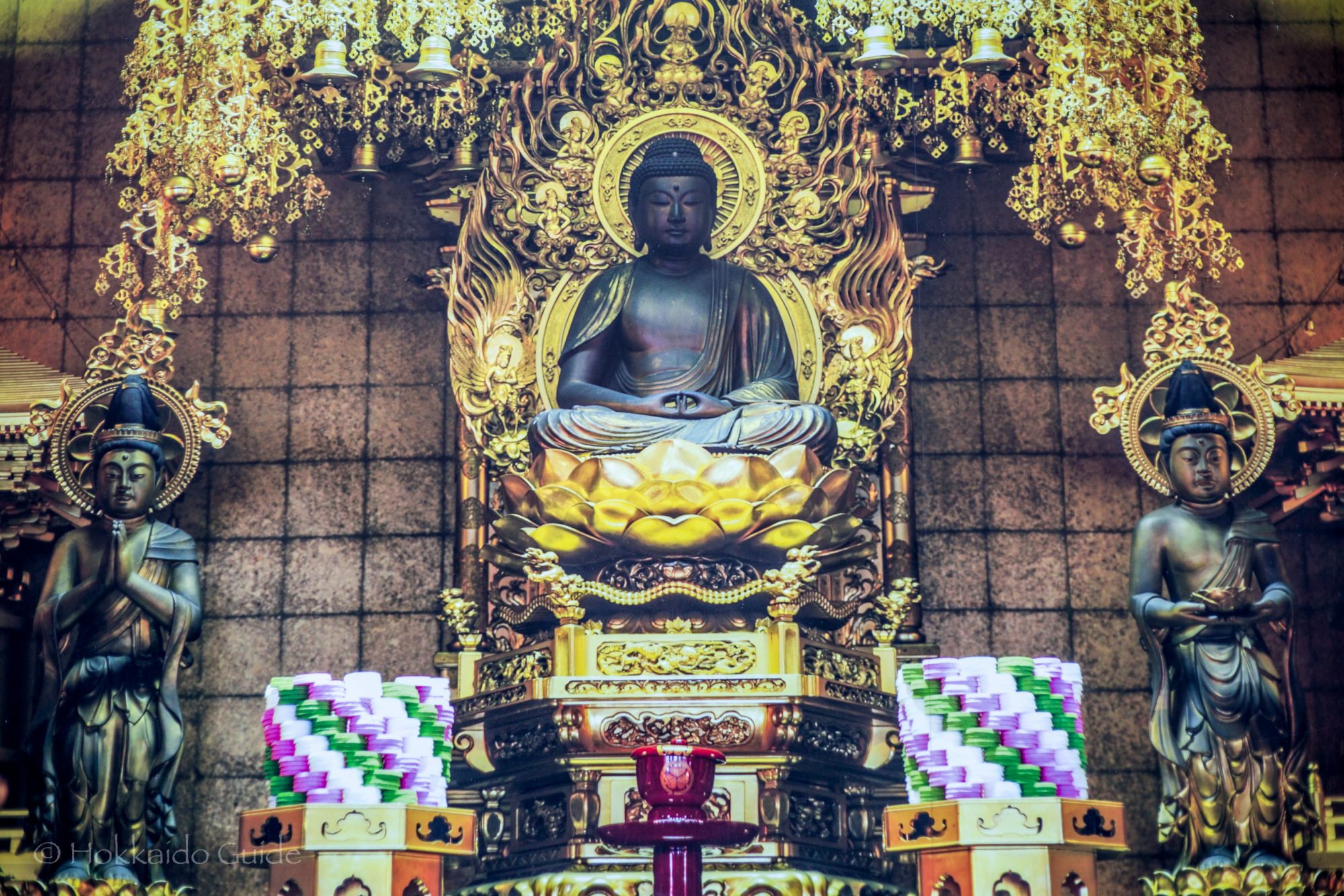
The temple of Shinzenko has over a hundred years of history, being built in 1884. It is here, the teaching of the jodo sect focuses on the “ritual recitation of the Nembutsu” (meaning the follower is opening themselves up to light and salvation). Followers believe this recitation benefits not just the speaker, but the entire world as well. There are three floors inside the temple itself and include up to one thousand burial urns. Throughout the year, the temple has special Buddhist ceremonies on their calendar. Being in the entertainment district, the temple is not a far walk from the Susukino and Nakajima Koen subway stations making it an easy place to access.


Maruyama Park

AdmissionFree
Opening HoursOpen 24 hours
Closed-
Contact011-621-0453
NotesVarious shrines in park, restrooms in park, sightseeing spot, Hokkaido Shrine, parking available
Location /
Getting There
Located in west Sapporo. 5 minute walk from Maruyama subway station
3 Miyagaoka, Chuo Ward, Sapporo, Hokkaido 064-0959


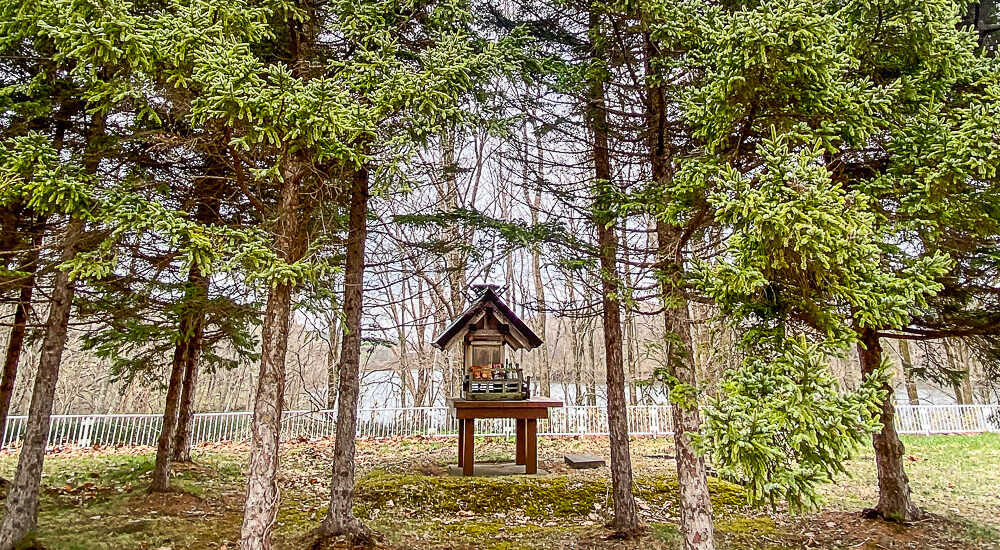
Kaitaku Shrine

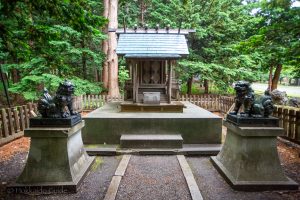
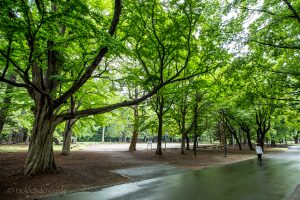
There are three main parks in the city of Sapporo, Odori park, Nakajima park, and Maruyama Park. Completed in 1957, Maruyama Park (known as Maruyama Koen) is a popular park, and is a great sightseeing spot, as it is home to almost a dozen shrines of various sizes. The largest and most popular of these being Hokkaido Shrine. In its large area of 68 hectares, you can also find Maruyama Zoo plus Maruyama sports stadium and baseball field. The entrance to the hiking track up Maruyama can be found across from Maruyama Park.


[the_ad id=”4264″]


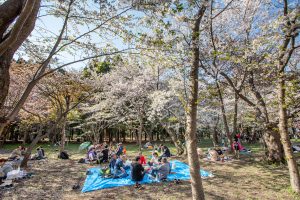
Cherry blossom season

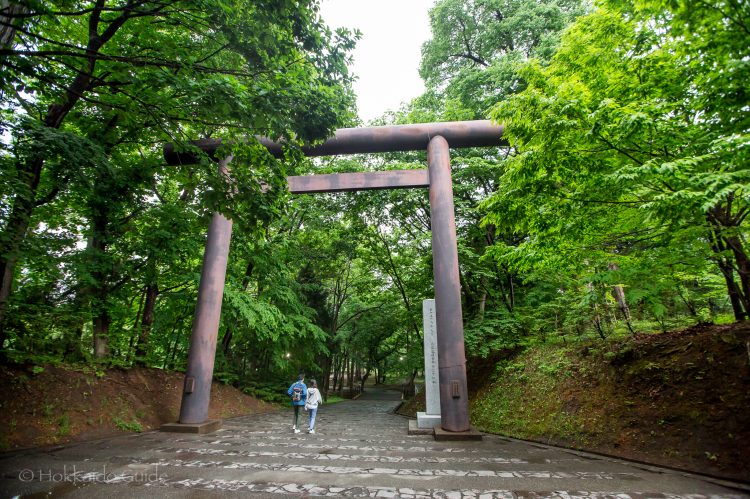
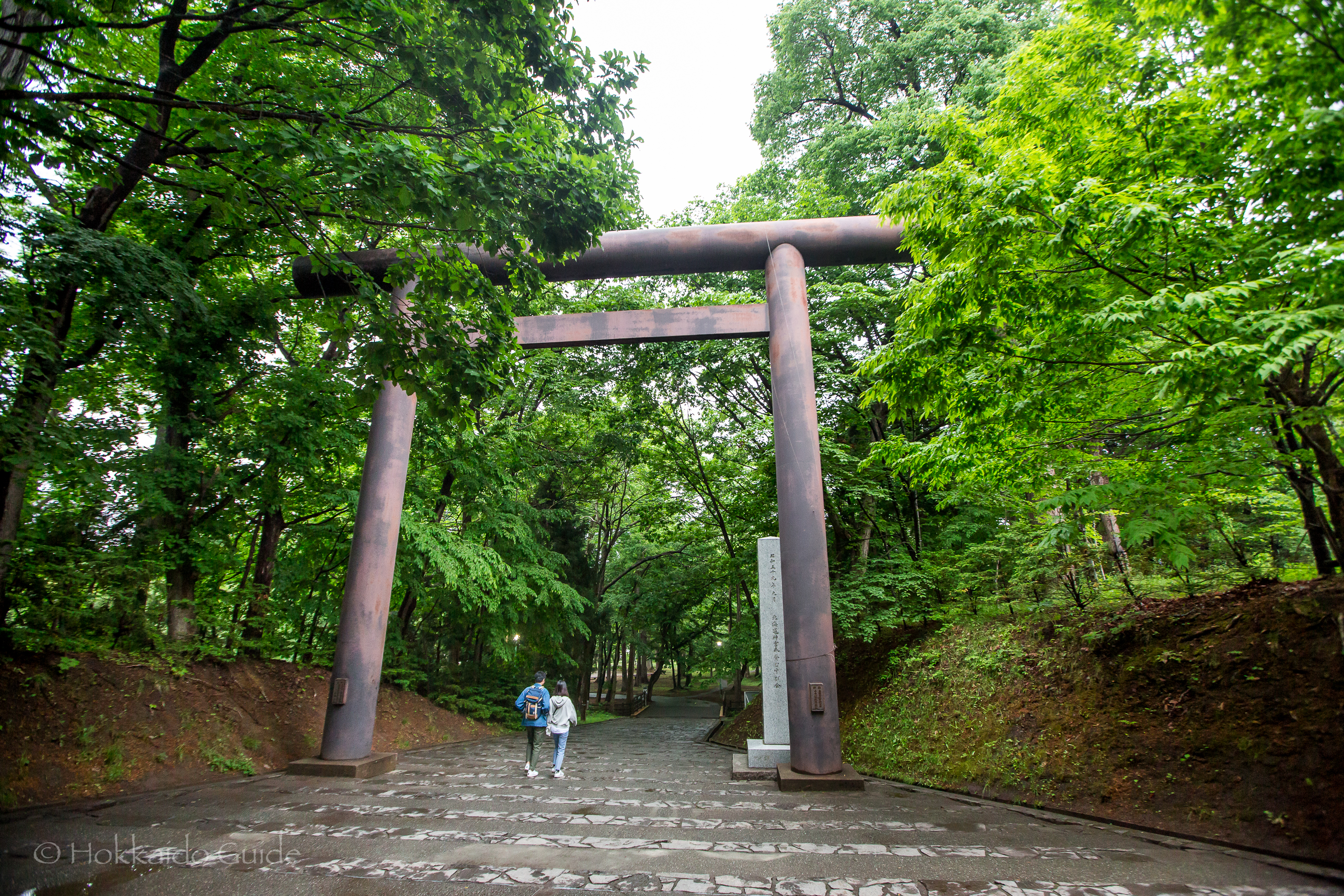
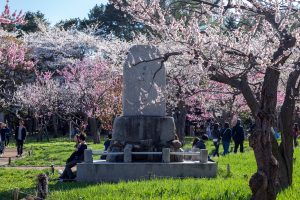
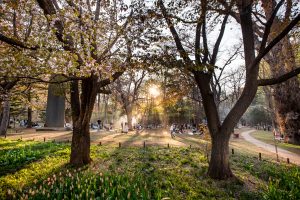
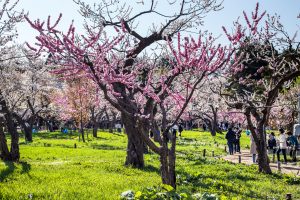
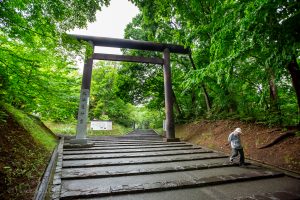
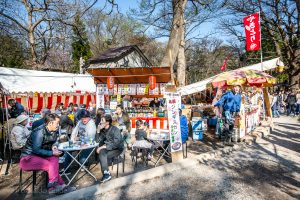
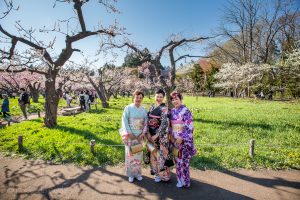
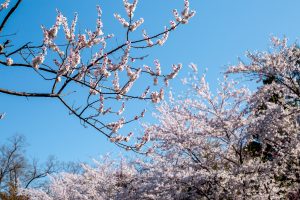
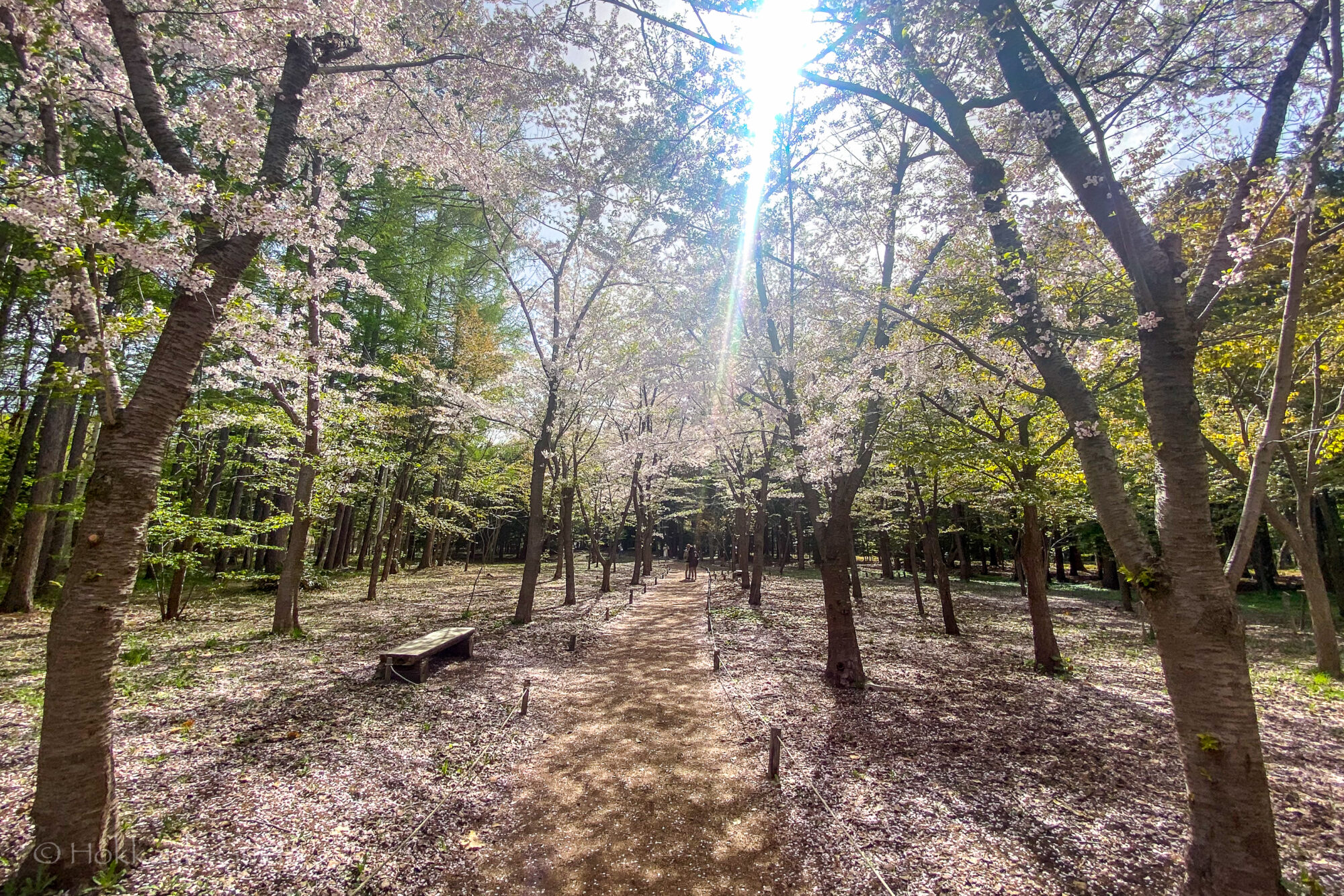
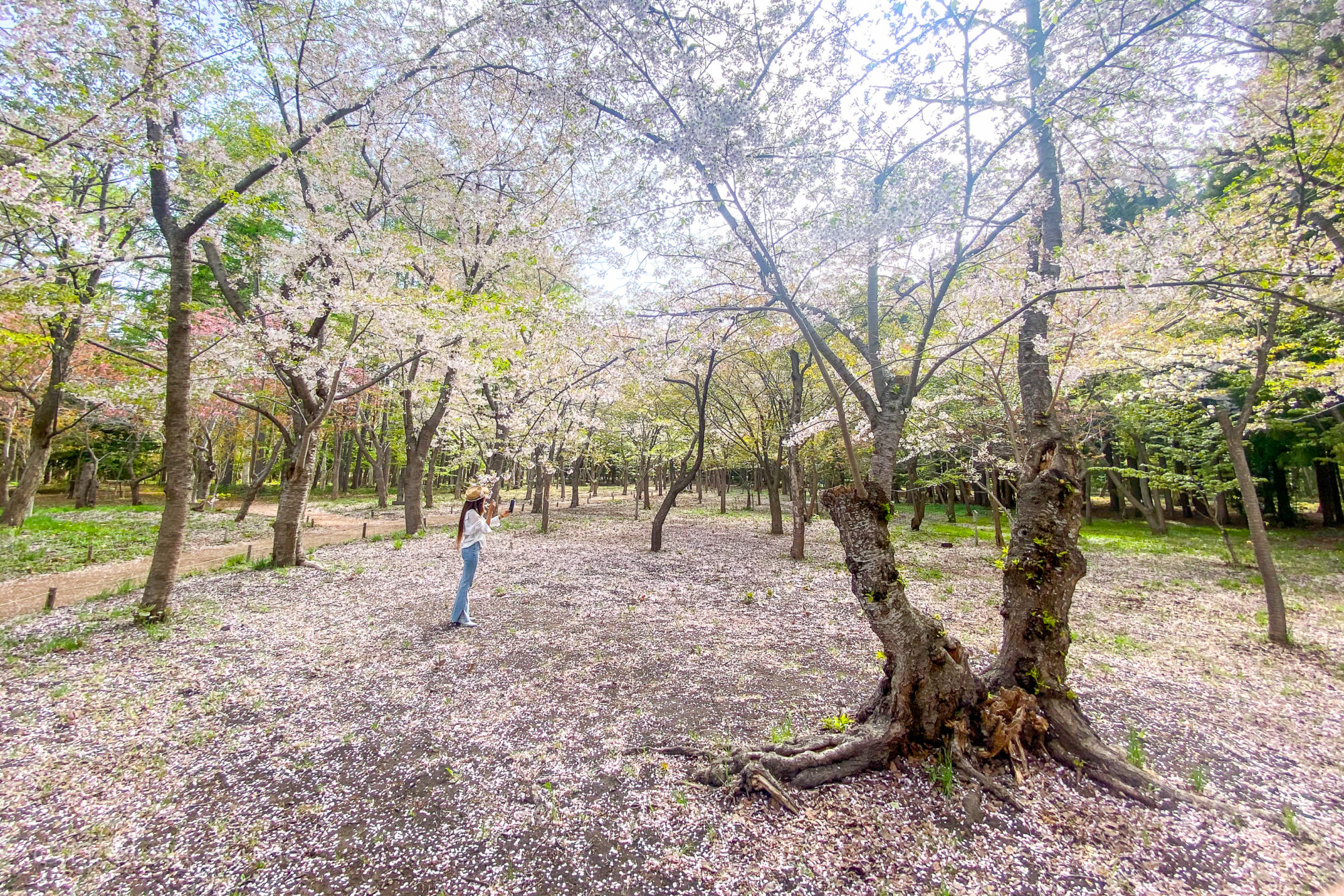
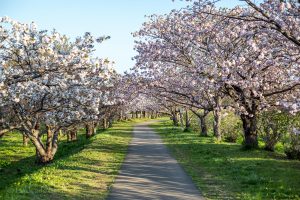
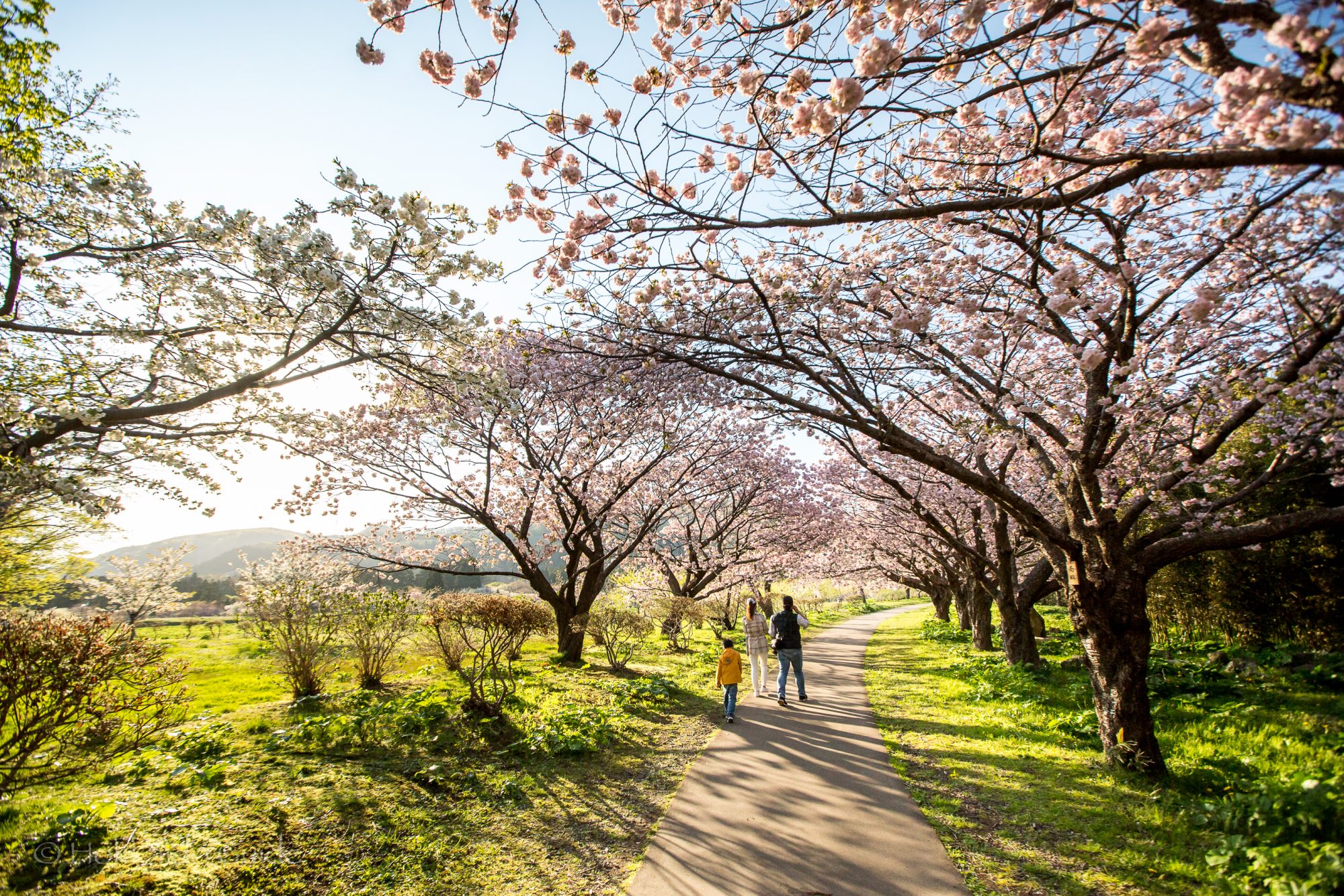
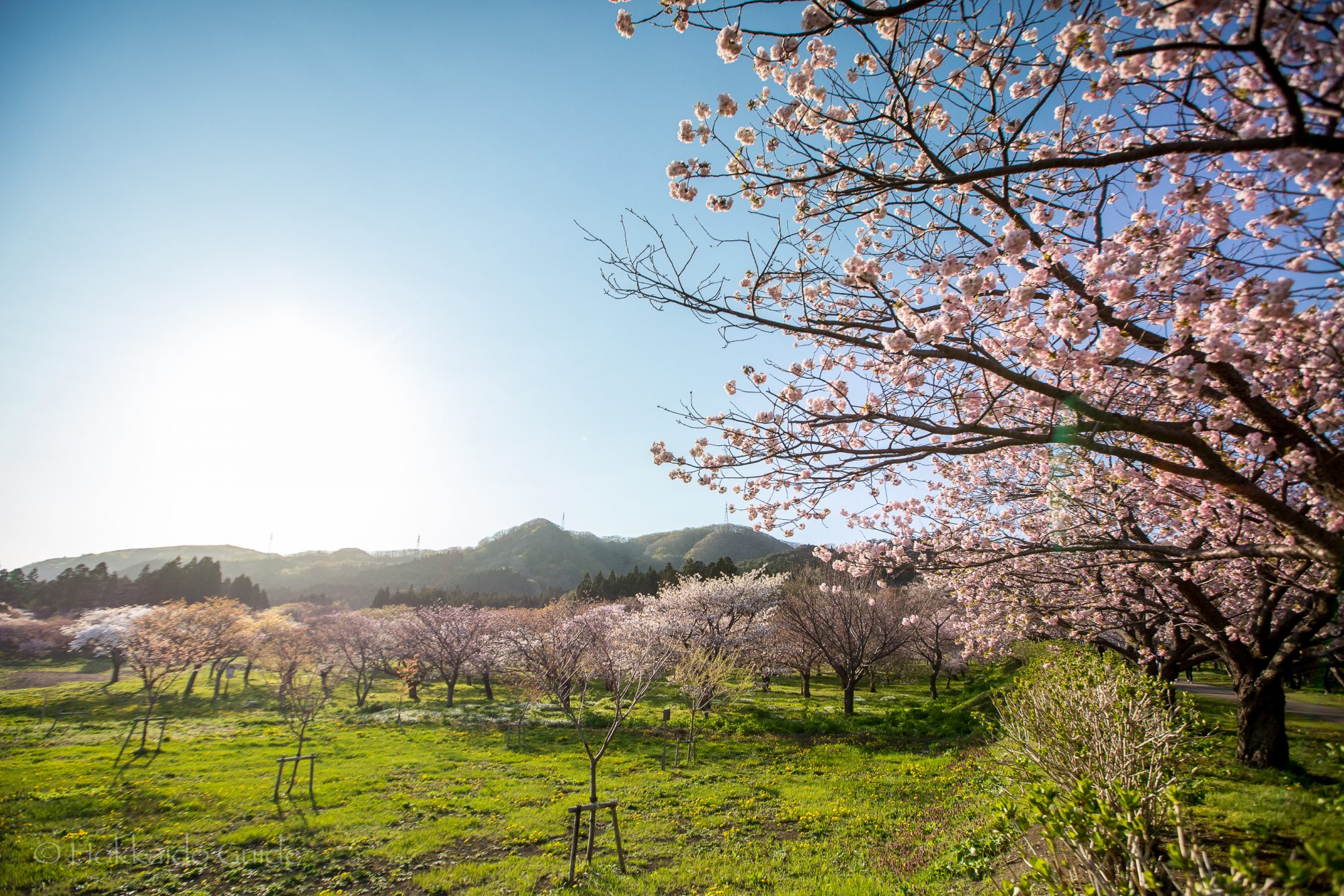
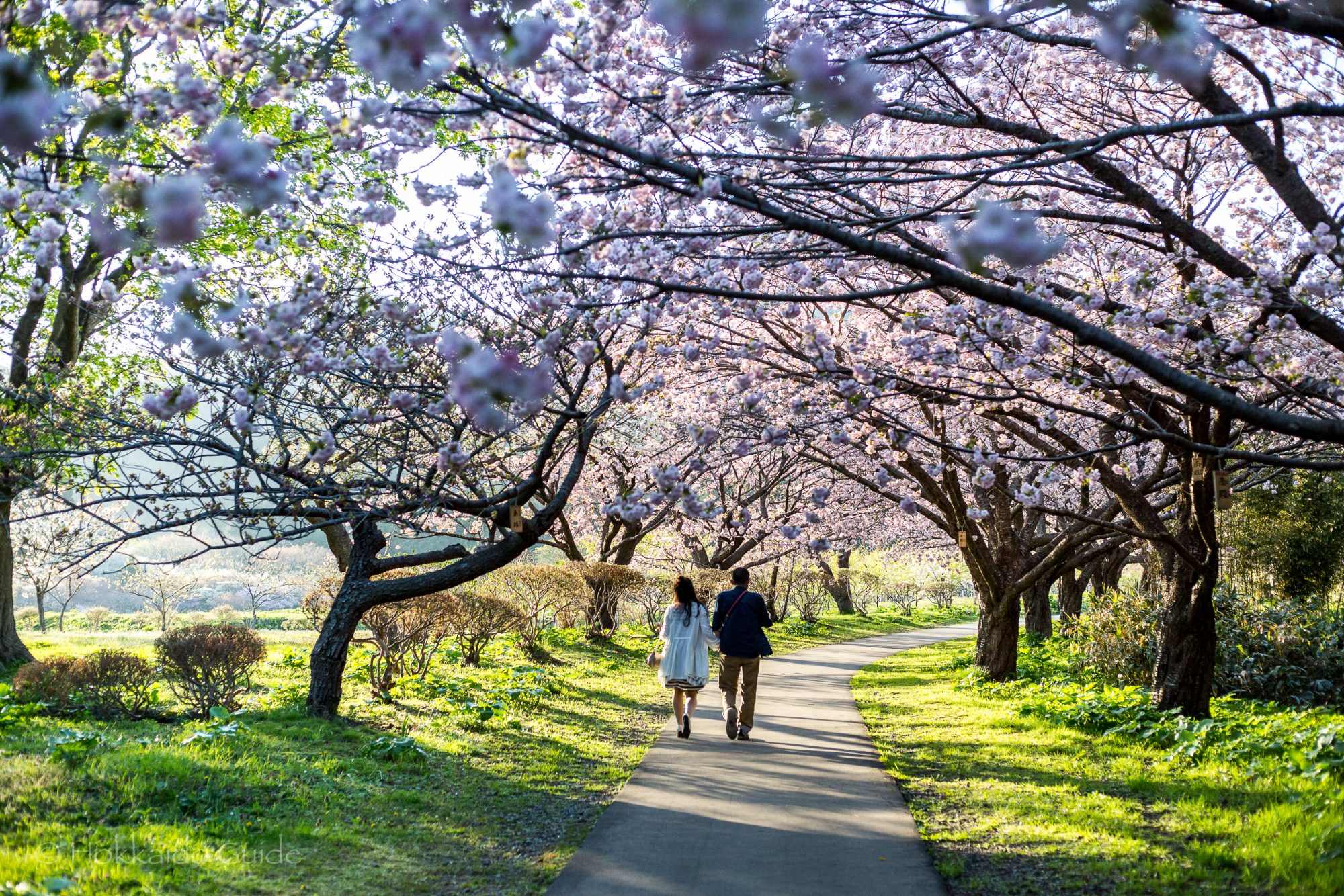
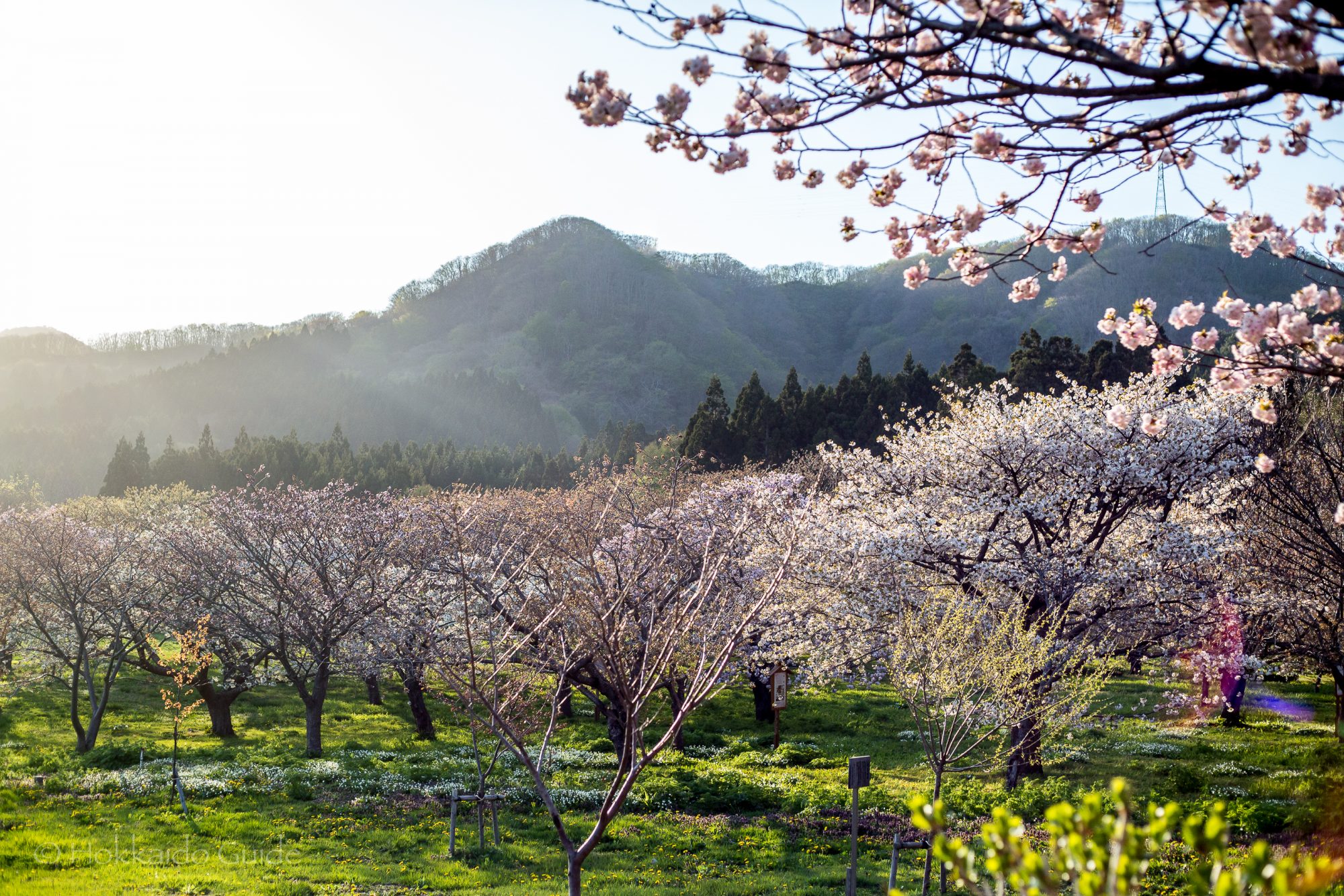
The park is beautiful in all seasons, though it is most popular during the cherry blossom season at the start of May. With over 1500 sakura trees, thousands of locals flock to the park and enjoy the hanami (cherry blossom festival). The park is divided into two main parts, the main entrance can be found at the lower section. Taking the stone stairways up and under the huge torii (Japanese gate) will bring you to most of the shrines, the cherry blossom trees during spring, and Hokkaido Shrine, and Maruyama Zoo.


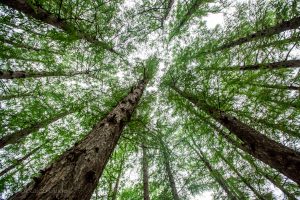
The park is a great spot to take a stroll, have a picnic, and take in the sights.The park contains virgin forest of various trees including Oak, Magnolia, Maple and Katsura (Japanese Judas tree). The park is a designated natural monument. and on the hillside of the park, there are giant Elm and Cypress trees.


Matsumae Park

松前城 松前城資料館

AdmissionFree admission
Opening HoursAll day
Closed-
Contact0139-42-2275
NotesParking available 175 cars, Toilets, Wheelchair access & toilets.
Matsumae Sakura Festival (late April-mid May)
Matsumae Ajisa Festival (early August)
Location /
Getting There
6 hour drive from Sapporo or 2 hour bus ride from Hakadote, get off at "Matsujo Bus Stop", 7 minutes on foot.
Matsujo, Matsumae-cho, Matsumae-gun, Hokkaido, Japan 049-1511


松前城 松前城資料館

The extensive Matsumae Park

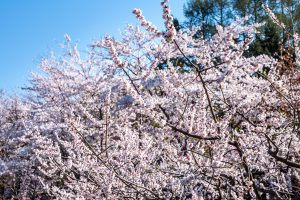
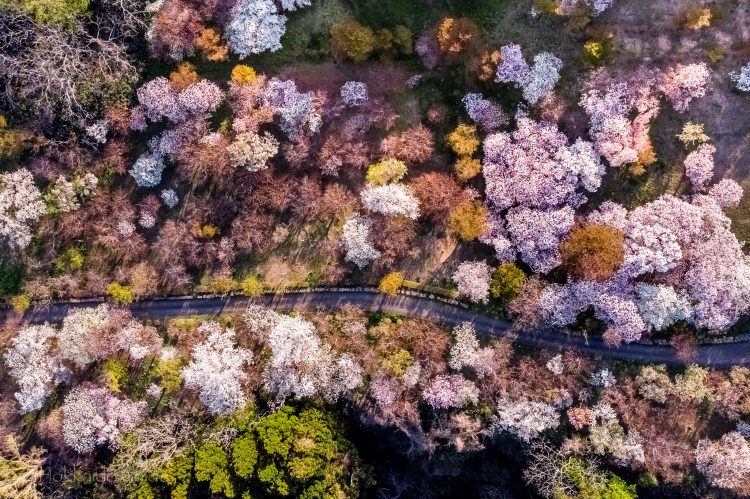
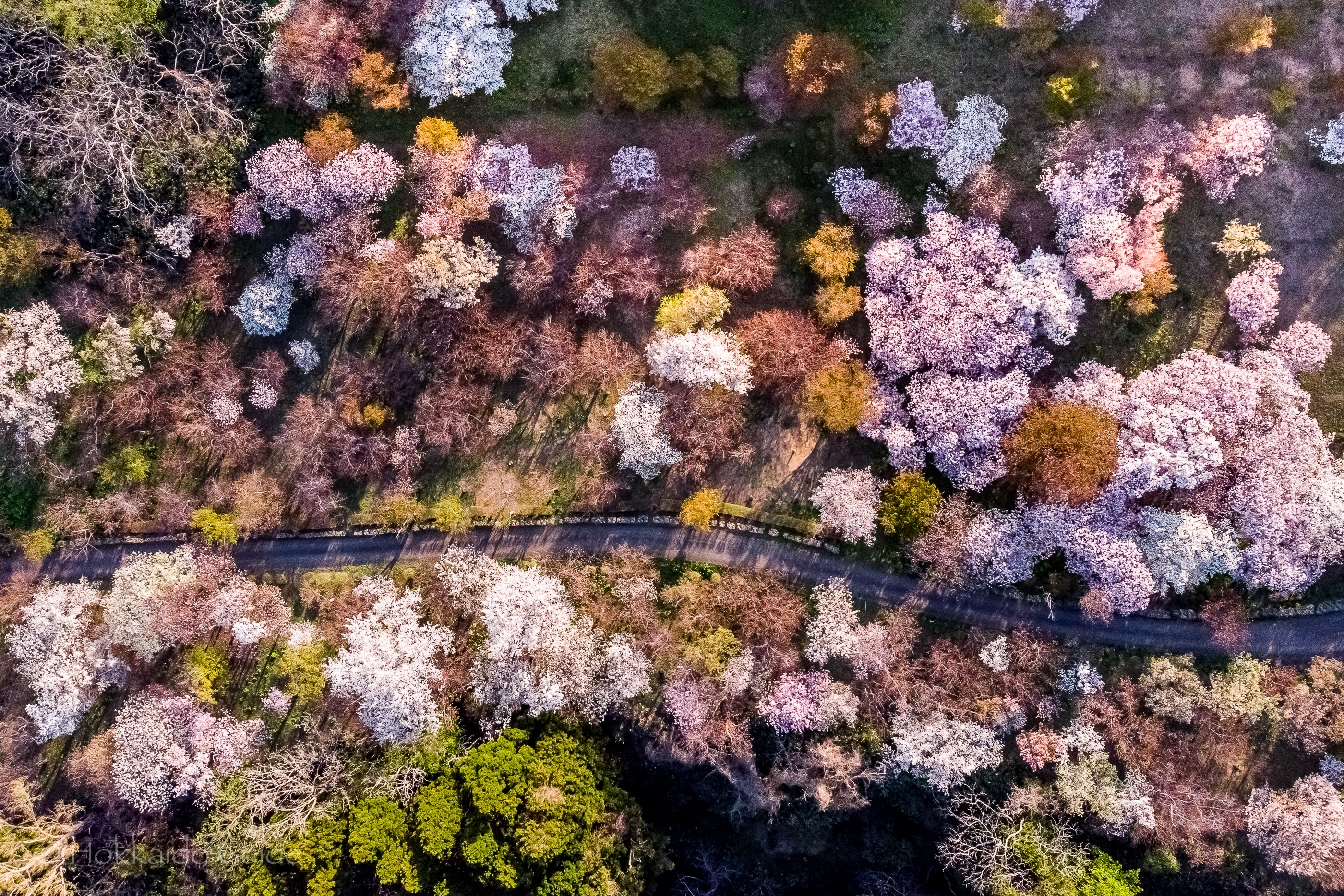
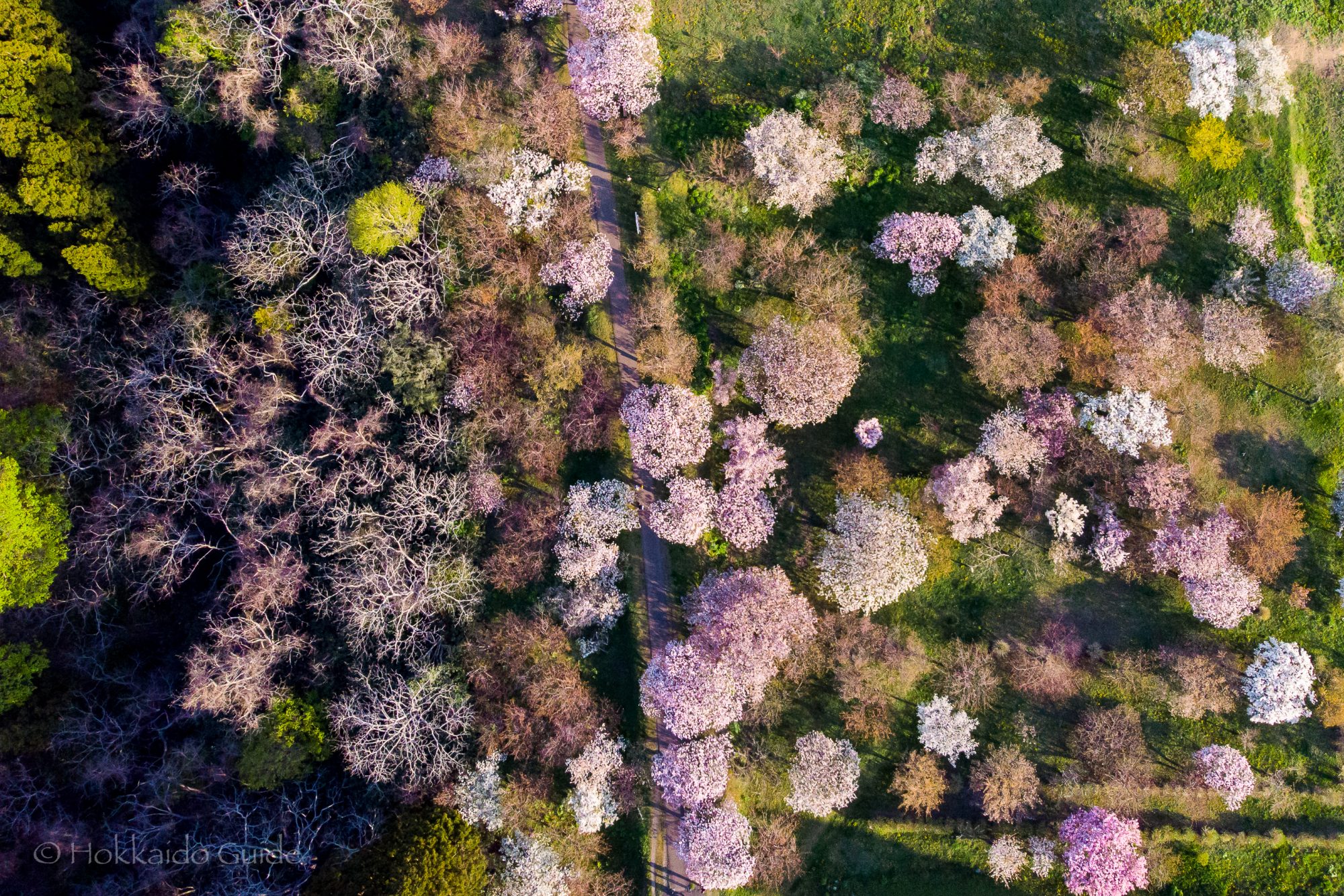
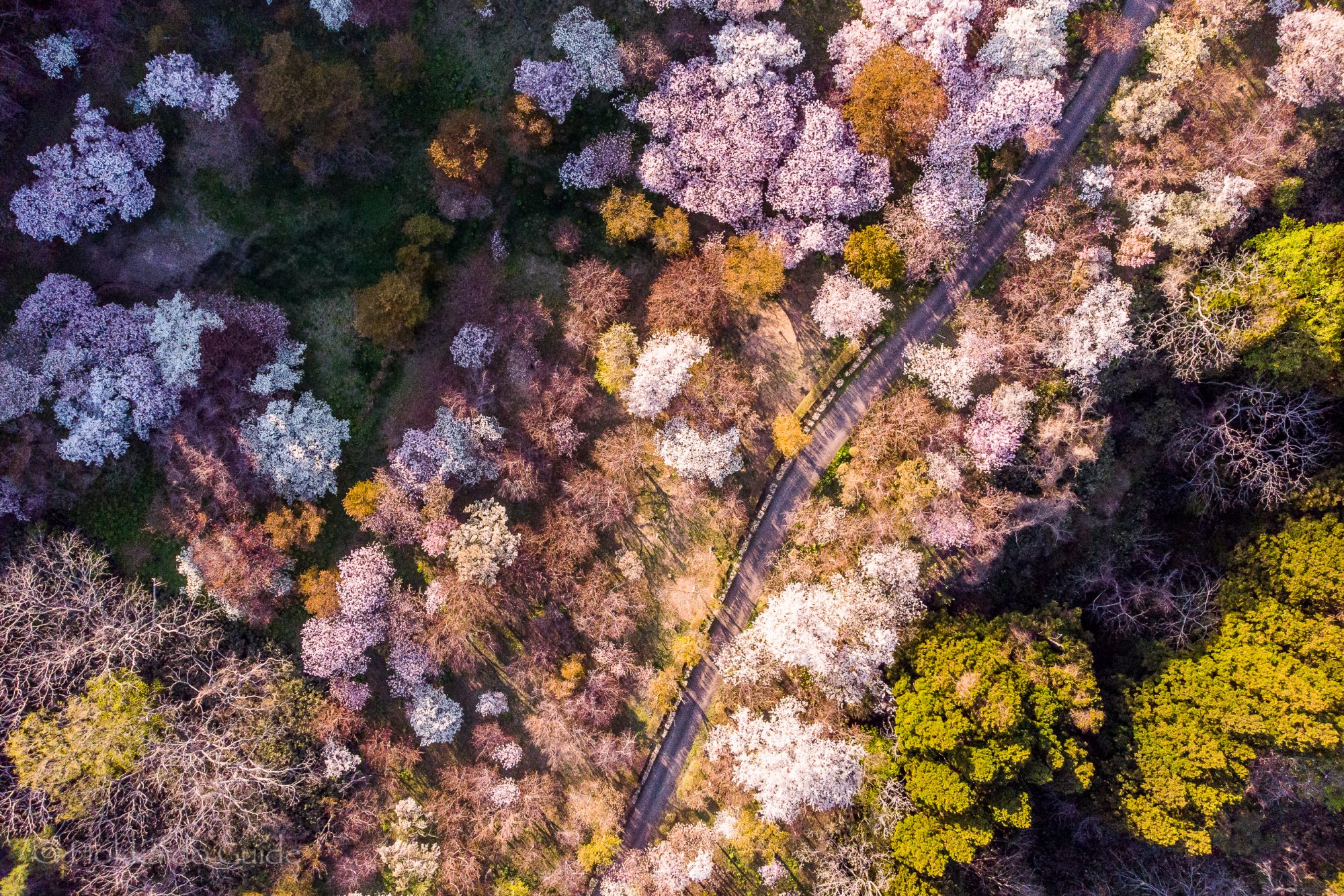
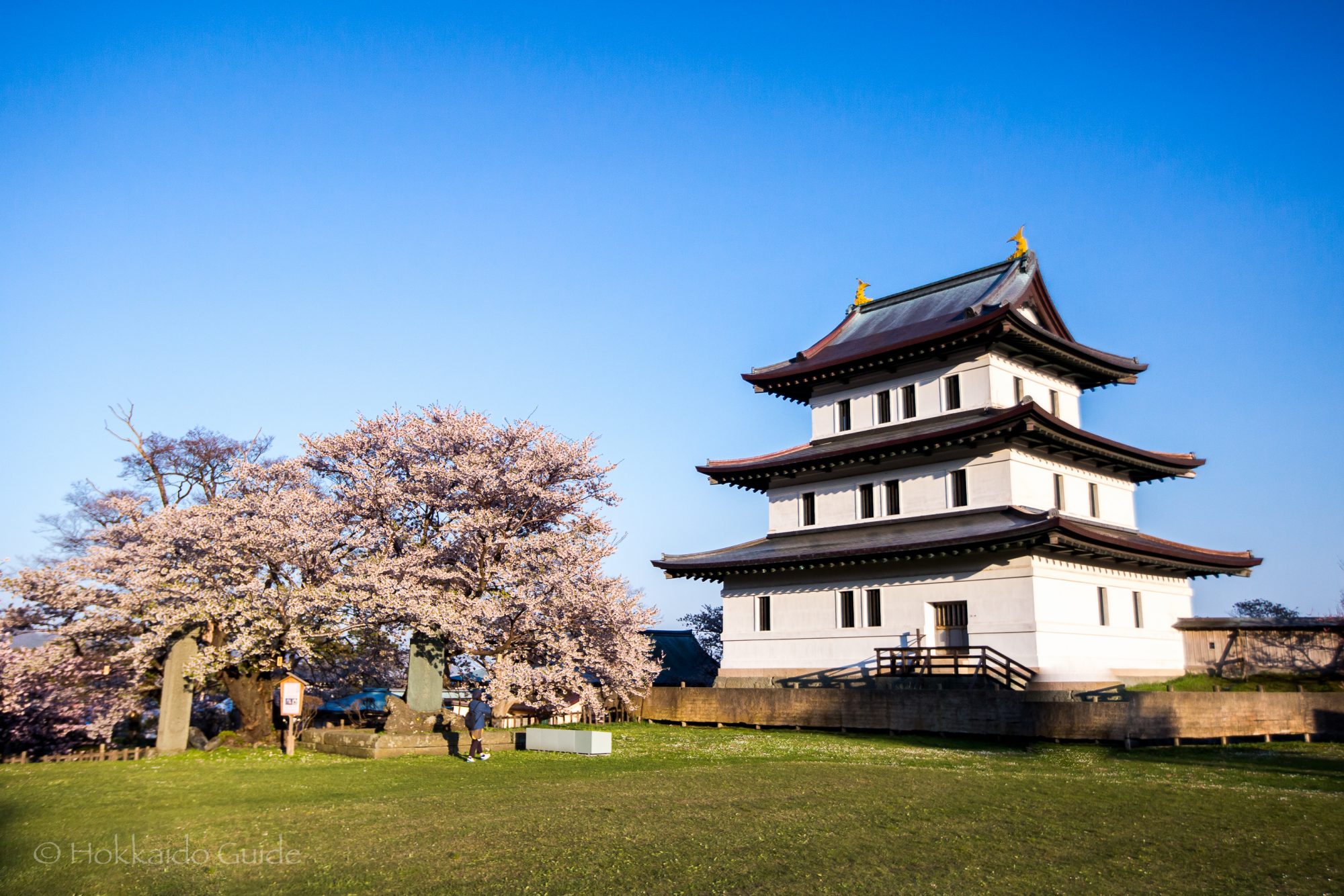
Mastumae Park is huge expanse of land that has a lot to see in it! The park itself is arguably most famous for its cherry blossoms that are in full bloom from late April to late May. The cherry blossom forest has 10,000 cherry trees consisting of 250 kinds of different cherry blossoms. It is the biggest collection of cherry blossoms in Hokkaido! Not only does the park hold these beautiful trees, but also there are many historical buildings to walk around. There is Matsumae Castle, Ryuun-in, the Matsumae Kashiwa Mansion, the Matsumae Lord Cemetery, plus around a dozen shrines and temples.


[the_ad id=”4264″]


松前

The path running through the park

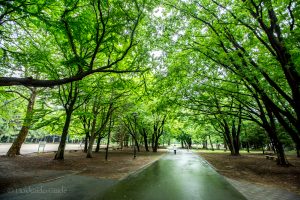
Besides the cherry blossoms the park has other flowers that bloom throughout the summer and spring. Camellias come out from April to May, dandelions & azaleas in mid-May. In early June, wisterias are in bloom, and from July you can see hydrangeas & roses in the park. There is a path that runs through all the way up to a second park at the back and to the base of the mountains. It is well worth a walk up as at the top you can enjoy great views looking over the whole of Matsumae Park and the Strait of Tsugaru. There are two festivals held in Matsumae park, the first is the Matsumae Sakura Festival which is held from late April to mid May. The second is the Matsumae Ajisa Festival in early August.


Shirogane Waterfall

Admission-
Opening HoursOpen 24 hours
Contact-
NotesSightseeing spot , Parking available, Rest rooms available
Location /
Getting There
Located along coastal road, route 231. West cost on Ishikari Bay. 1 hour 30 minute drive from Sapporo
Hamamasuku Ofuyu, Ishikari, Hokkaido 077-0351


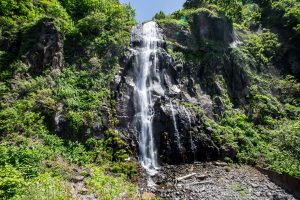
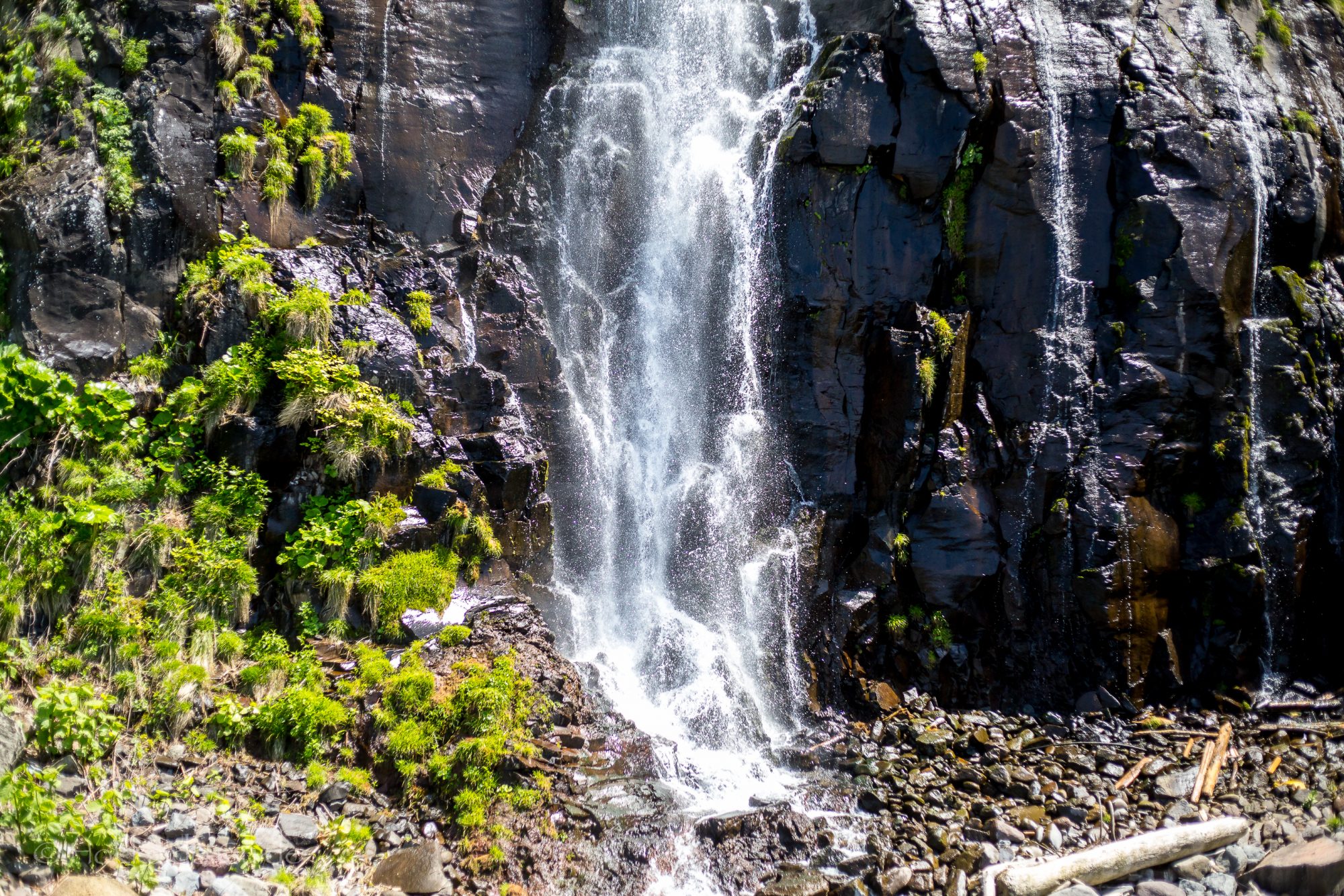
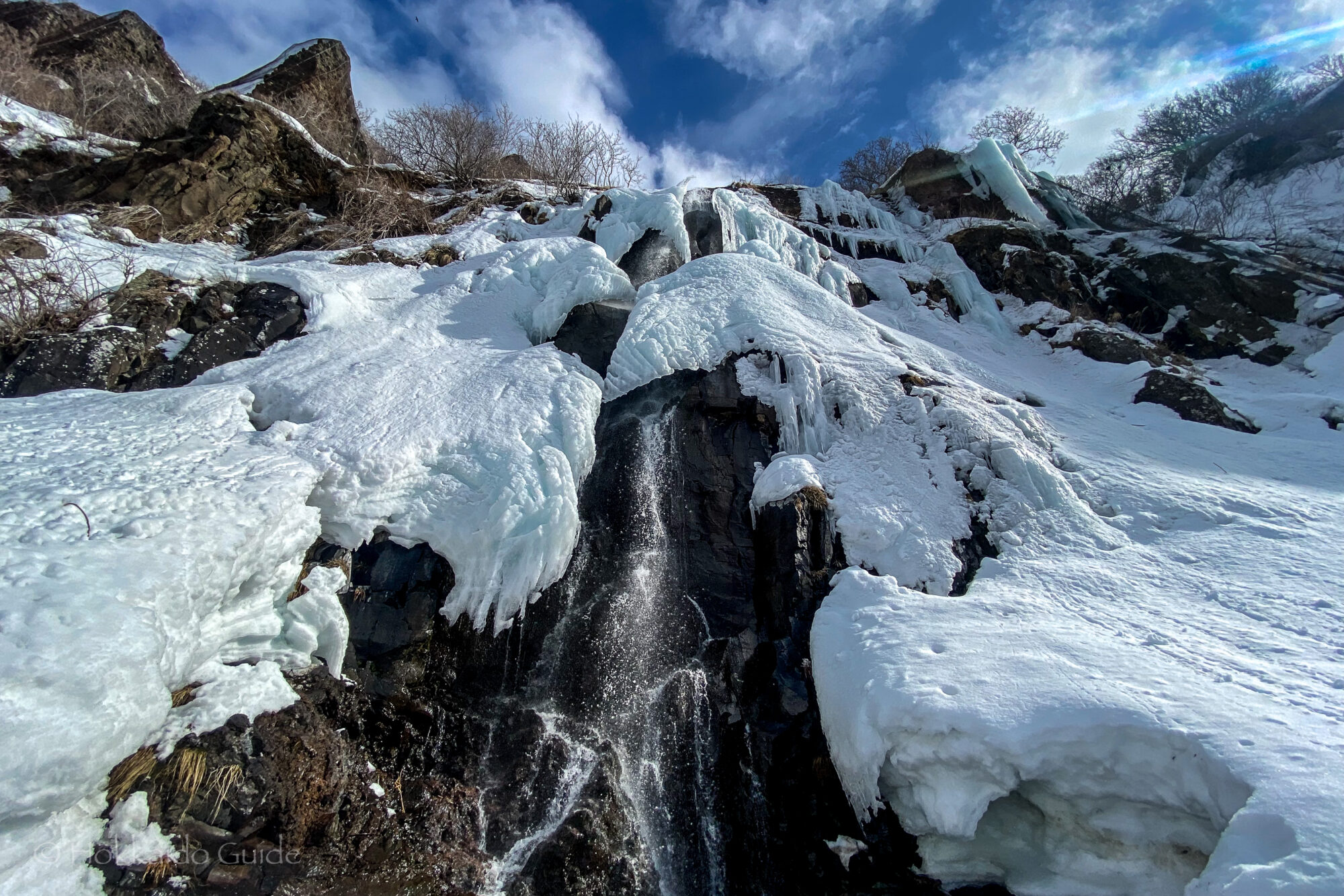
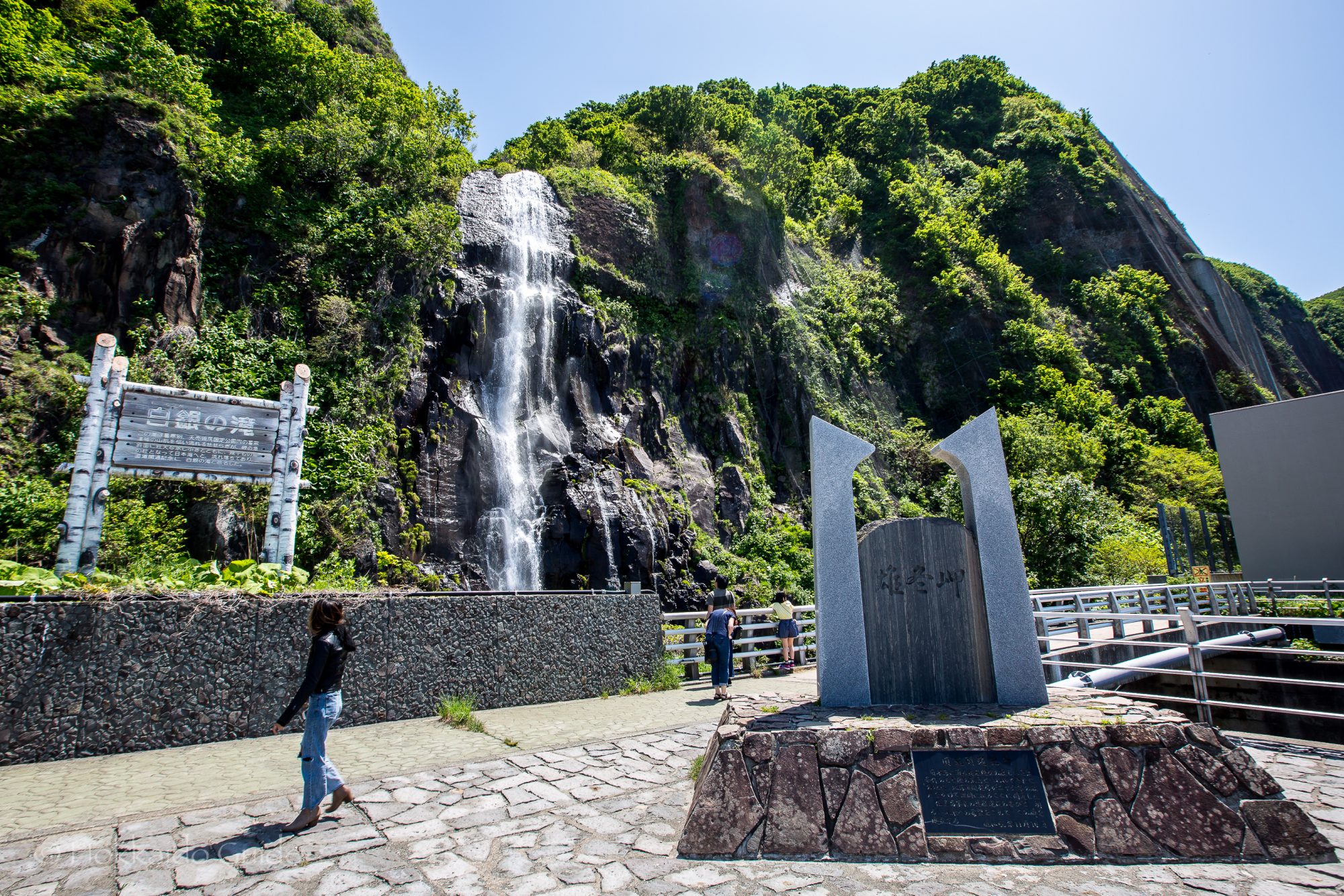
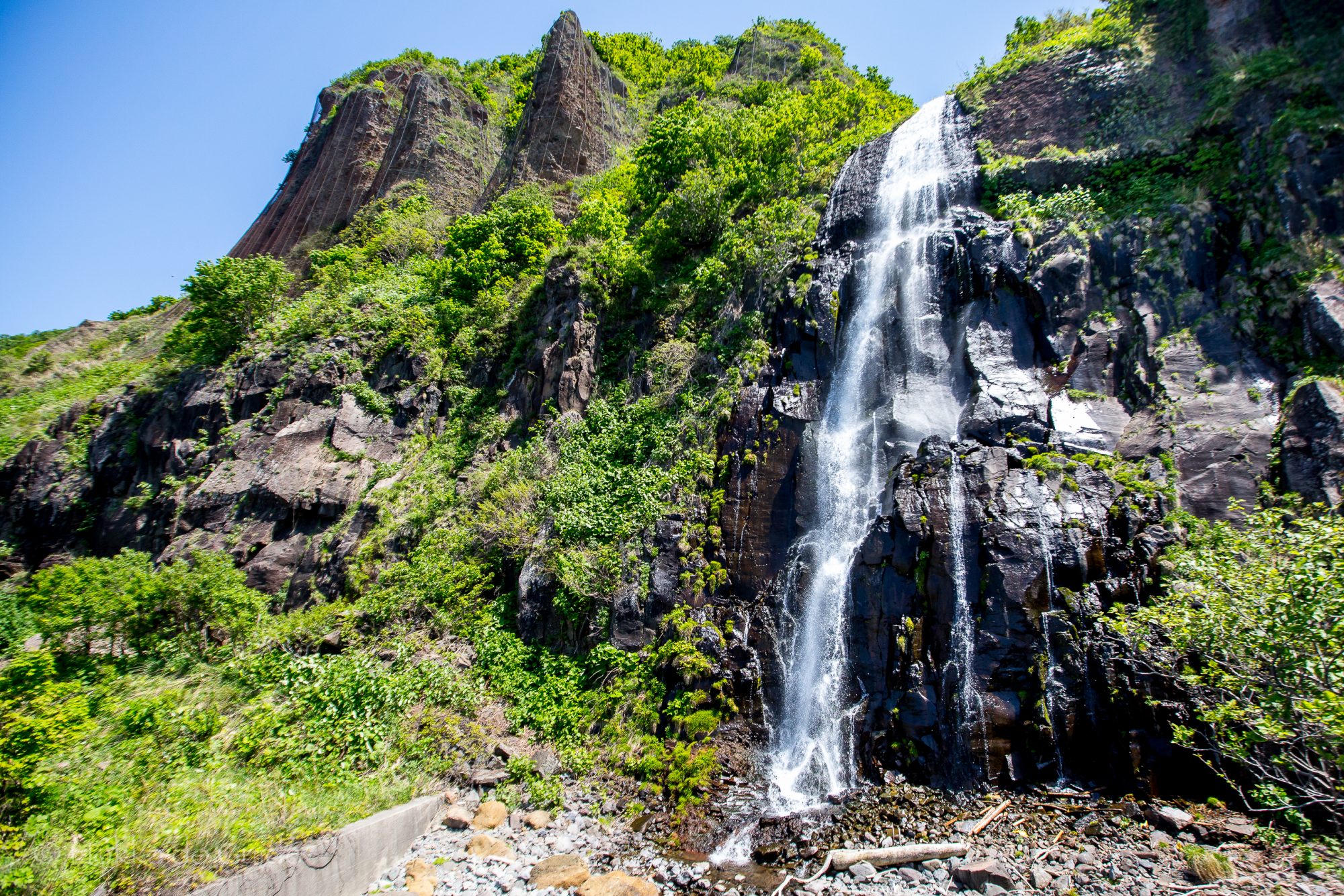
White Silver Waterfall

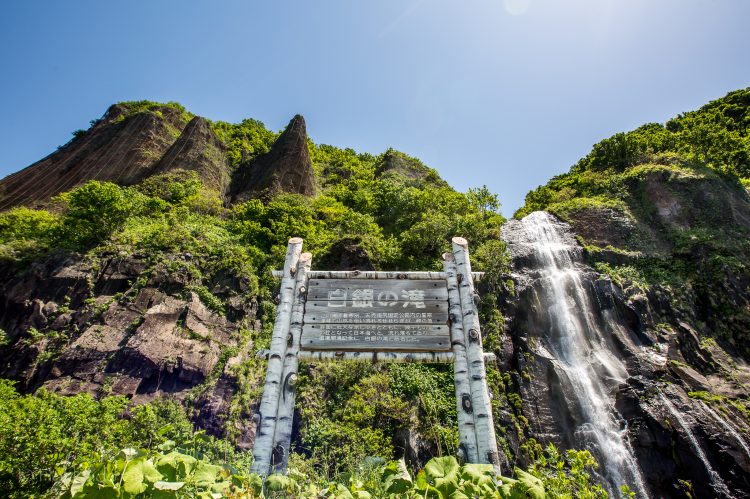
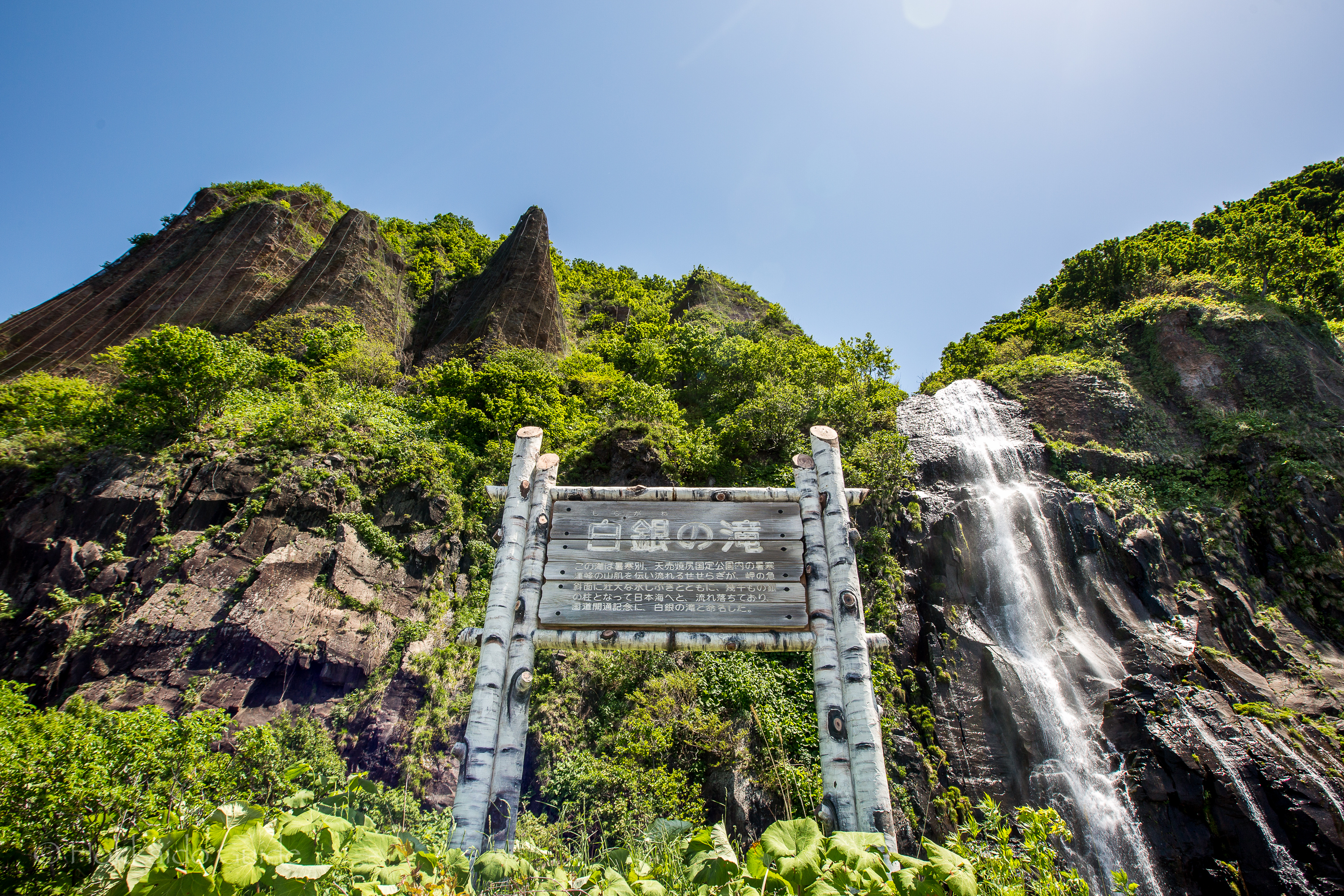
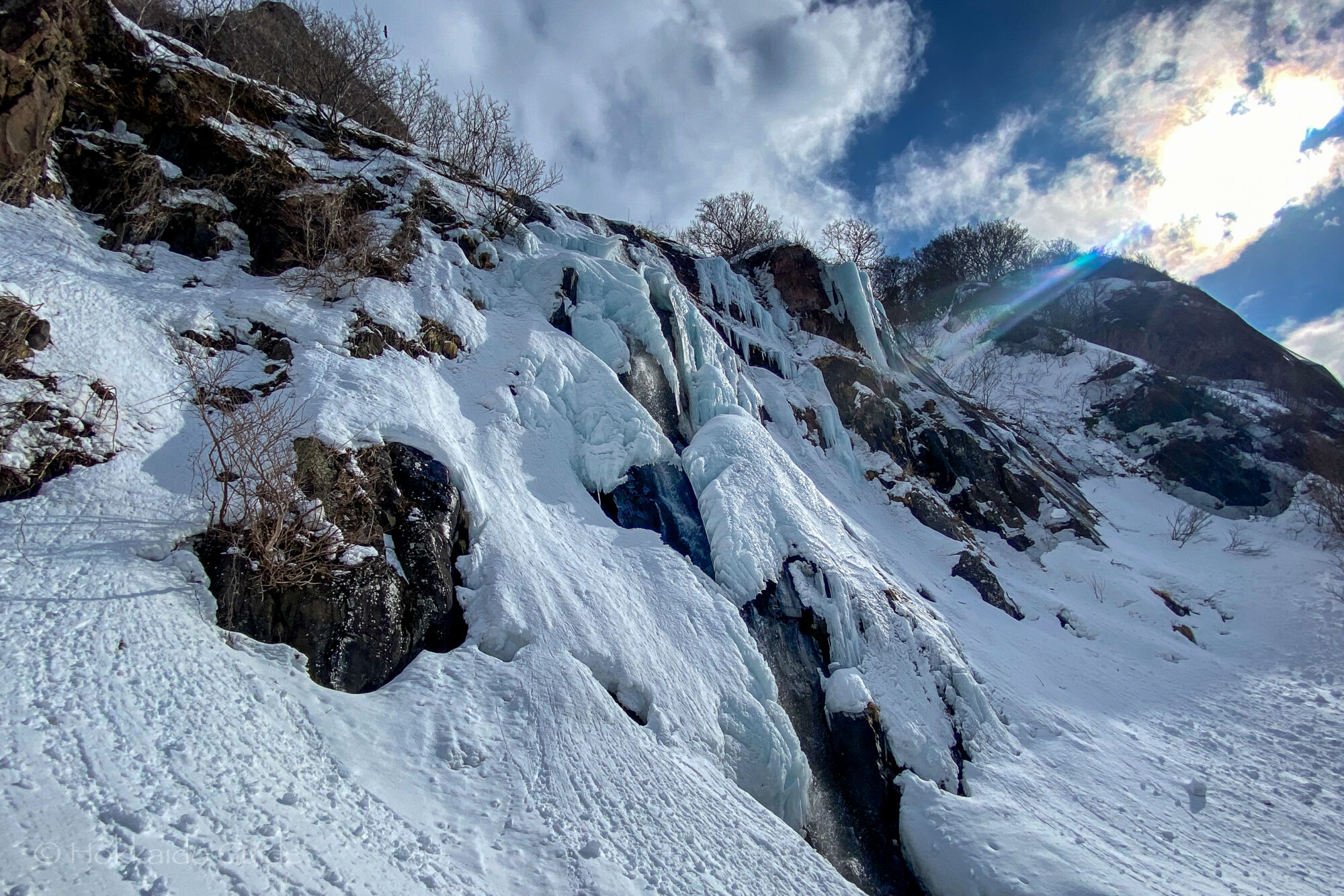
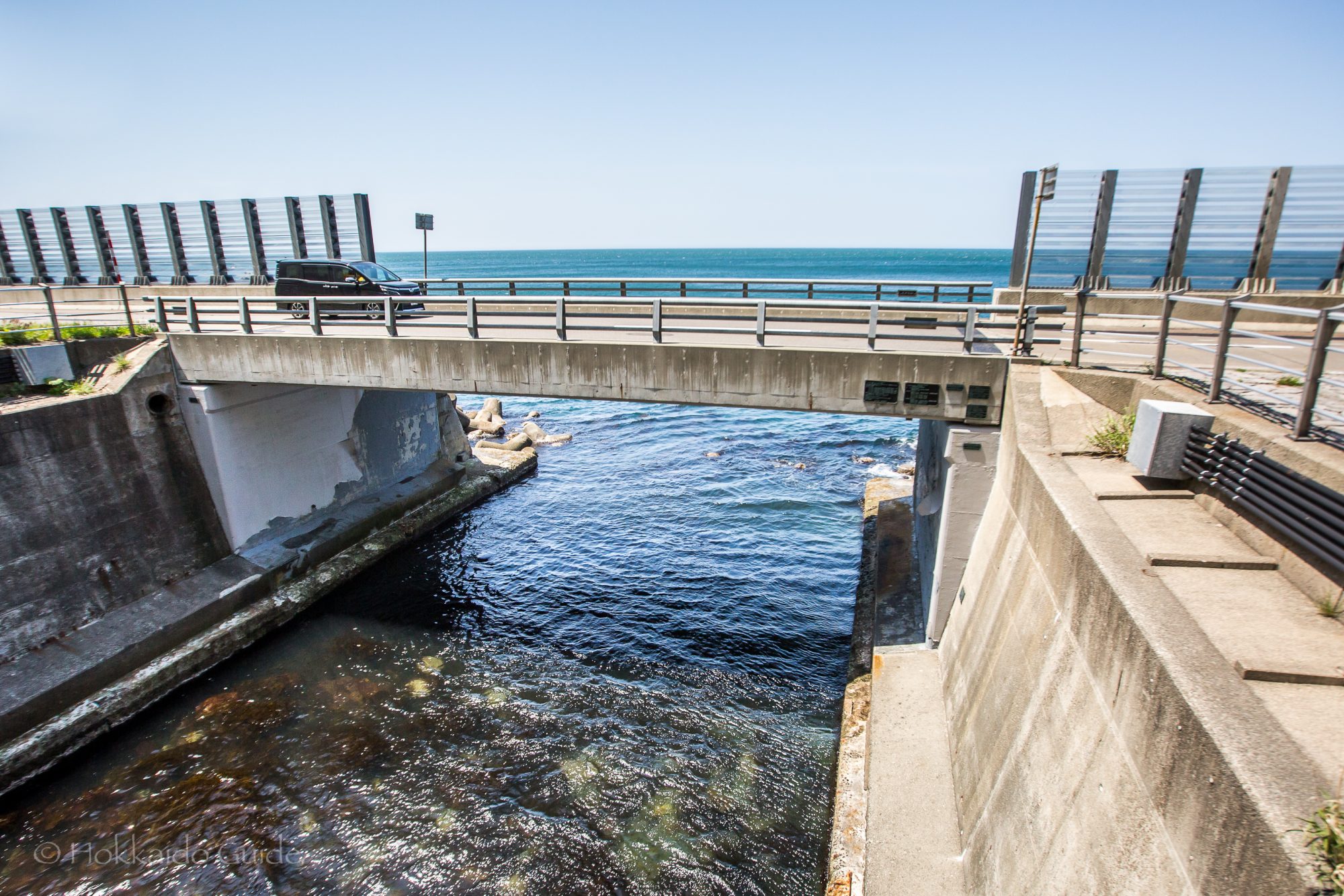
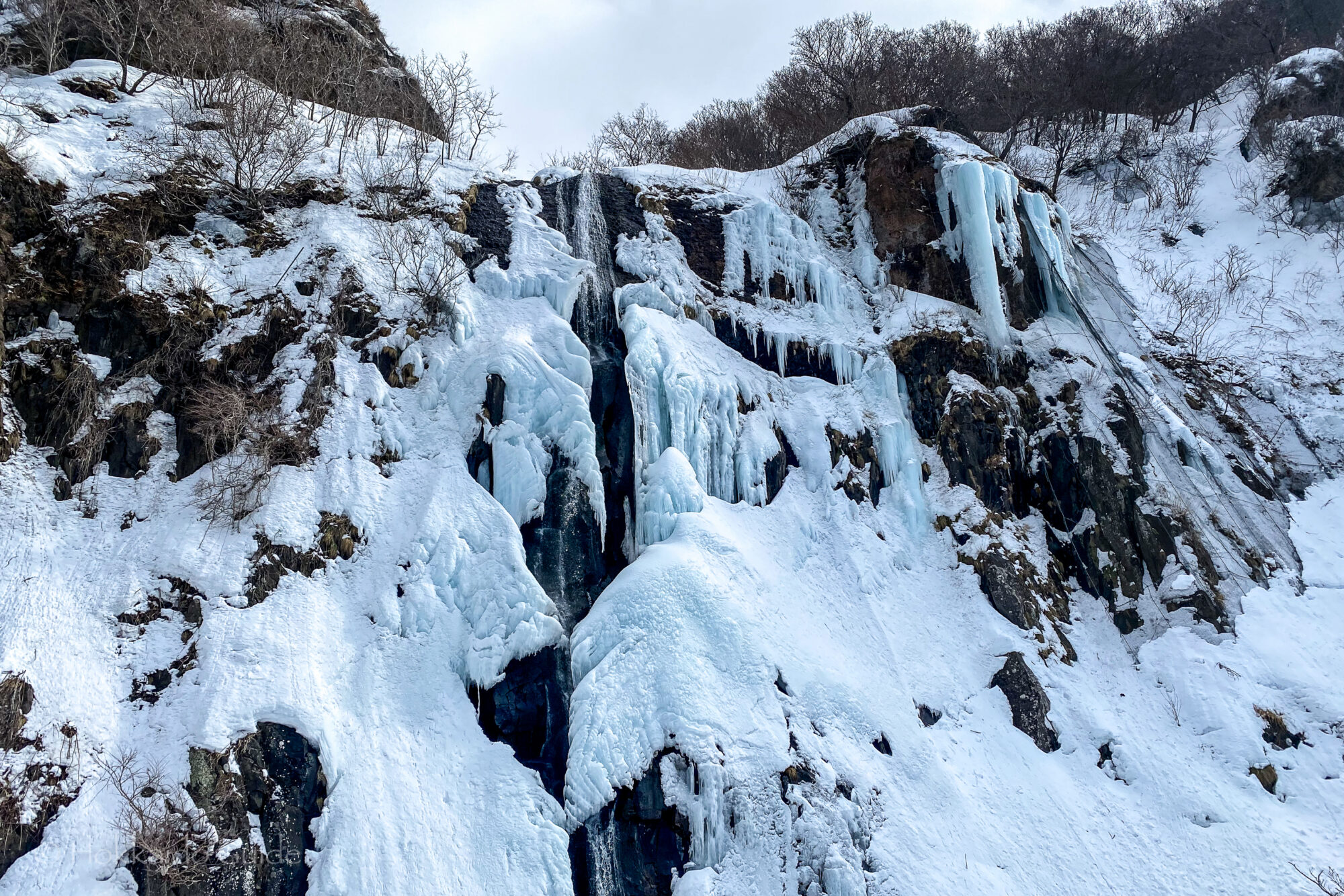
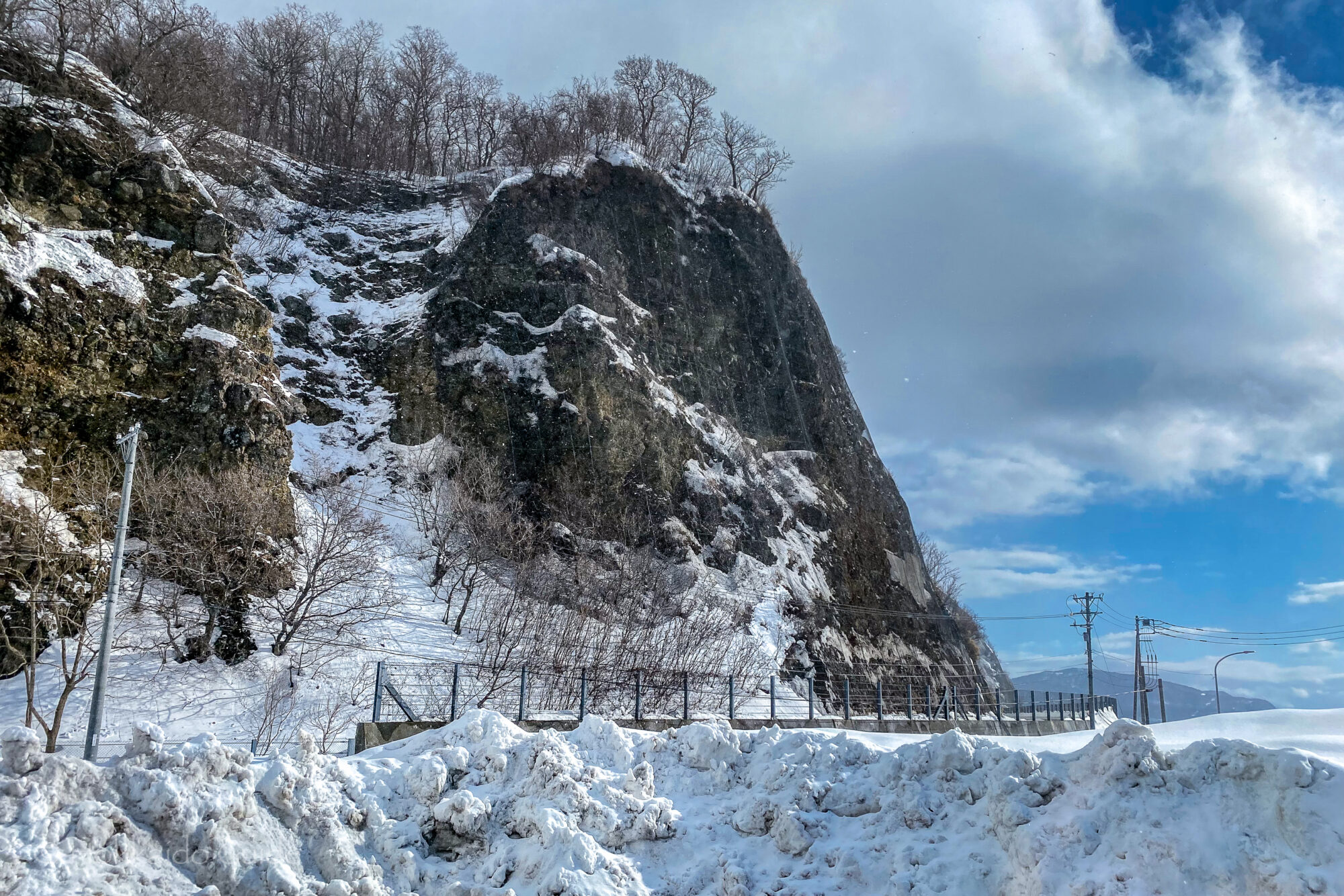
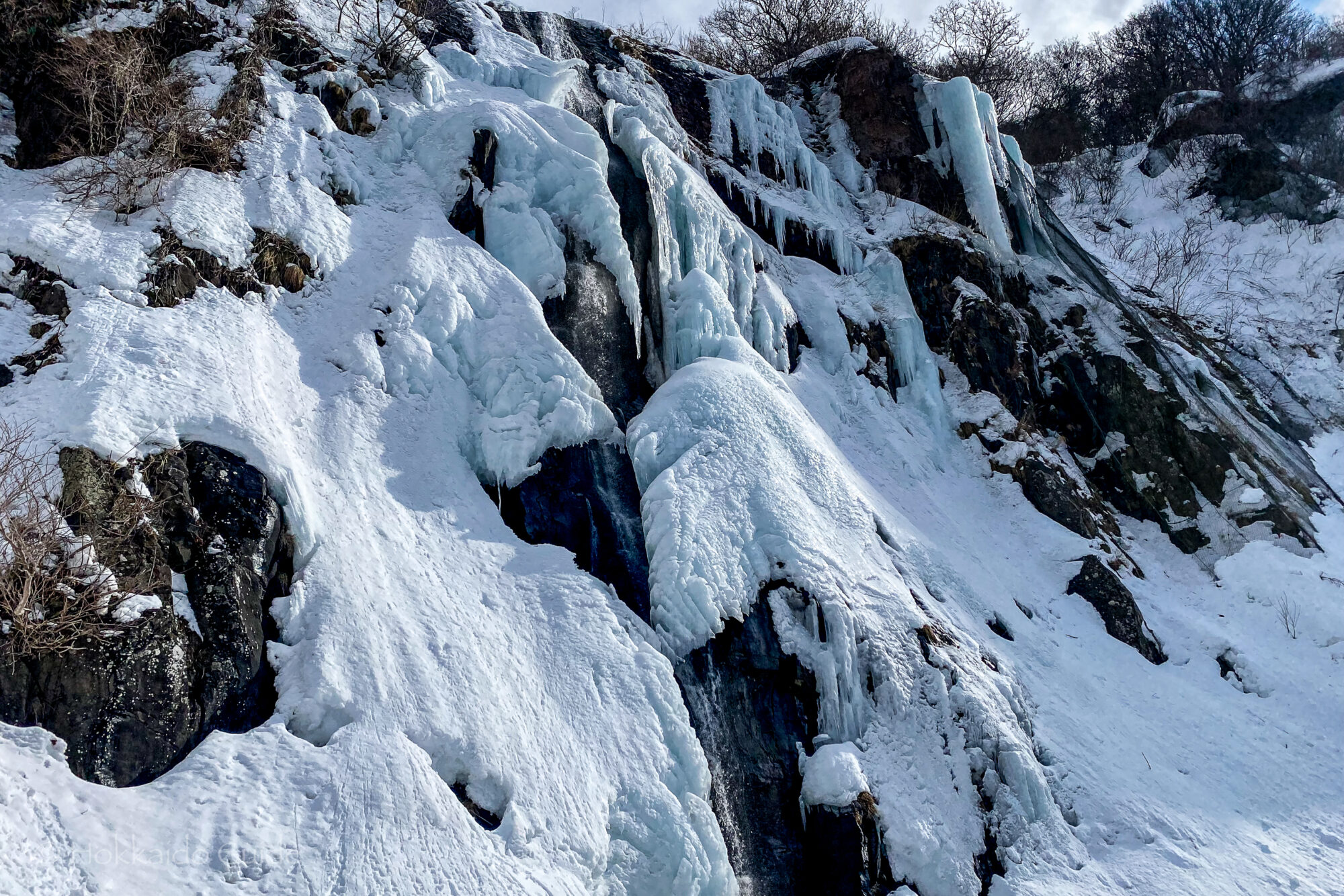
On the west coast of Hokkaido, from Ishikari bay all the way up, to Rumoi and up further to the north of Hokkaido, there is a beautiful coastal drive that you can take. The coastal road on route 231, winds its way along, hugging the cliffs with the ocean lapping at its side. Along the way, there are plenty of places to stop and take a break. The Shiragane Falls, translated to the ‘White Silver Waterfall’ is one of these spots, where you can take a break, stretch the legs and take a look at the waterfall as it spills its way into the ocean below.


[the_ad id=”4264″]

Relaxing spot

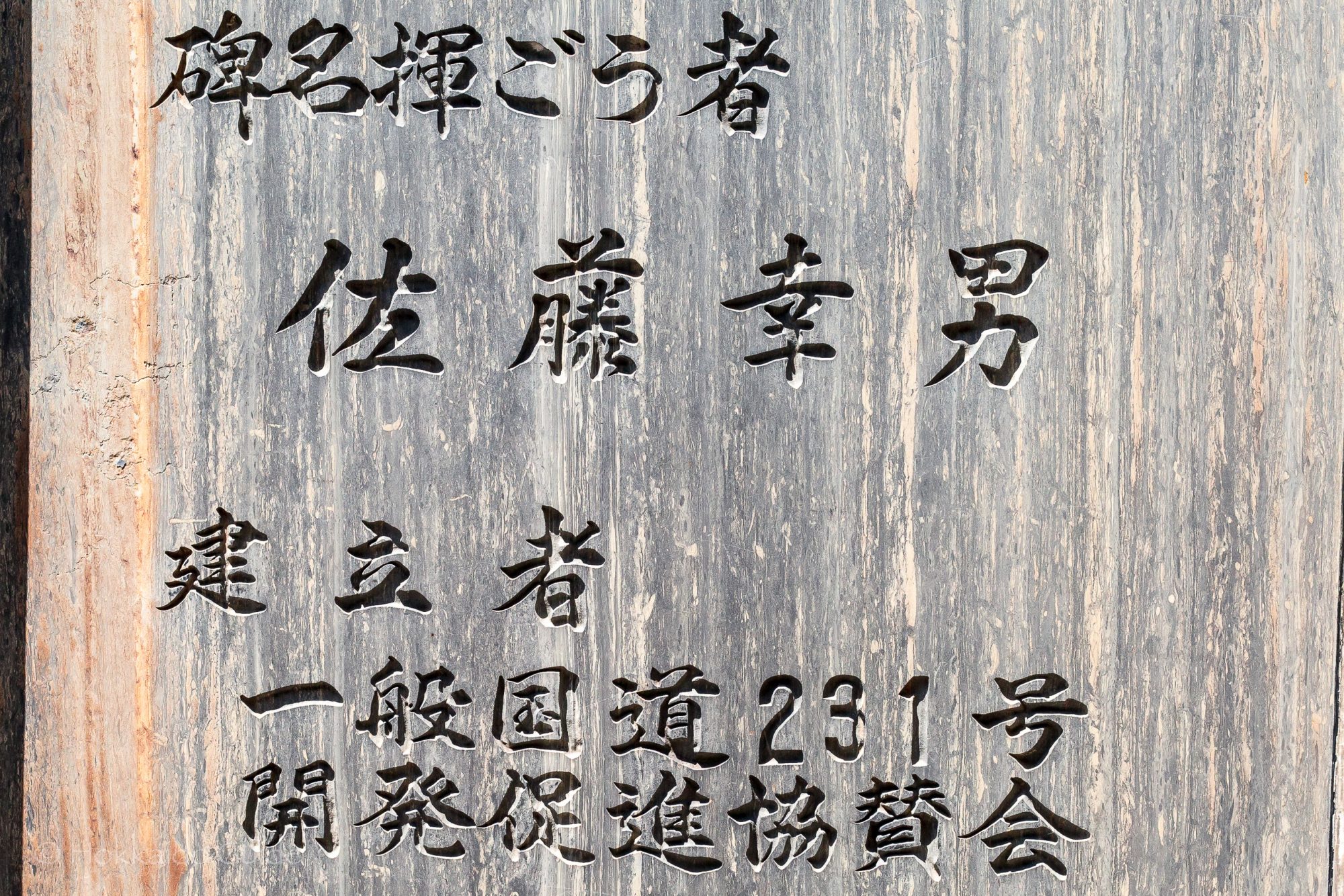
The falls are found at Cape Ofuyu and measure at thirty meters. In November 1977, Route 231 was opened, and to celebrate this achievement a monument was built. The monument can be found here at the Shiragane Waterfall. There is free parking available here, and the entrance can be found just after coming out of the Yutosu Tunnel (if coming from the Sapporo direction). The name meaning ‘White Silver’ is said to come from the silver splash that is reflected in the sunlight. It is a nice little spot, as the waterfall flows on one side, and the ocean can be found on the other.


Shiroi Koibito Park

AdmissionFree
Opening Hours9:00 - 18:00
Closed-
Contact011-666-1481
https://www.shiroikoibitopark.jp/
NotesChocolate factory, Chocolate shops,
Wheelchair access, Restaurant inside,
Free parking available for 130 cars
Location /
Getting There
By subway 7 minutes on foot : Get off subway at Tozai Line Miyanosawa Station ・ (about 20 minutes from Odori Station) on foot (7 minutes)
By bus 5 minutes on foot : From JR Sapporo Ekimae Bus Terminal (for Otaru) ・ Get off at "Nishimachi Kita 20-chome"
By car 25 minute drive from central Sapporo
2-chōme-11-36 Miyanosawa 2 Jō, Nishi-ku, Sapporo-shi, Hokkaidō 063-0052


白い恋人パーク

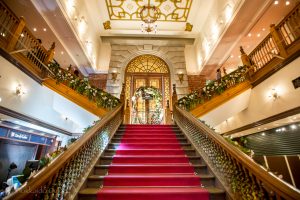
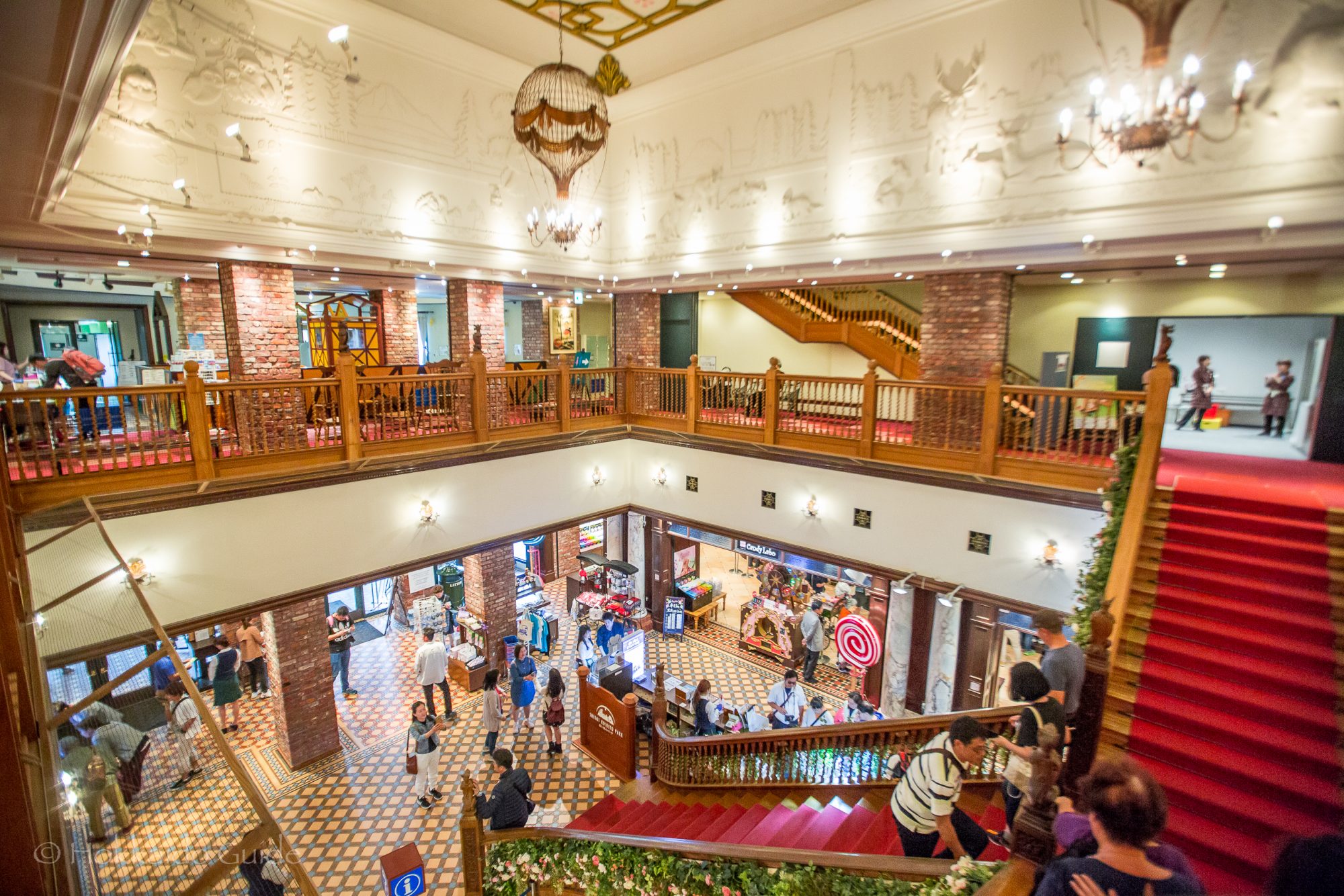
Famous staircase inside

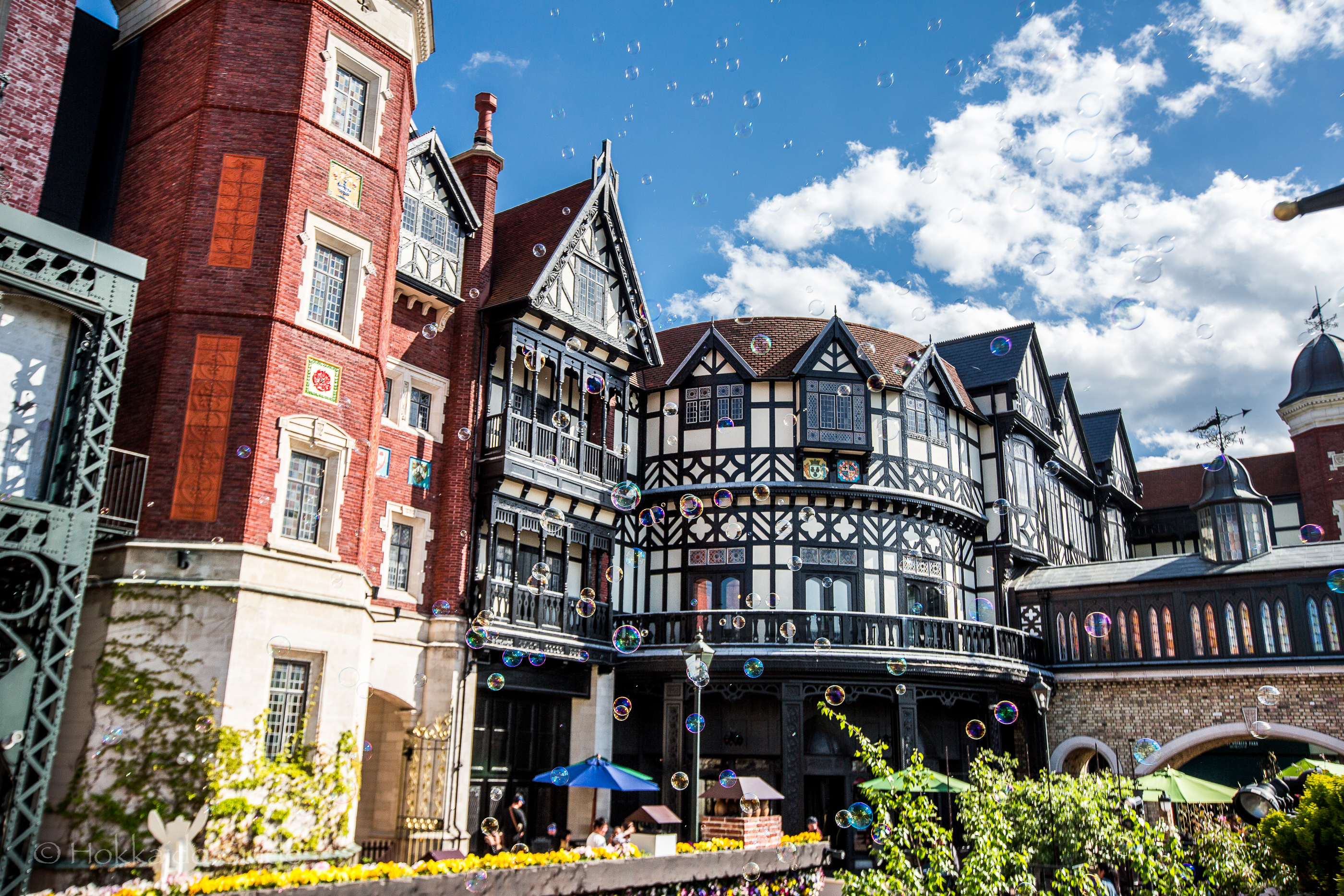
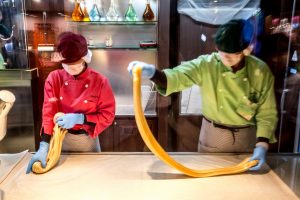
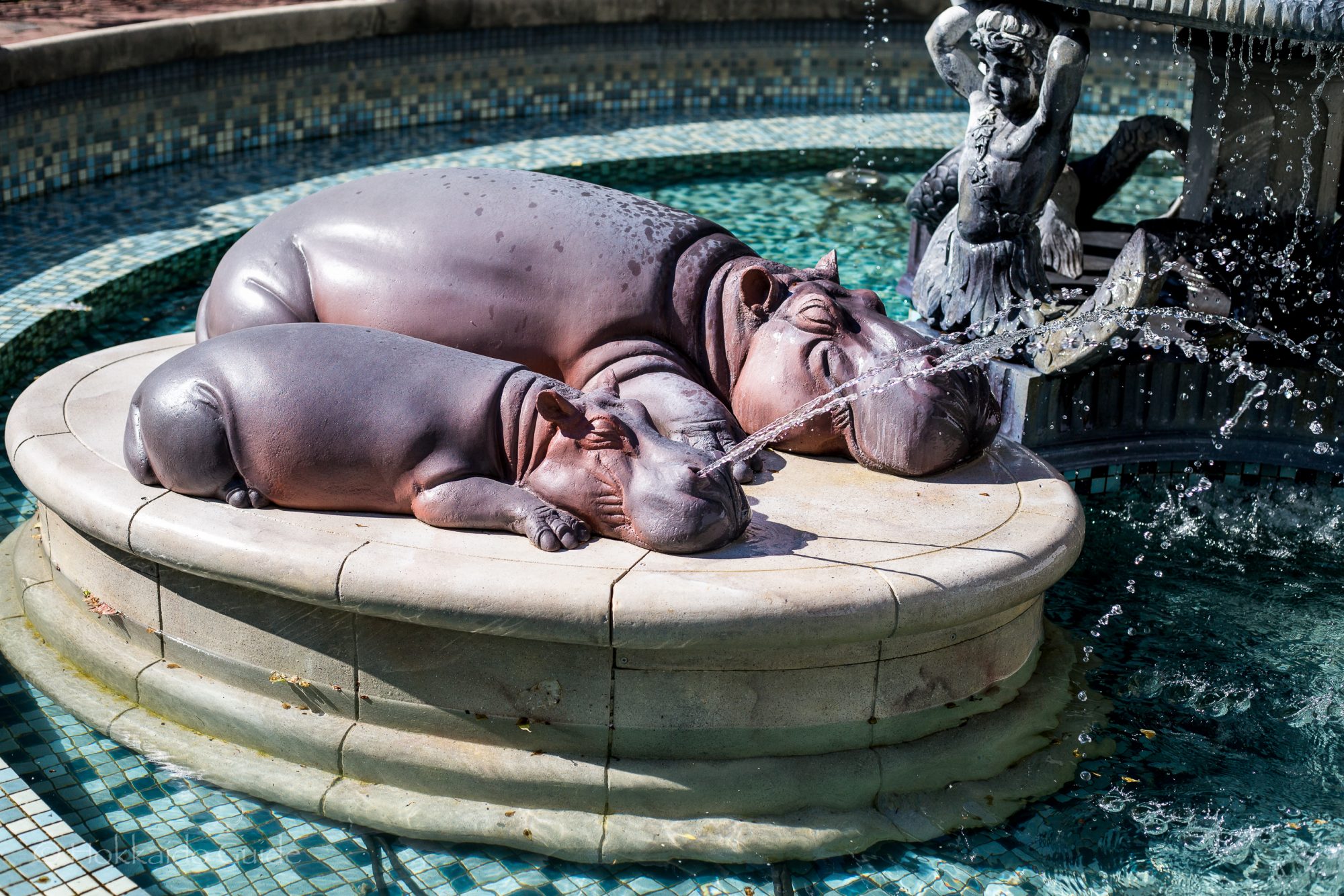
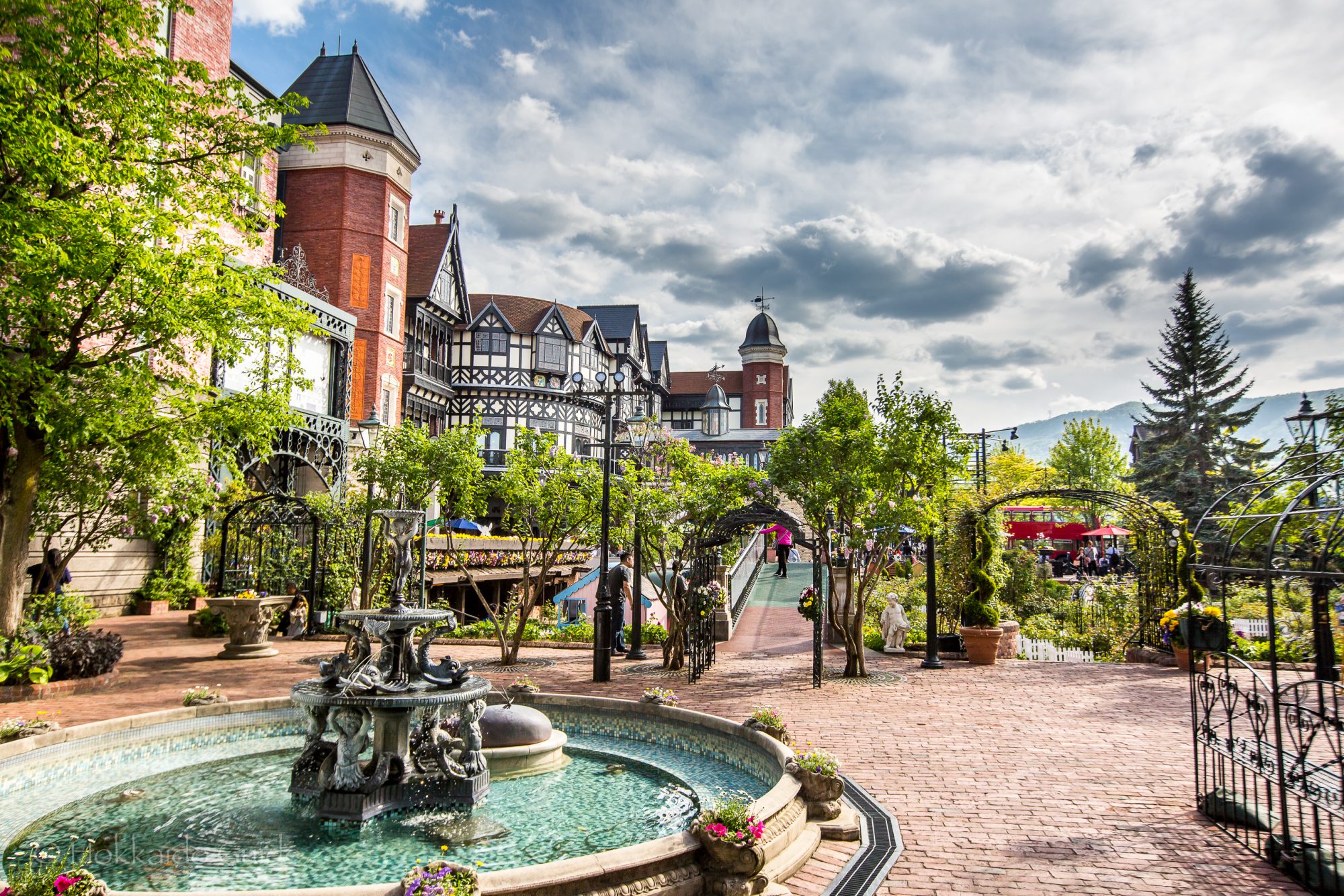
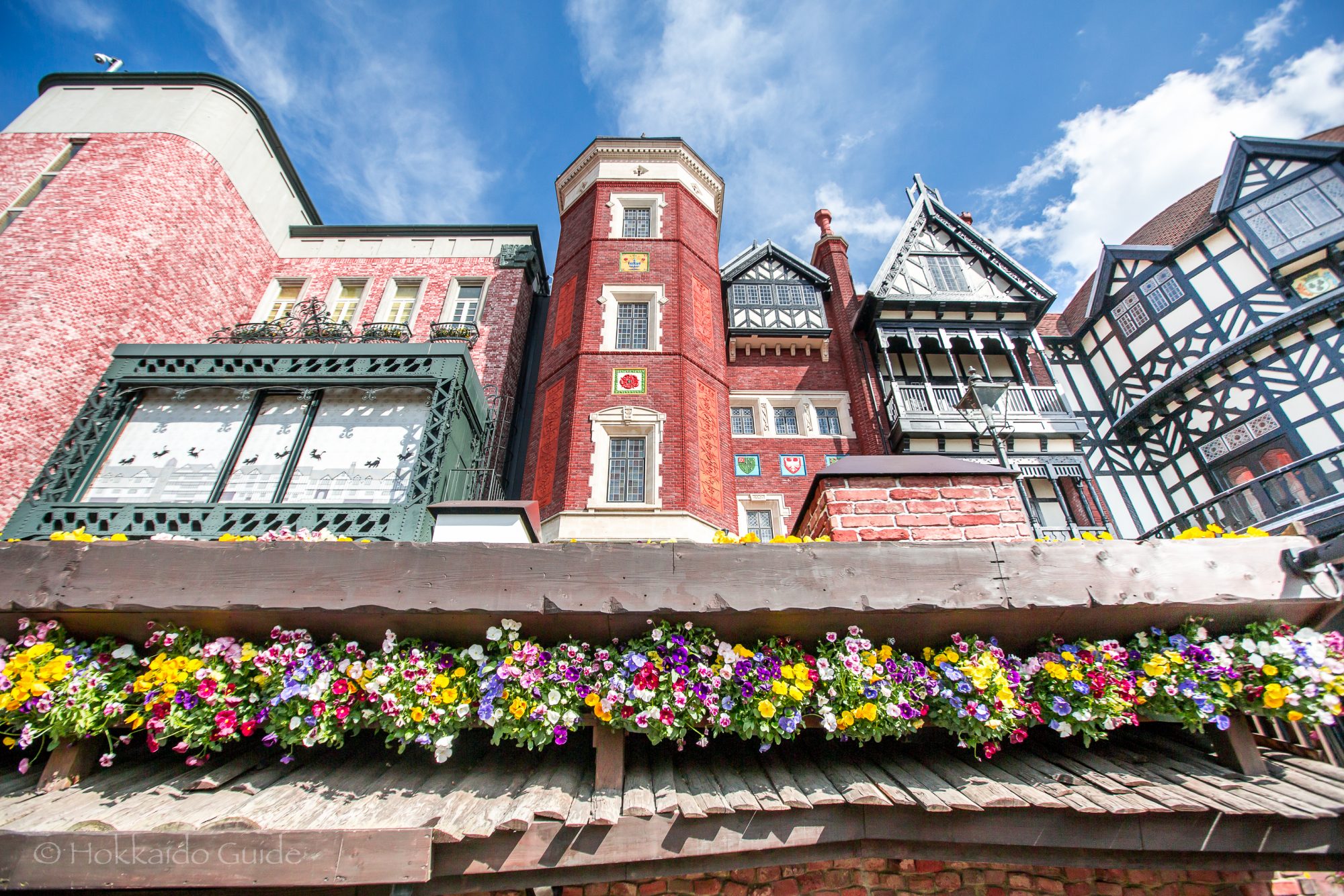
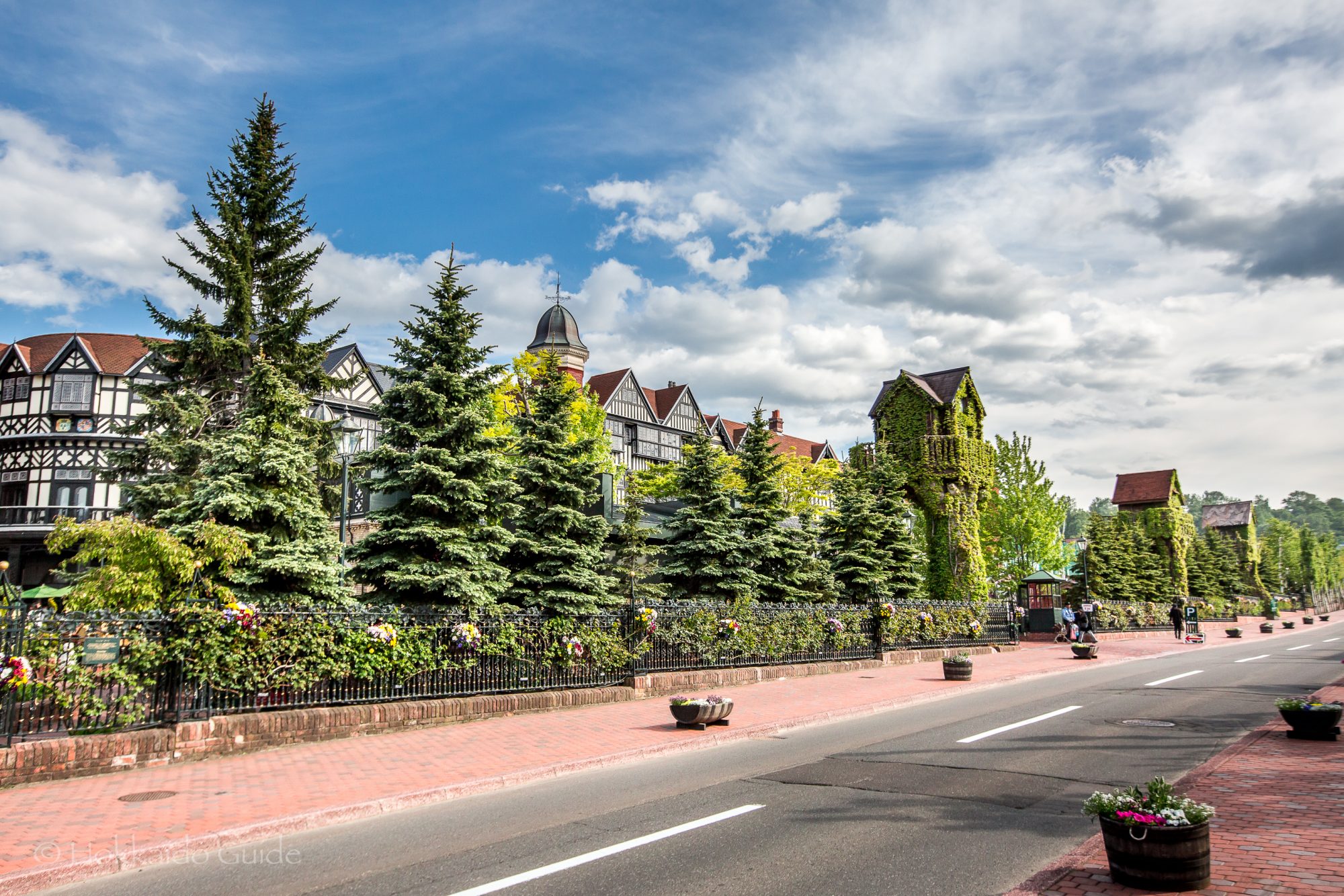
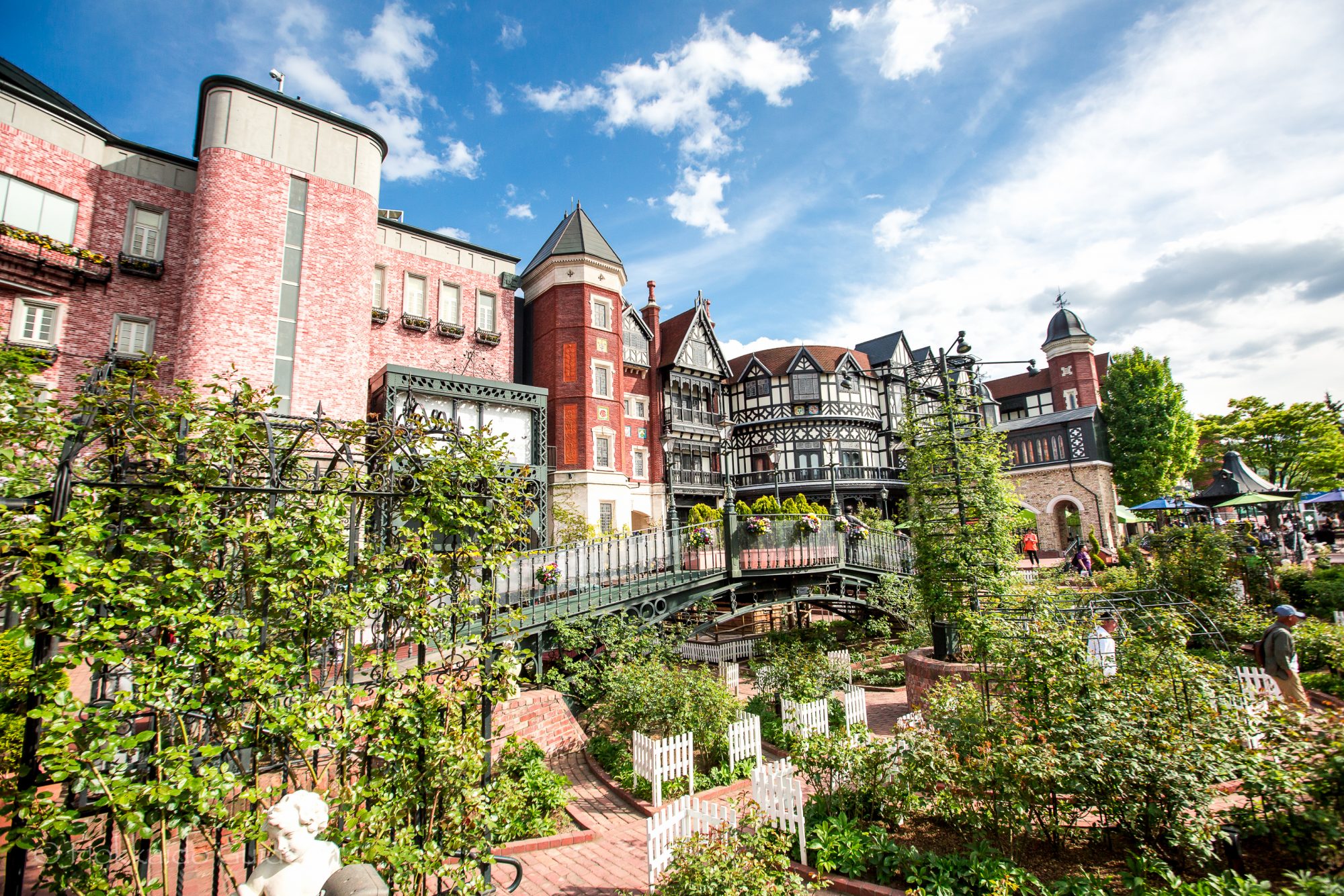
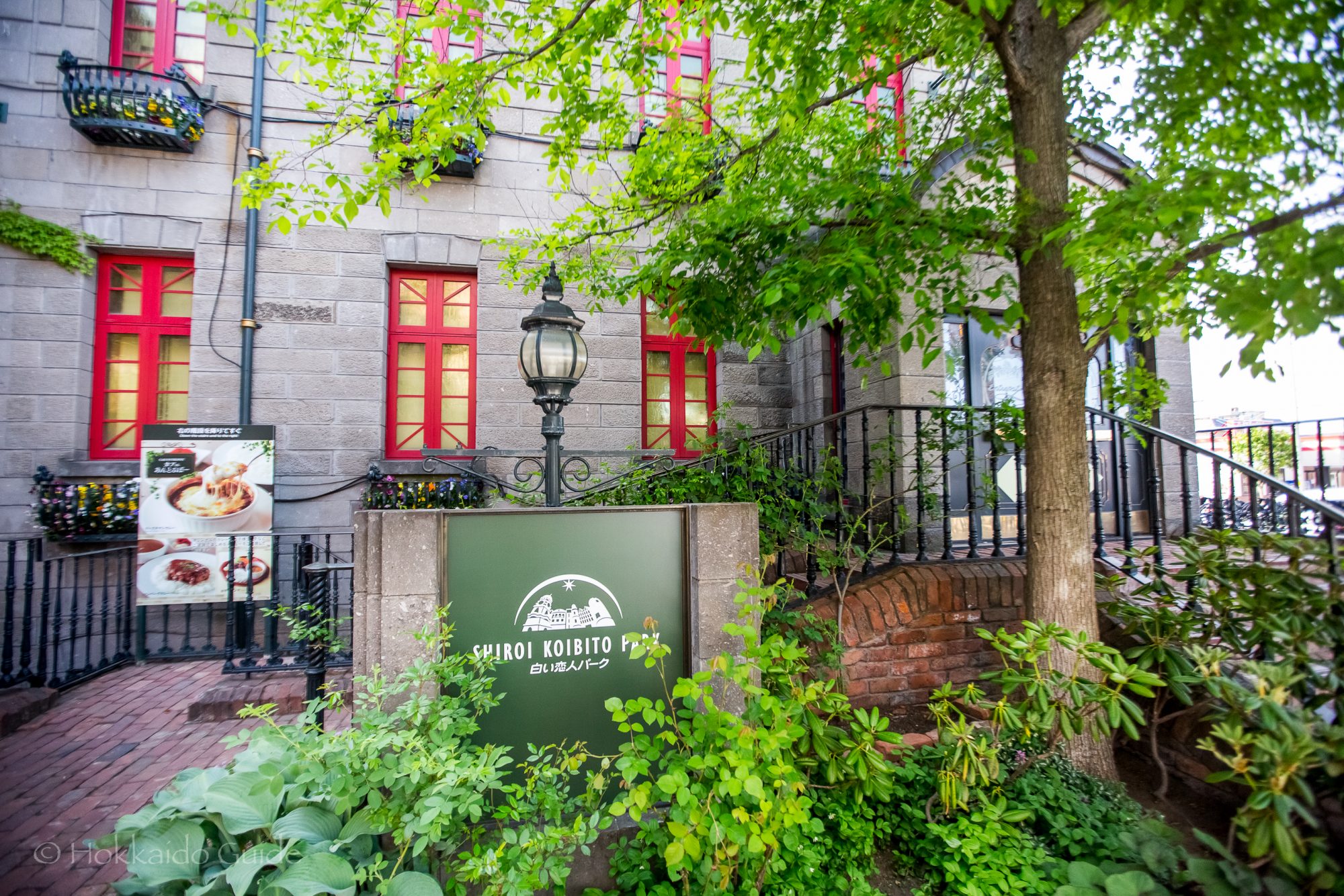
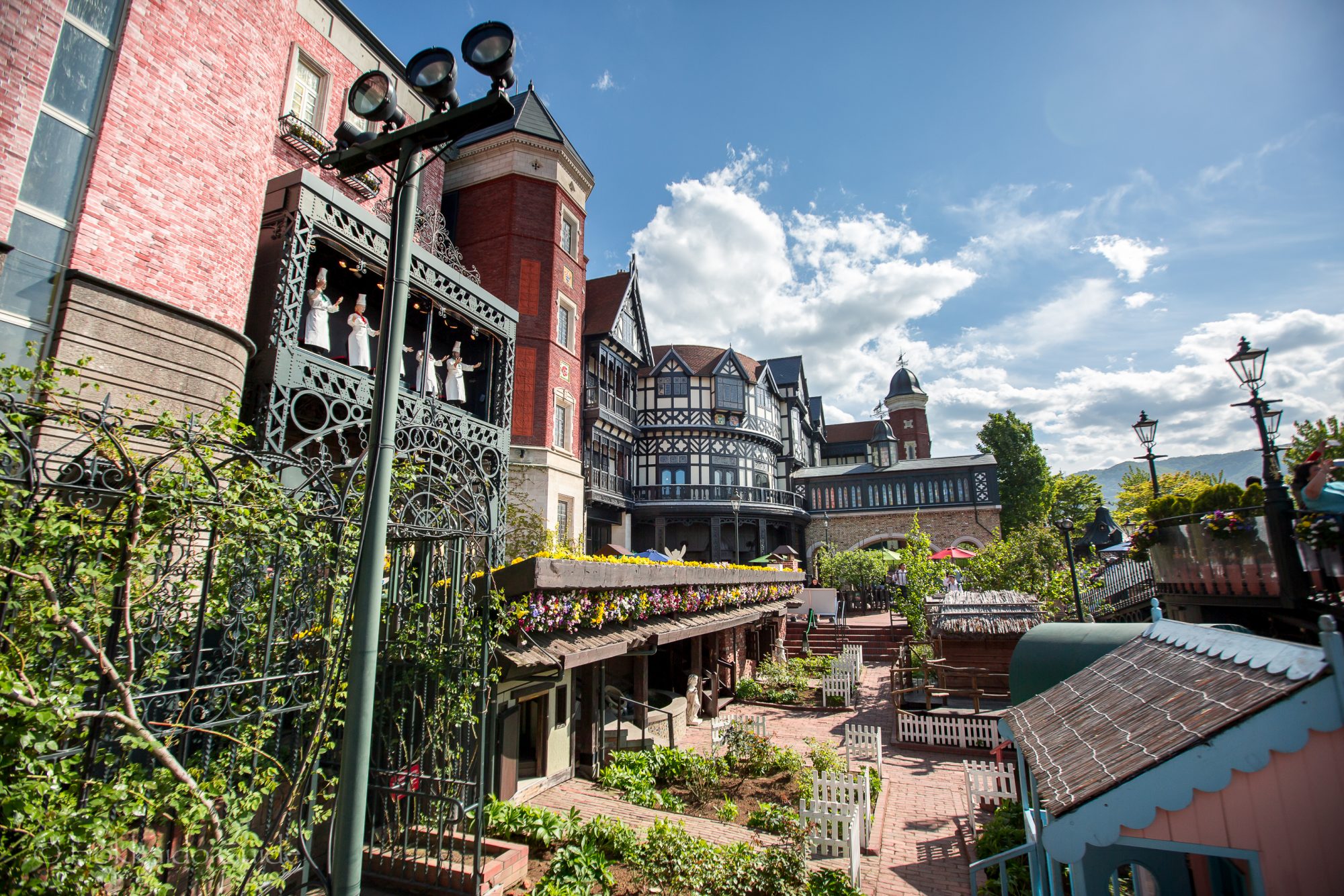
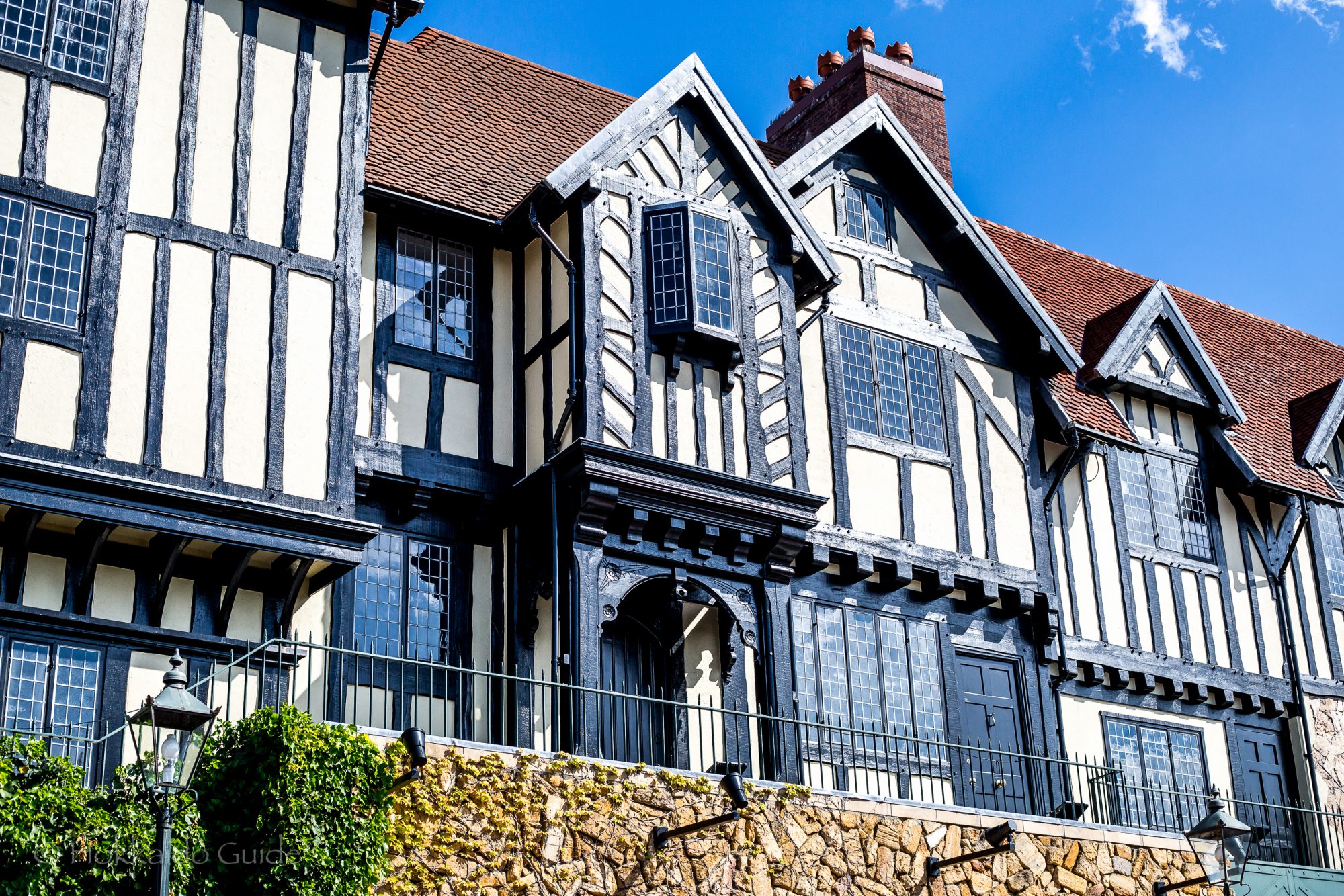
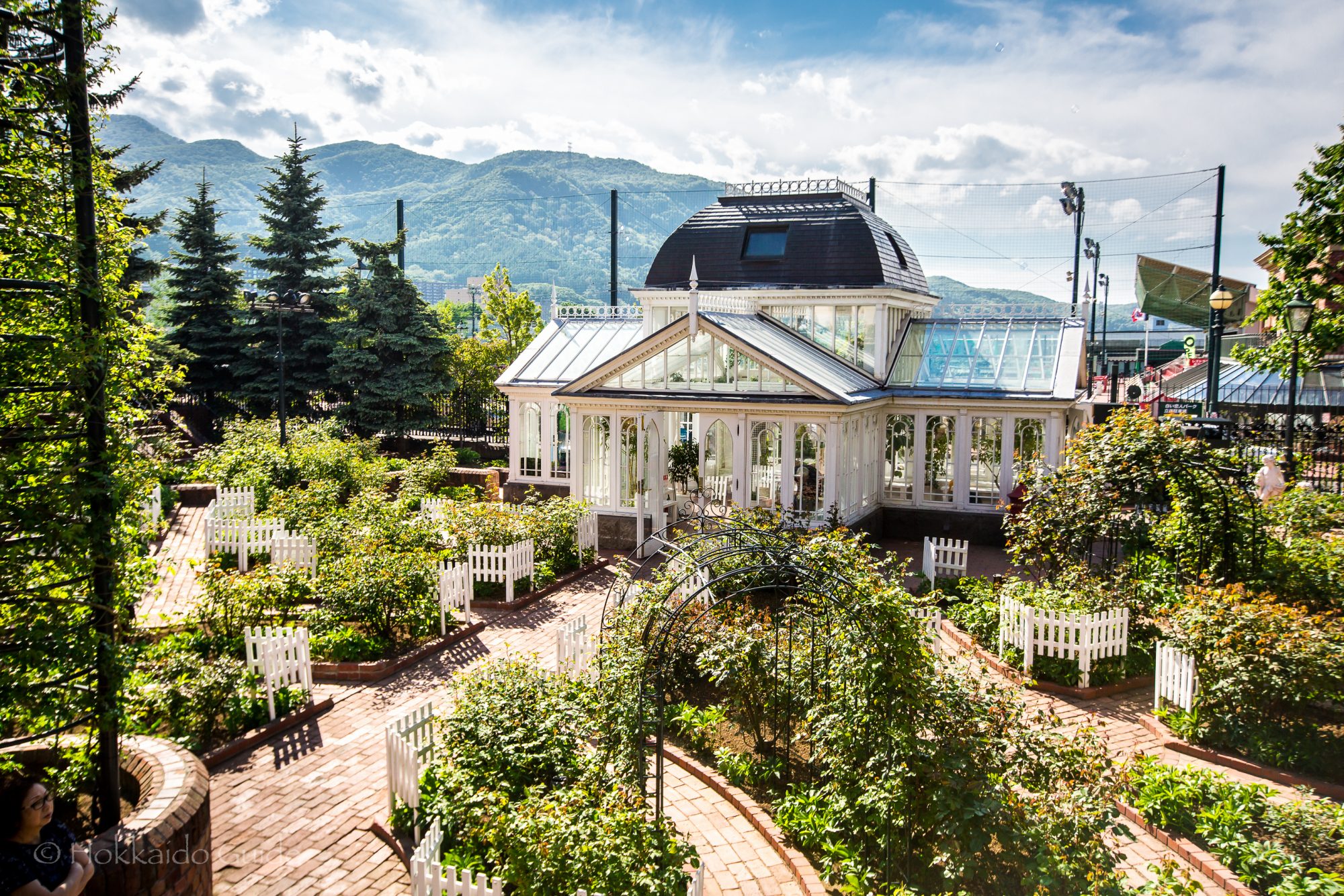
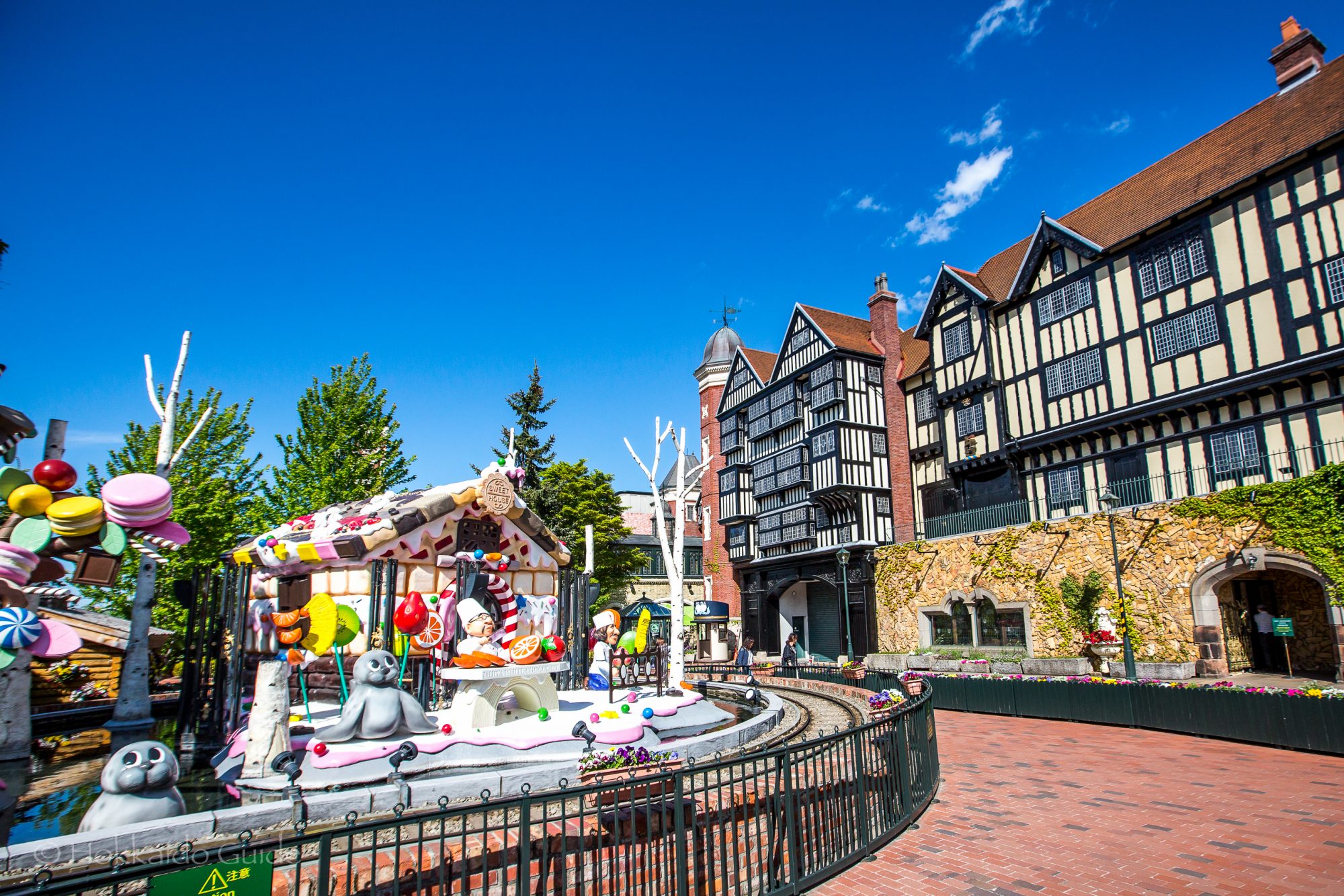
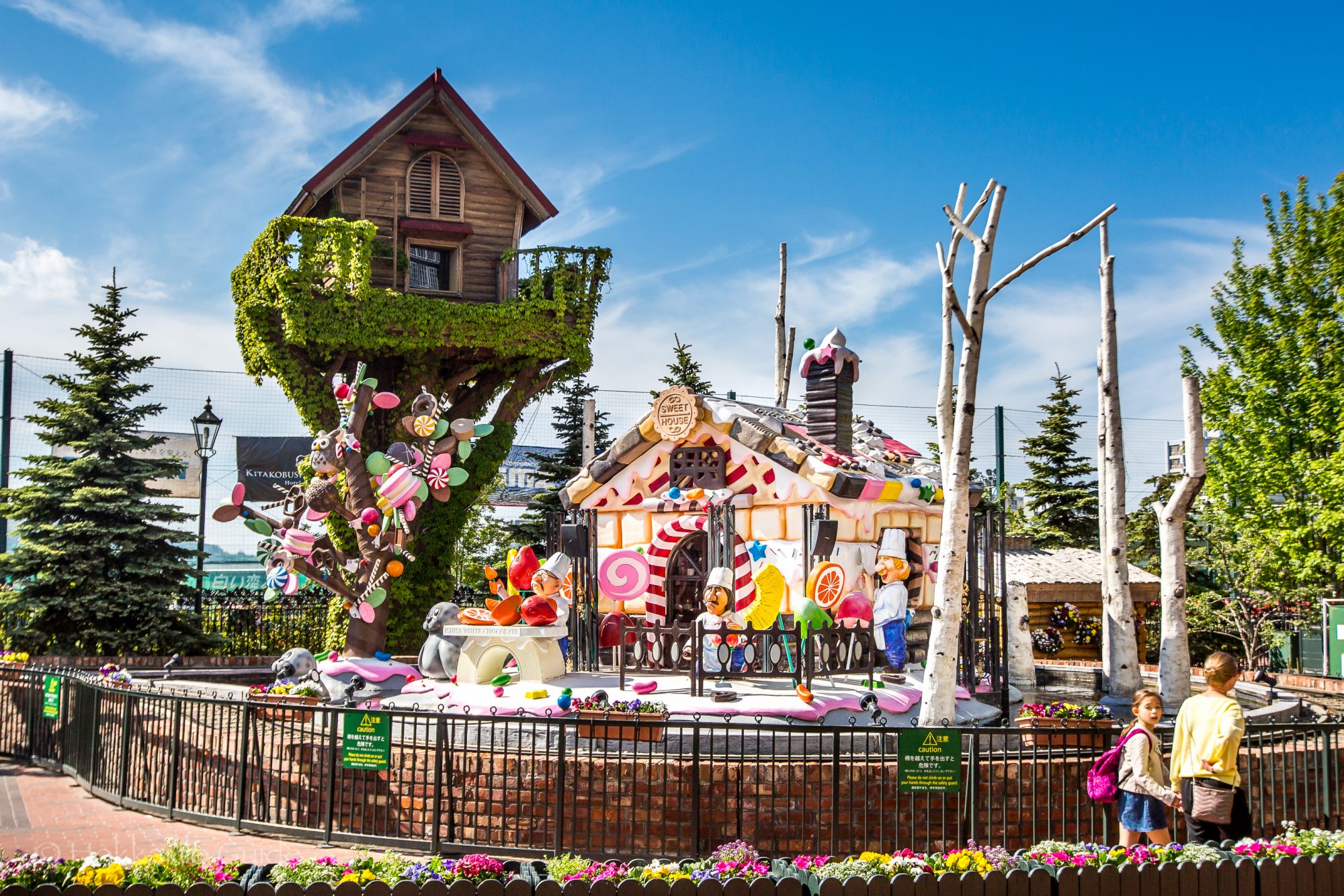
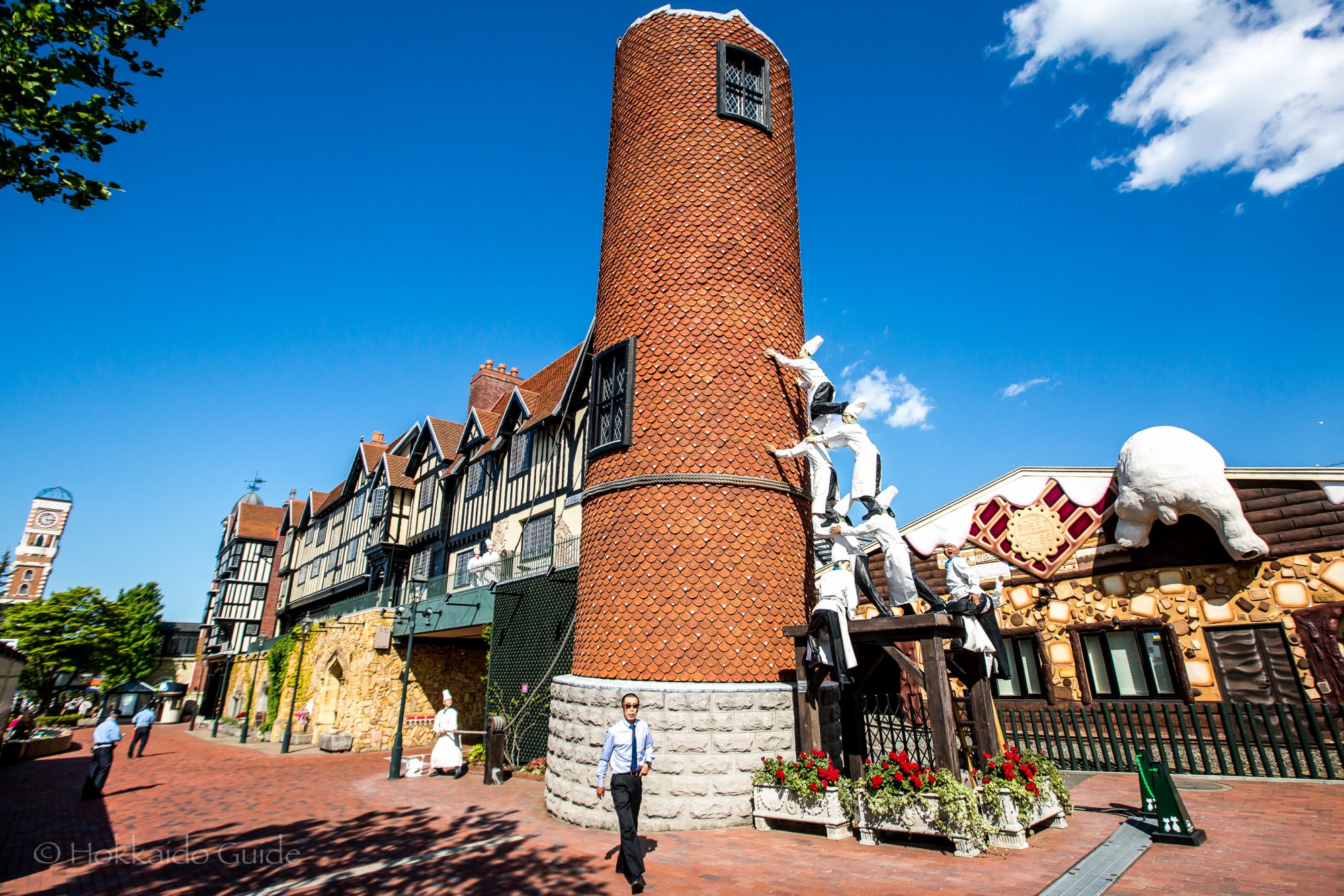
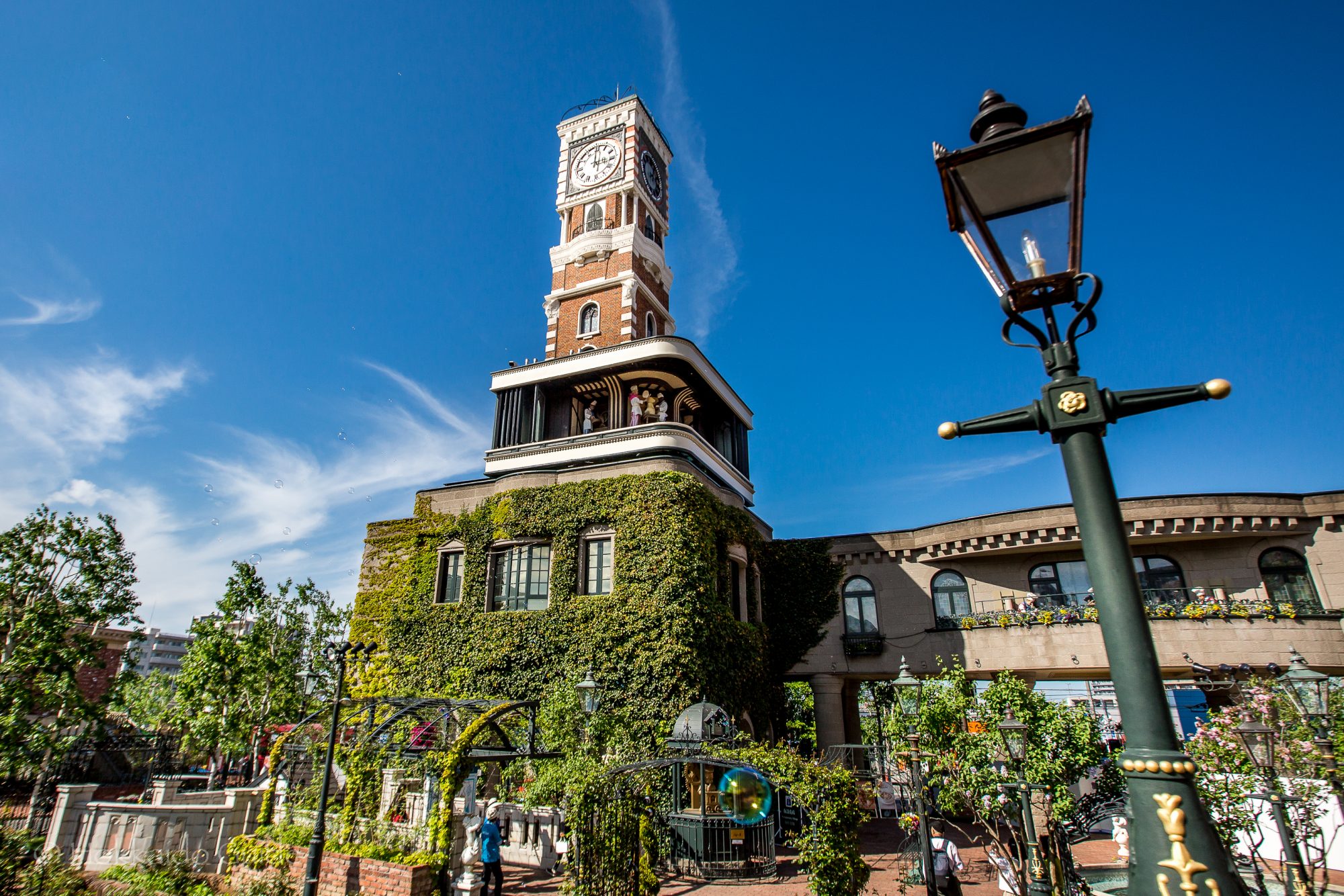
If you like a bit of wonder and fantasy, then you will enjoy the ‘Shiroi Koibito Park’, and your kids will absolutely love it. Also known as the ‘Chocolate Factory’, it is has plenty of things to see, and to eat! The courtyard is free to enter and walk around, and inside the Tudor style buildings there are candy stores, chocolate shops, a factory tour and activities for the kids. A good day out for family & friends. Inside there is a candy making demonstration that starts at 10:00 with four to five demonstrations a day.


[the_ad id=”4264″]


白い恋人パーク

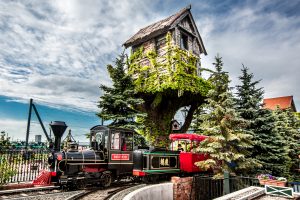
All aboard

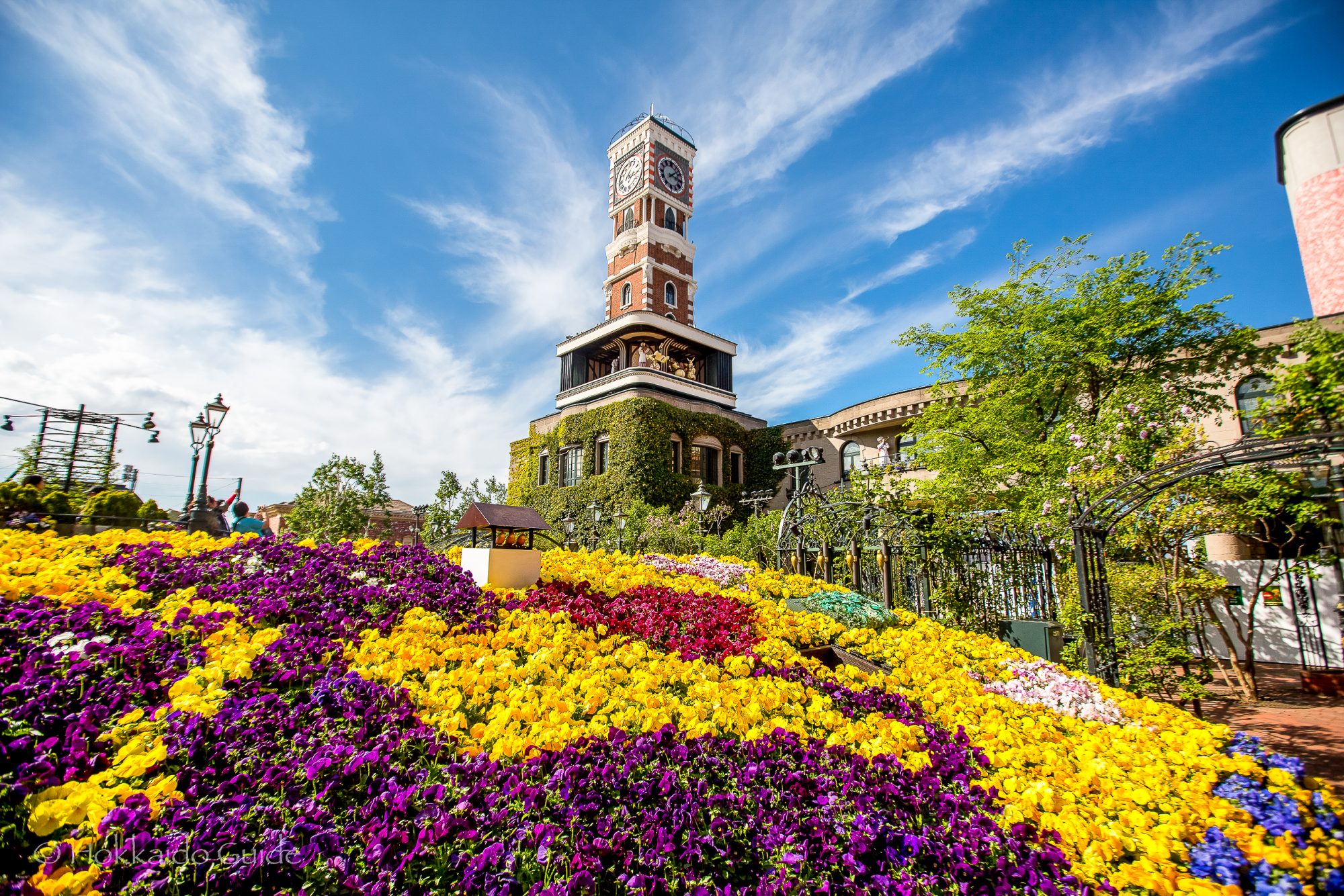
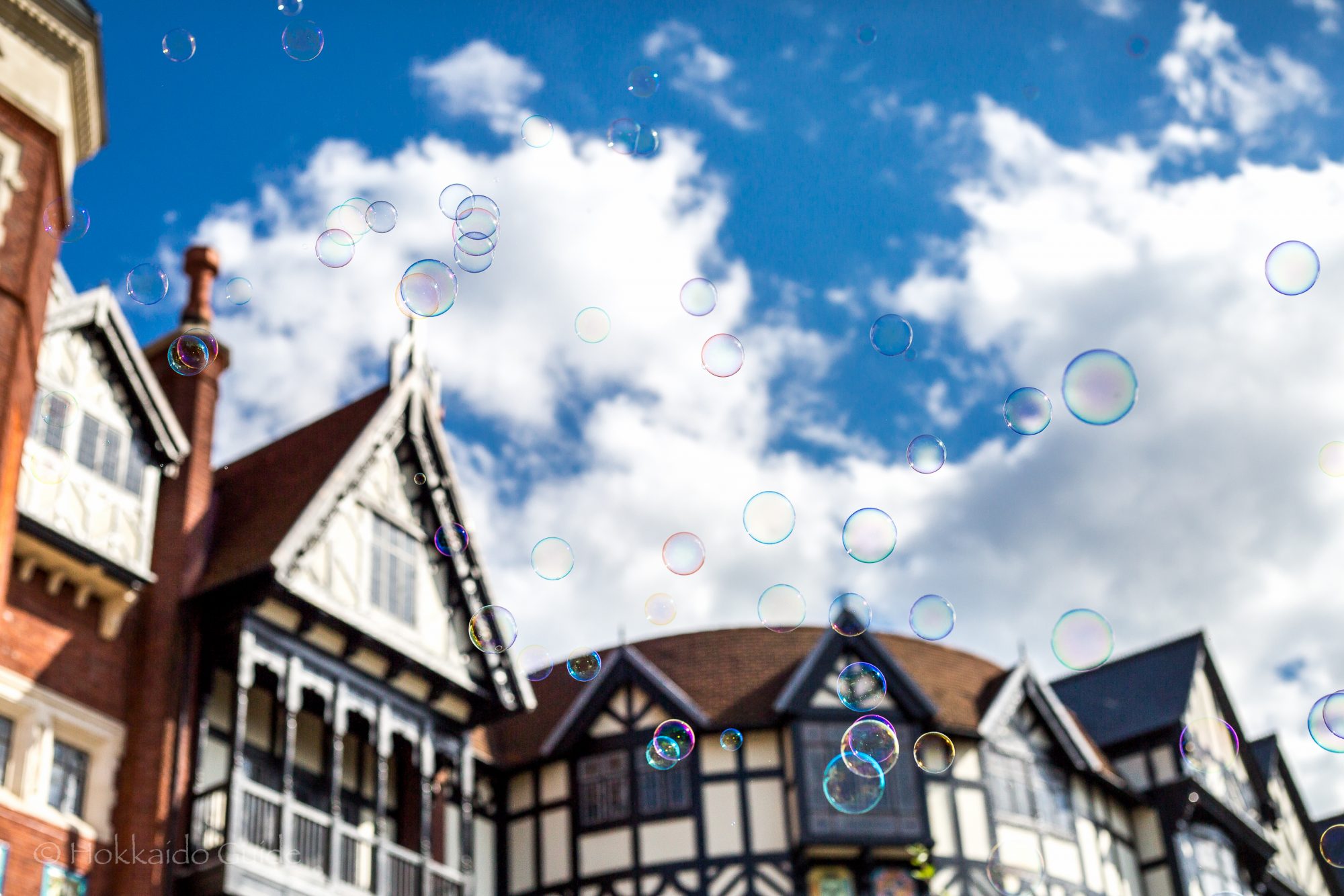
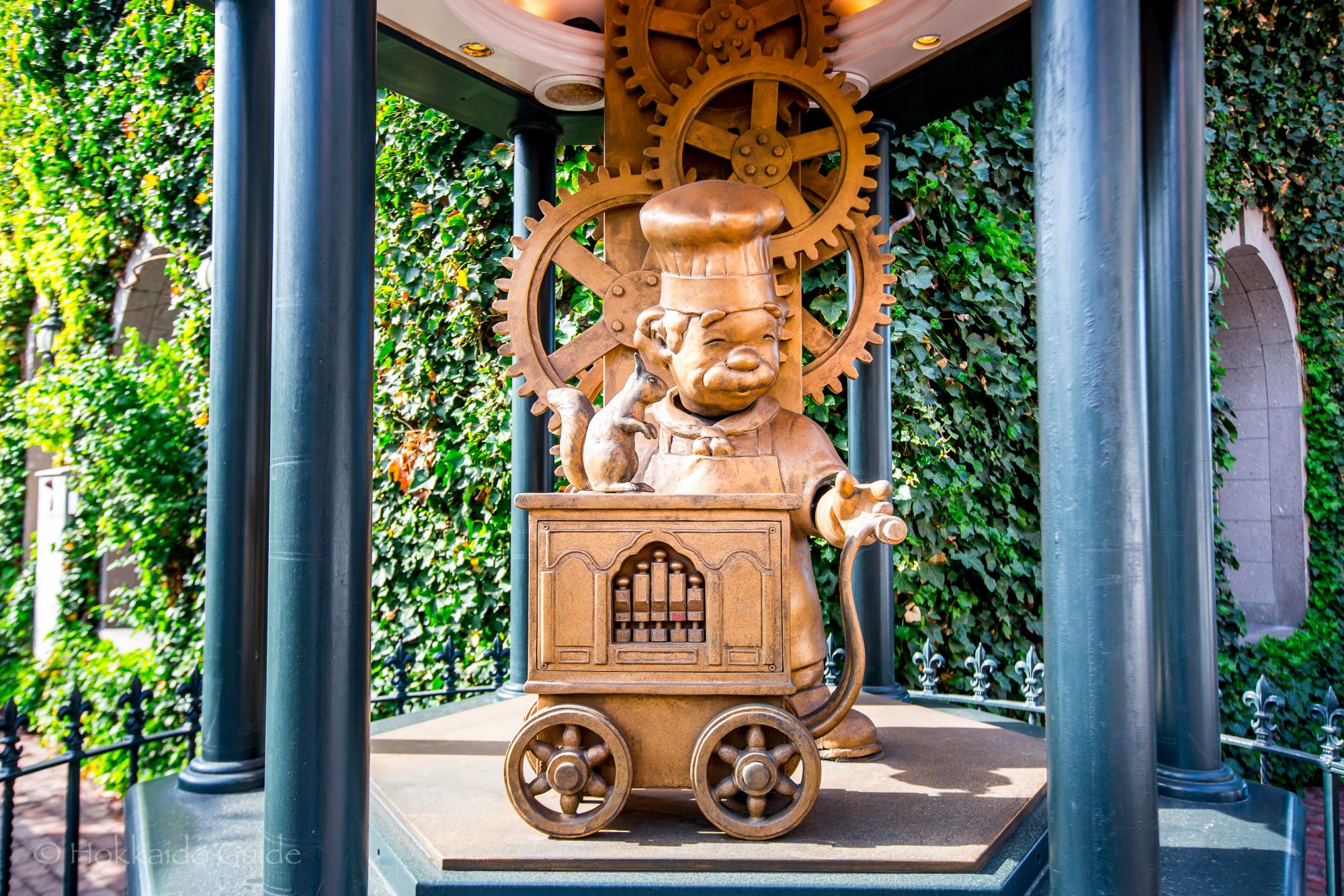
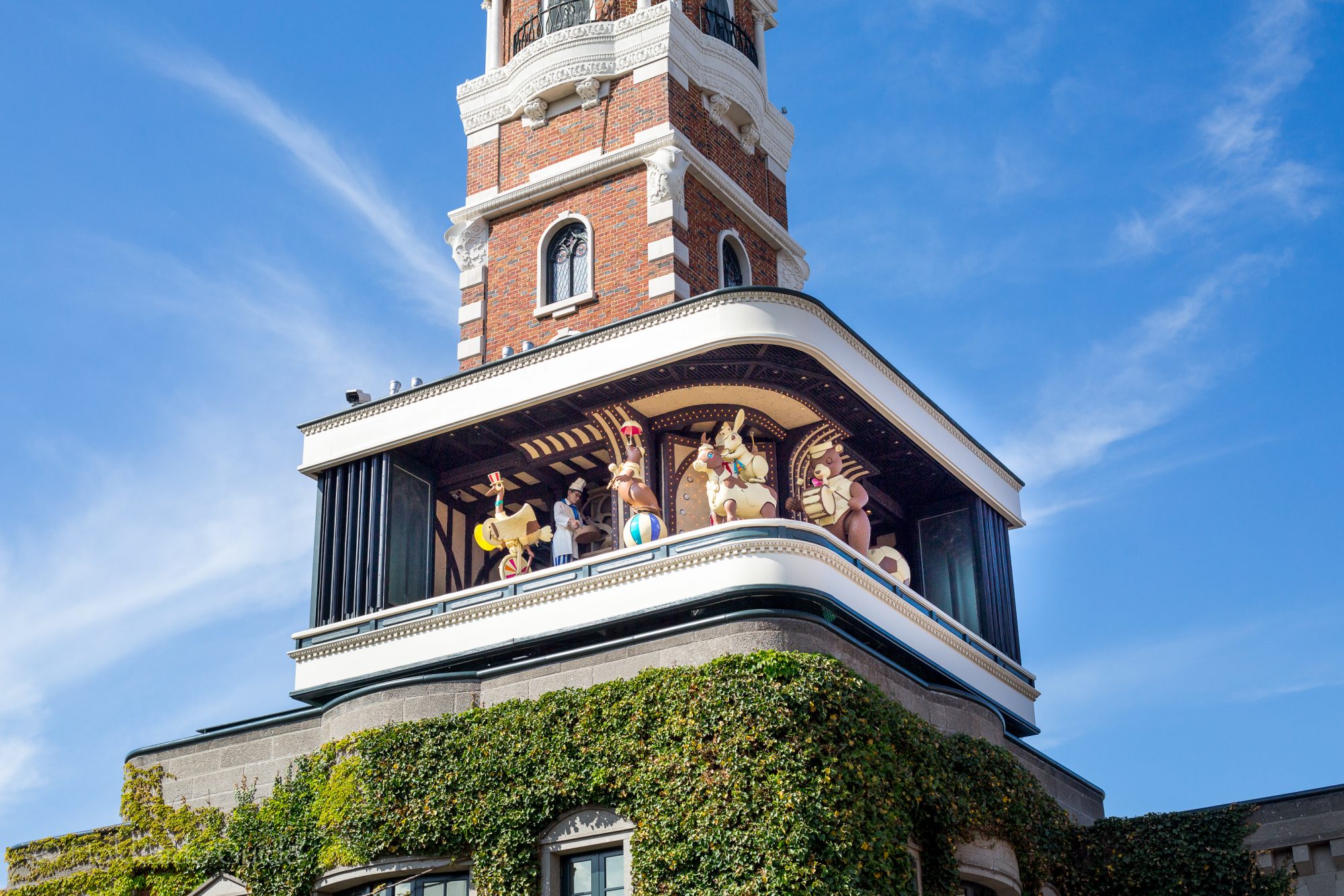
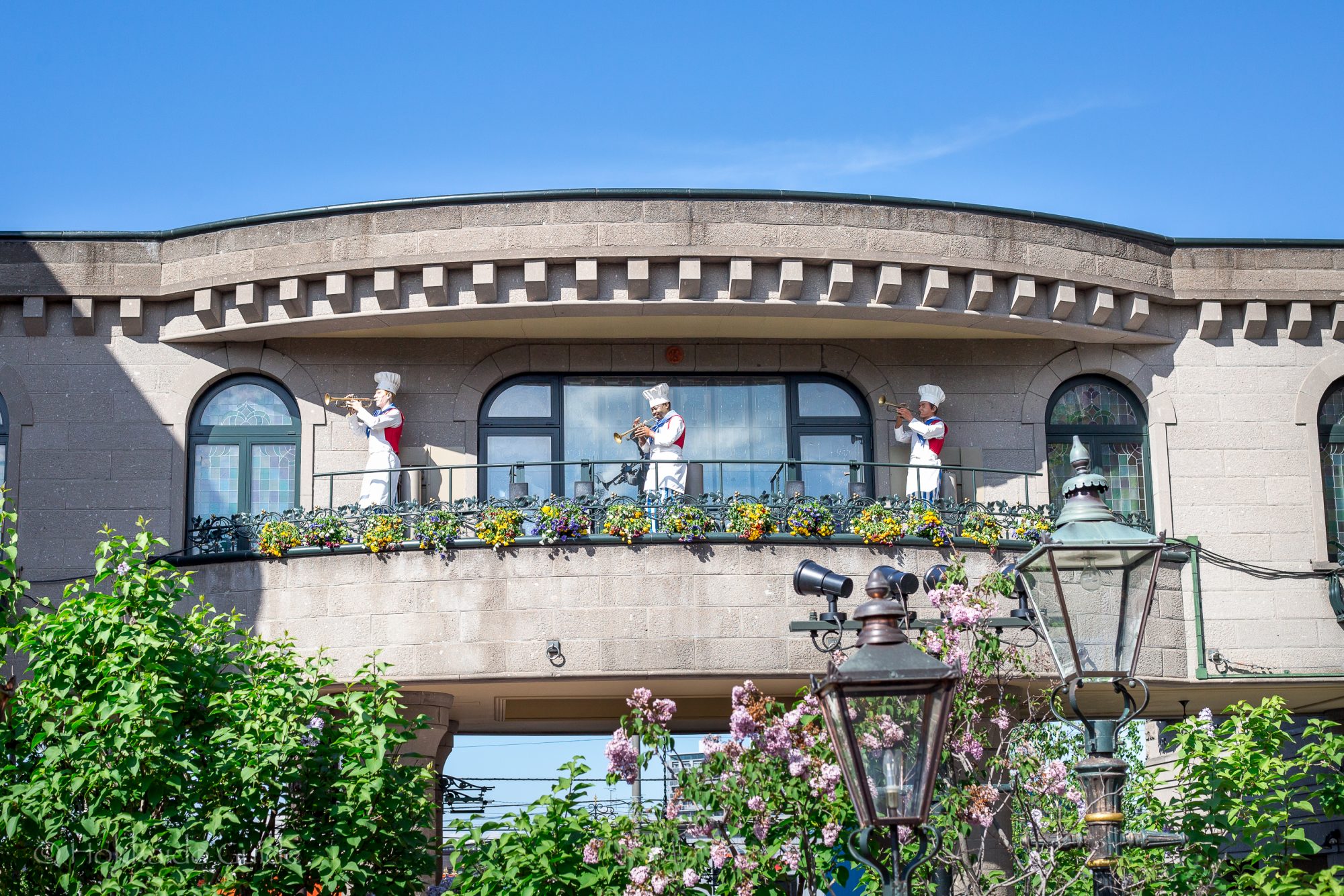
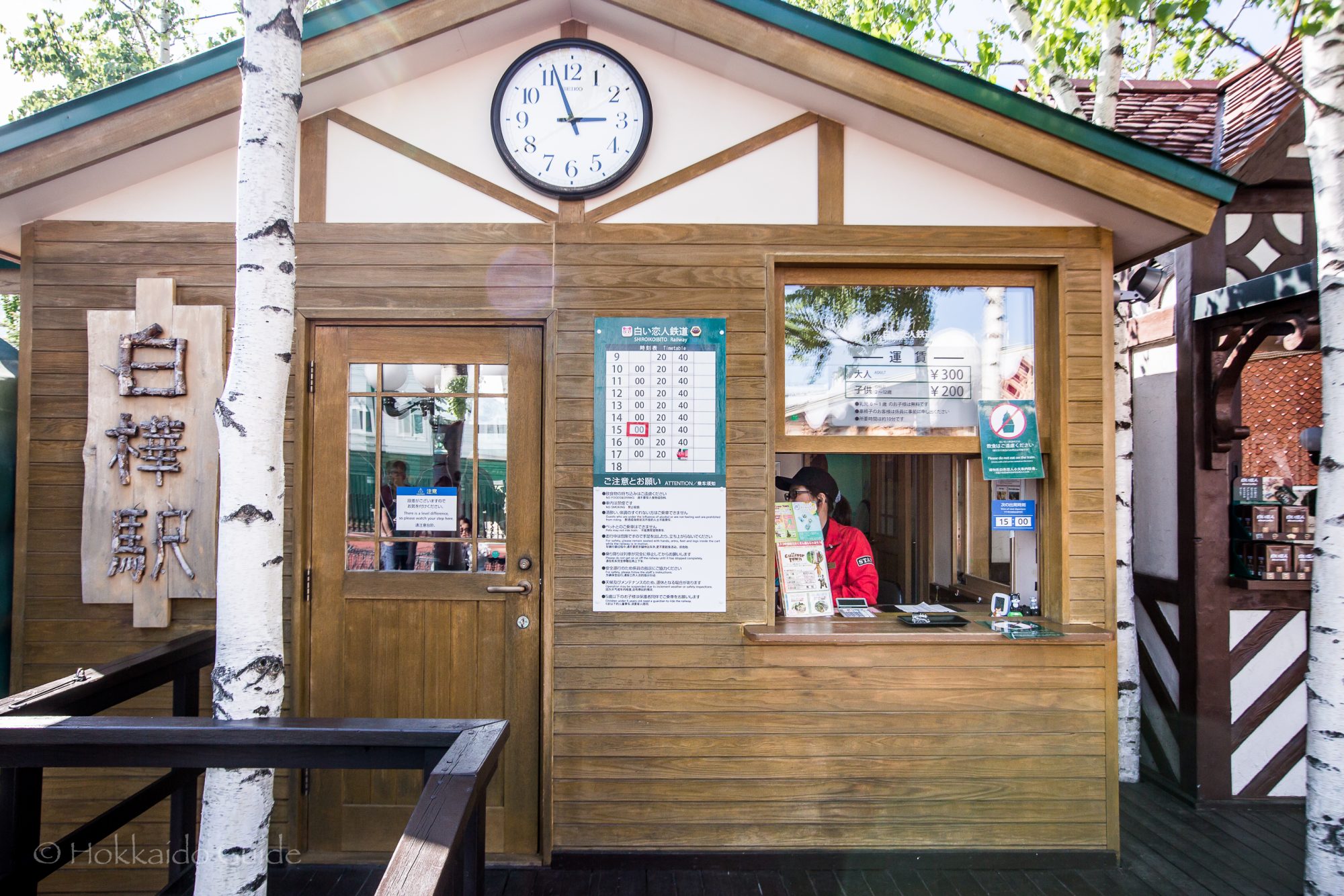
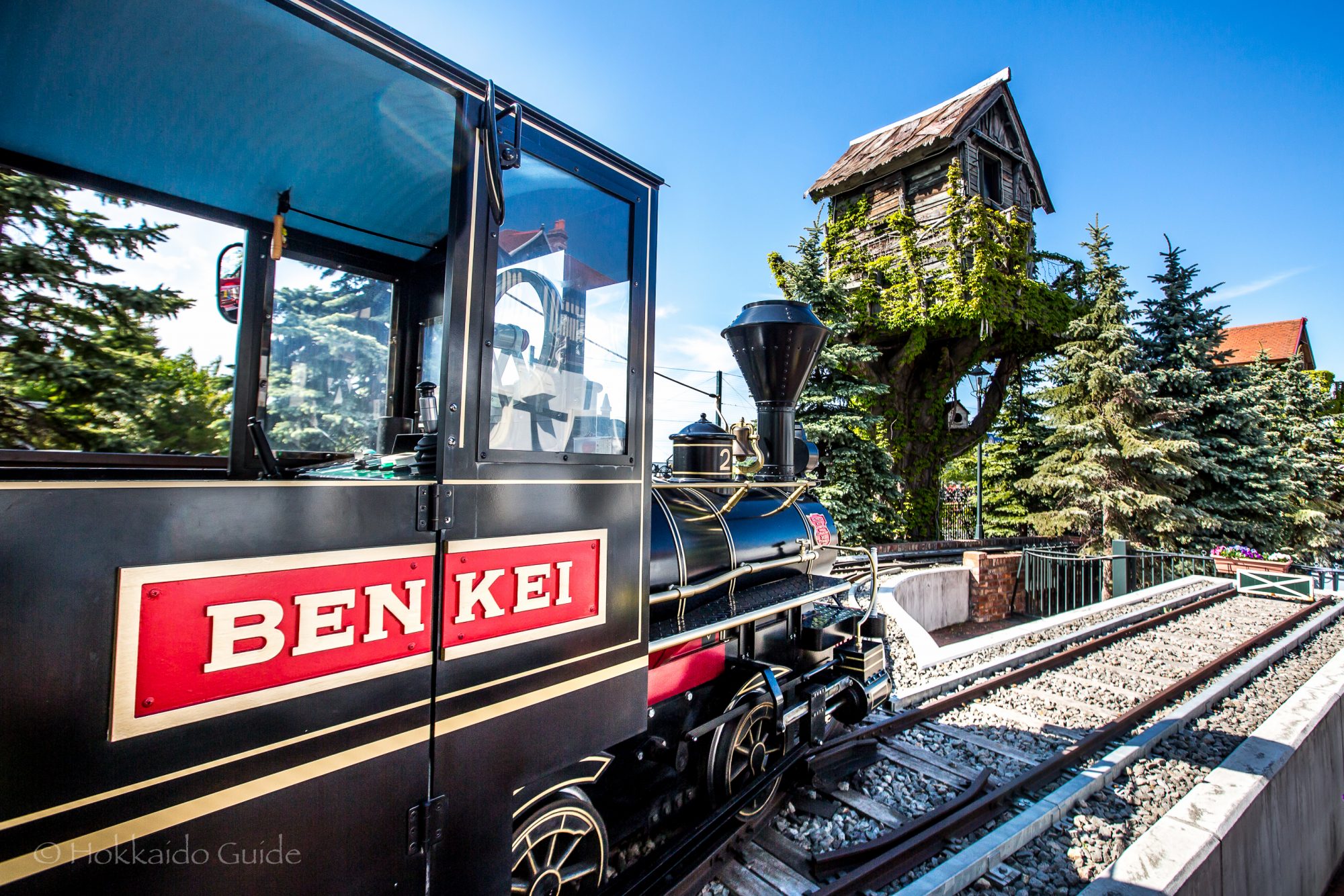
Outside, on the hour every hour, is the “Chocolate Carnival”. This automated carnival sees a procession of characters parade around the clock tower with music and bubbles filling the courtyard. It’s a real fun part of the factory courtyard, which is popular in winter as well as winter. The public can also find the mini railway here. The replica mini steam engine takes up to thirty people and runs every 20 minutes. ¥300 for adults, and ¥200 for the kids will buy you a boarding pass for a 10 minute ride around the courtyard.


白い恋人パーク

Watch the candy making

Inside the ‘Shiroi Koibito’ buildings, there are tours you can go on. The general tour will put you back ¥600 per adult, and ¥300 per child. There are groups discounts for more than twenty people, and discounts for special needs. For the premium tour, the price is ¥900 more expensive. The tour gives a look at the Shiroi Koibito Chocolate (a famous Hokkaido chocolate brand) line. Other things to look at include the ‘Chocolate Room’ where you can make your own chocolate, the ‘Sweets Room’ where you can make your own cookies.


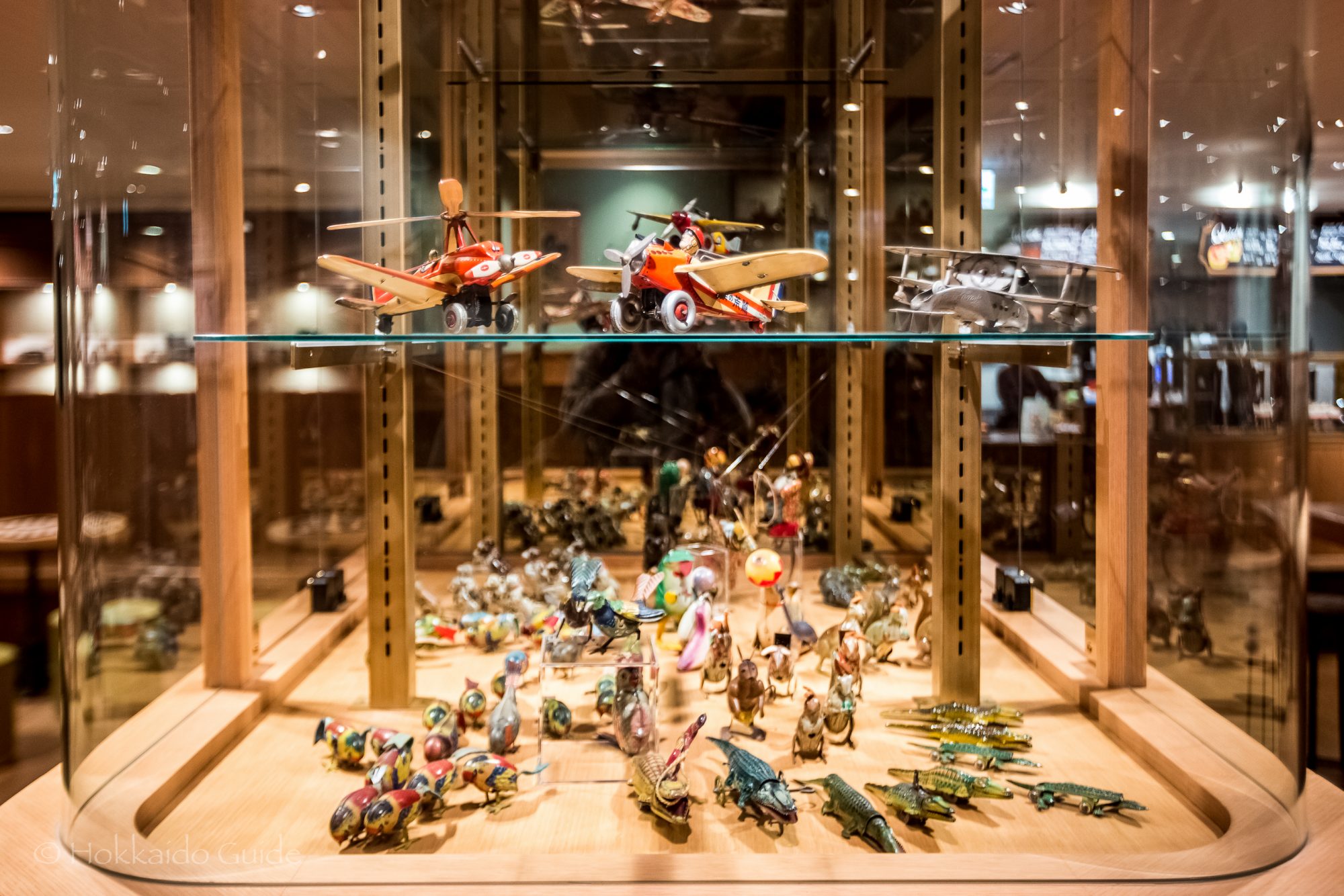
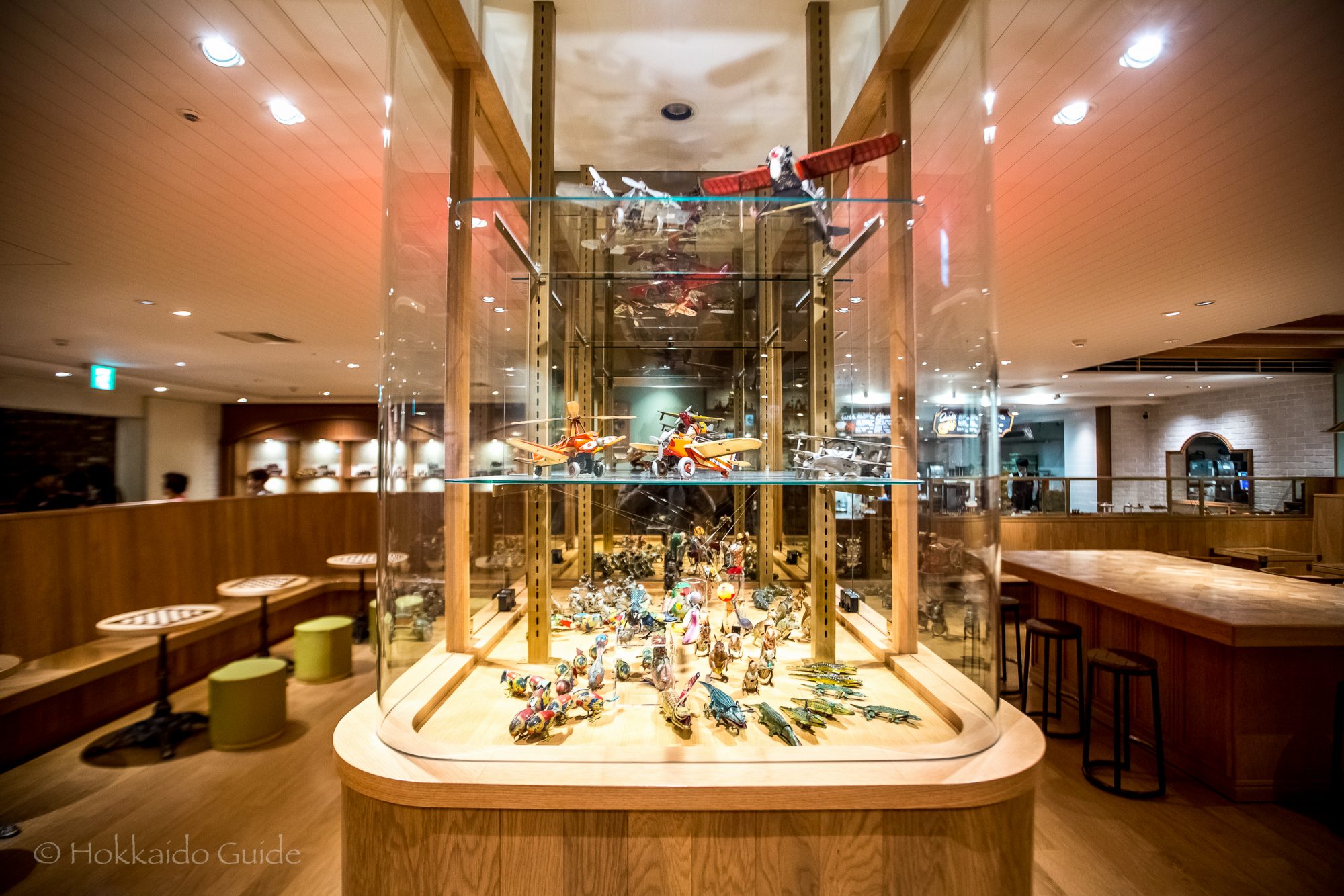
There is a lot to see

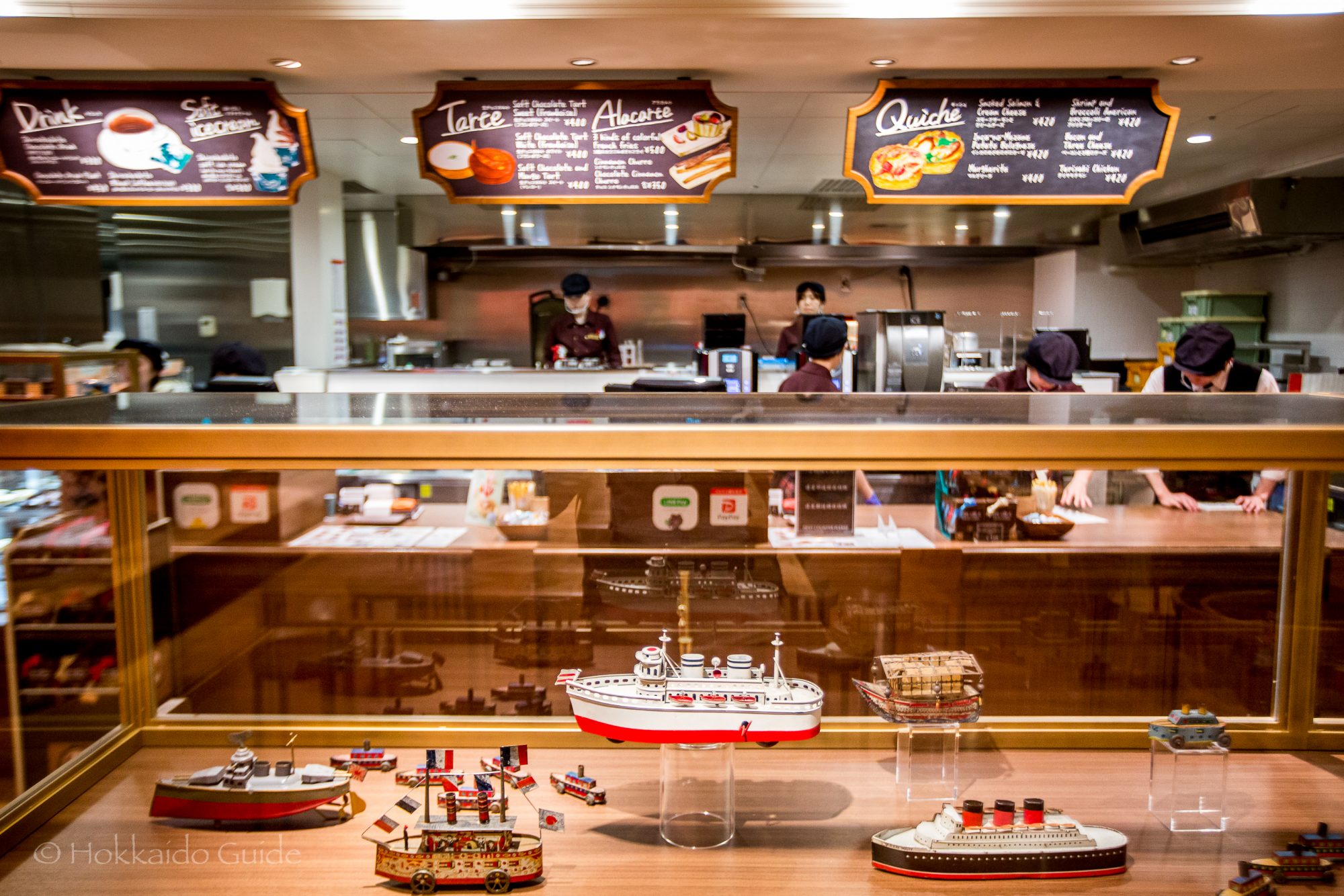
Also located in the Tudor house, on the second floor there is the ‘Kids Town’ aimed at children ages 0 to 8. It is here they can enjoy the play area. It costs ¥200 per person, every 30 minutes. There are plenty of places to grab a savory bite throughout the factory. Restaurants such as ‘Cafe Butlers Wharf’ serving up delicious quiche. Plus there is a hamburger restaurant. For curry, there is ‘Cafe Antorupo’, the ‘London Bus’ for snacks and a few ice cream shops dotted around the grounds. The shops at Shiroi Koibito park are perfect for buying sweets and gifts.


Tengu Hall

AdmissionFree
Opening Hours9:30 - 21:00
Closed-
Contact0139-42-2216
NotesMuseum & gallery
Location /
Getting There
Access via Mt. Tengu Ropeway. Top of Mt. Tengu
2-chōme-16-16 Mogami, Otaru, Hokkaido 047-0023


天狗山

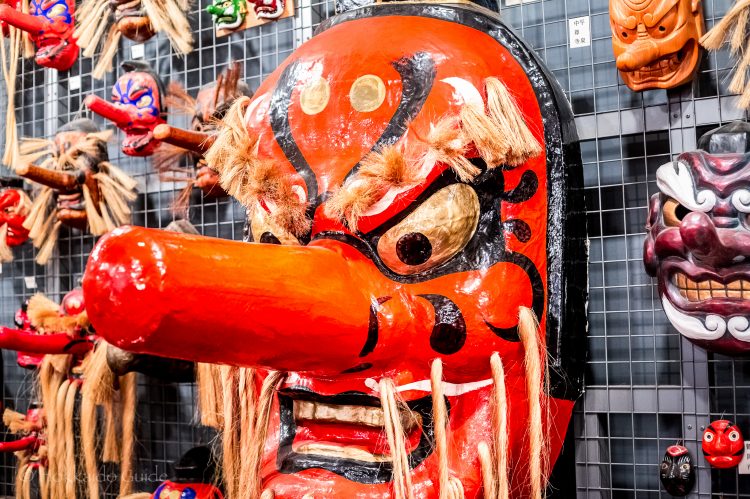
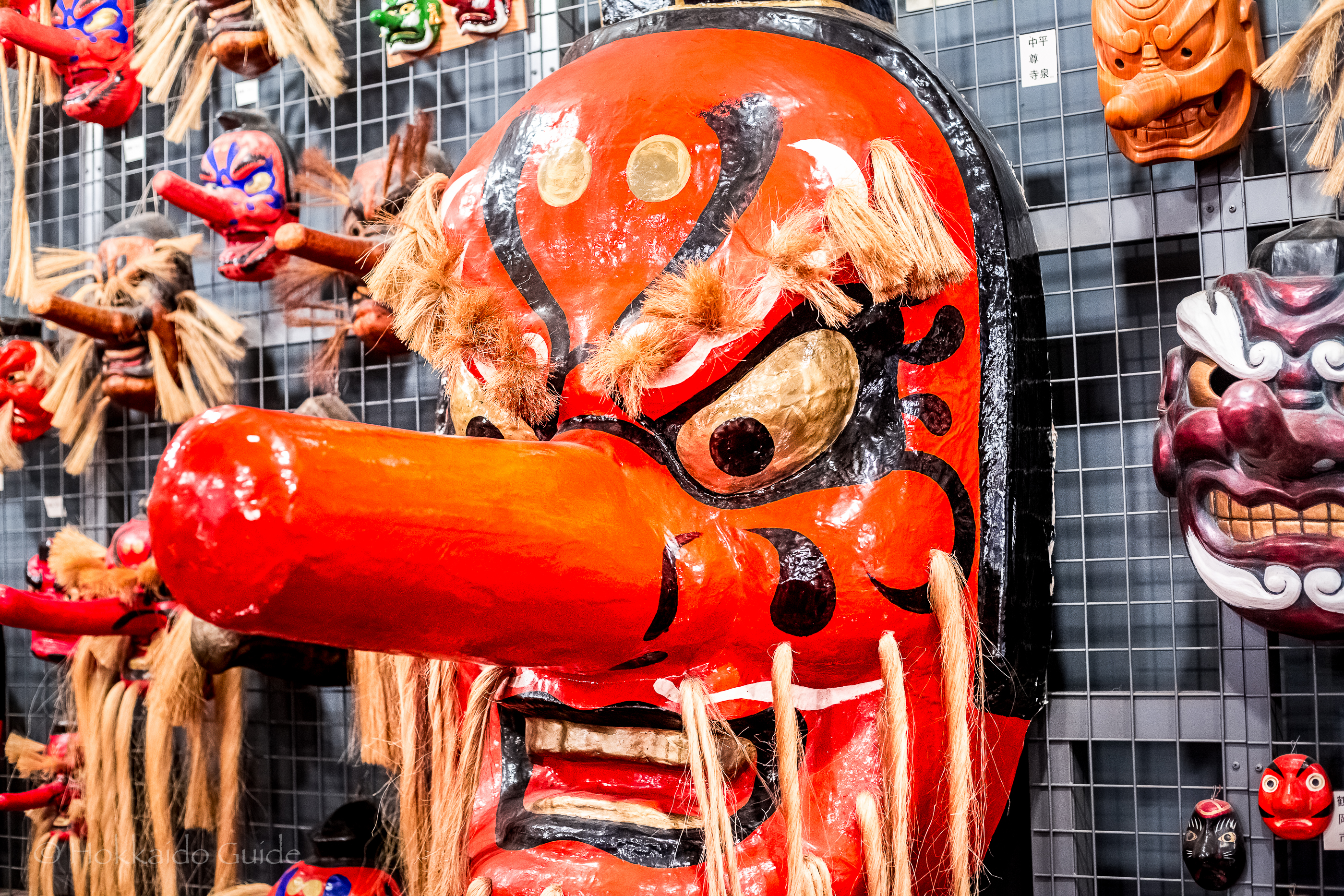
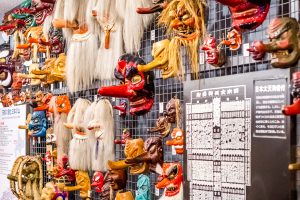
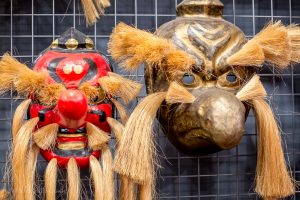
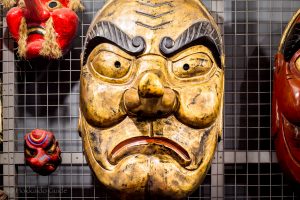
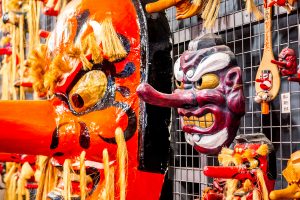
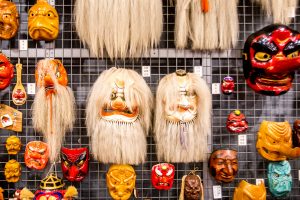
Tengu masks

Tengu which translates to ‘Heavenly Dog’ is a legendary creature found in Japanese folklore. They are considered a supernatural being or god. Originally they were though to take the form of a bird of prey with human characteristics. The earliest Tengu were pictured with beaks, but today the Tengu are depicted with unnaturally long noses. Buddhism believe the tengu were disruptive demons and harbingers of war. Their image gradually softened, however, into one of protective, if still dangerous, spirits of the mountains and forests.


[the_ad id=”4264″]


天狗山

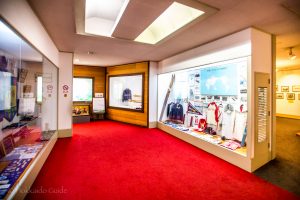
Otaru Ski Museum

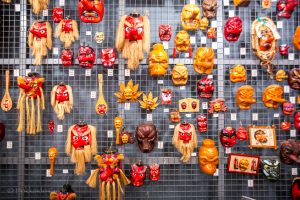
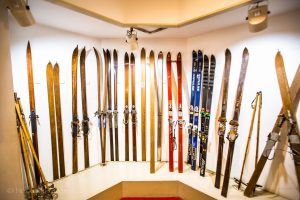
Mt. Tengu is said to be protected by this deity. Tengu Hall is is a small exhibition space that has approximately 700 varieties of Tengu masks that have been collected from all around Japan. It can be found after exiting the gondola on top of the mountain. It is a fascinating spot to see all the different types of masks. To get to Tengu hall, enter Otaru Ski Museum. This museum is interesting in itself and has some 400 items on display, relating to the history of skiing in Japan. Otaru has known to have produced many professional skiers, who have long skied the slopes of Mt. Tengu


1 16 17 18 19 20 28