Yuni Togakushi Shrine
Posted on
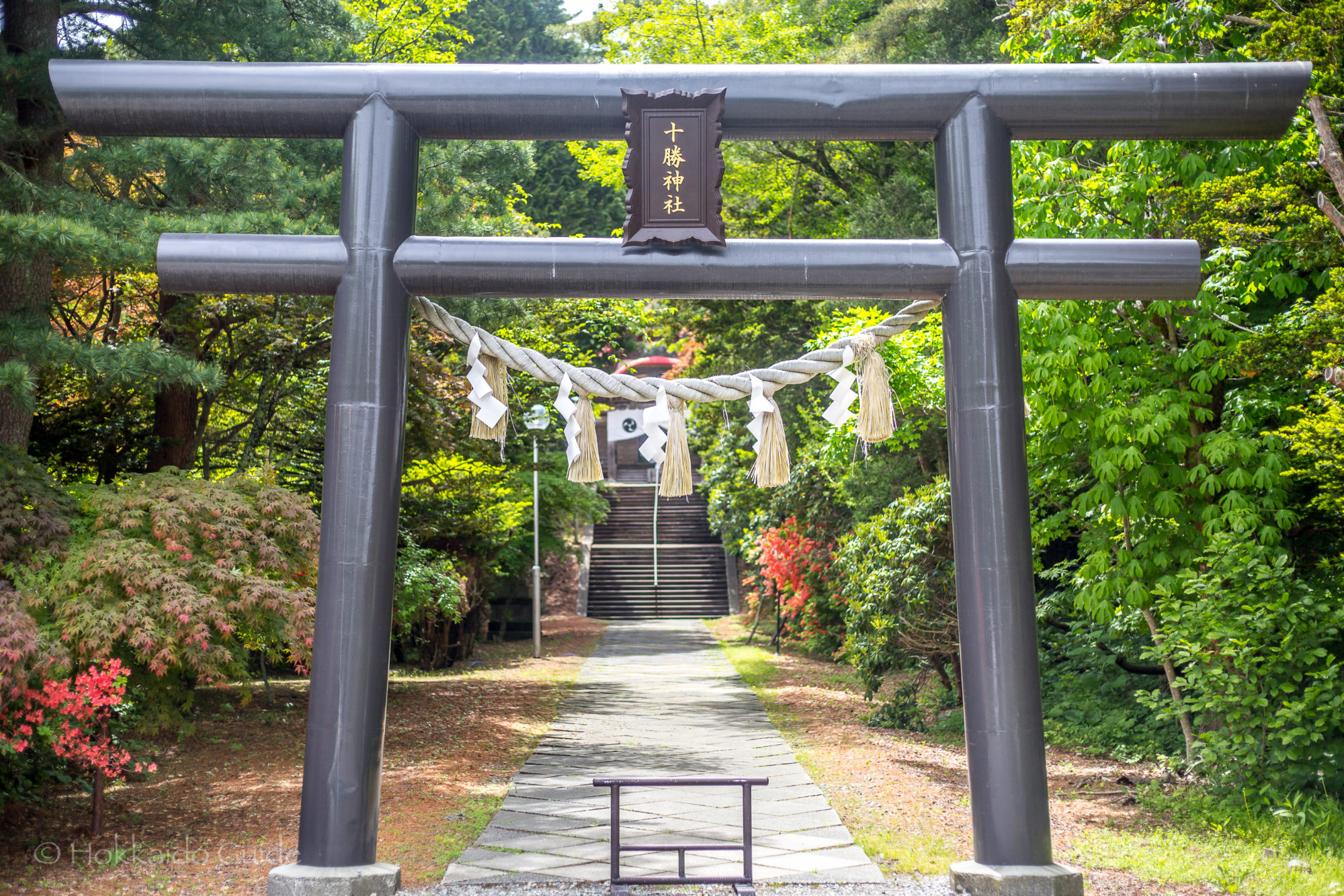
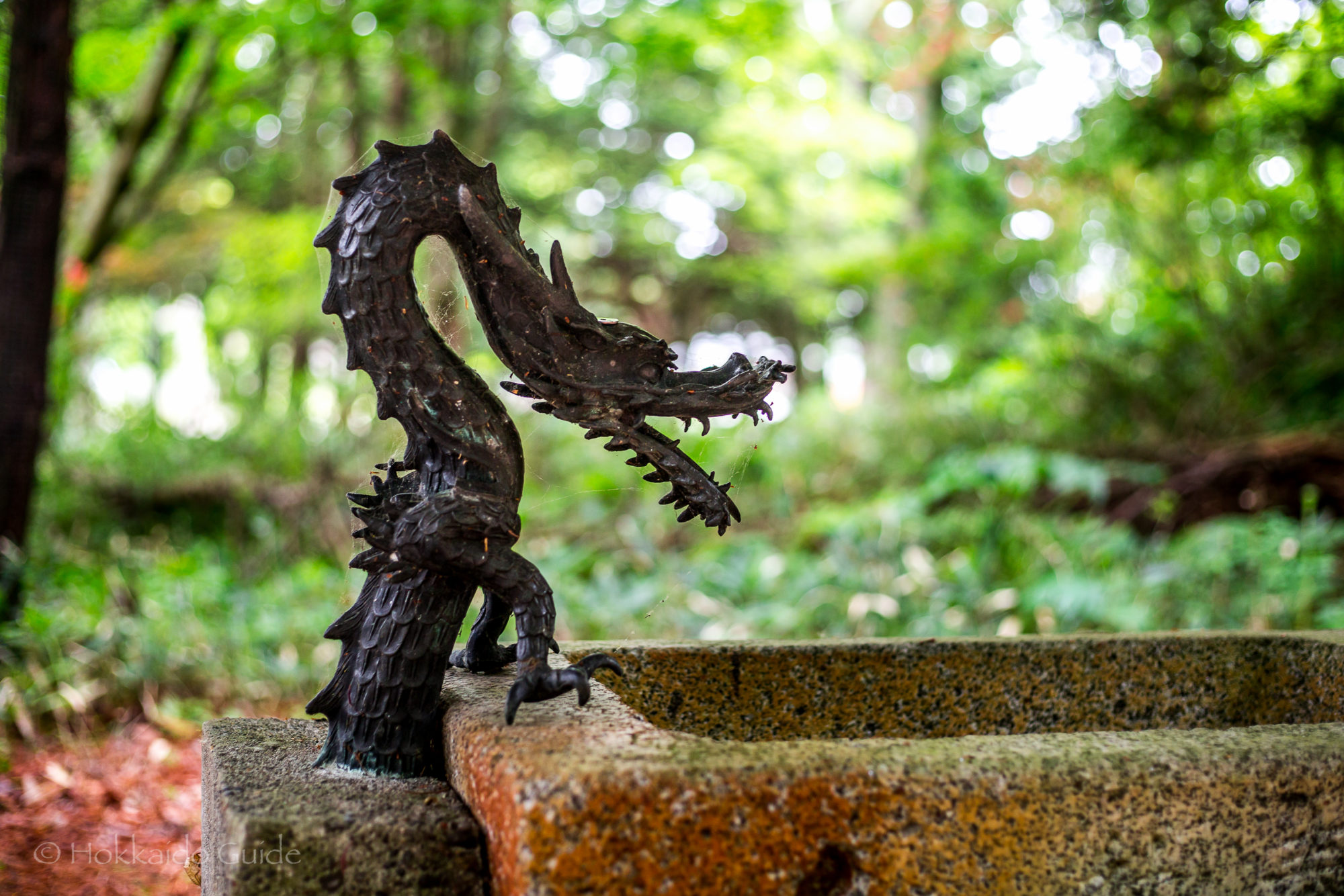
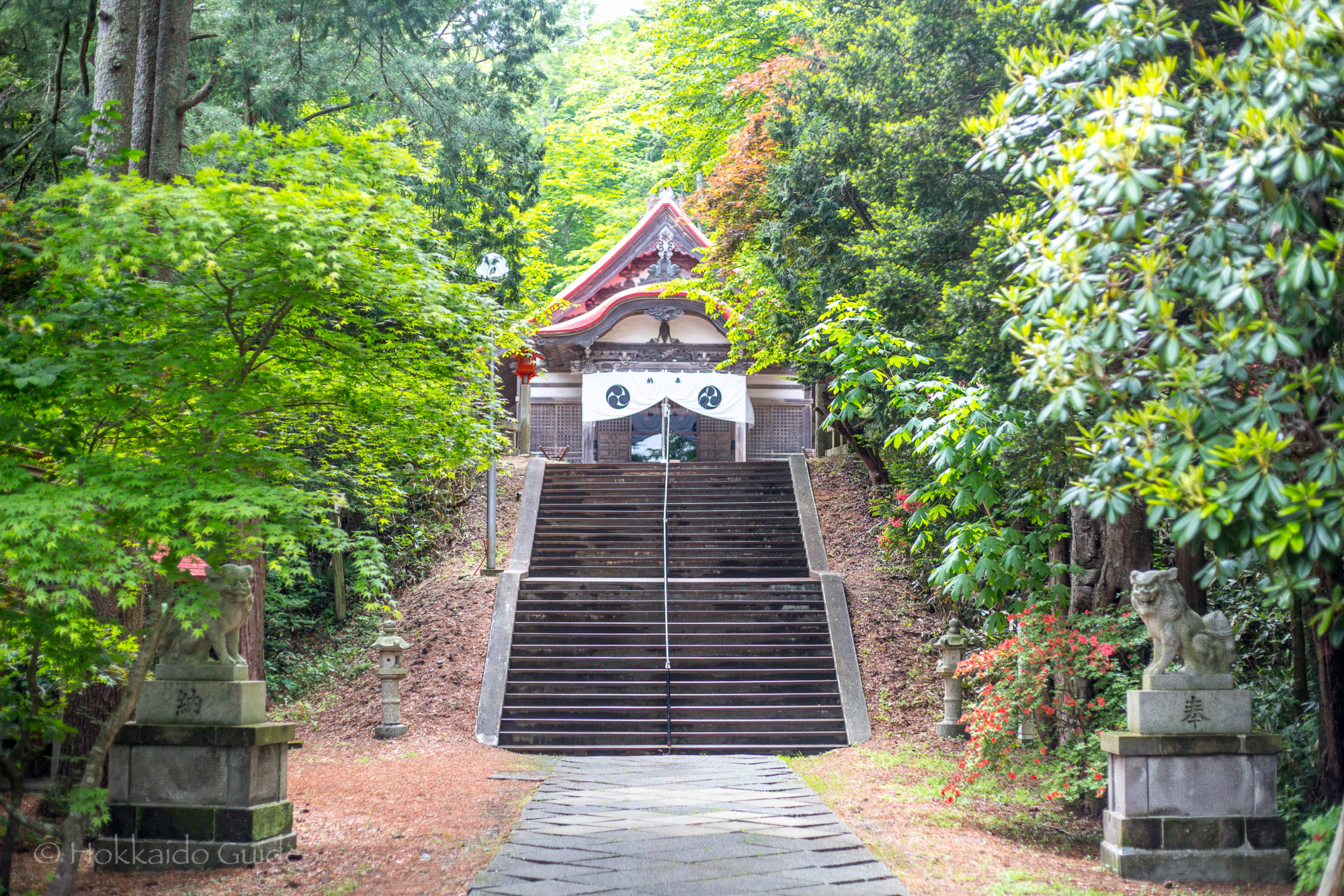
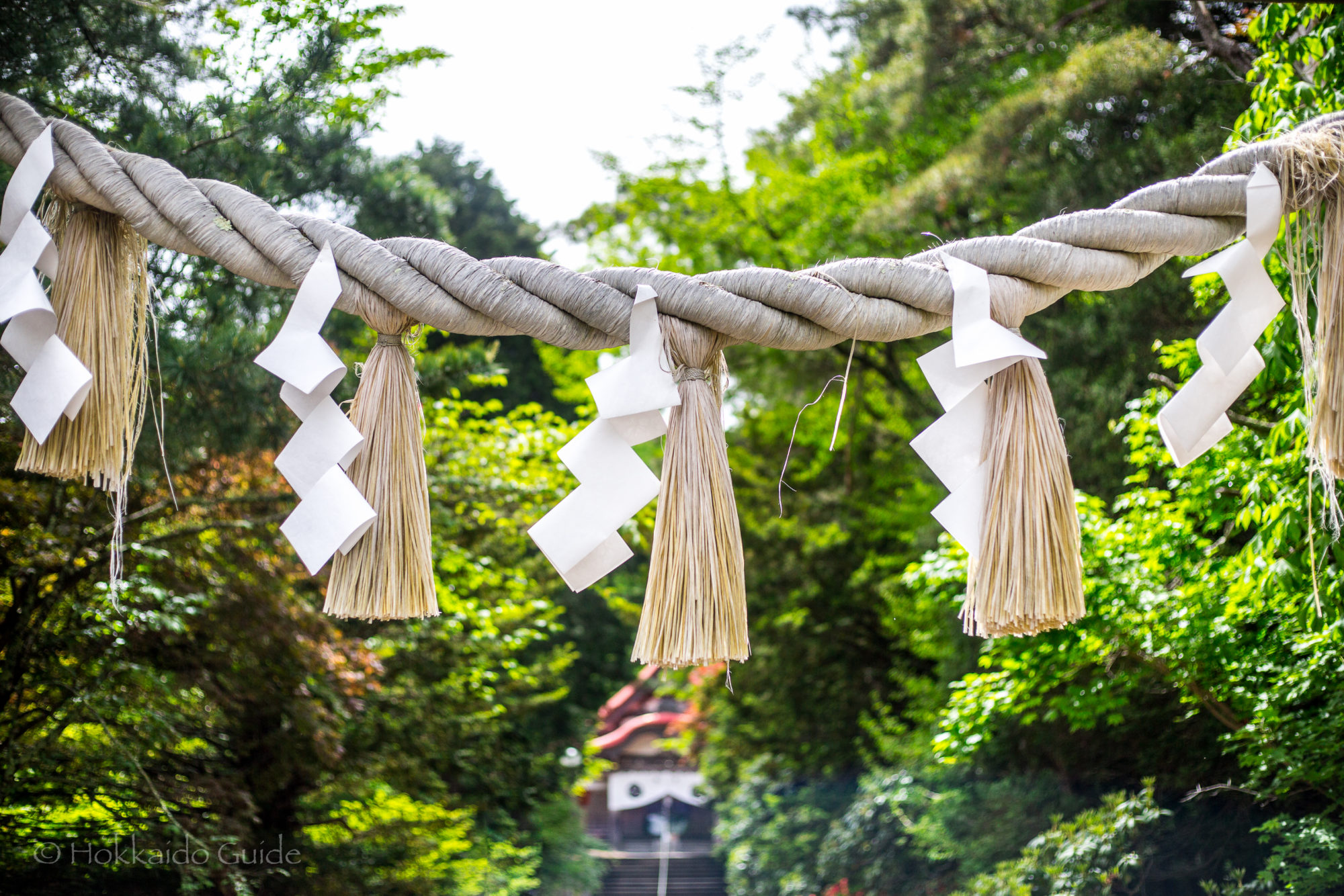
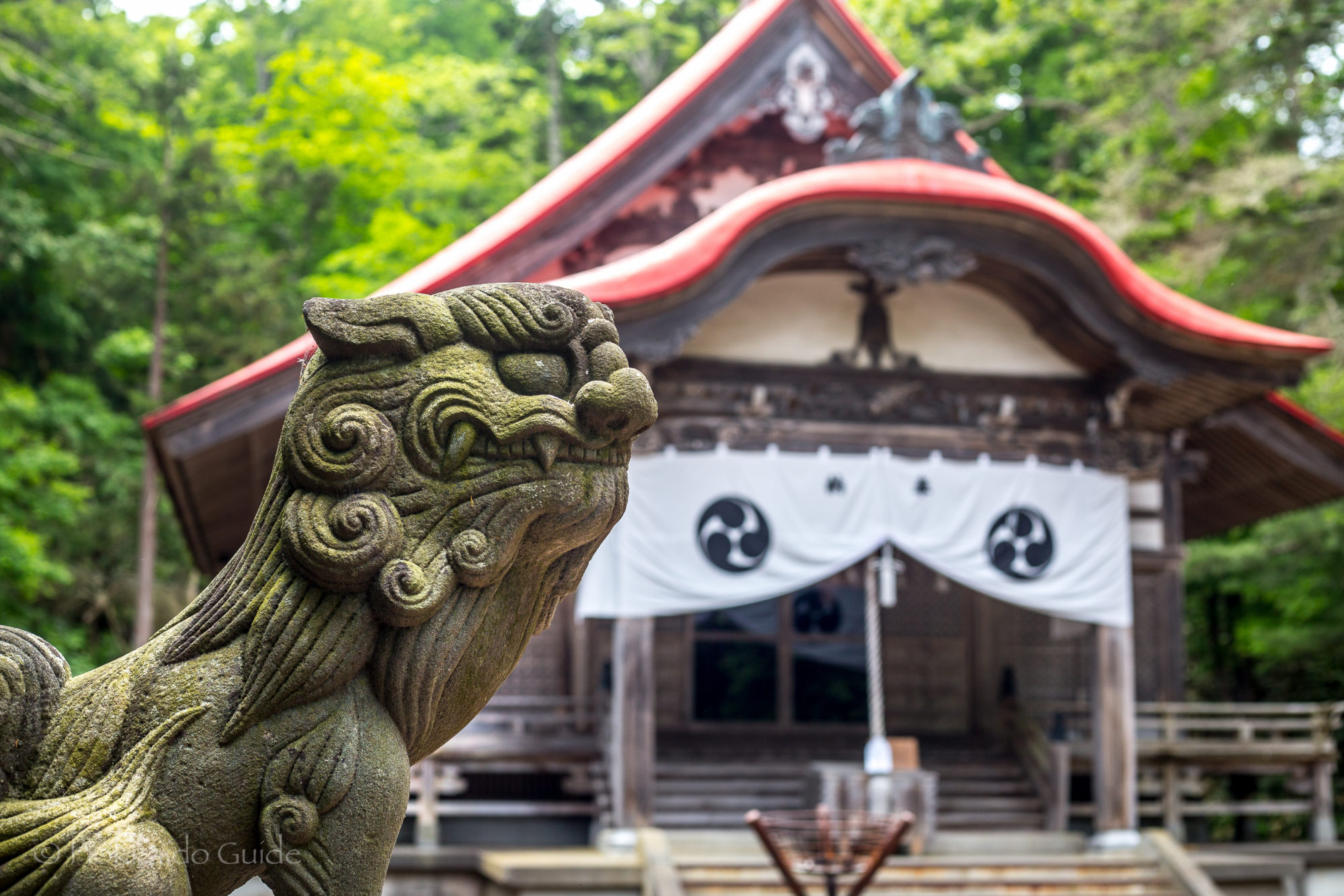
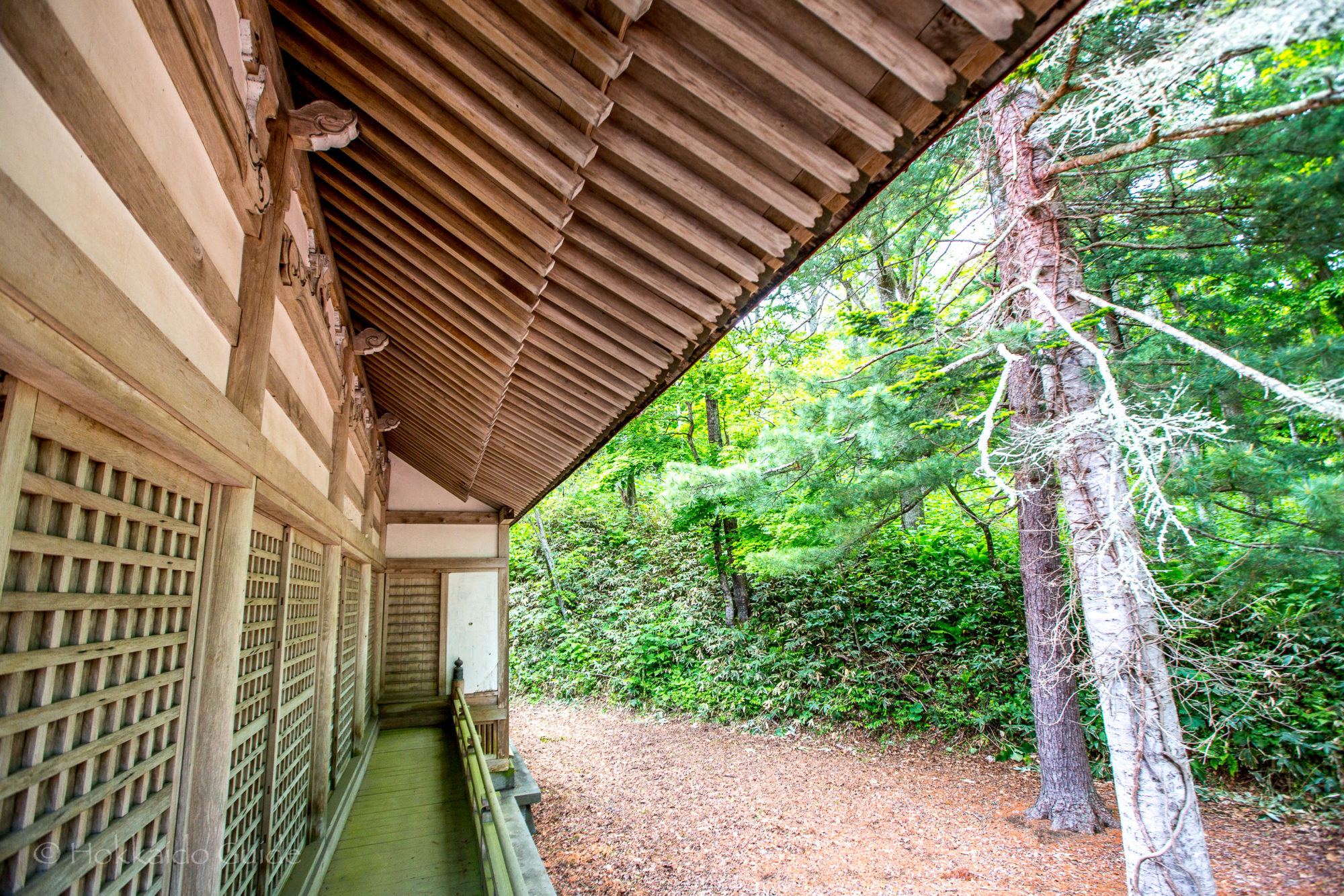
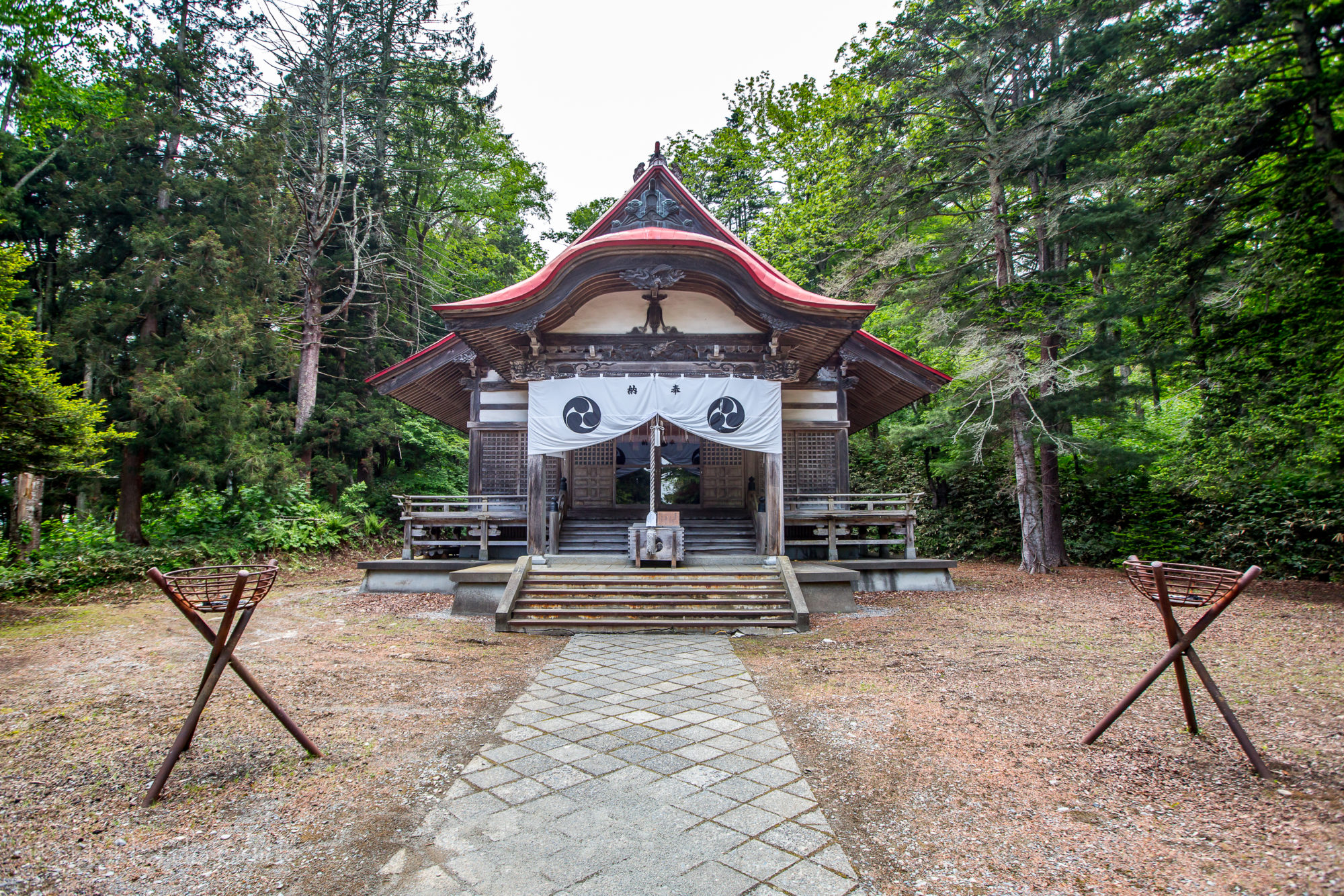
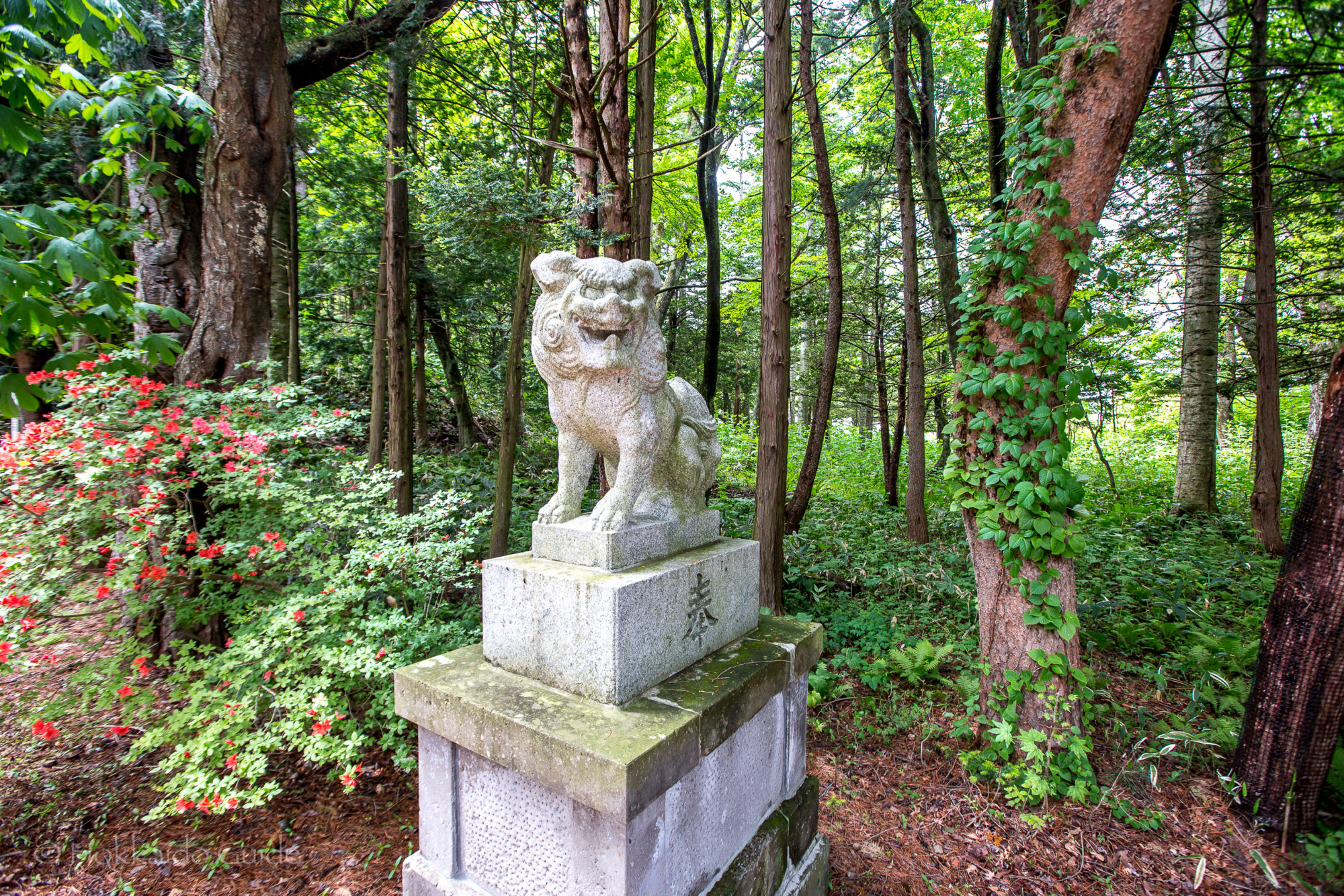
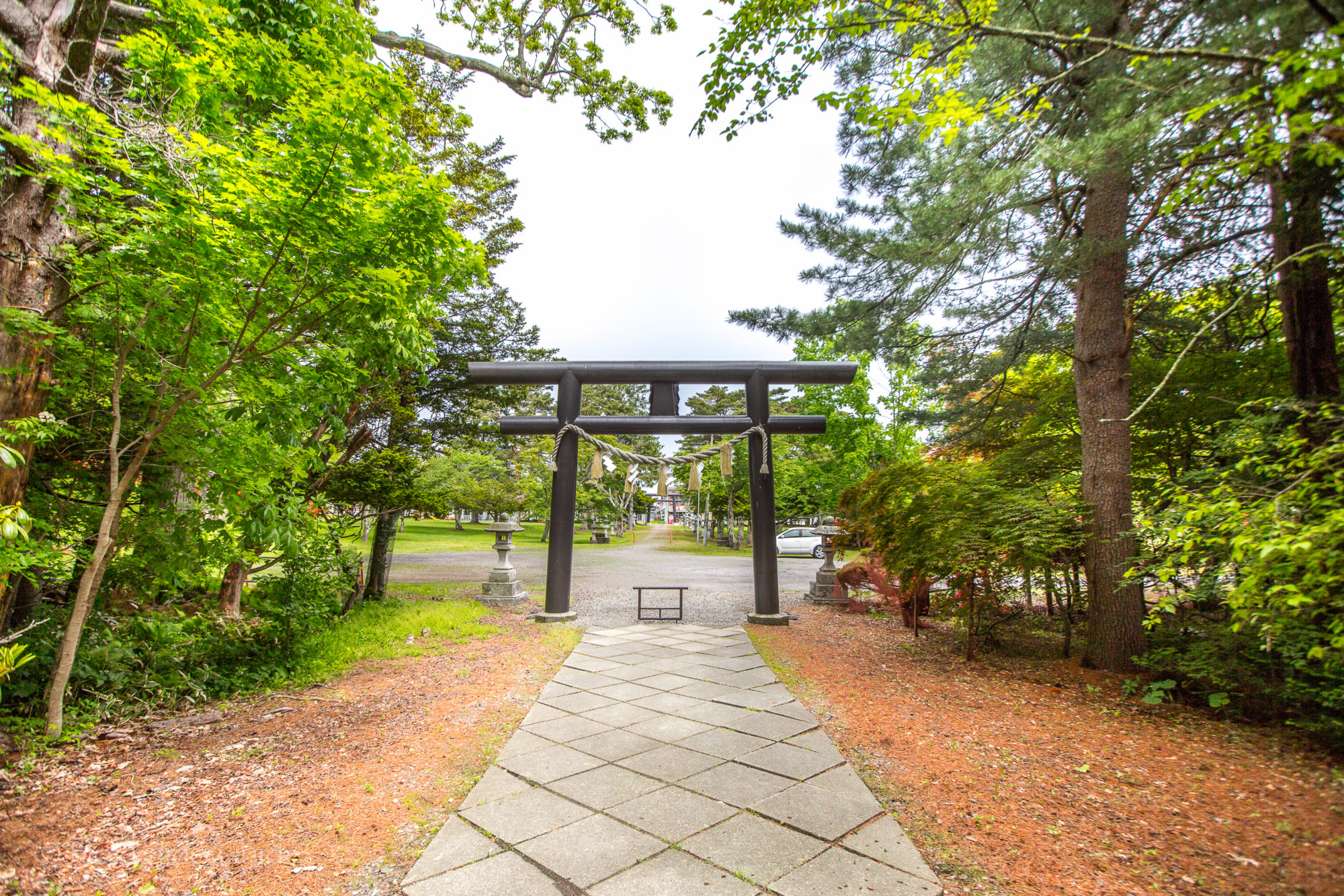
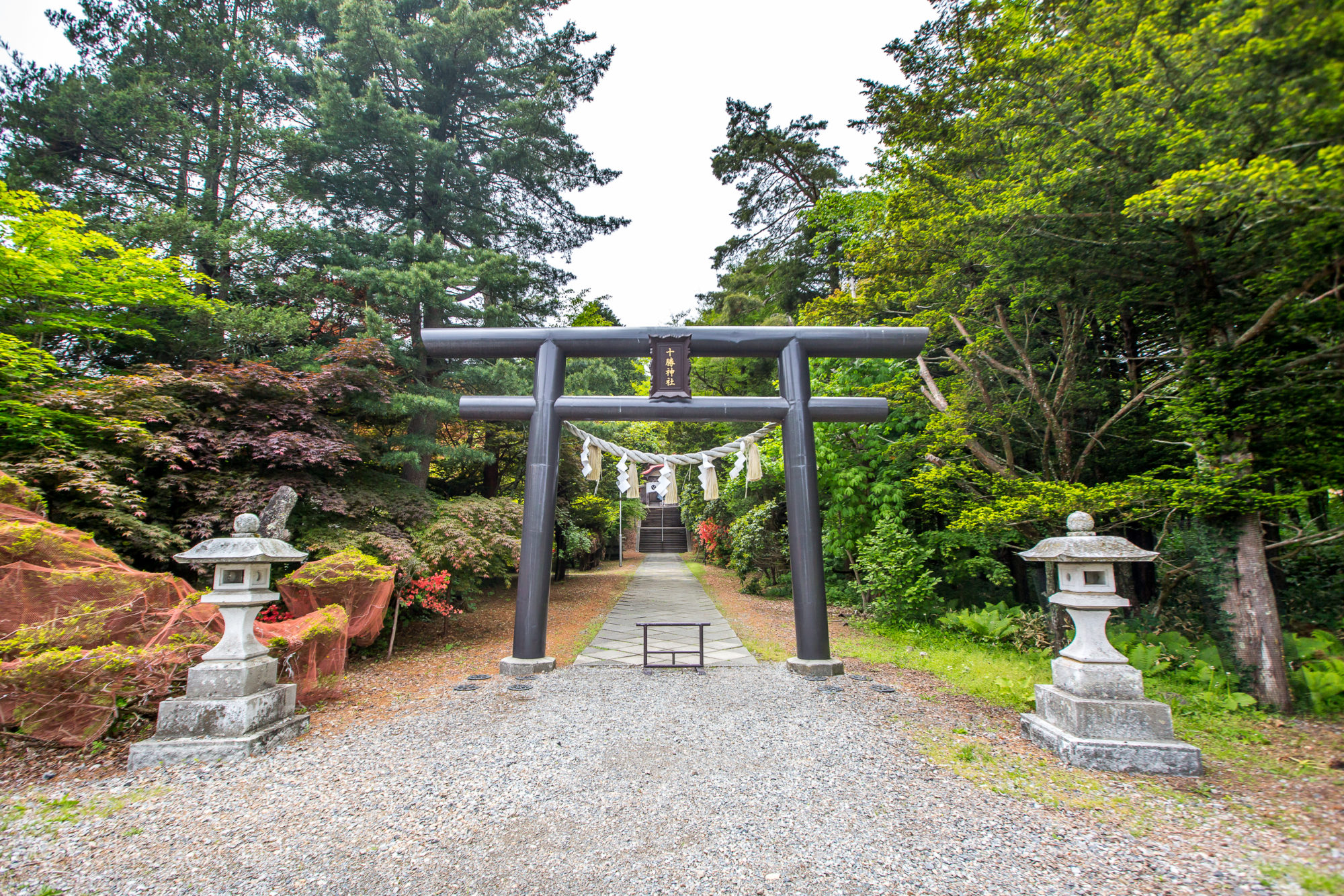
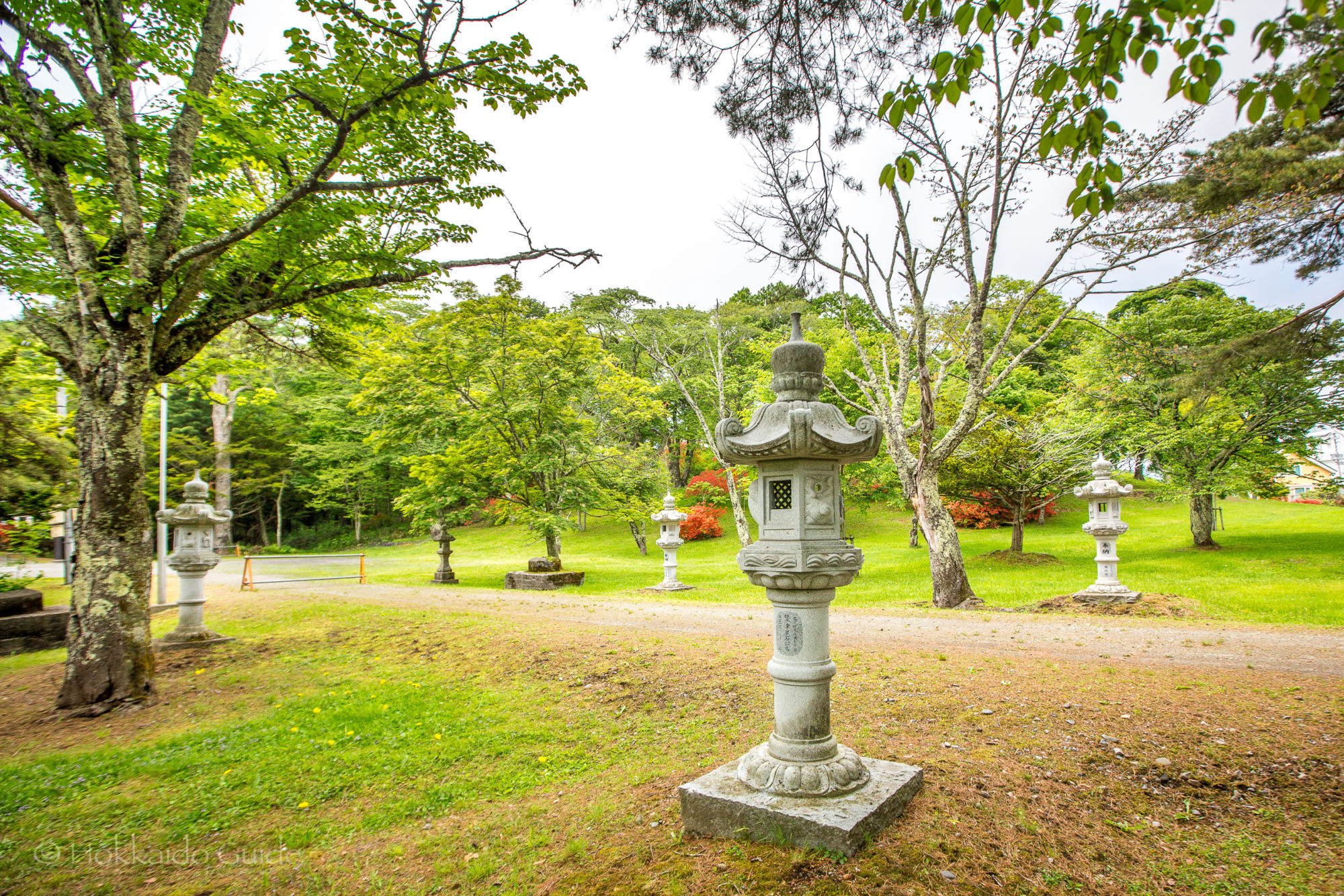
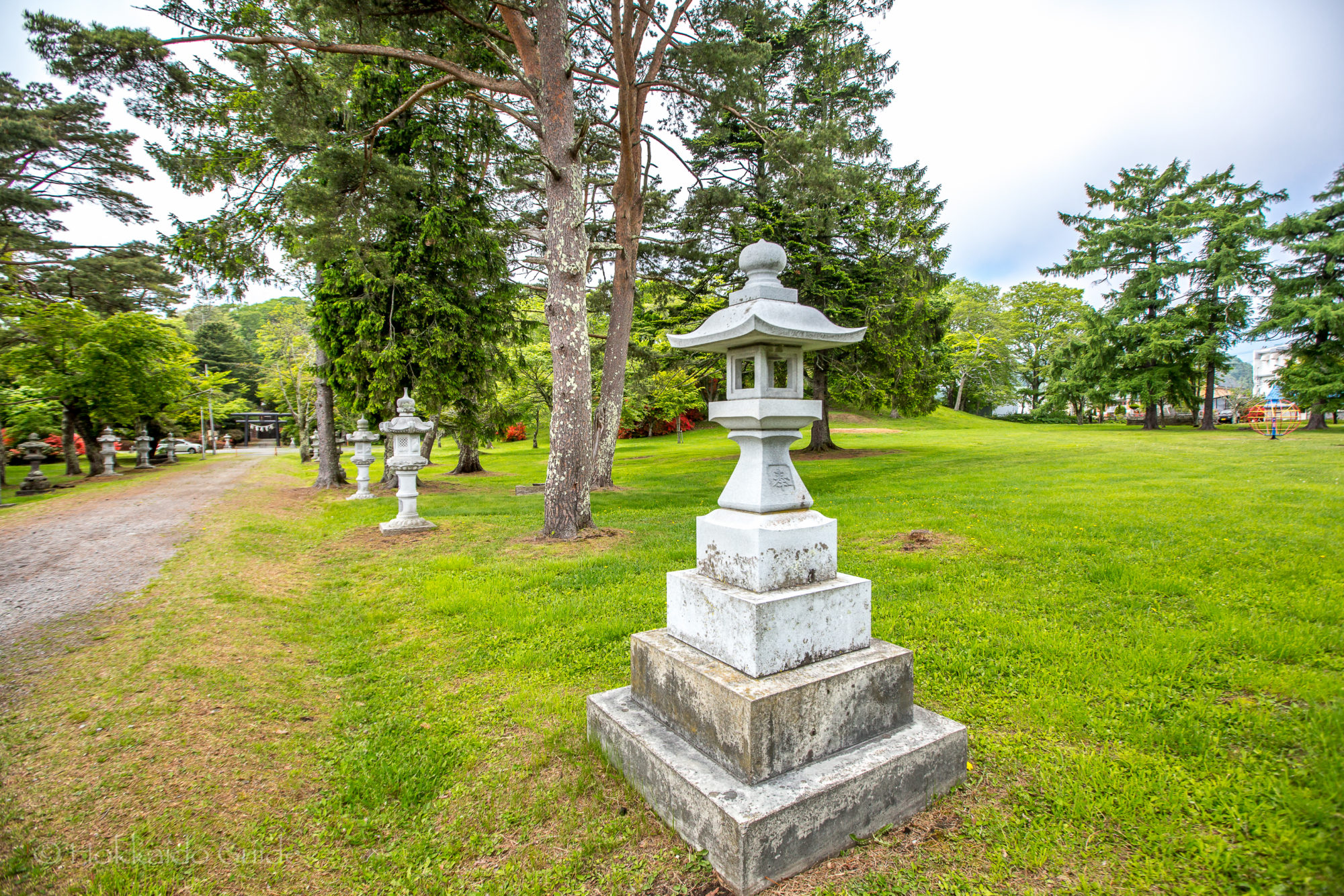
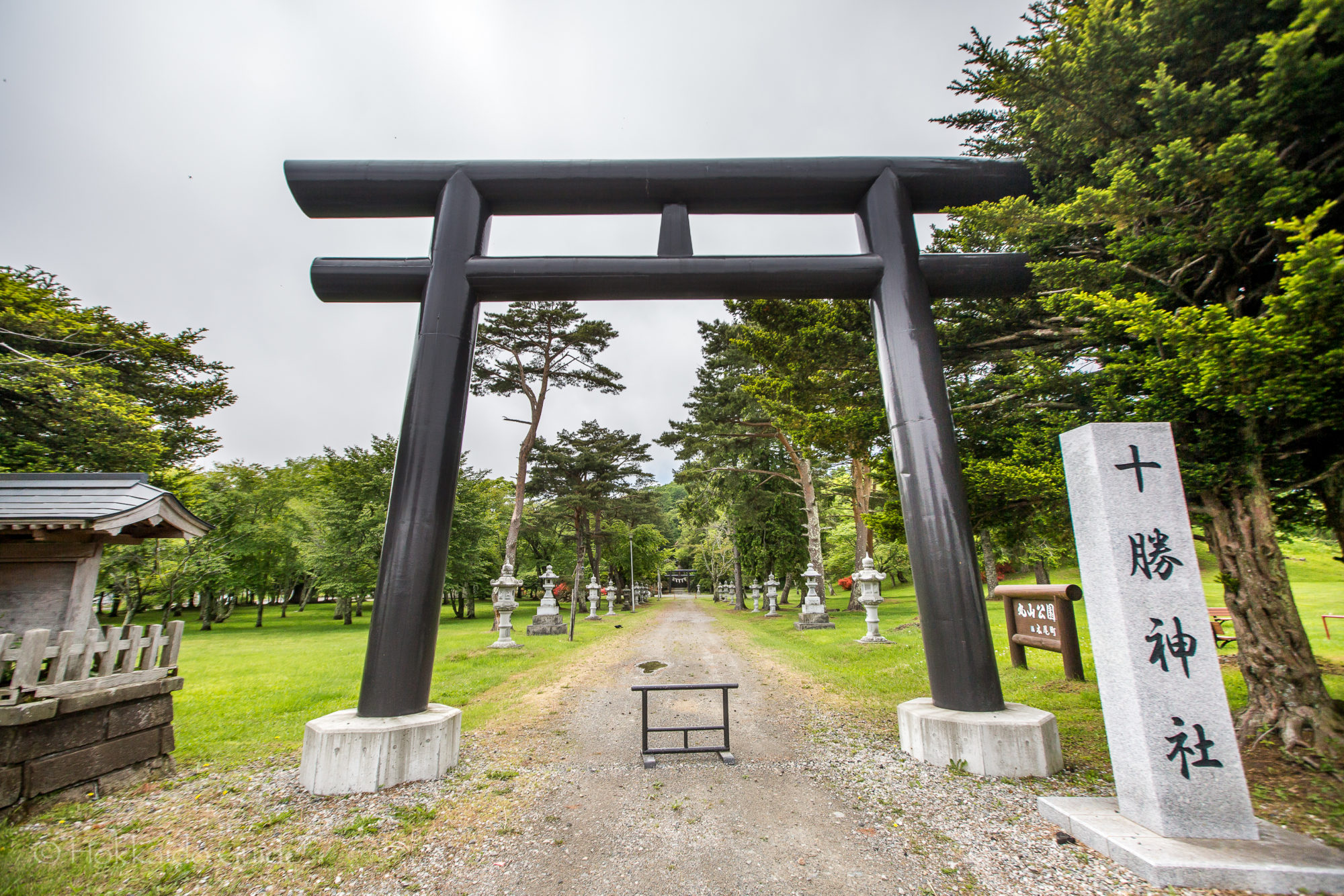
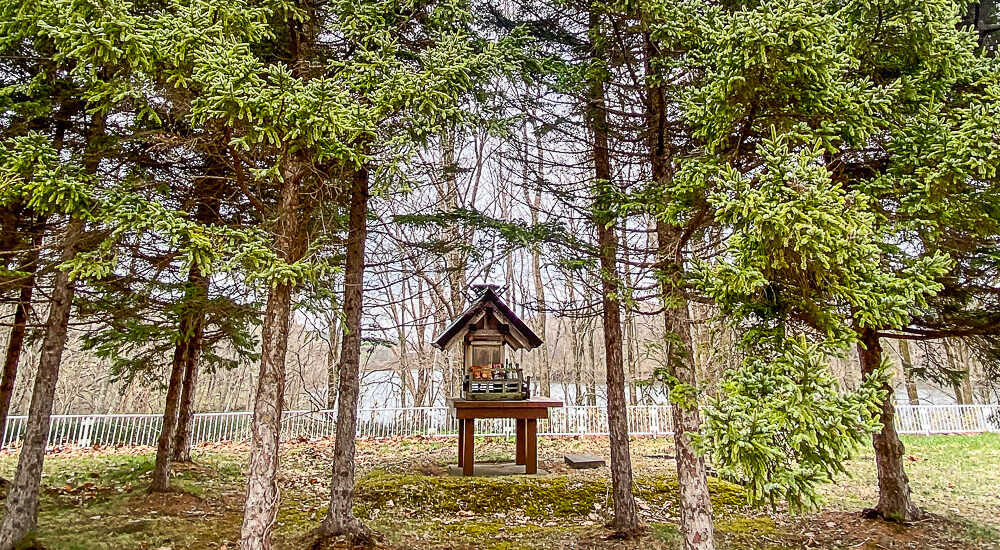
Yuni Togakushi Shrine is a small rural Shinto shrine located in the Furusan district of Yuni, Hokkaido. Although little is known about its exact origins, it is believed to have been established during Hokkaido's settlement period Read More ....


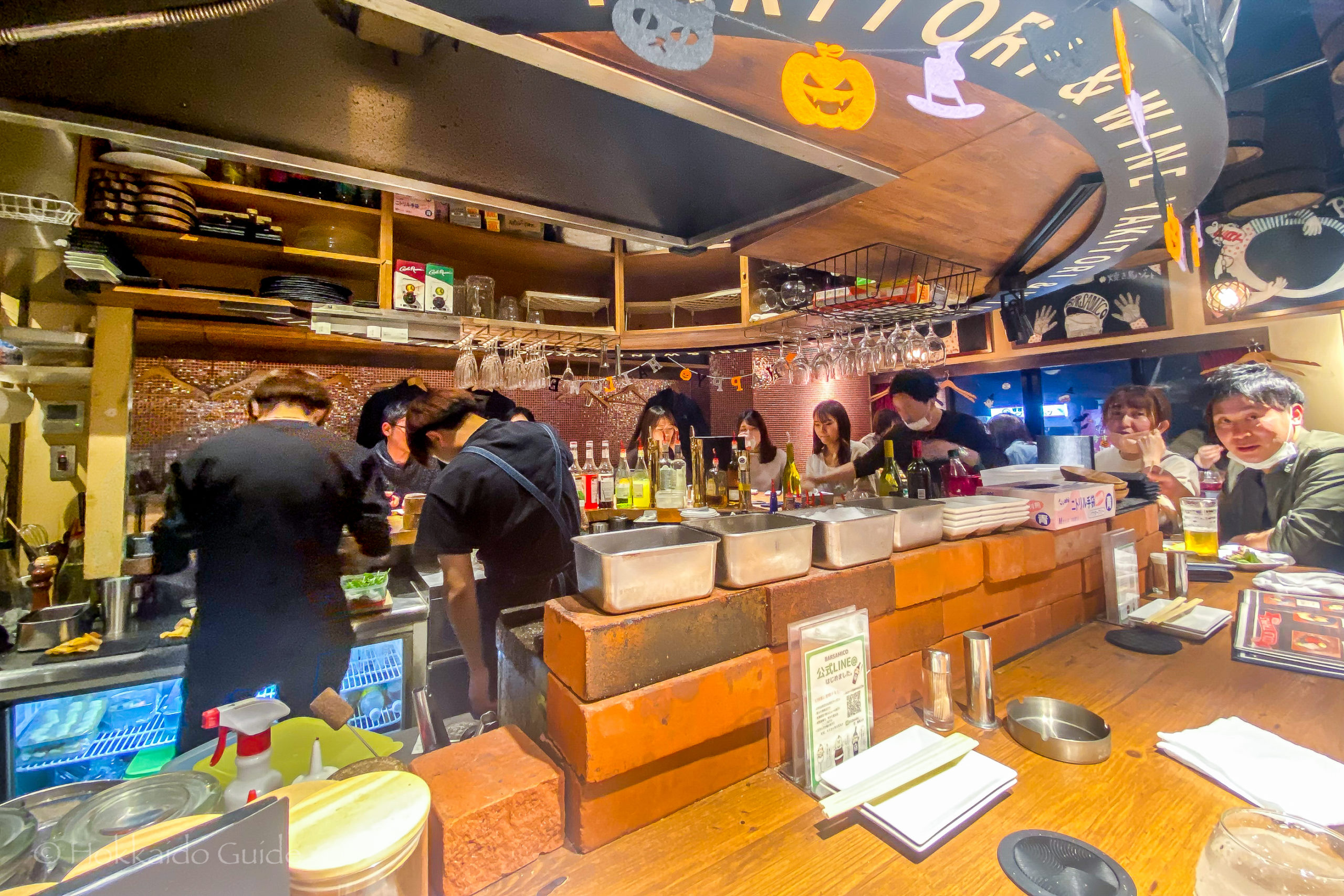
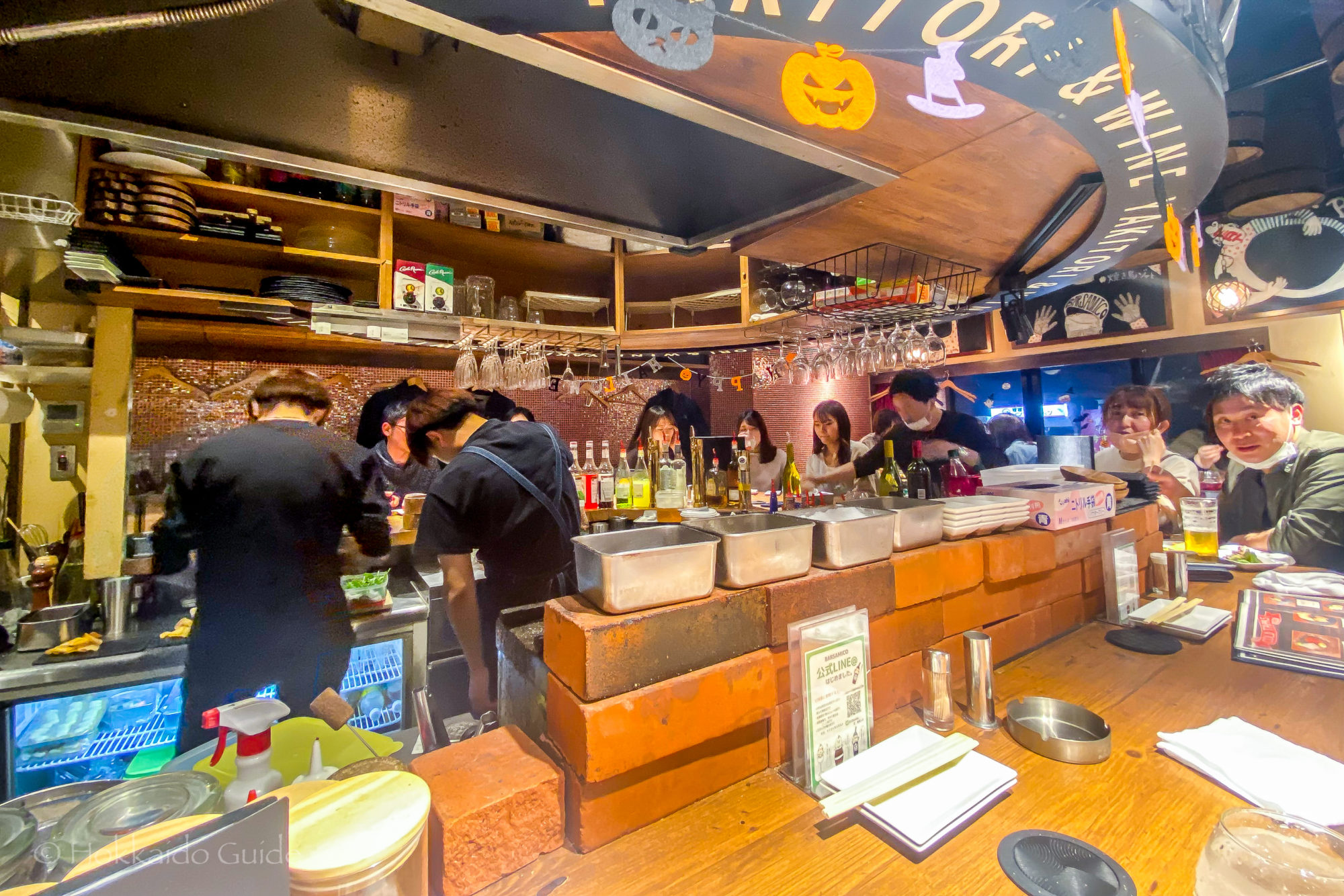
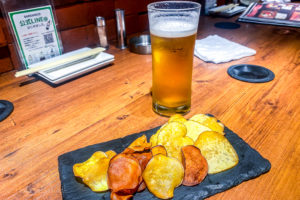 Sapporo, and its nightlife district of Susukino is full of bars, clubs and restaurants either on the main road or tucked away down small alleyways or streets. Barsamico is one of these bars that can be found in a small alleyway. It is a very popular bar and for good reason! They have an all you can drink plan and the drink menu includes spirits, beers, and wines. In fact, a lot of the decor is wine themed with barrels and motifs around the bar. You can enjoy some good wine here with equally good food. This bar is recommended for couples or small groups.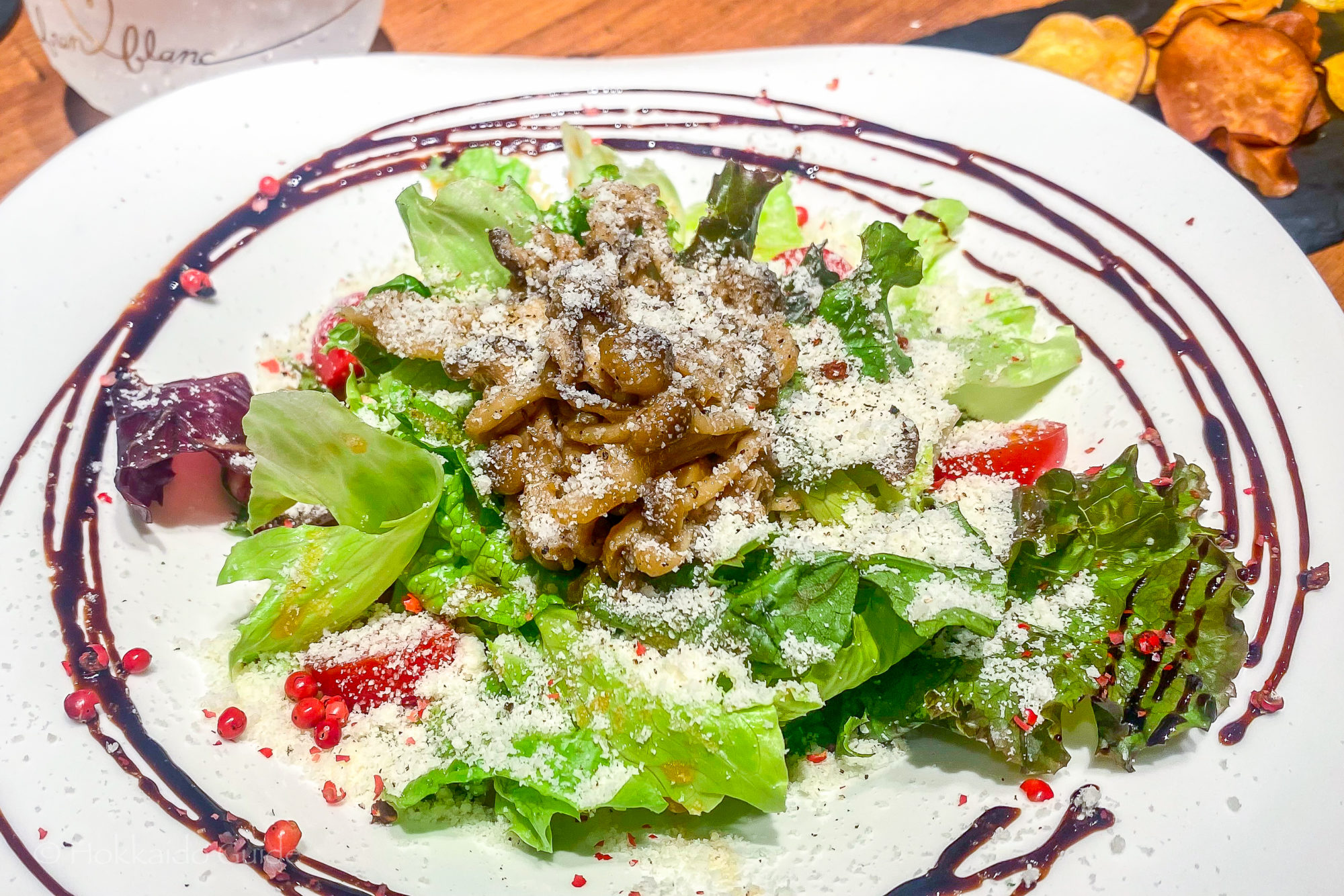
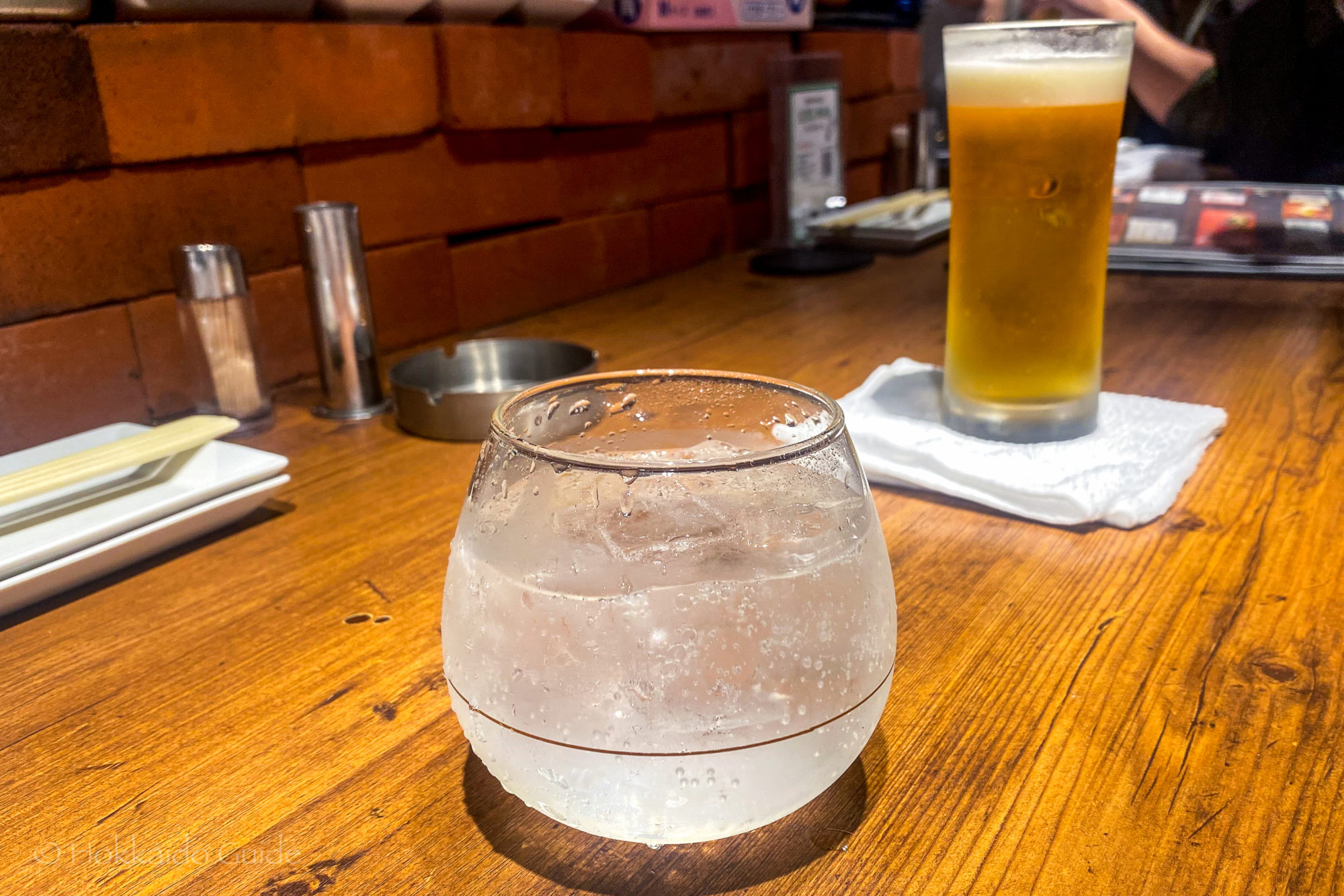
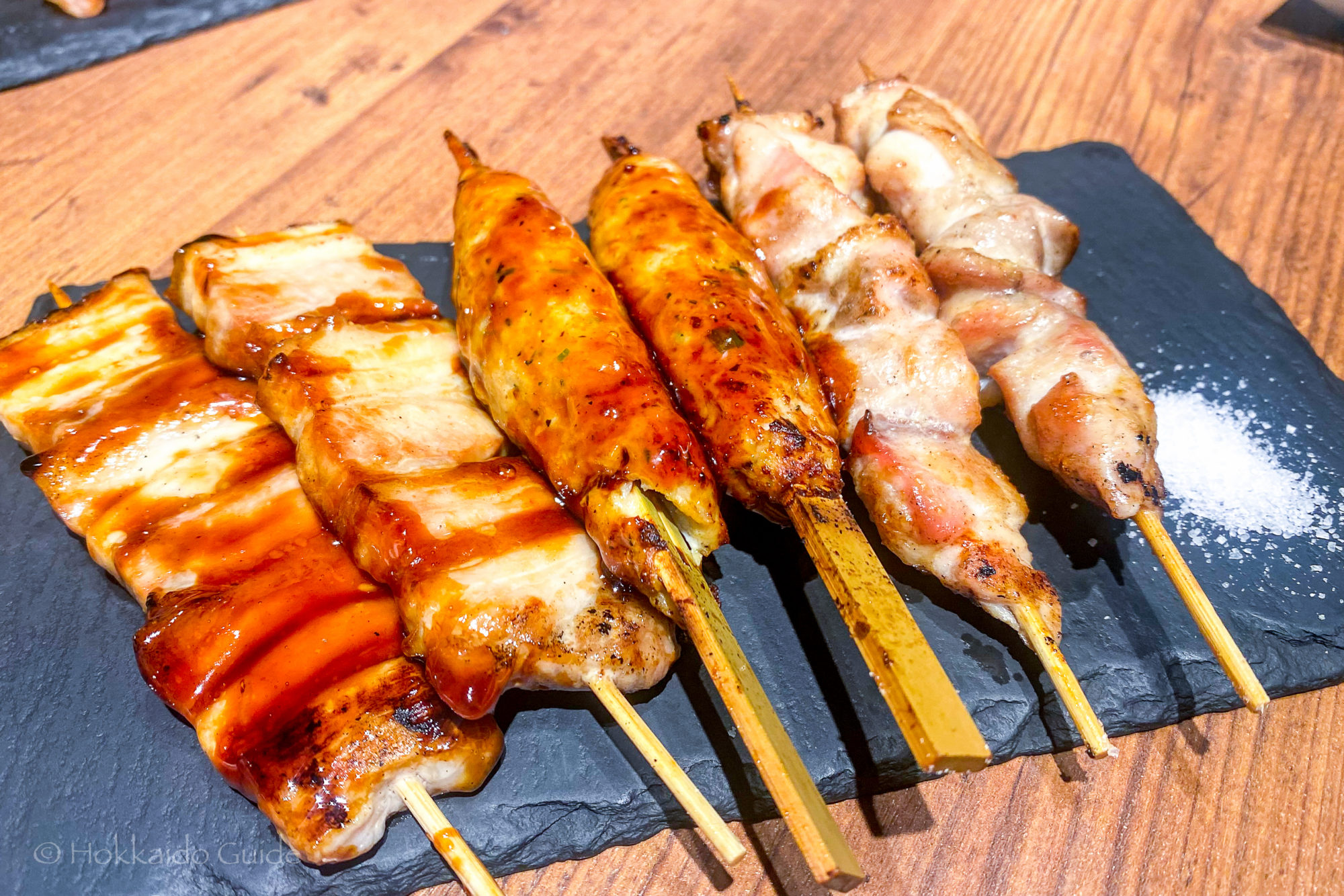
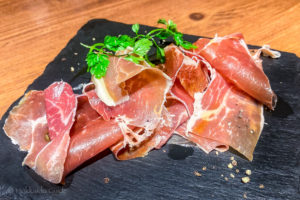 This small bar has good drinks menu and a food menu. The kitchen here, although very small, produces a huge range of delicious dishes. A lot of the food here is perfect for a bar sitting and compliments the drink. They have olives, cheeses, prosciutto, pâté, plus salads, grilled beef, pastas, and desserts. It is amazing the small kitchen can produce so much. The main dish here though, is the grilled meat skewers, or yakitori. Sample the dozen or so meats here. Barsamico is the perfect spot for a cozy date, or a for a good night with some friends.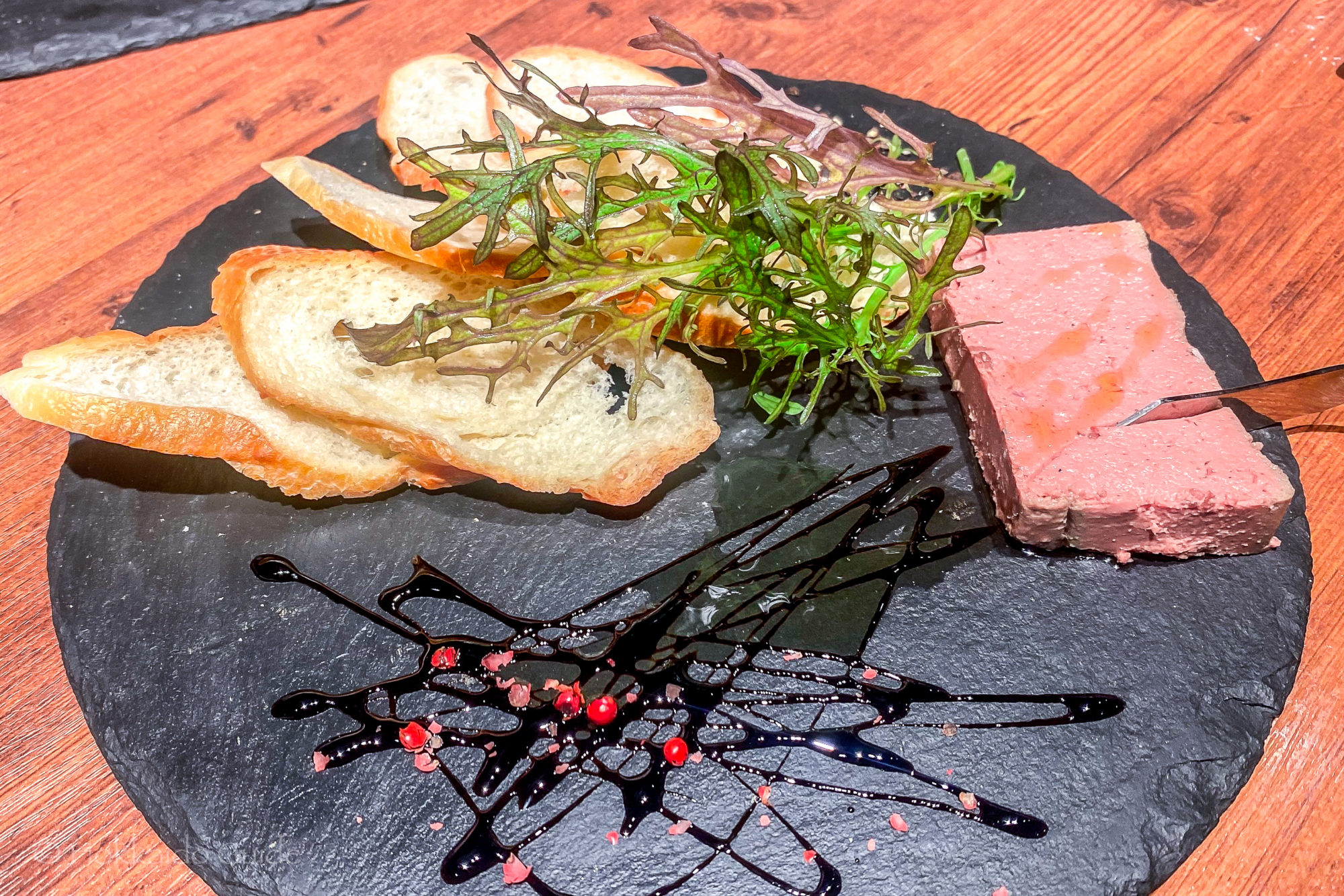
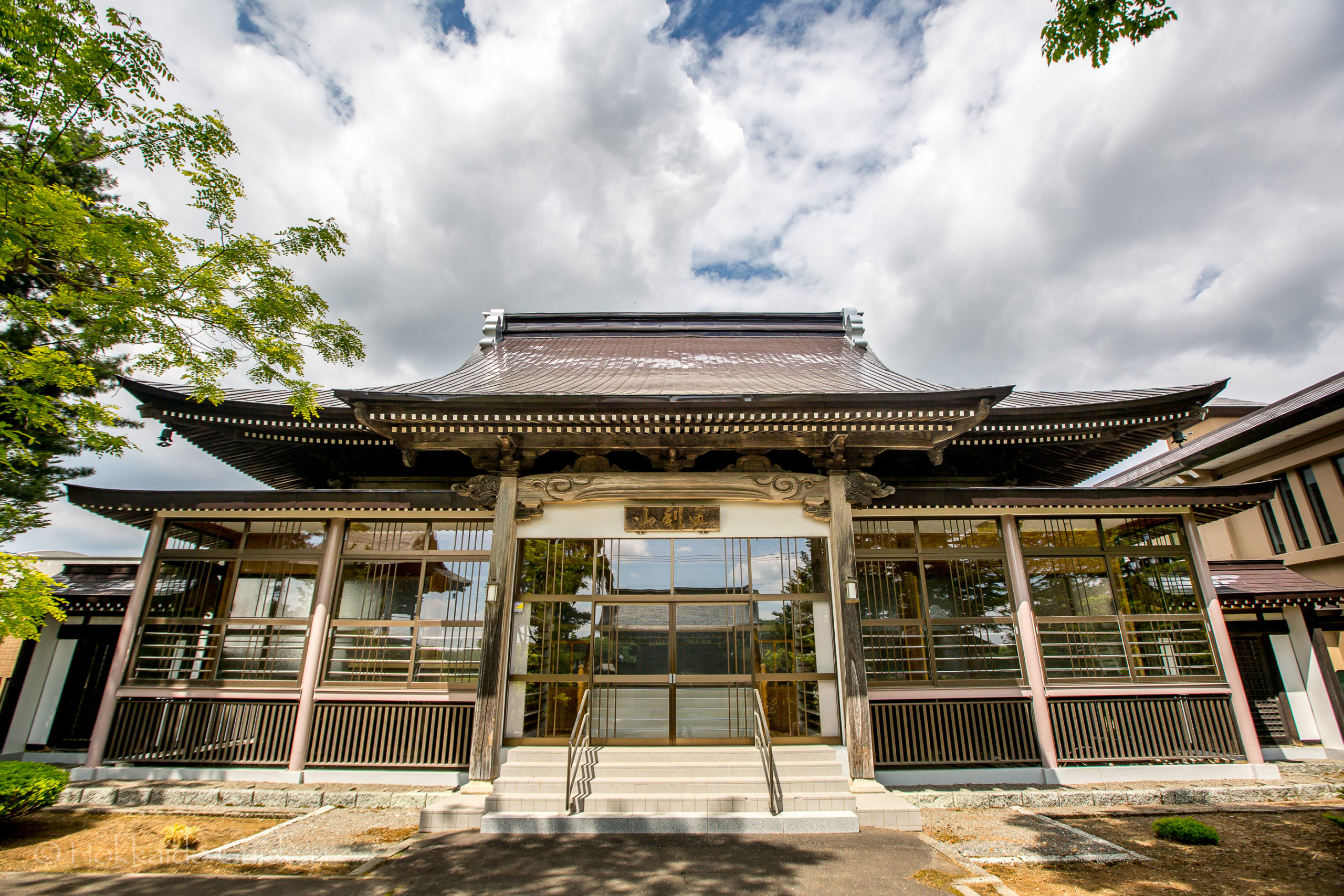
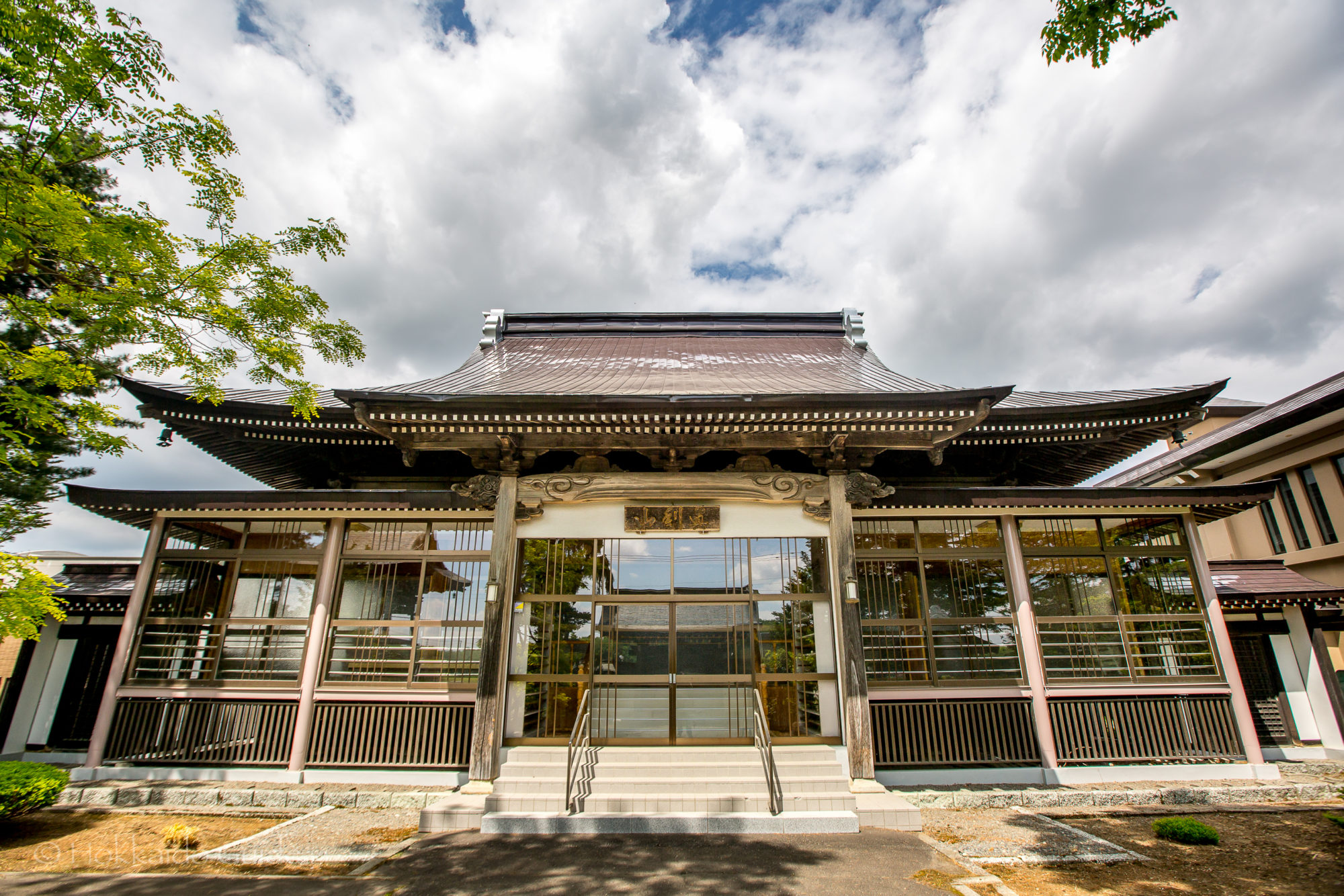
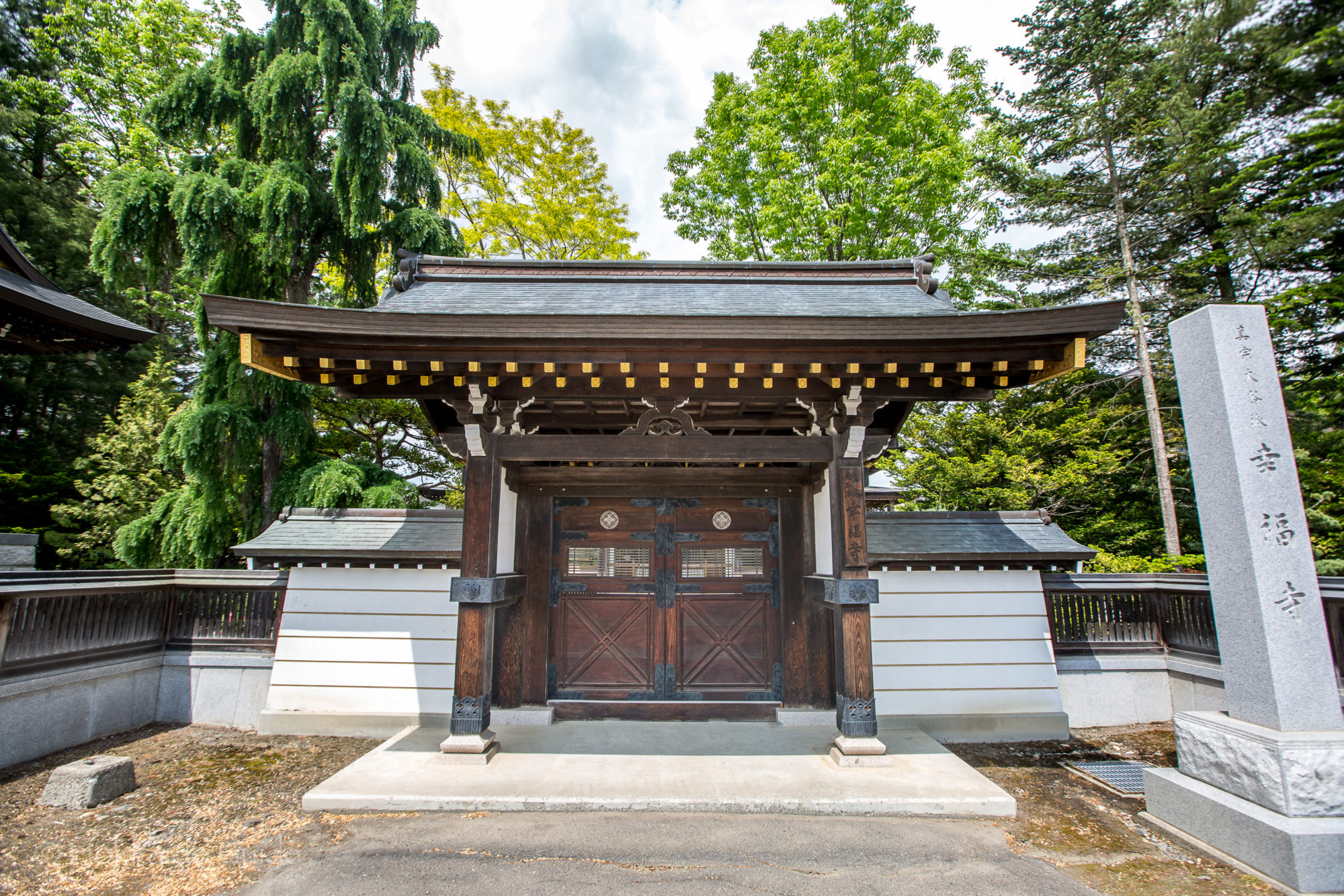
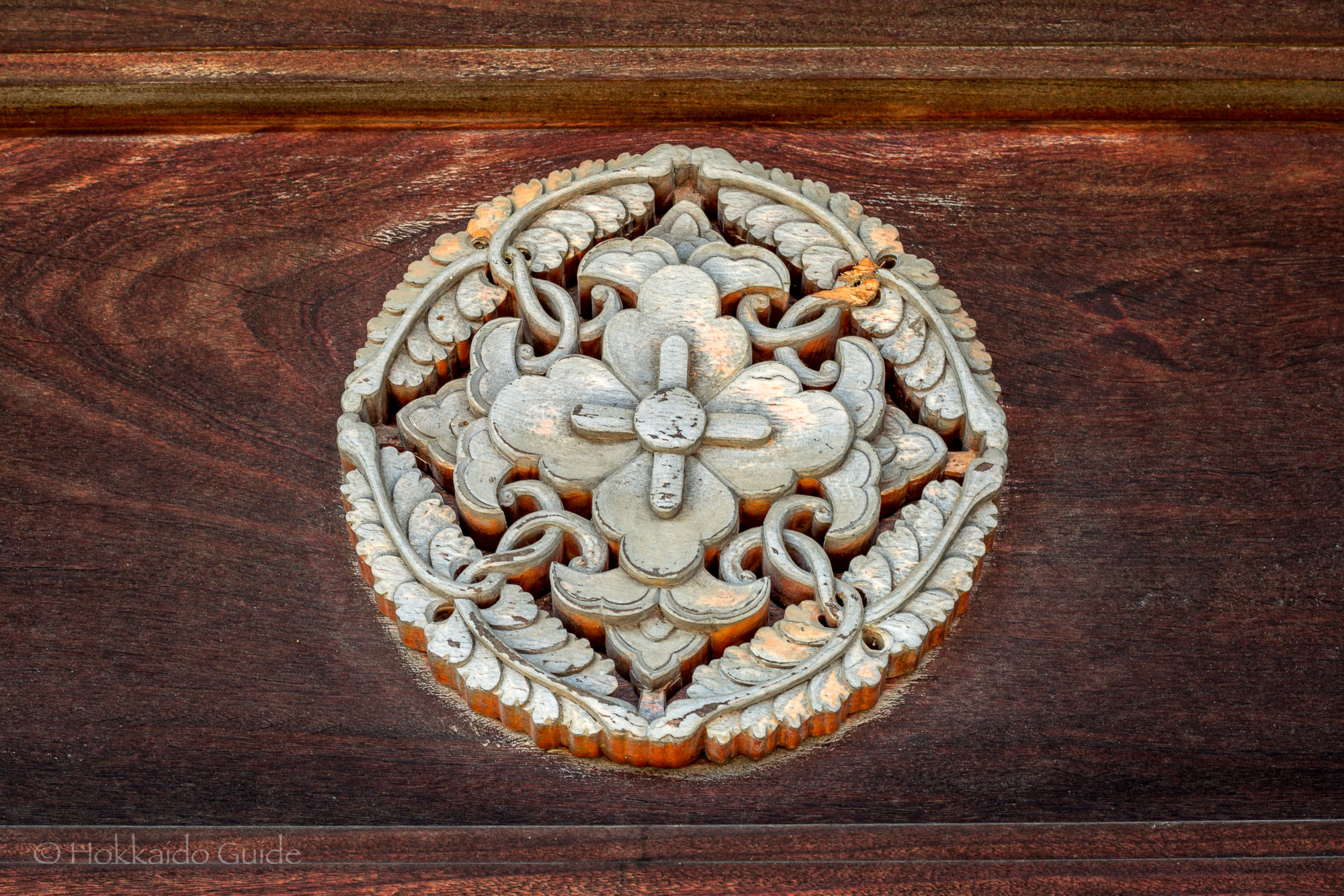
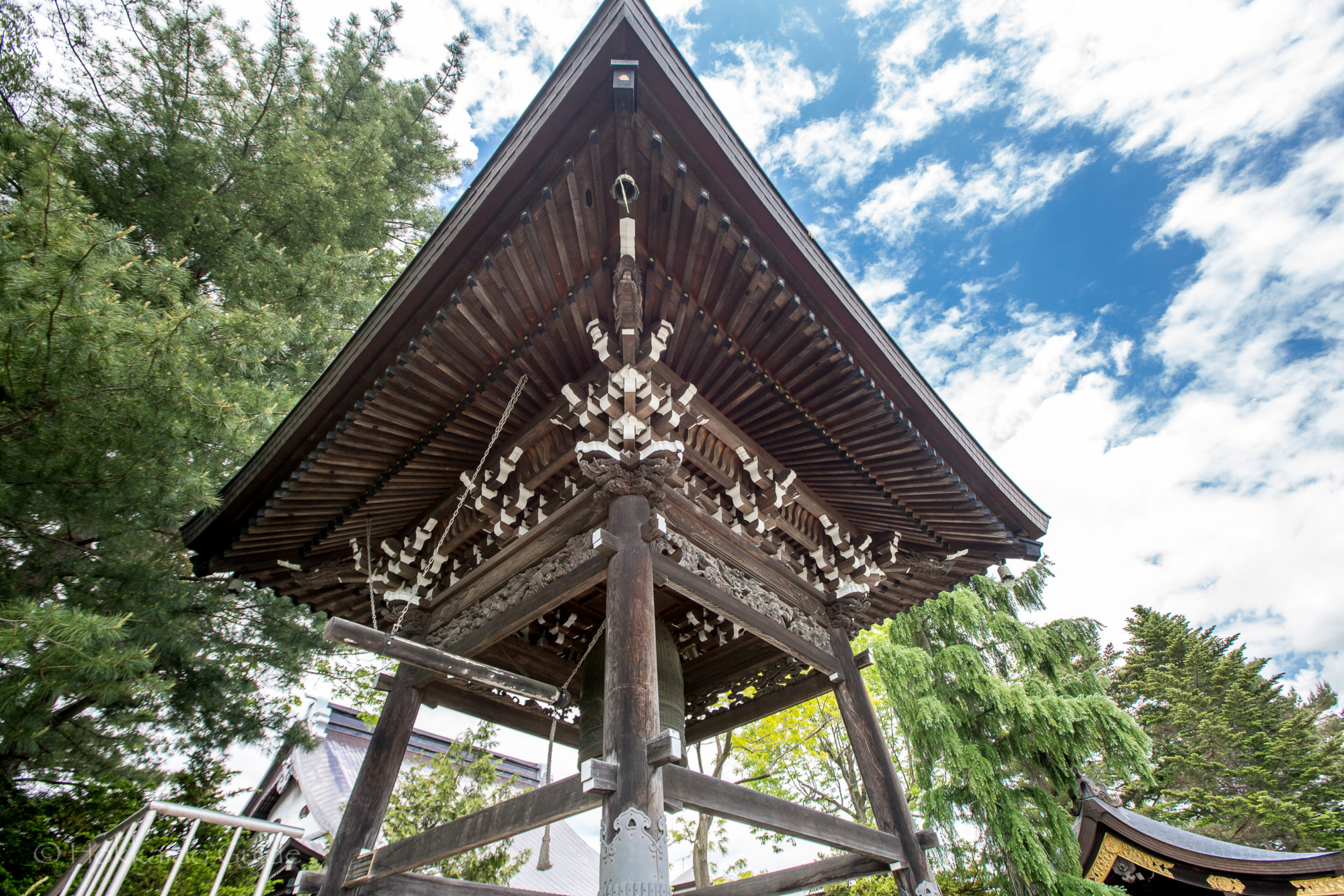
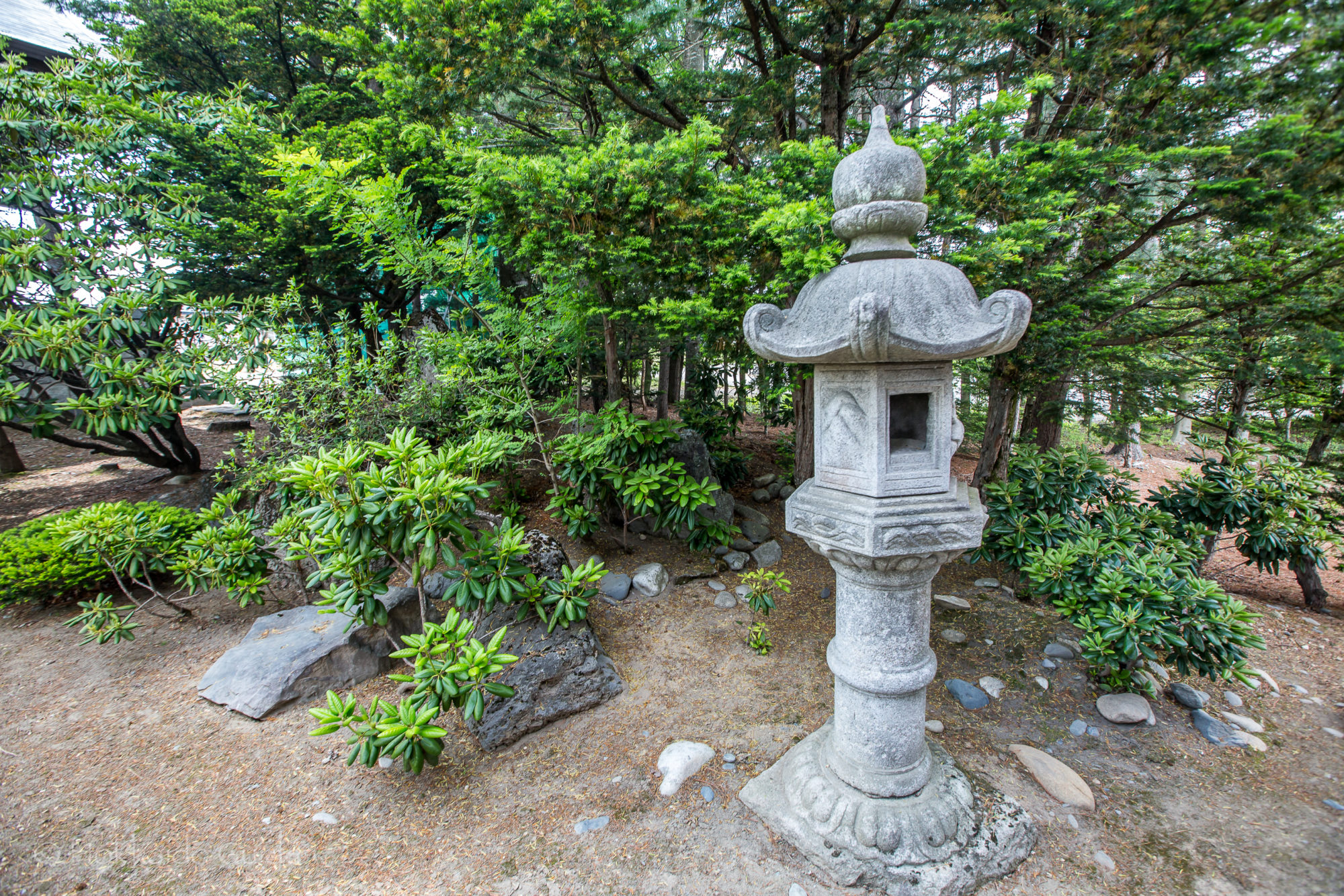
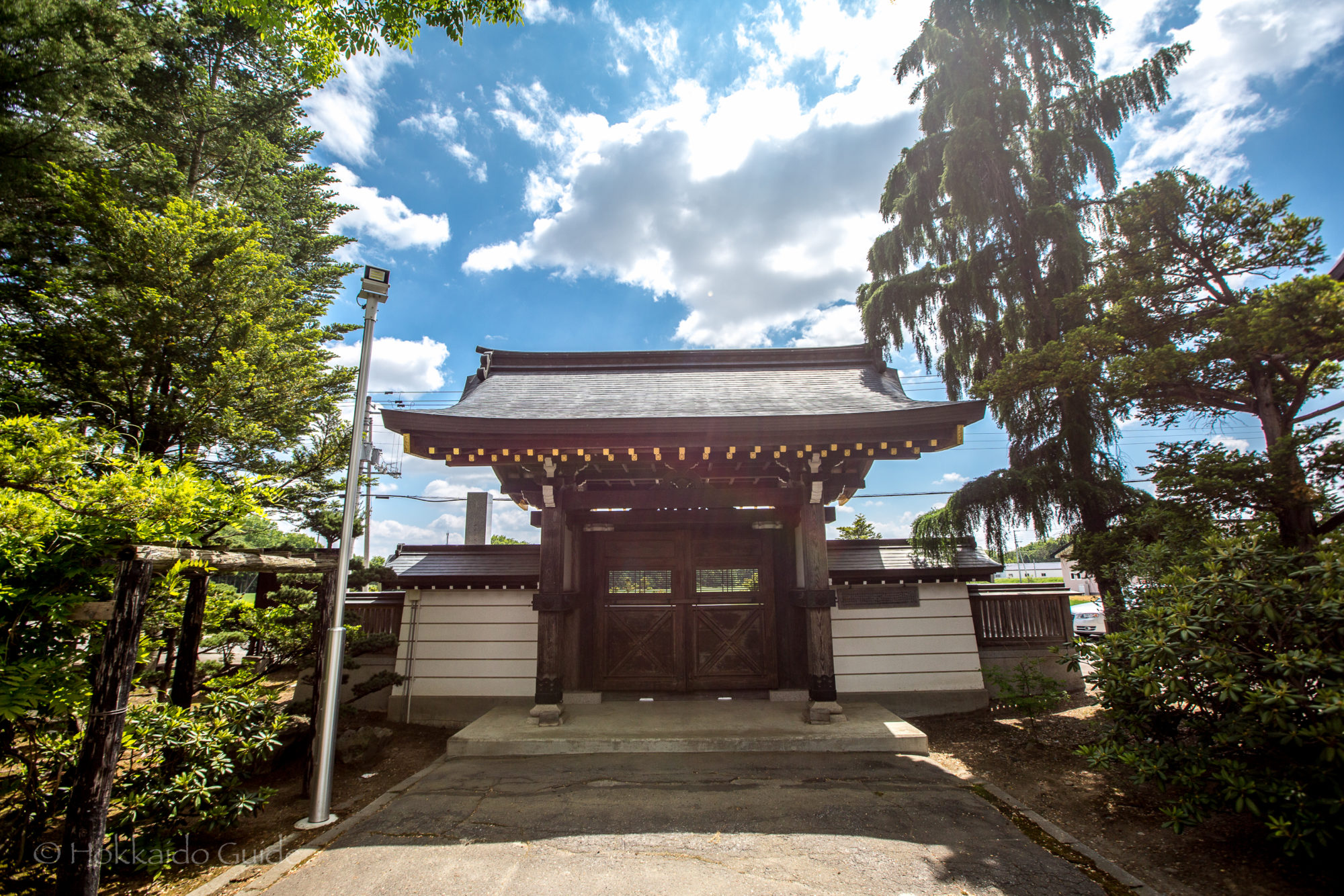
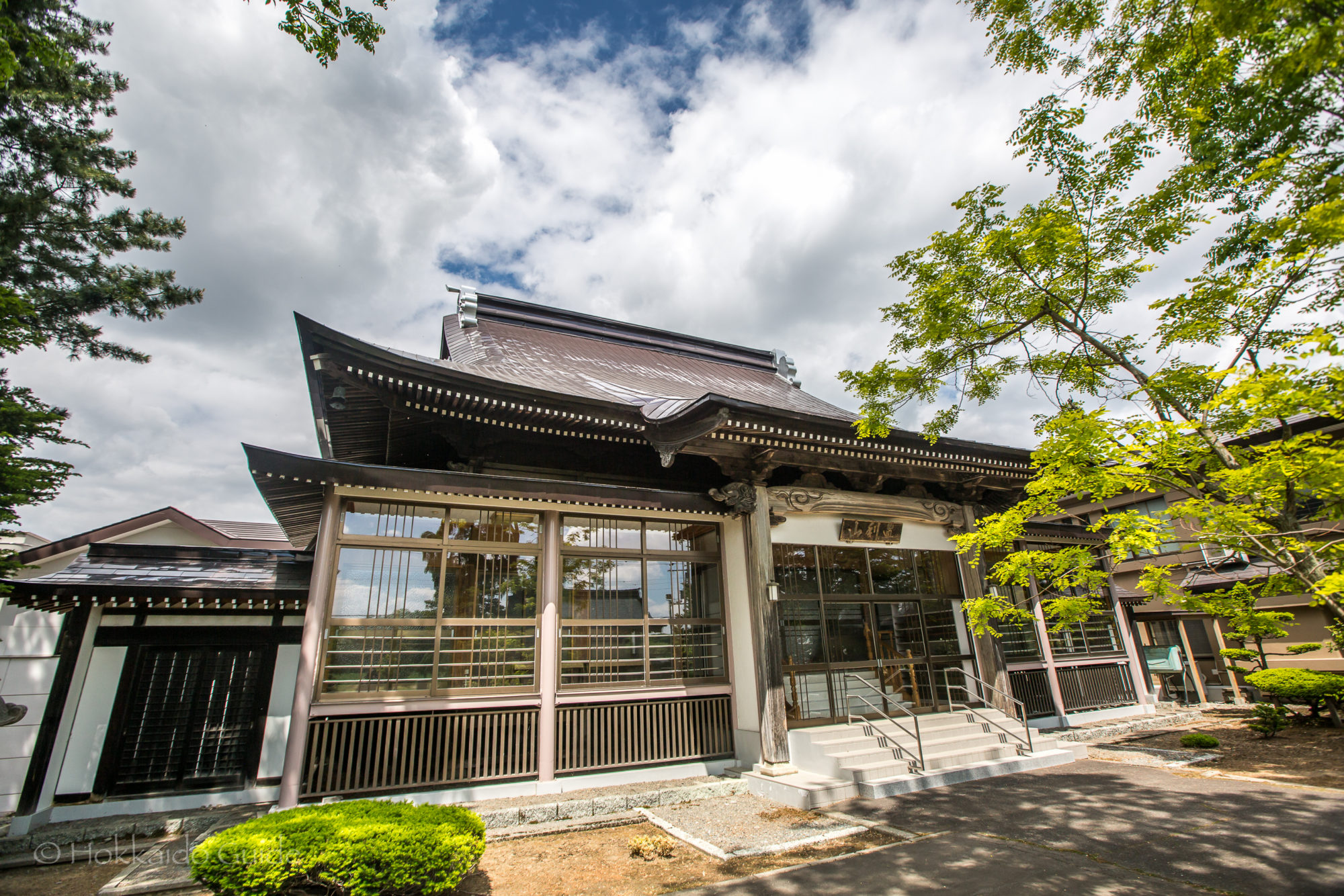
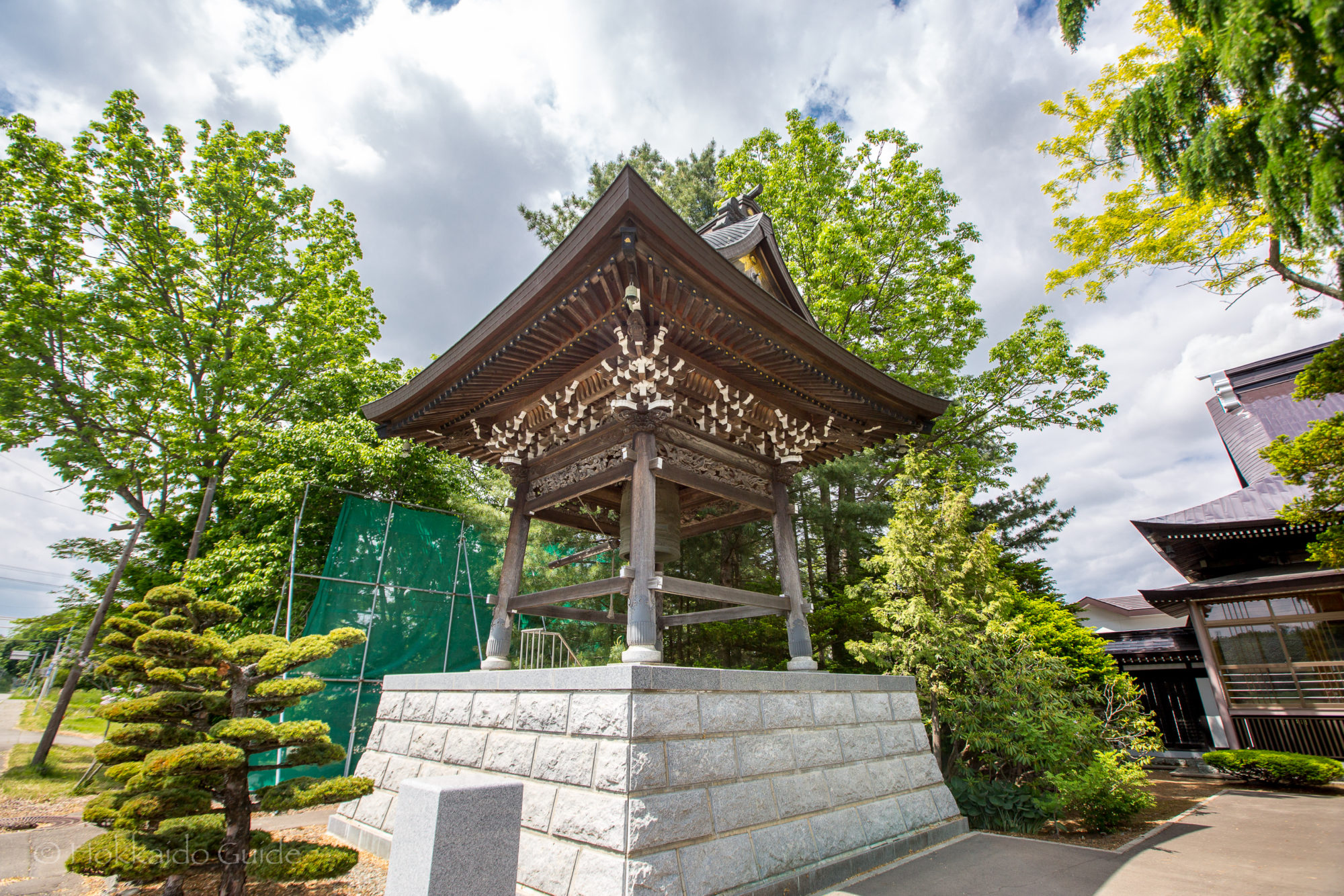
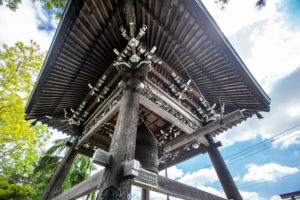 In the Obihiro district there is an expanse of farmlands and wilderness. Between the city of Obihiro and Hiroo, you can find Kofukuji. This temple, also known as the ‘happiness temple’ is a Shinto temple that is just off the main highway highway off route 236. It is quite a large temple and due to its remoteness it is in a quiet area. The Buddhist temple has a large wooden gate which allows access into the courtyard. For those driving you can park your vehicle along the road out the front.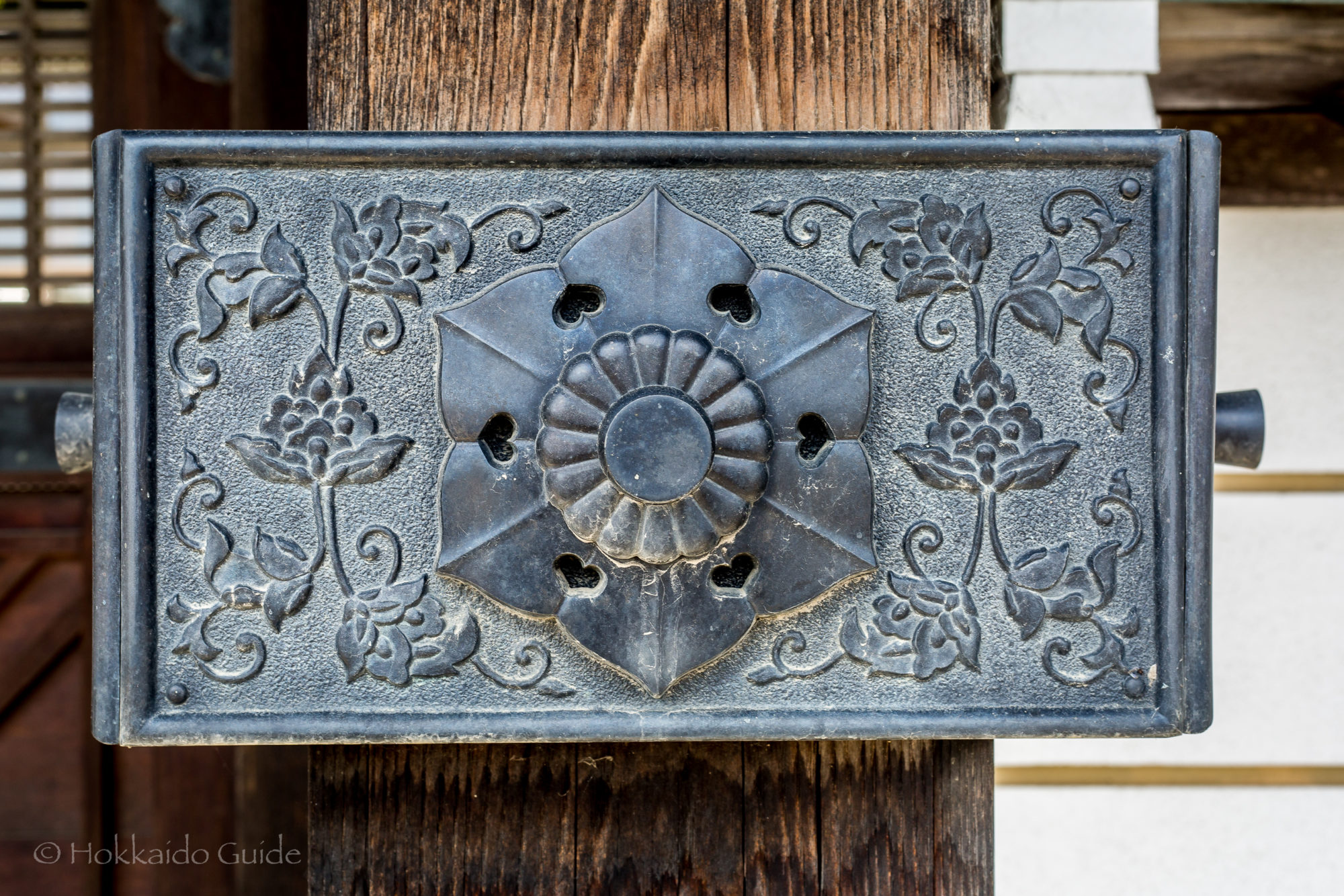
 The shrine is not too far from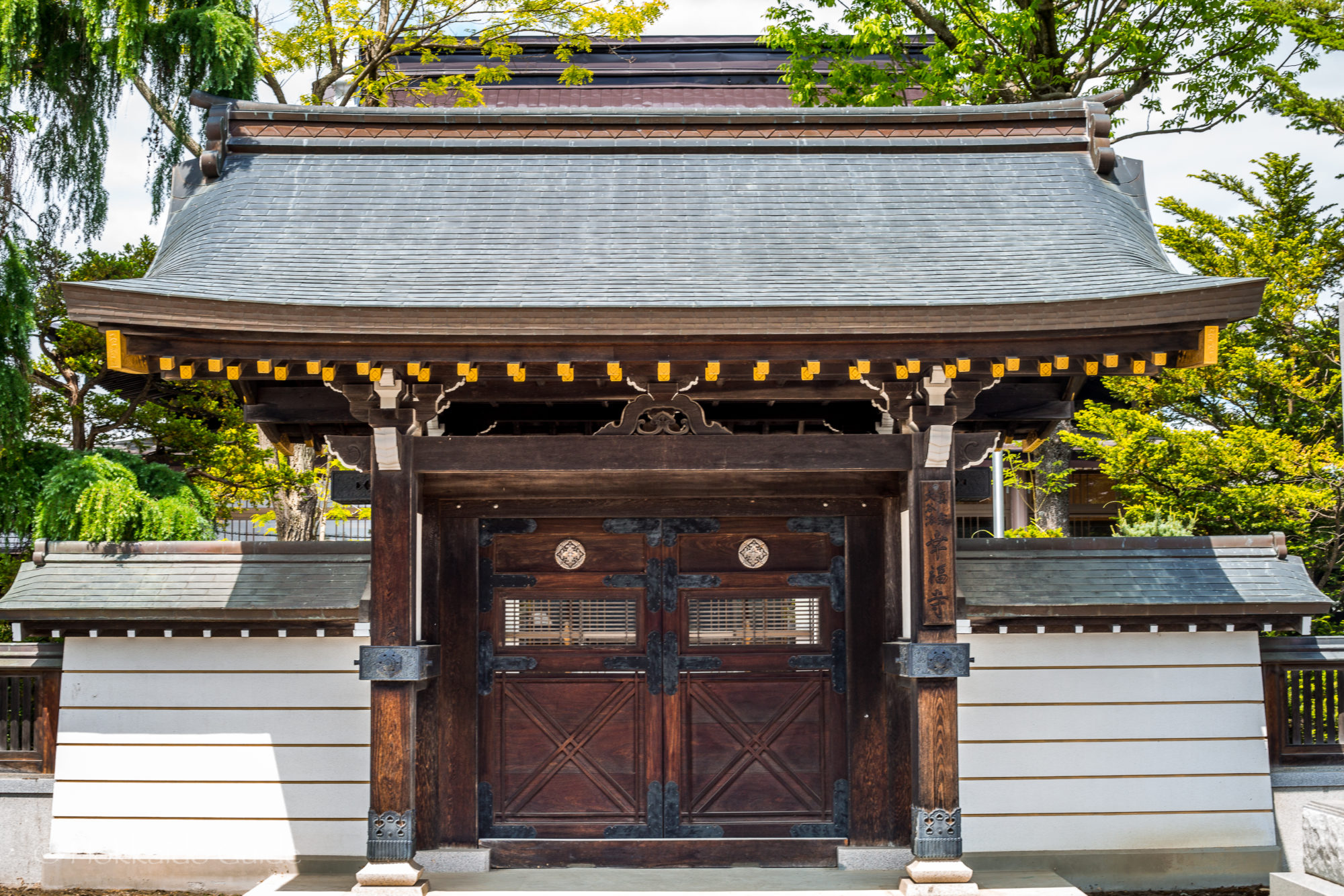
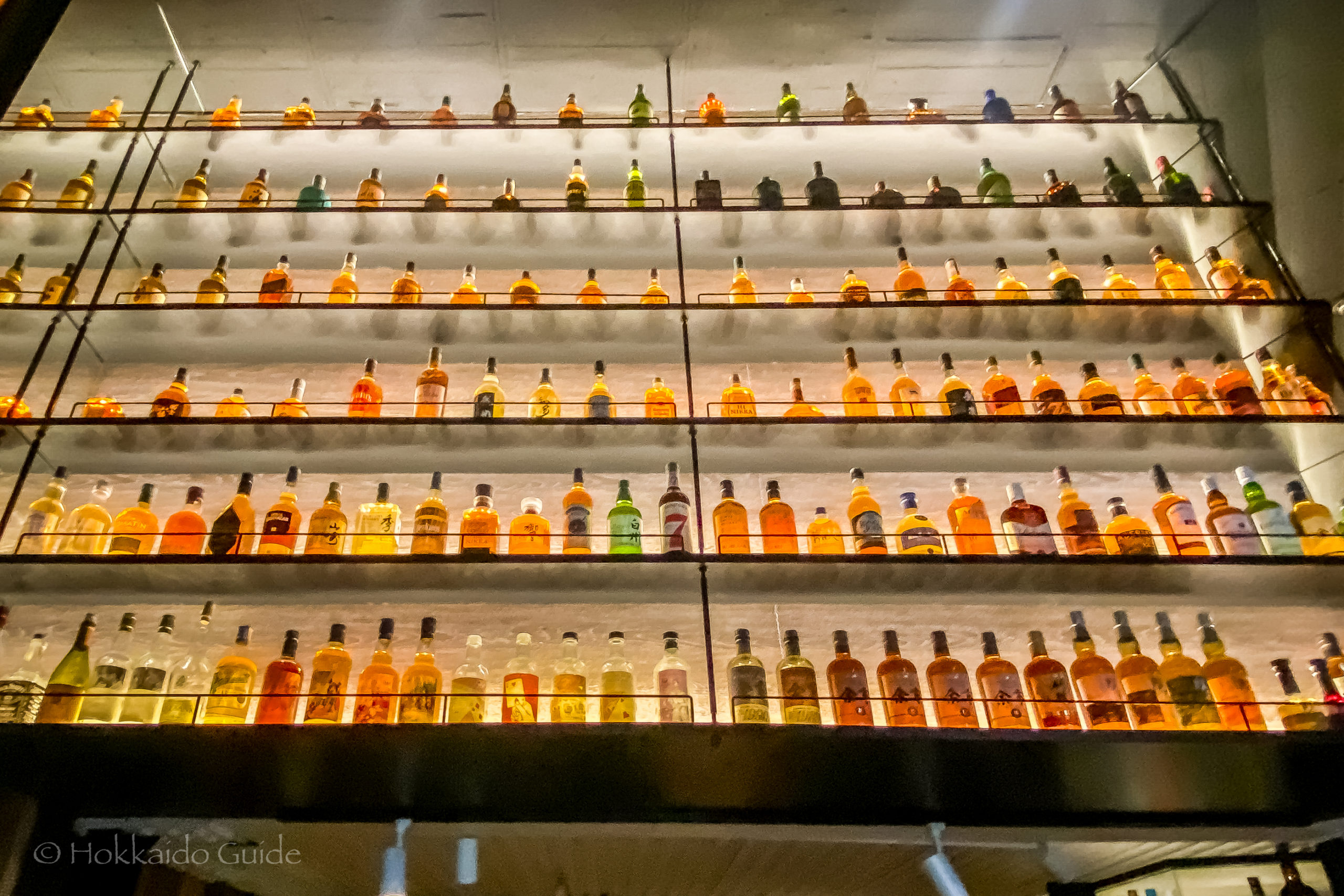
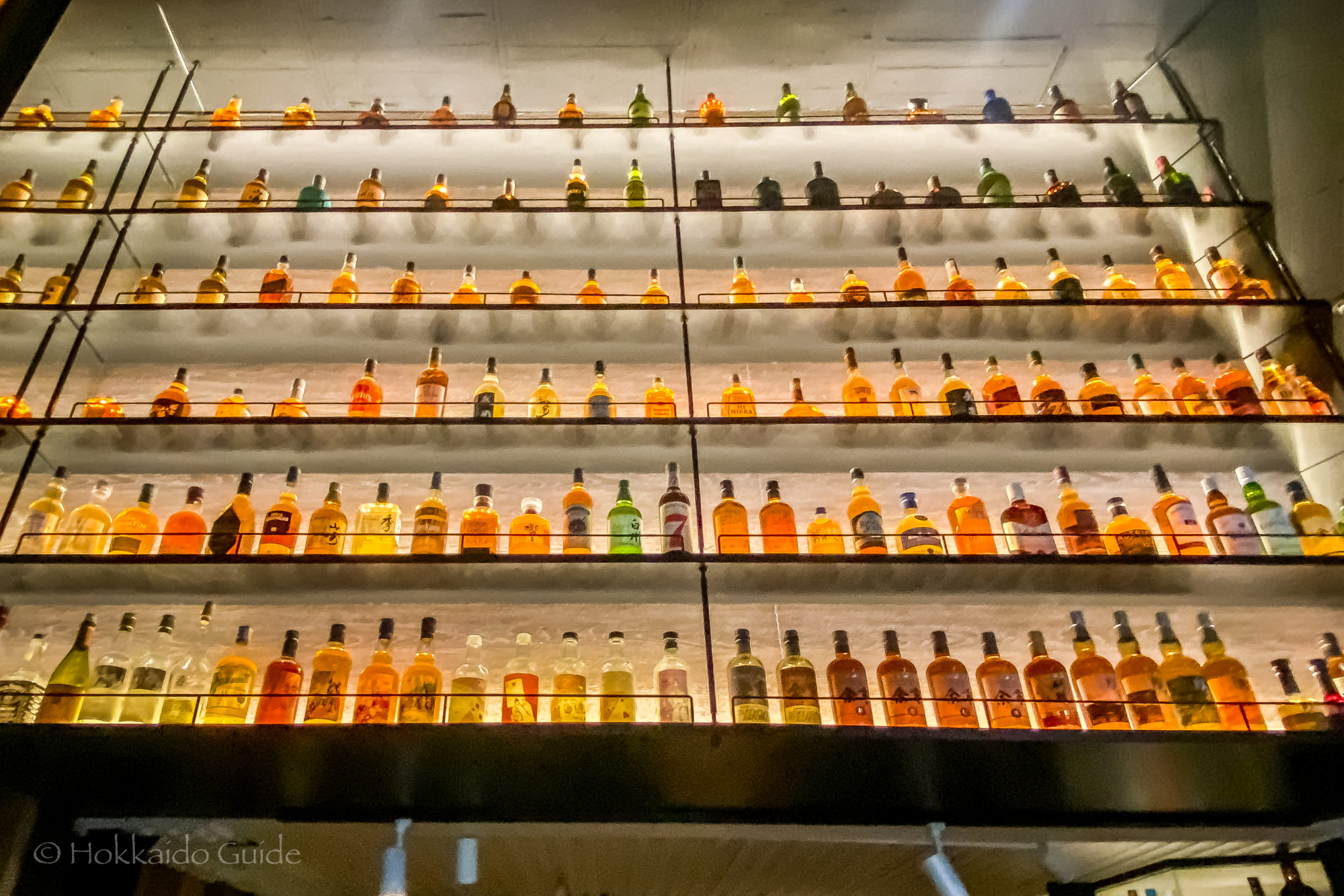
 This higher end, stylish bar is located downtown in Susukino (the entertainment district) of Sapporo. It is along the main street (eki mae dori) that cuts down through the middle of the nightlife scene. 2o.1 or ‘twenty point one’is primarily focused on whiskey. Their main choice of drink are highballs. Highball is a mix of whiskey with soda on the rocks. This popular drink is on a surge in Hokkaido and you can find many bars dedicated to it. 2o.1 excels in highballs and has a large menu with different types of whiskeys plus extra variants on the highball drink.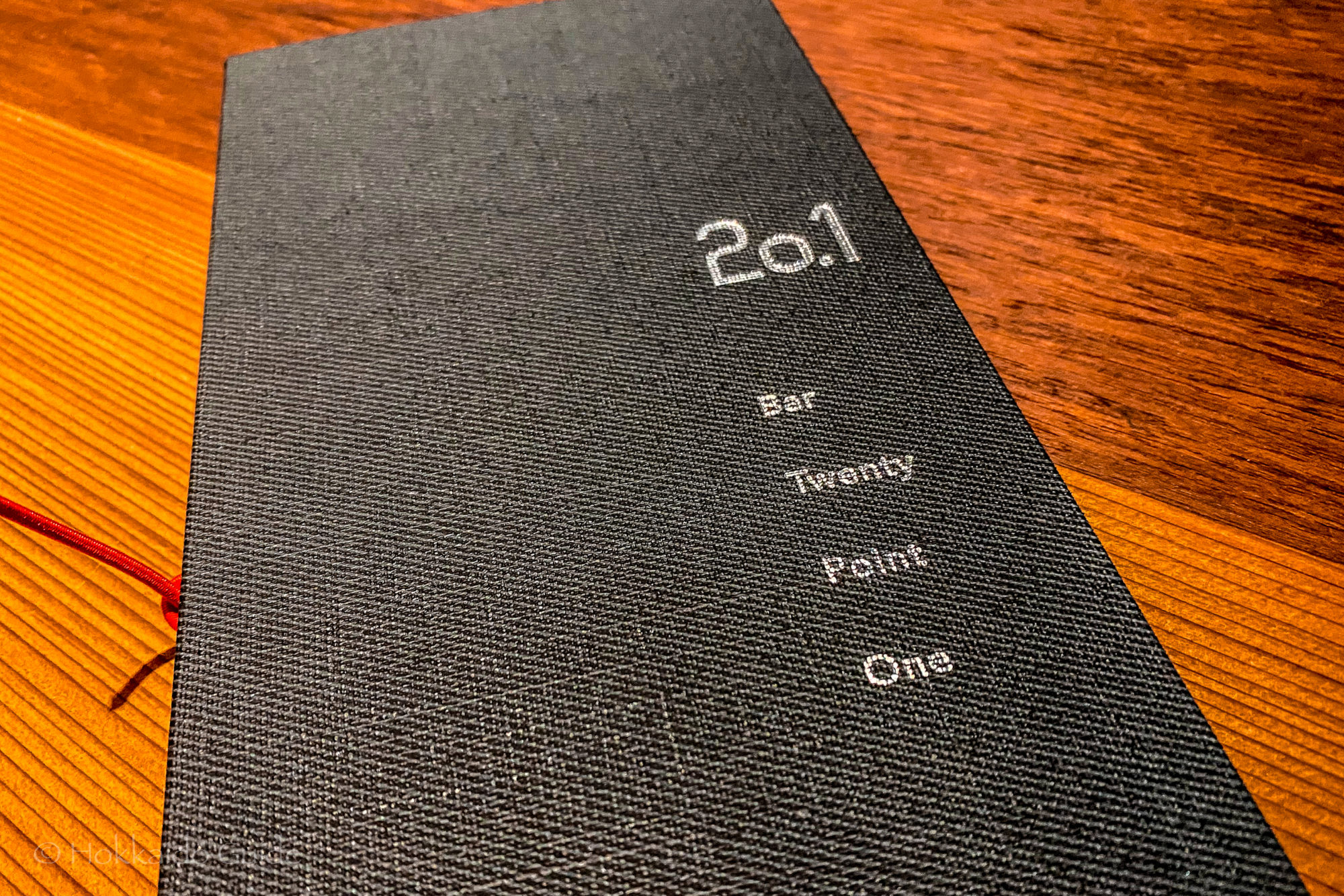
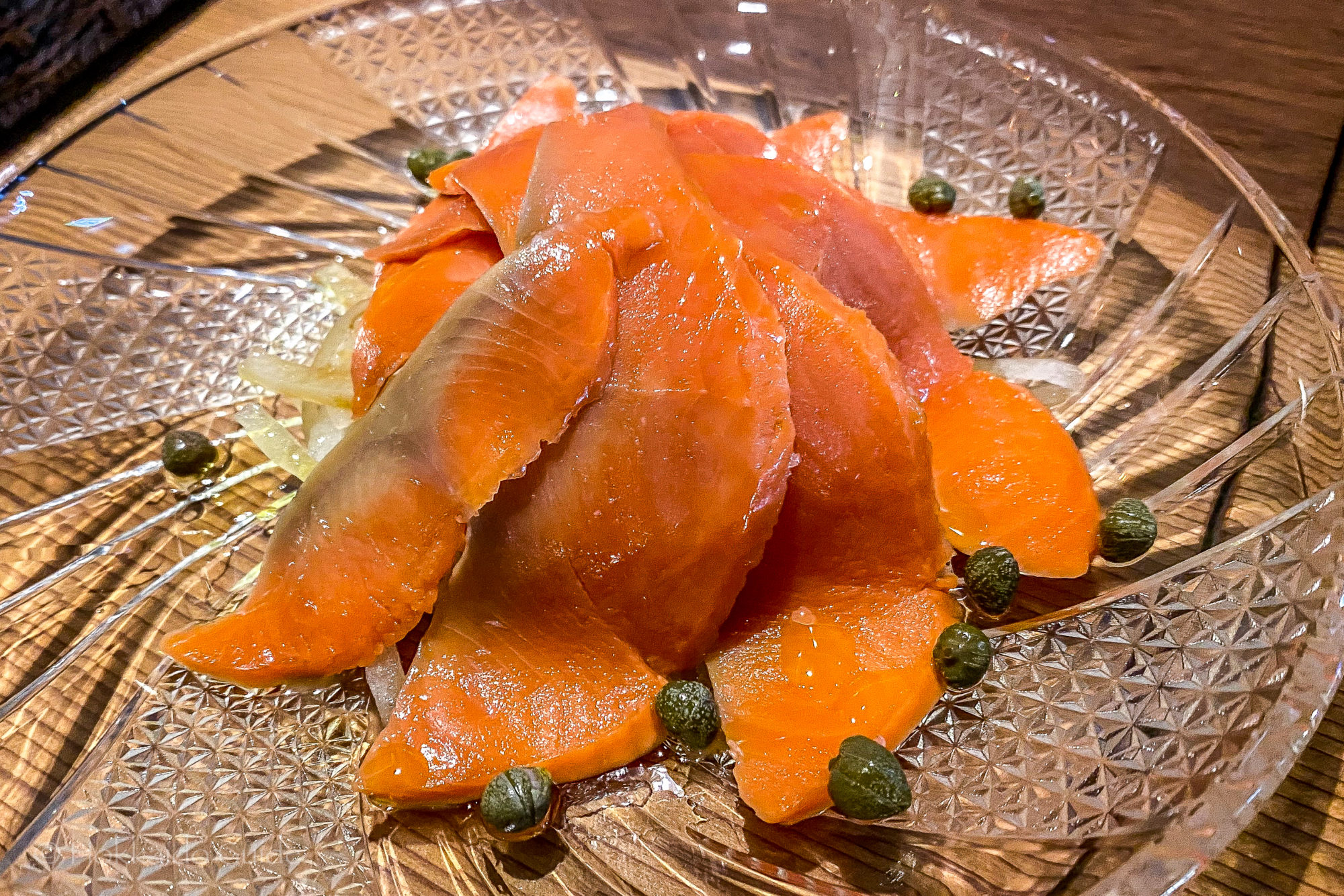
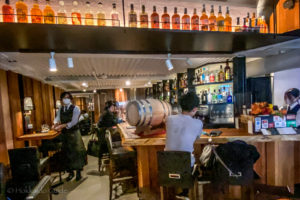 For the purists who like their whiskey served straight, there is that option too. The staff are professional and friendly ( a chaser is always supplied without being asked), and you can enjoy a huge range of whiskeys here, both domestic and overseas. Whiskeys make up about 90% of the menu. They also have a have a handful of cocktails, non alcoholic drinks, wines, and sake. To go with your whiskey, try some of the small dishes and tapas on the food menu. They have smoked slamon with capers, cheeses, meats, and olives. There is a sit down charge of ¥300 but the bar is worth it. With large windows facing the busy street, you can watch the nightlife while enjoying your drink of choice.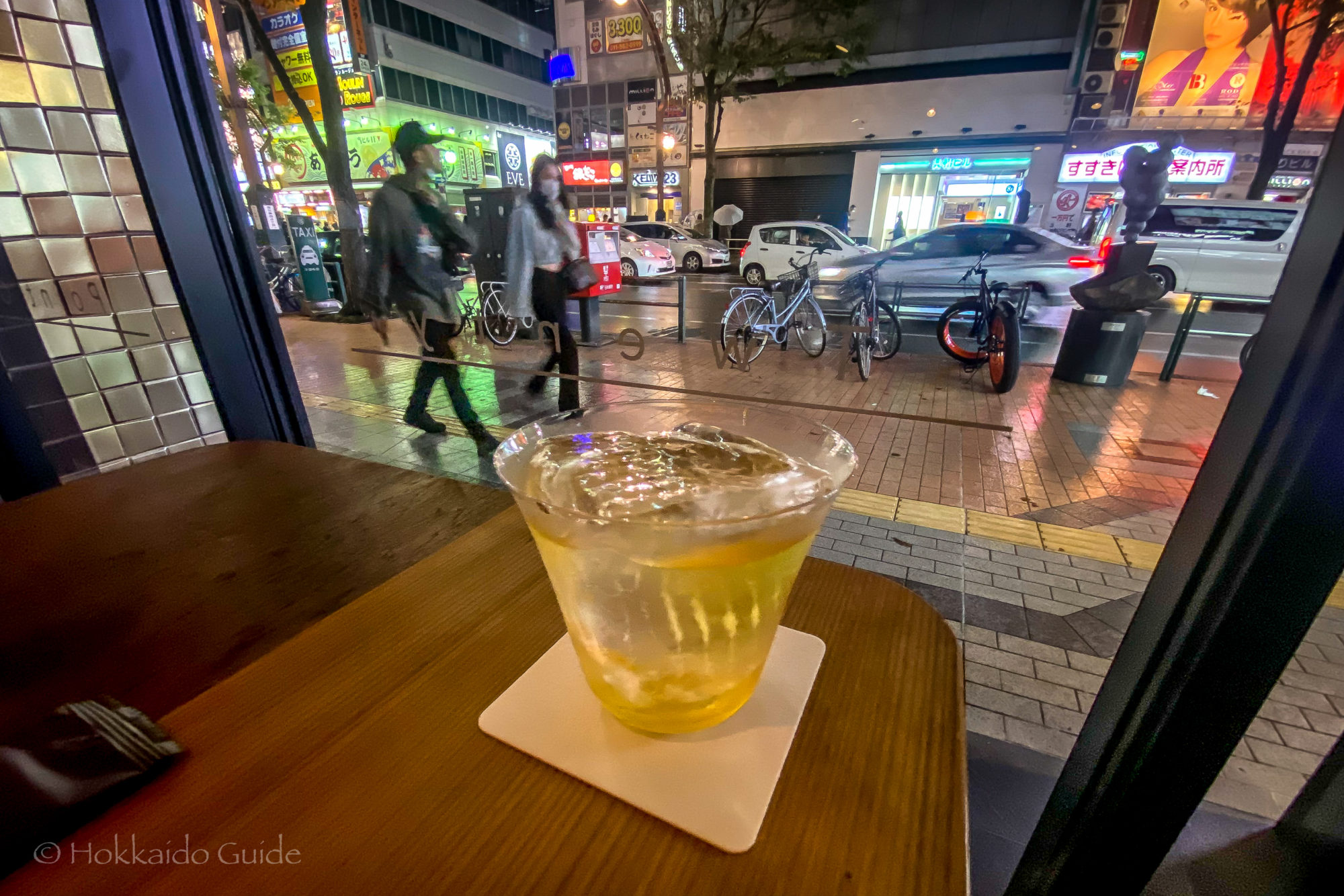
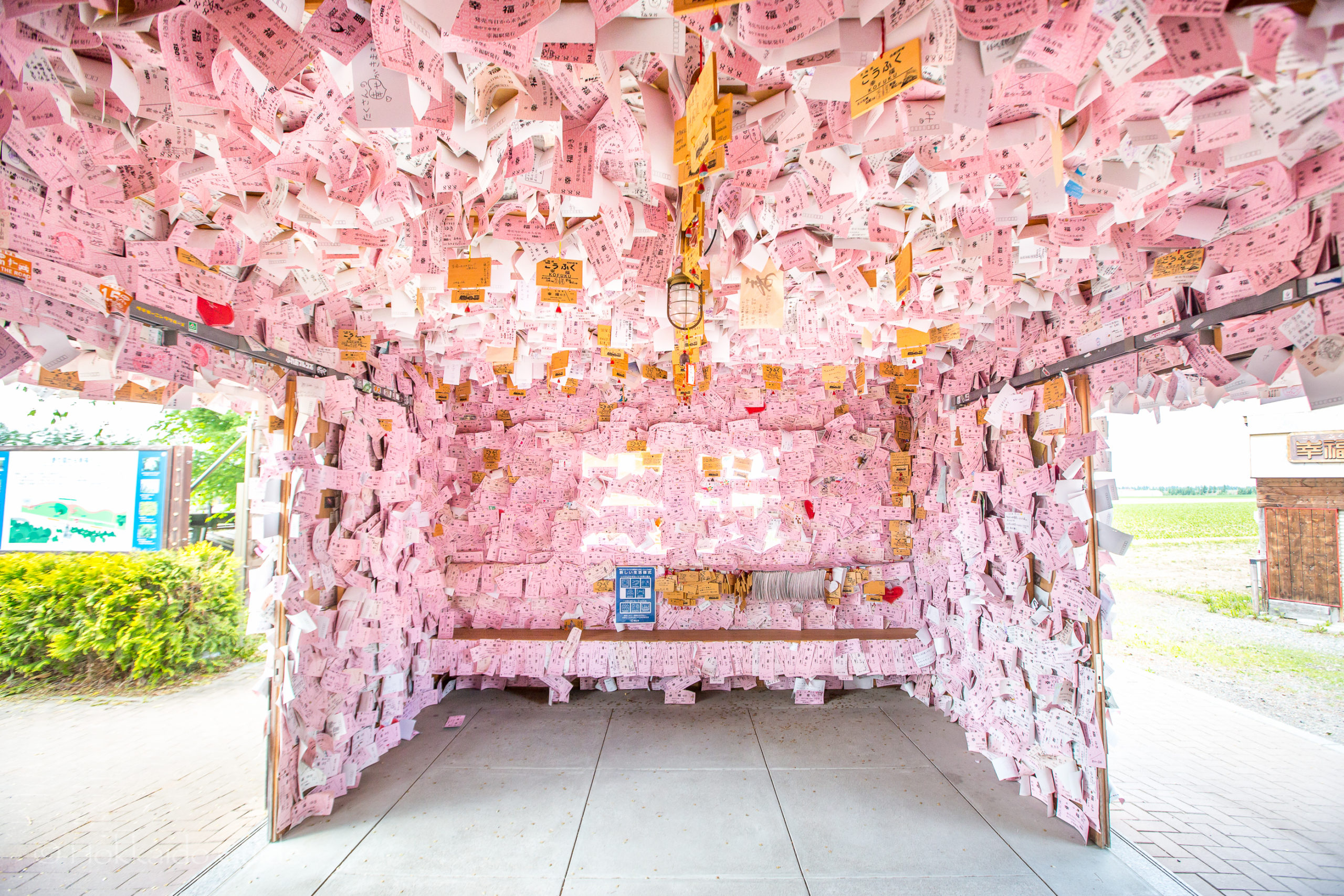
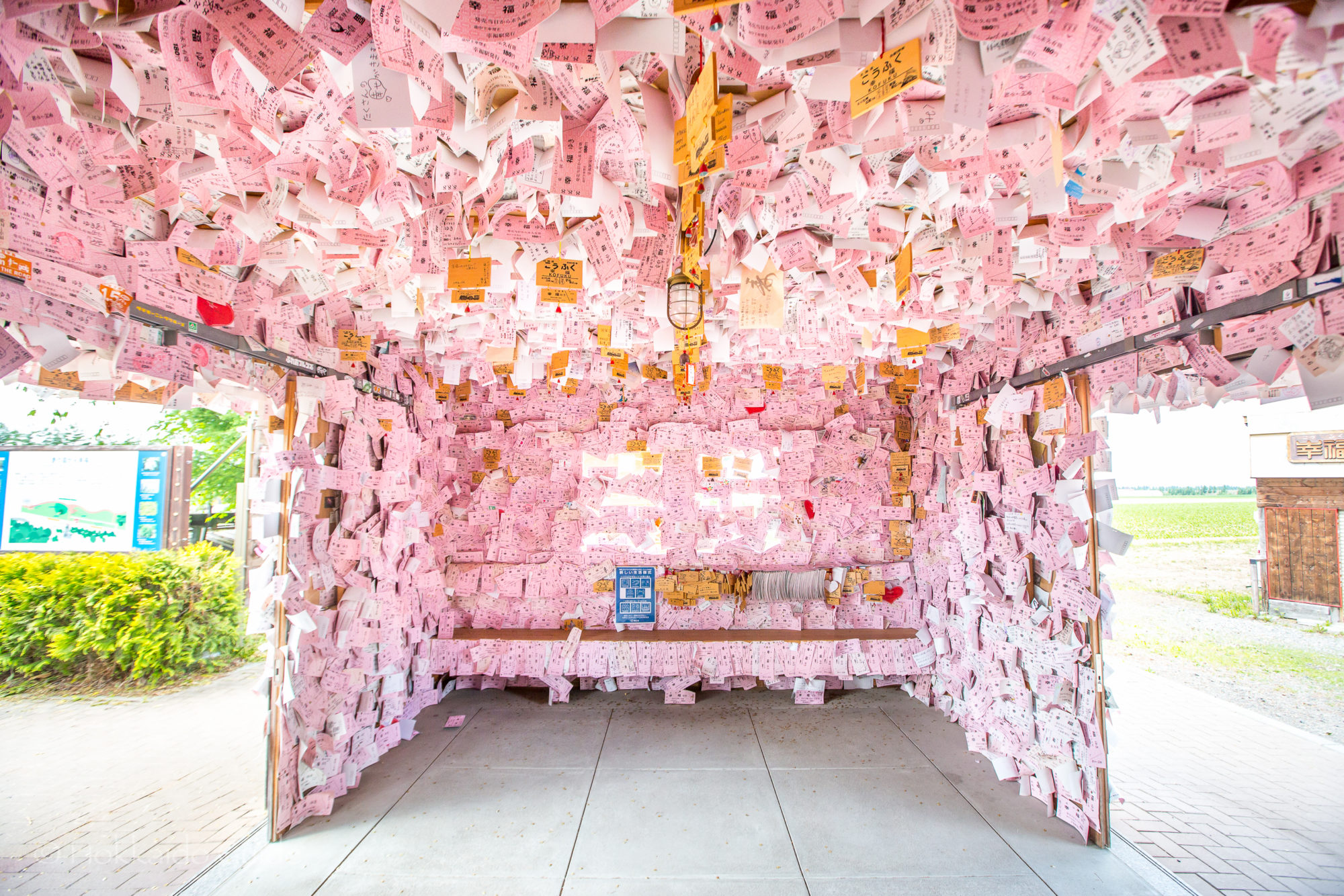
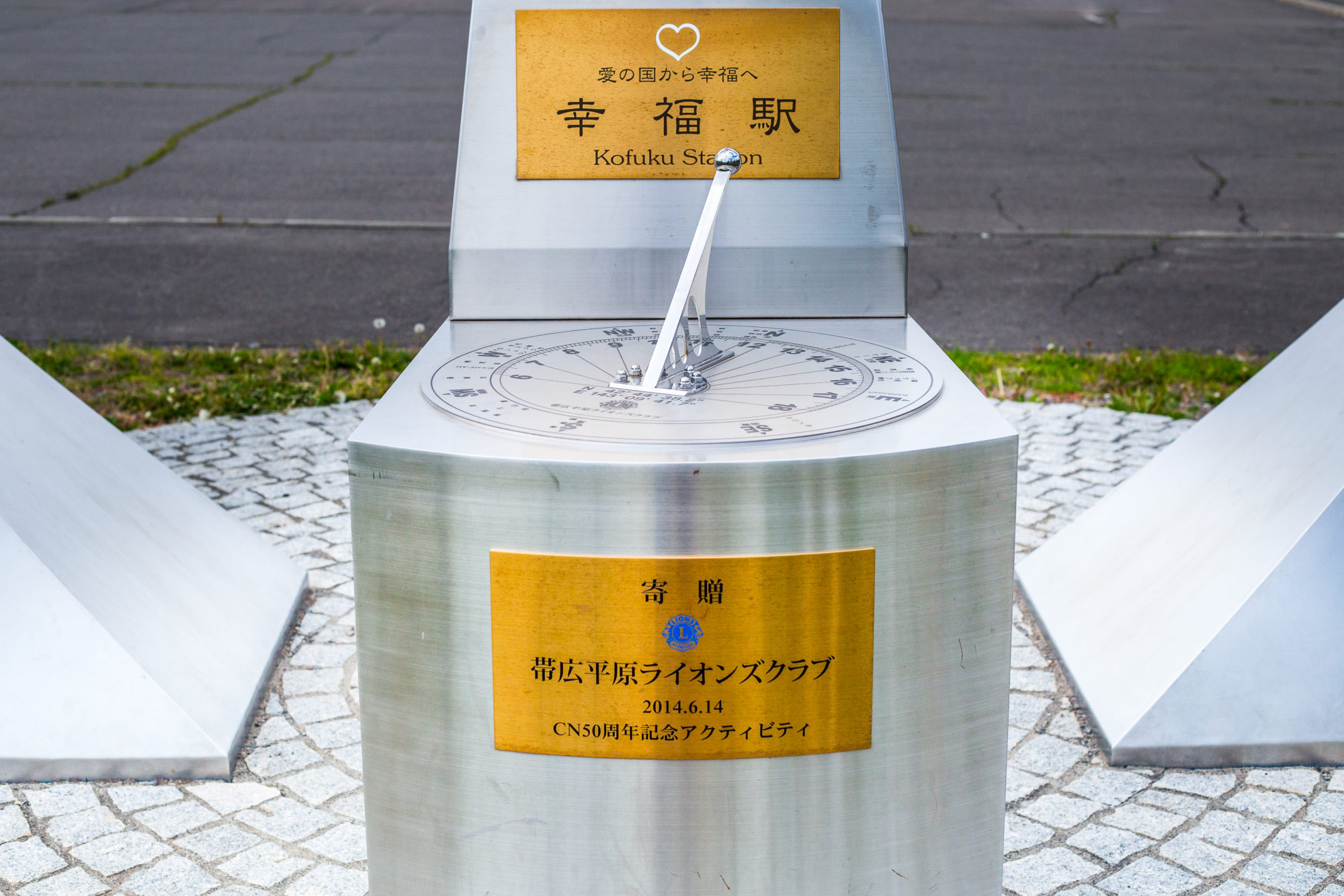
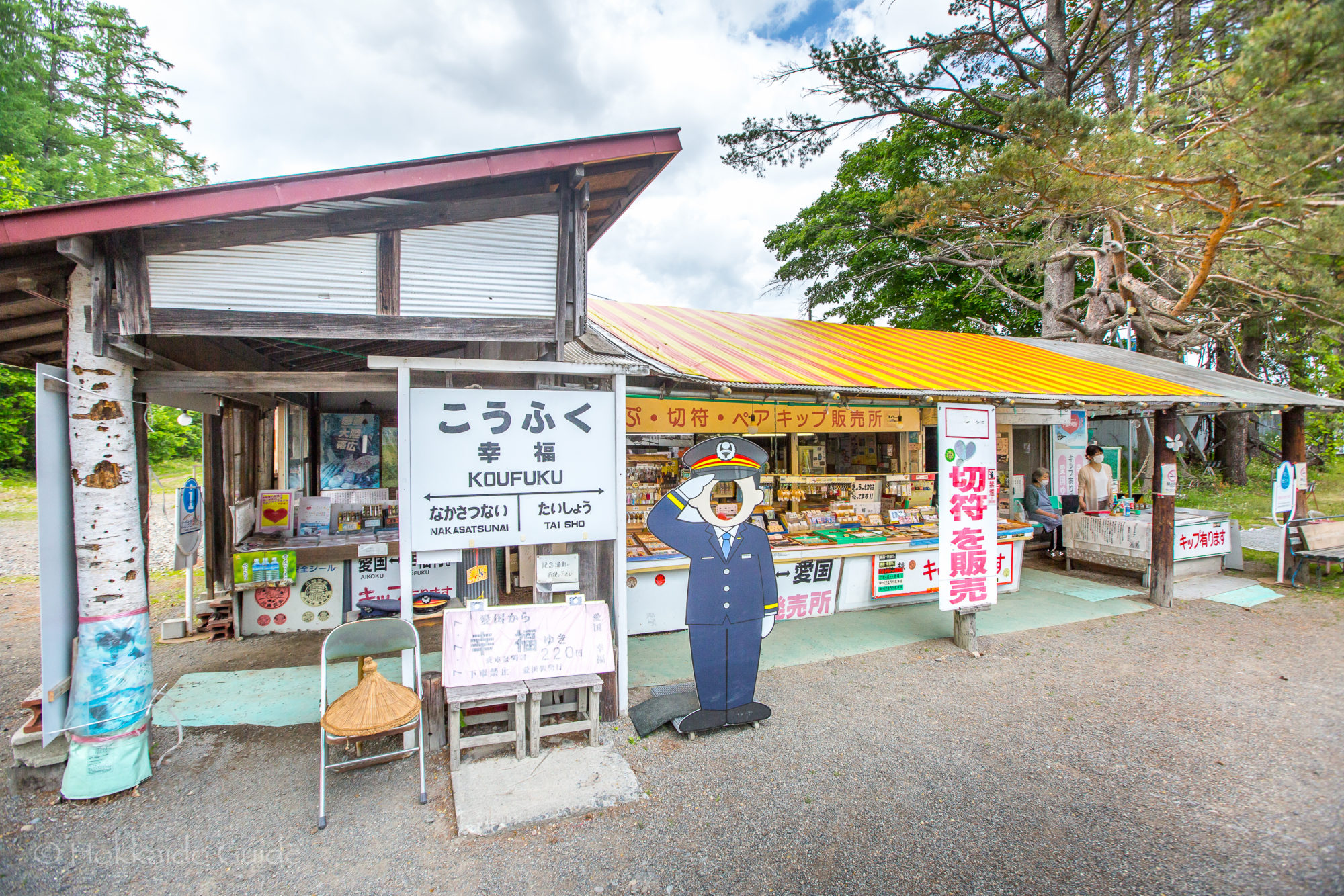
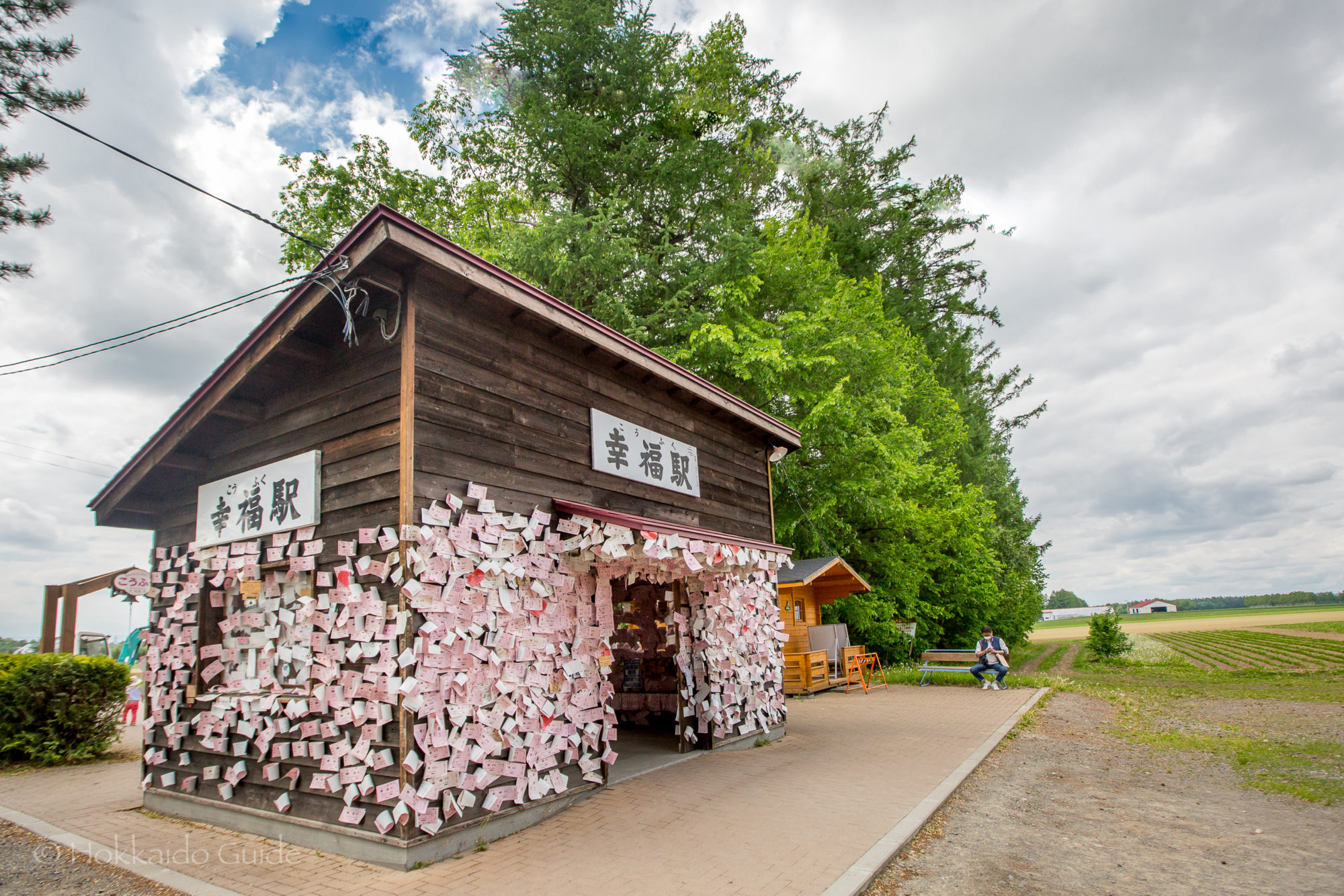
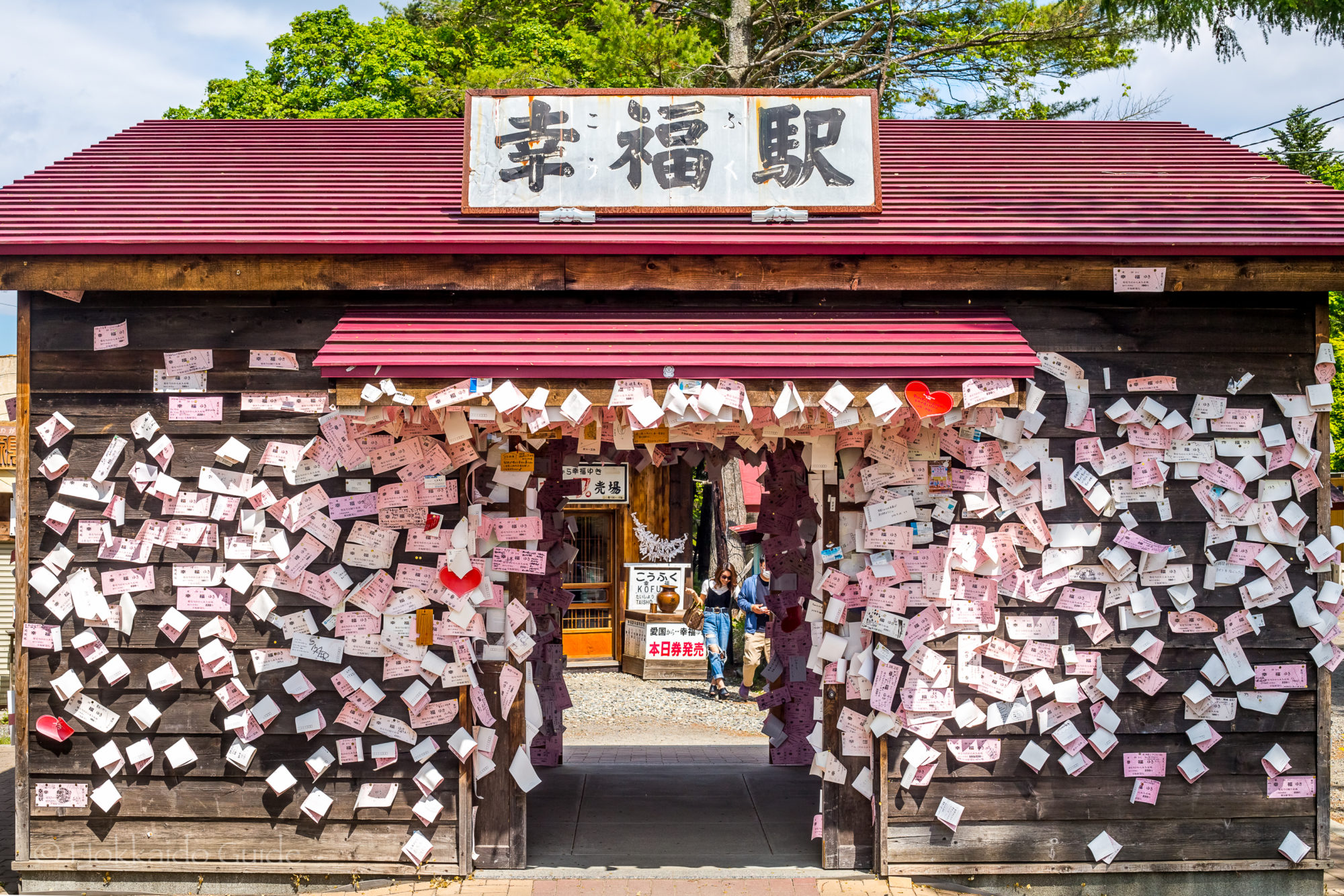
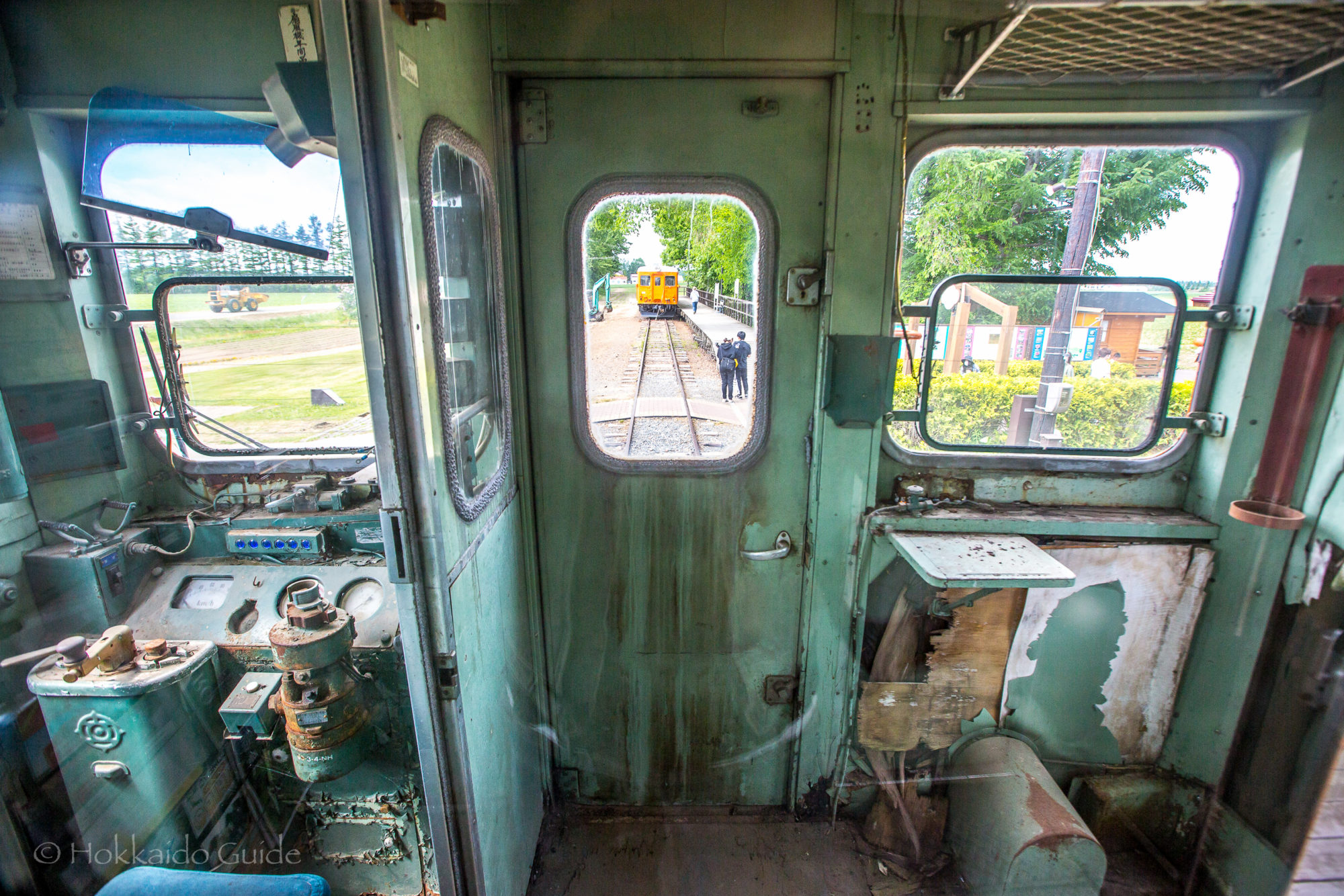
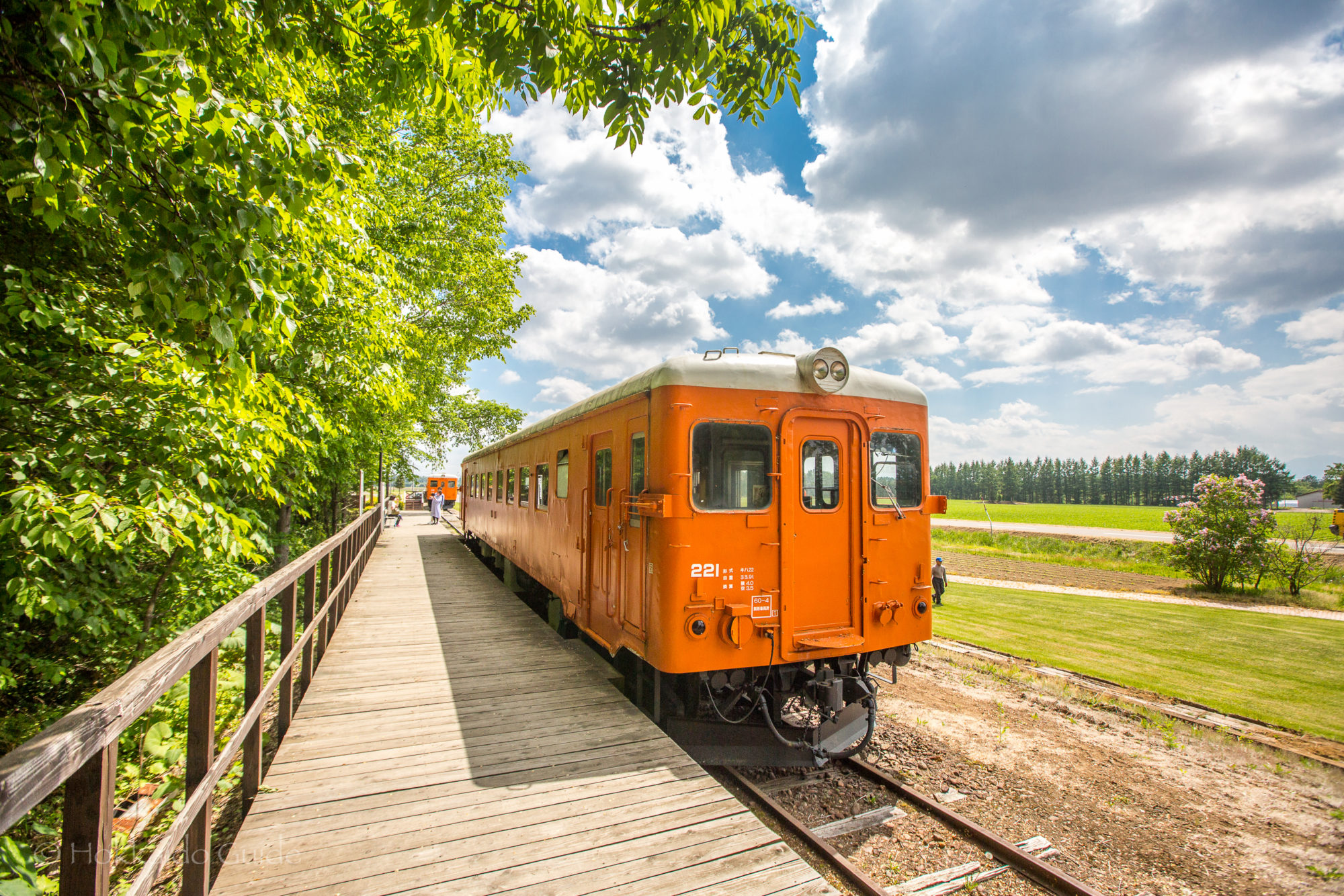
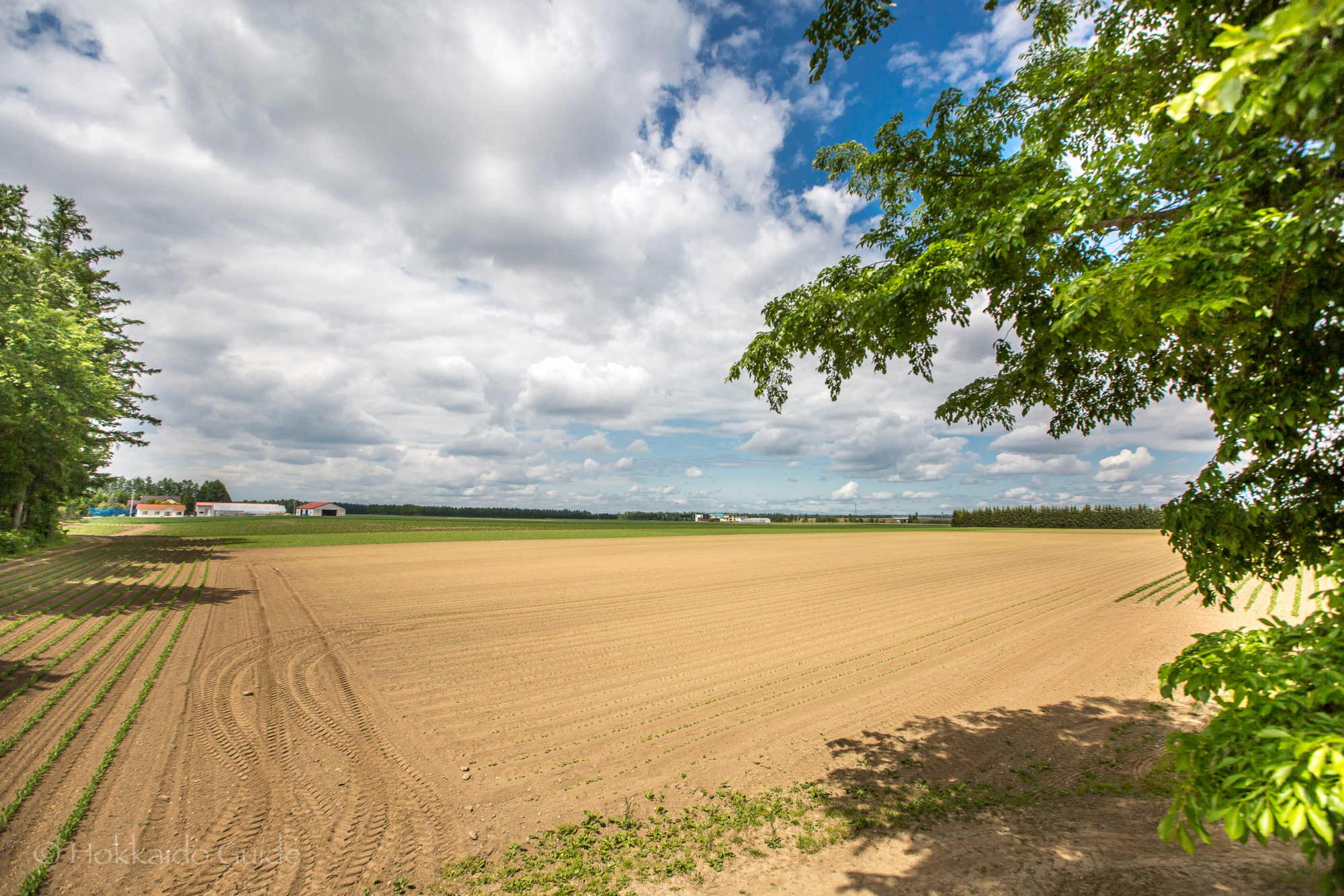
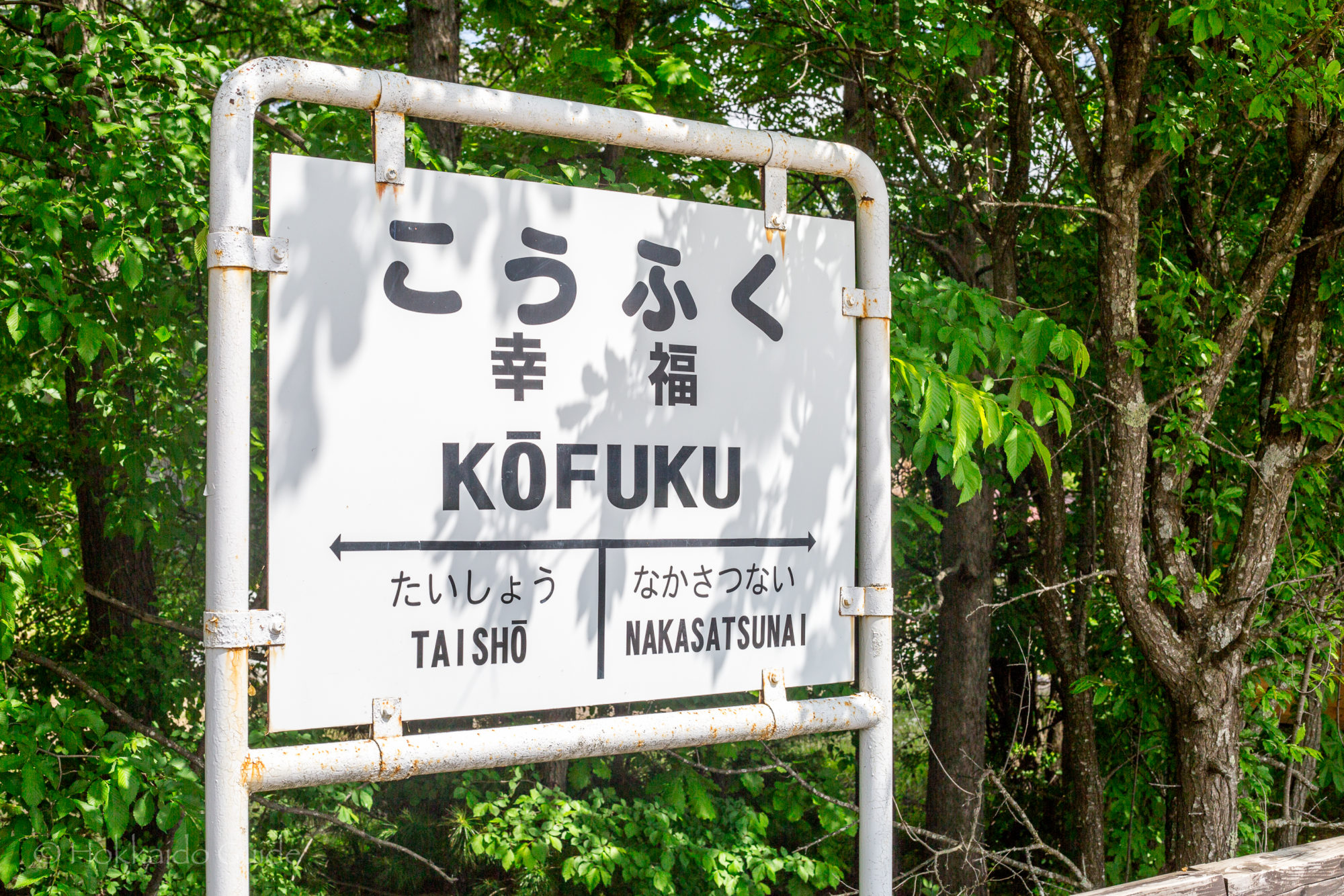
 Kōfuku Station is a closed railway station from the now defunct Hiroo line. The station originally opened on 1st November 1956, but the line, which went from Obihiro to Hiroo, was discontinued in 1987 bringing an end to the station. Even though the station closed down, it still remains a popular sightseeing spot for tourists. Why? Well, it comes down to the name of the station. The name Kofuku (幸福)translates to “happiness” and the station became famous after it was featured on a Japanese NHK TV travel programme which aired in 1973. The station name is formed from the combination of the original name of the area, Kōshin. Plus many farmers settled here in 1902 coming from Fukui prefecture after flooding. Kō + Fuku = Kōfuku.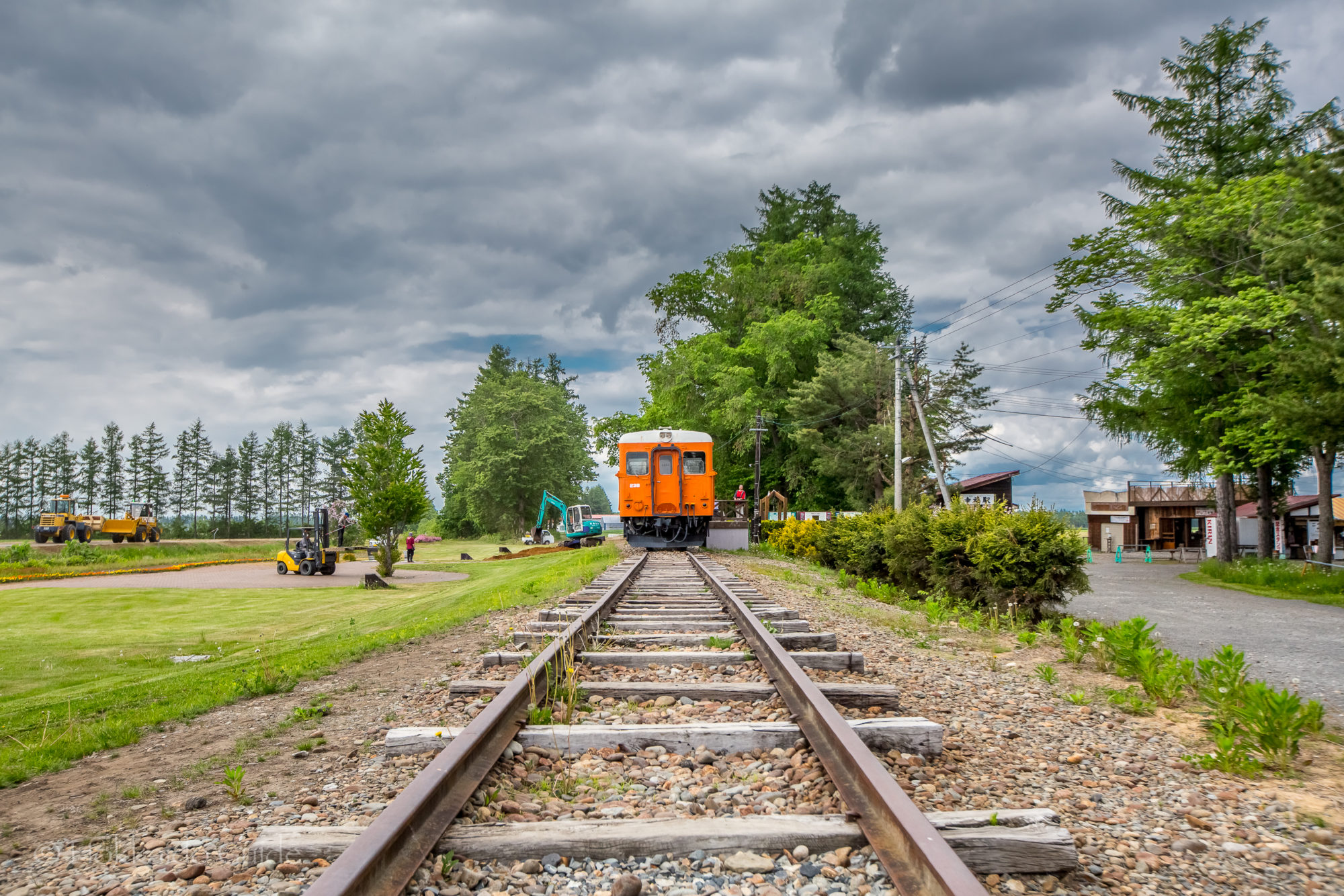
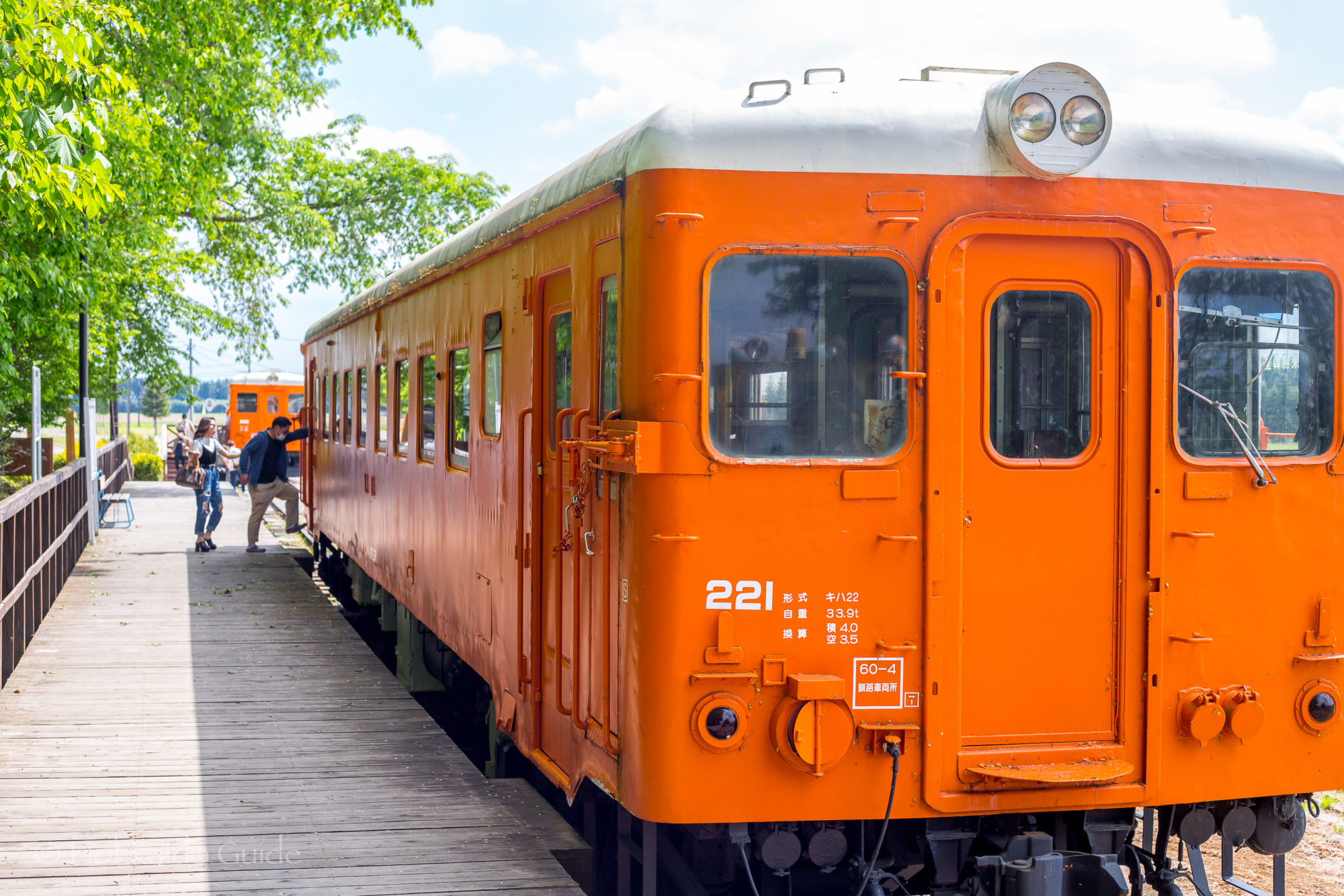
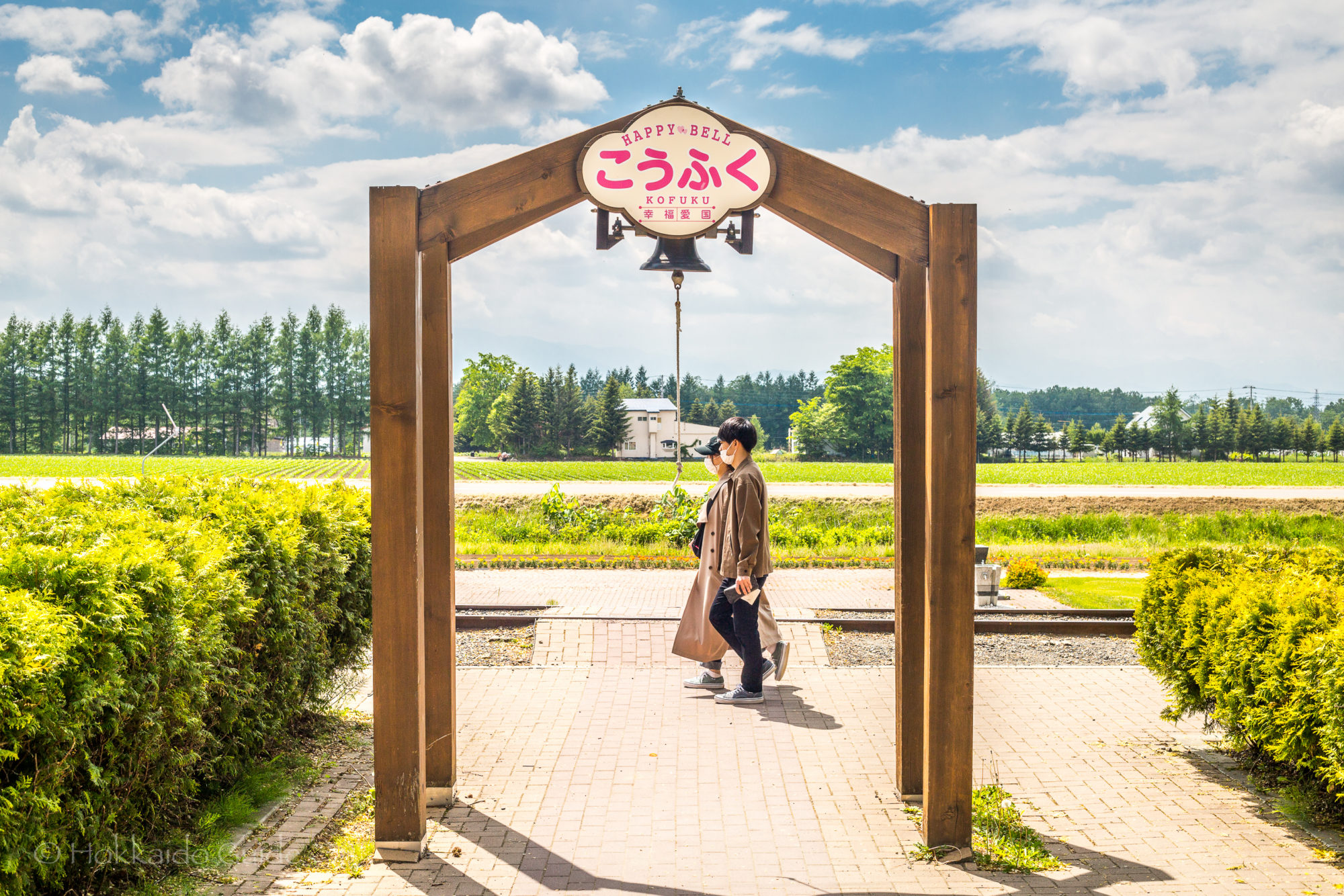
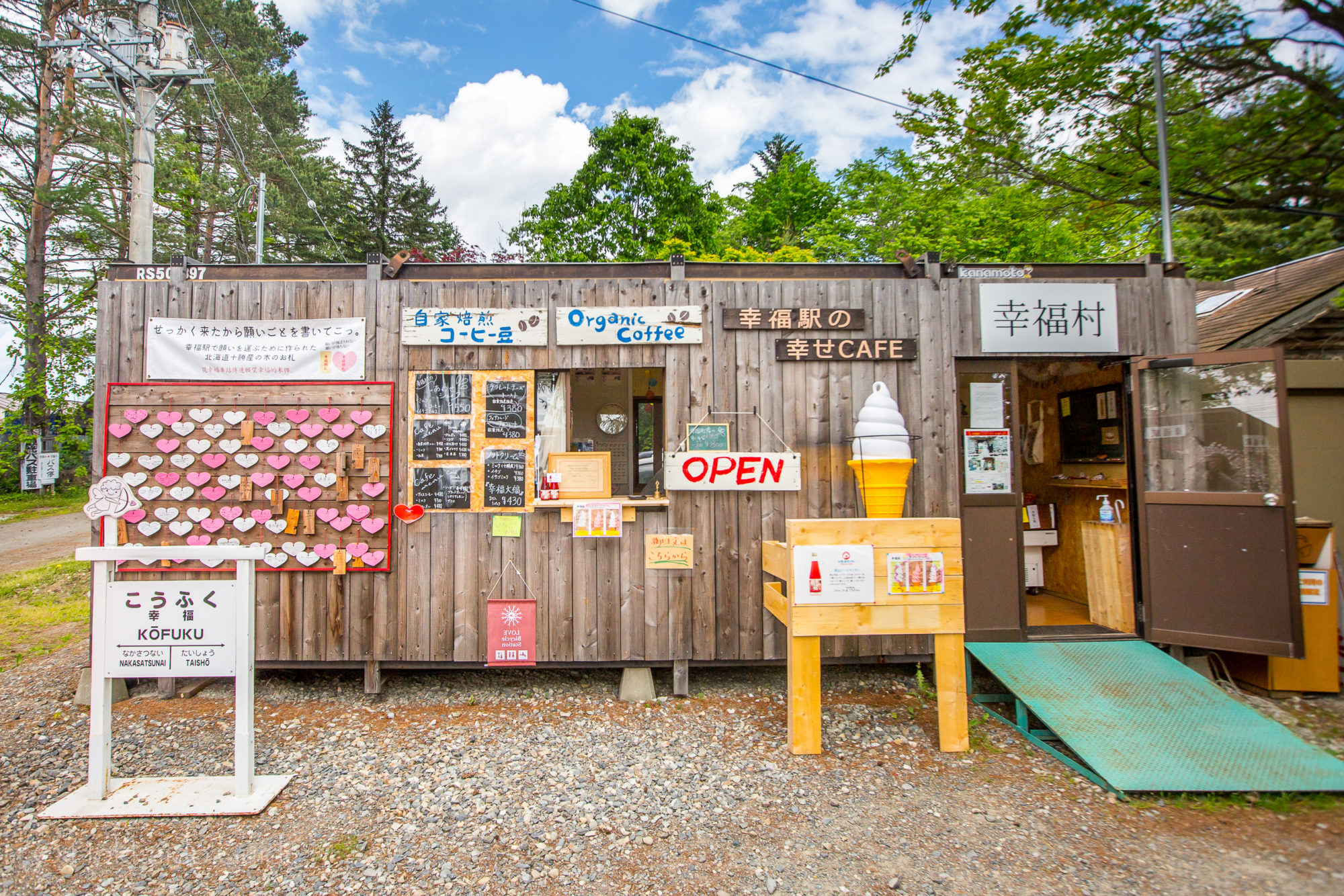
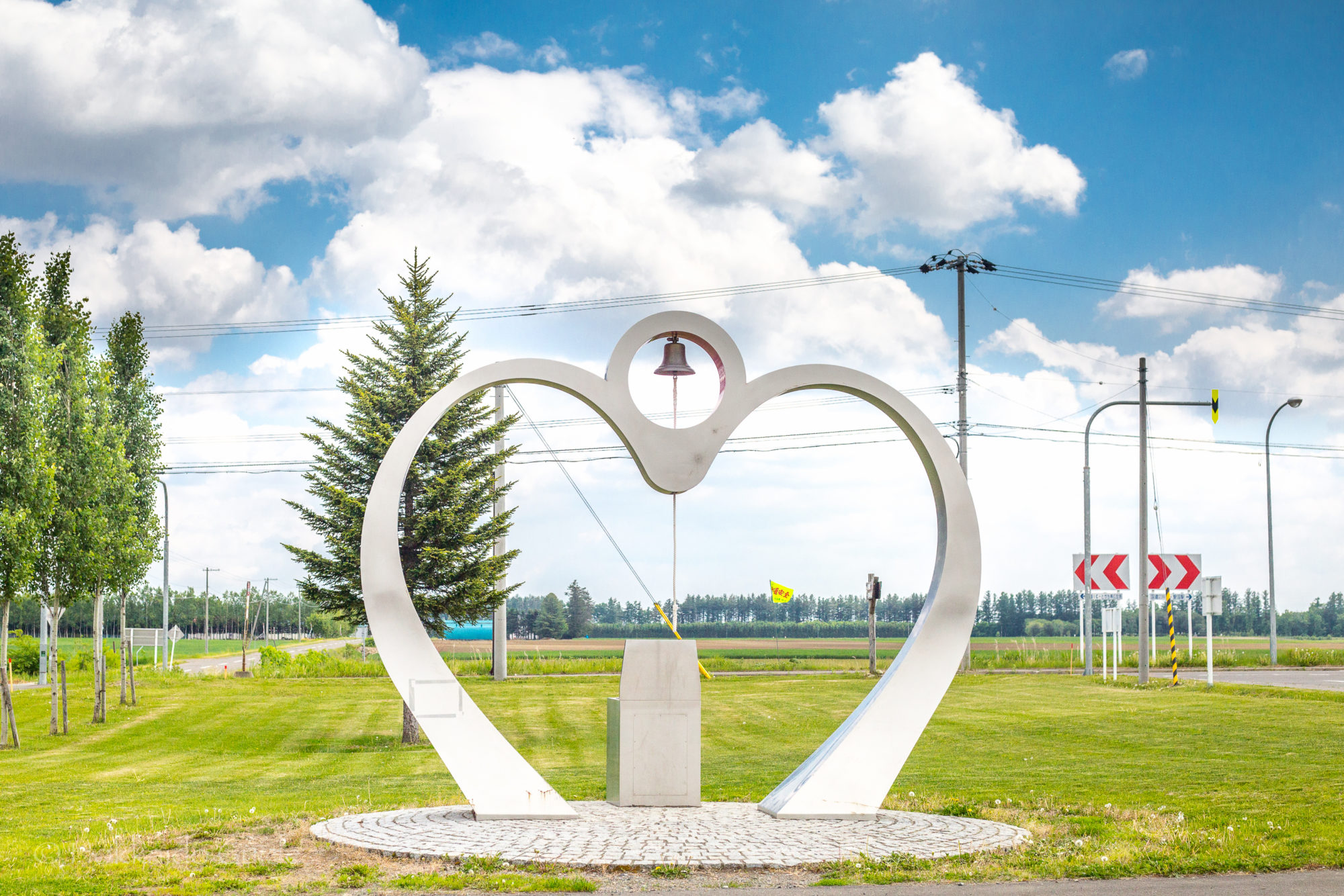
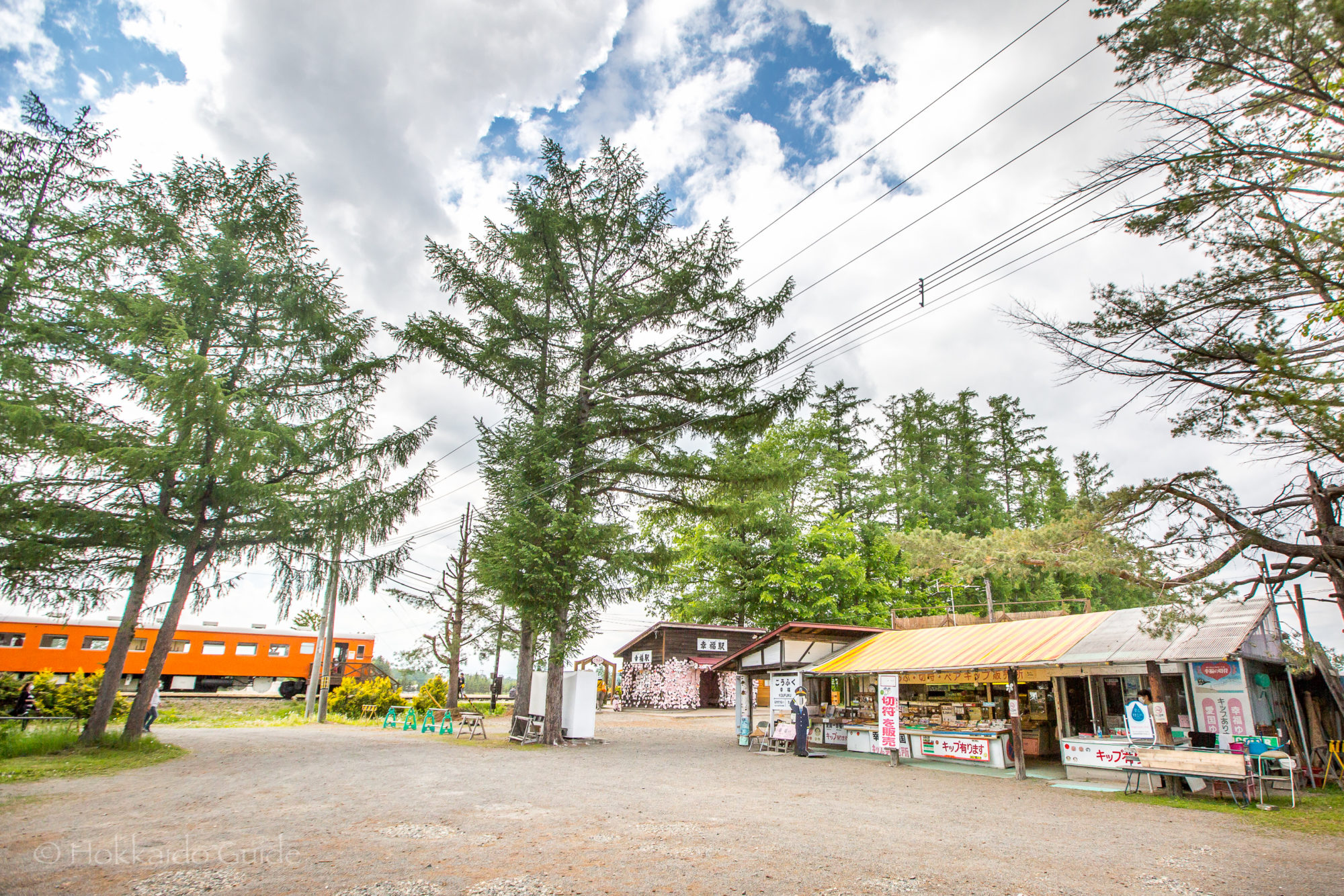
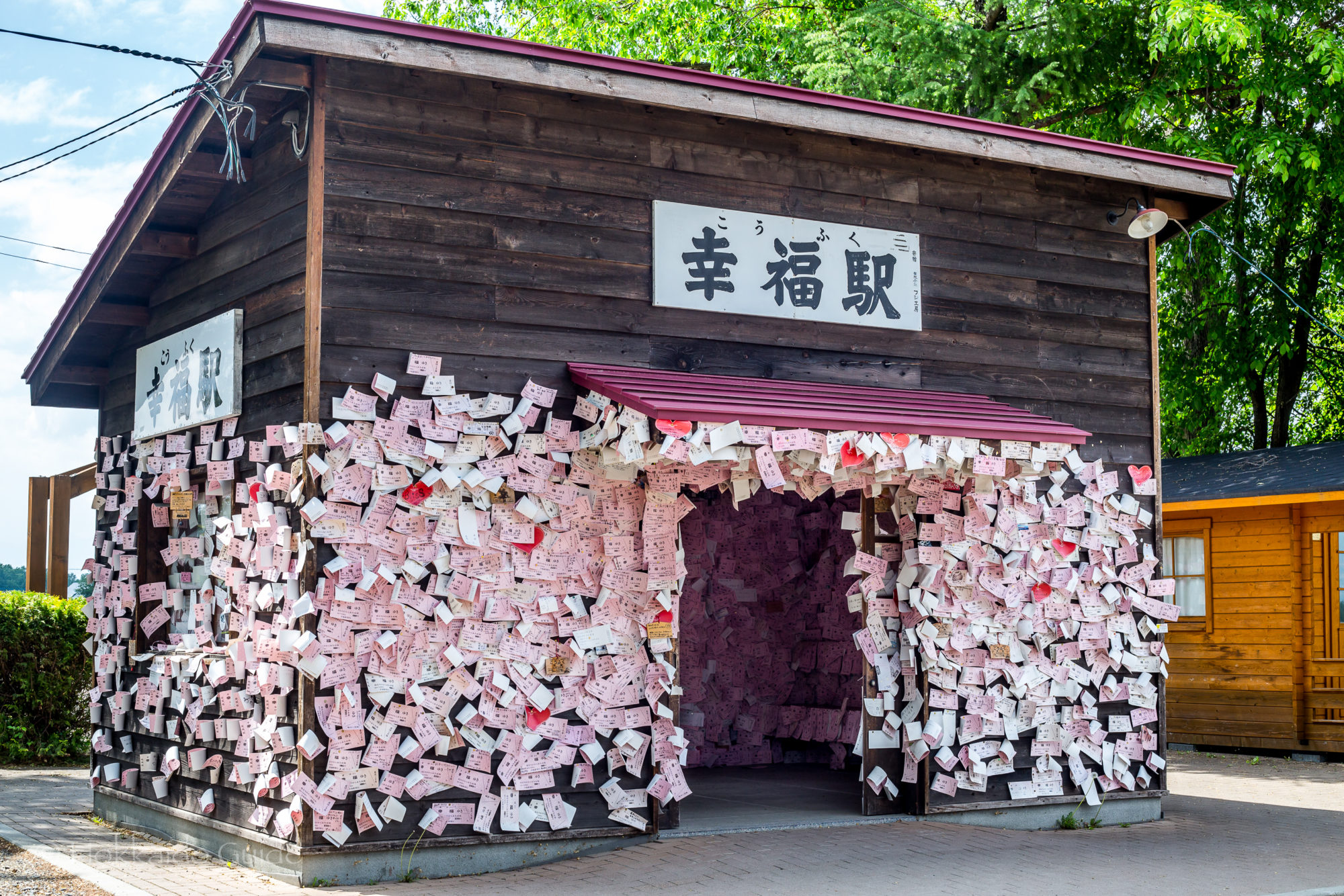
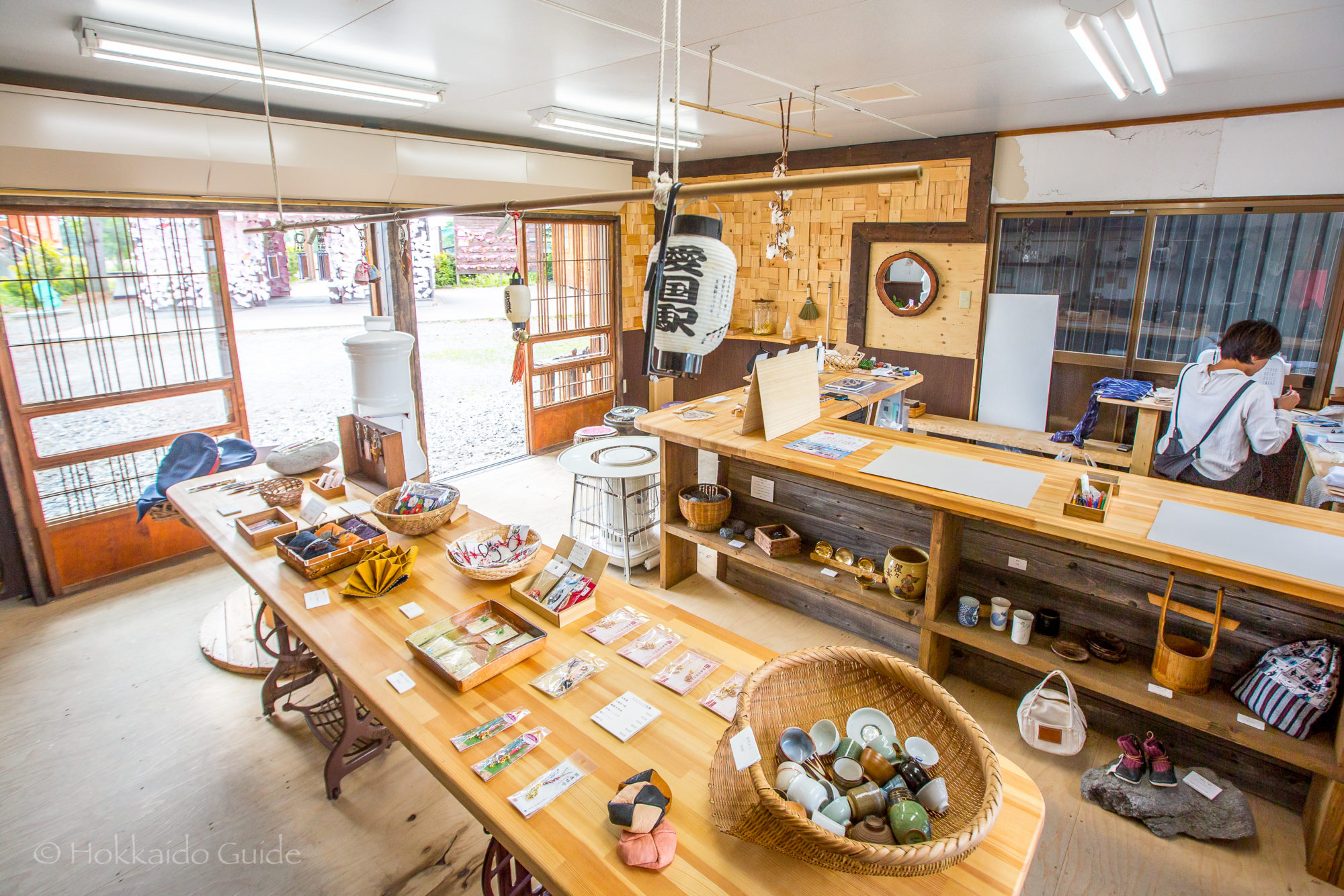
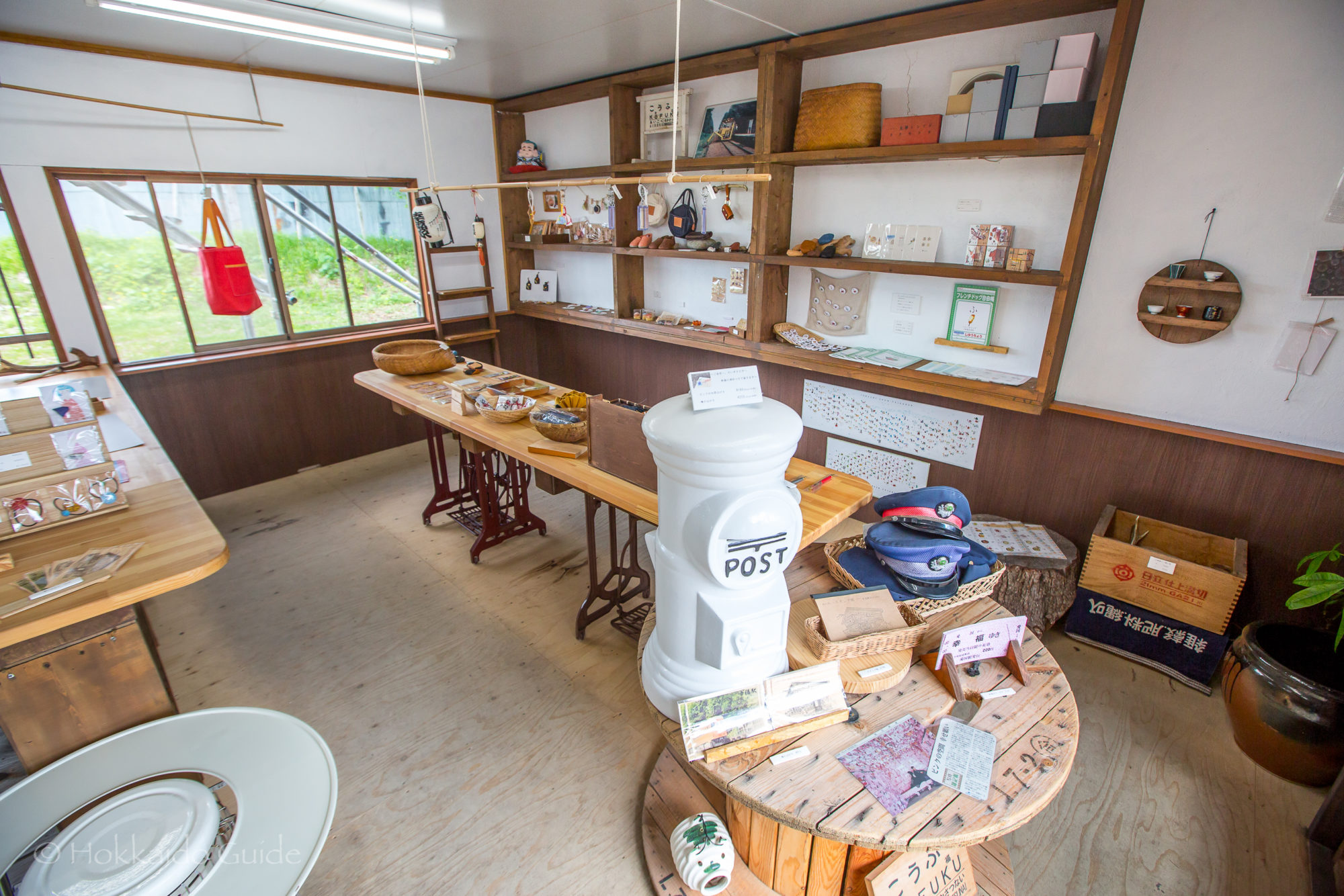
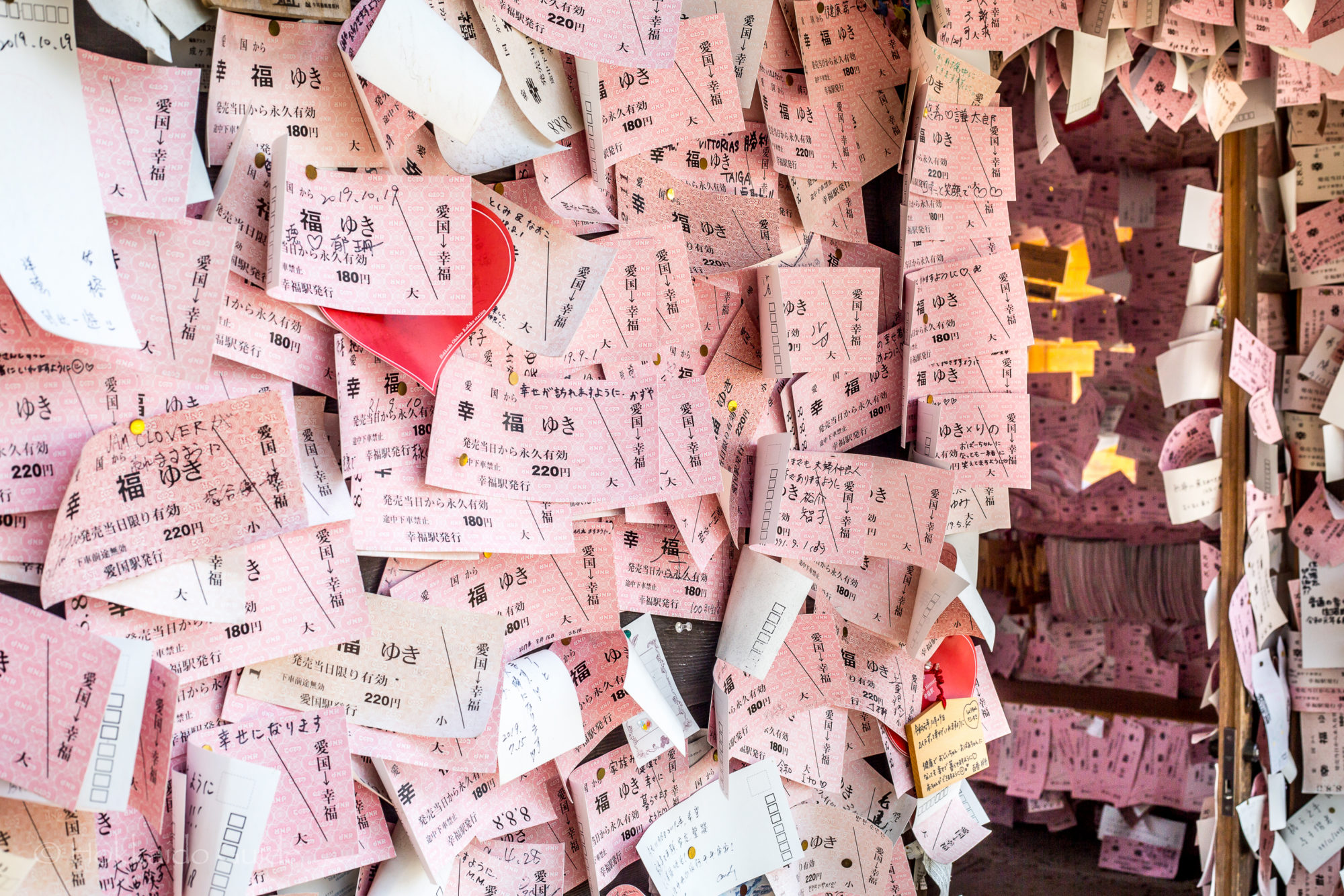
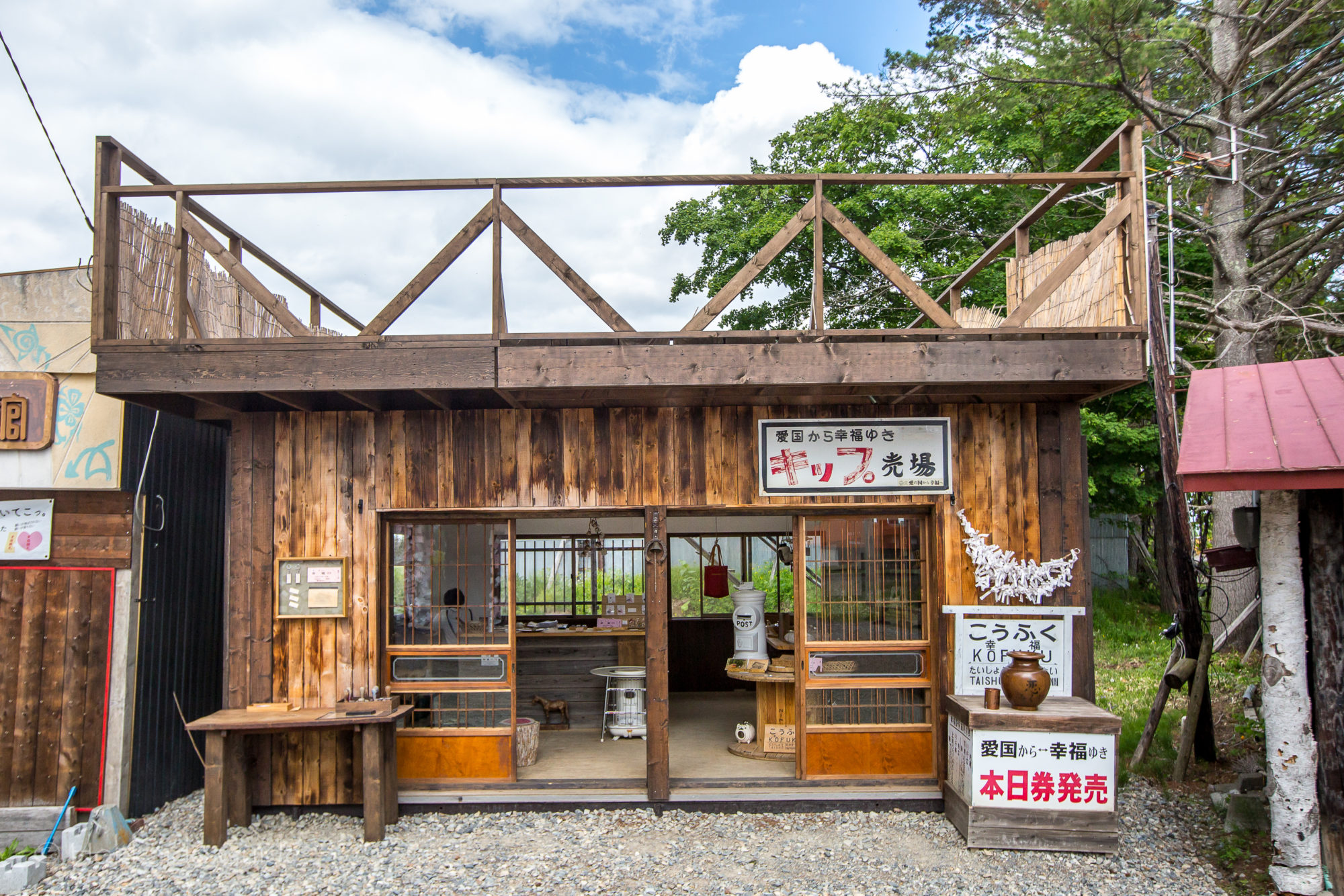
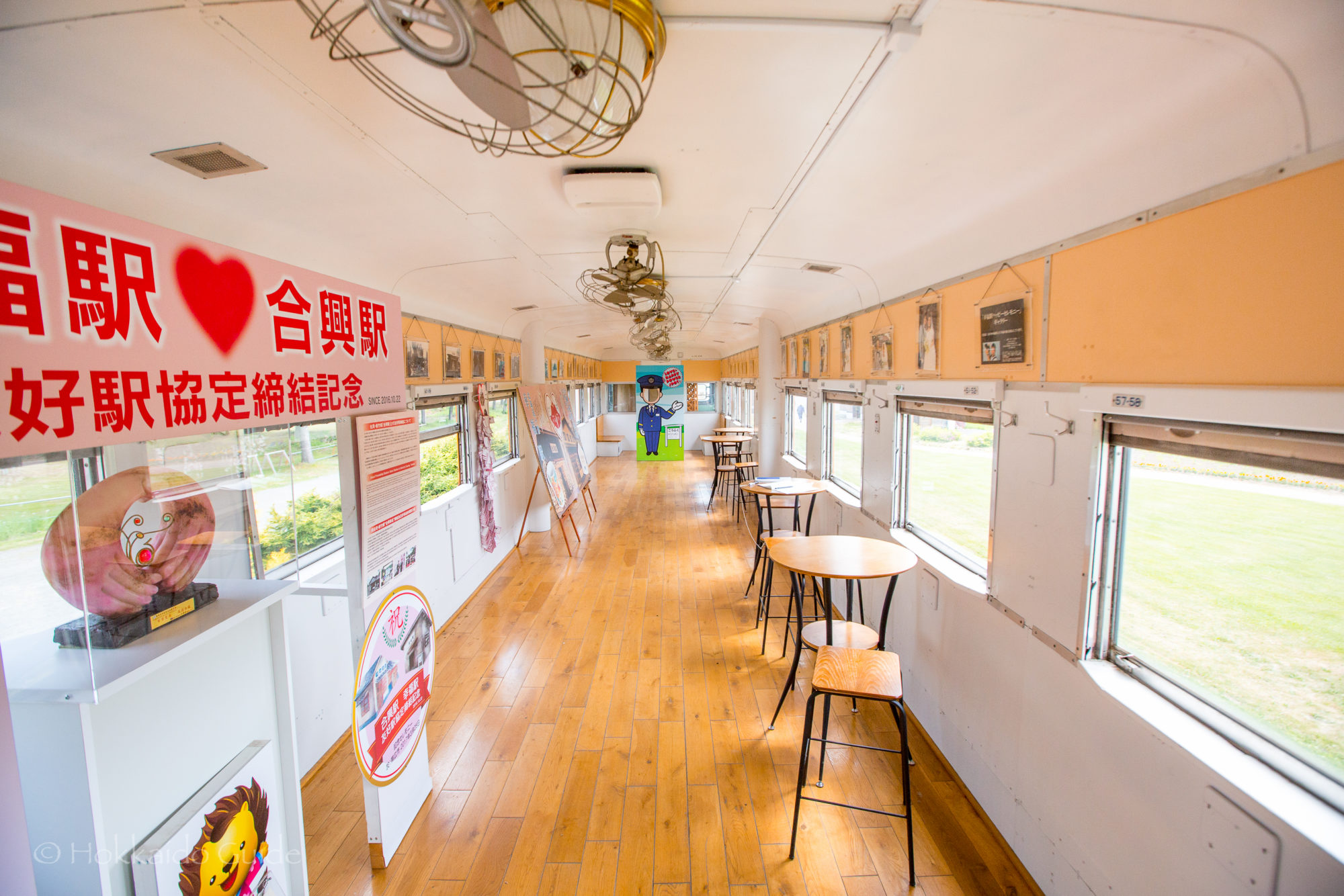
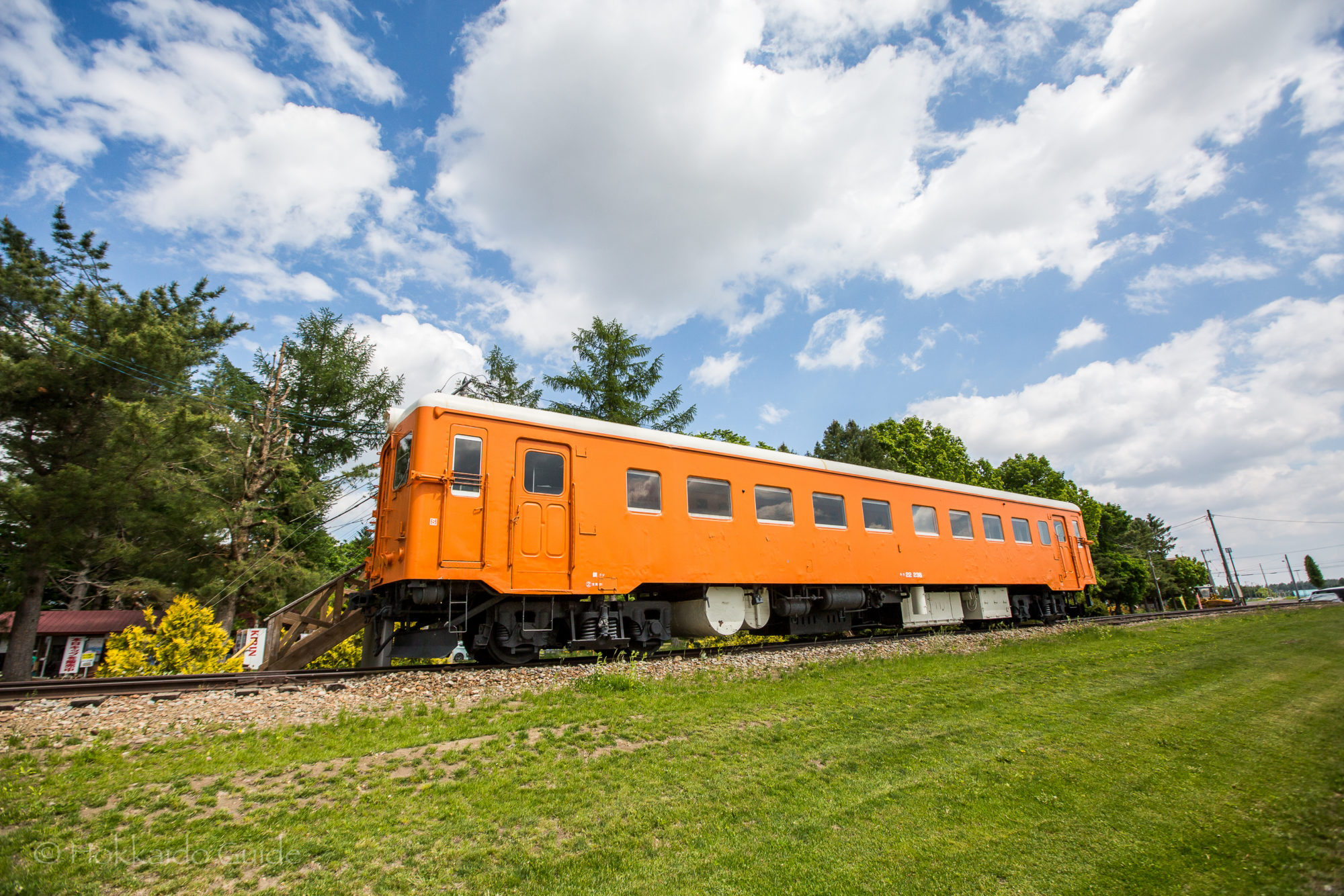
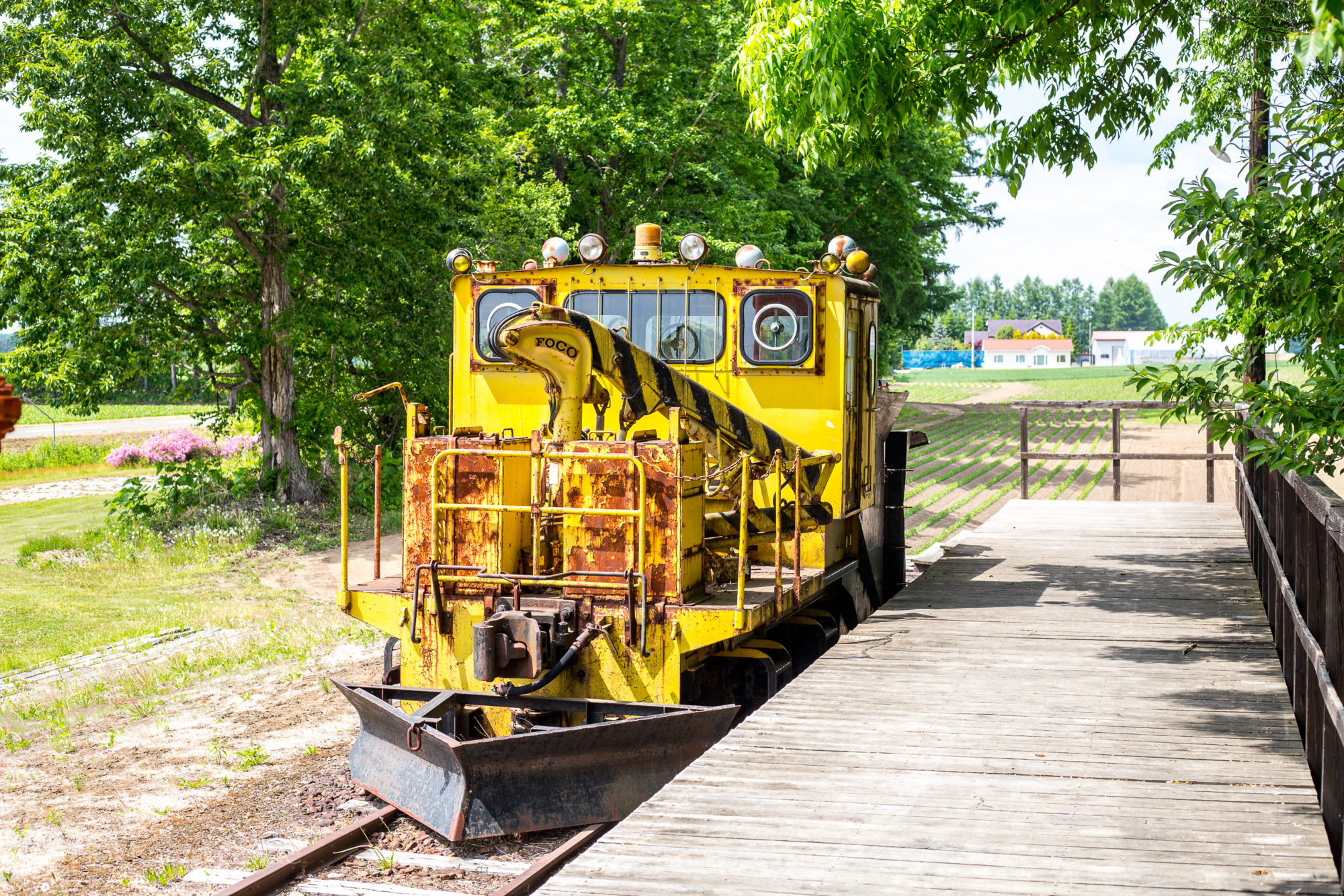
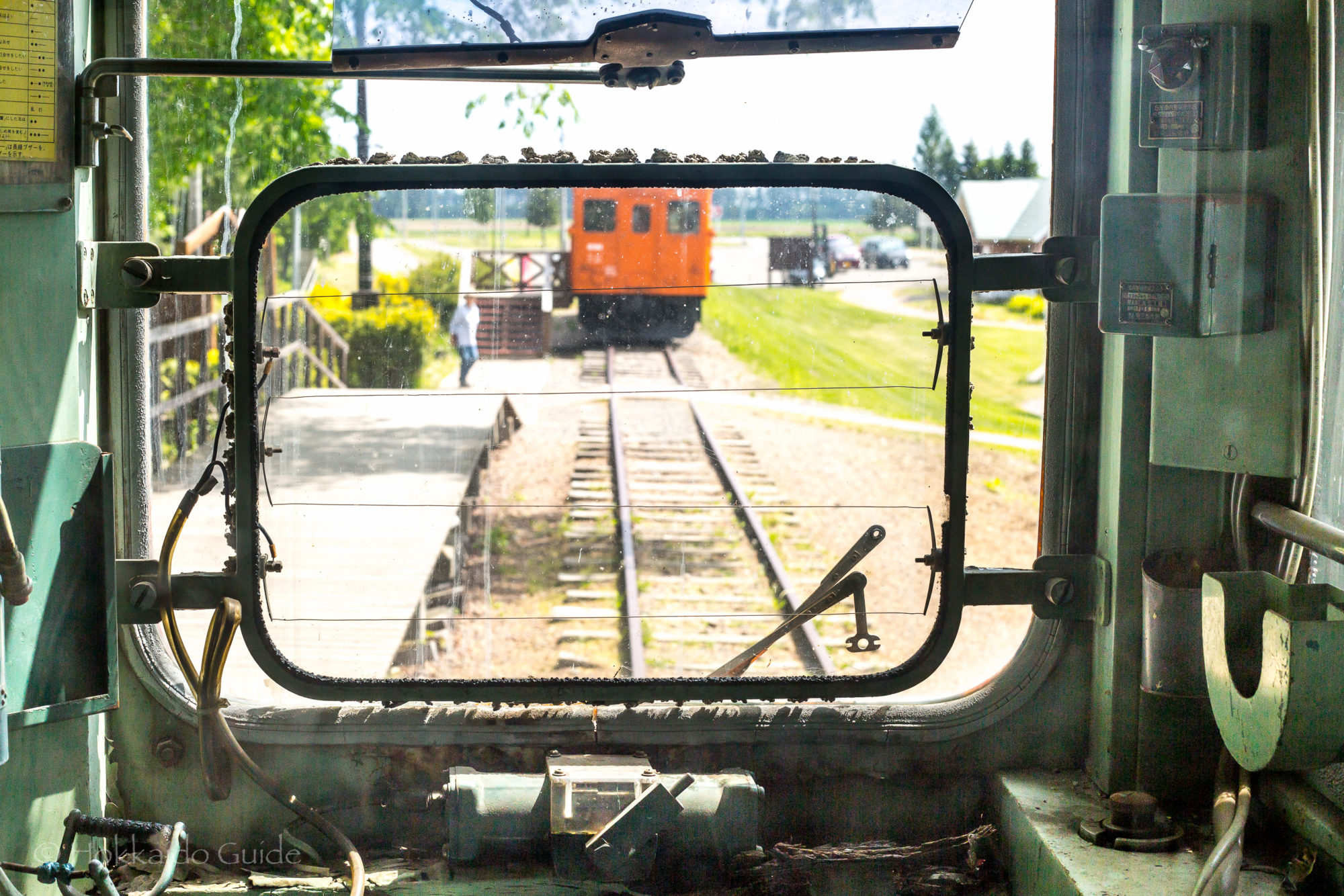
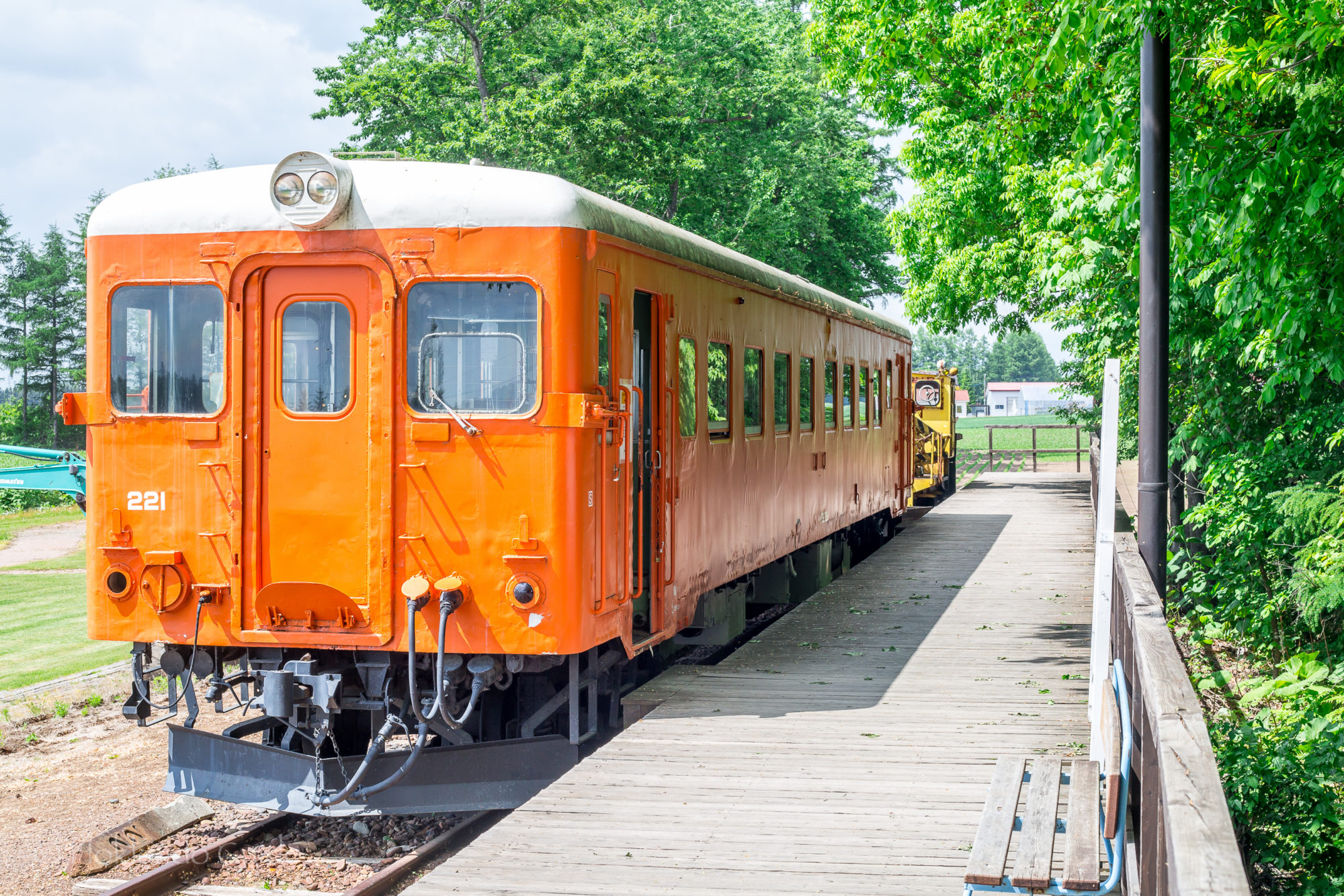
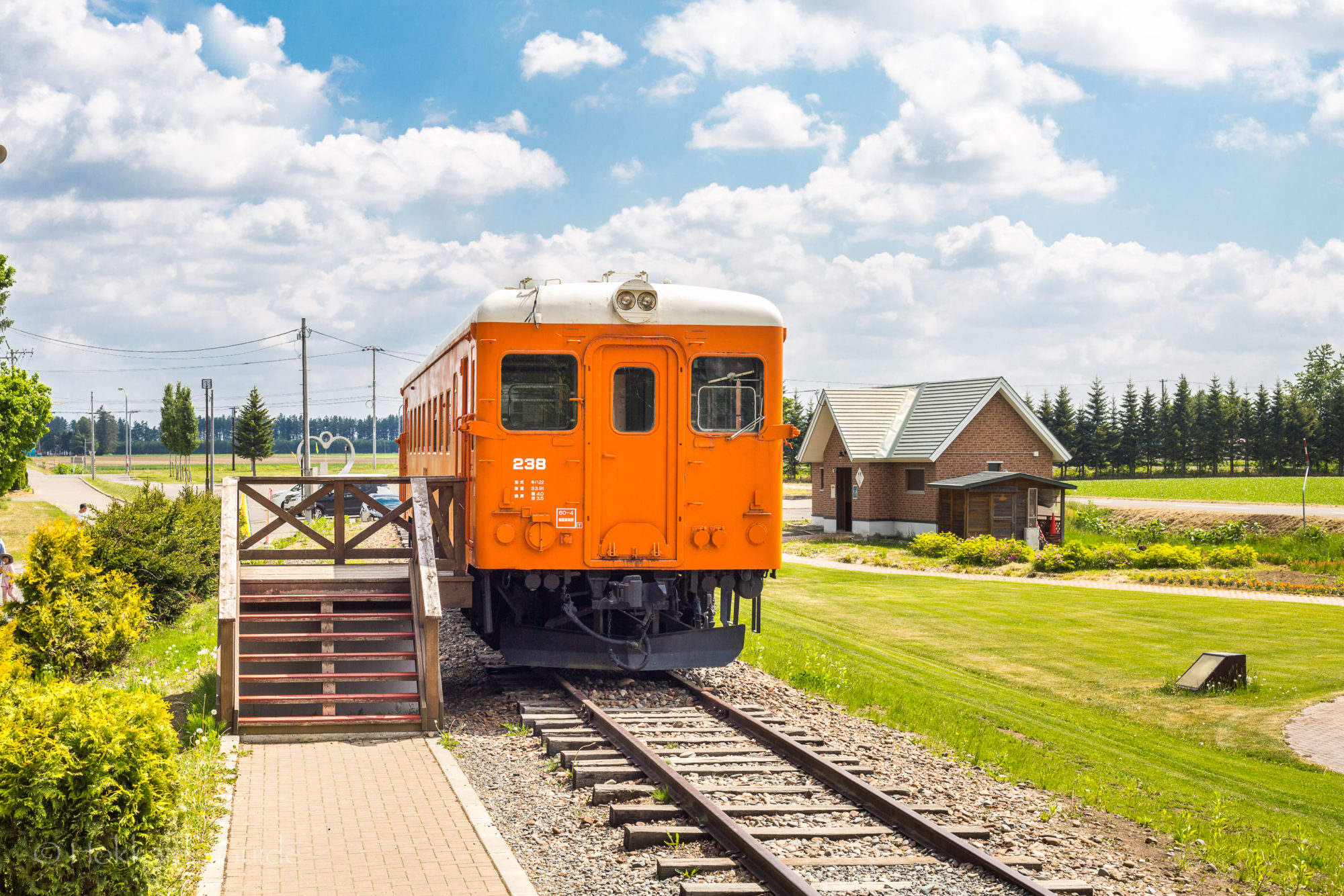
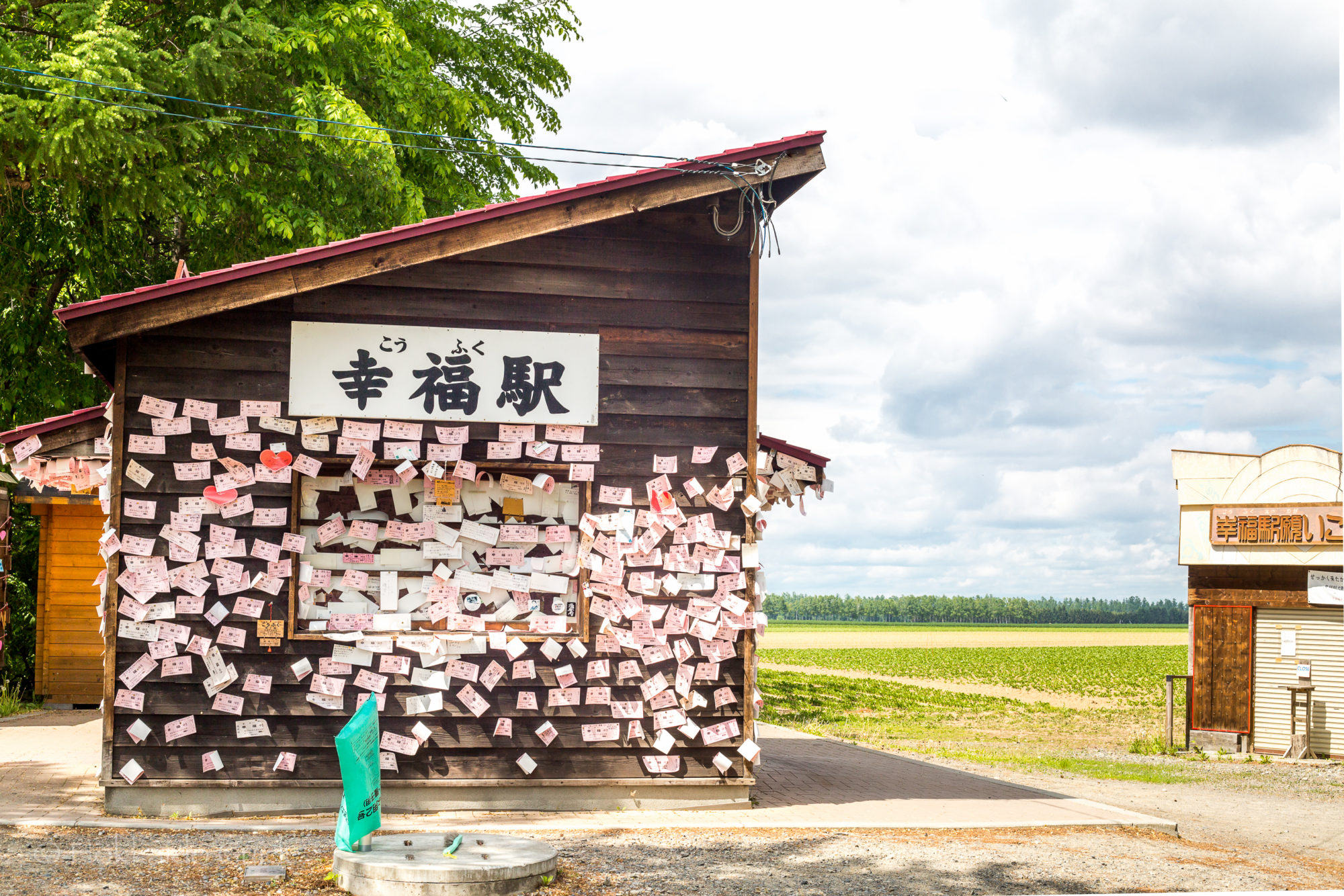
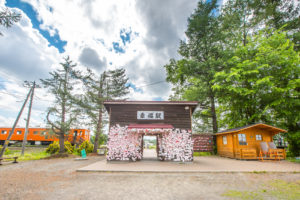 Kōfuku Station is part of Kōfuku Kōtsu Park. In this area, there is a nice little coffee shop, plus a small souvenir store (the Kōfuku train ticket is a very popular item), and photography area. There are two old trains here that have been turned into small museums. This area is especially popular for couples as the site was chosen as a ‘Sanctuary for Lovers’ in 2008. There is a special bell here that can be rung for good luck, plus the main attraction is the small hut here. You can write a message on a pink ticket and stick it to the wall. The hut is covered with thousands of these messages. Kōfuku Station is a popular spot to visit, if you can get out that way.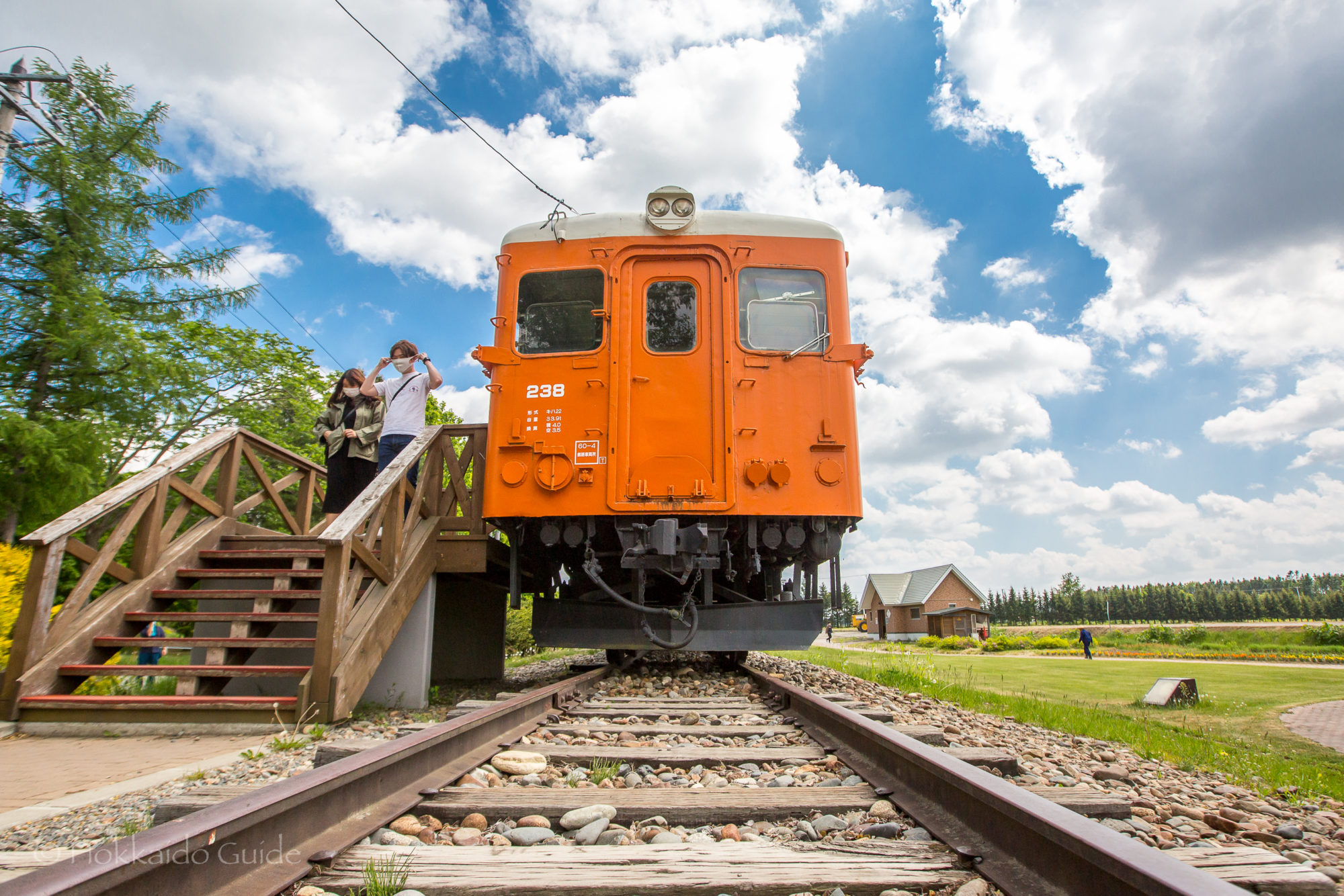
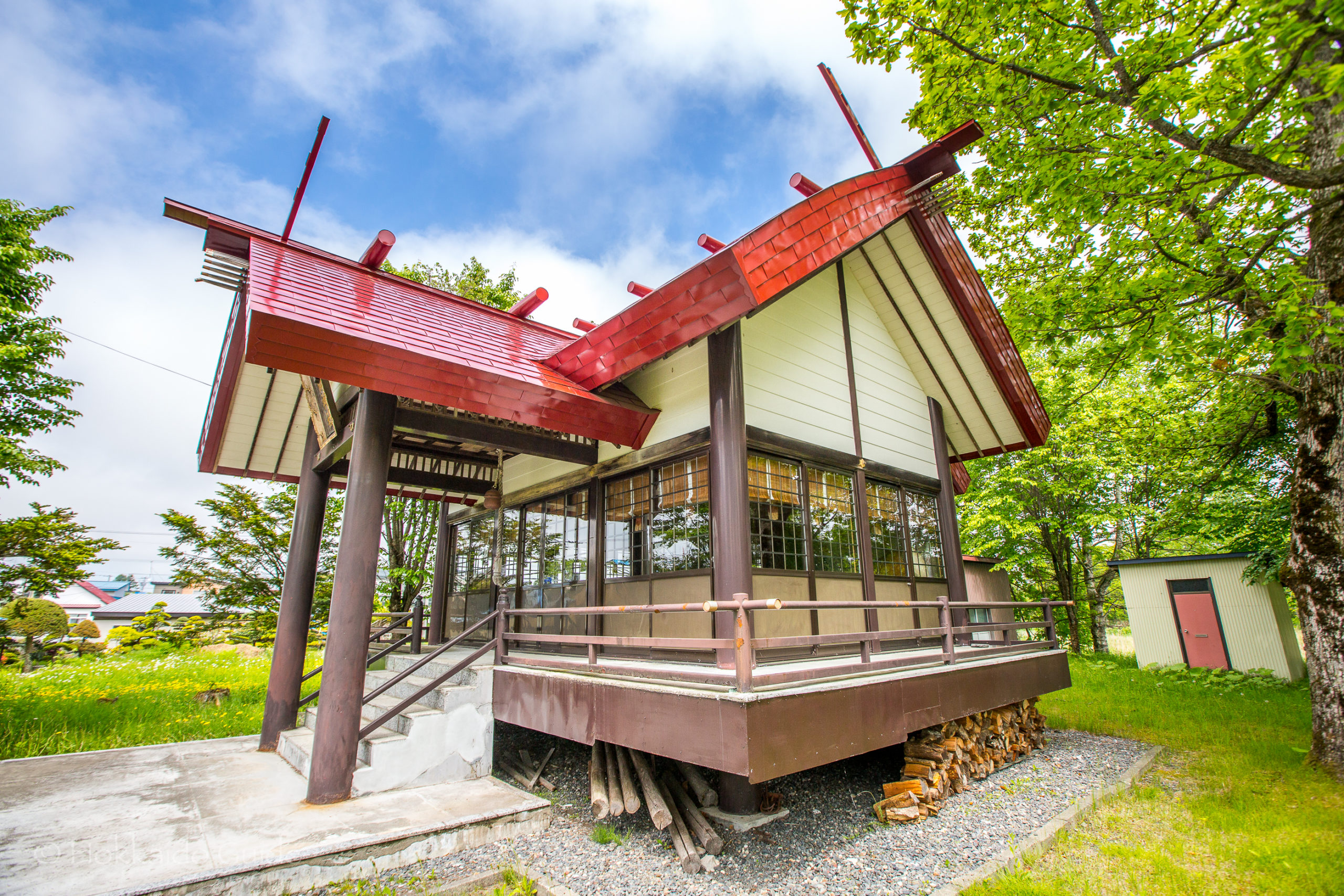
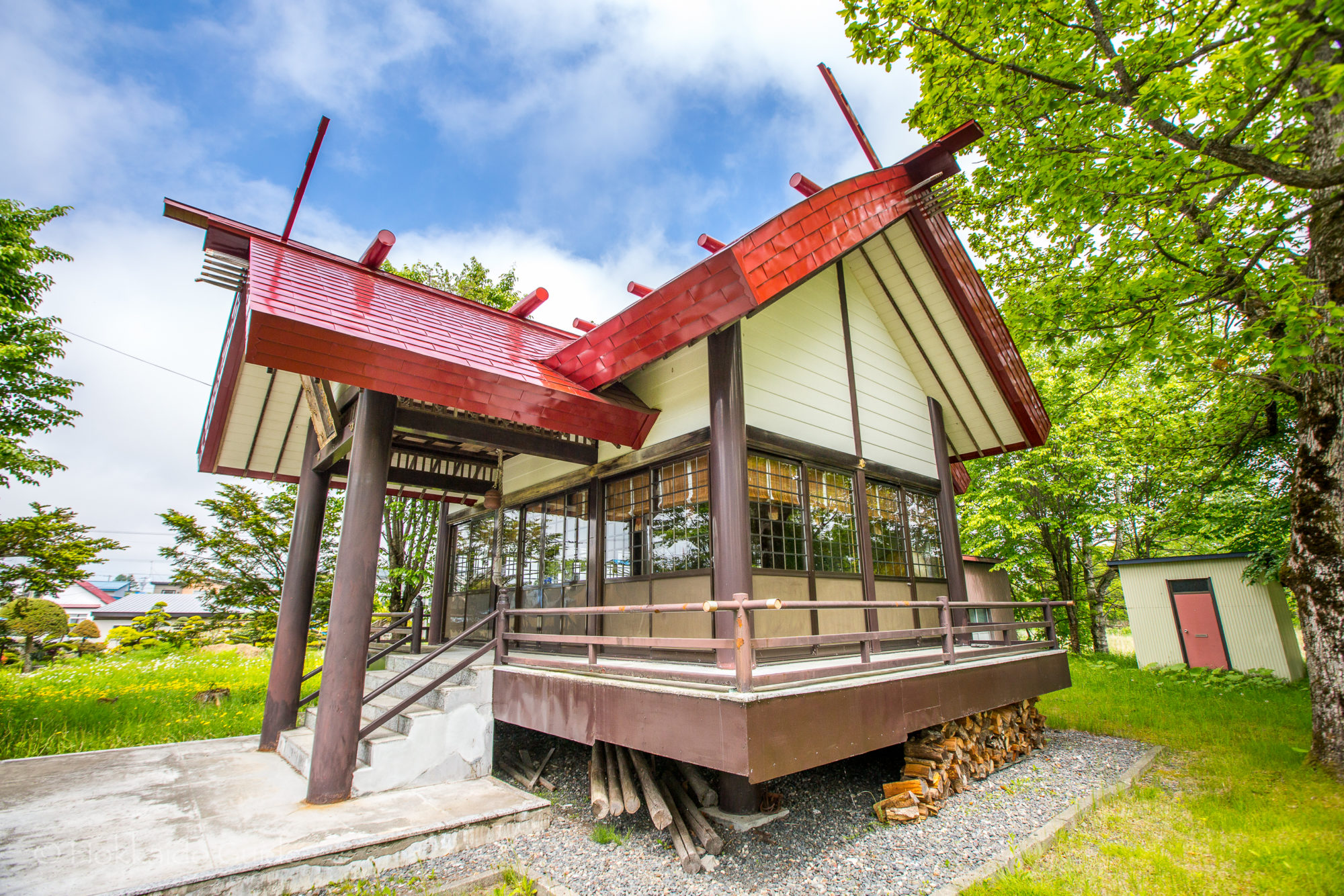
 The beginnings of Toyoni Shrine dates back to August 1891. It all started as a simple and small garden shrine that was created by a settler, Kanjiro Inoue, who had made his way to the district of Hiroo. As a guardian deity of the area, he held a ritual of protection during the seasons of spring and autumn. For entertainment, folk songs were sung and children’s sumo events were held. All of this stopped suddenly, and later in 1945 after much discussion and organization for funds, a full shrine was built and completed. Due to decay and deterioration the shrine was reconstructed in 1985, and has maintained its appearance as you see it today.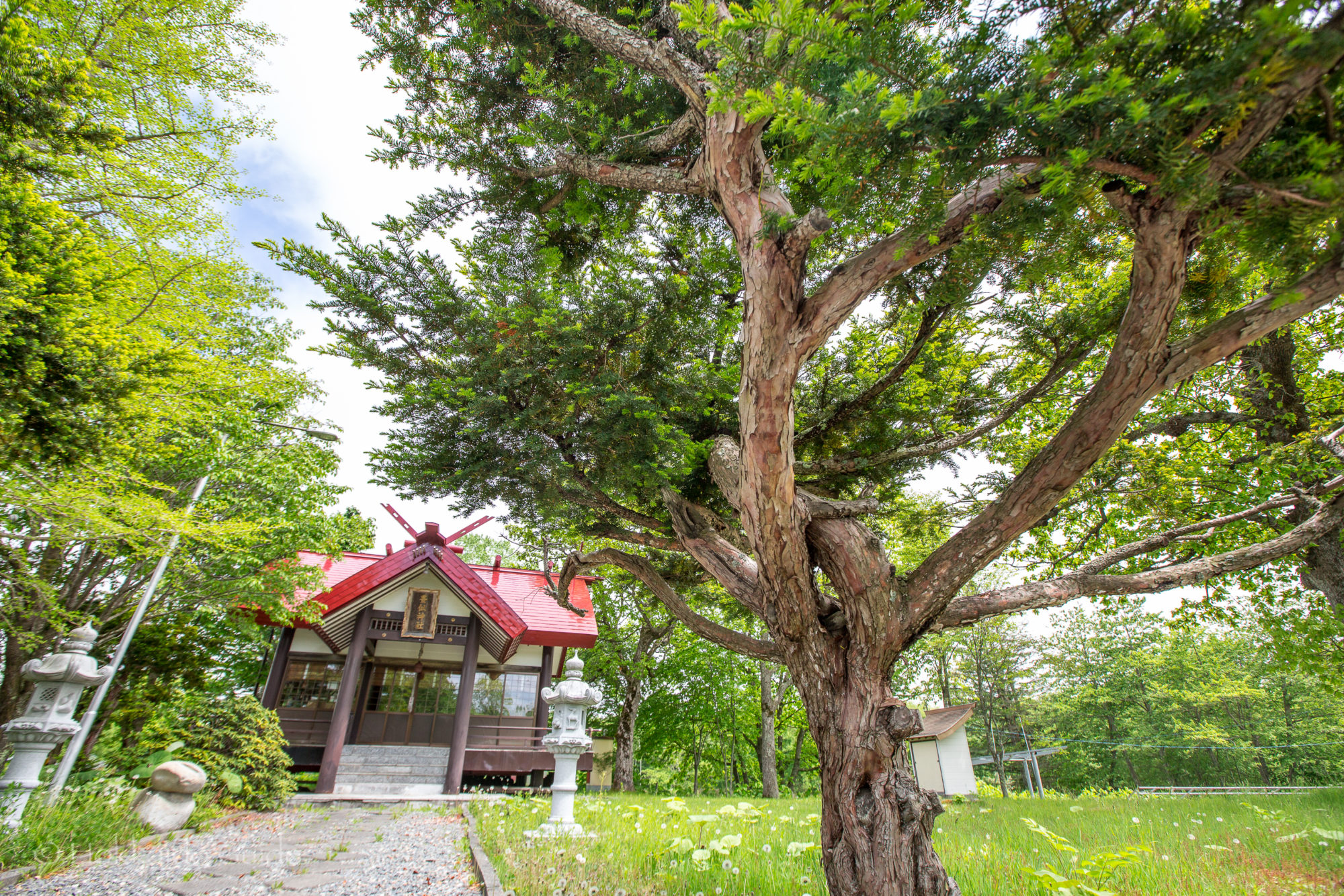
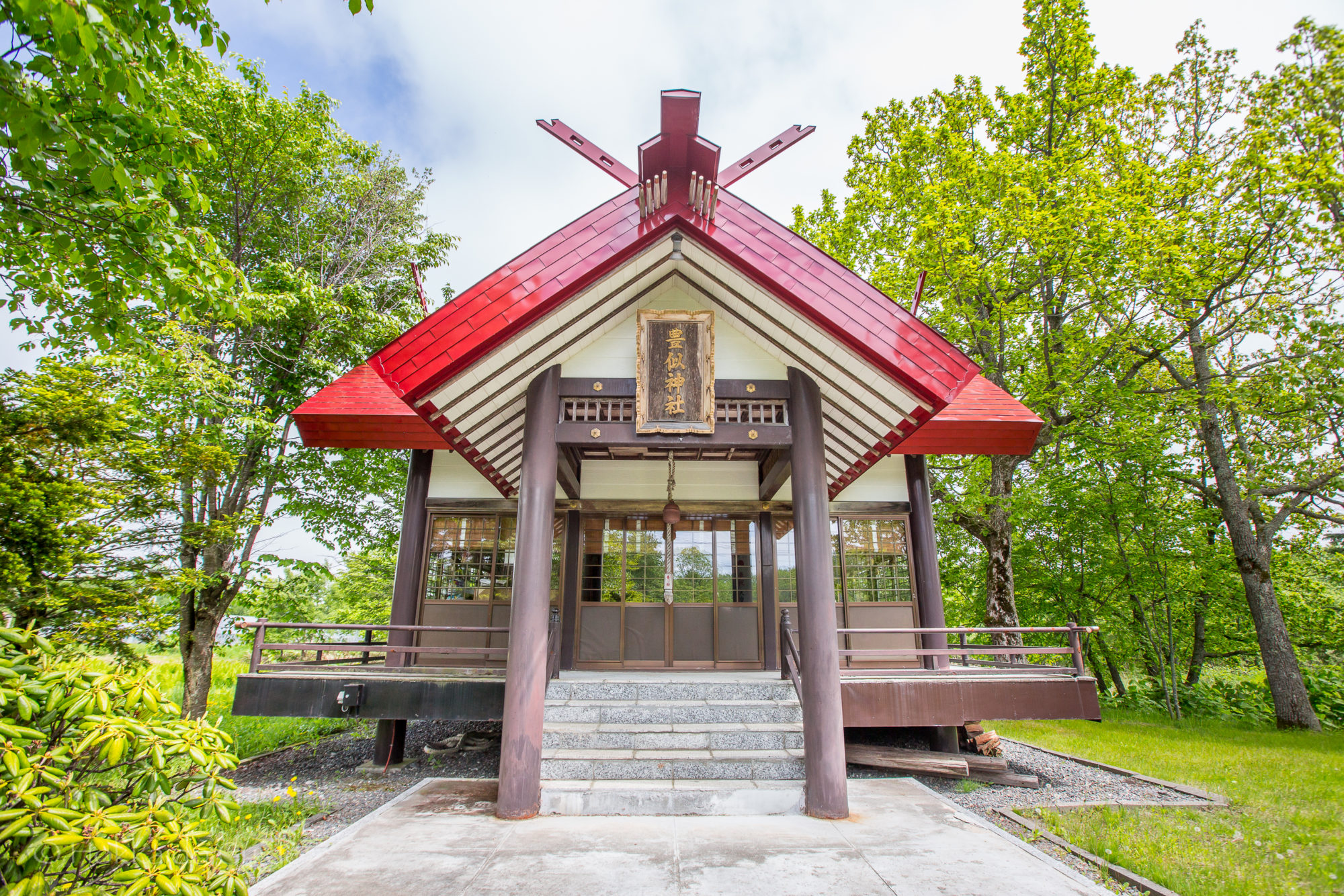
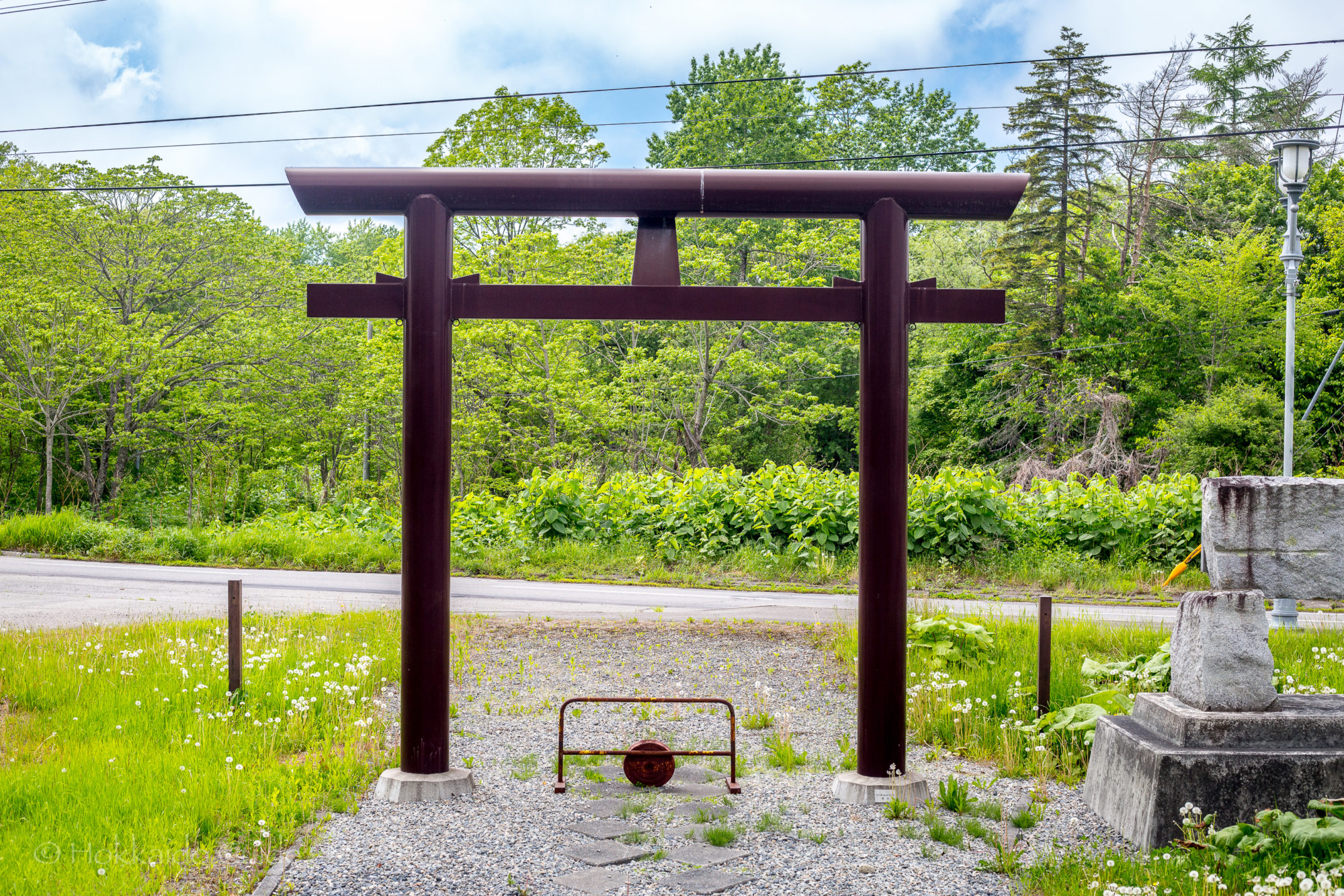
 The shrine is just off route 336, and it can easily be seen from this road, especially if you are driving from Hiroo to Obihiro. Obihiro being an hour drive away from the coast. It is just before the small town of Toyoni. There isn’t any parking but there is a drive way and grassland where you can stop. The grounds are quite nice in the summer months, and there are gardens and wild flowers growing around the area. This is a small shrine with 125 households as parishioners. The shrine is 11.5 tsubo.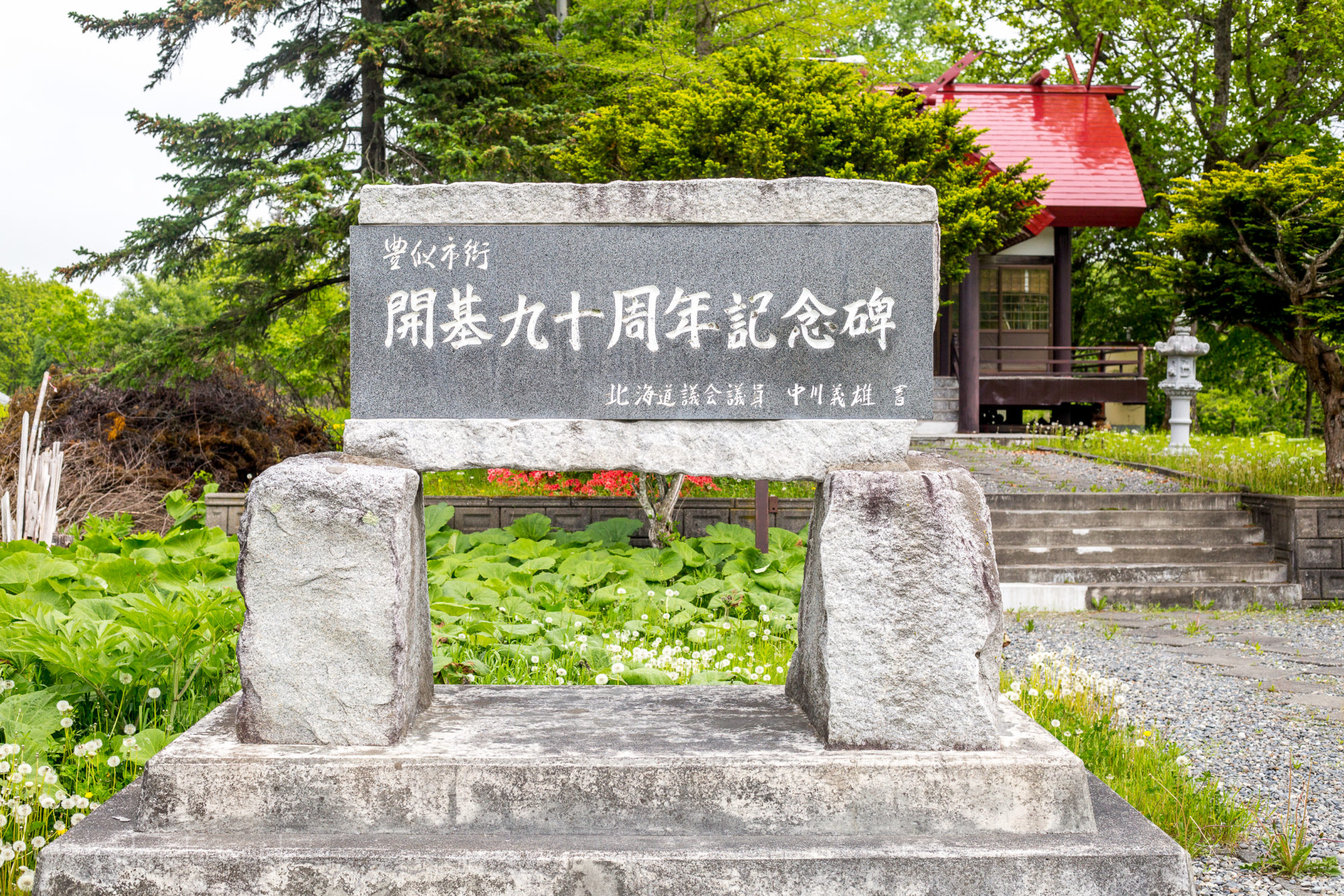
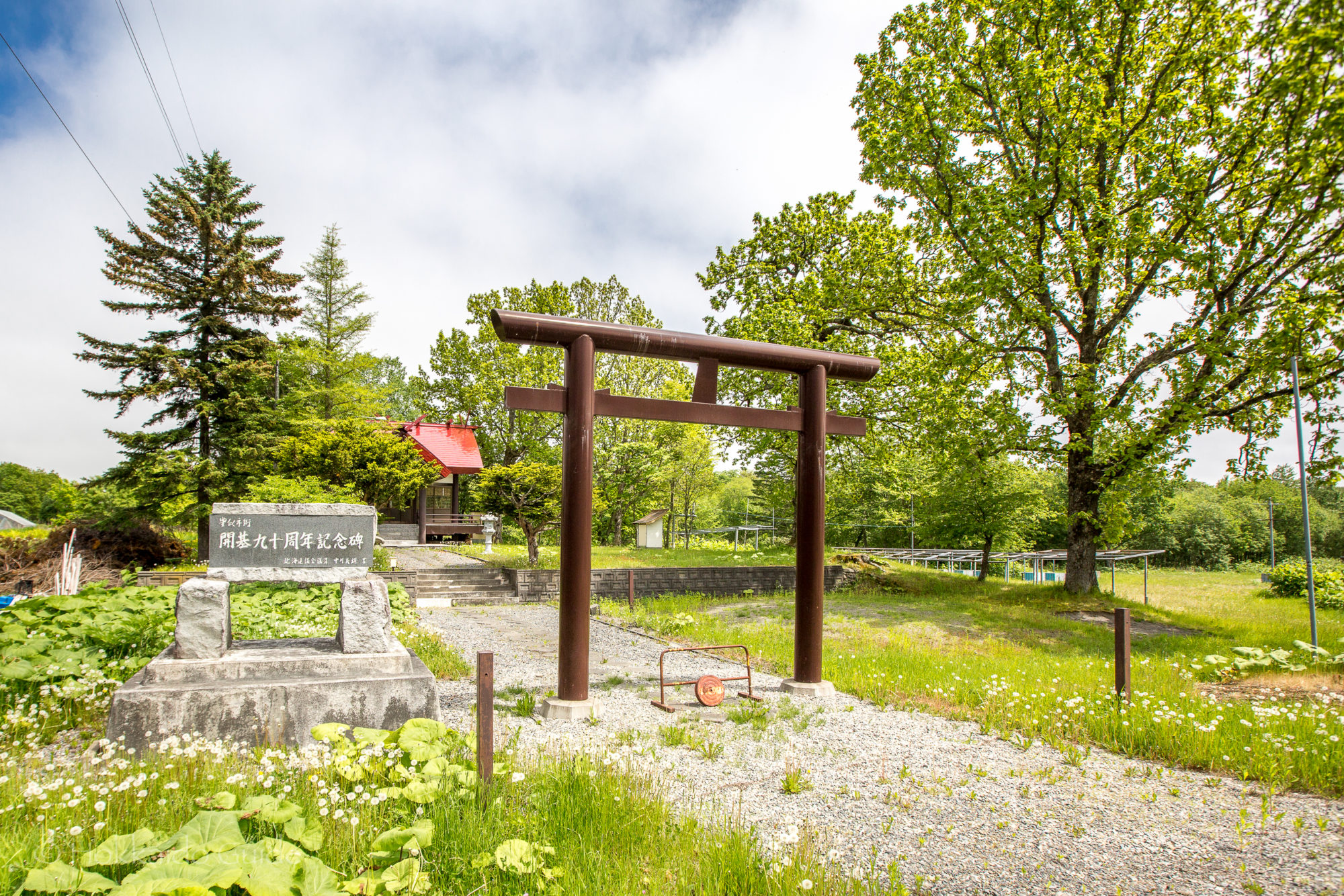
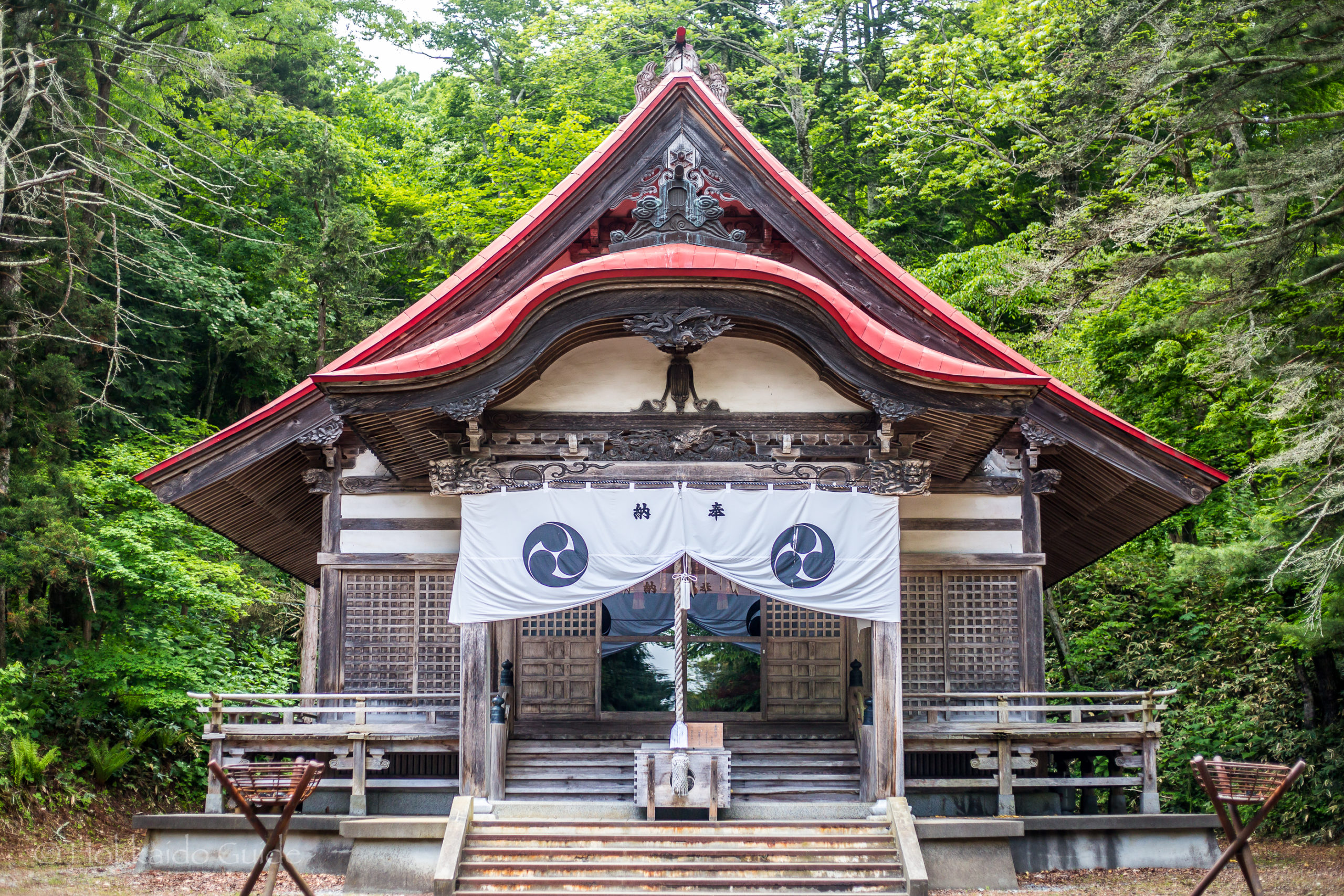
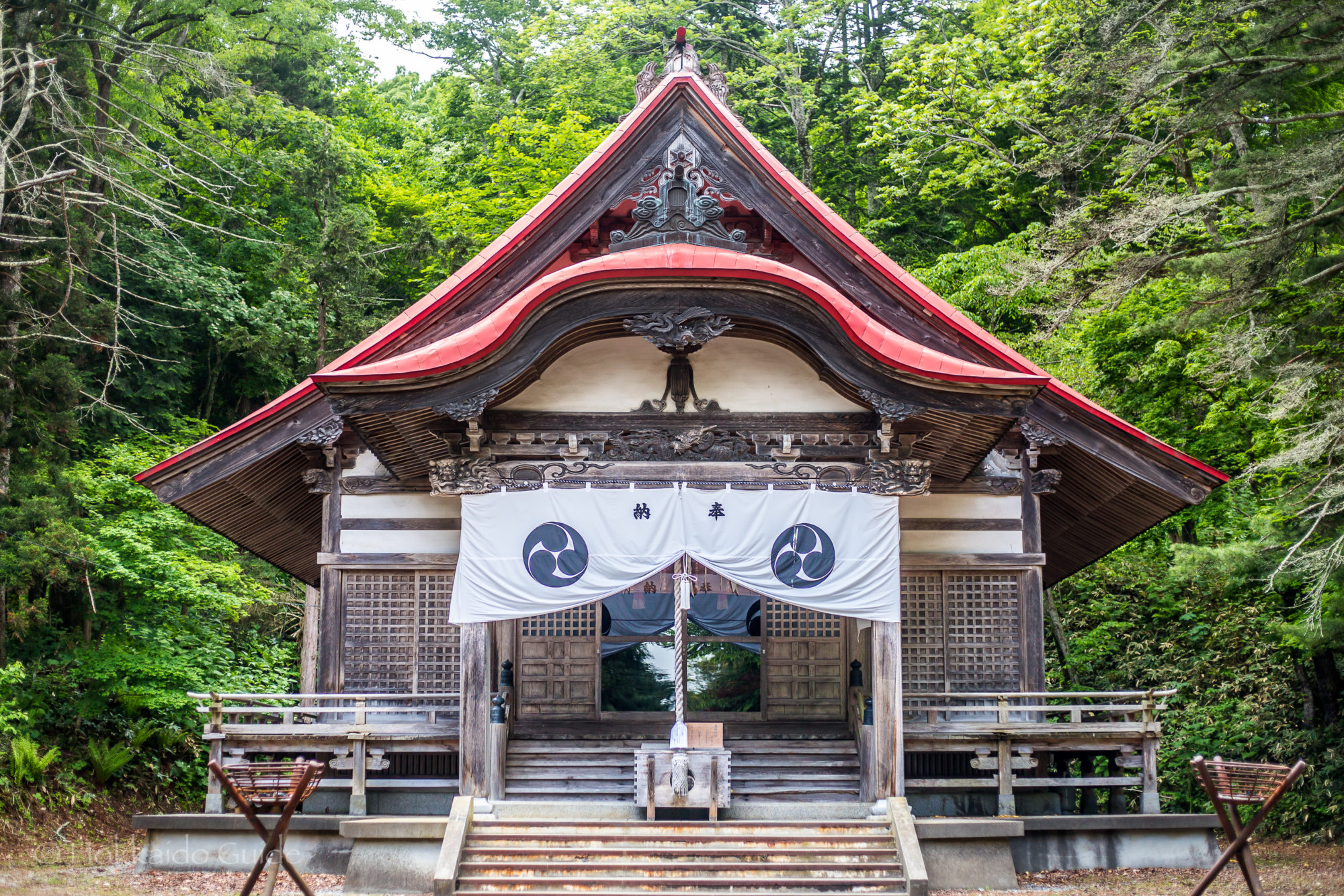
 Tokachi Shrine dates all the way back to June 1666. The shrine is located in the coastal town of Hiroo. Hundreds of years ago, the fishing industry here became strong. As the town prospered, so did the reverence of the deities. According to the local history, a piece of driftwood washed up along the coast which had the representations of a dragon, and then enshrined here. Later on, this driftwood was then carved into a statue. The date of this is unknown, but the statuette was about four inches and was carved into a likeness of Prince Shōtoku.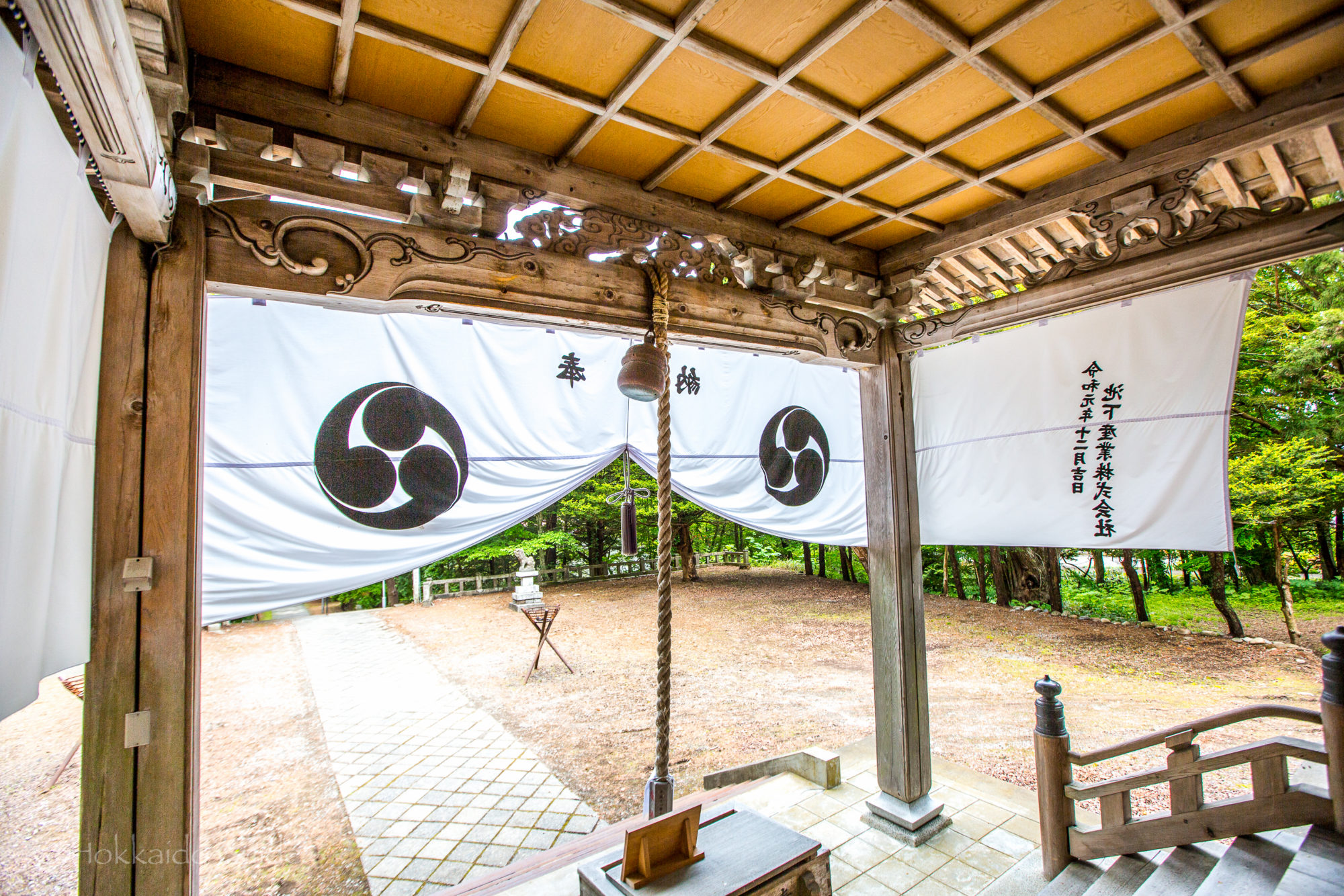
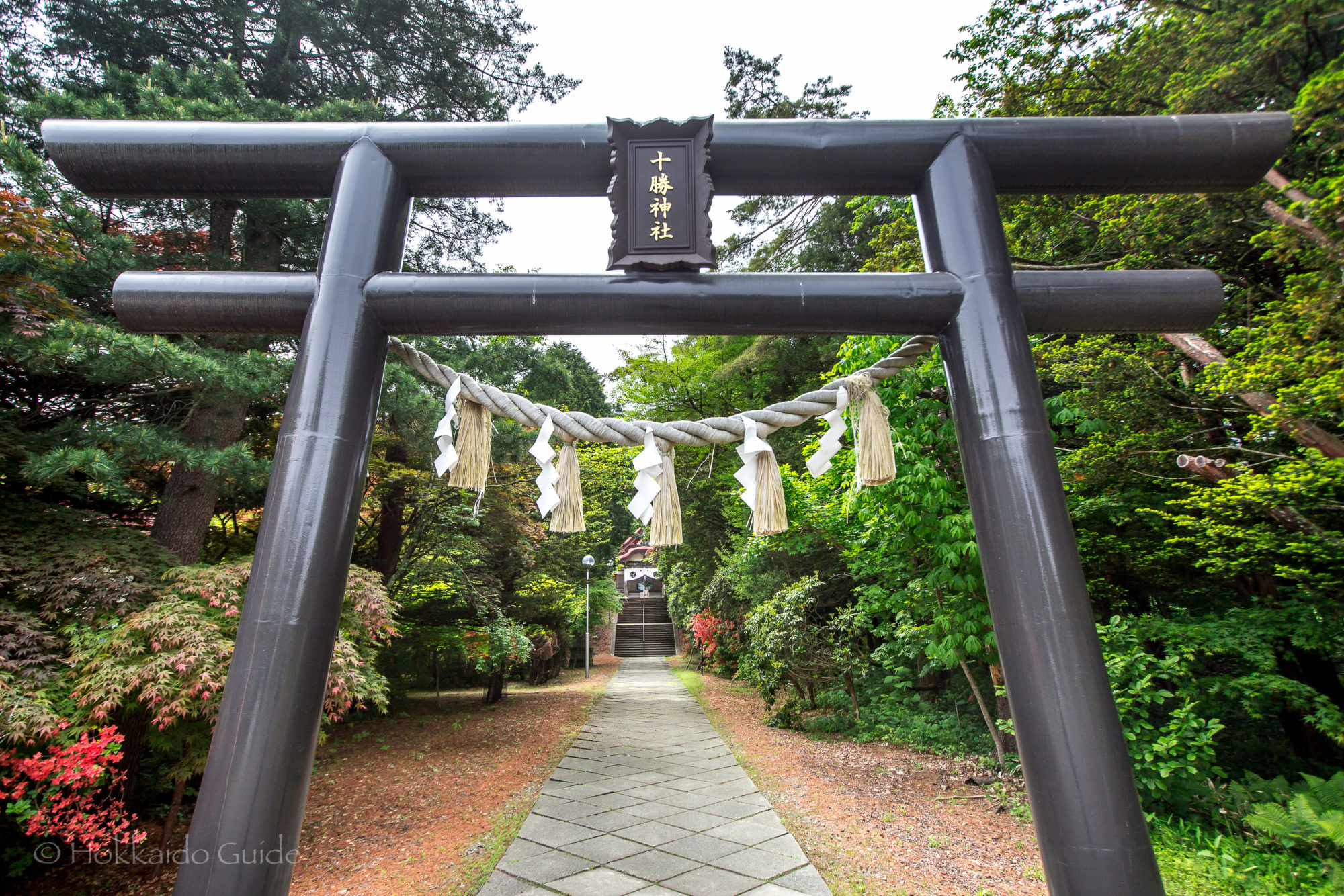
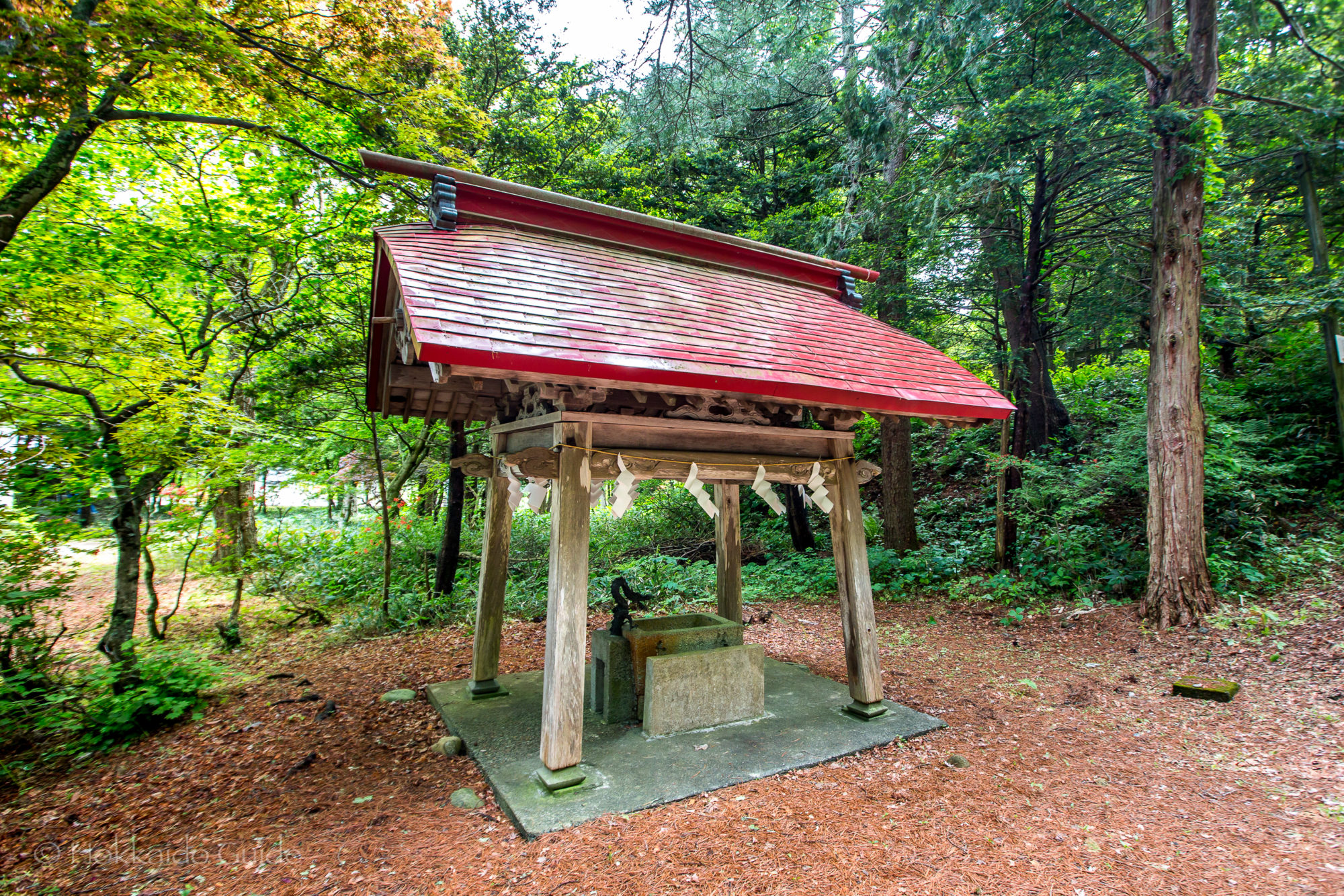
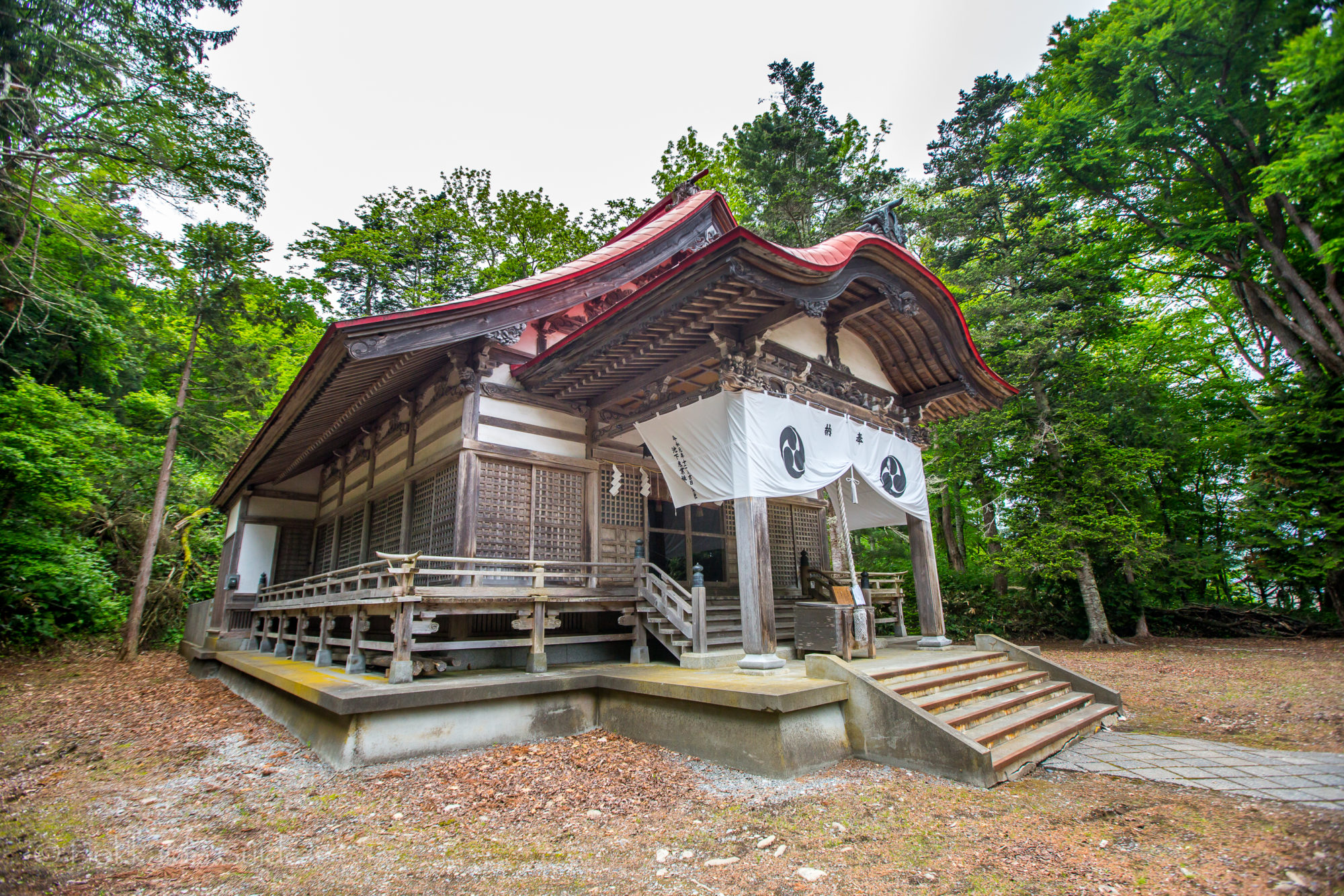
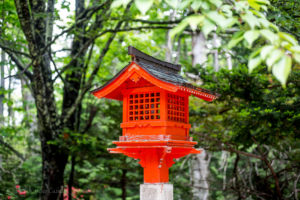 November 1799 saw the development of a new road between Hiroo and Samani. This opening increased trade and more wealth was attributed to the town. In turn, the shrine prospered and went through developments. As of 2021, the number of parishioners numbers 3,214 households, and 130 worshippers. This shrine is part of the main park in Hiroo. It is a great place to wander around and stretch the legs. The shrine has a nice long stone path which leads towards the shrine. Here, you can get some nice pictures of Tokachi Shrine.